Search results for tag #youtube
![[?]](https://retro-pizza.s3.de.io.cloud.ovh.net/accounts/avatars/115/889/762/649/088/070/original/2e4a358dae3902db.jpg)
Great video from Barry...It's not really really about Steven Bartlett - sorta....explaining the science of how social media works, para-social relationships, fame, YouTube...
...lots of stuff here that bugs me.
I mean I did it with that 'you want to be liked' comment!
Fame is a panoticon, and I'm glad to not be famous, but whenever I've seen behind that parasocial curtain it's scared the hell out of me.
My friend who died was basically the king of being relatable and 'genuine' on camera (wasn't him though) - and when he died it just got weird.
I'd do better if I pushed those sorts of relationships but it feels wrong. manipulative.
https://www.youtube.com/watch?v=Dqh17U3tymU
#parasocialRelationships #parasocial #youtube #stevenbartlett
![[?]](https://cdn.masto.host/retrogaidencom/accounts/avatars/112/281/202/751/309/557/original/4e2344e9c012a474.gif)


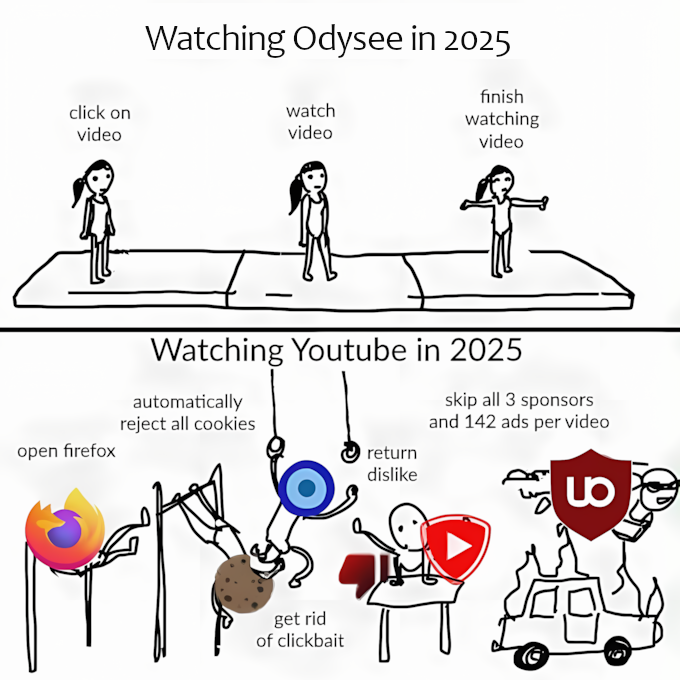
![[?]](https://star.octade.net/media/63a94df7-40e2-42d2-915d-5c141da33d4e.png)
"I Know the Blasphemy of the Synagogue of Satan" - Jesus
[LINK] https://youtu.be/o_7c82i0E70
"Jesus called them "the synagogue of Satan." But who were they, and what had they done?"
"The phrase appears only twice in the Bible, in the letters to Smyrna and Philadelphia in Revelation 2:9 and 3:9. Today it gets quoted everywhere, and people build some very large conclusions on it. In this video, we investigate the phrase using the CAAP method (Context, Author, Audience, Purpose), digging into first-century Smyrna, Rome's imperial cult, the Greek words behind the text, and the martyrdom of Polycarp, to find out who Jesus was actually talking about and what's been done with his words since."
Some 'crusaders' mis-use the Bible as a way to bludgeon Israel and Jews by calling them the 'Synagogue of Satan'.
This track debunks popular heresies and shows just who this synagogue of satan really is. IMHO the talking sheep head does a great job of succinctly touching on the right points. This information is useful ammunition for shooting down the screeds and credos of cranks who spread their false and hateful interpretations of the Bible.
#Race #Racism #AntiSemitism #Israel #Palestine #Gaza #Jews #Judaism #Prophecy #Religion #Christian #Christ #Christianity #Church #Synagogue #Faith #Jesus #Bible #Theology #SerpentSeed #SynagogueOfSatan #Revelation #ChristianIdentity #YouTube #Video #Podcast #BibleTalk #Heresy #Blasphemy #Crusaderism #Crusaders #Hate #NowPlaying
![[?]](https://files.mastodon.social/accounts/avatars/000/310/087/original/3627ecc8e6d9d524.jpg)
Hands Around the Kennedy Center - September 18 ~6:15 - ???
If you can't be there in person, you can watch the live stream tonight
https://www.youtube.com/live/k3OAXfQo6Ms
#HandsOffTheArts #HOTA #KennedyCenter #WashingtonDC #DC #resist #rally #protest #music #performances #RapidResponseChoir #RRC #DCActivistStreetBand #DCASB #streaming #video #YouTube
I cannot stand clickbait video titles and thumbnails. I have decided to start blocking channels that do this… for my sanity.
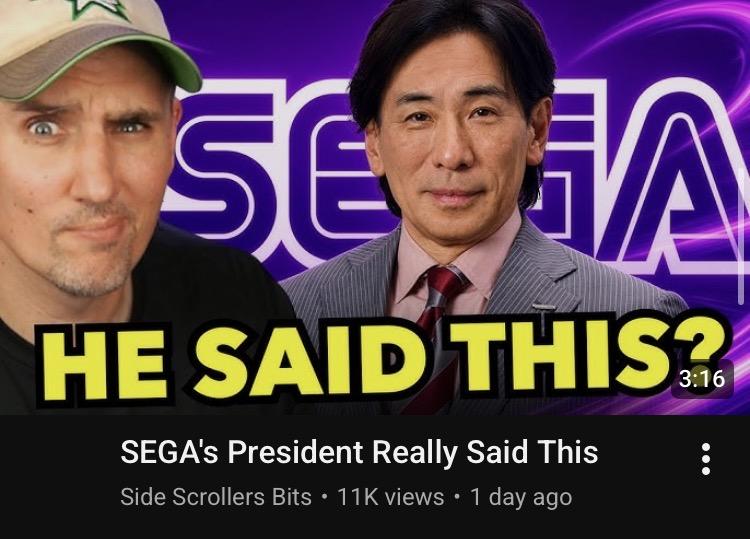
Today is my 46th birthday!
ALL I WAAAAANT 🎶 is for you to watch and/ or share this Crazy Taxi: World Tour video
https://www.youtube.com/watch?v=akzrfjCOkwk
The video is available on Odysee as well.
Is This Satan's Little Season? The Truth About the Rest of the Dead
You are being tested. Satan the Devil is your exam proctor. Will you pass or fail?
This video is interesting. I will add a few things to consider:
People are finally starting to get it. The lake of fire and brimstone is a metaphor.
This era is the age of the lake of fire and brimstone.
YOU are in the lake of fire and brimstone. Now. Today. It is not somewhere you go when you die a bad boy. You have already been a bad boy or girl and you have already died and gone to hell.
YOU are the dead. You are dead and in hell. Now. Today.
This world age is the hell of the Holy Bible. To escape hell is to escape the blindness and wickedness of this age and all its filthy fake history, fake religion, and fake politics.
The whole world has been deceived. History is fake. Religion is fake. Science is fake. Everything is fake. It's all a pile of half truths and lies.
The only way to see through the fog of lies is to look toward the Savior, Jesus of Nazareth.
#Podcast #Video #Youtube #Documentary #Christian #Christianity #Christ #Religion #Church #Faith #Jesus #Savior #Resurrection #Salvation #Gospel #Devil #Matrix #Simulation #Deception #Bible #Hell #Scripture #Theology #History #Politics #Satan #Saints #Tartaria
![[?]](https://cdn.fosstodon.org/accounts/avatars/107/119/935/922/768/447/original/52adb160f5cb4520.png)

 🇲🇽
🇲🇽I have been using #Youtube way too much, and even paying for Premium, but it's not good for me, so I need a break from it.
This is day 30 of #100DaysToOffload
![[?]](https://cdn.masto.host/mastjohn1126com/accounts/avatars/115/981/910/993/463/416/original/00ac72837ce34a31.gif)
YouTube marked this video PRIVATE. So I downloaded the torrent.
It's been awhile since I have downloaded bittorrent, and yet it is a useful protocol that works.
https://archive.org/download/youtube-Y1ByPgdH8h4/youtube-Y1ByPgdH8h4_archive.torrent
#torrent #video #YouTube #censorship #spiritual #music #Elvis #MichaelJackson #KurtCobain #RobinWilliams #nirvana #withcraft
![[?]](https://social-coop-media.ams3.cdn.digitaloceanspaces.com/accounts/avatars/109/292/548/115/399/400/original/1dd288cdd5781292.png)
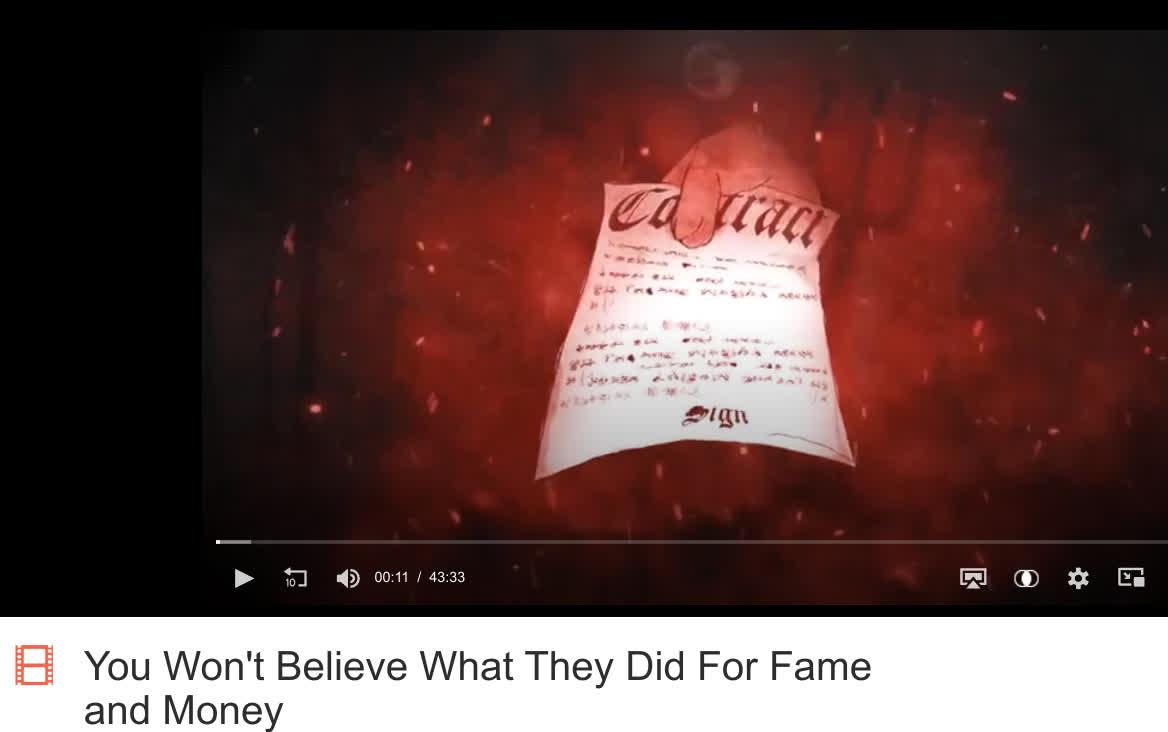
Also it is clear that #Youtube recommendation algorithm serves completely different realities to different people. Sometimes suddenly the algorithm (by accident, or on purpose) leaks some blatant misinformation or alt-right/fascist video's into my browser viewport.
The example in the snapshot I encountered yesterday, and is one that is easy to detect. I watch pro-Ukraine channels, and this guy is a clear Russian hack.. https://en.wikipedia.org/wiki/Glenn_Diesen
It shows how dangerous Youtube is for #freedom and #democracy, esp. where more and more people turn away from TV and regular #news channels to get fully 'informed' by #SocialMedia.
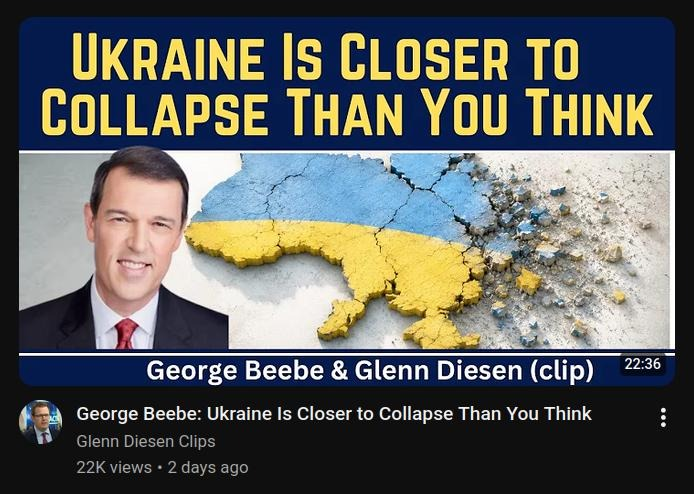
Alt...
Misinformation in my recommendations. A video thumnail reading "Ukraine is closer to collapse than you think" by a Russian hack called Glenn Diesen.
I don't get them anymore in my #Youtube recommendations, for some reason, but I sent a warning last year how your favorite news anchor or political expert may be a complete #LLM fake. And every famous influencer having a bunch of copycat channels that may dupe you to think you are watching the real deal. Even last year these channels were such that it was already hard to discern they were fake.
![[?]](https://autistics-life.s3.bhs.io.cloud.ovh.net/accounts/avatars/114/613/151/536/635/497/original/cbb662781ca90d08.jpeg)
@light Thank you, friend, for sharing that. Now I also was able to watch it.
She was cautious in her wording, careful to not actually say out loud the infamous "911", and still YouTube found it and restricted it. Do we really need YouTube/Google/Alphabet protecting children from this content, by age-restricting it?
As for me, I believe her testimony.
Many were fooled once. But will they be fooled again? (The fiery kickoff event will also fool many.)

![[?]](https://files.mastodon.online/accounts/avatars/000/179/465/original/512b7b9b8588c924.png)
PeerTube is a decentralized platform for video hosting.
Google YouTube alternative.
Automatically import all videos from a YouTube channel along with future videos.
Supports live streaming.
Supports Channel synchronization.
No advertisements.
No tracking.
Instances: https://instances.joinpeertube.org/instances
Platforms: https://joinpeertube.org/instances
Browse content: https://joinpeertube.org/browse-content
Website: https://joinpeertube.org
Mastodon: @peertube
PeerTube: https://peer.tube/c/peertube_news/videos
#PeerTube #Fediverse #deGoogle #YouTube

Alt...
PeerTube logo.
ATTENTION YouTubers
Please provide a PeerTube option in addition to your YouTube account.
EXAMPLE
The Linux Experiment
Website: https://tilvids.com/c/thelinuxexperiment_channel/videos
Fediverse: @thelinuxEXP @thelinuxexperiment
PEERTUBE
Website: https://joinpeertube.org
Fediverse: @peertube @Framasoft
THANK YOU
#Google #YouTube #YouTuber #YouTubers #deGoogle #Framasoft #PeerTube #FreeSoftware #FOSS #FLOSS #SoftwareLibre #OpenSource #Privacy #InfoSec #Fediverse #Video #Decentralized #SelfHost #SelfHosting #ActivityPub

Alt...
PeerTube logo.
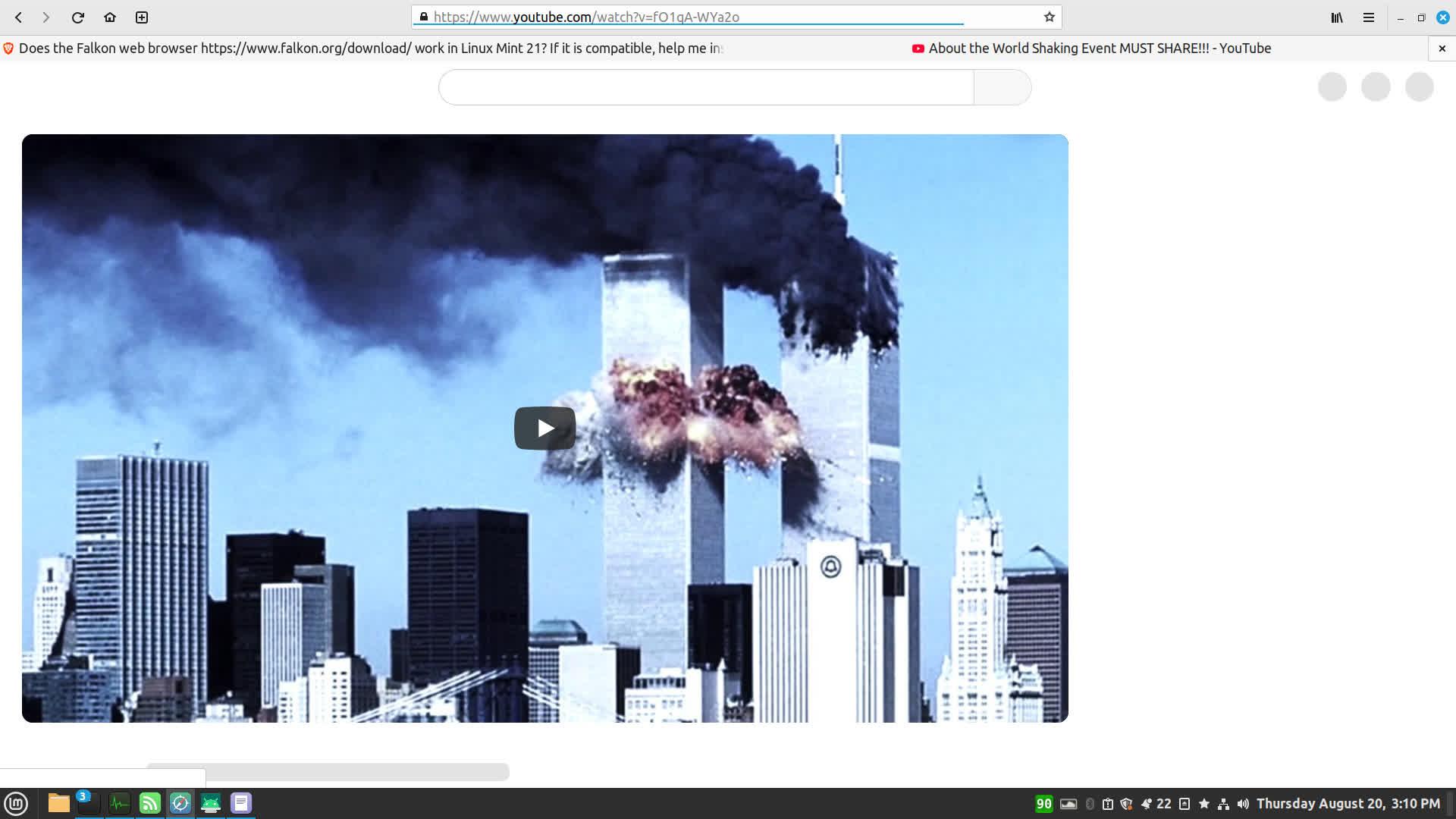
#YouTube locked me out of my account, but they require me to be logged in to see this video. For me, that amounts to #censorship.
"Sign in to confirm your age
This video may be inappropriate for some users."
I wonder what this video is about and why they restrict it.
https://www.youtube.com/watch?v=fO1qA-WYa2o
![[?]](https://media.bsd.cafe/bsdmmedia01/accounts/avatars/114/439/967/181/871/365/original/9c94f4a4076e444d.jpg)
![[?]](https://sfo3.digitaloceanspaces.com/veganism-space/accounts/avatars/113/793/819/237/828/375/original/40c87f2268ab00a4.jpeg)
@fediverseconnection @leanderlindahl
well, then you can make the video available on #mastodon.
download it from #youtube (or #x, #instagram, #facebook, or whatever) and share it here, for example with #ytdlp or #tubular.
![[?]](https://files.mastodon.social/accounts/avatars/115/070/625/860/923/251/original/9629d01039476748.png)
I chat about chapters 1 & 2 of Stoner by John Williams
https://www.youtube.com/watch?v=HIezmXemJOc
#philosophy #books #author #reading #existentialism #camus #video #youtube #shorts #RidleyPark

![[?]](https://files.mastodon.social/accounts/avatars/115/967/890/192/375/774/original/79861f67f1d57c00.png)
#LoopsVideo #Loops
[ #YouTube Style Videos ]
#Funny #Video #DIY #HomeMade #HomeVideo Can be linked / boosted / embedded in #Fediverse!
List of other fun and serious videos:
https://loops.video/v/go26AI74uJ
https://loops.video/v/hu1EZy8BMO
https://loops.video/v/hou1SHLK0u
Boost !
![[?]](https://media.mstdn.social/accounts/avatars/116/138/608/027/346/017/original/5c7f20237920c8d7.png)
My new YT video is up!
This week's video is about the NoRecognition project and its adversarial design and learning model, which creates visual patterns that fool Flock cameras.
It's an exceedingly neat story. If you give it a watch, please tap the like button. That engagement helps a small creator out in a big way. Thank you.
#YouTube #Tech #Technology #AdversarialDesign #Flock #Privacy #MassSurveillance
Here’s the livestream replay from earlier. I originally wasn’t going to do a highlights video but it was too much fun not to 😄
The highlights video will be uploaded tomorrow.
![[?]](https://mastodon.laurenweinstein.org/system/accounts/avatars/109/357/023/842/046/447/original/aa40ce3e4660a756.jpg)
It appears that using unattributed AI can pretty much instantly ruin a #YouTube channel creator's entire reputation. Yep, it's a third rail now.
![[?]](https://files.mastodon.social/accounts/avatars/115/742/434/865/105/205/original/ba2fa15026c28d18.jpeg)
Want a YouTube experience without the recommendation algorithm?
YT Zero is an open-source, self-hosted YouTube frontend that focuses on subscriptions instead of recommendations. Follow channels without a Google account, organize videos locally, and optionally download them for offline viewing with yt-dlp integration.
More details: https://digitalescapetools.com/tools/tool.html?id=ytzero
#OpenSource #SelfHosting #Privacy #YouTube #FOSS #DeGoogle
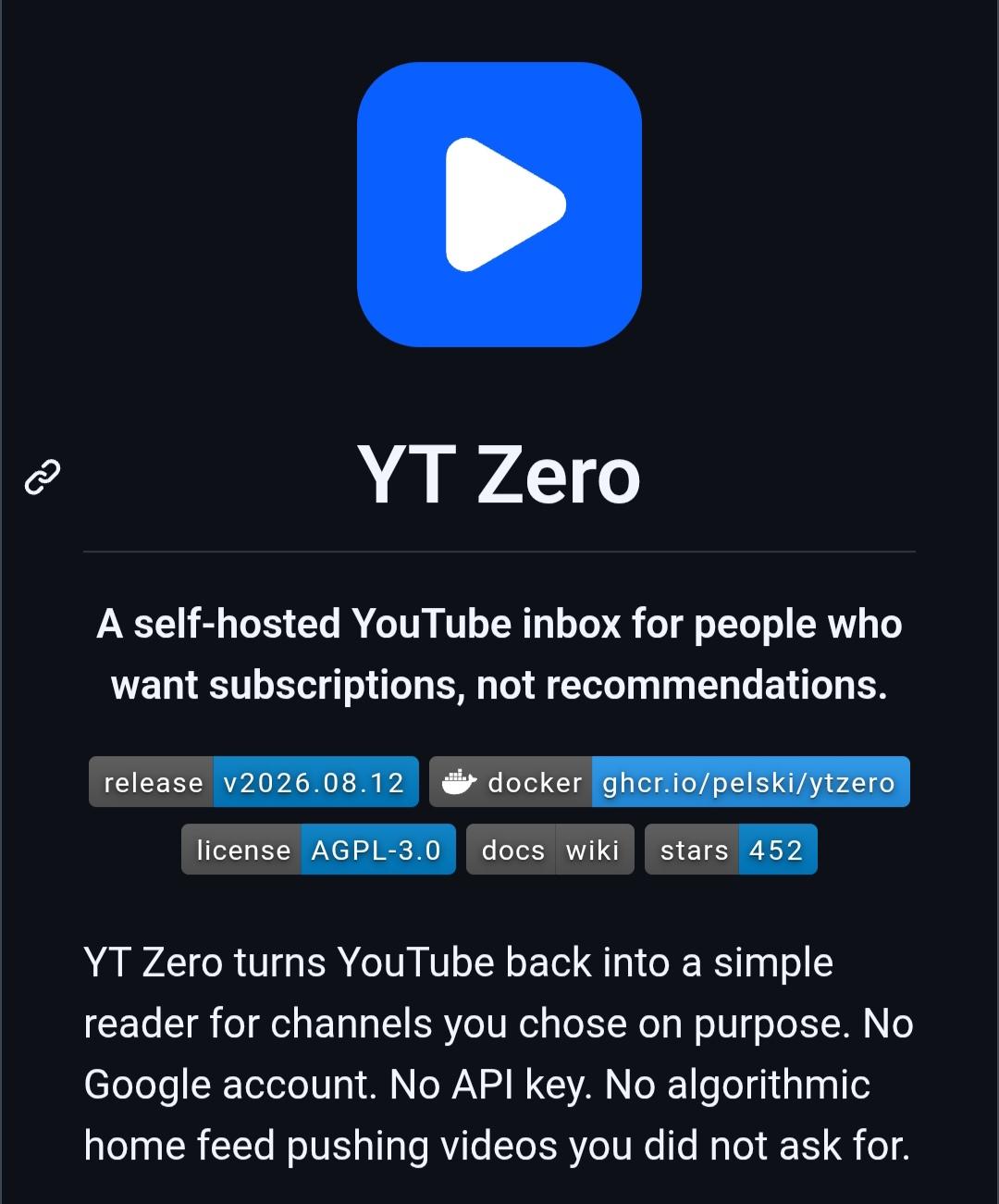
Alt...
Screenshot of the YT Zero project page. It features the YT Zero logo, the tagline "A self-hosted YouTube inbox for people who want subscriptions, not recommendations," and badges for the latest release, Docker image, AGPL-3.0 license, documentation, and GitHub stars. The description highlights a recommendation-free YouTube experience with no Google account or API key required.
Few things piss me off more than when I go to watch a video on a topic and then the creator wastes your time by not talking about the topic until halfway through the video.
I just watched a 16 minute long video because of the title, and he didn’t start talking about that topic until 11 minutes in. 

![[?]](https://files.mastodon.social/accounts/avatars/115/437/433/456/398/299/original/45147e3ef33b8148.png)
YouTube has broken its silence after removing dozens of ASMR channels.
The company says it has not banned ASMR, but took action because some creators linked to websites containing adult content.
Several affected creators, including some with hundreds of thousands of subscribers, claim their channels were removed without any prior warning.

![[?]](data:image/png;base64, iVBORw0KGgoAAAANSUhEUgAAAEAAAABAAQAAAACCEkxzAAAAUUlEQVQoz43R0QkAMQwCUDdw/y3dwEvsvzlL4X1IoQkAisKmwfAFT3RgJHbQezpSRoXEqeqCL9BJBf7h3QbOCCxV5EVWMEMwG7K1/WODtlvxAYTtEsDU9F34AAAAAElFTkSuQmCC)
when sewarx NG find something much fucking faster than fucking ghoogle!
this seams to happen often.
i go to youtube, i wonna search a video, "fuck you, we're either gonna give you shorter clips, or something you doin't want".
searcheses it on google, hard to fucking find under pages!
searx-NG: ok, here you go!
#selfhosted #youtube #searx #searxng
![[?]](https://weredreaming.com/mookie/s/avatar-c033319a3a3d5098e5af08a922200981.png)
They lead off each video with the requisite "The company sent this out to me, I am sending it back after this review is done, no money exchanged hands and the company will not see this review prior to me posting it."
Them not keeping the product is not the issue here. The problem is that the YouTuber received a review sample. These reviewers can't say bad things about the product because if they do, they won't get another review sample sent out to them ever again -- since there's always going to be another YouTube product "reviewer" that would happily say nice things about a product, companies can ignore YouTubers who are critical.
Product reviews on YouTube are nothing but infomercials at this point.
Having written all of that, this video is a breath of fresh air:
#mastodon #snac2 #fediverse #books #watches #privacy #games #youtube
![[?]](https://polymaths.social/fileserver/01J5M0ZN4YQN00E8Y8SCB09GBM/attachment/original/01JXCNZNZS0TRJF52JH0MT48BB.png)
This is something that stems from the bulletin board system period.
When people started to Flame each other they were just banging at the keyboard
BBS flame wars
What happens now {last 20 years} is the same; they can only be horrific towards each other when banging at the keyboard.
I've been told that people in industrialized countries can be very lonely. Hundreds of them in a building but they are still lonely
Often that loneliness is portrayed in a negative manner on public internet forums by people who often live a miserable life. Some of them in the US many, can also not pay for the psychiatric care they need.
The end result is a mess of a comment section
#Social #Media #SocialMedia #troll #reaction #any #good #YouTube #no #TV
YouTube's Information Control for #Ukraine
"YouTube does not disclose the details of its algorithm"
But #YouTube does admit to blocking content to Ukrainians. Can a man not be trusted to form his own opinions?
Harvard studied the impact of YouTube's #censorship: "Comment activity on banned channels dropped sharply to near zero immediately after the ban, indicating that the ban was, in fact, successful in preventing exposure to these channels."
In this article, I share how I approach language learning. Check it out.
https://philosophics.blog/2026/07/29/anki-meets-chatgpt-for-snacks-in-paris-for-lunch/?utm_source=masto&utm_medium=social
#philosophy #learning #teaching #memory #psychology #blog #podcast #french #anki #italki #youtube #socialmedia #resources #advice #ai #chatgpt #claude

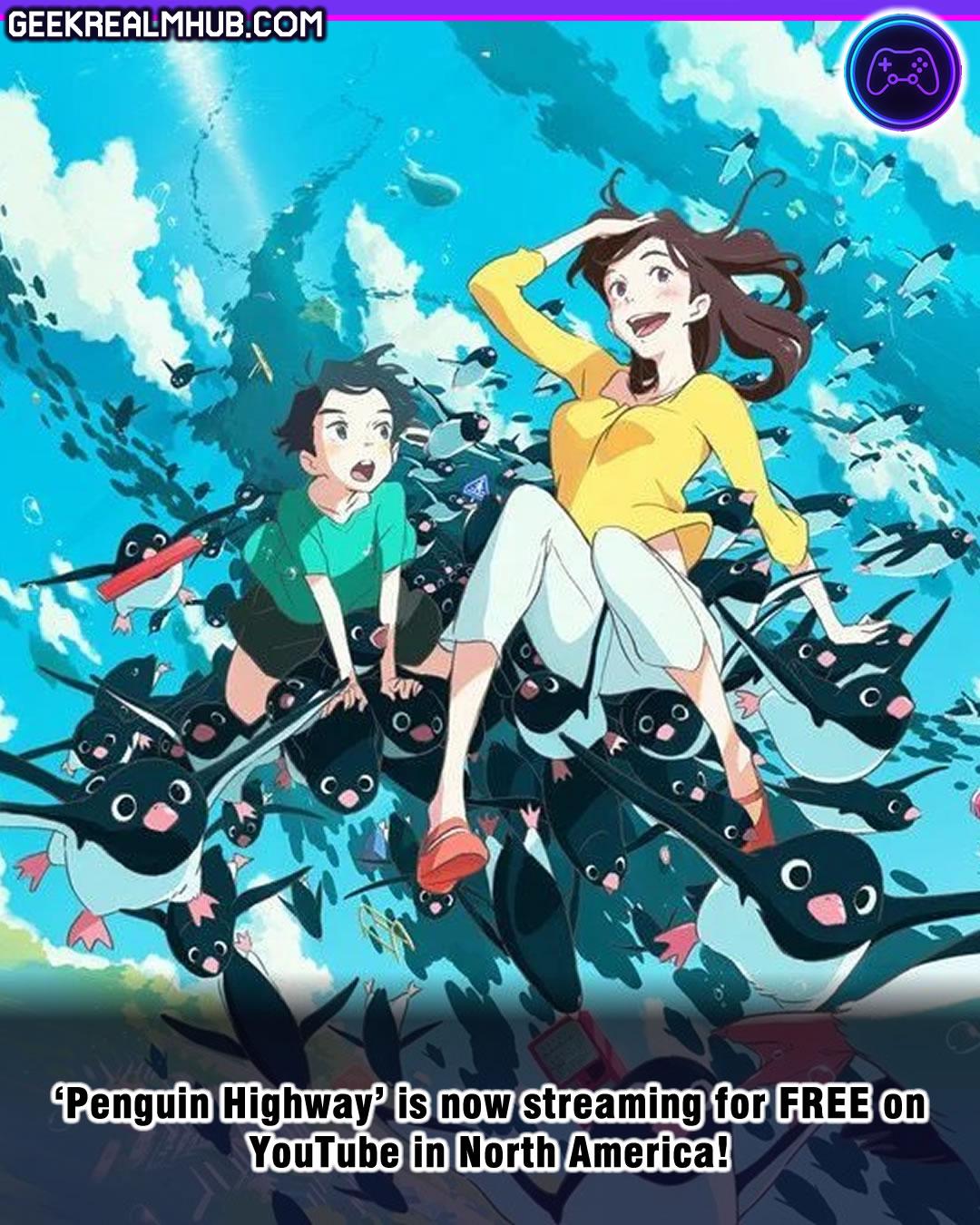
The acclaimed anime film from Studio Colorido is available to watch at no cost for viewers in the region.
youtu.be/tqUY4vioKV4
#PenguinHighway #Anime #YouTube
![[?]](https://social.trom.tf/photo/profile/tio.jpeg?ts=1652029312)
Perhaps instead of #ageverfication nonsense, those who want to protect the children should look at why these platforms like Facebook, Instagram, TikTok, Youtube and the like are "bad" for them and everyone else.
Here's why:
They are TRADING PLATFORMS. Not video hosting platforms, not social networks. NO. People have to trade their attention (watch ads), data, or currency to use these platforms who make over 90% or more of their profits from these trades. Is like calling a Mall a Social Gathering Event Hall. It is not!
At least they should force these platforms to be renamed/re-labeled.
And you know what else? The harm/addiction of these platforms is not solely their incentive to make people trade more (more ads, more data trading, etc.) to keep them on the platforms is the fact that in this society pretty much everyone has a shitty meaningless life. If people were to be taken care of, and not have to trade all of their lives in a boring and stupid job, with them being worth only when they consume, then smarter and relaxed humans would give 0 fucks about these platforms.
When you are out and about, with friends, are not stressed about how to pay for your life, then why do you give much of a shit to post and scroll on these silly platforms?
How come I do not give a flying fuck about these platforms and what people post on them? Because I am busy with more relevant shit!
SO.
Wanna change something?
REPLACE.
Replace these trading platforms with trade-free ones like Friendica, Peertube and the like. If you are a government, support them!
Replace the meaningless life of most people with meaningful ones. Give people their basic needs as trade-free. Via an UBI or trade-free basic services. This way you don't even have to support those trade-free platforms. People will! The same people who do it now, but who also have to struggle to have a day job in order to keep their work on these platforms going. Imagine having millions of people able to get involved and change this world!
Free people from the Trade-Society!
This way you don't even have to fight with these big corporations. Let them fade out! Let them die.
#facebook #tiktok #TradeRuinsEverything #money #tromsite #trom #capitalism #youtube #trade-free
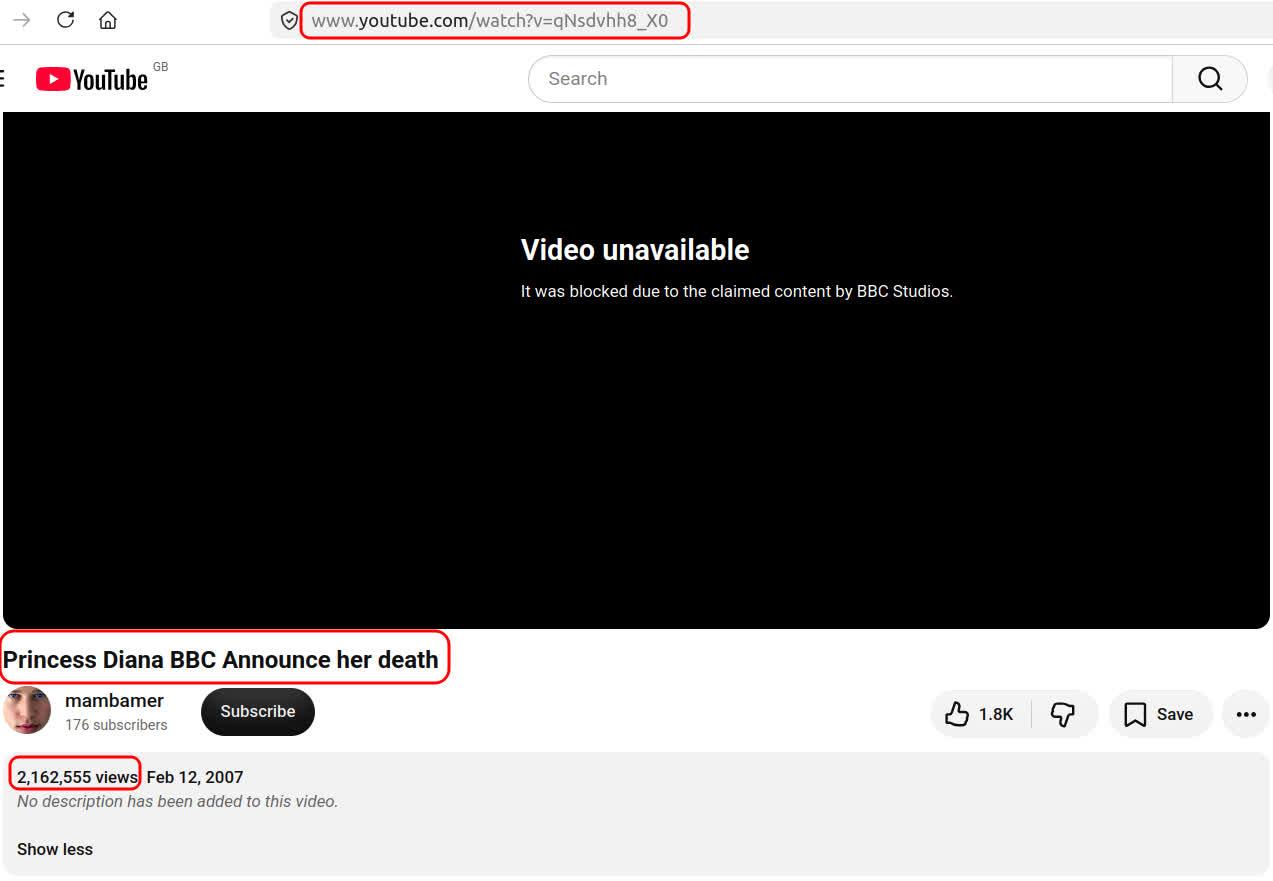
After getting over 2 million views, I wonder why YouTube (or even the BBC) would want to block this video?
https://www.youtube.com/watch?v=qNsdvhh8_X0
"Princess Diana BBC Announce her death"
An experienced YouTuber said the following
- When you published something on the Internet any reaction is a good reaction
- If someone attempts to troll you shower them with love and affection
- Trolls hate Love and will run back under their Bridge
- If someone reacts extremely negative see rule number one and silently thank them
The fact that a person reacts to something written by someone thousands of nautical miles away is a feat which should be cherished
#Social #Media #SocialMedia #troll #reaction #any #good #YouTube #no #TV
Morphe is a free and open-source Android app for patching YouTube, YouTube Music, and Reddit without root.
Built on the foundation of ReVanced Manager, it adds a redesigned interface, a one-tap Simple Mode, an Advanced Mode with 100+ patch options, and more customization for power users.
More details: https://digitalescapetools.com/tools/tool.html?id=morphe
#Android #OpenSource #YouTube #YouTubeMusic #ReVanced #Privacy #FOSS

Alt...
Screenshot of the Morphe project page in dark mode. A large Morphe logo appears at the top, followed by buttons linking to the website, GitHub documentation, Reddit community, and translation project. Below, a description explains that Morphe is an Android app for patching YouTube, YouTube Music, and Reddit without root, removing ads and giving users more control over their experience.
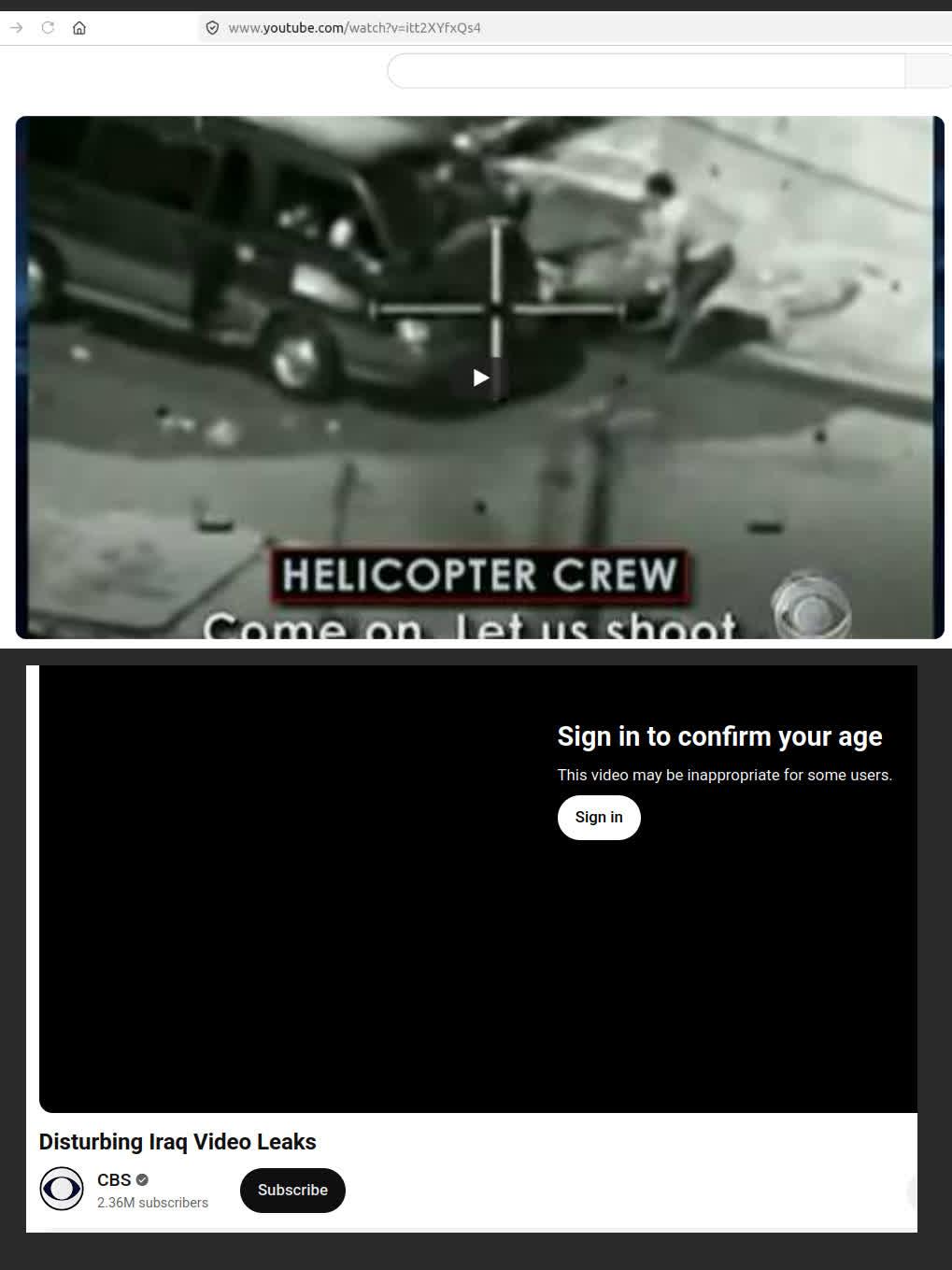
It's strange that a CBS news video is age-restricted. I saw the thumbnail image for only a moment, which YouTube promptly replaced with a sign-in requirement. But I do not have a YouTube account, because they locked me out. So, for me, this news video is effectively being censored. I guess the video shows the US military in an unfavorable light.
I live in the US, but do not agree with the constant wars they engage in.
https://www.youtube.com/watch?v=itt2XYfxQs4
#YouTube #censorship #news #Iraq

Alt...
Screenshot showing a break down of how much YouTubers make based on the category.
![[?]](https://nbg1.your-objectstorage.com/tno-mastodon/accounts/avatars/111/434/264/745/920/273/original/52ff85db085a2a1d.jpg)
![[?]](https://files.mastodon.social/accounts/avatars/110/679/194/688/685/939/original/cba71ee0cf112eac.png)
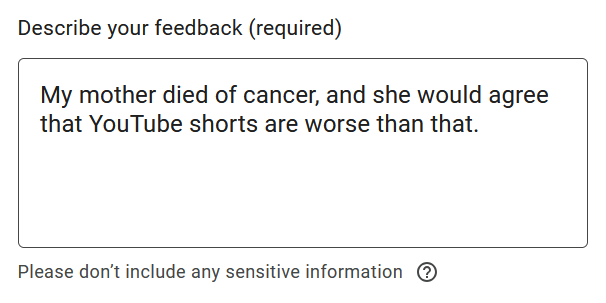
I despise YouTube shorts. Every day I am filling out multiple feedback forms reminding YouTube how much I would appreciate a control to make them invisible to my feed.
#YouTube #YouTubeShorts #Shorts #Feedback #FuckCancer #FuckYouTubeShorts #Enshitification
Alt...
Feedback form to YouTube filled in with: My mother died of cancer, and she would agree that YouTube shorts are worse than that.
I am guilty of sometimes being a total consumerist, but have cut back -- especially in this economy.
Here's how I game:
- Gaming rig is a 2.5 year old Lenovo Legion Tower 5i (Intel Core i7-13700F, 48GB RAM, NVIDIA GeForce RTX 4070 12GB, 1TB SSD + 2TB SSD).
- Gaming laptop is a three year old Lenovo Legion Pro 5i 16" (Intel 13th Gen Core i7-13700HX, 32GB RAM, NVIDIA GeForce RTX 4070 8GB, 2 x 1TB SSD)
- Gaming handheld is the newest machine, a MSI Claw 8 AI+ (Intel Core Ultra 7 258V, 32GB RAM, 1TB SSD).
Hey all! For #WIPWednesday I wanted to share my most recent video.
It's gotten a great response. It's the story of a Virginia vigilante who took out a whole bunch of Flock cameras and got arrested, but he's fighting back. I also give some background on why opposing Flock is a good thing.
If you give it a watch, all I ask is you hit the like button. Doing so gives us smaller creators a huge boost. Thank you!
![[?]](https://babka-mastodon.nyc3.cdn.digitaloceanspaces.com/accounts/avatars/109/554/492/947/534/560/original/cccb05f65e8f3af8.png)
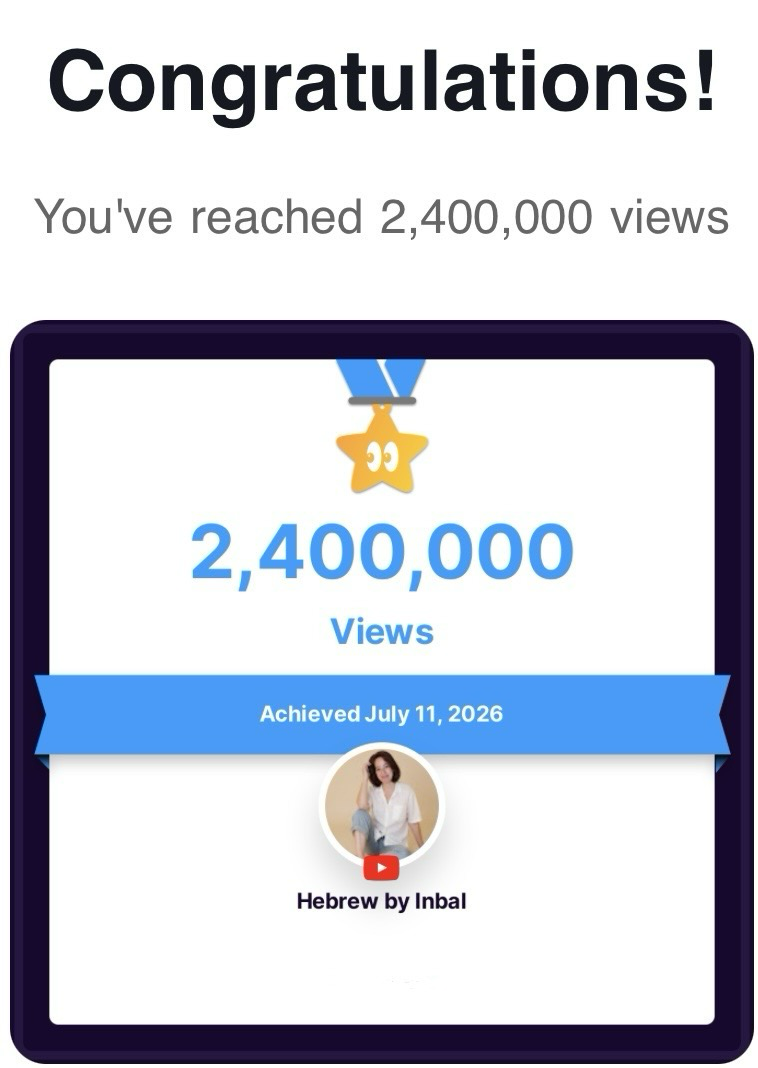
2,400,000 views. 🤯
https://www.youtube.com/hebrewbyinbal
My YouTube channel just crossed 2.4 million lifetime views, and I have been sitting here trying to actually picture that number. I cannot.
What I can picture is one person. Someone at their kitchen table pressing play, wanting to understand their grandmother, or read a prayer in the original, or finally feel at home in Israel. Behind this number, that person showed up 2.4 million times.
When I filmed my first Hebrew lesson, I dreamed of reaching a few people who needed it. I never imagined millions of clicks from every corner of the world.
To every one of you who ever watched, learned, commented, or shared, this milestone belongs to you. Thank you for learning Hebrew with me.
Here is to the next million, together. 💙🇮🇱
#LearnHebrew #Hebrew #YouTube #LanguageLearning #JewishLife
Hey all. My new YouTube video is up!
This week's topic is Flock Safety cameras, the institutionalized abuse of this technology, and most importantly, a Suffolk, Virginia engineer who was recently arrested for destroying and defacing the cameras in his town en masse.
If you enjoy the video, please tap the like button. This is a free way to help a small creator in a big way. Thank you!
https://www.youtube.com/watch?v=Y2A66tDGwFo
#YouTube #Technology #Privacy #Flock #JeffSovern #MassSurveillance #CivilLiberties
DuckDuckGo's browser can now block most YouTube video ads without requiring a separate extension.
The feature is rolling out across supported platforms, though DuckDuckGo notes you may occasionally see buffering or ads as YouTube changes how ads are delivered.
Read more: https://digitalescapetools.com/2026/07/duckduckgo-youtube-ad-blocking-browser.html
I made the mistake of trying to watch a video on YouTube using the official mobile app.
Ads at the beginning of the video.
Ads in the middle of the video.
Ads when you pause the video.
Ads while the video is playing in the form of an overlay.
Ads at the end of the video.
This is complete garbage. What kind of human would subject themselves to this torture on purpose?
![[?]](https://babka-mastodon.nyc3.cdn.digitaloceanspaces.com/accounts/avatars/110/442/989/214/760/177/original/ac89244bf463bb3e.jpg)
Google may fucking suck, but... no. That's all I got. ☠️
"A #Google executive told an inquiry on Tuesday that a #YouTube video that falsely claimed a wounded survivor of an #antisemitic massacre in #Sydney was a #crisisactor blooded with makeup had met the platform’s standards and would remain online.
Google #Australia manager #RachelLord was testifying at a government inquiry into the spread of #antisemitism in Australia including an attack by two gunmen on a #Sydney #Hanukkah celebration in December that left 15 dead."
![[?]](https://s3.amazonaws.com/majortoot/accounts/avatars/109/326/168/175/475/699/original/4a61c6e17f56e129.jpeg)
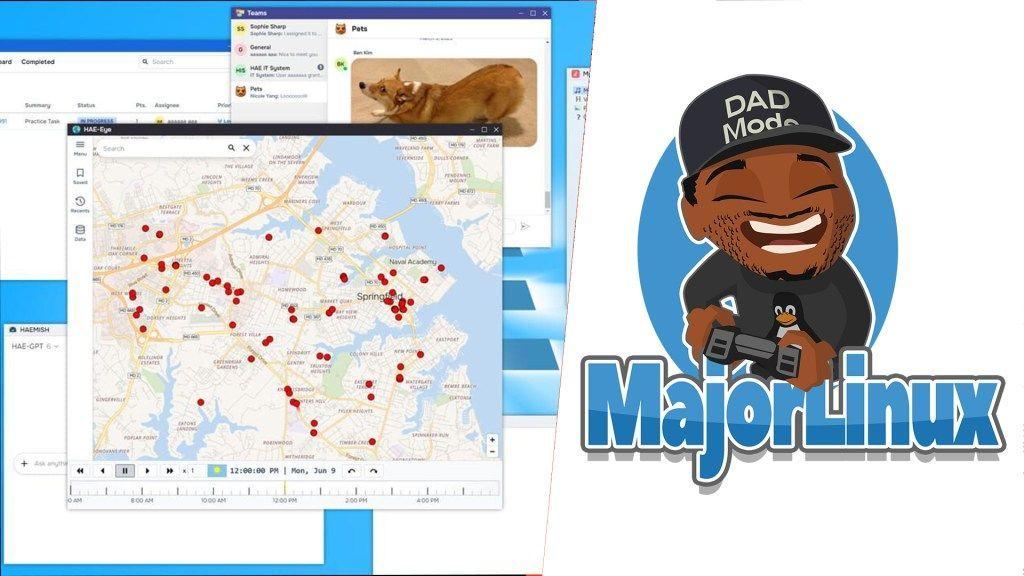
This game could be used as a huge explainer into how surveillance capitalism works and how people are exploited on both sides of the screen.
MajorOffline: Hae Stack – MajorLinux
#Gaming #HaeStack #Investigation #PointAndClick #Political #Privacy #Puzzle #Steam #SteamNextFest #Surveillance #Capitalism #Tech #YouTube
In deference to US Independence Day, I was thinking about books with a counterfactual historical take – speculative history. I wrote about it.
👉https://philosophics.blog/2026/07/03/un-discovering-america/?utm_source=masto&utm_medium=social
#philosophy #books #blog #podcast #spotify #video #youtube #short #history #reading #america #europe
![[?]](https://s3.masto.ai/accounts/avatars/109/303/982/217/898/173/original/84b53833e9214e09.png)
In his 2024 financial disclosure, filed a year ago, #Trump reported earning >$600 million in total income.
In addition to the income from #coin sales & other ventures, Trump reported receiving $86.5 million from “ #settlements “ in 5 separate [& pure #extortion] lawsuits against #ABC, #CBS, #YouTube, #Meta & #X.
#law #AbuseOfPower #MafiaState #corruption #kleptocracy #emoluments #crypto #MoneyLaundering #crime
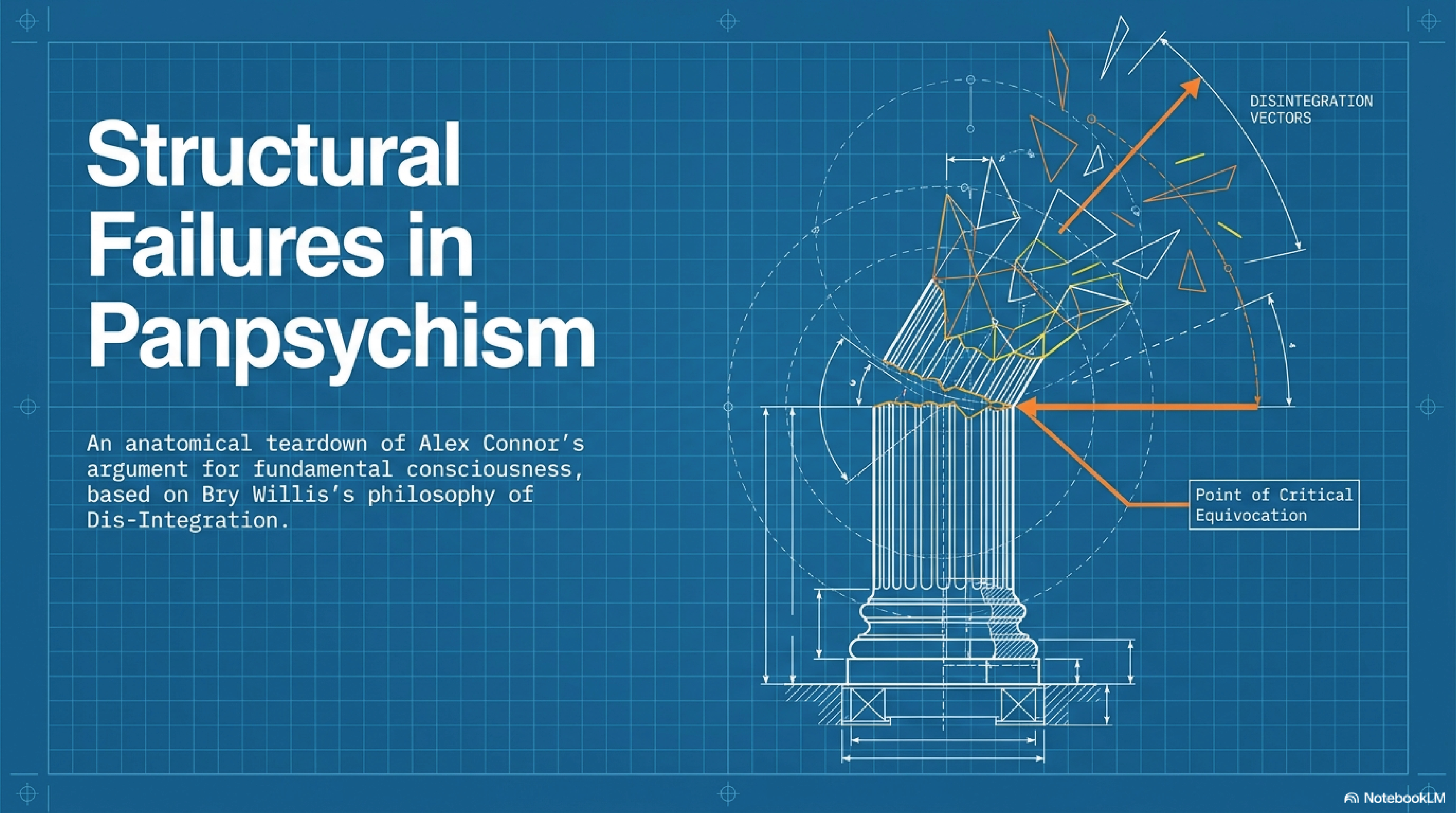
I critique and Dis–Integrate Alex O'Connor's Cartesian argument for Panpsychism.
Many philosophers I respect support Panpsychism, but Homey don't play dat.
#philsophy #panpsychism #video #youtube #physics #emergence #consciousness #podcast #magic #blog #ontology #reductionism #deflationary #metaphysics #awareness #phenomena #experience #qualia #idealism #materialism
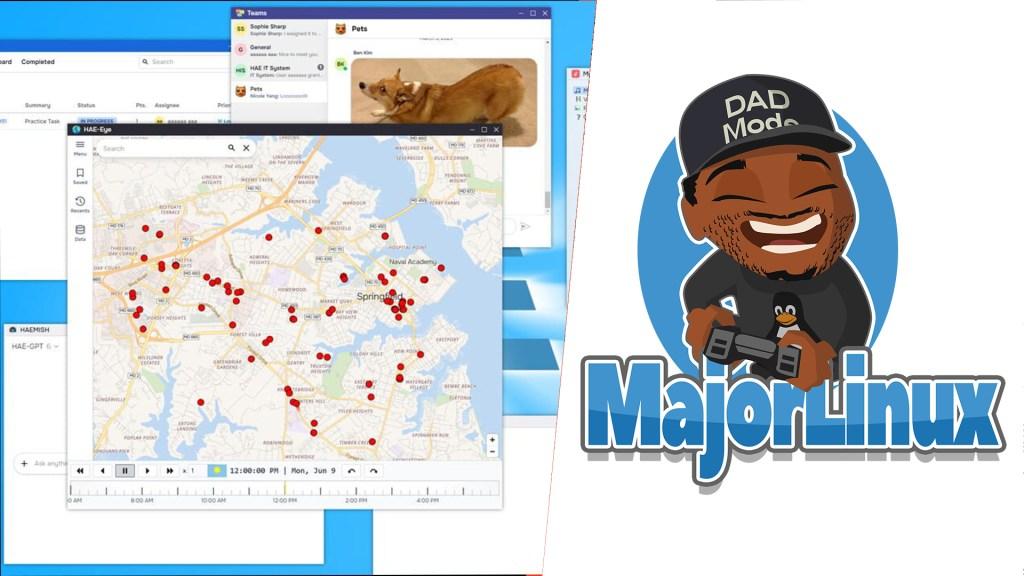
This game could be used as a huge explainer into how surveillance capitalism works and how people are exploited on both sides of the screen.
MajorOffline: Hae Stack – MajorLinux
https://majorlinux.com/majoroffline-hae-stack/
#Gaming #HaeStack #Investigation #PointAndClick #Political #Privacy #Puzzle #Steam #SteamNextFest #Surveillance #Capitalism #Tech #YouTube
![[?]](https://social.heise.de/__virtual/accounts/avatars/112/881/119/160/228/266/original/baf7ad72ec92f728.jpg)
Consumer advocates demand Safety by Design for all instead of social media bans
The vzbv investigated Facebook, Instagram, Snapchat, TikTok, and YouTube: Addiction-promoting mechanisms and dark patterns endanger minors despite the DSA.
#DigitalServicesAct #Facebook #Instagram #Netzpolitik #Snapchat #SocialMedia #TikTok #Verbraucherschutz #YouTube #news
![[?]](https://cdn.masto.host/urbanistssocial/accounts/avatars/109/363/243/911/732/263/original/e45eb134793c3c0a.png)
No more sharing YouTube links for me. They link to your personal account automatically. The dickfaced bastards clearly failed to contemplate the privacy and SAFETY nightmare this will cause. #google #youtube #safety #OnlineSafety #privacy
His videos remind me a lot of a show I watched on the Discovery channel named Survivorman where the dude went out into the wild and filmed himself surviving.
I don't recommend YouTube channels in general, but Adam makes good content.
#YouTube #tv #travel #camping #amtrak #trains #publictransportation #nationalparks
![[?]](https://soc.octade.net/octade/s/3f7f2b5eda4e392867c301c49c2daa16.png)
https://www.youtube.com/watch?v=CA_hmtuAPTY
[copypasta]
Did the Algorithm Change Your Decisions? | How Your Feed Was Engineered
Right now, somewhere on the internet, a video is being uploaded.
Within seconds, a system that no one elected, no one audits, and no one fully understands decides whether anyone else will ever see it.
Sometimes, it decides no one should.
And that’s the end of it.
In this episode of Plain Meaning, we examine how the modern internet quietly transformed from a system designed to deliver information… into one that decides what information exists for you at all.
It didn’t happen all at once.
It happened step by step.
Feed by feed.
Platform by platform.
Until nearly everything you see online is filtered through a machine making decisions on your behalf.
We trace how:
• Social media moved from profile pages to infinite feeds
• Facebook’s News Feed shifted from chronological to algorithmic control
• Advertising—not user experience—drove the need to control timing and visibility
• “EdgeRank” introduced the first large-scale automated editorial system
• By 2016, every major platform—Facebook, Instagram, Twitter, YouTube—had adopted algorithmic feeds
• Recommendation systems replaced direct navigation across the entire internet
But this isn’t just a story about technology.
It’s a story about incentives.
Because once platforms controlled what you saw, they didn’t just control engagement.
They controlled attention.
And once attention became the product, the system began optimizing for something far more powerful than clicks.
We examine what happened next:
• How foreign influence operations exploited algorithmic feeds during the 2016 election
• The role of Cambridge Analytica and its parent Strategic Communication Laboratories in psychological targeting
• The scale and strategy of Russia’s Internet Research Agency
• How fake local news accounts built trust before deploying disinformation
• Why most influence content wasn’t political—but divisive
• How algorithms amplified all of it without distinction
And then we go further.
Because 2016 wasn’t the end of the story.
It was the beginning.
We look at how:
• Algorithmic systems shape not just what you see—but how you think
• Platforms reward emotional, extreme, and addictive content
• Foreign-owned platforms introduce new geopolitical risks
• Systems like ByteDance’s TikTok operate differently across countries
• The same algorithmic architecture can produce completely different realities depending on its objectives
This episode is not about one platform.
It’s not about one political party.
And it’s not about one country.
It’s about the system itself.
Because the algorithm isn’t just recommending content.
It’s acting as an editor.
And most of the time, you don’t even realize it’s there.
By the end of this video, the next time you open a social media app, you’ll understand:
Why your attention isn’t fully yours.
Why the world you see isn’t necessarily the world that exists.
And how to recognize when a machine—not you—is deciding what matters.
#Algorithm #SocialMedia #DigitalMedia #YouTube #Facebook #Instagram #NewsFeed #TikTok #Twitter
[/copypasta]
#NowPlaying #NowListening #Music #Video #SalvatoreGanacci #FatalFury #WorkHardNotSmart #DJ #Techno #Rave #GamingMusic #GamerTunes #Radio #YouTube #YouTubeMusic #EuroBeats