Search results for tag #instagram
![[?]](https://nbg1.your-objectstorage.com/tno-mastodon/accounts/avatars/111/434/264/745/920/273/original/52ff85db085a2a1d.jpg)
#Meta Now Lets Anyone Use Your #Instagram Photos in #AI Images—Unless You Opt Out
![[?]](https://files.mastodon.social/accounts/avatars/000/254/743/original/d519e73ccd86afd9.png)
Meta's push for artificial intelligence dominance comes with a different kind of cost as layoffs, employee surveillance and departures fuel reports of a heated internal climate. https://www.japantimes.co.jp/business/2026/07/02/tech/fear-anger-meta-ai/?utm_medium=Social&utm_source=mastodon #business #tech #markzuckerberg #meta #facebook #instagram #whatsapp #socialmedia #privacy #personaldata #ai #jobs
![[?]](https://libranet.de/photo/profile/wthinker.jpeg?ts=1610129688)
Мордобуку с его инстахламом пытаются вчинить иск на 1,4 триллиона баксов.
Тридцать три штата объединились, чтобы подать в суд на компанию Meta, утверждая, что она эксплуатировала своих юных пользователей в Instagram и Facebook ради прибыли, в том числе путем сбора данных о детях без согласия родителей. Четыре из этих штатов — Калифорния, Нью-Джерси, Колорадо и Кентукки — также утверждают, что компания вводила потребителей в заблуждение относительно вызывающих привыкание функций дизайна платформ, что приводило к проблемам с психическим здоровьем у детей, которые пристрастились к ним с раннего возраста.
Источник: gizmodo.com/metas-teen-safety-…
Слабо верится, конечно, что получится. Пока мета ушла в глухую несознанку, благо денег на адвокатов хватает. Но даже если потреплют и опустят их хоть на четверть суммы, всё равно будет приятно и, возможно, станет прецендентом для будущих дел.
#meta #facebook #instagram
![[?]](https://sbonline.nyc3.digitaloceanspaces.com/accounts/avatars/109/694/346/929/844/617/original/5be0465fade48da2.png)
"Thirty-three states have banded together to sue Meta, alleging that the company was exploiting its young users on Instagram and Facebook for profit, including by collecting data from children without parental consent."
The damages could be as high as $1.4 trillion, nearly the same as Meta's market capitalization at just above $1.5 trillion.
https://gizmodo.com/metas-teen-safety-case-just-became-a-1-4-trillion-existential-threat-2000782306
#news #technology #TechNews #meta #facebook #instagram #SocialMedia
![[?]](https://media.mas.to/accounts/avatars/109/297/232/151/260/983/original/9041d06e741d419a.jpg)
If you're willing to set his yacht on fire you should be willing to delete his apps.
(Also deleting his apps is safe and legal.)
![[?]](https://media.mastodon.de/accounts/avatars/116/172/905/014/578/882/original/4e2d3b525b2a2902.png)
#instagram is currently down, time to pester your friends with recommendations to switch to #fediverse
https://downdetector.com/status/instagram/
#mastodon #federation #meta #digitalindependence #autonomy #diday
![[?]](https://social-heise-de.s3.de.io.cloud.ovh.net/accounts/avatars/112/881/119/160/228/266/original/baf7ad72ec92f728.jpg)
Consumer advocates demand Safety by Design for all instead of social media bans
The vzbv investigated Facebook, Instagram, Snapchat, TikTok, and YouTube: Addiction-promoting mechanisms and dark patterns endanger minors despite the DSA.
#DigitalServicesAct #Facebook #Instagram #Netzpolitik #Snapchat #SocialMedia #TikTok #Verbraucherschutz #YouTube #news
![[?]](https://uploads.deacon.social/accounts/avatars/109/362/227/335/813/105/original/23c7f05ac8b42265.jpeg)
Saturday selfie. iPhone 15 Pro Max. Edited in Hipstamatic, Instagram, and the Photos app. #iphonography #iphoneonly #instagram #selfportraitsunday #hipstamatic
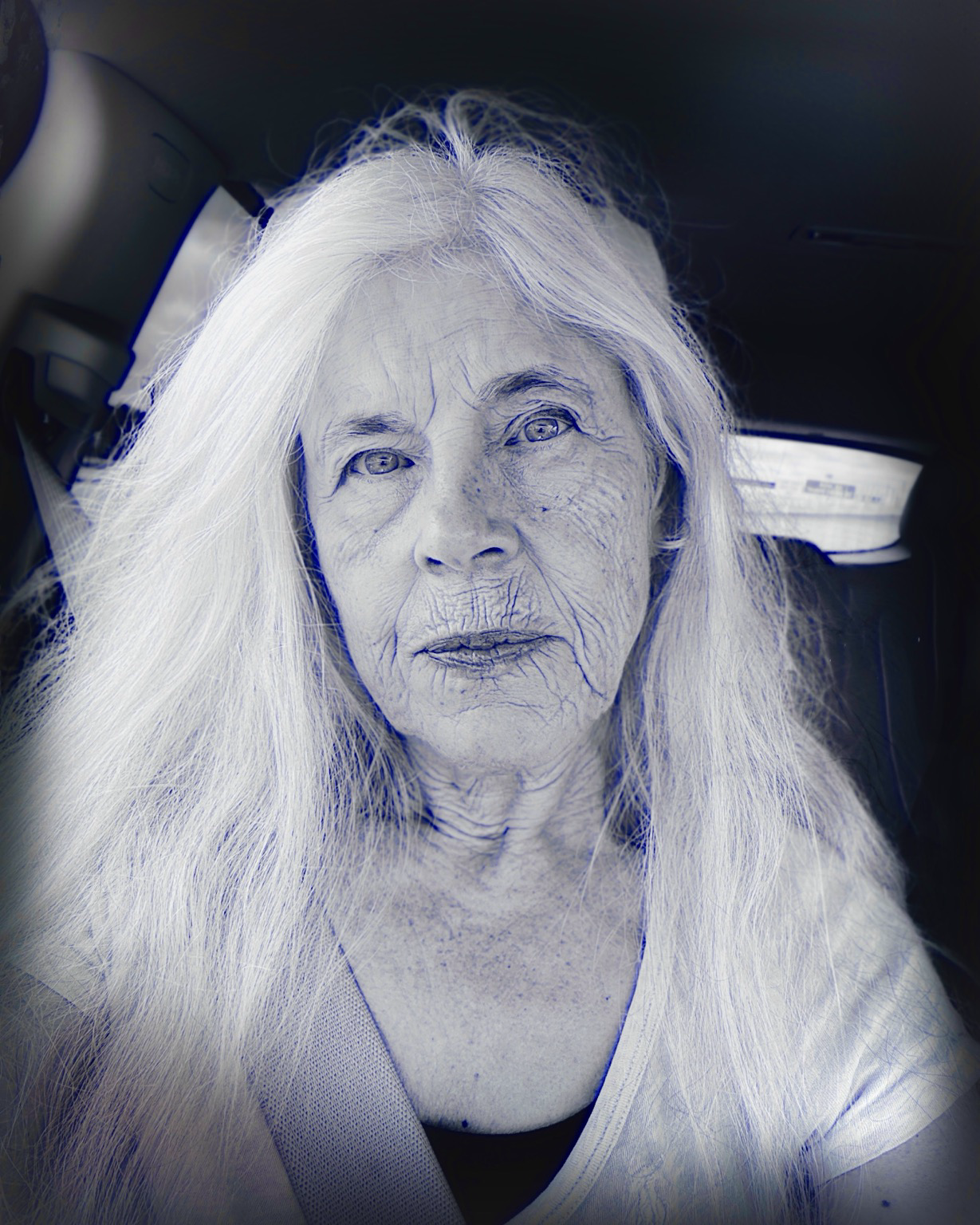
Alt...
Silver haired old lady selfie.
![[?]](https://media.mas.to/accounts/avatars/109/442/454/487/918/952/original/d8a5f7a5f95ae2cb.png)
#Meta Lobbies #Congress For Protection From Child-Harm #Lawsuits
Meta has lobbied the U.S. Congress for legal immunity from child-harm claims tied to social media products such as #Instagram , as it faces thousands of lawsuits from young users and their families, according to a source familiar with the matter and proposed legislative language reviewed by Reuters. If adopted by lawmakers and passed into law as part of the #KidsOnlineSafetyAct (#KOSA ) under consideration in the U.S. Senate, such a provision could undermine thousands of lawsuits against Meta and other online platforms over harms to #children.
#socialmedia #security #privacy #childharm
![[?]](https://media.wired.com/photos/615e2b8ce78a8cd913bbaa76/16:9/w_1280,c_limit/wired_bug.jpg) WIRED - The Latest in Technology, Science, Culture and Business [Unofficial] » 🌐
WIRED - The Latest in Technology, Science, Culture and Business [Unofficial] » 🌐
@wired.com@web.brid.gy
Meta Tapped a Pentagon Supplier to Prototype Face Recognition for Its Glasses
Rank One, whose board includes a former CIA deputy director and a former FBI science chief, supplied face recognition to Meta for internal development of its smart glasses app.

Alt...
Meta Tapped a Pentagon Supplier to Prototype Face Recognition for Its Glasses
![[?]](https://cdn.masto.host/fashionsocialhost/accounts/avatars/109/358/934/329/870/517/original/470d84acde4323b6.jpg)
This story has been updated to include Huffer’s statement this morning. https://lucire.com/insider/20260604/model-calls-out-huffer-over-alleged-ai-use/ #Huffer #AI #Instagram #fashion #mode #moda
![[?]](https://soc.octade.net/octade/s/3f7f2b5eda4e392867c301c49c2daa16.png)
https://www.youtube.com/watch?v=CA_hmtuAPTY
[copypasta]
Did the Algorithm Change Your Decisions? | How Your Feed Was Engineered
Right now, somewhere on the internet, a video is being uploaded.
Within seconds, a system that no one elected, no one audits, and no one fully understands decides whether anyone else will ever see it.
Sometimes, it decides no one should.
And that’s the end of it.
In this episode of Plain Meaning, we examine how the modern internet quietly transformed from a system designed to deliver information… into one that decides what information exists for you at all.
It didn’t happen all at once.
It happened step by step.
Feed by feed.
Platform by platform.
Until nearly everything you see online is filtered through a machine making decisions on your behalf.
We trace how:
• Social media moved from profile pages to infinite feeds
• Facebook’s News Feed shifted from chronological to algorithmic control
• Advertising—not user experience—drove the need to control timing and visibility
• “EdgeRank” introduced the first large-scale automated editorial system
• By 2016, every major platform—Facebook, Instagram, Twitter, YouTube—had adopted algorithmic feeds
• Recommendation systems replaced direct navigation across the entire internet
But this isn’t just a story about technology.
It’s a story about incentives.
Because once platforms controlled what you saw, they didn’t just control engagement.
They controlled attention.
And once attention became the product, the system began optimizing for something far more powerful than clicks.
We examine what happened next:
• How foreign influence operations exploited algorithmic feeds during the 2016 election
• The role of Cambridge Analytica and its parent Strategic Communication Laboratories in psychological targeting
• The scale and strategy of Russia’s Internet Research Agency
• How fake local news accounts built trust before deploying disinformation
• Why most influence content wasn’t political—but divisive
• How algorithms amplified all of it without distinction
And then we go further.
Because 2016 wasn’t the end of the story.
It was the beginning.
We look at how:
• Algorithmic systems shape not just what you see—but how you think
• Platforms reward emotional, extreme, and addictive content
• Foreign-owned platforms introduce new geopolitical risks
• Systems like ByteDance’s TikTok operate differently across countries
• The same algorithmic architecture can produce completely different realities depending on its objectives
This episode is not about one platform.
It’s not about one political party.
And it’s not about one country.
It’s about the system itself.
Because the algorithm isn’t just recommending content.
It’s acting as an editor.
And most of the time, you don’t even realize it’s there.
By the end of this video, the next time you open a social media app, you’ll understand:
Why your attention isn’t fully yours.
Why the world you see isn’t necessarily the world that exists.
And how to recognize when a machine—not you—is deciding what matters.
#Algorithm #SocialMedia #DigitalMedia #YouTube #Facebook #Instagram #NewsFeed #TikTok #Twitter
[/copypasta]