Search results for tag #bible
![[?]](https://pxscdn.com/cache/avatars/965947145429498396/avatar_ny2oh2.jpg)
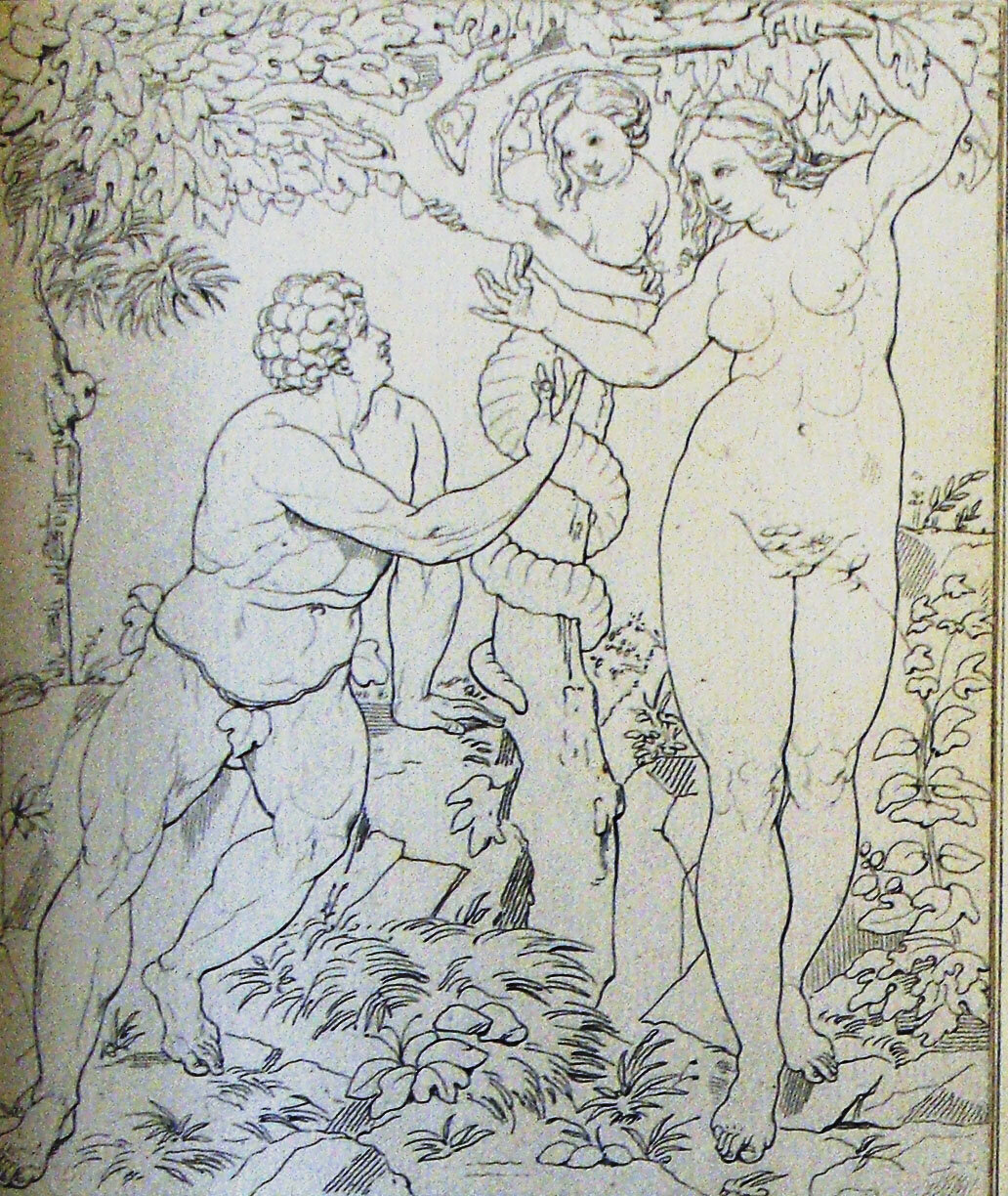
where Philip De Vere has created flip-books from Phillip Medhurst's photo-collection.
#BoltonMuseum #bible #extraillustration #grangerisation #MacklinBible #interleaved #print #engraving #etching #Bibleillustration #Bibleart #Christianart #christianartwork
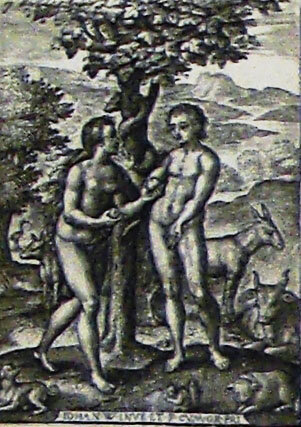
where Philip De Vere has created flip-books from Phillip Medhurst's photo-collection.
#BoltonMuseum #bible #extraillustration #grangerisation #MacklinBible #interleaved #print #engraving #etching #Bibleillustration #Bibleart #Christianart #christianartwork

where Philip De Vere has created flip-books from Phillip Medhurst's photo-collection.
#BoltonMuseum #bible #extraillustration #grangerisation #MacklinBible #interleaved #print #engraving #etching #Bibleillustration #Bibleart #Christianart #christianartwork
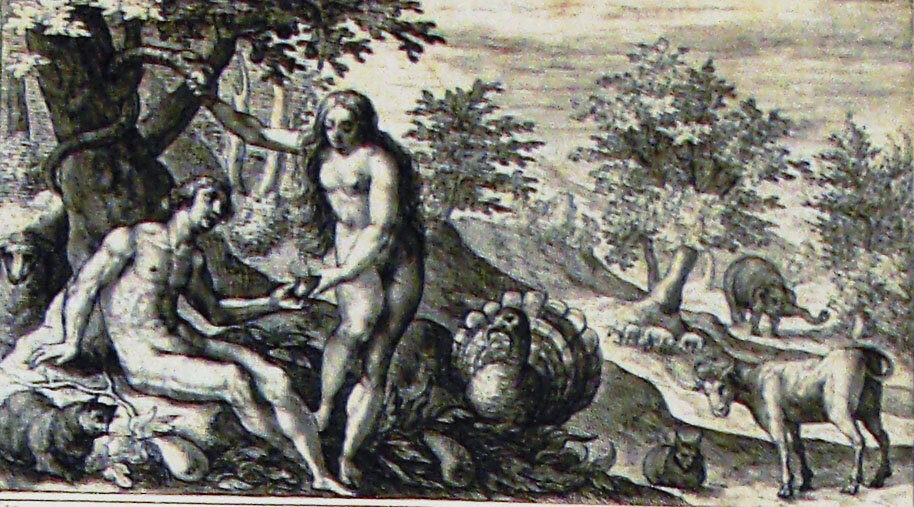
where Philip De Vere has created flip-books from Phillip Medhurst's photo-collection.
#BoltonMuseum #bible #extraillustration #grangerisation #MacklinBible #interleaved #print #engraving #etching #Bibleillustration #Bibleart #Christianart #christianartwork
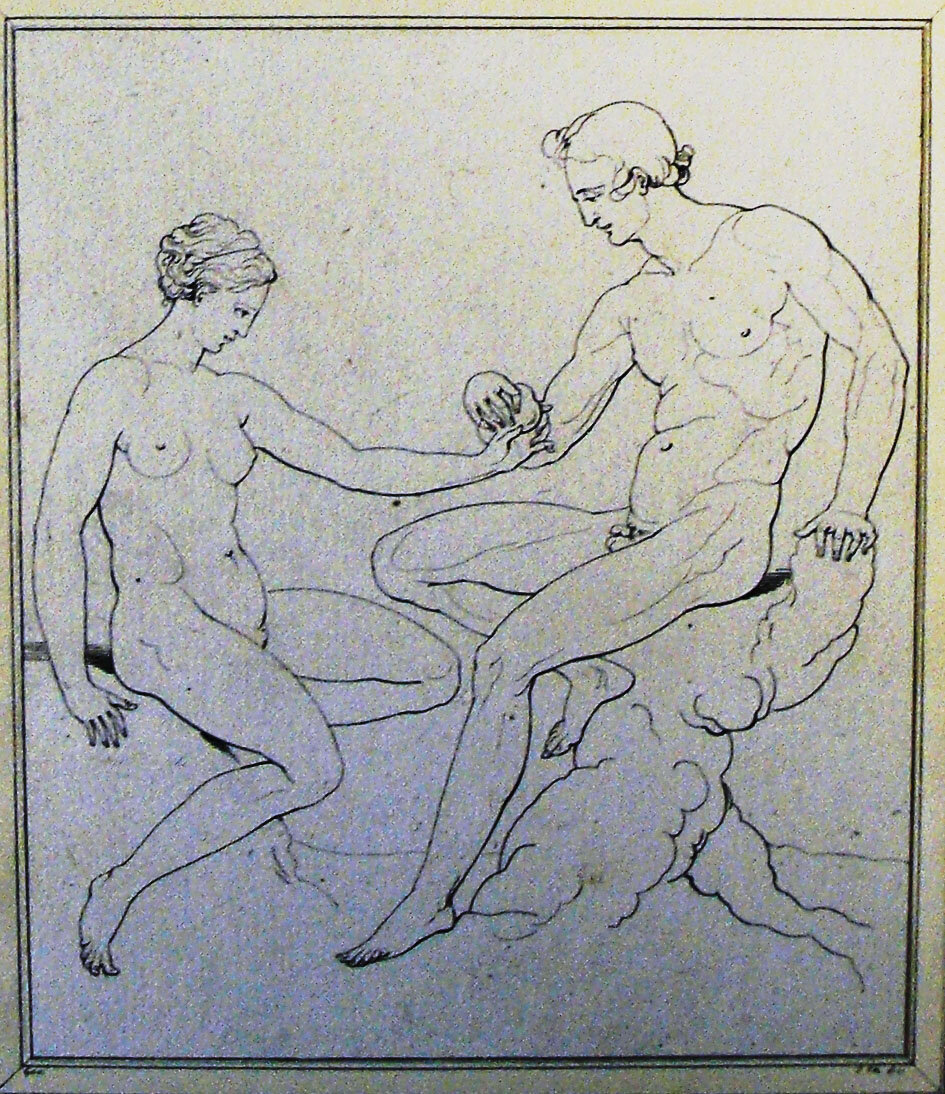
where Philip De Vere has created flip-books from Phillip Medhurst's photo-collection.
#BoltonMuseum #bible #extraillustration #grangerisation #MacklinBible #interleaved #print #engraving #etching #Bibleillustration #Bibleart #Christianart #christianartwork
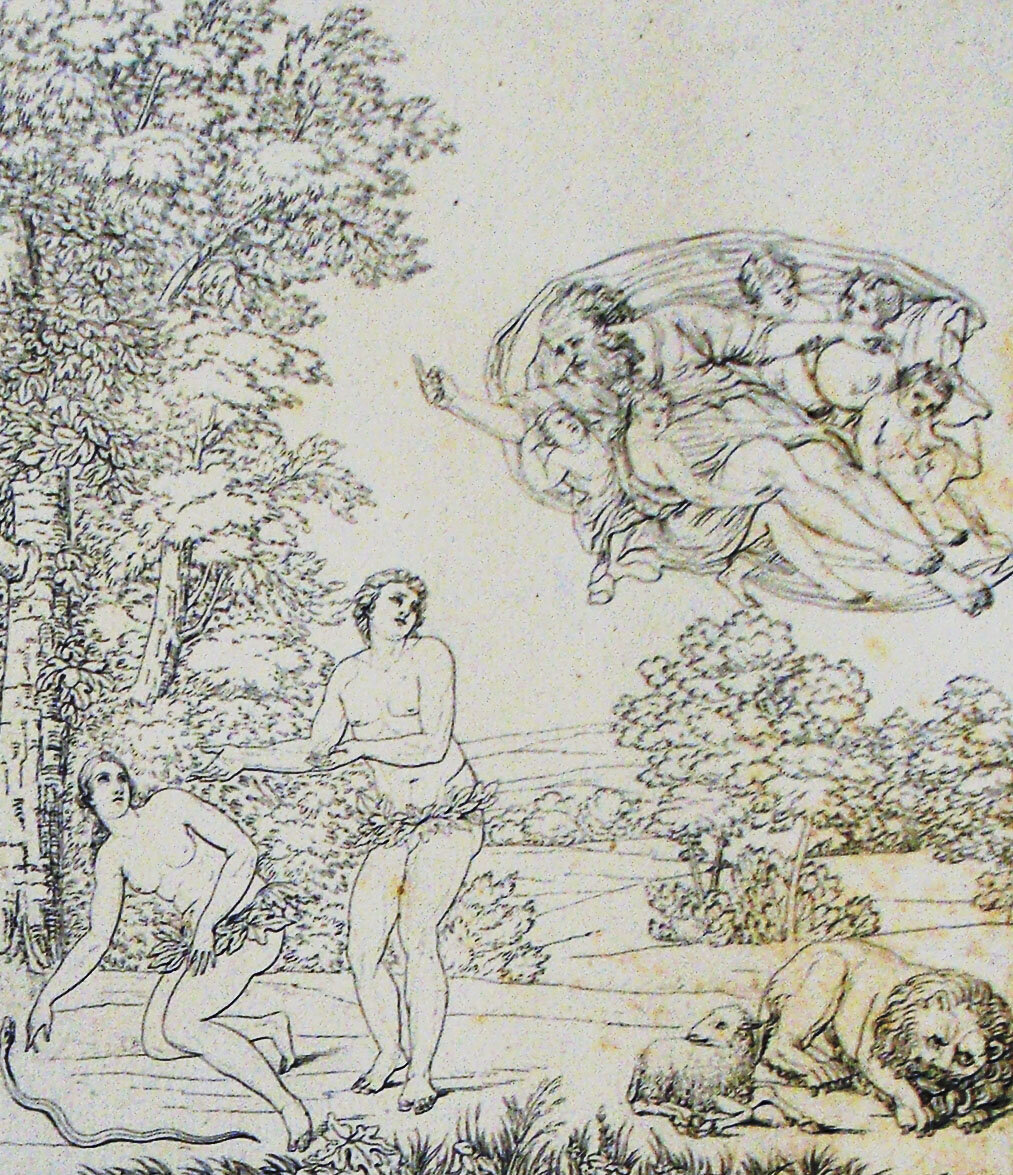
where Philip De Vere has created flip-books from Phillip Medhurst's photo-collection.
#BoltonMuseum #bible #extraillustration #grangerisation #MacklinBible #interleaved #print #engraving #etching #Bibleillustration #Bibleart #Christianart #christianartwork
![[?]](https://files.mastodon.social/accounts/avatars/113/457/650/659/369/407/original/22a92e67207c10a2.jpg)
The public restoration of the man at the Beautiful gate marked the early Church's first major sign, leaving the surrounding community "filled with wonder and amazement" (Acts 3:10 NKJV) at the miracle.
https://ko-fi.com/veggietalesgang
https://www.patreon.com/cw/veggietalesgang
https://linktr.ee/veggietalesgang
https://discord.gg/Knk4bCXKwG
https://youtube.com/shorts/p7iWtTBZx58?feature=share
#Christian #Bible
#Scripture #Gospel
#Biblememe #Christianmeme #Biblestudy
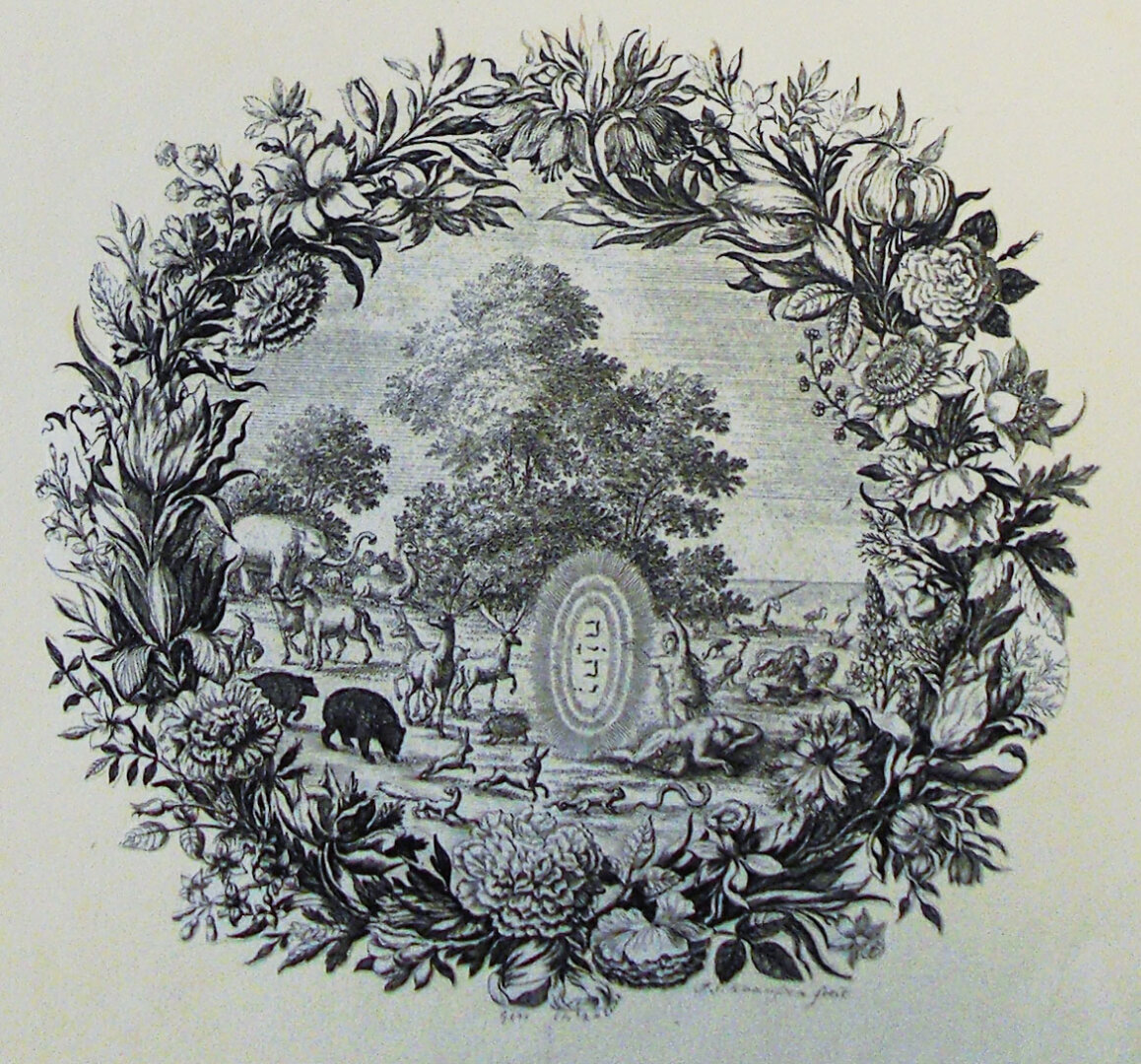
where Philip De Vere has created flip-books from Phillip Medhurst's photo-collection.
#BoltonMuseum #bible #extraillustration #grangerisation #MacklinBible #interleaved #print #engraving #etching #Bibleillustration #Bibleart #Christianart #christianartwork
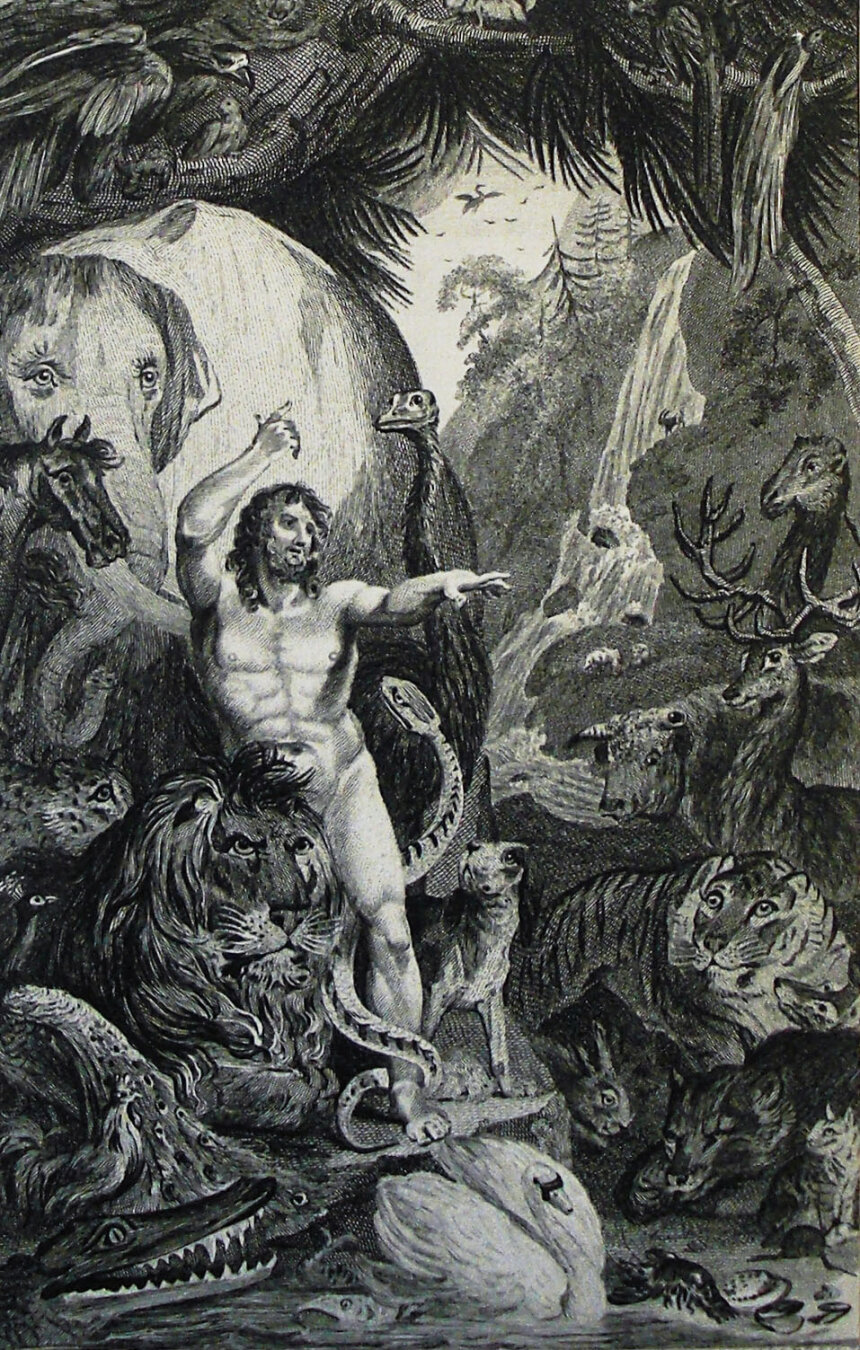
where Philip De Vere has created flip-books from Phillip Medhurst's photo-collection.
#BoltonMuseum #bible #extraillustration #grangerisation #MacklinBible #interleaved #print #engraving #etching #Bibleillustration #Bibleart #Christianart #christianartwork
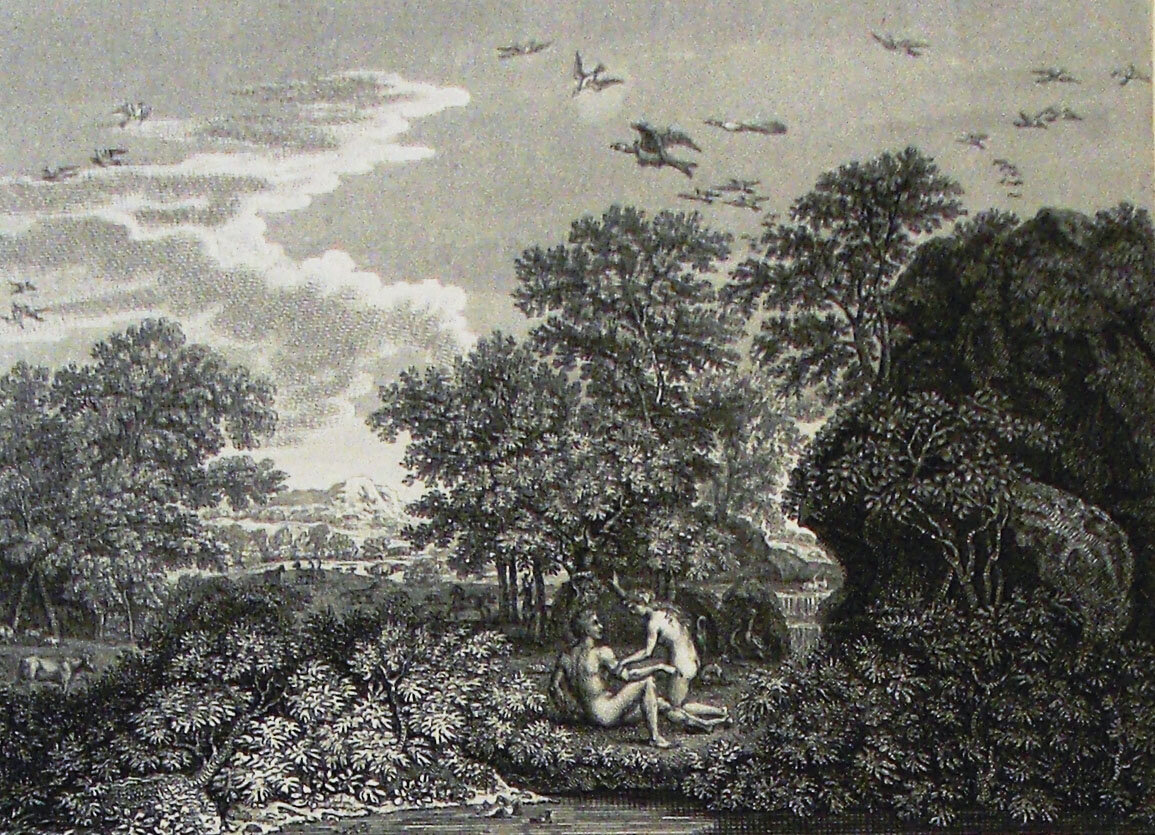
where Philip De Vere has created flip-books from Phillip Medhurst's photo-collection.
#BoltonMuseum #bible #extraillustration #grangerisation #MacklinBible #interleaved #print #engraving #etching #Bibleillustration #Bibleart #Christianart #christianartwork
![[?]](https://i0.wp.com/dailyintheword.blog/wp-content/uploads/2026/05/cropped-blogtitleimage.jpg?fit=512%2C512&ssl=1)
The Courage to Be Only a Witness
A Bible Study Reflecting on John 1:21 John 1:21 records a remarkable exchange between John the Baptist and the religious leaders who came to question him: “And they asked him, ‘What then? Are you Elijah?’ He said, ‘I am not.’ ‘Are you the Prophet?’ And he answered, ‘No.’ Though the verse contains only a handful of words, it reveals profound truths about identity, humility, prophecy, and the nature of faithful ministry. In a world that often seeks recognition, status, and […] [SENSITIVE CONTENT]

A Bible Study Reflecting on John 1:21
John 1:21 records a remarkable exchange between John the Baptist and the religious leaders who came to question him: “And they asked him, ‘What then? Are you Elijah?’ He said, ‘I am not.’ ‘Are you the Prophet?’ And he answered, ‘No.’ Though the verse contains only a handful of words, it reveals profound truths about identity, humility, prophecy, and the nature of faithful ministry. In a world that often seeks recognition, status, and influence, John stands as a servant who refuses titles that do not belong to him. His brief answers become a testimony to the holiness of truthfulness and the beauty of pointing beyond oneself to Christ.
The setting of this passage is important. Jerusalem’s religious authorities had sent priests and Levites to investigate John because his ministry had become impossible to ignore. Crowds were flocking to him in the wilderness. His preaching carried unusual authority, and many wondered whether he was the long-awaited Messiah. Israel had lived under centuries of foreign domination and prophetic silence, nurturing expectations that God would soon send His promised Deliverer. Every unusual preacher became the object of speculation.
John had already denied being the Christ. Yet the investigators continued questioning him. If he was not the Messiah, perhaps he was Elijah returned from heaven. If not Elijah, perhaps he was the Prophet promised by Moses. Their questions reveal the messianic expectations that surrounded first-century Judaism and demonstrate how deeply the people longed for God’s intervention.
The question concerning Elijah comes from the prophecy of Malachi, which declared that Elijah would come before the great and dreadful day of the Lord. Since Elijah had been taken into heaven without experiencing death, many expected his literal return. The people therefore wondered if John might be that ancient prophet reappearing to prepare Israel.
John’s answer is immediate and unambiguous: “I am not.”
At first glance, this response creates a puzzle because Jesus later declared that John came in the spirit and power of Elijah and fulfilled Elijah’s prophetic role. The key lies in understanding the difference between literal identity and prophetic ministry. John was not Elijah reincarnated or physically returned from heaven. He was not the historical prophet himself. Rather, he ministered with Elijah’s boldness, courage, simplicity, and call to repentance. Jesus affirmed John’s prophetic function while John himself denied being Elijah in a literal sense.
This distinction teaches an important principle about biblical prophecy. God’s promises often find fulfillment in ways that transcend popular expectations. The people anticipated one form of fulfillment while God accomplished something greater through typology and divine purpose. John’s ministry mirrored Elijah’s ministry without requiring Elijah’s literal return.
The second question asked whether John was “the Prophet.” This title refers back to Moses’ promise in Deuteronomy that God would raise up a prophet like Moses from among His people. Many Jewish interpreters expected this figure to appear as a separate eschatological leader. John again answers with a simple and decisive “No.”
Once again John refuses to claim a role that belongs to another. He will not enlarge his ministry through exaggeration. He will not manipulate public expectation for greater influence. He will not accept honors that God has not given him.
There is something profoundly refreshing about such honesty. Human nature often seeks to enlarge personal significance. People naturally desire admiration, authority, and prestige. Ministries, careers, and reputations can become vehicles for self-promotion. John represents the opposite spirit. He understands that greatness in God’s kingdom is found not in attracting attention to oneself but in directing attention toward Christ.
The Gospel of John consistently presents John the Baptist as the witness rather than the Light. Earlier in the chapter we read that he came to testify concerning the Light but was not himself the Light. His entire identity is rooted in witness rather than prominence. He exists not to become the center but to point to the true center.
This theme runs throughout John’s ministry. Later he will say that Jesus must increase while he must decrease. Few statements summarize Christian discipleship more completely. The goal of faithful ministry is never personal elevation but the exaltation of Christ.
John’s refusal to claim false identities also demonstrates the importance of contentment with God’s calling. Every servant of God has a unique assignment. Moses was not Joshua. David was not Isaiah. Peter was not Paul. Each fulfilled a distinct role within God’s redemptive plan. Confusion and disappointment often arise when people attempt to become what God never intended them to be.
John accepted the ministry God had given him. He was the voice crying in the wilderness, preparing the way of the Lord. That calling was sufficient. He needed nothing more because obedience itself was enough.
Modern culture often pressures individuals to create larger identities than reality permits. Social media encourages the cultivation of image over substance. Professional life rewards branding and self-promotion. Success is often measured by visibility rather than faithfulness. Against this background, John the Baptist appears almost shocking. He rejects every opportunity for self-exaltation and instead embraces simplicity, truthfulness, and humility.
Theologically, this passage also reveals the relationship between revelation and expectation. The religious leaders possessed Scripture, yet their understanding remained incomplete. They recognized promises about Elijah and the Prophet, but they struggled to interpret how God’s purposes would unfold. This pattern appears repeatedly throughout Scripture. Human expectations often differ from divine fulfillment because God consistently acts with wisdom beyond human imagination.
The same principle remains true today. Believers may formulate expectations about how God should work in history, in the church, or in personal circumstances. Yet God’s sovereign purposes often unfold differently than anticipated. Faith requires trust not only in God’s promises but also in God’s methods.
John’s negative answers also display remarkable confidence. His identity is secure enough that he does not need borrowed significance. He does not fear becoming less important because his confidence rests in God’s assignment rather than public opinion.
This confidence stands in contrast to the insecurity that frequently characterizes human relationships. Insecurity seeks validation through comparison, competition, and recognition. Secure identity allows service without envy and obedience without applause. John’s ministry demonstrates such security. His joy comes from preparing the way for another.
The simplicity of his answers also reflects integrity. He speaks only what is true. He does not shade the truth for strategic advantage. He does not exploit ambiguity. In an age where public figures often manipulate language for personal benefit, John’s straightforward honesty shines brightly.
Integrity has always been central to biblical faithfulness. God desires truth in the inward being. The ninth commandment prohibits false witness because truth reflects God’s own character. Jesus Himself is the Truth. Therefore every disciple is called to truthful speech, transparent motives, and honest representation.
John’s example invites believers to examine their own identities. Much human anxiety arises from misplaced identity. People define themselves by occupation, achievements, popularity, possessions, education, or influence. When these temporary realities change, identity collapses. Scripture instead locates identity in relationship with God and participation in His redemptive purposes.
John understood who he was because he understood who he was not. He was not the Christ. He was not Elijah in the literal sense. He was not the Prophet. By rejecting false identities, he embraced his true identity as God’s messenger.
There is wisdom in this pattern. Spiritual maturity often requires learning to say no to identities that God has not assigned. Envy begins when people covet another person’s calling. Pride emerges when people seek titles they have not earned. Contentment grows when believers embrace God’s unique purpose for their own lives.
The passage also points toward Christ by contrast. Every denial by John creates anticipation for the One who truly fulfills God’s promises. John is not Elijah returned, yet he prepares the way. John is not the Prophet, yet he announces the One greater than Moses. John is not the Messiah, yet he identifies the Lamb of God who takes away the sin of the world.
Thus John’s ministry functions like an arrow pointing away from himself toward Jesus. His greatness lies precisely in his refusal to occupy the place that belongs to Christ alone.
This principle remains essential for Christian ministry today. Churches exist not to glorify personalities but to proclaim Christ. Preaching exists not to entertain audiences but to reveal the gospel. Leadership exists not to build celebrity but to cultivate faithful disciples. Every authentic ministry echoes John’s confession by directing attention beyond itself.
Practical application emerges naturally from these truths. Believers are called to embrace humility without insecurity. Humility is not self-hatred or denial of God’s gifts. Rather, humility recognizes that every gift exists for God’s glory and the service of others. John possessed extraordinary gifts, yet he refused to use them for self-exaltation.
The passage also encourages discernment regarding expectations. God’s work may not always match human assumptions. His timing, methods, and instruments frequently surprise those who think they understand His plans. Faith remains open to God’s wisdom even when divine fulfillment differs from human prediction.
Furthermore, John’s honesty challenges the church to recover simplicity and integrity. Christian witness loses credibility when exaggerated claims replace truthful testimony. The power of the gospel rests not in manufactured spectacle but in faithful proclamation of Christ crucified and risen.
John’s example further reminds believers that obscurity is not failure. Much of God’s work occurs through hidden faithfulness rather than public recognition. The kingdom advances through quiet obedience as well as visible leadership. The greatest measure of success is not influence but faithfulness to God’s calling.
In the end, John 1:21 teaches that knowing one’s place before God is a profound act of worship. John could deny false honors because he delighted in God’s true purpose for his life. He found joy not in becoming famous but in becoming faithful. His refusal to claim greatness became one of the greatest testimonies ever spoken.
The world continually asks people to define themselves through achievement, status, and recognition. The gospel offers another way. Identity is found not in becoming extraordinary by human standards but in belonging to Christ and serving His kingdom with humility and truth. Like John the Baptist, every believer is ultimately called to be a witness—a voice that points beyond itself to the Savior.
John’s simple words, “I am not,” prepare the way for the greater confession that dominates the rest of the Gospel: Jesus alone is the Christ, the Son of God, and the Savior of the world. Every faithful disciple finds freedom not by claiming His place but by joyfully pointing others to Him.

Alt...
The Courage to Be Only a Witness
![[?]](https://gemsofknowledge.com/wp-content/uploads/2025/09/cropped-gemsofknowledge.png)
A Christ-Centered Life
What's at the center of your life? Whatever sits at the center of your heart will eventually shape your thoughts, decisions, priorities, and direction. When Christ is at the center, everything else begins to find its proper place. 💎 *"Everything is filtered through Me and revolves around Me."* Click here to read the full devotional.✨ [SENSITIVE CONTENT]
Today’s One Year Bible Verses: 1 Kings 14:1–15:24, Acts 10:1–23, Psalm 133:1–3, Proverbs 17:7–8
He Lives In Your Heart
Many of us would quickly say Jesus is important to us. We attend church, read our Bibles, pray, and seek to follow Him. But is he really the center of our lives?
After the Holy Spirit whispered this Gem of knowledge to me this morning, I found myself really questioning my life and positioning of Him:
“To be centered in Christ means I live in your center—your heart. Every beat of your life is from Me and with Me. Everything is filtered through Me and revolves around Me.”
I sat with those words for a moment and began to wonder, “Is Christ truly at my center? Do I love a Christ-centered life?”
The center is the place from which everything else flows…so what is at my center?
When Christ lives at the center of our hearts, every decision is filtered through Him. Every relationship is influenced by Him. Every plan, desire, concern, and priority revolves around Him. He is no longer simply part of our lives—He becomes the foundation of our lives.
We see a beautiful example of this in today’s reading from Acts.
Cornelius was a respected Roman officer, yet his life revolved around God. He prayed, gave generously, and sought the Lord with sincerity. At the same time, Peter was spending time in prayer, allowing God to prepare his heart for something entirely new.
What strikes me is that both men had Christ at their center. Because of that, they were able to hear His voice, they were willing to obey His leading, and God was able to orchestrate a divine appointment neither of them could have planned on their own.
When Christ is truly at the center, our lives become less about our plans and more about His purposes
The 1 Kings today we see the opposite.
Some allowed God to remain at the center of their hearts, while others slowly replaced Him with other priorities, desires, and influences.
The problem was not merely their actions – The problem was what occupied their center. Whatever sits at the center of our hearts will ultimately direct the course of our lives.
That is why this Gem is so powerful:
“Every beat of your life is from Me and with Me. Everything is filtered through Me and revolves around Me.”
God never intended to simply occupy a corner of our lives. He desires to be the center of them. 💎
Action (5 Minutes with God)
Take 5 minutes to be with the Lord today. Ask Him:
- “Lord, what do You want me to know about this personally?”
- Journal what He gives you through His Holy Spirit.
- Then ask, “What do You want me to do?”
- Journal what He reveals – then do it!
Invite Jesus to be the center of your life and surrender all things to Him> There you will find rest and joy.
Prayer
Father, thank You for reminding me that You desire more than a place in my life—you desire to be at the center of it. Forgive me for the times I allow worries, ambitions, distractions, or even good things to take Your place. Help me filter every decision, relationship, and priority through You. Let every beat of my life be from You and with You. Teach me to keep my heart centered on Christ so that everything I do brings glory to You. In Jesus’ name I pray, Amen.
To read more 5 Minutes with God devotionals click here.
If Gems of Knowledge has blessed your walk with Christ, please subscribe or consider partnering with us today. Your gift helps keep these devotionals free for everyone and carries God’s Word to more hearts. Every seed matters—thank you for sowing into this work! 💛
Test everything by the Word and the Spirit (John 16:13)
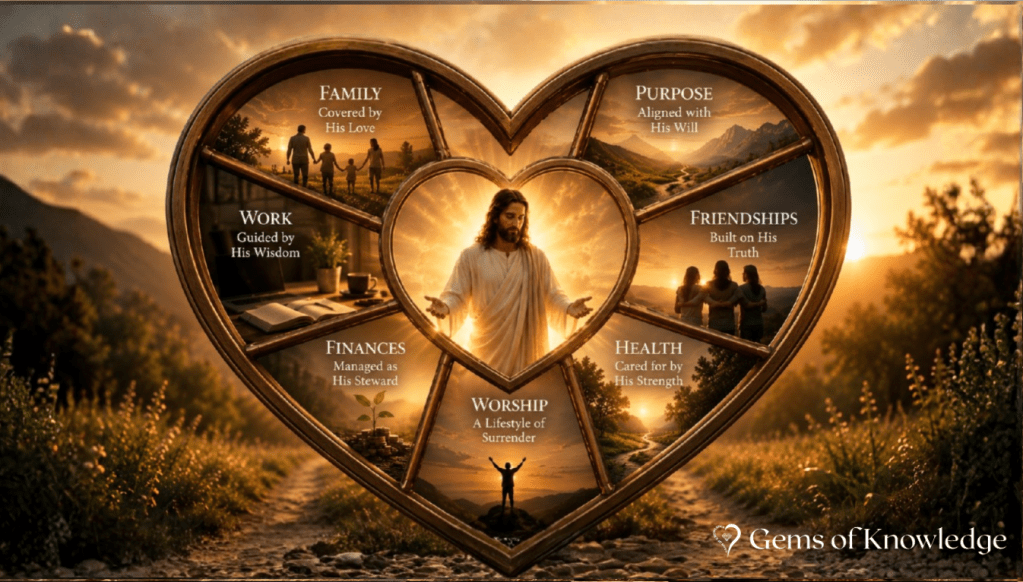
Alt...
A heart-shaped wheel with spokes leading to Jesus at the center, symbolizing every area of life revolving around Christ.
where Philip De Vere has created flip-books from Phillip Medhurst's photo-collection.
#BoltonMuseum #bible #extraillustration #grangerisation #MacklinBible #interleaved #print #engraving #etching #Bibleillustration #Bibleart #Christianart #christianartwork
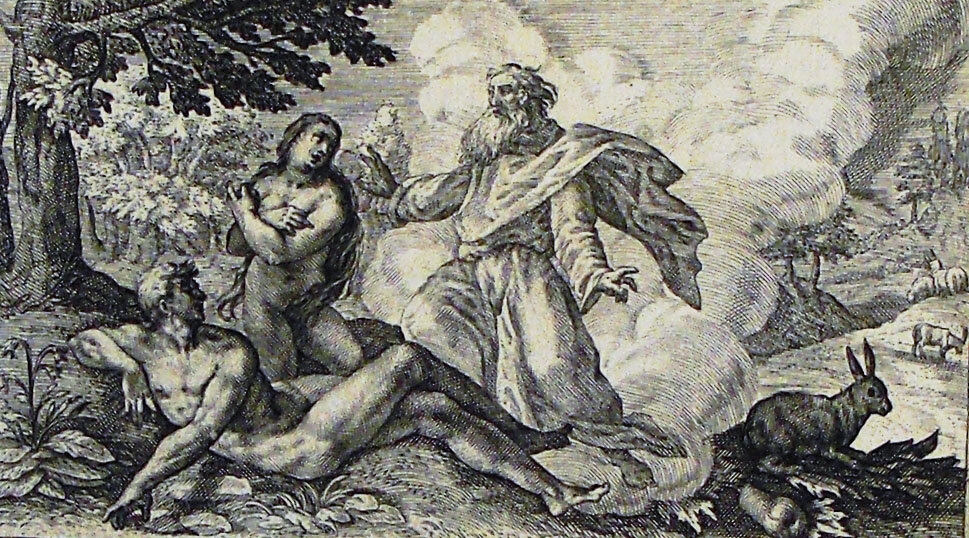
where Philip De Vere has created flip-books from Phillip Medhurst's photo-collection.
#BoltonMuseum #bible #extraillustration #grangerisation #MacklinBible #interleaved #print #engraving #etching #Bibleillustration #Bibleart #Christianart #christianartwork
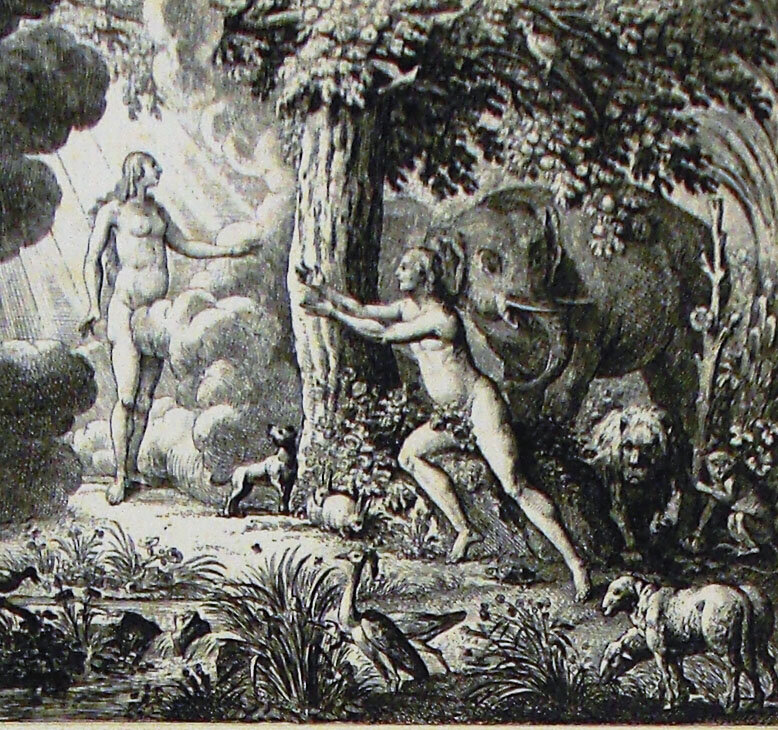
where Philip De Vere has created flip-books from Phillip Medhurst's photo-collection.
#BoltonMuseum #bible #extraillustration #grangerisation #MacklinBible #interleaved #print #engraving #etching #Bibleillustration #Bibleart #Christianart #christianartwork
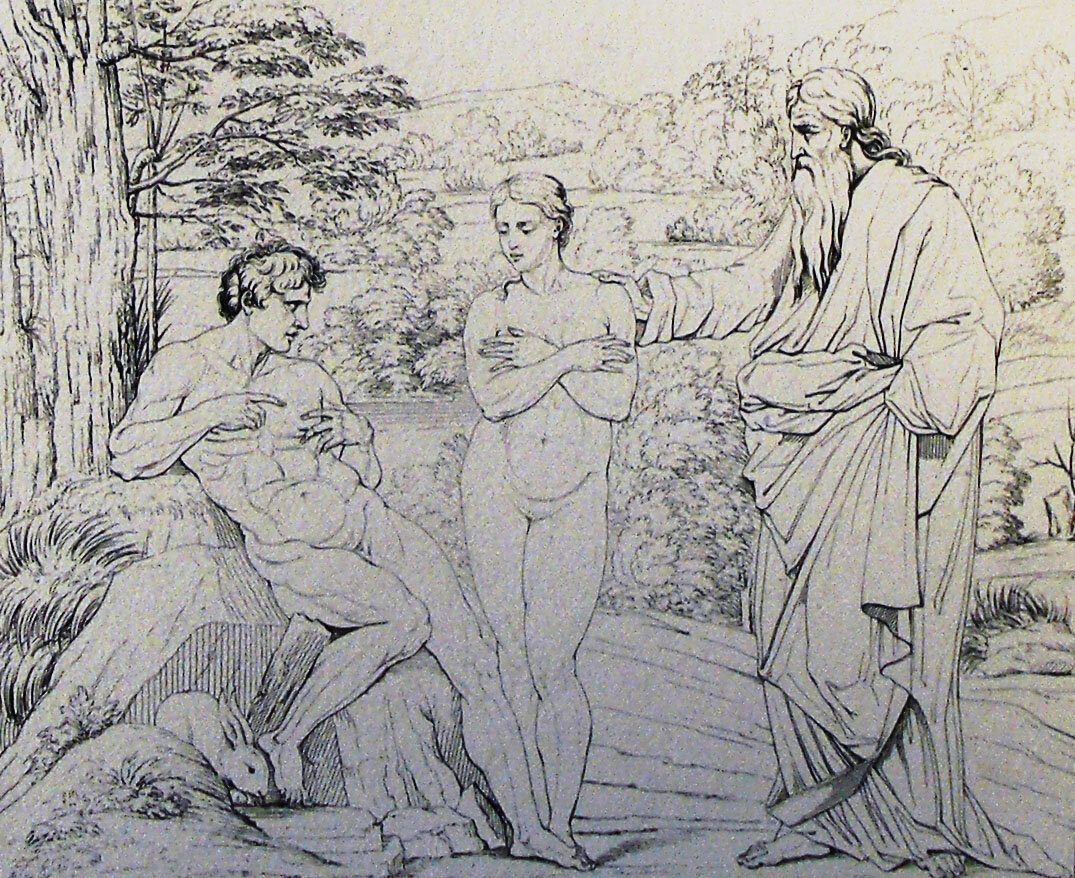
where Philip De Vere has created flip-books from Phillip Medhurst's photo-collection.
#BoltonMuseum #bible #extraillustration #grangerisation #MacklinBible #interleaved #print #engraving #etching #Bibleillustration #Bibleart #Christianart #christianartwork
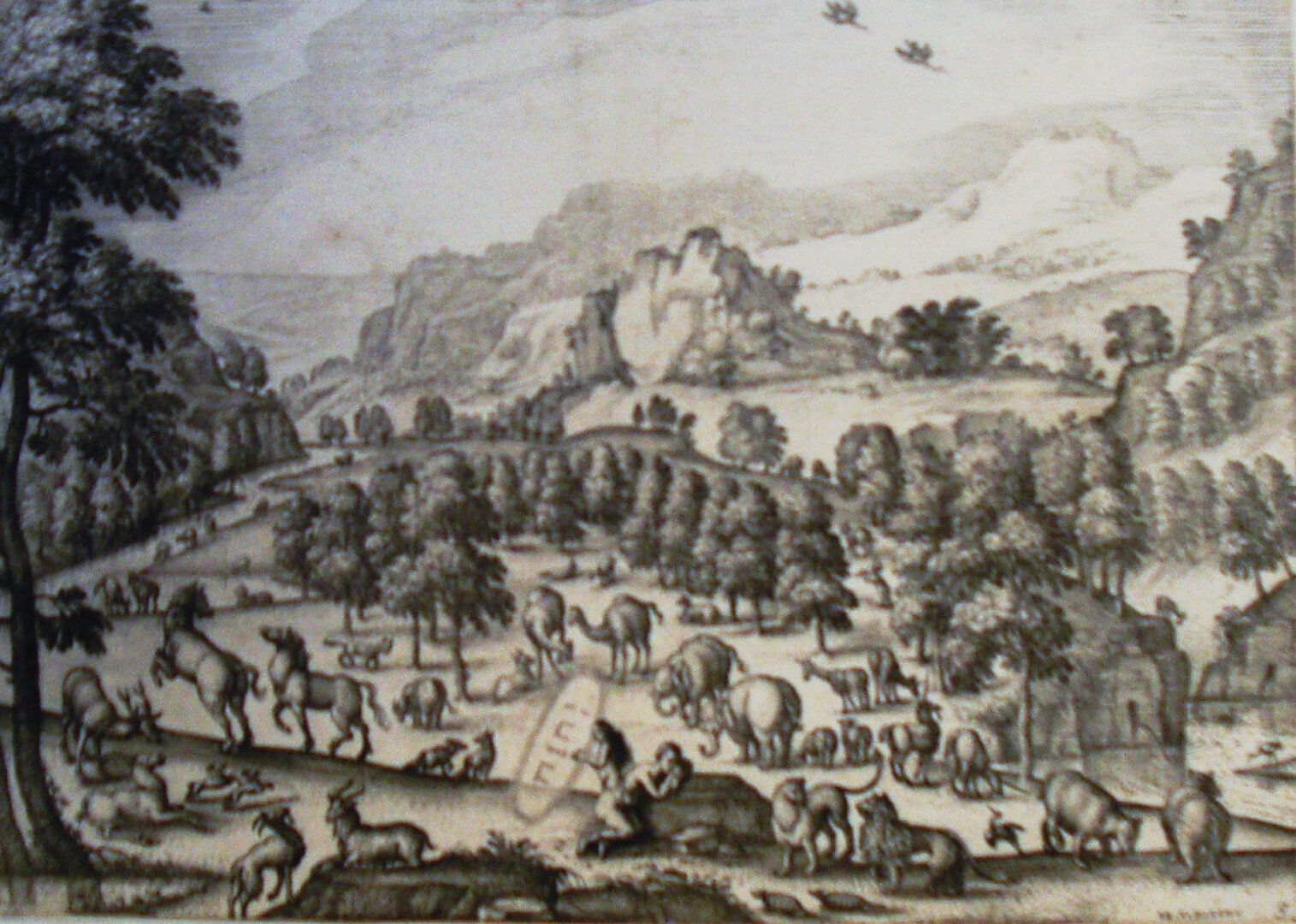
where Philip De Vere has created flip-books from Phillip Medhurst's photo-collection.
#BoltonMuseum #bible #extraillustration #grangerisation #MacklinBible #interleaved #print #engraving #etching #Bibleillustration #Bibleart #Christianart #christianartwork
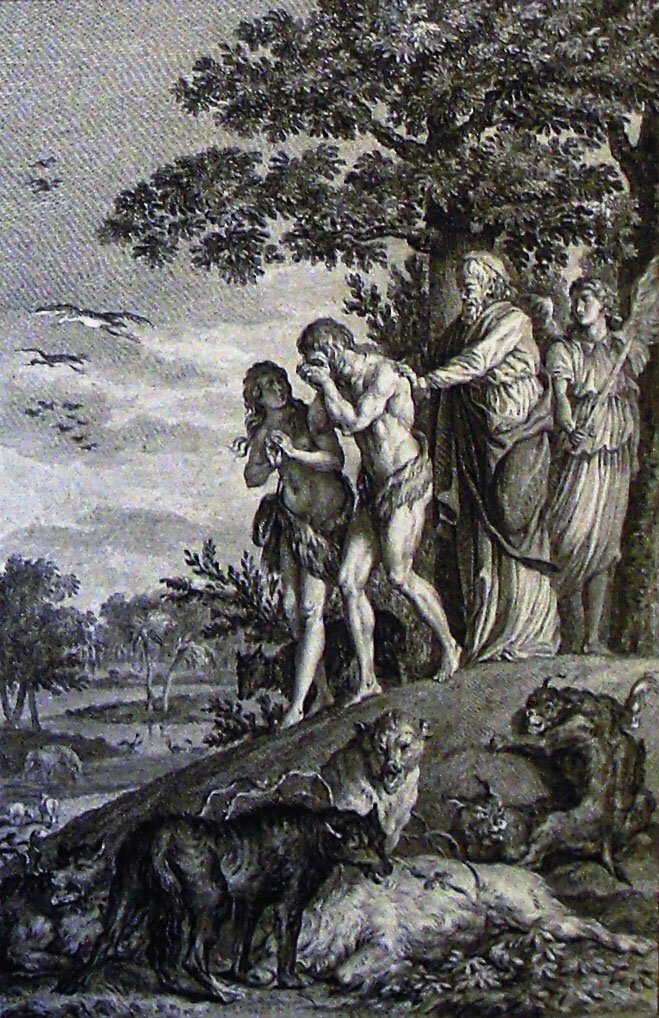
where Philip De Vere has created flip-books from Phillip Medhurst's photo-collection.
#BoltonMuseum #bible #extraillustration #grangerisation #MacklinBible #interleaved #print #engraving #etching #Bibleillustration #Bibleart #Christianart #christianartwork

where Philip De Vere has created flip-books from Phillip Medhurst's photo-collection.
#BoltonMuseum #bible #extraillustration #grangerisation #MacklinBible #interleaved #print #engraving #etching #Bibleillustration #Bibleart #Christianart #christianartwork

where Philip De Vere has created flip-books from Phillip Medhurst's photo-collection.
#BoltonMuseum #bible #extraillustration #grangerisation #MacklinBible #interleaved #print #engraving #etching #Bibleillustration #Bibleart #Christianart #christianartwork
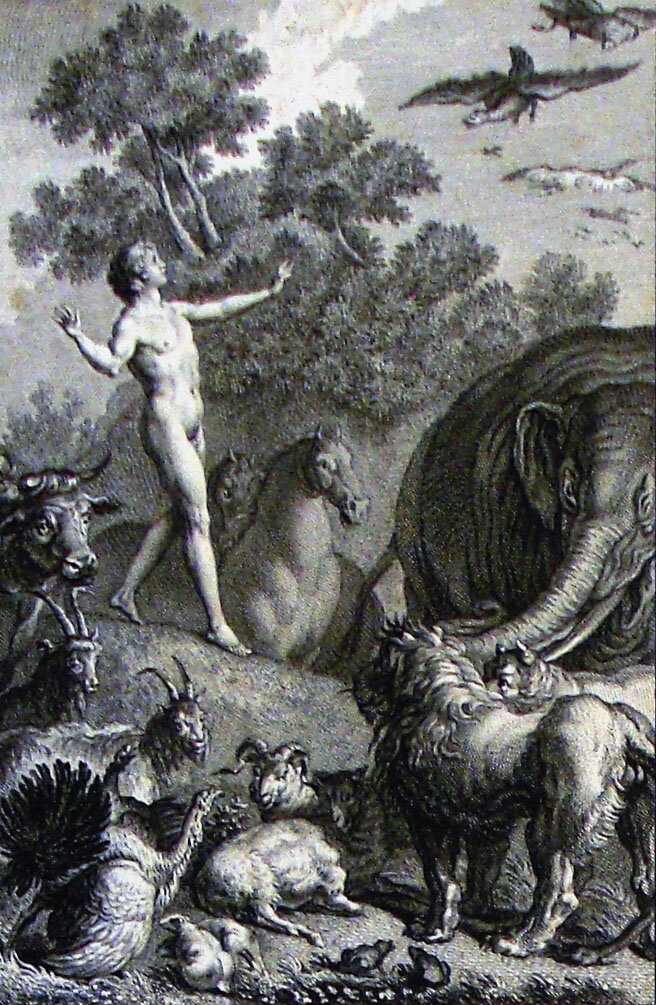
where Philip De Vere has created flip-books from Phillip Medhurst's photo-collection.
#BoltonMuseum #bible #extraillustration #grangerisation #MacklinBible #interleaved #print #engraving #etching #Bibleillustration #Bibleart #Christianart #christianartwork
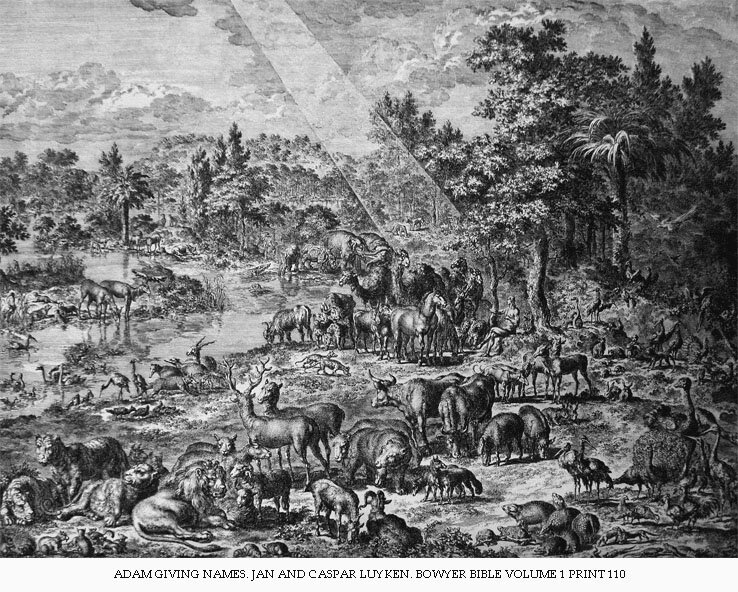
where Philip De Vere has created flip-books from Phillip Medhurst's photo-collection.
#BoltonMuseum #bible #extraillustration #grangerisation #MacklinBible #interleaved #print #engraving #etching #Bibleillustration #Bibleart #Christianart #christianartwork
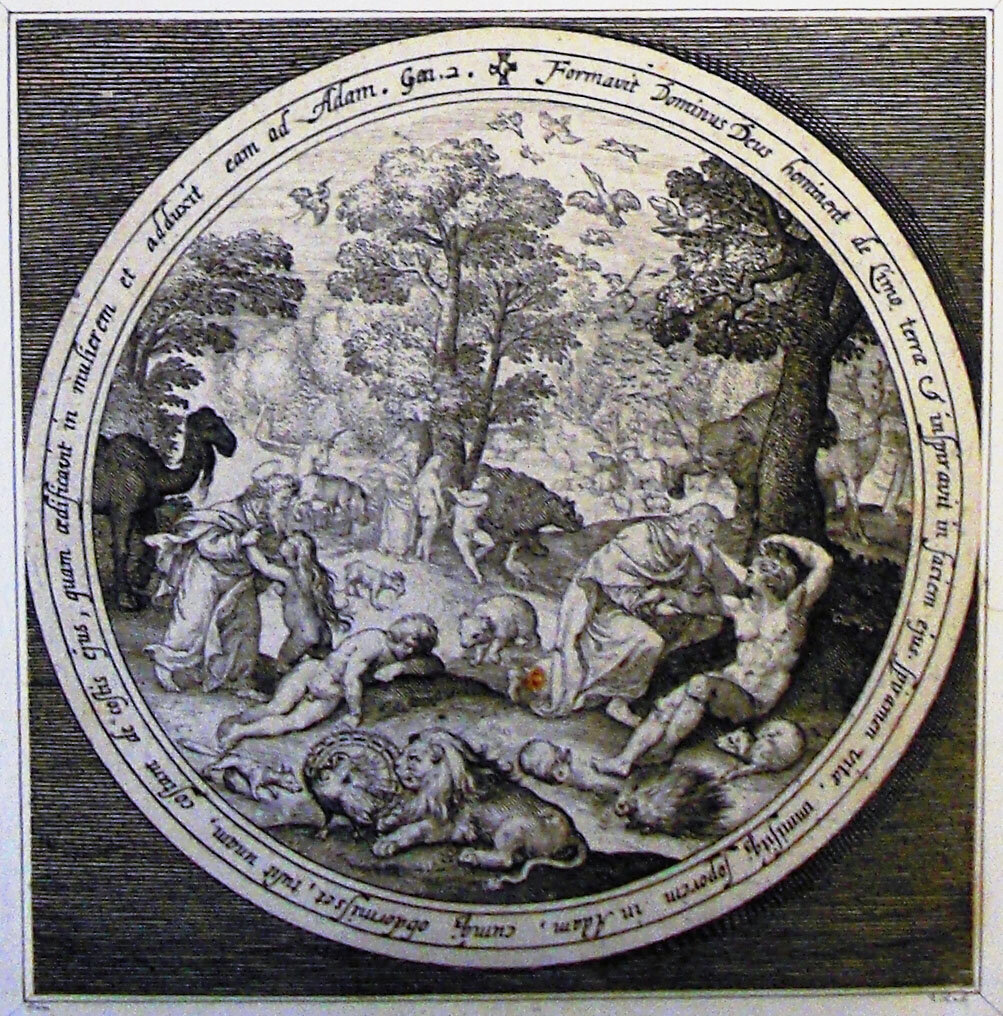
where Philip De Vere has created flip-books from Phillip Medhurst's photo-collection.
#BoltonMuseum #bible #extraillustration #grangerisation #MacklinBible #interleaved #print #engraving #etching #Bibleillustration #Bibleart #Christianart #christianartwork
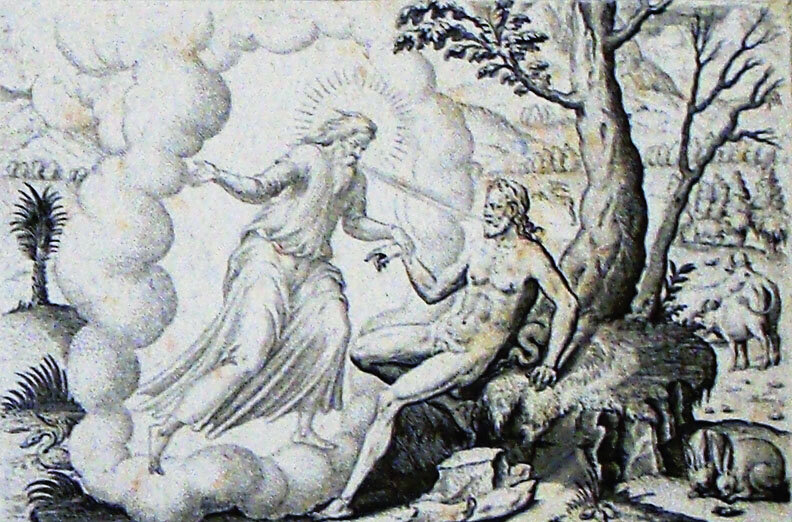
where Philip De Vere has created flip-books from Phillip Medhurst's photo-collection.
#BoltonMuseum #bible #extraillustration #grangerisation #MacklinBible #interleaved #print #engraving #etching #Bibleillustration #Bibleart #Christianart #christianartwork
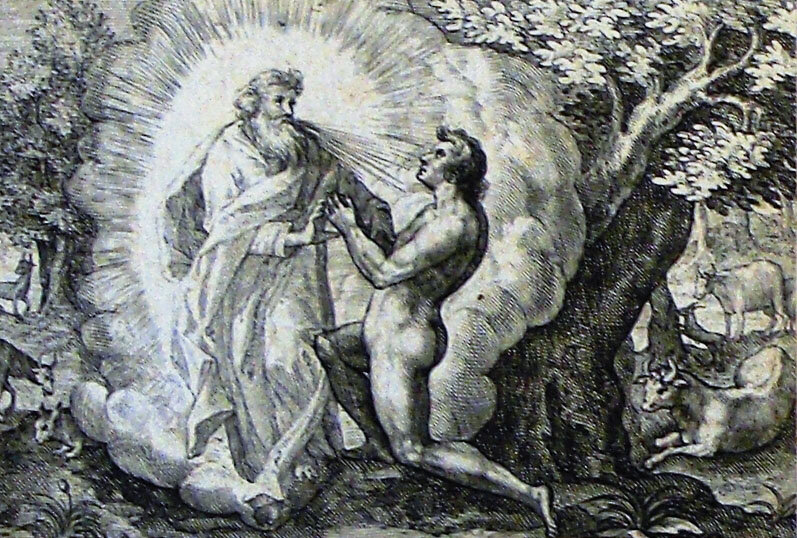
where Philip De Vere has created flip-books from Phillip Medhurst's photo-collection.
#BoltonMuseum #bible #extraillustration #grangerisation #MacklinBible #interleaved #print #engraving #etching #Bibleillustration #Bibleart #Christianart #christianartwork
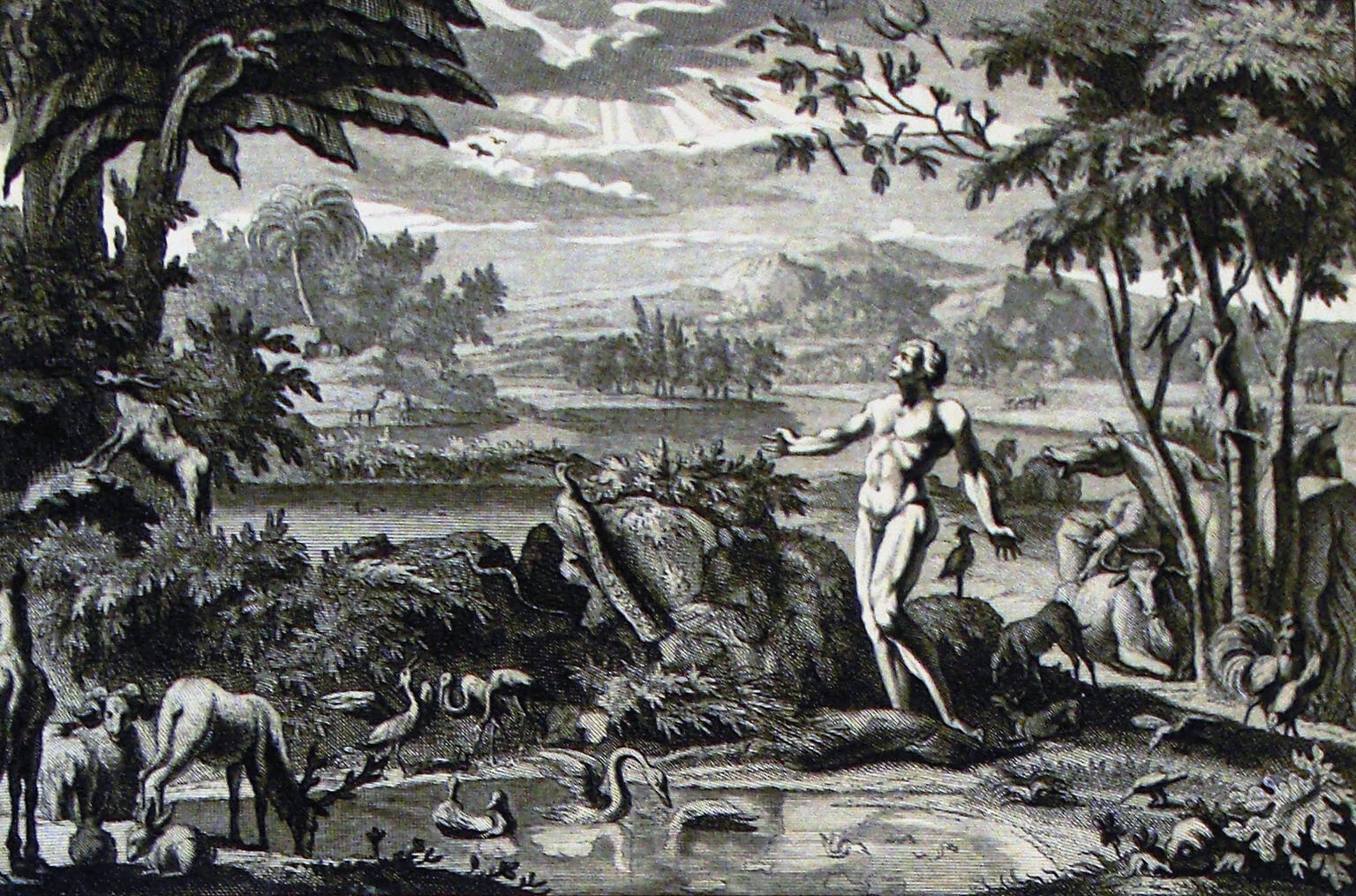
The Freedom of Knowing Who We Are
A Devotional Meditation on John 1:21 John 1:21 presents one of the most remarkable moments of humility in all of Scripture. The religious leaders questioned John the Baptist, asking, “What then? Are you Elijah?” He answered, “I am not.” “Are you the Prophet?” And he answered, “No.” Their questions reveal humanity’s persistent desire to define people by titles, expectations, and earthly categories. John’s answers reveal something far greater: a life that is secure in the […] [SENSITIVE CONTENT]

A Devotional Meditation on John 1:21
John 1:21 presents one of the most remarkable moments of humility in all of Scripture. The religious leaders questioned John the Baptist, asking, “What then? Are you Elijah?” He answered, “I am not.” “Are you the Prophet?” And he answered, “No.” Their questions reveal humanity’s persistent desire to define people by titles, expectations, and earthly categories. John’s answers reveal something far greater: a life that is secure in the calling of God and free from the need for self-exaltation.
The delegation from Jerusalem was searching for someone extraordinary. Israel longed for the fulfillment of ancient promises. Malachi had spoken of Elijah’s coming before the great day of the Lord, and Moses had foretold the coming of a great Prophet whom God would raise up. The religious leaders wanted to know whether John claimed to be one of these expected figures.
John answered with remarkable simplicity. He denied every opportunity to elevate himself. He refused to become more than what God had called him to be.
His words expose one of the deepest struggles of the human heart. People often seek identity through recognition, status, reputation, or comparison with others. They desire titles that command respect and positions that bring admiration. Even within the life of faith there can be a temptation to measure spiritual worth by visibility, influence, or prominence.
John rejected all of these temptations.
He understood that true greatness is not found in becoming someone impressive before others but in faithfully fulfilling the purpose assigned by God. His confidence did not come from public opinion but from divine calling. He was content to be exactly what God intended him to be.
There is profound theological significance in this exchange. Throughout Scripture, God often works through those who willingly decrease so that His glory may increase. Abraham left his homeland without knowing where he would go. Moses protested his own inadequacy. David was overlooked among his brothers. The prophets often labored without earthly success. The apostles described themselves as servants rather than celebrities.
The kingdom of God operates by different standards than the kingdoms of the world. Heaven values faithfulness over fame, obedience over applause, humility over ambition. John embodies this kingdom principle before the ministry of Jesus even fully begins.
His refusal also demonstrates remarkable theological clarity. John knew that he was not the fulfillment of Israel’s hope. He was merely preparing the way for the One who was. Every denial pointed beyond himself toward Christ. His ministry was never about gathering followers for his own sake but directing all attention toward the Lamb of God.
The greatest servants of God understand that they are signposts rather than destinations. They point beyond themselves toward the Savior. Their lives become instruments through which others encounter Christ rather than monuments built for personal honor.
John’s humility also protects him from the subtle danger of spiritual pride. Religious influence can become intoxicating. Crowds gathered around John. People traveled into the wilderness to hear him preach. Many wondered whether he himself might be the Messiah. Yet he consistently refused every false identity.
This unwavering honesty teaches that humility is not self-hatred but truthful self-understanding. John neither exaggerated nor diminished his role. He simply accepted God’s assignment with joyful obedience. He knew both his limitations and his purpose.
Such humility flows from a proper understanding of God’s sovereignty. If God appoints every calling, every gift, every opportunity, and every season of ministry, then comparison becomes unnecessary. The Creator distributes His grace according to His wisdom. One plants while another waters, but God gives the increase. Some labor in public while others serve unseen. Every faithful act offered to God possesses eternal value regardless of human recognition.
John’s example challenges the modern desire for visibility. Contemporary culture often encourages constant self-promotion, measuring success by followers, influence, popularity, or applause. Even spiritual service can become vulnerable to these pressures.
Yet the kingdom of Christ invites believers into another way. It invites contentment in hidden obedience. It celebrates quiet faithfulness. It honors those who simply fulfill the work entrusted to them without seeking personal glory.
The questions directed at John continue to echo throughout every generation. People ask, “Who are you?” Society defines identity through achievement, occupation, wealth, education, politics, or social status. Scripture answers differently. The believer’s identity is found in belonging to Christ and serving His purposes.
John knew exactly who he was because he knew exactly whose servant he was.
There is deep freedom in such certainty. When identity rests upon God’s calling rather than human approval, criticism loses its power to destroy and praise loses its power to corrupt. The servant stands secure because the Master is pleased.
John’s repeated denials also reveal a heart fully satisfied with Christ’s coming glory. He did not envy the One who would eclipse his ministry. Instead, he rejoiced that his own influence would diminish if Jesus would be exalted. His ministry was successful precisely because it prepared others to leave him and follow Christ.
Such joyful self-forgetfulness reflects the very heart of Christian discipleship. Every ministry, every sermon, every act of service, every expression of compassion ultimately exists for one purpose: to direct people toward Jesus Christ.
The church today desperately needs the spirit of John the Baptist. It needs leaders who seek faithfulness rather than fame, servants who rejoice when Christ receives the glory, believers who embrace obscurity if Christ is honored, and disciples who understand that their highest privilege is not to be admired but to point others to the Savior.
John’s simple answers, “I am not,” become profound declarations of theological wisdom. They clear away every distraction until only Christ remains at the center. In denying false identities, John prepared the world to recognize the true Redeemer.
The same calling remains for every believer today. The goal is not to become indispensable, unforgettable, or celebrated. The goal is to become faithful witnesses whose lives consistently direct attention away from themselves and toward the Son of God who alone is worthy of worship.
May every heart learn the quiet joy of knowing its God-given place, embracing its God-given calling, and finding complete satisfaction in making much of Christ rather than self.
Prayer
Heavenly Father, teach Your people the beauty of humility and the joy of faithful obedience. Guard every heart from pride, comparison, and the desire for human applause. Grant grace to serve with contentment wherever You have placed us, pointing always to Jesus Christ and seeking only His glory. May our lives become faithful witnesses that lead others to the Savior, and may Your name alone be exalted in all we do. Amen.

Alt...
The Freedom of Knowing Who We Are
![[?]](https://files.mastodon.social/accounts/avatars/110/540/252/708/905/804/original/2589fba324f877a2.jpeg)
The Bible says you can be transformed through Christ; you become a new creation! Click or tap the link to read more.
#afaithfulsower #christianity #Bible #Jesus #dailydevotion
The God Who Calls Us to Faithful Witness
A Prayer Inspired by John 1:21 Heavenly Father, We come before You with reverence, gratitude, and awe. You are the eternal God who was before all things and through whom all things exist. You are the Lord of history, the Author of redemption, and the One who speaks truth into a world often filled with confusion and uncertainty. We praise You because Your purposes never fail and Your wisdom is beyond measure. Your plans stretch from eternity past into eternity future, and every promise You […] [SENSITIVE CONTENT]

A Prayer Inspired by John 1:21
Heavenly Father,
We come before You with reverence, gratitude, and awe. You are the eternal God who was before all things and through whom all things exist. You are the Lord of history, the Author of redemption, and the One who speaks truth into a world often filled with confusion and uncertainty. We praise You because Your purposes never fail and Your wisdom is beyond measure. Your plans stretch from eternity past into eternity future, and every promise You have made finds its fulfillment in Your perfect will.
Today we reflect upon the testimony of John the Baptist, who was questioned by those who sought to define him according to their expectations. When they asked him, “What then? Are you Elijah?” he answered, “I am not.” When they asked, “Are you the Prophet?” he answered, “No.” In his response we see a remarkable humility, honesty, and submission to Your purpose. He refused titles that did not belong to him. He declined honors that were not his to claim. He would not build an identity upon misunderstanding or speculation. Instead, he embraced the role You had given him and faithfully pointed others to the One who was greater than himself.
Lord, we confess that we often struggle with this same temptation. We desire recognition. We long to be important. We sometimes measure our worth by the opinions of others rather than by Your calling upon our lives. We are tempted to create identities based upon human expectations rather than divine purpose. Forgive us for the times we have sought glory that belongs only to You.
Teach us the humility of John the Baptist. Give us hearts that are content with the place You have assigned to us. Help us to understand that faithfulness is greater than fame and obedience is more valuable than recognition. Deliver us from the need to impress others and free us to live for Your approval alone.
Father, we thank You that every believer has a calling. Though not all are prophets, pastors, teachers, or leaders, every follower of Christ has been entrusted with the sacred privilege of bearing witness to the truth. You have called us to reflect the light of Christ in our homes, workplaces, churches, and communities. You have invited us to participate in Your redemptive work by speaking words of grace, showing acts of compassion, and living lives that reveal the beauty of the gospel.
Grant us courage to fulfill that calling. In a world that often resists truth, strengthen us to stand firm. In a culture that frequently celebrates self-promotion, help us to practice humility. In an age filled with noise and distraction, teach us to lift up the name of Jesus with clarity and conviction.
Lord Jesus Christ, we thank You that John’s ministry was never ultimately about himself. His purpose was to prepare the way for You. His mission was to point beyond himself to the Lamb of God who takes away the sin of the world. We praise You because You are the fulfillment of every promise, the answer to every longing, and the Savior of all who trust in You.
We thank You that You came not merely as a teacher or prophet but as the eternal Word made flesh. You entered our broken world. You walked among sinners. You bore our griefs and carried our sorrows. You lived the life we could never live and died the death we deserved to die. Through Your resurrection You conquered sin, death, and the grave. Through Your ascension You reign as Lord over all creation.
Because of Your finished work, we no longer need to establish our own significance. Our identity is secure in You. We are beloved children of God. We are redeemed by grace. We are adopted into Your family. We belong to Christ. Help us to rest in this truth whenever insecurity threatens our hearts.
Father, we pray for Your Church throughout the world. Guard Your people from the temptation to build ministries around personalities rather than around Christ. Protect us from pride, competition, and self-exaltation. Raise up leaders who delight in serving rather than being served. Raise up pastors who faithfully preach Christ rather than themselves. Raise up believers whose greatest joy is not personal recognition but the advancement of Your kingdom.
May our churches become communities where Christ is exalted above all else. Let every sermon point to Him. Let every ministry reflect His character. Let every act of service reveal His love. Let every gathering proclaim His gospel. Teach us that our highest purpose is not to make a name for ourselves but to glorify the name that is above every name.
Lord, we pray for those who feel overlooked, forgotten, or insignificant. Remind them that faithfulness in Your kingdom is never wasted. You see every act of obedience. You notice every quiet sacrifice. You remember every prayer offered in faith. You value every servant who labors in hidden places for Your glory.
Strengthen those who serve without applause. Encourage those who labor without recognition. Comfort those who wonder whether their efforts matter. Remind them that Your eyes are upon them and that You delight in the humble and faithful hearts of Your people.
We also pray for those who are searching for purpose and direction. Like the questioners who came to John, many are asking, “Who am I?” and “Why am I here?” Lord, reveal Yourself to them. Show them that true identity is not found in success, status, possessions, or achievements. It is found in relationship with You. Lead them to discover the joy of knowing Christ and serving Him wholeheartedly.
Father, make us people of truth. Give us integrity in our words and sincerity in our witness. Help us to speak honestly about ourselves and faithfully about You. Keep us from exaggeration, deception, and pride. Let our lives be marked by authenticity and grace.
Fill us with the Holy Spirit so that our witness may be effective. Empower us to speak of Christ with wisdom and love. Open doors for gospel conversations. Prepare hearts to receive the good news. Use our lives as instruments through which others may encounter the transforming power of Jesus Christ.
Lord, as John faithfully prepared the way for the coming of the Messiah, help us to prepare hearts for Your kingdom. May our words, actions, and attitudes point others toward the Savior. Let us become signposts that direct people to Christ rather than drawing attention to ourselves.
As we journey through this life, keep us anchored in humility and grounded in grace. Remind us daily that our value comes not from what we accomplish but from whose we are. Help us to live with confidence because we belong to Christ and with humility because all we have is a gift from Your hand.
We look forward to the day when every earthly title will fade away, every human achievement will pass, and every false source of identity will disappear. On that day, only Christ will remain exalted. Until then, teach us to live as faithful witnesses, humble servants, and joyful disciples.
May our lives echo the spirit of John the Baptist. May we decrease so that Christ may increase. May we find our greatest joy not in being known but in making Him known. May our hearts be satisfied not with earthly honor but with the privilege of serving our King.
We ask all these things in the name of Jesus Christ, the eternal Word, the Lamb of God, the Savior of the world, and the Lord of glory.
Amen.

Alt...
The God Who Calls Us to Faithful Witness
The Throne Beyond the Veil
A Poem Inspired by Hebrews 4:14–16 Beyond the veil where mortal eyesHave never pierced the courts above,There stands a throne in radiant light,Established by eternal love.No shadow stains its holy height,No darkness dims its perfect grace;The hosts of heaven bow in aweBefore the splendor of that place. The stars that wheel through endless night,The seas that thunder at command,The mountains crowned with ancient snow,Are fashioned by a sovereign hand.Yet greater still the wondrous […] [SENSITIVE CONTENT]

A Poem Inspired by Hebrews 4:14–16
Beyond the veil where mortal eyes
Have never pierced the courts above,
There stands a throne in radiant light,
Established by eternal love.
No shadow stains its holy height,
No darkness dims its perfect grace;
The hosts of heaven bow in awe
Before the splendor of that place.
The stars that wheel through endless night,
The seas that thunder at command,
The mountains crowned with ancient snow,
Are fashioned by a sovereign hand.
Yet greater still the wondrous truth
That echoes through creation’s frame:
A Priest has entered heaven’s gate,
And Jesus Christ is His name.
Not clothed in robes of earthly thread,
Nor bearing incense made by men,
He passed beyond the highest skies
And entered God’s own courts again.
The Son of God, enthroned on high,
The Lamb once slain for guilty souls,
Now stands before the Father’s face
While endless praise around Him rolls.
The prophets saw His distant day
And longed to understand the sight;
The kings desired to glimpse His reign
That shines with everlasting light.
The saints who wandered deserts bare,
Who trusted through the fiercest flame,
Looked forward to the promised One,
And rested in His mighty name.
He is the Priest forevermore,
The Mediator strong and true;
No other hand can bridge the gulf,
No other heart can see us through.
The ancient altars fade away,
Their sacrifices now fulfilled;
For by His blood the debt was paid,
And heaven’s justice stands appeased.
Yet marvel not alone that Christ
Has entered through the gates above;
Marvel that the Lord of all
Is filled with sympathy and love.
Though crowned with glory infinite,
Though seated on the throne of might,
He bears remembrance of the path
He walked through sorrow’s deepest night.
He knew the wilderness of thirst,
The lonely burden of rejection;
He heard the mocker’s bitter laugh,
The sinner’s cold and hard objection.
He felt the weight of human grief,
The sting of tears that freely fell;
He walked among the brokenhearted
And entered suffering’s darkest cell.
The storm-tossed sea obeyed His voice,
Yet still He slept in weariness.
The angels waited at His word,
Yet He endured humanity’s distress.
The Prince of Life knew hunger’s ache,
The Holy One knew sorrow’s pain;
The Lord of Glory wore our flesh
And walked beneath the curse’s stain.
Temptation pressed from every side,
Its subtle whisper and its cry;
Yet never once did darkness gain
The smallest victory thereby.
His heart remained unstained by sin,
His hands untouched by evil’s art;
The perfect Lamb stood firm and pure,
With flawless love and steadfast heart.
Therefore the weary need not fear
That heaven cannot understand.
The Savior knows the pilgrim’s road,
The burdens carried by our hand.
He knows the battle hidden deep,
The doubts concealed from human sight;
He knows the tears that fall unseen
Beneath the cover of the night.
When conscience trembles under guilt,
When faith appears a dying flame,
When weakness seems a chain of iron,
And shame repeats its cruel claim,
The child of God may lift his eyes
Beyond the failures of the day,
And see a Priest whose nail-scarred hands
Still intercede along the way.
O blessed mystery of grace!
The Judge Himself became our Friend;
The One before whom angels bow
Secures our welcome without end.
No flaming sword now guards the path,
No cherub bars the sinner’s plea;
The veil is torn, the door stands wide,
And mercy flows abundantly.
Come then, believer, draw thou near,
Not shrinking back in guilty dread.
The throne before thee is not crowned
With wrath to strike the trembling dead.
Though holy beyond mortal thought,
Though bright with uncreated flame,
It bears a sweeter, dearer title:
The Throne of Grace, forever named.
There mercy waits with open hands,
And kindness greets the contrite soul;
There wounds are healed and fears are calmed,
And broken hearts are rendered whole.
There strength is given to the weak,
And courage to the faint of breath;
There hope arises from the dust
And triumph sings in face of death.
The world may offer fleeting aid,
A comfort passing as the dew;
Its promises dissolve like mist,
Its words prove frail and often few.
But grace descends from heaven’s height,
Abundant as the boundless sea,
And every wave proclaims anew
The riches of God’s charity.
In every hour of urgent need,
When trials gather like a storm,
The Savior’s presence shall remain,
A refuge constant, sure, and warm.
His mercy does not ebb away
As seasons fade and kingdoms fall;
His faithfulness endures unchanged,
The same Lord over all.
Therefore let hearts hold fast their hope,
Though winds may rage and mountains shake;
The Priest who entered heaven’s courts
Will never leave His own forsake.
His promises are firm as truth,
His covenant shall ever stand;
The sheep He purchased with His blood
Are safely held within His hand.
And when at last life’s journey ends,
And earthly shadows flee from sight,
The faithful shall behold their King
In everlasting realms of light.
The throne once sought through prayer and faith
Shall stand unveiled before their gaze;
And they shall join the countless choir
In endless songs of grateful praise.
Then every doubt shall disappear,
And every tear be wiped away;
The mercy sought in earthly need
Shall blossom into perfect day.
The Great High Priest shall welcome home
The saints redeemed by grace alone,
And they shall dwell forevermore
Before the everlasting throne.
Until that dawn, let every soul
Take courage from this sacred word:
The heavens hold a faithful Priest,
Our Savior, Master, King, and Lord.
Therefore with confidence draw near,
And seek the grace God freely gives;
For mercy flows from heaven’s throne,
And Christ, our Great High Priest, lives.

Alt...
The Throne Beyond the Veil
The Open Door
A Short Story Inspired by Hebrews 4:14-16 The emergency room waiting area was quieter than usual. Ethan sat alone beneath the glow of fluorescent lights, staring at a paper cup of coffee that had long since gone cold. Across from him, a television mounted high on the wall played a morning news program with the volume turned down. People moved through the halls beyond the glass doors, but everything felt distant, as though he were watching life happen from underwater. His phone buzzed […] [SENSITIVE CONTENT]

A Short Story Inspired by Hebrews 4:14-16
The emergency room waiting area was quieter than usual.
Ethan sat alone beneath the glow of fluorescent lights, staring at a paper cup of coffee that had long since gone cold. Across from him, a television mounted high on the wall played a morning news program with the volume turned down. People moved through the halls beyond the glass doors, but everything felt distant, as though he were watching life happen from underwater.
His phone buzzed again.
No new updates.
His mother was in surgery.
Three hours earlier she had collapsed while tending flowers in her backyard. The doctors had spoken carefully, using words that sounded hopeful but uncertain. Now all Ethan could do was wait.
Waiting had never been his strength.
He stood and paced the room. Then he sat again. Then he stood.
A familiar voice interrupted his restless thoughts.
“You’re wearing a path in the floor.”
Ethan turned and saw Pastor James carrying two cups of coffee.
“I figured you might need this,” the pastor said.
“You didn’t have to come.”
“Of course I did.”
The older man sat beside him and handed him a fresh cup.
For several minutes neither of them spoke.
Sometimes silence was kinder than advice.
Finally Ethan sighed.
“I don’t know what to pray anymore.”
Pastor James nodded.
“That happens.”
“I mean it,” Ethan said. “I’ve prayed all morning. I’ve begged God to help her. I’ve quoted verses. I’ve tried to believe. Now I’m just exhausted.”
The pastor listened.
Ethan continued.
“And honestly, I feel guilty.”
“Why?”
“Because I keep wondering whether God is tired of hearing from me.”
Pastor James looked surprised.
“Tired of hearing from you?”
“Yeah.”
Ethan stared at the floor.
“I’ve made a mess of things over the years. You know that. There were years I barely stepped inside a church. Years when I ignored God completely. Then something goes wrong and suddenly I’m knocking on heaven’s door again.”
His voice cracked.
“What if I’ve worn out my welcome?”
The pastor leaned back in his chair.
“That’s a heavy burden to carry.”
“It feels true.”
The older man was quiet for a moment.
“Do you remember the first time you came back to church?”
Ethan laughed softly.
“Unfortunately.”
“You sat in the back row.”
“I sat by the exit.”
“You looked like you were preparing an escape plan.”
“I was.”
Pastor James smiled.
“And what happened?”
“You preached.”
“No, after that.”
Ethan thought.
“You came and talked to me.”
“What did I say?”
The younger man shrugged.
“You asked if I wanted coffee.”
“And?”
“You said I didn’t have to earn my way through the door.”
Pastor James nodded.
“Exactly.”
Ethan looked away.
“That was church.”
“Yes.”
“This is God.”
The pastor’s expression softened.
“That’s precisely why it matters.”
The waiting room grew quiet again.
A nurse walked past.
Someone laughed down the hallway.
Life continued.
Pastor James folded his hands.
“Years ago, when I was young, I thought prayer worked like a performance review.”
Ethan raised an eyebrow.
“A performance review?”
“I imagined God sitting behind a giant desk. Every prayer request had to pass inspection. Good Christians got quick access. Weak Christians waited in line. Failures stayed outside.”
“That sounds familiar.”
“It does, doesn’t it?”
The pastor smiled sadly.
“But Scripture paints a different picture.”
Ethan listened.
“It tells us we have a great High Priest who understands our weakness.”
He paused.
“Not one who merely tolerates us. One who understands us.”
Ethan stared into his coffee.
Pastor James continued.
“Think about that. Jesus knows exhaustion. He knows grief. He knows fear. He knows betrayal. He knows what it feels like to stand in the shadow of suffering.”
“But He never sinned.”
“No.”
“Then how can He understand?”
The pastor nodded.
“That’s what makes it remarkable. He faced every kind of temptation and pressure without surrendering to it. He knows the full weight of human struggle better than we do.”
Ethan considered that.
For years he had imagined God as distant.
Powerful, certainly.
Holy, definitely.
But not approachable.
Not accessible.
Not near.
“Sometimes,” Ethan said quietly, “I feel like I’m standing outside a locked door.”
Pastor James pointed toward the hospital entrance.
“You see those security doors?”
Ethan nodded.
“They only open for authorized people.”
“Right.”
“If you walk up to them without permission, they stay shut.”
“Exactly.”
The pastor smiled.
“A lot of people think God’s presence works that way.”
“It doesn’t?”
“No.”
He leaned forward.
“Because of Christ, the door is already open.”
Ethan looked at him.
“You don’t approach God based on your record.”
“Then how?”
“Through Jesus.”
The words settled into the silence between them.
Not through success.
Not through religious achievements.
Not through flawless behavior.
Through Jesus.
For the first time that morning, Ethan felt something loosen inside his chest.
A knot he had carried for years began to unwind.
The surgery was still happening.
Nothing had changed.
Yet somehow everything felt different.
Hours later, the surgeon finally appeared.
Ethan stood so quickly he nearly spilled his coffee.
The doctor removed his mask.
The expression on his face was impossible to read.
For a terrifying second Ethan imagined the worst.
Then the doctor smiled.
“The procedure went well.”
The room tilted with relief.
Ethan felt his knees weaken.
“She’s stable?”
“Yes.”
“She’s okay?”
“She has a long recovery ahead of her, but yes. She’s okay.”
Ethan closed his eyes.
A breath escaped him.
Not a sigh.
Not quite a laugh.
Something in between.
The surgeon continued explaining details, but Ethan barely heard them.
His mother was alive.
That was enough.
Afterward, he sat back down.
Pastor James returned from making a phone call.
“Well?”
Ethan’s eyes filled with tears.
“She’s going to be okay.”
The pastor smiled.
“Praise God.”
For a few moments neither man spoke.
Then Ethan laughed unexpectedly.
“What?”
“I just realized something.”
“What’s that?”
“I spent all morning trying to convince myself that God would listen.”
Pastor James nodded.
“And?”
“And maybe the whole time He already was.”
The older man smiled.
“Yes.”
Ethan looked toward the ceiling.
Not because he thought heaven was physically above the hospital.
Not because he suddenly understood every mystery of faith.
But because for the first time in a long while, he felt welcomed.
Known.
Seen.
The fear that had haunted him for years was beginning to fade.
The fear that he was too broken.
Too inconsistent.
Too late.
Too far gone.
The truth was far better.
The throne of God was not merely a throne of power.
It was a throne of grace.
And grace meant the door remained open.
Weeks later, Ethan pushed his mother’s wheelchair through a sunny city park.
Summer had arrived.
Children played near a fountain.
Dogs chased tennis balls across bright green grass.
His mother was still recovering, but her strength was returning.
“Slow down,” she laughed.
“I am slowing down.”
“You’re pushing like you’re in a race.”
Ethan grinned.
“Old habits.”
They stopped near a bench overlooking a pond.
For a while they watched ducks glide across the water.
Then his mother asked a question.
“Can I tell you something?”
“Sure.”
“You seem different.”
Ethan smiled.
“How so?”
“Lighter.”
He looked toward the pond.
“I think I am.”
She waited.
“You know, when I was sitting in that hospital waiting room, I realized something.”
“What?”
“I’ve spent most of my life thinking God was reluctantly putting up with me.”
His mother said nothing.
“I thought every failure moved me farther away.”
“And now?”
Ethan watched sunlight dance across the water.
“Now I think He was calling me closer all along.”
A breeze stirred the trees overhead.
For a moment the world seemed unusually still.
Peaceful.
The kind of peace that cannot be manufactured.
The kind that arrives when fear finally releases its grip.
Ethan thought about all the doors people encounter in life.
Doors that remain closed.
Doors guarded by expectations.
Doors requiring credentials.
Doors that open only for the worthy.
But the door Christ opened was different.
It welcomed the weary.
The ashamed.
The struggling.
The uncertain.
The fearful.
The broken.
Not because their need was small.
But because His grace was greater.
And as Ethan sat beside his mother beneath the warmth of the afternoon sun, he understood something he had never truly grasped before.
The invitation had never been to stand outside and wonder whether he belonged.
The invitation had always been to come near.
With confidence.
With honesty.
With need.
And there, at the throne of grace, he would find exactly what he needed most:
Mercy for yesterday.
Grace for today.
And hope for tomorrow.

Alt...
The Open Door
![[?]](https://soc.octade.net/octade/s/3f7f2b5eda4e392867c301c49c2daa16.png)
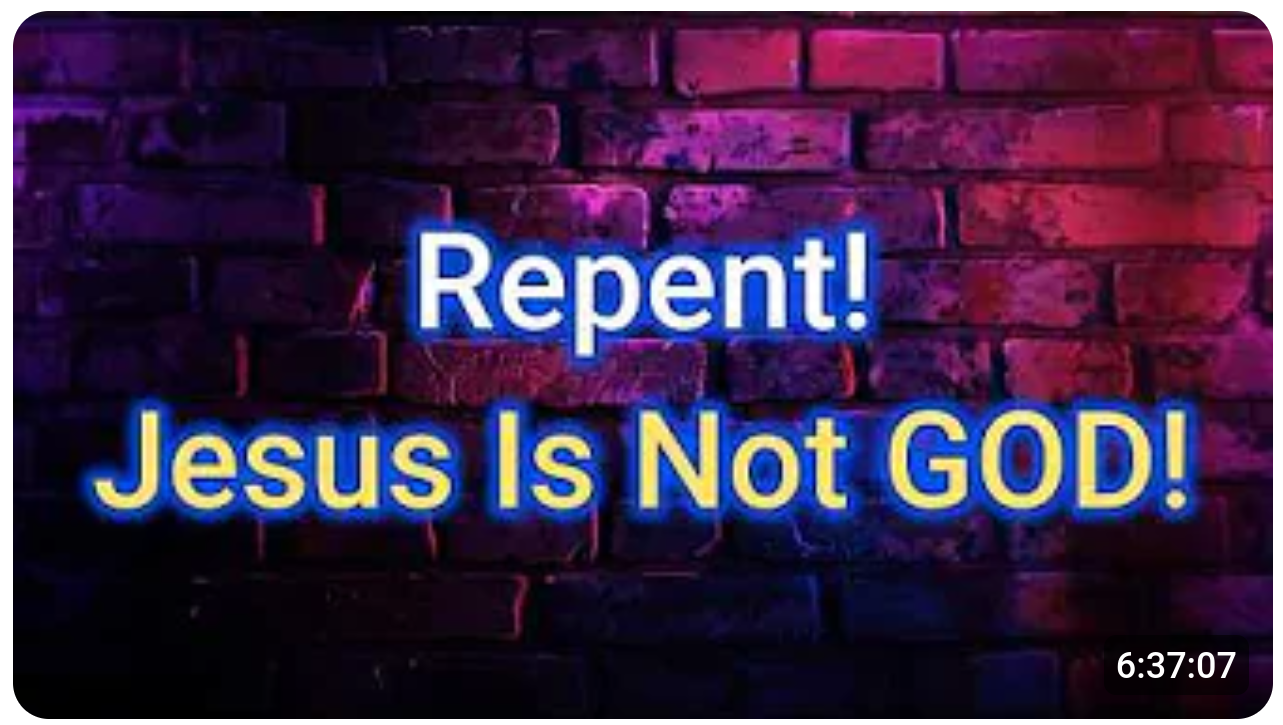
The trinity is the golden calf at Sinai. When the Israelites came out of Egypt (the new covenant) they brought the trinity of Egypt with them in their hearts and minds.
You can take the Israelite out of Egypt, but you also need to take Egypt out of the Israelite! The trinity is the imaginary god of Egypt. The Christian religion is Egypt.
In order to enter the kingdom of God you must repent of worshiping the trinity. God the Father is not a trinity. Only the Father is God. The Christian doctrine of the trinity is the idol the prophets warned us about.
I recently discovered this channel. I have watched some their streams exposing the insanity of militant trinitarians. They are doing good work.
The Unitarian faith is the faith of the Apostles and the only true God. The Trinitarian faith is a false faith in a false, Greek, metaphyical construct.
The Bible is NOT a book of metaphysics. It uses spiritual examples and parables to describe concrete things. The Greco-Roman 'church fathers' poisoned the well by applying pagan metaphysics to the Bible, creating the cargo cult known as the Nicene Creed and the Athanasian Creed.
God the Father is a spirit. He is not a man. He did not incarnate as a man. He raised up and sent a man to be our sacrifice for sin. Everything the trinitarians teach twists the Bible into a lie.
The Christian religion is Egypt, Babylon, Assyria, Rome, Grecia, etc. The Christian religion is the culmination of the statue in Nebuchadnezzar's dream.
Come out of the religion and find the real Jesus and be free!
The promise of the new covenant is that when the new order came, those who follow God the Father will have no need of any teacher or bishop or hierarchy to tell them to know God. God said we would have no need of a man to be our teachers or spiritual fathers. God promised that all of us will know him directly and not need anyone other than Jesus to lead the way.
The Christian religion impersonates Jesus and stands in the way, usurping his throne, as prophesied.
https://www.youtube.com/watch?v=xigWkC9L5_g
#Bible #Trinity #Christian #Church #Theology #Unitarian #Repent #Gospel
![[?]](https://cdn.masto.host/mastjohn1126com/accounts/avatars/115/981/910/993/463/416/original/00ac72837ce34a31.gif)
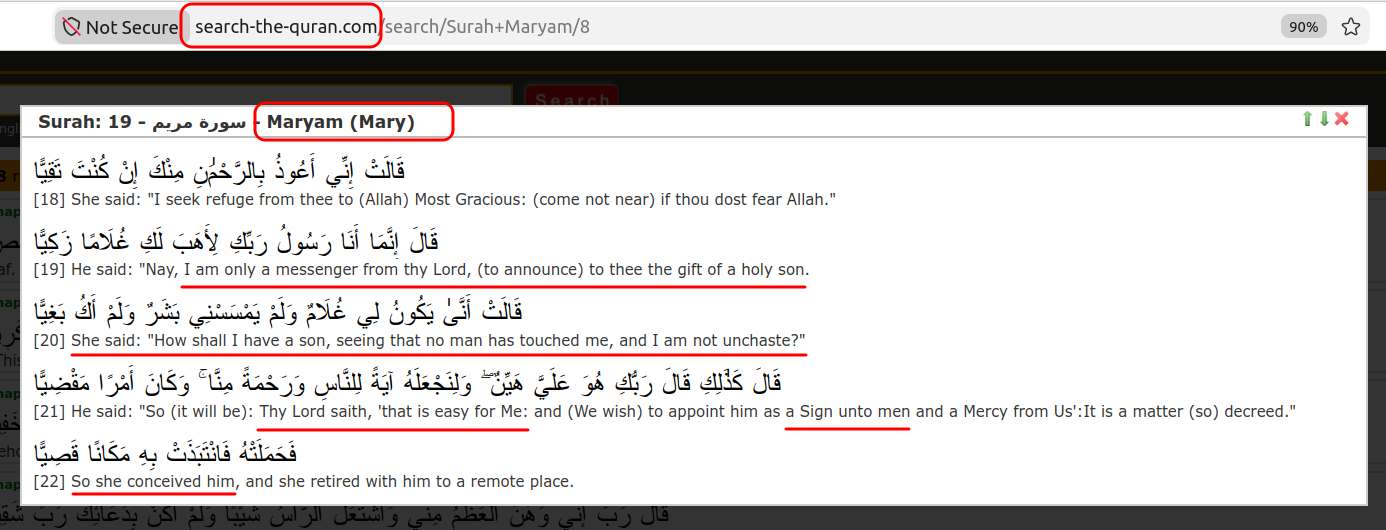
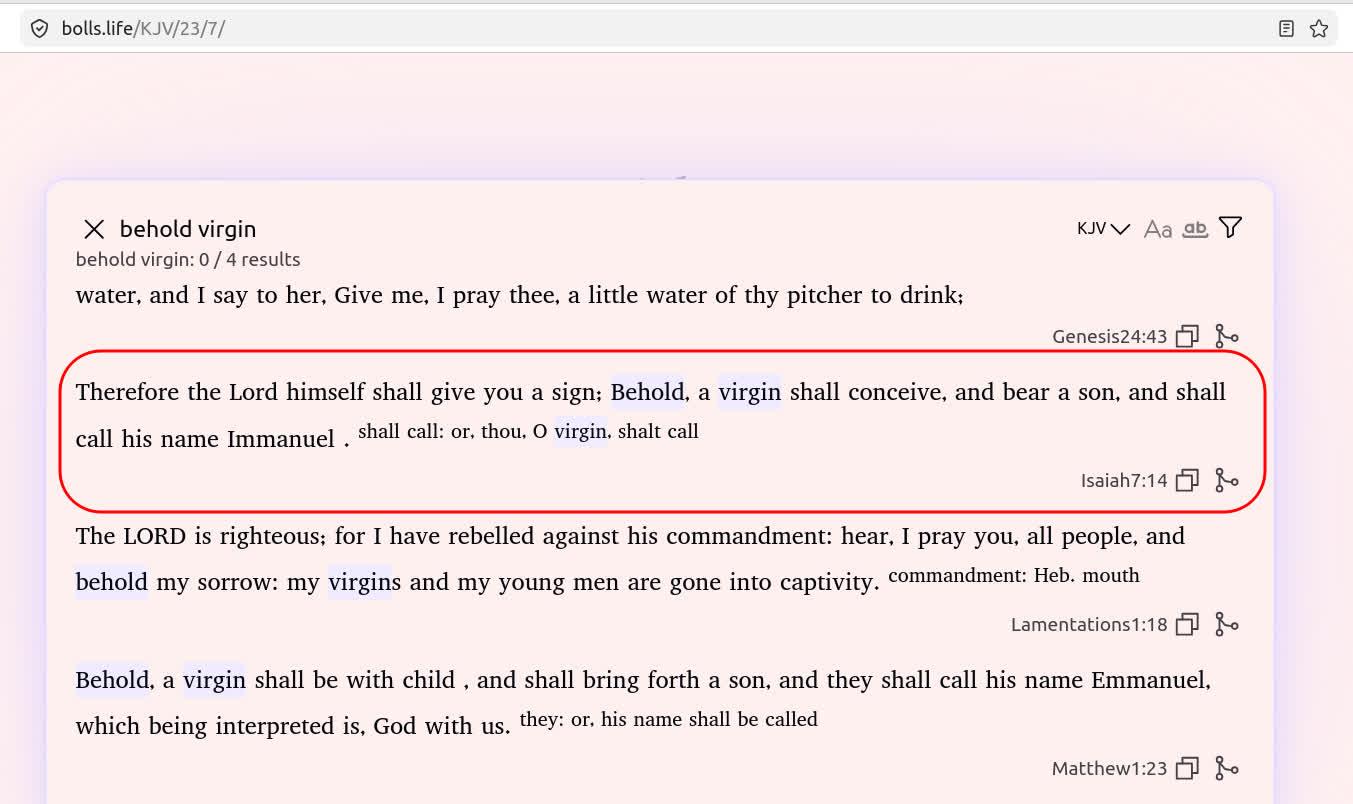
Preaching against the virgin birth, using the Bible as evidence? That's a new one.
The Bible most definitely says Mary was a virgin when Gabriel, the archangel, visited her to declare she was chosen to give birth to the Son of God. He was called Emmanuel, meaning God with us, and named JESUS.
Matthew 1:18-23
Luke 1
Isaiah 7:14
Even the Muslim Quran says Jesus (Isa) was born of the virgin Mary.
#Islam #Quran #Koran #Isa #Jesus #Bible
Leading with Confidence at the Throne of Grace
A Message to Church Leaders from Hebrews 4:14-16 Hebrews 4:14–16 stands among the most encouraging and pastorally significant passages in the New Testament. In just a few verses, the writer of Hebrews brings together the glory of Christ, the weakness of humanity, the confidence of faith, and the sustaining grace of God. For church leaders, these words offer both a theological foundation and a practical lifeline. They remind pastors, elders, ministry leaders, teachers, missionaries, and […] [SENSITIVE CONTENT]

A Message to Church Leaders from Hebrews 4:14-16
Hebrews 4:14–16 stands among the most encouraging and pastorally significant passages in the New Testament. In just a few verses, the writer of Hebrews brings together the glory of Christ, the weakness of humanity, the confidence of faith, and the sustaining grace of God. For church leaders, these words offer both a theological foundation and a practical lifeline. They remind pastors, elders, ministry leaders, teachers, missionaries, and servants of the church that their ministry does not rest upon their own strength but upon the perfect ministry of Jesus Christ, our Great High Priest.
The passage declares:
“Therefore, since we have a great high priest who has ascended into heaven, Jesus the Son of God, let us hold firmly to the faith we profess. For we do not have a high priest who is unable to sympathize with our weaknesses, but we have one who has been tempted in every way, just as we are—yet he did not sin. Let us then approach God’s throne of grace with confidence, so that we may receive mercy and find grace to help us in our time of need.”
These words were written to believers who were weary, discouraged, and tempted to abandon their steadfast confession of Christ. They were facing opposition and hardship. Their faith was being tested. The writer does not begin by directing their attention to themselves. Instead, he directs their attention upward to Jesus.
This remains the first responsibility of every church leader. Leadership in the church is not primarily about strategy, administration, innovation, or influence. It begins with seeing Christ clearly. Ministry becomes unhealthy when leaders become consumed with their own abilities, failures, challenges, or ambitions. Healthy leadership begins when the eyes of the heart are fixed upon the risen and exalted Son of God.
The writer describes Jesus as our “great high priest.” This title carries profound significance. Under the old covenant, the high priest represented the people before God. He entered the Holy of Holies on behalf of the nation. He served as a mediator between a holy God and sinful people. Yet every earthly priest was limited. Every priest was imperfect. Every priest eventually died.
Jesus is different.
He is not merely a high priest; He is the great high priest. His priesthood is superior in every way. He is both the sacrifice and the priest who offers the sacrifice. He is both fully God and fully man. He does not minister in an earthly sanctuary but in the very presence of God. His ministry never ends because He lives forever.
Church leaders must continually remember that the church belongs to Christ. It is not sustained by human wisdom but by the ongoing ministry of Jesus. The burden of carrying the church was never intended to rest upon human shoulders alone. Christ Himself is the ultimate Shepherd of His people.
Many leaders carry unnecessary burdens because they unconsciously assume responsibilities that belong only to Christ. They attempt to change hearts, sustain every struggling believer, solve every conflict, and guarantee every outcome. Yet Scripture repeatedly points leaders back to the reality that Christ remains the Head of His church.
The health of ministry depends upon recognizing this truth. Leaders are called to serve faithfully, but they are not called to replace Christ. They are called to shepherd, but they are not the Chief Shepherd. They are called to teach, but they are not the source of truth. They are called to lead, but they are not the Savior.
The confidence of ministry grows when leaders understand that Jesus is actively reigning and interceding for His people.
The writer continues by declaring that Jesus has “ascended into heaven.” This statement reminds believers that Christ’s work on earth was completed successfully. His death accomplished redemption. His resurrection demonstrated victory over sin and death. His ascension revealed His exaltation and authority.
Church leaders often labor in situations where visible results seem small. Sermons are preached without obvious response. Counseling conversations appear unfruitful. Evangelistic efforts seem ineffective. Programs fail. Attendance fluctuates. Discouragement can quietly settle into the soul.
Yet Hebrews reminds leaders that their confidence is not rooted in visible success but in the finished work of Christ. Jesus reigns regardless of present circumstances. He remains victorious even when ministry seasons are difficult.
This perspective guards leaders from both despair and pride.
It guards against despair because Christ remains sovereign even when leaders feel ineffective.
It guards against pride because any fruit that appears ultimately comes through His power rather than human effort.
The command that follows is simple but profound: “Let us hold firmly to the faith we profess.”
Church leaders are often focused on helping others remain faithful. They preach perseverance. They encourage commitment. They call believers to endure trials. Yet leaders themselves must heed this same command.
One of the greatest dangers in ministry is the gradual erosion of personal devotion. A leader may remain active in ministry while quietly neglecting communion with Christ. Sermons can be prepared while prayer becomes shallow. Ministry activities can multiply while intimacy with God diminishes.
The writer calls leaders to hold firmly to their confession of faith. Ministry effectiveness cannot substitute for spiritual faithfulness.
Church history is filled with examples of gifted leaders whose ministries appeared impressive while their private walk with God deteriorated. The lesson is clear. No amount of public success can compensate for a declining relationship with Christ.
The strength to persevere comes from remembering who Jesus is and what He has done.
The next truth in this passage is among the most comforting in all of Scripture. The writer tells us that Jesus is able to sympathize with our weaknesses.
This is especially important for church leaders.
Leadership often carries unique pressures. Leaders are expected to remain strong during crises. They are called upon to comfort grieving families, navigate difficult decisions, address conflicts, and carry significant responsibilities. At times, these pressures can create feelings of isolation.
Many leaders quietly struggle with discouragement, exhaustion, fear, disappointment, loneliness, and temptation. They may believe that no one fully understands their burdens.
Hebrews offers remarkable comfort.
Jesus understands.
The Son of God entered human experience completely. He knew hunger, fatigue, rejection, misunderstanding, betrayal, sorrow, and suffering. He experienced opposition from religious leaders, abandonment by friends, and the weight of overwhelming responsibility.
He understands what it means to be weary.
He understands what it means to be misunderstood.
He understands what it means to be rejected.
He understands what it means to carry a difficult calling.
This does not mean Christ merely observes human weakness from a distance. The word “sympathize” conveys deep identification and compassionate understanding. Jesus does not respond to struggling leaders with cold detachment. He responds with mercy and compassion.
This truth transforms the way leaders approach God.
Many leaders carry hidden guilt because they feel they should be stronger than they are. They believe they should never become discouraged, weary, or overwhelmed. Yet Hebrews does not deny human weakness. Instead, it acknowledges weakness and points believers toward a sympathetic Savior.
The goal of spiritual maturity is not pretending weakness does not exist.
The goal is bringing weakness honestly before Christ.
The writer further explains that Jesus was “tempted in every way, just as we are—yet he did not sin.”
This statement highlights both Christ’s identification with humanity and His perfect holiness.
Jesus experienced the reality of temptation. He faced the enticements of power, comfort, self-preservation, and compromise. He encountered every category of temptation common to humanity.
Yet He never sinned.
This truth makes Him uniquely qualified to help His people.
A leader who has fallen into sin cannot ultimately rescue another from sin. A struggling sinner cannot serve as the perfect deliverer of sinners. Only the sinless Christ can provide complete salvation and ongoing help.
Church leaders should take great comfort in this reality. The foundation of ministry is not the leader’s perfection but Christ’s perfection.
Every leader remains dependent upon grace.
Every leader remains dependent upon forgiveness.
Every leader remains dependent upon Christ.
This dependence is not a weakness; it is the very heart of Christian ministry.
The passage then reaches its glorious climax: “Let us then approach God’s throne of grace with confidence.”
What a remarkable invitation.
Under the old covenant, access to God’s presence was limited. The Holy of Holies was separated by a veil. Only the high priest could enter, and only under specific conditions.
But through Christ, access has been opened.
Church leaders are invited to come boldly before God.
Notice that the destination is a throne.
A throne speaks of authority, sovereignty, majesty, and power.
God remains the King of the universe.
He rules over nations.
He governs history.
He reigns over every circumstance.
Nothing occurs outside His sovereign authority.
Yet this throne is also described as a throne of grace.
For believers in Christ, the throne of the King has become a place of welcome rather than terror.
This truth should shape every aspect of ministry leadership.
Leaders face countless situations that exceed their wisdom. There are counseling situations without easy answers. There are financial challenges. There are relational conflicts. There are ministry decisions filled with uncertainty.
The temptation is to rely primarily upon experience, intelligence, or strategy.
Yet Hebrews points leaders toward prayer.
The throne of grace is not merely a theological concept. It is a practical reality.
The most effective leaders are not necessarily those with the greatest talents. They are often those who have learned to live before the throne of grace.
Prayerlessness is ultimately a declaration of self-sufficiency.
Prayer is a declaration of dependence.
Healthy leaders recognize that every ministry challenge should drive them toward God rather than away from Him.
The writer tells believers to approach this throne with confidence.
This confidence is not arrogance.
It is not self-confidence.
It is Christ-confidence.
Believers approach boldly because Jesus has already secured their acceptance.
Church leaders must remember this distinction.
Many leaders live under constant pressure to prove themselves. They measure their worth by attendance numbers, ministry growth, public approval, or personal performance.
The gospel liberates leaders from this exhausting burden.
Acceptance before God does not depend upon ministry success.
It depends upon Christ.
Leaders do not earn access to God through effectiveness.
They receive access through grace.
This truth creates freedom.
It enables leaders to serve faithfully without being enslaved to outcomes.
It enables them to lead courageously without being controlled by fear.
It enables them to endure criticism without losing heart.
It enables them to remain humble during seasons of blessing.
The passage concludes with a promise: “that we may receive mercy and find grace to help us in our time of need.”
Every church leader lives in continual need.
There is never a season when leaders outgrow their dependence upon mercy and grace.
Mercy addresses our failures.
Grace provides strength for our responsibilities.
Mercy forgives what is behind us.
Grace empowers what lies before us.
Mercy meets us in our weakness.
Grace equips us for faithful service.
This promise assures leaders that God’s resources are always sufficient for His calling.
There will be days when ministry feels overwhelming. There will be seasons of discouragement. There will be moments when leaders question their strength, wisdom, and ability to continue.
In those moments, Hebrews does not point leaders toward self-reliance.
It points them toward the throne of grace.
There they receive mercy.
There they find grace.
There they discover fresh strength.
There they remember that Christ remains their Great High Priest.
The church of Jesus Christ desperately needs leaders who understand this passage. It needs leaders who are captivated by the greatness of Christ, anchored in the gospel, honest about their weaknesses, committed to prayer, and dependent upon grace.
The future of faithful ministry does not depend upon stronger personalities, better programs, or greater resources. It depends upon leaders who continually come before the throne of grace and draw strength from their living Savior.
Therefore, church leaders must not lose heart. The One who called them remains faithful. The One who saved them continues to intercede for them. The One who understands their weaknesses provides mercy and grace in every season.
Jesus Christ, the Son of God, has passed through the heavens. He reigns in glory. He sympathizes with His servants. He welcomes them into His presence. He supplies everything necessary for faithful ministry.
Because of Him, leaders can hold firmly to their confession.
Because of Him, leaders can approach God with confidence.
Because of Him, leaders can continue serving with courage, humility, and hope until the day they stand before the Chief Shepherd and hear His words of eternal commendation.

Alt...
Leading with Confidence at the Throne of Grace
![[?]](https://soc.octade.net/retro/s/avatar-ccef00a9a86a19e385ce6ac3ee6932ec.png)
My search continues.
Will someone chime in with a list of bible software they have found useful? I'm using Linux and always on the lookout for new tools. Links would be helpful.
So far I have the applications: Xiphos, Bibletime, Widemargin, and Diatheke.
#Bible #BibleSoftware #BibleStudy #Xiphos #Bibletime #Diatheke #KJV
Holding Fast to Our Great High Priest
A Sermon Reflecting on Hebrews 4:14-16 The book of Hebrews was written to believers who were facing pressure, uncertainty, and the temptation to drift away from their confidence in Christ. Into that setting comes one of the most comforting and powerful passages in all of Scripture: “Therefore, since we have a great high priest who has ascended into heaven, Jesus the Son of God, let us hold firmly to the faith we profess. For we do not have a high priest who is unable to sympathize with […] [SENSITIVE CONTENT]

A Sermon Reflecting on Hebrews 4:14-16
The book of Hebrews was written to believers who were facing pressure, uncertainty, and the temptation to drift away from their confidence in Christ. Into that setting comes one of the most comforting and powerful passages in all of Scripture:
“Therefore, since we have a great high priest who has ascended into heaven, Jesus the Son of God, let us hold firmly to the faith we profess. For we do not have a high priest who is unable to sympathize with our weaknesses, but we have one who has been tempted in every way, just as we are—yet he did not sin. Let us then approach God’s throne of grace with confidence, so that we may receive mercy and find grace to help us in our time of need.”
These verses invite believers into a deeper understanding of who Jesus is and what He continues to do for His people. They reveal Christ as our Great High Priest, our sympathetic Savior, and our gracious Advocate. They call us to perseverance, confidence, and hope. In a world filled with anxiety, temptation, suffering, and uncertainty, Hebrews 4:14–16 reminds us that we are not alone and that our access to God is secure because of Jesus Christ.
The passage begins with the declaration, “Since we have a great high priest.” The language immediately draws upon the rich imagery of the Old Testament. Under the old covenant, the high priest occupied a unique position among God’s people. He represented the nation before God. Once each year, on the Day of Atonement, he entered the Most Holy Place to offer sacrifices for sin and to intercede for the people.
The ministry of the high priest revealed two important truths. First, humanity is separated from God by sin and cannot approach Him casually. Second, God graciously provides a mediator who stands between Himself and His people.
The Old Testament priesthood was designed to point beyond itself. Every sacrifice, every priestly garment, every act of mediation anticipated the coming of Jesus Christ. The priests of Israel were temporary, imperfect, and mortal. They themselves needed sacrifices for their own sins. Their ministry could never permanently remove guilt or transform the human heart.
But Jesus is different.
The writer of Hebrews calls Him “a great high priest.” He is not merely another priest in a long succession of priests. He is the ultimate Priest. He fulfills everything the old covenant anticipated. He is greater than Aaron. He is greater than every earthly mediator. His priesthood is perfect, eternal, and complete.
The greatness of Christ’s priesthood is demonstrated in the next phrase: “who has ascended into heaven.” The earthly high priest entered an earthly sanctuary. Jesus entered heaven itself. Earthly priests passed through a curtain. Jesus passed through the heavens. Earthly priests stood before symbolic representations of God’s presence. Jesus entered the very presence of the Father.
This truth changes everything for believers.
Our Savior is not merely a figure from history. He is the risen and exalted Lord. He is seated at the right hand of God. His work of atonement has been accomplished. His sacrifice has been accepted. His victory over sin, death, and Satan has been secured.
The ascension of Christ reminds us that His ministry did not end at the cross or even at the resurrection. Today He lives and reigns. Today He intercedes for His people. Today He represents believers before the Father.
The Christian faith rests not merely on what Christ did in the past but also on what Christ is doing in the present. Even now He serves as our advocate and mediator.
Because of this reality, the writer exhorts believers: “Let us hold firmly to the faith we profess.”
This command is deeply practical. Faith must be held firmly because life often brings pressures that challenge belief. Trials come. Disappointments arise. Prayers seem unanswered. Temptations increase. Doubts whisper. Opposition emerges.
The temptation for many believers is not always outright rejection of Christ but gradual drift away from wholehearted trust in Him. Spiritual complacency can quietly replace spiritual passion. Confidence can be weakened by fear. Hope can be diminished by suffering.
Hebrews reminds us that perseverance is rooted not in our strength but in Christ’s priestly ministry. We hold fast because He holds us. We persevere because He intercedes for us. We remain faithful because He remains faithful.
The security of the believer ultimately rests not upon human determination but upon the ongoing ministry of Jesus Christ.
Many people imagine that spiritual maturity means reaching a place where weakness no longer exists. Yet the Christian life continually reveals our dependence upon God’s grace. The more we grow in Christ, the more aware we become of our need for Him.
This is why the next verse provides such extraordinary comfort.
“For we do not have a high priest who is unable to sympathize with our weaknesses.”
These words reveal the tenderness of Christ’s heart.
Jesus is not distant from human suffering. He is not detached from human struggles. He is not indifferent to human weakness.
The Son of God entered human history. He experienced hunger, fatigue, sorrow, rejection, grief, loneliness, and pain. He knew what it was to be misunderstood. He knew what it was to be betrayed by friends. He knew what it was to face intense opposition. He knew what it was to weep.
When believers suffer, Christ understands.
When believers feel overwhelmed, Christ understands.
When believers struggle with temptation, Christ understands.
When believers experience sorrow, disappointment, or fear, Christ understands.
His sympathy is not theoretical. It is experiential.
The word “sympathize” carries the idea of sharing in another’s experience. Jesus does not merely observe our struggles from a distance. He enters into them with compassionate understanding.
This truth transforms prayer.
Many people hesitate to come before God because they assume He cannot understand their struggles. They imagine Him as stern, distant, or inaccessible. Yet Hebrews presents a Savior whose heart is full of compassion.
Christ understands every burden carried by His people.
There is no sorrow too deep, no temptation too strong, no wound too painful, and no weakness too embarrassing to bring before Him.
The text continues: “but we have one who has been tempted in every way, just as we are—yet he did not sin.”
This statement reveals both Christ’s identification with humanity and His absolute uniqueness.
Jesus experienced real temptation. The temptations He faced were not imaginary. They were genuine and intense. Satan assaulted Him directly in the wilderness. Throughout His ministry He encountered opportunities to avoid suffering, compromise obedience, or pursue power apart from the Father’s will.
Yet unlike every other human being, Jesus remained completely sinless.
He experienced temptation fully because He never surrendered to it. Every pressure that temptation could exert was felt by Him, yet He remained perfectly obedient.
His sinlessness is essential to His role as Savior.
If Christ had sinned, He would have needed a Savior Himself. But because He remained without sin, He became the perfect sacrifice for sinners.
His purity qualified Him to bear our guilt.
His righteousness becomes the basis of our acceptance before God.
His victory becomes the foundation of our hope.
The believer approaches God not because of personal merit but because of Christ’s perfect righteousness.
This leads directly to one of the most remarkable invitations in Scripture.
“Let us then approach God’s throne of grace with confidence.”
The language is astonishing.
Throughout biblical history, God’s throne represented His absolute holiness, authority, and majesty. Sinful humanity could not casually approach His presence. The holiness of God inspired reverence and awe.
Yet through Christ, believers are invited to draw near.
Notice that the throne remains God’s throne. His holiness has not diminished. His majesty has not changed. His sovereignty remains absolute.
But for those who belong to Christ, the throne is now described as a “throne of grace.”
Because Jesus has satisfied divine justice, believers encounter grace rather than condemnation.
The throne where judgment might have fallen becomes the throne where mercy is received.
The throne where guilt might have been exposed becomes the throne where forgiveness is granted.
The throne where sinners might have been rejected becomes the throne where children are welcomed.
This invitation is extended with the command to come “with confidence.”
Confidence does not mean arrogance. It does not mean demanding things from God. It does not mean presumption.
Rather, it means approaching God with assurance because of Christ’s finished work.
The believer does not approach God based upon personal achievements. We do not gain access because we have performed well enough, prayed long enough, or served faithfully enough.
We come because Jesus has opened the way.
His blood secures our entrance.
His righteousness secures our acceptance.
His intercession secures our welcome.
This confidence should transform the prayer life of every believer.
Too often Christians pray timidly, as though uncertain of God’s willingness to receive them. Yet Hebrews teaches that Christ has already secured access to the Father.
We are invited to come boldly, frequently, and expectantly.
We come not as strangers seeking an audience but as children welcomed into the Father’s presence.
The purpose of this approach is beautifully expressed in the final phrase: “so that we may receive mercy and find grace to help us in our time of need.”
The Christian life is sustained by two divine gifts: mercy and grace.
Mercy addresses our failures.
Grace addresses our needs.
Mercy meets us in our guilt.
Grace strengthens us in our weakness.
Mercy forgives what we have done wrong.
Grace empowers what we must do next.
Every believer needs both.
There are moments when we come before God burdened by sin and failure. We need mercy. We need forgiveness. We need cleansing.
There are other moments when we face challenges beyond our strength. We need grace. We need divine help. We need supernatural strength.
God provides both.
Notice also that this help comes “in our time of need.”
God’s grace is not merely theoretical. It is timely.
The Lord knows exactly when His people need encouragement.
He knows when temptation is strongest.
He knows when sorrow feels unbearable.
He knows when faith feels fragile.
He knows when strength is exhausted.
And at precisely the right moment, He provides what His people need.
His grace is sufficient.
His mercy is abundant.
His resources are inexhaustible.
This passage ultimately directs our eyes away from ourselves and toward Christ.
When we focus only on our weaknesses, we become discouraged.
When we focus only on our failures, we become overwhelmed.
When we focus only on our circumstances, we become fearful.
But when we focus on our Great High Priest, hope is renewed.
Jesus has entered heaven on our behalf.
Jesus sympathizes with our weaknesses.
Jesus understands our struggles.
Jesus remains without sin.
Jesus intercedes for His people.
Jesus grants access to the throne of grace.
Jesus provides mercy and grace in every season of need.
The Christian life is not a journey of self-sufficiency. It is a life of continual dependence upon a living Savior. Every day believers are called to hold firmly to their confession, not because life is easy, but because Christ is faithful.
The church does not stand upon human strength, wisdom, or ability. It stands upon the ministry of the risen Christ. He is our Priest, our Advocate, our Intercessor, and our King.
Therefore let weary hearts take courage. Let struggling believers find comfort. Let those facing temptation find hope. Let those burdened by guilt seek mercy. Let those facing impossible circumstances seek grace.
The throne of God is not closed to those who belong to Christ. It is open. The invitation stands. The Savior intercedes.
And because we have such a Great High Priest, we may hold fast to our faith, draw near with confidence, and discover again and again that God’s mercy and grace are always sufficient for every need.

Alt...
Holding Fast to Our Great High Priest
The Great High Priest and the Throne of Grace
A Theological Commentary on Hebrews 4:14–16 Hebrews 4:14–16 stands as one of the most profound Christological and pastoral passages in the New Testament. In these verses, the author of Hebrews brings together several major theological themes that dominate the epistle: the superiority of Christ, His high priestly ministry, His incarnation, His sympathy with human weakness, His sinlessness, and the believer’s confident access to God. The passage serves as both a doctrinal summit and a […] [SENSITIVE CONTENT]

A Theological Commentary on Hebrews 4:14–16
Hebrews 4:14–16 stands as one of the most profound Christological and pastoral passages in the New Testament. In these verses, the author of Hebrews brings together several major theological themes that dominate the epistle: the superiority of Christ, His high priestly ministry, His incarnation, His sympathy with human weakness, His sinlessness, and the believer’s confident access to God. The passage serves as both a doctrinal summit and a practical exhortation. It moves from theology to application, from Christ’s heavenly ministry to the believer’s earthly perseverance.
The text reads:
“Seeing then that we have a great high priest, that is passed into the heavens, Jesus the Son of God, let us hold fast our profession. For we have not an high priest which cannot be touched with the feeling of our infirmities; but was in all points tempted like as we are, yet without sin. Let us therefore come boldly unto the throne of grace, that we may obtain mercy, and find grace to help in time of need.”
These verses form a transition within the larger argument of Hebrews. Earlier sections have emphasized the supremacy of the Son over angels, Moses, and Joshua. The author has also warned readers against unbelief and spiritual hardness. Having spoken of God’s penetrating Word in Hebrews 4:12–13, the writer now turns attention to the One before whom all things are exposed: Jesus Christ, the great High Priest.
The opening statement, “Seeing then that we have a great high priest,” introduces one of the central themes of Hebrews. No New Testament book develops the doctrine of Christ’s priesthood more fully than Hebrews. The Old Testament priesthood provided the conceptual framework through which God’s people understood mediation, sacrifice, atonement, and worship. Priests stood between God and humanity. They represented the people before God and offered sacrifices for sin.
The author deliberately describes Jesus not merely as a high priest but as a “great high priest.” The adjective emphasizes Christ’s superiority over every priest who preceded Him. The Aaronic priests served in an earthly sanctuary. Christ ministers in the heavenly sanctuary. The Levitical priests offered repeated sacrifices. Christ offered Himself once for all. Earthly priests died and were replaced. Christ lives forever.
The greatness of Christ’s priesthood rests not only upon His function but also upon His identity. The text immediately identifies Him as “Jesus the Son of God.” This dual designation is significant. The name “Jesus” emphasizes His humanity. It recalls His incarnation, earthly ministry, suffering, and identification with humanity. The title “Son of God” emphasizes His deity, eternal relationship with the Father, and divine authority.
Throughout Hebrews, the author carefully maintains both realities. Jesus is fully human and fully divine. Any deficiency in either nature would undermine His priestly ministry. If He were merely divine, He could not truly represent humanity. If He were merely human, He could not provide an eternal and sufficient atonement. The mystery of the incarnation provides the foundation for His mediatorial work.
The phrase “that is passed into the heavens” points to Christ’s ascension and exaltation. Unlike the Old Testament high priest who entered the earthly Holy of Holies once each year on the Day of Atonement, Christ has entered the true heavenly sanctuary. The earthly tabernacle and temple were shadows pointing toward a greater reality. Christ’s entrance into heaven fulfills and surpasses everything anticipated in Old Testament worship.
The imagery would have been particularly powerful for Jewish believers familiar with the Day of Atonement described in Leviticus 16. On that sacred day, the high priest passed through the veil into the Most Holy Place carrying sacrificial blood. Christ, however, passed through the heavens themselves. His ascension was not merely a return to heaven but the triumphant entrance of the victorious Redeemer into the presence of the Father.
This heavenly dimension highlights an essential aspect of Christ’s present ministry. Christianity is not merely concerned with what Christ accomplished in the past. It also proclaims what Christ is doing now. The risen Lord actively intercedes for His people. His priesthood is ongoing. His work of mediation continues. Believers are not left to navigate life alone. Their representative stands continually before God on their behalf.
The practical implication follows immediately: “let us hold fast our profession.” Theology leads to perseverance. The writer does not present doctrine merely to satisfy intellectual curiosity. He presents truth to strengthen faithfulness.
The term translated “profession” refers to confession or public acknowledgment of faith. These believers faced pressure, persecution, and temptation to abandon Christianity. The author exhorts them to maintain their allegiance to Christ.
This exhortation is particularly significant within the context of Hebrews. Throughout the letter, warnings against apostasy appear alongside encouragements to perseverance. The existence of a great High Priest provides the basis for endurance. Believers are called to hold fast not because they possess extraordinary strength but because Christ faithfully fulfills His priestly ministry.
The command underscores the covenantal relationship between Christ and His people. Perseverance is not merely human determination. It is sustained by divine grace. The believer’s endurance rests ultimately upon the faithfulness of Christ.
Verse 15 introduces one of the most comforting truths in Scripture: “For we have not an high priest which cannot be touched with the feeling of our infirmities.”
The double negative emphasizes the positive reality. Christ is not distant, detached, or indifferent. He is deeply acquainted with human weakness. The language speaks of sympathy, compassion, and shared experience.
The Greek concept behind “touched with the feeling” conveys profound identification. Christ does not merely know about human suffering intellectually. He knows it experientially. His sympathy arises from participation in human life.
This statement addresses a perennial theological concern. How can the exalted Lord truly understand human struggles? Does heavenly glory create distance from earthly suffering? Hebrews answers decisively: no.
The incarnation permanently establishes Christ’s identification with humanity. His exaltation does not erase His experience of human weakness. Rather, His earthly life equips Him to serve as a compassionate High Priest.
The term “infirmities” encompasses the full range of human weakness. It includes physical limitations, emotional suffering, temptation, grief, weariness, and vulnerability. Christ entered fully into the realities of fallen human existence, though without participating in sin.
This sympathy does not imply mere emotional sentimentality. It reflects covenantal compassion that leads to effective help. Christ’s understanding is not passive observation but active engagement.
The text continues by declaring that He “was in all points tempted like as we are, yet without sin.”
This statement has generated extensive theological reflection throughout church history. The phrase “in all points” does not mean that Jesus experienced every specific temptation encountered by every individual. Rather, it means that He experienced the full range and reality of temptation common to humanity.
His temptations were genuine. They were not theatrical demonstrations or artificial exercises. The Gospel accounts portray authentic encounters with testing and opposition. In the wilderness, Satan tempted Him directly. Throughout His ministry, He faced misunderstanding, rejection, hostility, and suffering.
The reality of Christ’s temptation safeguards His true humanity. He experienced the pressures and challenges inherent in human existence. He knew hunger, fatigue, sorrow, loneliness, and anguish.
At the same time, the text insists upon His sinlessness. “Yet without sin” is essential to understanding His priestly role.
The sinlessness of Christ is not a secondary doctrine but a foundational necessity. Every Old Testament sacrifice required an unblemished offering. Likewise, the ultimate sacrifice for sin had to be morally perfect.
Christ’s sinlessness distinguishes Him from every earthly priest. Aaron and his descendants needed sacrifices for their own sins before ministering on behalf of others. Jesus required no such sacrifice. He was entirely holy.
Theologically, Christ’s sinlessness reflects both His divine nature and His perfect obedience as the incarnate Son. Throughout His earthly life, He fulfilled the will of the Father completely. He succeeded where Adam failed. He accomplished what Israel could not accomplish. He rendered the obedience humanity owed to God.
Importantly, Christ’s sinlessness does not diminish the reality of His temptations. In some respects, His experience of temptation exceeded ours. Human beings often yield to temptation before its full force is felt. Christ never yielded. He endured temptation to its fullest extent without compromise.
Consequently, He understands temptation more profoundly than any sinner can. His victory does not create distance from human weakness; it qualifies Him uniquely to assist those who struggle.
Verse 16 draws the practical conclusion: “Let us therefore come boldly unto the throne of grace.”
The word “therefore” connects this invitation directly to Christ’s priestly ministry. Because Christ is both sympathetic and victorious, believers may approach God with confidence.
This invitation would have been astonishing within the framework of Old Testament worship. Access to God’s presence was highly restricted. The Most Holy Place was separated by a veil. Only the high priest could enter, and only once each year.
Through Christ, that barrier has been removed. The believer is invited into the very presence of God.
The term “boldly” does not imply arrogance or irreverence. Rather, it denotes confidence, freedom of speech, and openness. Believers need not approach God with uncertainty regarding acceptance. Their confidence rests not in personal merit but in Christ’s mediation.
The imagery of the “throne” is significant. A throne represents authority, sovereignty, and kingship. God reigns as the sovereign Lord of the universe.
Yet the throne is described as a “throne of grace.” This remarkable phrase combines majesty with mercy. The sovereign ruler is also the gracious giver. The place that might inspire terror becomes the place of welcome because of Christ.
The concept reflects one of the central themes of biblical theology: grace reigns through redemption. God remains holy and just, yet He provides mercy through the work of His Son.
The purpose of approaching the throne is expressed in two parallel phrases: “that we may obtain mercy” and “find grace to help in time of need.”
Mercy and grace are closely related but distinct concepts. Mercy addresses human misery and need. Grace addresses human unworthiness.
Mercy withholds deserved judgment. Grace bestows undeserved blessing.
Believers require both. They need forgiveness for past failures and strength for present challenges. The throne of grace provides both abundantly.
The phrase “in time of need” literally suggests help that arrives at the appropriate moment. God’s grace is timely. It is not merely theoretical provision but practical assistance.
This assurance speaks directly to the realities of Christian discipleship. The Christian life involves ongoing dependence upon divine grace. Believers face trials, temptations, sufferings, and weaknesses. The promise of Hebrews 4:16 is not exemption from difficulty but access to divine help.
Theologically, this passage contributes significantly to the doctrine of assurance. The believer’s confidence rests not in subjective feelings or personal achievements but in the objective reality of Christ’s priestly ministry.
It also contributes to ecclesiology and worship. Christian worship is fundamentally Christ-centered. Access to God comes through the mediation of the Son. Prayer, praise, and communion with God depend entirely upon His priestly work.
Furthermore, the passage enriches Christology by presenting the unique union of divine transcendence and human sympathy in Christ. He is exalted above the heavens and yet intimately acquainted with human weakness. He reigns as Son of God and sympathizes as Jesus of Nazareth.
In the broader context of Hebrews, these verses introduce themes developed extensively in subsequent chapters. The author will elaborate on Christ’s priesthood according to the order of Melchizedek, His superior covenant, His once-for-all sacrifice, and His eternal intercession. Hebrews 4:14–16 serves as the doorway into that larger theological exposition.
Ultimately, this passage reveals the heart of the gospel itself. Through Jesus Christ, the eternal Son of God who became truly human, believers possess a perfect mediator. He has entered heaven on their behalf. He sympathizes with their weaknesses. He remains sinless and victorious. He grants access to God’s gracious presence.
Therefore, the Christian life is characterized neither by fear nor by self-reliance. It is marked by confident dependence upon the great High Priest. The church perseveres because Christ intercedes. Believers endure because Christ understands. Sinners approach God because Christ has opened the way.
Hebrews 4:14–16 thus stands as one of Scripture’s most comprehensive summaries of Christ’s priestly ministry and one of its most powerful invitations to faith. The exalted Savior who reigns in heaven is also the compassionate mediator who welcomes His people to the throne of grace. There, mercy is received, grace is supplied, and weary believers discover that the One who represents them before God is perfectly able to sustain them until the day they stand in His presence forever.

Alt...
The Great High Priest and the Throne of Grace
![[?]](https://files.mastodon.social/accounts/avatars/113/720/515/024/889/997/original/bc0d4f8246686484.png)
“Yet I am always with you; you hold me by my right hand.
You guide me with your counsel, and afterwards you will take me into glory.
Whom have I in heaven but you? And earth has nothing I desire besides you.
My flesh and my heart may fail, but God is the strength of my heart and my portion for ever.”
Staying Connected to God
Have you ever had a friendship slowly drift apart? No argument. No betrayal. Just less communication. Less connection. Less time together. Our relationship with God can drift the same way if we're not careful. He reminds us that connection must happen on both ends - no matter how mush He calls, if we don't answer we will never connect. Click here to read the full devotional. ✨ [SENSITIVE CONTENT]
Today’s One Year Bible Verses: 1 Kings 12:20–13:34, Acts 9:26–43, Psalm 132:1–18, Proverbs 17:6
God Never Hangs Up
Have you ever been on a phone call when the other person suddenly hangs up?
It doesn’t matter how long you continue talking. It doesn’t matter how firmly you hold the phone or how much you want the conversation to continue. Once the connection is broken on one end, communication stops.
As I prayed this mornings, the Lord gave me this Gem of Knowledge:
“Staying connected requires connection on both ends. If one lets go, the connection is lost. I can hold on, but it does nothing for you if you don’t hold on too.”
What a powerful picture of our relationship with God.
The good news is that God never hangs up. He never walks away. He never stops listening. He never stops loving, pursuing, guiding, or reaching for us.
The question is not whether God is holding on to us – The question is whether we are holding on to Him.
Today’s one year bible reading reveal both sides of that truth.
1 Kings provides a sobering example. After the kingdom divided, Jeroboam feared losing the loyalty of the people. Instead of trusting God, he created his own system of worship and led Israel away from the Lord.
God had extended promises to Jeroboam. God had given him opportunities. God had reached out to him repeatedly. But Jeroboam stopped holding on.
The result was not that God abandoned him. Rather, Jeroboam drifted further and further from the very One who wanted to bless him.
We see a completely different picture in Acts.
After Saul’s dramatic encounter with Jesus, everything changed. His relationship with Christ was not a one-time experience on the road to Damascus. Saul continued pursuing God. He continued learning, growing, obeying, and holding tightly to the One who had transformed his life.
Likewise, we see Peter faithfully following God’s leading as he ministered to believers, healed the sick, and raised Tabitha from the dead through God’s power.
The common thread is connection.
God was present in each situation, but those who experiencing His power were the ones who remained close to Him.
Psalm 132 celebrates David’s desire for God’s presence. More than a kingdom, more than success, more than personal comfort, David longed for God to dwell among His people…He desired connection.
That longing is what keeps a relationship alive. Relationships do not grow through occasional contact. They grow through consistent connection.
Prayer.
Worship.
Time in God’s Word.
Listening.
Obedience.
Trust.
These are the ways we hold on.
The beautiful truth is that God is never the one pulling away or letting go. He is always reaching, always calling, always inviting.
But love does not force itself upon anyone. Just as a hand extended in friendship must be grasped by another hand, God invites us to respond to Him and stay connected.
Today’s Gem reminds us that while God faithfully holds on, we must choose to hold on as well. 💎
Action (5 Minutes with God)
Take at least 5 minutes to connect with the Lord today. Ask Him:
- “Lord, what do You want me to know about this personally?”
- Journal what He gives you through His Holy Spirit.
- Then ask, “What do You want me to do?”
- Journal what He reveals – then do it!
Let today be a day of strengthening your connection with God.
Prayer
Dear Father, thank You for never letting go of me. Thank You for Your faithfulness, even when I am distracted or distant. Help me remain connected to You through prayer, worship, Your Word, and obedience. Draw my heart closer to Yours and teach me to pursue Your presence daily. I want more than Your blessings—I want You. Strengthen my relationship with You and help me hold tightly to the One who never lets go. In Jesus’ name I pray, Amen.
To read more 5 Minutes with God devotionals click here.
If Gems of Knowledge has blessed your walk with Christ, please subscribe or consider partnering with us today. Your gift helps keep these devotionals free for everyone and carries God’s Word to more hearts. Every seed matters—thank you for sowing into this work! 💛
Test everything by the Word and the Spirit (John 16:13)

Alt...
Jesus holds a telephone receiver while the disconnected phone hangs beside a person walking away, symbolizing a broken spiritual connection.