Search results for tag #nasa
![[?]](https://media.bsd.network/accounts/avatars/000/006/949/original/9592eac6e5018e39.png)


@Space@lemmy.science.social @science@beehaw.org @science@lemmy.world @space@beehaw.org @space@lemmy.world @science@newsmast.community @space@newsmast.community @space@lemmy.ml #space #science #nasa #astronomy


![[?]](https://media.universeodon.com/accounts/avatars/109/501/736/783/125/826/original/387a622be46bcde9.png)

Cassini Images Saturns A Ring
Credits: UVIS, U. Colorado, ESA, #NASA
#nature #space #astrophotography

Alt...
Cassini Images Saturns A Ring
![[?]](https://polymaths.social/fileserver/01HCMX6M1CZNEVJ4F5H58TT5XJ/attachment/original/01JHC5KM5K0V0J0436SPD3F86H.jpeg)


 🍵
🍵  [
[Today's #APOD is a real trip... what?!? XD
Date: 2026 September 22
URL: https://apod.nasa.gov/apod/ap260922.html
Title: Chance Triple Alignment: Plane, Space Station, Sun
HH 666: Carina Dust Pillar with Jet
Credits: #NASA, ESA, Hubble, Mehmet Hakan Özsaraç
#nature #space #astrophotography

Alt...
HH 666: Carina Dust Pillar with Jet
Dusty Environs of Eta Carinae
Credits: MSX, IPAC, #NASA
#nature #space #astrophotography

Alt...
Dusty Environs of Eta Carinae
![[?]](https://files.defcon.social/dcsocial-s3/accounts/avatars/113/208/344/507/078/943/original/014820ad22daee1c.jpg)
Thanks to Sam Van Kooten
https://github.com/svank
wispr-analysis
Shared tools for WISPR data analysis
Some highlights
plot_utils.py
+ plot_WISPR:
Aims to be a versatile function that does the Right Thing for plotting WISPR images, with colorbar bounds that are adjusted for inner and outer FOV and for L2 or L3 images, a square-root-scaled colorbar, and WCS coordinate support
+ *_axis_dates: Helper util for labeling a temporal axis with dates.
+ plot_orbit:
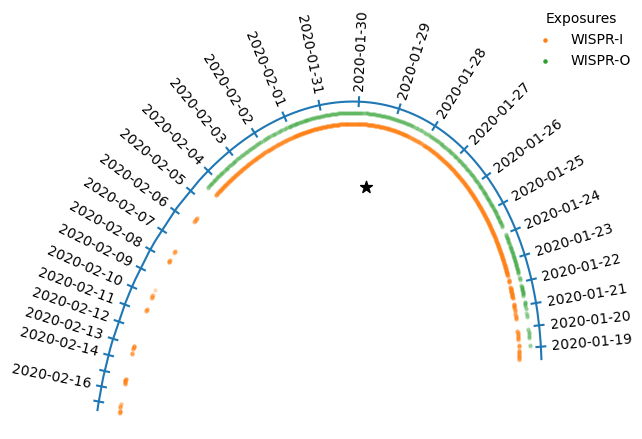
Reads a directory (or nested set of directories) of WISPR files and plots a diagram showing the orbital path of PSP and the locations where images were taken, like this:
projections.py
+ reproject_to_radial: Proof-of-concept code for reprojecting data into a radial coordinate system (where each row of the output array is a radial line out from the Sun.
data_cleaning.py
+ dust_streak_filter: Code for identifying debris streaks in the WISPR images
+ clean_fits_files: Function to batch-run dust_streak_filter on a directory of images.
composites.py
+ gen_composite: Reprojects an inner- and outer-FOV image into a common coordinate system
utils.py
+ to_timestamp: Parse a timestamp from a handful of formats, including the timestamps inside WISPR headers, or entire WISPR filenames. Returns a numerical timestamp.
+ collect_files: Walks a directory of WISPR files (or a directory of subdirectories of WISPR images), identifies all the WISPR images, sorts them, and separates them by inner and outer FOVs.
+ ignore_fits_warnings: Suppresses the warnings Astropy raises when reading WISPR FITS files or parsing WCS data.
https://github.com/svank/wispr_analysis
Documentation:
https://svank.github.io/wispr_analysis/
#space #code #python #science #astronomy #astrophysics #tech #NASA
Alt...
Some highlights
plot_utils.py
+ plot_WISPR:
Aims to be a versatile function that does the Right Thing for plotting WISPR images, with colorbar bounds that are adjusted for inner and outer FOV and for L2 or L3 images, a square-root-scaled colorbar, and WCS coordinate support
*_axis_dates: Helper util for labeling a temporal axis with dates.
+ plot_orbit:
Reads a directory (or nested set of directories) of WISPR files and plots a diagram showing the orbital path of PSP and the locations where images were taken, like this:
projections.py
+ reproject_to_radial: Proof-of-concept code for reprojecting data into a radial coordinate system (where each row of the output array is a radial line out from the Sun.
data_cleaning.py
+ dust_streak_filter: Code for identifying debris streaks in the WISPR images
clean_fits_files: Function to batch-run dust_streak_filter on a directory of images.
composites.py
+ gen_composite: Reprojects an inner- and outer-FOV image into a common coordinate system
utils.py
+ to_timestamp: Parse a timestamp from a handful of formats, including the timestamps inside WISPR headers, or entire WISPR filenames. Returns a numerical timestamp.
+ collect_files: Walks a directory of WISPR files (or a directory of subdirectories of WISPR images), identifies all the WISPR images, sorts them, and separates them by inner and outer FOVs.
+ ignore_fits_warnings: Suppresses the warnings Astropy raises when reading WISPR FITS files or parsing WCS data.
2025-08-20
Leandro Beraldo e Silva released four days ago:
lberaldoesilva/tropygal version 0.1.4
Entropy estimates and distribution functions for galactic dynamics
tropygal is a pure-python package for entropy estimates in the context of galactic dynamics, but can be used in other contexts too. It also provides functions for analytical distribution functions and density of states for models that have analytical expressions.
** Acknowledgements
Development of tropygal was supported by the following research grants:
+ NASA ATP awards 80NSSC20K0509 and 80NSSC24K0938
+ U.S. NSF AAG grant AST-2009122
+ STFC Ernest Rutherford fellowship (ST/X004066/1)
+ JSPS KAKENHI Grant Numbers JP24K07101, JP21K13965, and JP21H00053
+ CNPq (309723/2020-5)
+ Heising Simons Foundation grant # 2022-3927
** Funding agencies:
+ NASA ATP - NASA Astrophysical Theory Program (US)
+ NSF - National Science Foundation (US)
+ STFC - Science and Technology Facilities Council (UK)
+ JSPS - Japan Society for the Promotion of Science (Japan)
+ CNPq – Conselho Nacional de Desenvolvimento Científico e Tecnológico (Brasil)
+ Heising Simons Foundation (US)
https://github.com/lberaldoesilva/tropygal
https://tropygal.readthedocs.io/en/latest/
https://link.springer.com/epdf/10.1007/BF00773669?sharing_token=c10vjrwKcPemuJugFt8GPPe4RwlQNchNByi7wbcMAY4It9IZvz0cQPRbyx9xcOC67oJ1uYrQB3lur75MCDwqdPXd8sWtzve-hL8JYGekYHqhITNJ3f12mXyjbTmMIqid10HwkWoYRAWdltK0BTwIew%3D%3D
https://www.mdpi.com/1099-4300/18/1/13
#space #code #python #science #astronomy #astrophysics #tech #NASA
nazgul is a joint effort by:
* J. Michael Burgess
* Ewan Cameron
* Dmitry Svinkin
https://github.com/grburgess/nazgul
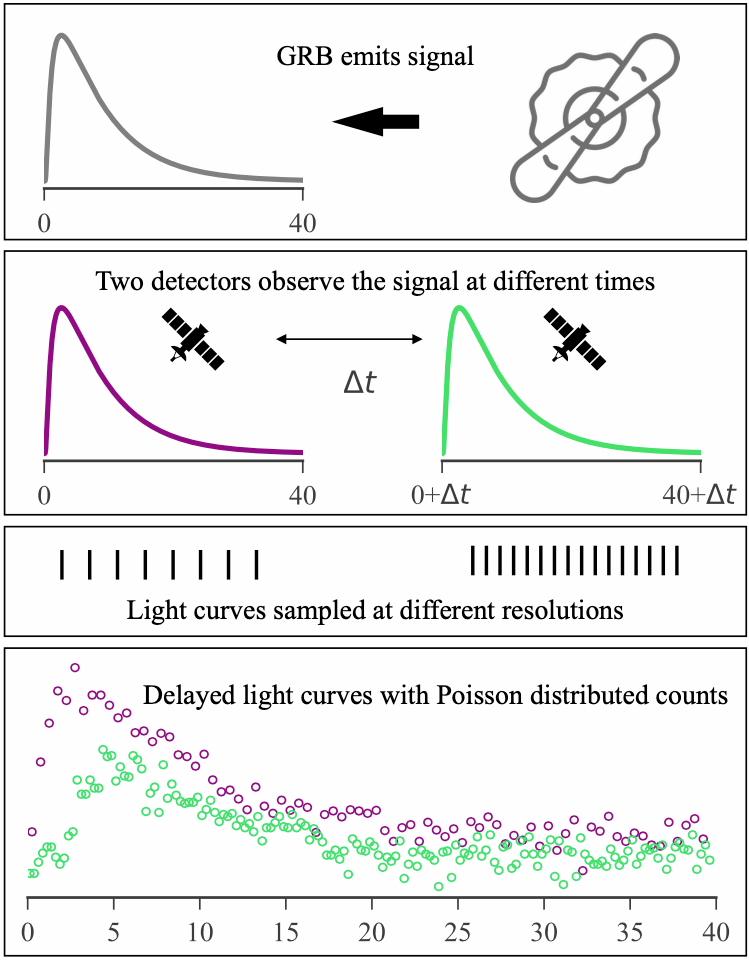
Nazgul is a framework for performing GRB localization via fitting non-parametric models to their data time-series and computing the time delay between them. It is currentrly built upon the magic of Stan and implements a parallel version of non-stationary Random Fourier Features. The idea is get away from heuristic methods such as cross-correlation which do not have a self-consistent statitical model.
The idea is that satellites throughout the Sol system observe gamma-ray bursts at different times due to the finite speed of light. This creates a time delay in their observed light curves which can be used to triangulate the gamma-ray burst position on the sky. These triangulation create annuli or rings on the sky which Nazgul searches for so that it, in the darkness, it can bind them to a location on the sky.
Left image:
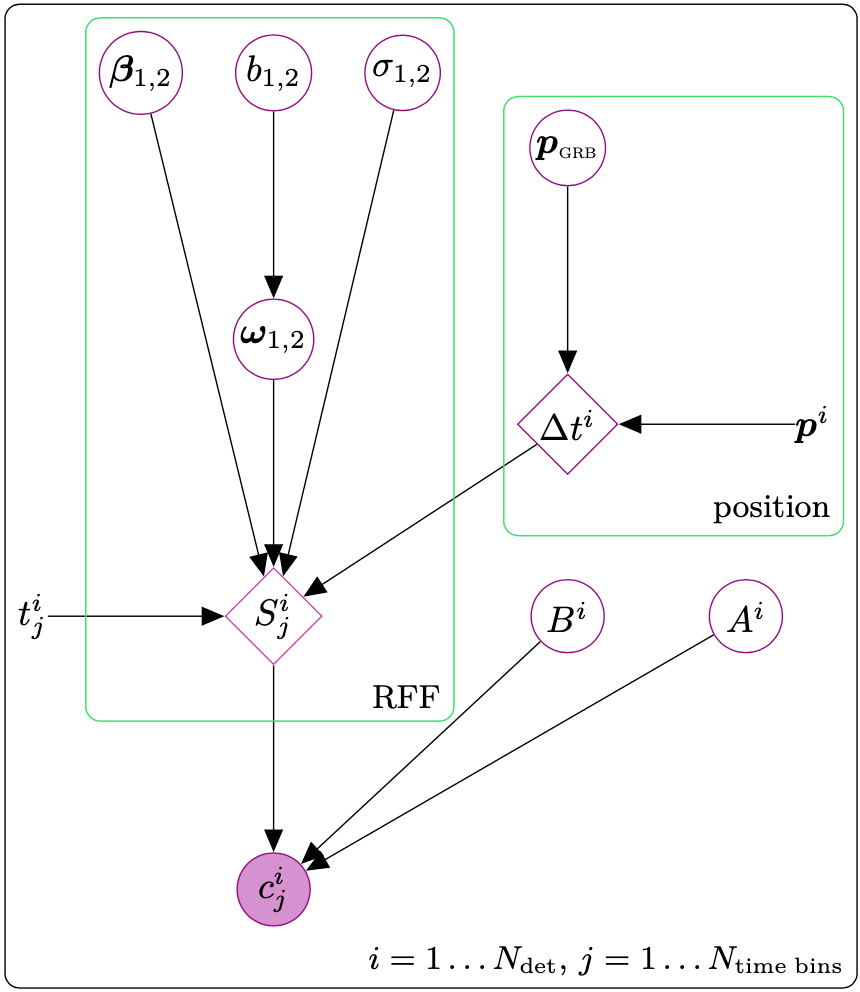
The heriarchical model is shown below and details can be found in here https://arxiv.org/abs/2009.08350. If you find the method and/or code useful in your research we ask that you please cite the paper.
Right image:
The sister program to simulate time-delayed light curves is pyIPN and can be used to generate time-delayed light curves for algorithm testing.
https://github.com/grburgess/pyipn
#space #code #python #science #astronomy #astrophysics #tech #NASA
Alt...
The heriarchical model is shown below and details can be found in here. If you find the method and/or code useful in your research we ask that you please cite the paper.
Alt...
The sister program to simulate time-delayed light curves is pyIPN and can be used to generate time-delayed light curves for algorithm testing.
Colourful Clouds Of Carina
Credits: Hubble Heritage Team, AURA, STScI, #NASA
#nature #space #astrophotography

Alt...
Colourful Clouds Of Carina
![[?]](https://cdn.masto.host/mastjohn1126com/accounts/avatars/115/981/910/993/463/416/original/00ac72837ce34a31.gif)
![[?]](https://media.mstdn.social/accounts/avatars/000/005/168/original/c85be6683862c045.png)
Tune in to watch our newest orbiting observatory launch to space. Our Roman Space Telescope is scheduled to lift off at 7:26 a.m. EDT (1126 UTC) on a SpaceX Falcon Heavy rocket from Launch Complex 39A at NASA's Kennedy Space Center in Florida.
![[?]](https://files.mastodon.online/accounts/avatars/109/298/185/928/165/179/original/8ed3da9f519c2f00.jpg)
The Roman Telescope Promises a New Era of Cosmic Exploration.
NASA’s latest offering to the stars comes from a legacy of great observatories that enabled decades of discovery and unearthed new mysteries about the universe.
https://www.nytimes.com/2026/08/28/science/nasa-nancy-grace-roman-space-telescope.html #globalmuseum #Space #NASA
Alt...
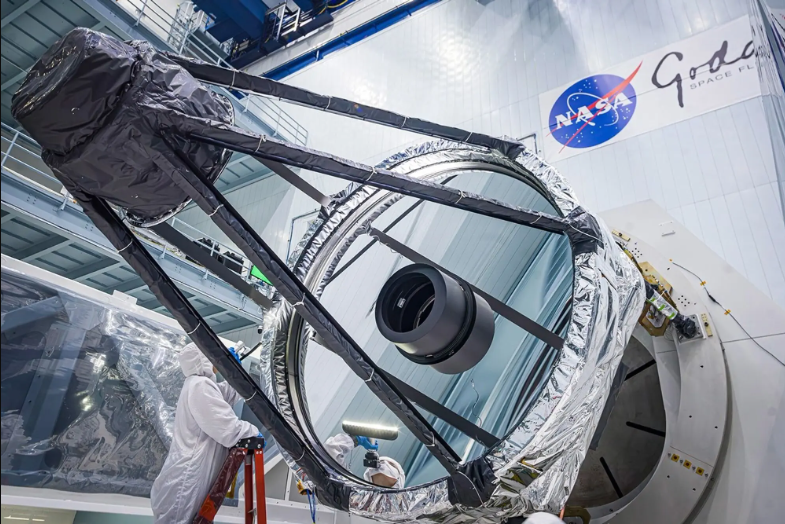
Inspecting the surface of the Nancy Grace Roman Space Telescope’s primary mirror. It will join the Hubble, James Webb and other space observatories when it launches from Cape Canaveral on Sunday.
Credit. Chriss Gunn/NASA
![[?]](https://s3.masto.ai/accounts/avatars/109/303/982/217/898/173/original/84b53833e9214e09.png)
It’s almost as if they shouldn’t have gutted #CISA
#US says #China #hackers broke into #DOJ, #NASA, #FederalReserve, #Senate & more
In a statement, the DOJ said that it had seized domains used by 2 hacking platforms, dubbed “QScan” & “QTRouter,” which it said had been used as part of the campaign. An affidavit identified the US Departments of #Energy, #HHS, the #NIH, & 4 unnamed companies in the US & #SouthKorea as being among the hackers' victims.
#law #InfoSec
https://www.reuters.com/world/china/china-sponsored-hacking-platforms-seized-by-us-justice-department-says-2026-08-26/?utm_source=braze&utm_medium=notifications&utm_campaign=2025_engagement
The Center of Centaurus A
Credits: E.J. Schreier, AUI, Hubble, #NASA
#nature #space #astrophotography

Alt...
The Center of Centaurus A
WR124: Stellar Fireball
Credits: U. Montreal, WFPC2, HST, #NASA
#nature #space #astrophotography

Alt...
WR124: Stellar Fireball
Planetary Nebula NGC 2818 from Hubble
Credits: #NASA, ESA, Hubble Heritage Team, STScI, AURA
#nature #space #astrophotography

Alt...
Planetary Nebula NGC 2818 from Hubble
Moonset, Planet Earth
Credits: STS-35, #NASA
#nature #space #astrophotography

Alt...
Moonset, Planet Earth
I'm not big on #DesktopEnvironments outside of work, but one thing I love about #KDE #Plasma is having the #NASA #APOD as the lockscreen. :D — #microblogging #MicroToot: 140 characters
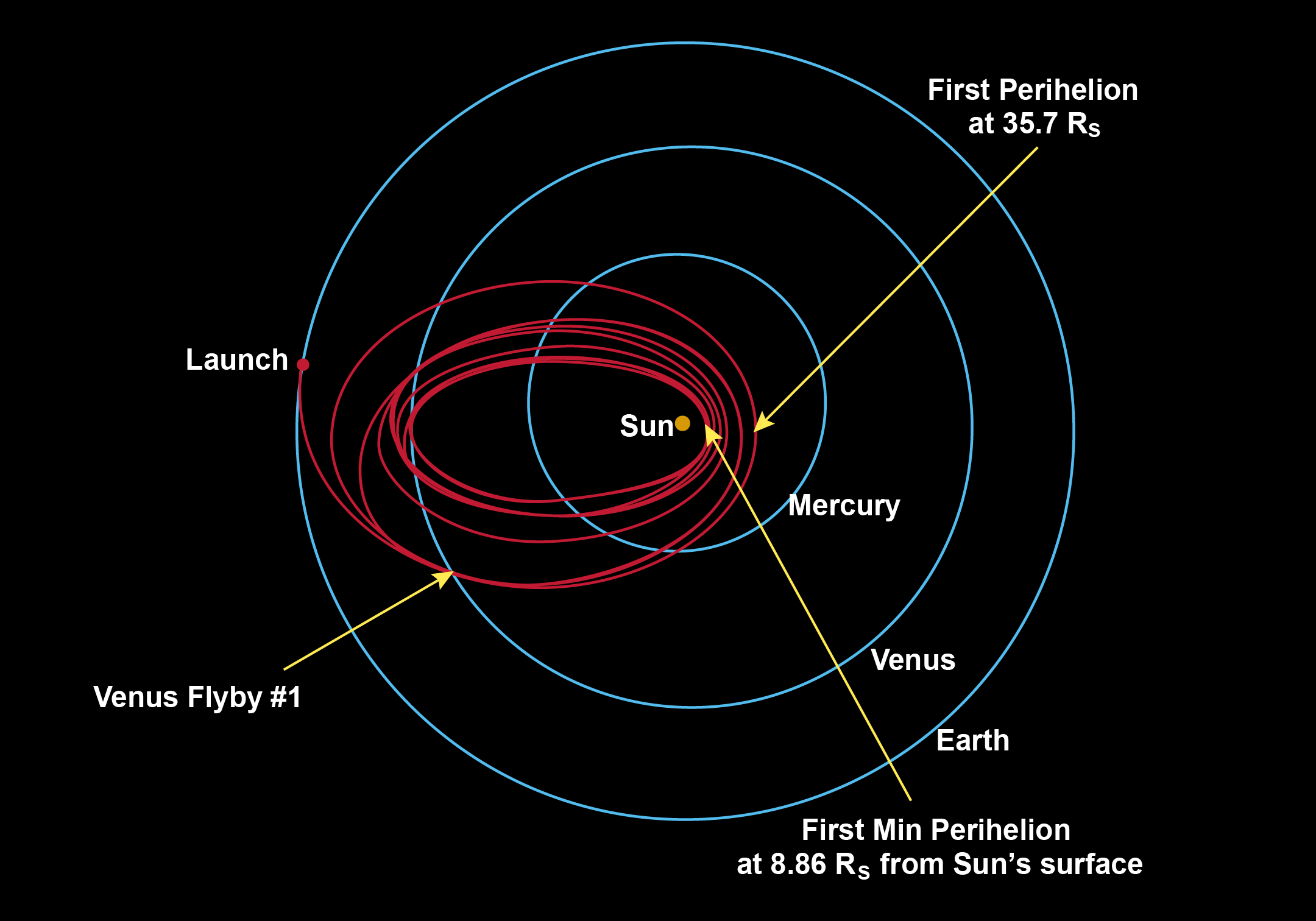
Let's take a moment to appreciate the Parker Solar Probe
Currently it's by FAR the fastest human made object ever, with an incredible 635,000 kilometers per hour, the peak velocity is roughly 0.064% the speed of light
- Around Earth in about 4 minutes
- To the moon in about 36 minutes
https://parkersolarprobe.jhuapl.edu/The-Mission/index.php
Alt...
Launch: August 12, 2018 at 3:31 a.m. EDT (7:31 UTC)
Venus Flyby: Oct. 3, 2018 at 4:44 a.m. EDT (08:44 UTC)
First Perihelion: Nov. 5, 2018 at 10:27 p.m. EST (Nov. 6, 2018 at 03:27 UTC)
![[?]](https://media2.ai6yr.org/accounts/avatars/109/321/592/360/914/018/original/f918064fa4350d36.jpg)
Triton: Neptunes Largest Moon
Credits: Voyager, #NASA
#nature #space #astrophotography

Alt...
Triton: Neptunes Largest Moon
Europa's Ice Rafts
Credits: Galileo Project, #JPL, #NASA
#nature #space #astrophotography

Alt...
Europa's Ice Rafts
![[?]](https://media.mas.to/accounts/avatars/109/305/969/366/397/563/original/125154463787e947.png)

In April, NASA turned off one of the few remaining functional instruments. They have been slowly disabling them since 1998, because of limited power/use at various ranges.
Think about that for a moment…
It launched almost 50 years ago, in 1977. And we are STILL able to communicate with it. Expectedly until 2036. And this with our technology knowledge at the time.
Unless it collides with something or is retrieved, it will reach the Oort Cloud in about 300 years. It will take about 30k years to pass through it.
All of this blows my mind.
Saturn: Light, Dark, and Strange
Credits: Cassini Imaging Team, ISS, #JPL, ESA, #NASA
#nature #space #astrophotography

Alt...
Saturn: Light, Dark, and Strange
MyCn18: An Hourglass Planetary Nebula
Credits: #JPL, WFPC2, HST, #NASA
#nature #space #astrophotography

Alt...
MyCn18: An Hourglass Planetary Nebula
Io in True Color
Credits: #NASA, #JPL, Galileo Project
#nature #space #astrophotography

Alt...
Io in True Color
Pluto's Bladed Terrain
Credits: #NASA, Johns Hopkins Univ./APL, Southwest Research Institute
#nature #space #astrophotography

Alt...
Pluto's Bladed Terrain

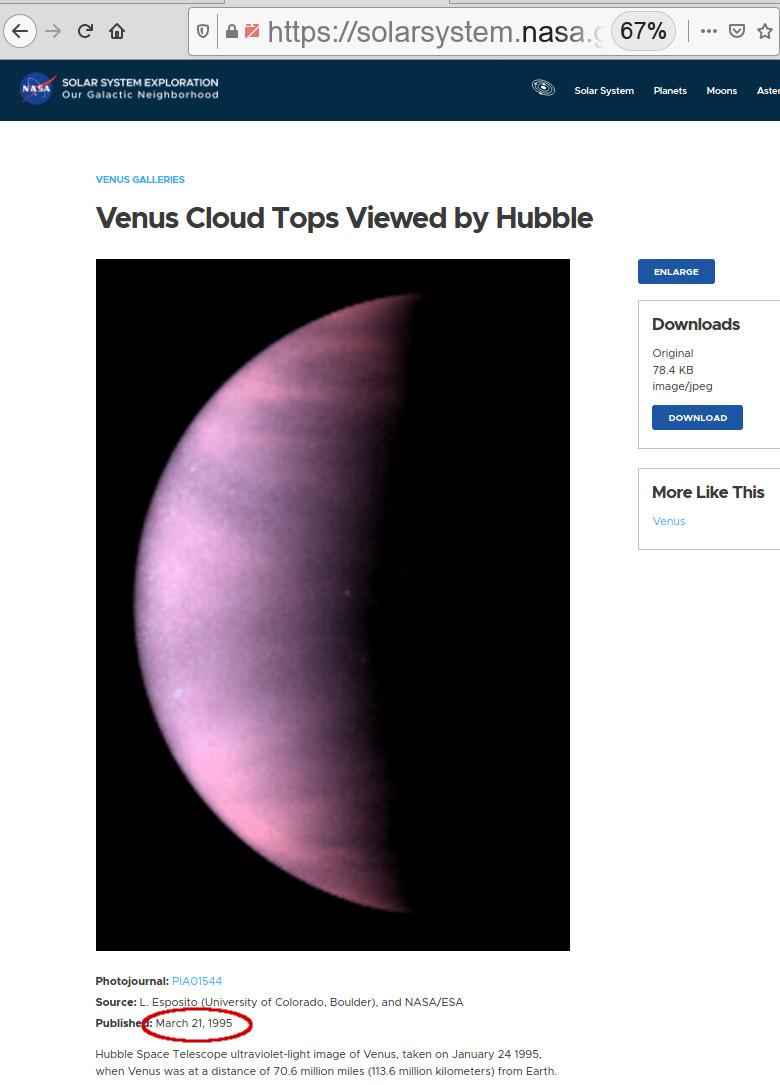
I searched for "NASA's best photo of Venus" and this is one of the results: a low-resolution picture supposedly taken by the Hubble Space Telescope.
Why are the photos of Earth’s closest planetary neighbor of such low quality?
#Venus #Hubble #NASA #space #telescope
![[?]](https://cdn.masto.host/mastodongamedevplace/accounts/avatars/109/859/285/072/781/117/original/52b616f54f20c98f.png)
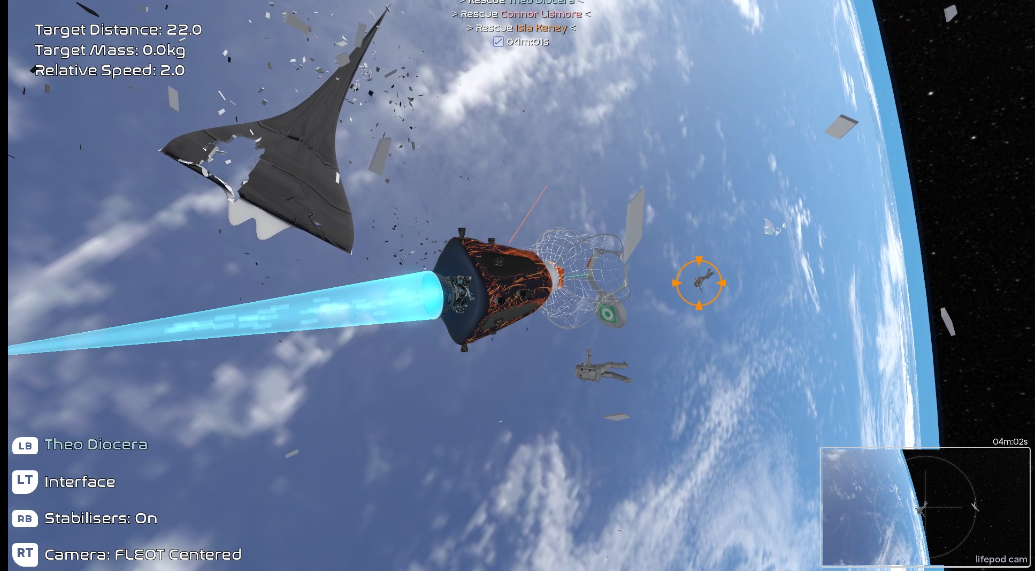
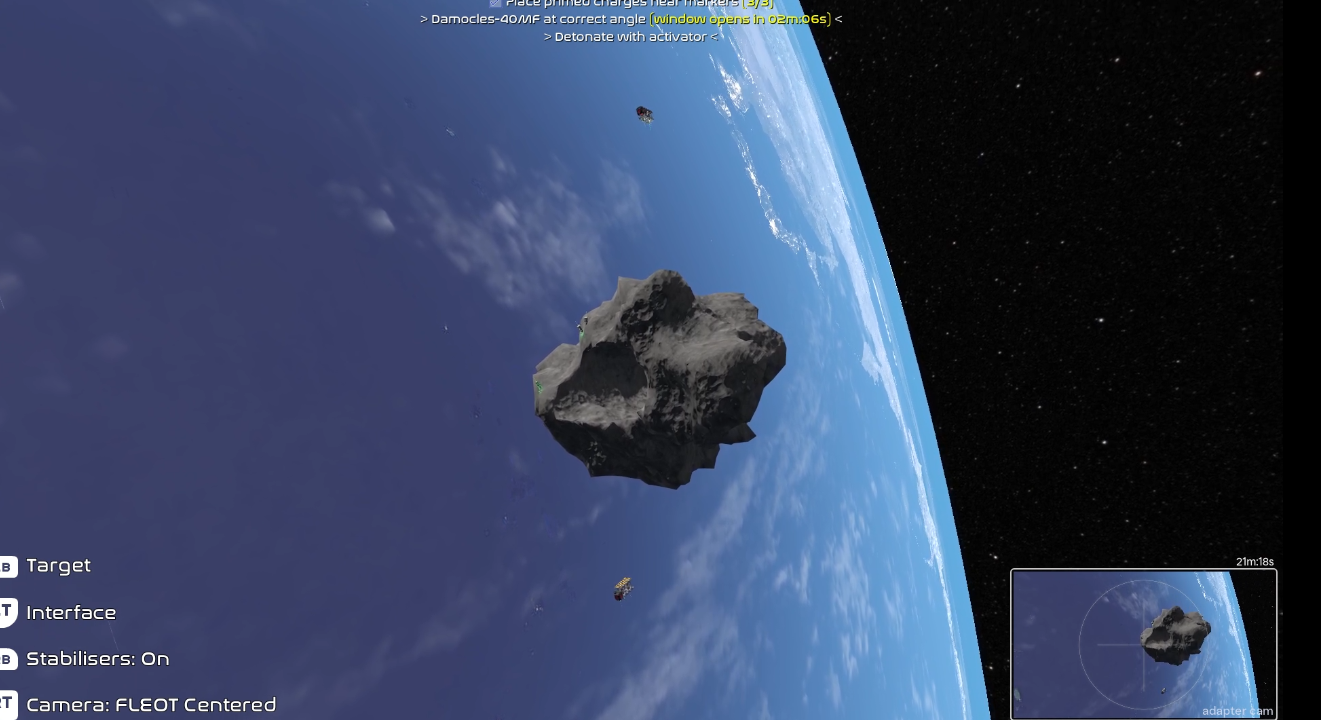
Put together a build of LEO Adventures to send to some people. Only five missions and a bit bare bones but complete and polished enough to release on Steam as a little game right now if I wanted.
Hard sci-fi but makes me laugh. Delivers on the near-future NASA-punk aesthetic. Not too punishing but really explores the Newtonian gameplay mechanics.
Very happy with it.
#LEOAdventures #spacesim #nasa #godot
Alt...
A capsule powers towards an astronaut while a damaged spaceplane tumbles in the background far above the Earth
Alt...
An large asteroid the size of a city block orbits Earth
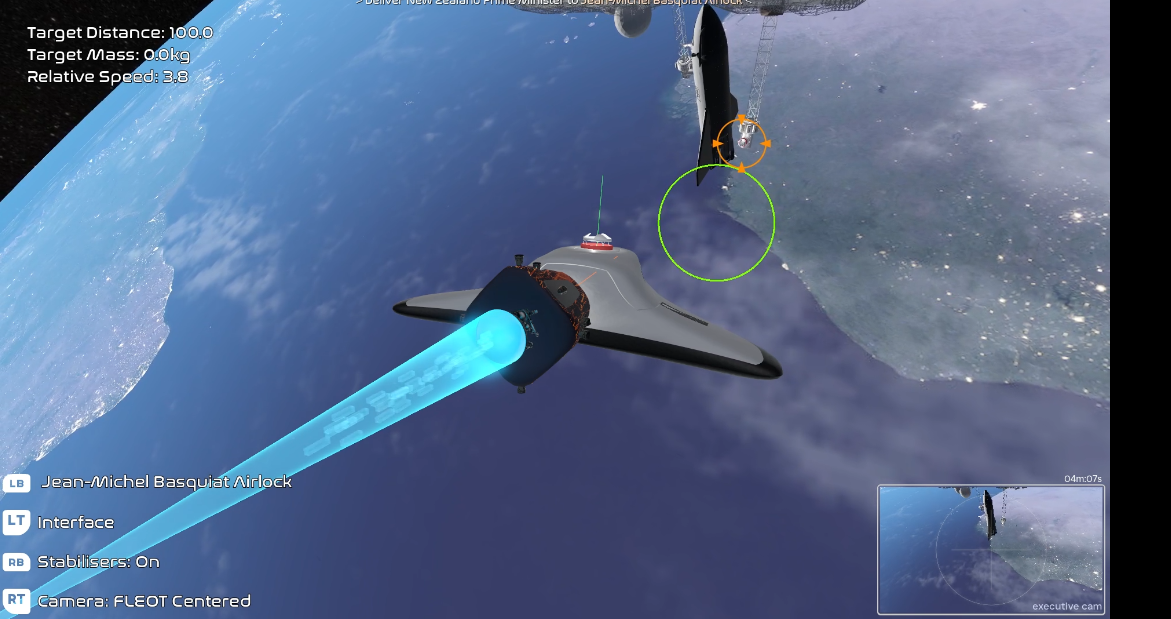
Alt...
A shuttle powers towards a space station above the Earth
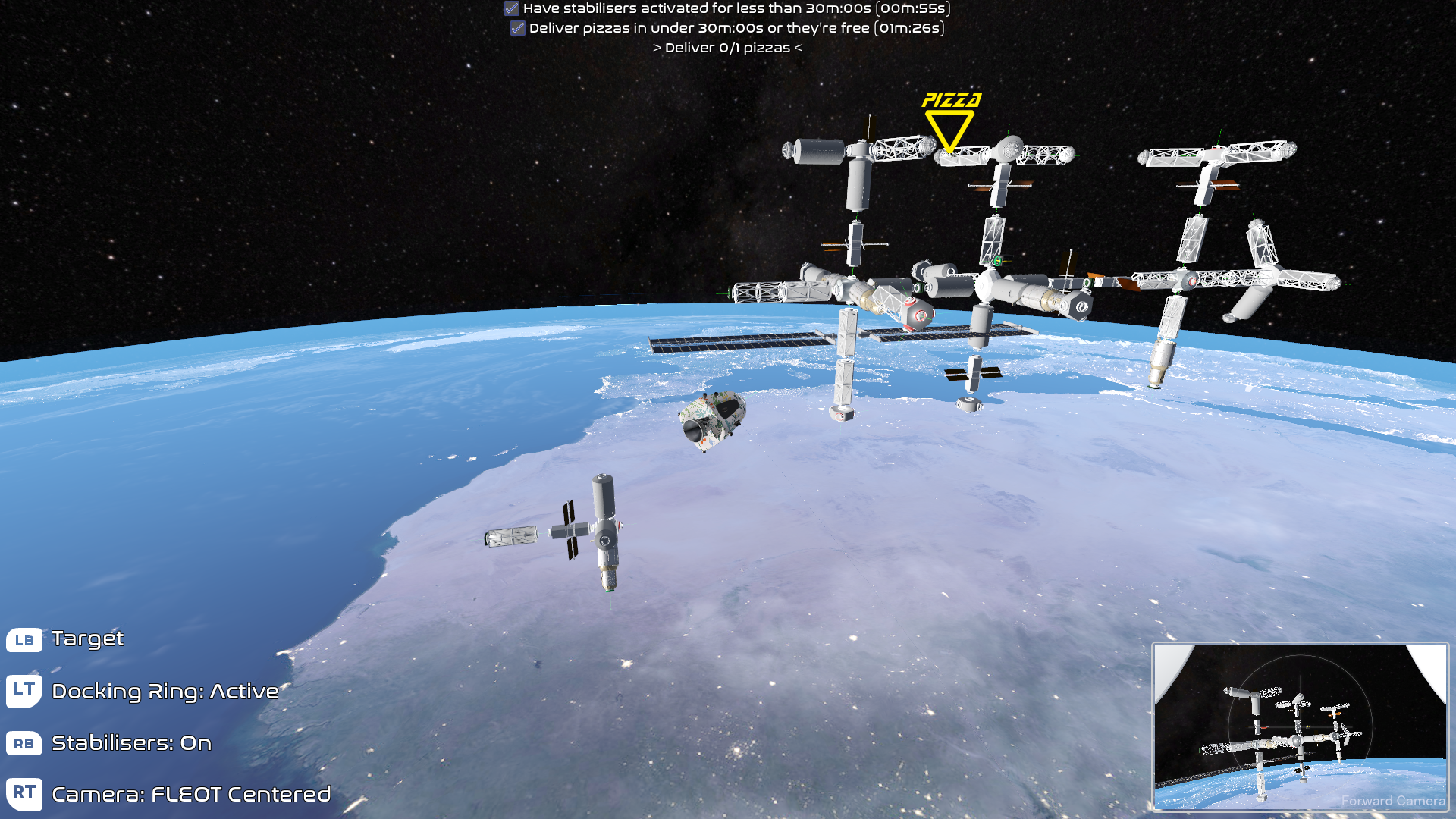
Alt...
A space station hovers above the Earth
Today's #APOD is especially for #VanGogh fans. =)
Date: 2026 June 19
URL: https://apod.nasa.gov/apod/ap260619.html
Title: Starry Night II
Globular Cluster M15 from Hubble
Credits: ESA, Hubble, #NASA
#nature #space #astrophotography

Alt...
Globular Cluster M15 from Hubble
![[?]](https://soc.octade.net/octade/s/3f7f2b5eda4e392867c301c49c2daa16.png)
The irony ...
"How art thou fallen from heaven, O Lucifer, son of the morning! how art thou cut down to the ground, which didst weaken the nations! For thou hast said in thine heart, I will ascend into heaven, I will exalt my throne above the stars of God: I will sit also upon the mount of the congregation, in the sides of the north: I will ascend above the heights of the clouds; I will be like the most High. Yet thou shalt be brought down to hell, to the sides of the pit."
Artemis (Diana) is Apollo's twin sister. Together the two are 'Lucifer'.
They are chief deities of the solar worship cult.
#NASA #AprilFools #Moon #Artemis #Apollo #Bible #Babylon #Lucifer #Gods #Demons #Worship #Religion #Space
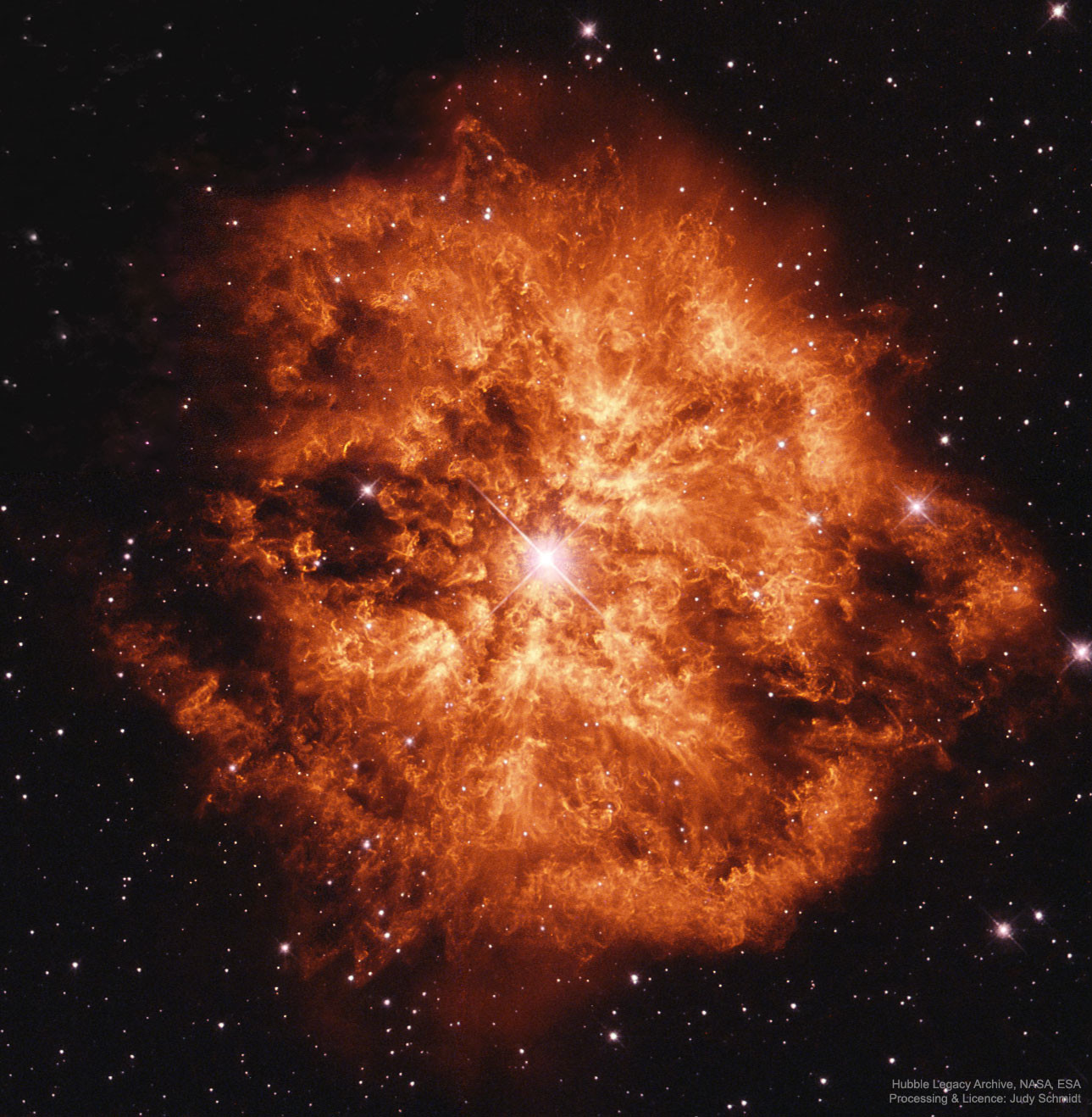
Wolf-Rayet Star 124: Stellar Wind Machine
* Image Credit: Hubble Legacy Archive, NASA, ESA; Processing & License: Judy Schmidt
https://hla.stsci.edu/
https://www.nasa.gov/
https://www.esa.int/
https://www.flickr.com/photos/geckzilla/
Explanation:
Some stars explode in slow motion. Rare, massive Wolf-Rayet stars are so tumultuous and hot that they are slowly disintegrating right before our telescopes. Glowing gas globs each typically over 30 times more massive than the Earth are being expelled by violent stellar winds. Wolf-Rayet star WR 124, visible near the featured image center and spanning six light years across, is thus creating the surrounding nebula known as M1-67. Details of why this star has been slowly blowing itself apart over the past 20,000 years remains a topic of research. WR 124 lies 15,000 light-years away towards the constellation of the Arrow (Sagitta). The fate of any given Wolf-Rayet star likely depends on how massive it is, but many are thought to end their lives with spectacular explosions such as supernovas or gamma-ray bursts.
https://en.wikipedia.org/wiki/Wolf%E2%80%93Rayet_star
https://en.wikipedia.org/wiki/WR_124
https://www.flickr.com/photos/geckzilla/14248502065/
https://www.syfy.com/syfy-wire/a-massive-violent-star-blooms
https://www.youtube.com/watch?v=aysiMbgml5g
https://ui.adsabs.harvard.edu/abs/1985A%26A...145L..13V/abstract
https://science.nasa.gov/universe/gamma-ray-bursts-harvesting-knowledge-from-the-universes-most-powerful-explosions/
http://www.hawastsoc.org/deepsky/sge/
https://chandra.harvard.edu/photo/cosmic_distance.html
https://apod.nasa.gov/apod/ap000318.html
https://spaceplace.nasa.gov/constellations/en/
https://www.universetoday.com/24736/wolf-rayet-star/
https://science.nasa.gov/earth/facts/
https://apod.nasa.gov/apod/ap250203.html
#space #nebula #star #astrophotograhy #NASA #ESA #Hubble #science #nature
Alt...
2025 February 3
A starfield is shown with a large spherical nebula in the center. The nebula shows a great deal of internal structure. Please see the explanation for more detailed information.
Wolf-Rayet Star 124: Stellar Wind Machine
* Image Credit: Hubble Legacy Archive, NASA, ESA; Processing & License: Judy Schmidt
Explanation:
Some stars explode in slow motion. Rare, massive Wolf-Rayet stars are so tumultuous and hot that they are slowly disintegrating right before our telescopes. Glowing gas globs each typically over 30 times more massive than the Earth are being expelled by violent stellar winds. Wolf-Rayet star WR 124, visible near the featured image center and spanning six light years across, is thus creating the surrounding nebula known as M1-67. Details of why this star has been slowly blowing itself apart over the past 20,000 years remains a topic of research. WR 124 lies 15,000 light-years away towards the constellation of the Arrow (Sagitta). The fate of any given Wolf-Rayet star likely depends on how massive it is, but many are thought to end their lives with spectacular explosions such as supernovas or gamma-ray bursts.
Authors & editors: Robert Nemiroff (MTU) & Jerry Bonnell (UMCP)
NASA Official: Amber Straughn Specific rights apply.
NASA Web Privacy, Accessibility, Notices;
A service of: ASD at NASA / GSFC,
NASA Science Activation
& Michigan Tech. U.