Search results for tag #linguistics
![[?]](https://files.mastodon.social/accounts/avatars/110/441/535/131/897/219/original/0ddf9d4dd12a5dee.png)
Study Uses Mathematics to Reveal When Homer Wrote the Iliad
Scholars study when Homer composed the Iliad using pottery art, contemporary texts, and internal poem clues, with one recent study even applying mathematics to pinpoint the date.
By Caleb Howells
https://greekreporter.com/2026/09/11/mathematical-study-homer-wrote-iliad/
Original article is available online:
https://onlinelibrary.wiley.com/doi/full/10.1002/bies.201200165
The Iliad by Homer at PG:
https://www.gutenberg.org/ebooks/6130
#books #linguistics #mathematics
#books #linguistics #mathematics
Alt...
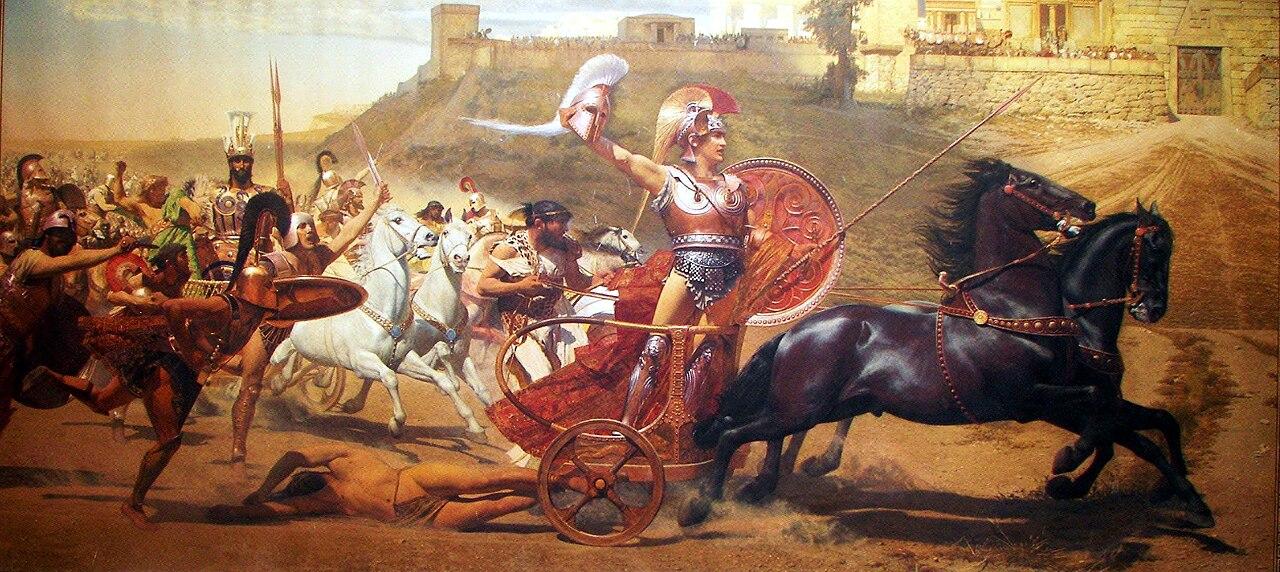
Triumphant Achilles dragging Hector’s body around Troy, from a panoramic fresco of the Achilleion. by Franz Matsch.
Achilles rides a chariot pulled by black horses, dragging Hector's body around the walls of Troy, while soldiers and onlookers watch from the ramparts.
![[?]](https://polymaths.social/fileserver/01HCMX6M1CZNEVJ4F5H58TT5XJ/attachment/original/01JHC5KM5K0V0J0436SPD3F86H.jpeg)


 🍵
🍵  [
[New #blog #post: Gratitude Day 7: The Art of Translation
https://rldane.space/gratitude-day-7-the-art-of-translation.html
435 words (same as yesterday's! ;)
cc: my wonderful #chorus: @joel @dm @sotolf @thedoctor @pixx @orbitalmartian @adamsdesk @krafter @roguefoam @clayton @giantspacesquid @stfn
(I will happily add/remove you from the chorus upon request! :)
#rlDaneWriting #blost #SeptemberTheme #SeptemberBloggingTheme #SepThemeBear #SeptemberGratitude #gratitude #thankfulness #translation #GradSchool #professor #linguistics
The lost golden age of language diversity
Tens of thousands of languages may have existed between 1,000 and 3,000 years ago - and their decline began well before European colonial expansion
by Damian E. Blasi, Claire Bowern, Russell D. Gray and Sandra Jacob
https://www.mpg.de/26871018/the-lost-golden-age-of-language-diversity
Books about Comparative linguistics at PG:
https://www.gutenberg.org/ebooks/subject/19696
#books #linguistics #antropology
Alt...
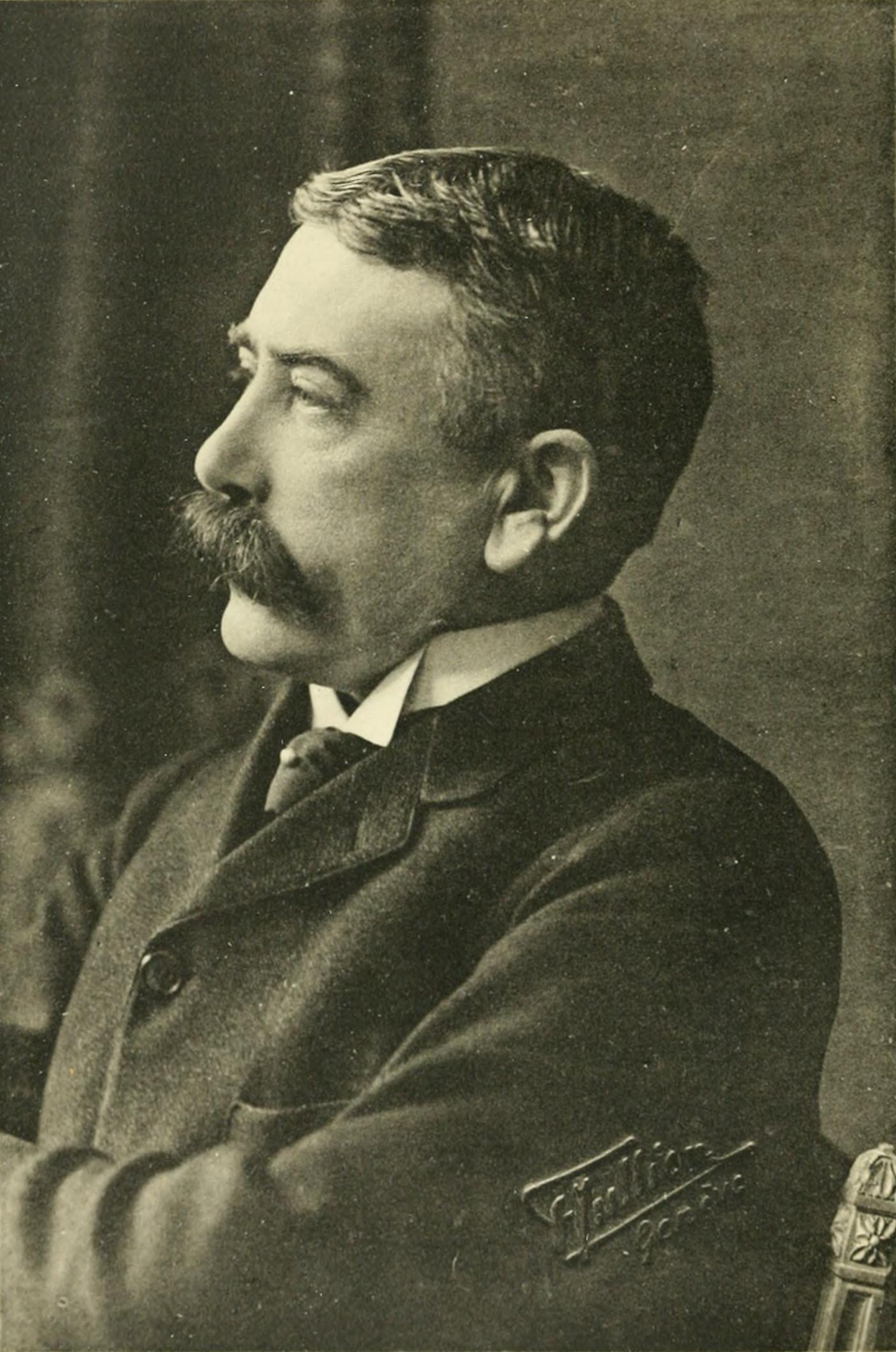
The Swiss linguist Ferdinand de Saussure (1857–1913).
"F. Jullien Genève", maybe Frank-Henri Jullien (1882–1938)
The photo shows Saussure in profile, in high collar, cravat, dark jacket, with a distinctive mustache and side-parted hair.
![[?]](https://fed.interfree.ca/files/public-0344fa38-515c-41d6-8b00-3042416d32e5.webp)
I feel like duolingo has created a weird new kind of smart white woman #racism. She studies, like, 11 languages on duolingo! So she's obviously multicultural and worldly. She can't actually speak any of them in the real world, of course, but she's really really extremely good at #Duolingo. It's possible men and women of other ethnicities do this too, but the five or six people I know who do all match the profile above. Is performative #linguistics becoming a thing? Or is it just a weird quirk of my circles? Should we be saying anything about it? And if so, how/what? I dunno, it's just a thing I've noticed recently that bothers me.
![[?]](https://stockroom.wandering.shop/accounts/avatars/109/318/900/855/315/456/original/d715bbbb7ff2d44a.png)
![[?]](https://files.mastodon.social/accounts/avatars/108/131/017/378/560/705/original/45c3c8c8062f7fdf.jpg)
Therefore, I submit the following as a synonym for "to totter":
TO TORKLE.
Example sentence: Courtney got up in the middle of the night and torkled blearily to the bathroom.
This actually happened last night, which is what brought on this wild language ride first thing this morning. You're welcome. 😁💜✌️🤘🖖
2/2
#language
#etymology
#linguistics
#GermanLanguage
#EnglishLanguage
#Latin
#ILoveLanguage
![[?]](https://files.mastodon.social/accounts/avatars/115/070/625/860/923/251/original/9629d01039476748.png)
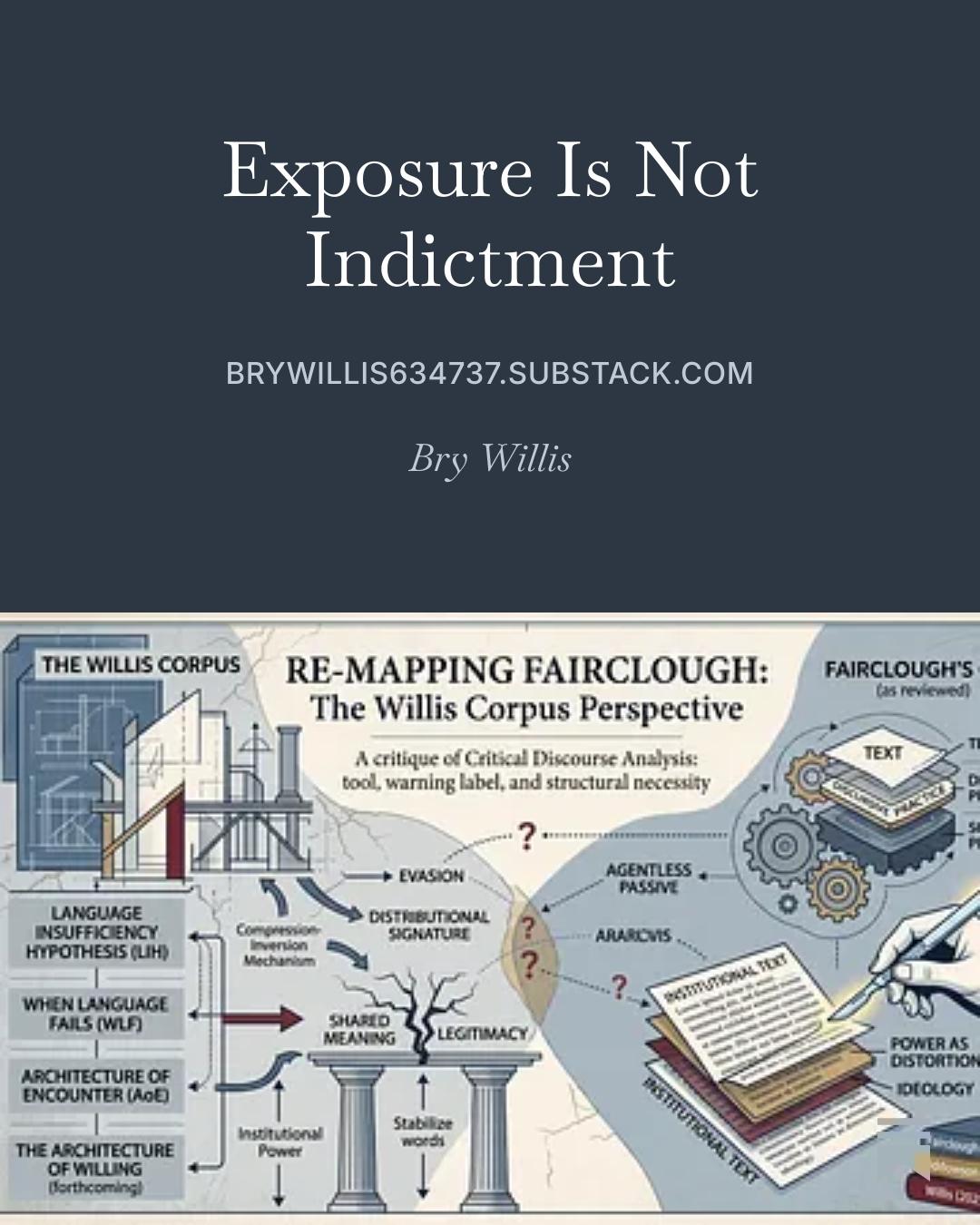
I came to Norman Fairclough late, and by accident. A Language Insufficiency Hypothesis was printed without a single reference to critical discourse analysis, which in retrospect looks less like restraint than like a gap in my reading.
https://brywillis634737.substack.com/p/exposure-is-not-indictment
#philosophy #language #linguistics #languageInsufficiencyHypothesis #criticaldiscourseanalysis #analysis #discourse #critique #substack #blog #podcast
![[?]](https://s3.us-west-1.wasabisys.com/thereslife/accounts/avatars/109/297/497/169/378/689/original/d5a6a68ca48cc93d.png)
Such a wonderful video about English spelling and pronunciation.
https://youtu.be/Im0x7ftV6Mw?si=mIAw71EO73YAoX8W
#English #language #linguistics
![[?]](https://friendica.world/photo/profile/wistquotes.png?ts=1766199542)
A quotation from Anthony Burgess
Languages never stand still. Modern spelling crystallizes lost pronunciations: the visual never quite catches up with the aural.
Anthony Burgess (1917-1993) English novelist
A Mouthful of Air: Language, Languages … Especially English, ch. 21 “Sounds from the Past” (1992)
More about this quote: wist.info/burgess-anthony/7114…
#quote #quotes #quotation #qotd #burgess #anthonyburgess #artifact #evolution #language #linguistics #orthography #passageoftime #pronunciation #spelling #timelag
![[?]](https://media.mstdn.social/accounts/avatars/109/337/976/009/238/597/original/b9cc4f37aa93a923.png)

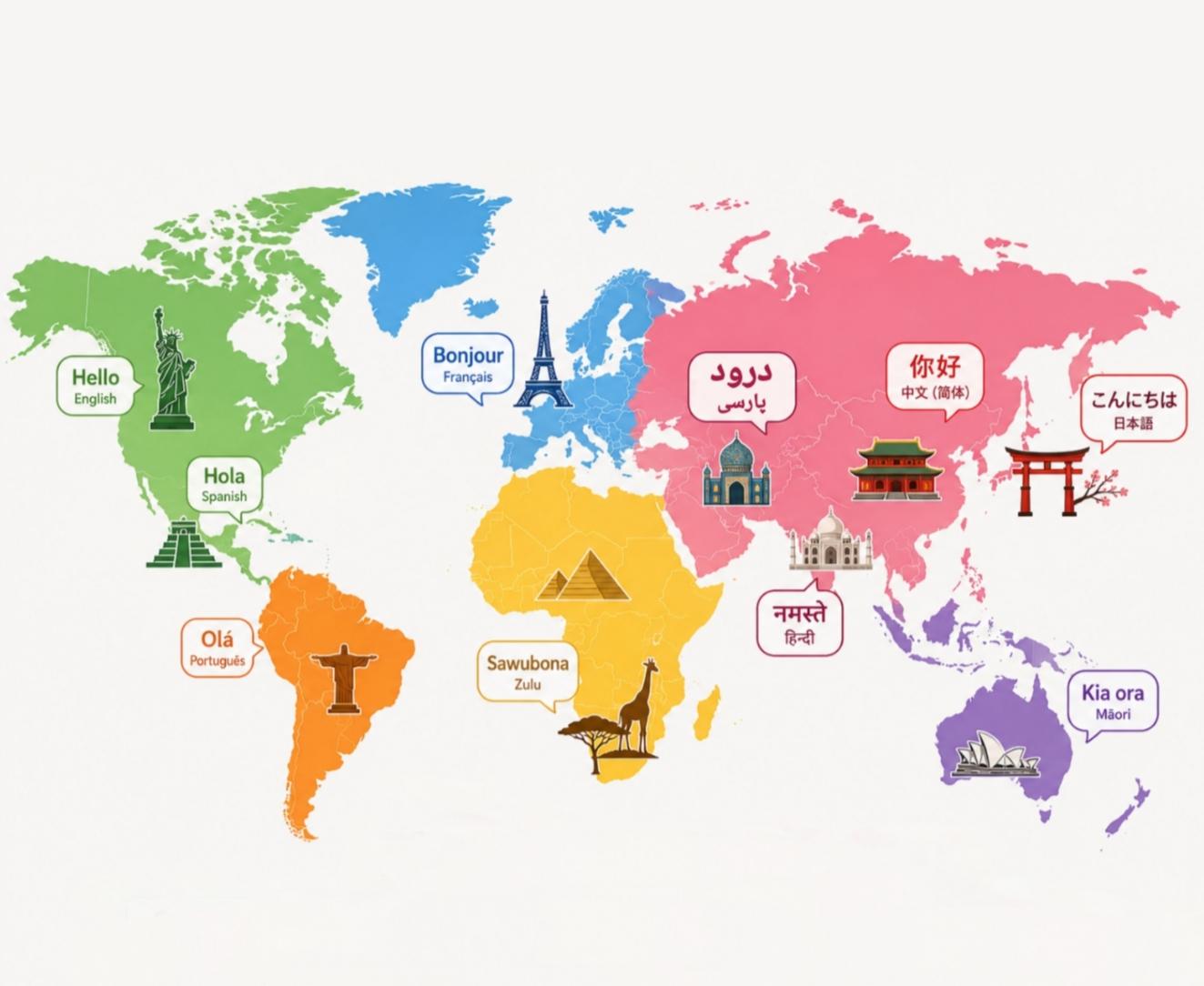
Ancient language diversity peaked before expanding empires began a long global decline
Around 7,500 languages are spoken or signed across the world today. A new study suggests this number is far lower than in the past. Researchers estimate Earth held tens of thousands of languages between 3,000 and 1,000 years ago before a long period of language loss began...
More info: https://archaeologymag.com/2026/07/ancient-language-diversity-before-expanding-empires/
Follow @archaeology
#archaeology #archeology #archaeologynews #AncientLanguages #linguistics
Alt...
Ancient language diversity peaked before expanding empires began a long global decline
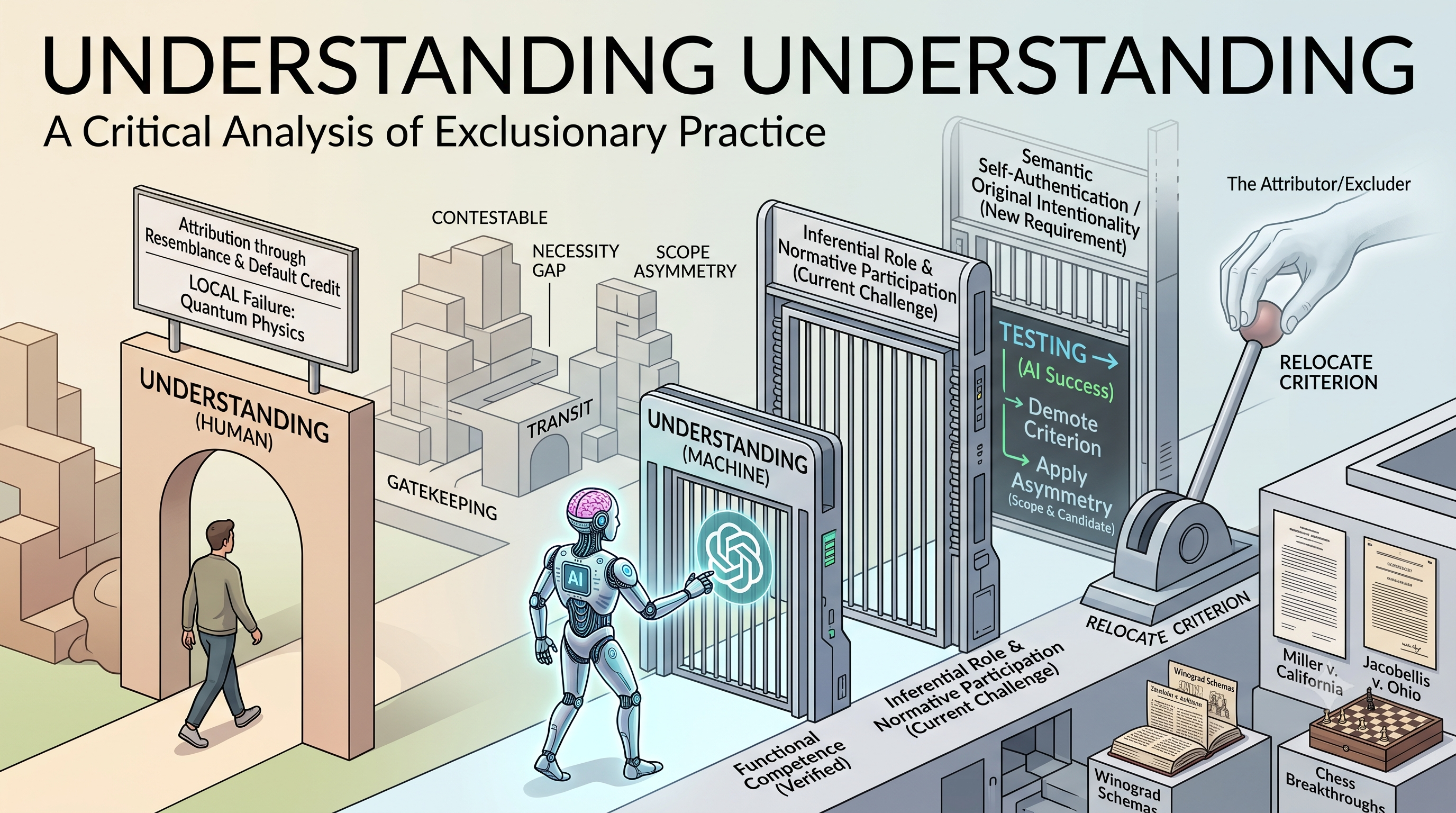
I am trying something new on Substack.
I’ve been working on an essay about understanding.
The premise is simple enough: LLMs are routinely described as subhuman because, among other alleged deficiencies, they lack consciousness and don’t understand.
#philosophy #language #understanding #linguistics #llms #aidebate #artificialintelligence #blog #podcast #substack #essay #preview #criticalanalysis #consciousness #meaning
![[?]](https://dmvcommunitymedia.b-cdn.net/accounts/avatars/109/423/669/136/029/020/original/a319391a17e18a0d.jpeg)
📜 TIL the Korean alphabet Hangul is the only major writing system invented from scratch for its own language, and its letters are drawings of your mouth.
King Sejong the Great finished it in 1443 so common people could read and write. The consonants literally trace the speech organs: ㄱ is the tongue root blocking the throat, ㅁ is lips pressed together, ㅅ is the teeth.
The vowels encode sky, earth, and human: a dot, a horizontal line, and a vertical stroke.
The scholar class hated it. For 400 years it was treated as a script for women, monks, and commoners, until it went mainstream in the late 1800s. Hangul Day is now a national holiday in South Korea.
This sequence is intended as a conceptual decomposition:
world event or stimulus → salience → attention → embodied presentation → perception or event construction → apprehension as ‘an experience’ → conceptual framing → verbal representation
https://brywillis634737.substack.com/p/before-the-word-the-model
#philosophy #language #experience #video #blog #substack #mind #perception #linguistics #determinism #thought #realism #reality #consciousness #vocabulary #cognition #biology #speech #mediation #model #neuroscience #flow #cognitive
![[?]](https://media.infosec.exchange/infosec.exchange/accounts/avatars/109/287/004/308/114/569/original/602782bbf5d0d8fe.png)
I had to stop myself from blurting out the answer to a Coptic decipherment challenge the professor gave us and give others a chance to check the chart
Alt...
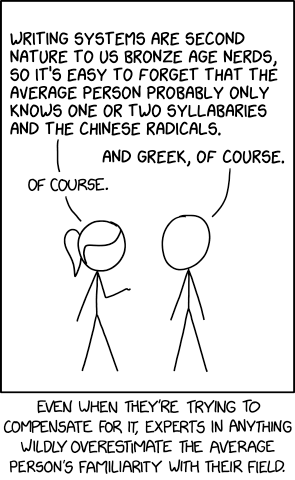
xkcd "quartz of course" meme template:
Writing systems are second nature to us Bronze Age nerds, so it's easy to forget that the average person probably only knows one or two syllabaries and the Chinese radicals.
And Greek, of course.
Of course.
![[?]](https://spaces.hcommons.social/accounts/avatars/109/840/341/013/549/426/original/8b164e81495eb280.jpg)
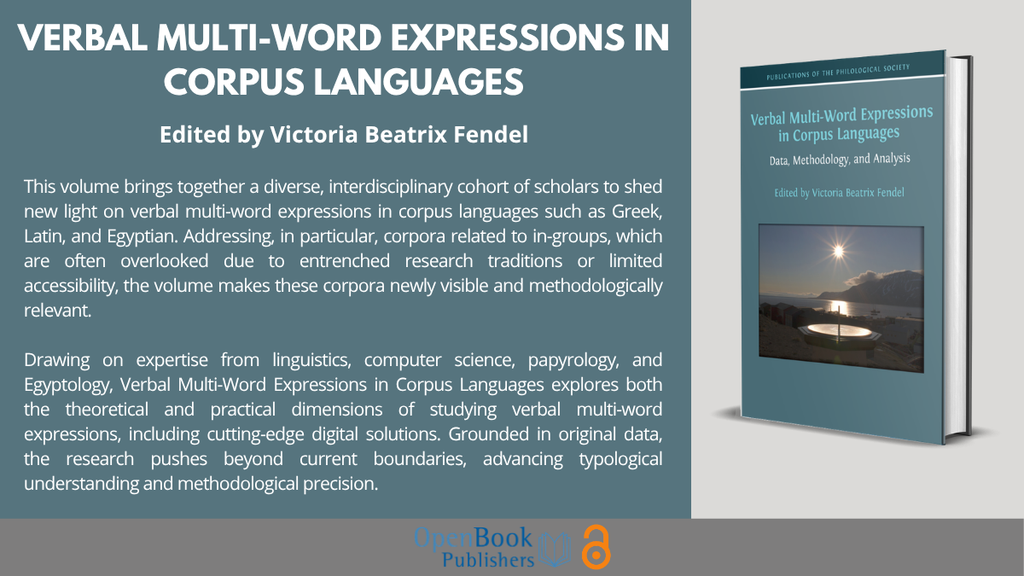
OUT NOW | 'Verbal Multi-Word Expressions in Corpus Languages' edited by Victoria Fendel
The latest book in the Papers of the Philological Society series brings together a diverse, interdisciplinary cohort of scholars to shed new light on verbal multi-word expressions in corpus languages such as Greek, Latin, and Egyptian.
Read freely or buy online: https://doi.org/10.11647/OBP.0478
Alt...
The hardback book on a colourful background alongside text that says:
Verbal Multi-Word Expressions in Corpus Languages, edited by Victoria Beatrix Fendel
This volume brings together a diverse, interdisciplinary cohort of scholars to shed new light on verbal multi-word expressions in corpus languages such as Greek, Latin, and Egyptian. Addressing, in particular, corpora related to in-groups, which are often overlooked due to entrenched research traditions or limited accessibility, the volume makes these corpora newly visible and methodologically relevant.
Drawing on expertise from linguistics, computer science, papyrology, and Egyptology, Verbal Multi-Word Expressions in Corpus Languages explores both the theoretical and practical dimensions of studying verbal multi-word expressions, including cutting-edge digital solutions. Grounded in original data, the research pushes beyond current boundaries, advancing typological understanding and methodological precision.
This morning I awoke thinking about sex – actually gender – of borrowed Latin words. Get your mind out of the gutter.
👉 https://brywillis634737.substack.com/p/we-still-bury-the-dead
I wrote a piece about it, but I was truly conflicted on my journey, especially as I compared English and French approaches, and a potential feminist rift.
#philosophy #language #sociolinguistics #etymology #english #french #latin #gender #writing #culture #feminism #linguistics #reform #administration
A Necessary History of the Oddest Letter: W
Danny Bate on the Linguistic History of Our Alphabet
Books about Linguistics at PG:
https://www.gutenberg.org/ebooks/search/?query=linguistics+
#books #literature #linguistics

Alt...
Letter W
San-serif shown in Neue Helvetica 48 pt.. Serifs shown in Bodoni 48 pt..
https://en.wikipedia.org/wiki/W#/media/File:Latin_alphabet_Ww.svg
![[?]](https://files.mastodon.social/accounts/avatars/110/088/287/007/315/114/original/c01d5c48adb3014a.jpg)
YAKAMOZ (Turkish):
The reflection of the moon on the surface of the water.While pop-linguistics books often frame this purely as a romantic, untranslatable word for moonlight, its scientific and historical roots are even more fascinating.
#Linguistics
#Etymology
#Bioluminescence
#Nature
#Language
#Words
#photography
#StarTrails
#AltText

Alt...
A long-exposure night photograph by Mark Stewart capturing a dramatic coastal landscape filled with glowing bioluminescence and star trails. The vertical composition looks down onto a rugged, rocky coastline where sharp stone ledges and cliffs jut out into the ocean. The water directly colliding with these rocky shores glows with a vibrant, electric neon-blue light, caused by bioluminescent organisms activated by the motion of the waves. In contrast to the glowing blue water below, the night sky above is captured in a long exposure, filling the upper half of the frame with hundreds of white, parallel star trails arcing diagonally across the sky. Along the horizon, a warm, golden-orange glow from a setting moon or distant light illuminates the silhouette of distant mountains and the dense evergreen forest lining the clifftops. The smooth, misty texture of the ocean water creates a serene, ethereal atmosphere that bridges the glowing sea and the streaking stars.
What can we say about trust and guilt? Not as much as we might think.
#philosophy #language #substack #blog #metaethics #ethics #epistemology #linguistics #law #legaltheory #guilt #semantics #truth #wittgenstein #speech
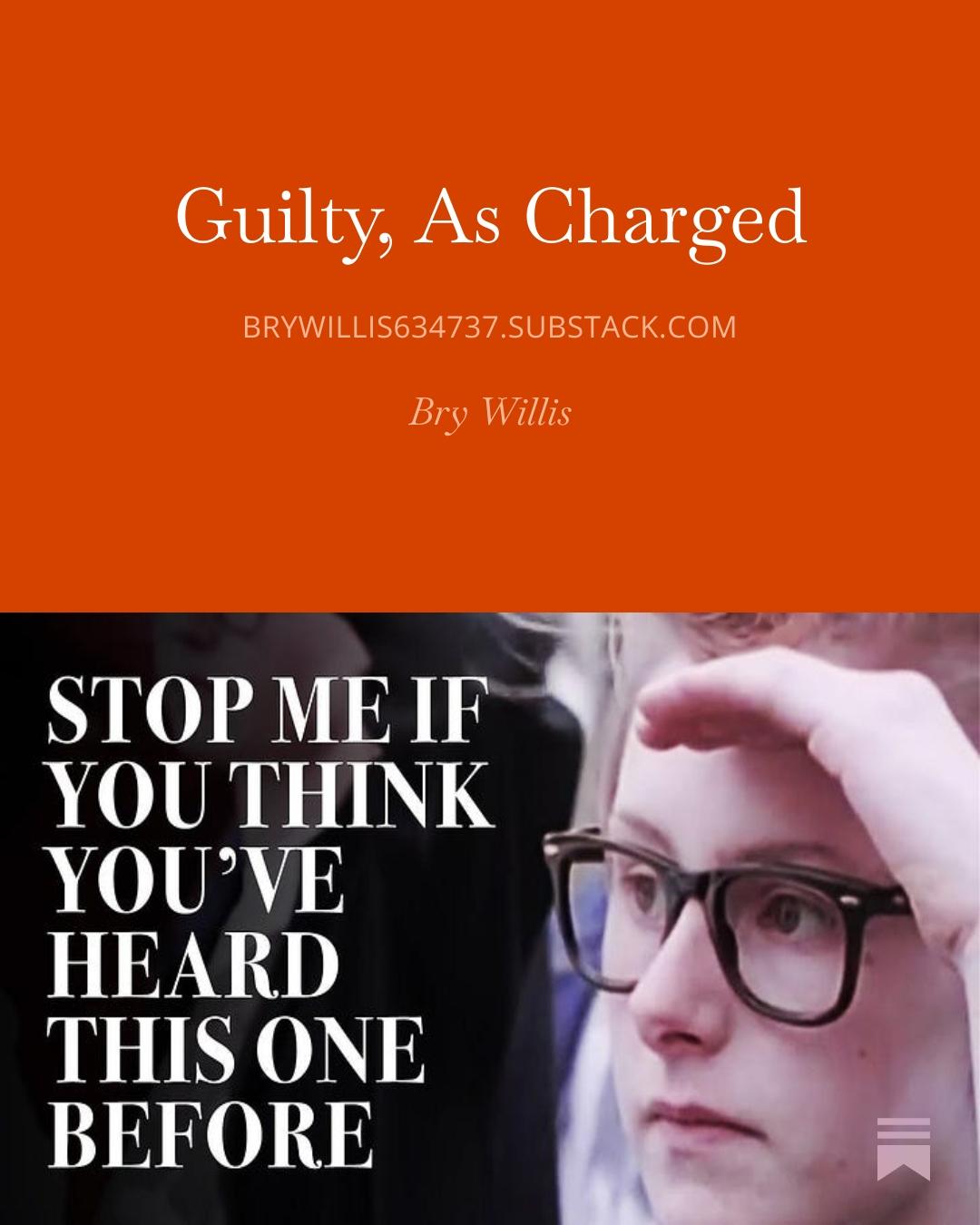
I offer some linguistic clarification on the misogyny implied in the image.
Spoiler alert: there is none. Whether this is language-splaining or mansplaining is up to you.
NB: Evidently, LinkedIn already censored this image, but in a new context, we'll see what happens.
#philosophy #language #linguistics #pangolins #musk #misogyny #substack #response #note #censorship #speech #blog

![[?]](https://soc.octade.net/octade/s/3f7f2b5eda4e392867c301c49c2daa16.png)
Hexlish Alphabet for English, Constructed Languages and Cryptography: Automatic, Structural Compression with a Phonetic Hexadecimal Alphabet
DOI : https://doi.org/10.5281/zenodo.13139469
Hexlish is a legible, sixteen-letter alphabet for writing the English language and for encoding text as legible base 16 or compressed binary. Texts composed using the alphabet are automatically compressed by exactly fifty percent when converted from Hexlish characters into binary characters. Although technically lossy, this syntactic compression enables recovery of the correct English letters via syntactic reconstruction. The implementer can predict the size of the compressed binary file and the size of the text that will result from decompression. Generally it is intuitive to recognize English alphabet analogues to Hexlish words. This makes Hexlish a legible alternative to the standard hexadecimal alphabet.
#Hexlish #Conlang #Alphabets #English #Hexadecimal #Encoding #Cryptography #Ciphers #Crypto #Encryption #Compression #Papers #Preprints #Orthography #Language #Linguistics #Writing #Glyphs #Alphabetology #Technology
Alt...
Hexlish Alphabet logo. The word HEXLISH in rainbow colors on a black background with a hexagonal dot above the letter I. Beneat the logo in yellow reads the phrase, "English Text Compression & Encoding."
In the linked paper, Carl D. Franklin digs deep into the history of the tetragrammaton and debunks some of the myths commonly accepted as fact. The paper is part of a series and well worth the read for anyone interested in textual criticism or translation.
PDF: https://www.cbcg.org/franklin/debunking2.pdf
SYNOPSIS
"Is it true that the name Jehovah borrowed its vowels from Adonai?"
Spoiler: No, it is not true. It is a fabrication of a false history. The pronunciation, JEHOVAH was used centuries before Galatinus, so it is impossible for him to have invented it. Moreover, there is a lack of historical evidence that medieval scholars before Galatinus accepted any pronunciation other than JEHOVAH. They all appear to have unanimously supported this one widely known pronunciation of the tetragrammaton.
A lot of religious and textual myths have resulting in mass misconceptions about biblical textual history and meaning. Some of the myths misrepresent the tetragrammaton, or the name of God. This eventually led to the creation of the artificial name, Yahweh, which is not a Hebrew word, and is in fact a cleverly disguised classical Latin name for Jove. The author defrocks the Galatinus origin myth, proving the name JEHOVAH was in use long before Galatinus.
The sacred name mythos is popular in some Christian and Jewish sects as well as among the Hebrew Roots movement. This paper exposes some of the false history and baseless assertions about the pronunciation of the tetragrammaton. As it turns out, the early Masoretes and some early Catholics and the later Reformers had gotten it right - JEHOVAH is the correctly preserved pronunciation of the name of God. The name was never 'lost' and it has been known all through recorded history, if even only by a few.
#Bible #MasoreticText #Translation #Theology #History #Philology #Myths #SacredNames #NominaSacra #Judaism #Christianity #Hebrew #TiberianHebrew #Language #Linguistics
@infostorm@a.gup.pe @academicchatter@a.gup.pe @translators@a.gup.pe @theology@a.gup.pe @religion@a.gup.pe @histodons@a.gup.pe