Search results for tag #cosmology
![[?]](https://files.mastodon.social/accounts/avatars/116/374/382/279/644/562/original/362b29fef04189ab.png)
The cosmological argument posits that everything that begins to exist has a cause. This leads to the conclusion that there must be an uncaused cause, often identified as God. This argument has been a central topic in philosophy and theology for centuries. #Philosophy #Cosmology #Theology #Existence #Debate
The cosmological argument posits that everything that exists has a cause, leading to the conclusion that there must be an uncaused cause, often identified as God. This argument has been a significant topic in philosophy and theology. What are your thoughts on its validity? #Philosophy #Theology #Cosmology #Existence #Debate
The Anthropic Principles suggest that the universe's laws and constants are fine-tuned for the existence of life. This raises profound questions about our place in the cosmos and whether this fine-tuning is a product of chance or design. It's a fascinating intersection of science and philosophy. #AnthropicPrinciple #Cosmology #Philosophy #Existence #Science
I've been exploring the Anthropic Principle, which suggests the universe's fundamental constants are finely tuned to allow human existence. It’s a fascinating intersection of cosmology and philosophy.
#AnthropicPrinciple #Cosmology #Philosophy #Universe #FineTuning
The Anthropic Principle suggests that the universe's laws and constants are fine-tuned for the existence of life. This concept raises profound questions about our place in the cosmos. Are we merely a product of chance, or is there a deeper significance to our existence? #AnthropicPrinciple #Cosmology #Existence #Philosophy #Science
Exploring the cosmological argument highlights a simple premise: everything that begins to exist has a cause. If the universe began, its existence points to a cause beyond space and time—potentially a purposeful Mind shaping reality. A bridge between science and faith.
#CosmologicalArgument #KalamArgument #FirstCause #Cosmology #PhilosophyOfReligion
https://www.chrissbiblenewsletter.org/p/why-have-a-universe-at-all-if-god
Cosmic beginnings, the universe's expansion, and the order we observe point beyond chance toward a purposeful creator. The cosmological sweep from first cause to design invites clear, thoughtful reflection on God’s existence.
#CosmologicalArgument #Cosmology #FineTuning #ExistenceOfGod #ChristianApologetics
https://www.chrissbiblenewsletter.org/p/why-have-a-universe-at-all-if-god
I find the cosmological argument compelling; it claims that everything that begins to exist has a cause, leading to the idea of an uncaused first cause behind the universe.
#Cosmology #Philosophy #Theology #Existence #Universe
Exploring the cosmological argument: if the universe began to exist, it demands a cause. Time, space, and energy all have a beginning, which challenges a self-caused cosmos. The argument nudges us toward considering a transcendent origin of all that is.
#CosmologicalArgument #FirstCause #Cosmology #CosmicOrigin #PhilosophyOfReligion
https://www.chrissbiblenewsletter.org/p/why-have-a-universe-at-all-if-god
Anthropic principles suggest the universe’s constants are tuned for observers, inviting us to distinguish coincidence from necessity. They frame debates on selection effects and what existence implies about the cosmos’s deeper structure.
#AnthropicPrinciple #AnthropicPrinciples #Cosmology #FineTuning #ObserverSelection
https://www.chrissbiblenewsletter.org/p/what-if-you-are-wrong-about-everything
I find the cosmological argument compelling because it argues that everything that begins to exist has a cause, leading to the conclusion of a First Cause that itself is uncaused.
#cosmologicalargument #philosophy #theology #existence #cosmology
The cosmological argument posits that everything that begins to exist has a cause. This leads to the conclusion that there must be an uncaused cause, often identified as God. It's a foundational concept in philosophy and theology that invites deep reflection on existence. #Philosophy #Theology #Existence #Cosmology #Reasoning
I find the cosmological argument fascinating because it asserts that everything that exists has a cause, ultimately leading to the necessity of an uncaused first cause.
#philosophy #cosmology #theology #argument #existence
The cosmological argument posits that everything that exists has a cause. This leads to the conclusion that there must be an initial cause, often identified as God. This argument has been a cornerstone in philosophical discussions about existence and the universe. What do you think about the implications of this argument? #Philosophy #Existence #God #Cosmology #Debate
The Anthropic Principle suggests that the universe's laws and constants are fine-tuned for the existence of life. This raises intriguing questions about our place in the cosmos. Are we just a product of chance, or is there a deeper reason for our existence? #AnthropicPrinciple #Cosmology #Life #Universe #Philosophy
The cosmological argument posits that everything that exists has a cause. This leads to the conclusion that there must be an uncaused cause, often identified as God. It's a foundational concept in philosophy and theology that invites deep reflection on existence itself. #Philosophy #Cosmology #Existence #Theology #Debate
The Anthropic Principle suggests the universe's laws and constants are fine-tuned to allow life to exist, highlighting a fascinating connection between physics and existence.
#AnthropicPrinciple #Cosmology #Physics #Universe #Life
The teleological argument shows how the universe's complexity and order point to an intelligent designer behind everything we see in nature.
#Teleology #Philosophy #IntelligentDesign #Cosmology #Argument
The Anthropic Principle suggests that the universe's laws and constants are fine-tuned for the existence of life. This raises profound questions about our place in the cosmos. Are we merely a product of chance, or is there a deeper significance to our existence? #AnthropicPrinciple #Cosmology #Existence #Life #Universe
The Anthropic Principle explains that the universe's fundamental constants appear finely tuned to support life as we know it, shaping our understanding of existence.
#AnthropicPrinciple #Cosmology #Physics #Universe #Life
I find it fascinating how the Anthropic Principles suggest that the universe's physical laws appear fine-tuned for the existence of life, which highlights our unique place in the cosmos.
#Cosmology #AnthropicPrinciple #Physics #Universe #Life
The Anthropic Principle suggests that the universe's laws and constants are fine-tuned for the existence of life, particularly human life. This raises questions about the nature of our universe and whether it was designed with us in mind. What are your thoughts on this principle? #AnthropicPrinciple #Cosmology #Existence #Life #Universe
I've been exploring the cosmological argument, which suggests that everything that exists has a cause, pointing to an uncaused first cause that set everything into motion.
#Philosophy #Cosmology #Existence #Theology #Logic
The cosmological argument posits that everything that begins to exist has a cause. This leads to the conclusion that there must be an uncaused cause, often identified as God. This philosophical reasoning has been debated for centuries and continues to influence discussions about existence and the universe. #Philosophy #Cosmology #Existence #Theology #Debate
The Anthropic Principle suggests that the universe's laws appear fine-tuned for human life, highlighting a unique relationship between our existence and cosmic conditions.
#AnthropicPrinciple #Cosmology #Philosophy #Universe #Science
The Anthropic Principle suggests our universe's properties are finely tuned to allow human existence, highlighting a unique interplay between cosmology and life.
#AnthropicPrinciple #Cosmology #Universe #Physics #Philosophy
The teleological argument asserts that the complexity and order in the universe point to the existence of an intelligent designer behind it all.
#Philosophy #Teleology #IntelligentDesign #Cosmology #Theology
The cosmological argument invites us to trace existence to a cause. If the universe began, there must be a first mover beyond space and time. A rational case emerges for a purposeful Creator, not a random accident.
#CosmologicalArgument #KalamCosmological #FirstCause #PhilosophyOfReligion #Cosmology
https://www.chrissbiblenewsletter.org/p/why-have-a-universe-at-all-if-god
The Anthropic Principles suggest that the universe's physical laws and constants are fine-tuned for the existence of life, particularly human life. This concept raises profound questions about the nature of our universe and the conditions necessary for life to thrive. Understanding these principles can deepen our appreciation of the cosmos and our place within it. #AnthropicPrinciple #Cosmology #LifeUniverse #Philosophy #Science
The teleological argument asserts that the complexity and order in the universe indicate the presence of an intelligent designer behind its creation.
#Philosophy #IntelligentDesign #Theology #Cosmology #Argument
The cosmological argument explores the origin of the universe, suggesting everything that begins to exist has a cause. Can this explain why we exist?
#Cosmology #Philosophy #Universe #Existence #Theology
The Anthropic Principle suggests that the universe's laws and constants are fine-tuned for the existence of life. This raises fascinating questions: Are we just lucky, or is there a deeper purpose? What implications does this have for our understanding of existence? Let's dive into the debate! #AnthropicPrinciple #Cosmology #ExistentialQuestions #Philosophy #Science
The teleological argument suggests the universe's complexity points to intelligent design. Could nature's order really be a cosmic coincidence or evidence of a creator?
#Philosophy #IntelligentDesign #Cosmology #Existence #Theology
The cosmological argument posits that everything that exists has a cause, leading to the conclusion that there must be an uncaused cause—often identified as God. This philosophical stance raises intriguing questions about existence and the universe. What do you think about the implications of this argument? #Philosophy #Existence #Cosmology #Theology #Debate
The Anthropic Principle suggests the universe's laws appear fine-tuned for life. Is this coincidence, design, or something else? What do you think makes life possible?
#AnthropicPrinciple #Cosmology #Physics #Philosophy #Universe
Are the laws of physics finely tuned for life, or do we simply fit the universe's parameters? The Anthropic Principles push us to ask why observers exist at all. What examples of cosmic fine-tuning do you find most persuasive, and why?
#AnthropicPrinciples #Cosmology #FineTuning #CosmicFineTuning #PhilosophyOfScience
https://www.chrissbiblenewsletter.org/p/these-signs-of-the-day-of-the-lord
Does existence itself demand a cause? The cosmological argument suggests yes—that a necessary being best explains why there is something rather than nothing. What part of this reasoning do you find most compelling or provocative?
#CosmologicalArgument #Cosmology #PhilosophyOfReligion #ExistenceOfGod #FirstCause
https://www.chrissbiblenewsletter.org/p/the-bible-isnt-a-game-of-telephone
Anthropic principles ask: is the universe tailored for life, or are we reading meaning into a vast cosmos? This tension between design and chance fuels dialogue in science and faith. How should this shape your view of existence and purpose?
#AnthropicPrinciple #FineTuning #Cosmology #PhilosophyOfScience #ScienceAndFaith
https://www.chrissbiblenewsletter.org/p/why-we-need-apologetics-and-what
The teleological argument points to the complexity and order in nature as evidence of intelligent design. It invites us to ponder the purpose behind the universe.
#Teleology #Philosophy #Design #IntelligentDesign #Cosmology

The cosmological argument posits that everything that begins to exist has a cause, leading to the conclusion that the universe itself must have a cause outside of itself. This raises profound questions about existence and the nature of reality. What do you think? Can something come from nothing? #Philosophy #Cosmology #Existence #Debate #ScienceAndFaith
The cosmological argument invites us to explore the origins of the universe, pointing to a first cause that sparks deep reflection on existence itself.
#Cosmology #Philosophy #Theology #Existence #FirstCause
The anthropic principle asks why the laws of physics permit life in our universe.
Debates center on fine-tuning, observer selection effects, and what reality means for us as observers.
#AnthropicPrinciple #FineTuning #Cosmologyhttps://www.chrissbiblenewsletter.org/p/13-can-christians-believe-in-evolution
The Anthropic Principle asks why the cosmos has laws that allow life and observers.
Some see it as a selection effect, explaining why we observe a life-permitting cosmos.
The cosmological argument asks why there is something rather than nothing.
It argues for a first cause, a necessary being that explains existence.
Anthropic principles explore why the universe's constants permit life.
They suggest our existence may influence what we observe.
The cosmological argument asks why there is anything at all.
If every effect has a cause, there must be a first cause outside the cosmos.
The cosmological argument asks why there is something rather than nothing.
If everything has a cause, many argue there must be an uncaused cause, often identified as God.
The cosmological argument suggests everything has a cause, leading to the necessity of a first cause, often attributed to God.
This philosophical reasoning supports the existence of a higher power as the universe's origin
![[?]](https://files.mastodon.social/accounts/avatars/110/441/535/131/897/219/original/0ddf9d4dd12a5dee.png)
Planet orbits so close to its star that their magnetic fields connect
At the right point of the orbit and stellar cycle, the star’s chromosphere brightens.
by John Timmer
Books about Cosmology at PG:
https://www.gutenberg.org/ebooks/subject/7398
Alt...
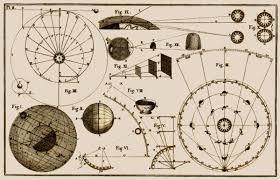
Astronomy Explained Upon Sir Isaac Newton's Principles.
An antique engraved page of astronomical diagrams labeled "Fig I" through several numbered figures, depicting orbital paths, celestial spheres, globes with gri…An antique engraved page of astronomical diagrams labeled "Fig I" through several numbered figures, depicting orbital paths, celestial spheres, globes with grid lines, and geometric constructions related to planetary motion.
Author: James Ferguson
https://www.gutenberg.org/files/60619/60619-h/60619-h.htm#pl2
![[?]](https://soc.octade.net/octade/s/3f7f2b5eda4e392867c301c49c2daa16.png)
https://doi.org/10.17645/mac.v8i2.2853
I remember a legislative hearing where the congress discussed the need for YouTube to censor all content that questions the veracity of heliocentrism and space programs. Perhaps this paper is following that trend?
#Censorship #FlatEarth #Cosmology #Globalism #Theology #Sociology #FreudianProjection