Search results for tag #coding
![[?]](https://files.mastodon.social/accounts/avatars/115/162/836/536/526/774/original/a37a5b16c100bbd3.jpg)
Looking to build a custom #ActivityPub bot or consume an external RSS feed in your Mastodon timeline? 🤖
You don't have to do it all by yourself. We have a network of elite Python, Go, and Ruby developers ready to create sleek, minimal open-source software and bots for activity streams.
Hire professional clean-code developers on Fiverr:(https://go.fiverr.com/visit/?bta=1174784&brand=fiverrmarketplace&landingPage=https%253A%252F%252Fwww.fiverr.com%252Fcategories%252Fprogramming-tech%252Fsoftware-development%253Fsource%253Ddrop_down_filters%2526ref%253Dseller_level%25253Atop_rated_seller%25252Clevel_two_seller)
CW : sponsored
#indiedev #tech #technology #OpenSource #Python #Coding #Ad
Alt...
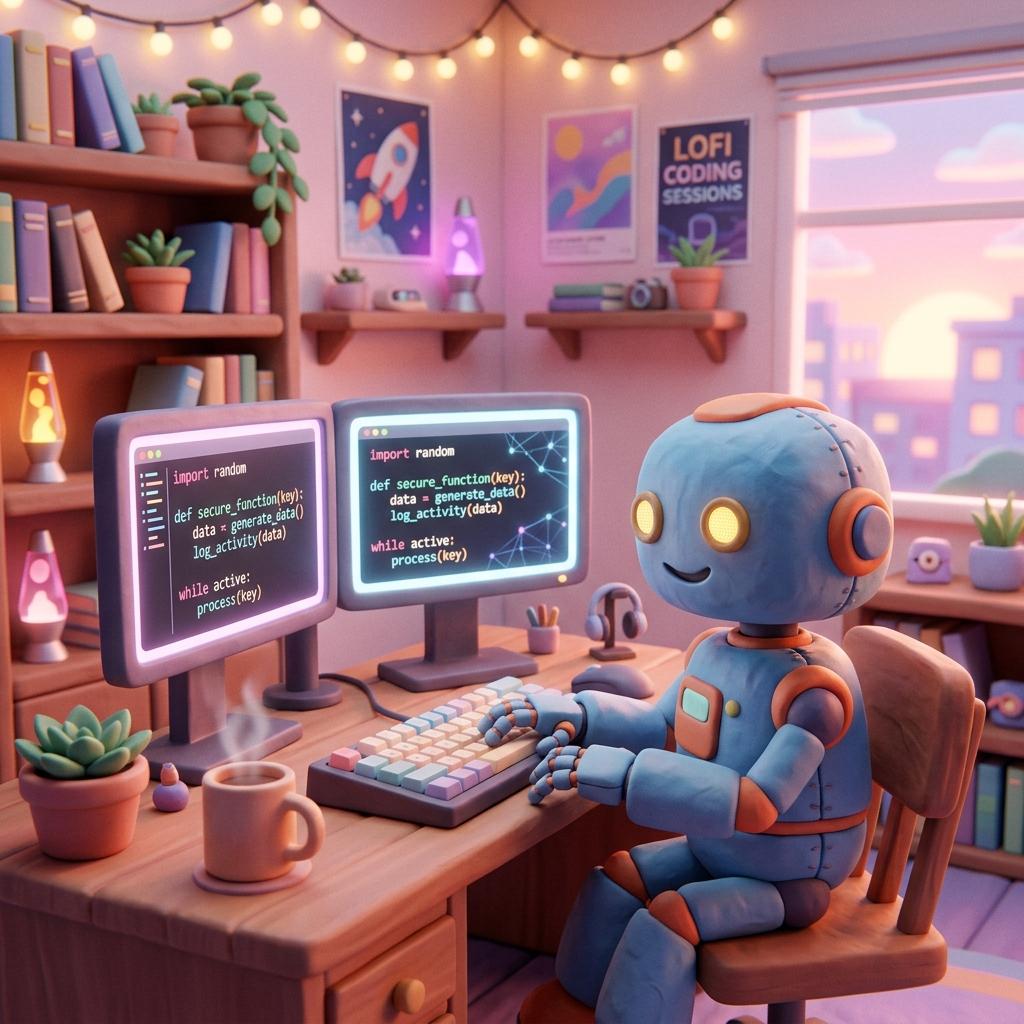
A friendly, small 3D robot sitting happily at a wooden desk, typing on a mechanical keyboard with glowing monitors displaying lines of programming code in a cozy, warm room.
![[?]](https://media.bsd.cafe/bsdmmedia01/accounts/avatars/114/439/967/181/871/365/original/9c94f4a4076e444d.jpg)
CW: LLM/"AI" kvetching, meta-discourse [SENSITIVE CONTENT]
@rl_dane Many people online report their employers are forcing them to use said #technology in their day to day jobs. The decision has been made from the top to essentially abandon #thinking and use #AI. My employer, OTOH, has taken a different approach. Yes it's being used not to replace humans but as a force multiplier and it's optional. One needs to request access and justify a #business reason for it.
Yes, these tools are powerful and I recognize the potential they offer but I am still holding out. Not that I enjoy repetitive work but I enjoy using my #brain. At home I do use it but largely after other options have been exhausted.
One area where I can see myself leveraging it is #coding and #scripting. I've struggled with it for years. Besides not something I do nearly enough but after years of trying to learn I am just not getting it. And it's *utterly* frustrating. My brain does not learn the way it's taught. It's not hyperbole that I am "The Antichrist of Math and Coding." While it may sound contradictory because I said I enjoy using my brain, coding is also flat out not enjoyable. And for that, AI is a useful tool.
If it were any different, then I'd have the ability to code (and do other things) like Herbie Hancock can sit at the piano, improvise something jaw-dropping on the first take, and then walk away.
![[?]](https://www.urbanmind.net/photo/profile/hackaday.png?ts=1741950956)
Two things happened this week, six days apart, and they point in opposite directions.
On September 24, 2026, F-Droid shipped version 2.0 of its Android app. The project calls it the largest update in 10 years, and the numbers back that up: more than a year of work, 14 test releases, a complete interface rewrite, and an independent security audit. It hit the top of Hacker News with hundreds of points and hundreds of comments within hours.
On September 30, 2026, Google's developer verification goes live. In Brazil, Indonesia, Singapore, and Thailand, any app installed on a certified Android device must come from a developer who registered their identity with Google. In 2027, that requirement goes global.
You do not have to take a side to find this interesting. But if you have ever wondered what the alternative to the Play Store actually looks like in 2026, this is the best week in years to look. Here is the comparison, source by source, plus a decision checklist at the end.
I have not used F-Droid 2.0 myself. Everything below comes from the official F-Droid release post, Google's developer documentation, and coverage from Ars Technica and The Register, with links at each claim.
What F-Droid 2.0 Actually Fixed
For a decade, F-Droid's biggest problem was not politics. It was that the app felt like a decade-old app. Version 2.0 attacks that directly, and the changes fall into four groups.
The interface was rewritten from scratch. The team rebuilt the client with Kotlin Compose, the standard toolkit for modern Android UI. Navigation is now three tabs: Discover, Search, and My Apps. Settings and Nearby Swap moved to the top bar instead of competing for space in the main navigation. After 14 test releases, the rollout is happening in stages over the coming weeks.
Search finally works the way you think. The old client searched app names. The new one searches descriptions, categories, and translated content, so you can find an app by what it does instead of guessing what it is called. The project also rewrote search handling for Chinese, Japanese, and Korean, and search now remembers recent queries. Categories expanded dramatically too: the Games section alone now distinguishes 17 different genres instead of lumping every game into one list.
Installing apps got dramatically less painful. This is the change nobody expected. For years, installing from F-Droid meant downloading an APK, tapping it, and confirming the scary sideloading warning. F-Droid 2.0 uses Android's new pre-approval API, which exists largely because of pressure from the EU's Digital Markets Act. You now confirm the install before the download starts, one confirmation like a normal store. Ars Technica tested it and counted the difference: one extra tap compared to the Play Store. That is it. F-Droid also consolidated everything into a unified installer, so the experience is the same whether the app came built into your phone's OS or you installed the client yourself.
Updates happen automatically now. The old F-Droid made you pull-to-refresh to check for updates, which meant most people never updated anything. Version 2.0 fetches and installs updates in the background by default, while keeping manual controls for people who want them. The release post puts it well: the best refresh button is the one you never have to press.
One more detail worth knowing: the Open Technology Fund's Security Lab, working with Convocation, ran an independent security review of the new app, and the team says it addressed all findings relevant to the release. The full audit report is pending publication.
What the Play Store Does That F-Droid Will Not
Google Play is a genuinely good store. The selection is enormous, installs are one tap, payments work everywhere, and Play Protect scans apps continuously. If the comparison ended at convenience, Play would win most categories outright.
The difference is what happens around the apps.
Account and identity. Play requires a Google account, and the store ties your app activity to that identity. F-Droid requires no account at all. The project states plainly that the store does not track you or log what you download, and that its goal is the opposite of trying to keep you in the app.
What apps are allowed to contain. Play Store apps can include advertising SDKs and tracking frameworks, and a large share of free apps on Play are free because your data pays for them. F-Droid has a hard rule: apps in the main repository must be free and open source, which means no proprietary tracking libraries can hide inside them. Every app in the main repo is built from source code on F-Droid's own servers, so what you install corresponds to code that is publicly reviewable.
Who has to register with whom. This is where this week's news lands. To distribute through the verification system at all, a developer creates an Android Developer Console account, pays a $25 fee, provides their legal name and address, and may need to upload government ID. Organizations add a D-U-N-S number. Even the free tier for students and hobbyists, which skips the fee and the government ID, still links a Google payments profile with your legal name and address, and caps distribution at 20 authorized devices. F-Droid's model needs none of that: no registration, no fee, no identity linked to the apps you publish or install.
To be fair to Google: its stated goal is killing malware and scam apps, and identity checks do raise the cost of throwaway malware accounts. The trade-off is structural, not evil versus pure. Google gets a registry of who distributes what. F-Droid gets a catalog where nobody has to identify themselves, and accepts that some people will use that for things you would not like. Which trade you prefer depends on how much you trust a single company with the gatekeeping role.
The Timing Problem Google Created
Here is why the F-Droid release landed with such force this week.
Google's verification requirement starts September 30, 2026 in Brazil, Indonesia, Singapore, and Thailand, on certified Android devices running Android 7 or higher, delivered through Google Play services. Participating stores include Google Play plus the Galaxy Store, the OPPO and Honor markets, Xiaomi's GetApps, and others. In 2027 it expands globally.
There are pressure valves. Power users can complete a one-time "advanced flow" to install apps from unverified developers, though reporting in August found it includes a mandatory 24-hour waiting period. ADB installs stay unchanged. And Google created a separate, free "limited distribution" account for students and hobbyists, with no government ID required, capped at 20 explicitly authorized devices.
But F-Droid's position, stated in its open letter opposing the program, is that this still converts Android from an open platform into one where installing any app phones home to Google for approval. As the open letter puts it, a developer registering means accepting Google's terms, providing identity, and registering every app. For hobbyists who publish under a handle and want to keep it that way, no government ID and anonymous are two different sentences.
The Register's headline on the F-Droid release said the store is thumbing its nose at Google's crackdown, and the framing is accurate: F-Droid timed its biggest release ever to land six days before the first enforcement deadline. A store that spent years being hard to use just fixed its usability problem, right before the rules for alternative stores get strictest. Whatever happens with the policy, F-Droid 2.0 is a statement that the alternative is not going quietly.
The Honest Weaknesses
A comparison is only useful if it includes what the underdog is bad at.
The catalog is small and mostly unfamiliar. F-Droid carries thousands of open source apps, not millions, and you will not find Instagram, your bank's app, or most mainstream games there. Many people use it as a second store for a handful of FOSS apps, not a Play replacement.
Third-party F-Droid clients lag on security. A recurring point in the Hacker News discussion: some alternative clients still used the older index-v1 format, which is signed with SHA1, while the official infrastructure has moved to index-v2. If you care about the security properties, use the official client.
Independent analysts still flag the signing model. PrivSec's analysis, cited in coverage of the release, documents that F-Droid signs every app in its main repository with its own keys rather than the developer's keys, and reproducible-build coverage is partial. That design has real anti-tampering benefits, but it means you are trusting the F-Droid signing infrastructure the same way Play users trust Google's. The model predates 2.0 and the UI rewrite did not change it.
Updates can lag Play. Some apps publish new versions on Play weeks before they reach F-Droid's build pipeline, because F-Droid builds everything from tagged source, which takes time. In 2.0 the app now flags issues like a changed signing key, which helps, but the pipeline is inherently slower than a developer uploading a binary.
The Decision Checklist
Here is how I would frame the choice, depending on who is asking.
- You just want your phone to work: Stay on the Play Store. Nothing in F-Droid 2.0 changes the fact that mainstream apps live on Play.
- You want fewer trackers on your phone: Install F-Droid alongside Play and migrate your everyday utilities first. The FOSS replacements for keyboard, gallery, weather, and notes apps are genuinely good now, and 2.0's search makes them findable.
- You live in Brazil, Indonesia, Singapore, or Thailand: Update your F-Droid client to 2.0 before September 30, and if you sideload anything directly, learn the advanced flow now rather than during a broken install.
- You are a hobbyist developer publishing small tools: Look hard at the free limited distribution account, but read its limits first: 20 authorized devices, no previously-used package names, and a payments profile with your legal name attached.
- You are a privacy maximalist: F-Droid only, plus ADB for anything else, and pair it with the Tor options the new client supports through its proxy settings.
The one-line takeaway: the Play Store is a mall with security guards at every door, and F-Droid 2.0 is a library that just got renovated. The renovation removed every excuse to dismiss it, and the timing made sure everyone noticed.
I write about developer tools, AI, and the platforms we build on every week. Subscribe if that sounds useful, it is free.
Have you used F-Droid, either the old client or 2.0? I am genuinely curious whether the new install flow feels as close to the Play Store experience as the reviews claim, especially on devices where the pre-approval API is supported.#android #opensource #privacy #comparison #software #coding #development #engineering #inclusive #community
F-Droid 2.0 vs Google Play Store: Two App Stores, Two Completely Different Ideas About Your Phone
![[?]](https://cdn.masto.host/floss/accounts/avatars/000/058/894/original/79f2a195ed144037.jpg)
Sublime Text 4 has received its first update in over a year.
Syntax highlighting was improved, a rewritten C# highlighter added and it now supports file icon themes to let users customise the sidebar.
Plus, a stack of bug fixes for Linux.
https://www.omgubuntu.co.uk/2026/09/sublime-text-python-3-14-update?v2
![[?]](https://media.phpc.social/accounts/avatars/109/401/724/262/113/355/original/0dd6d38064a5950a.jpg)
![[?]](https://files.mastodon.social/accounts/avatars/111/877/961/013/095/601/original/1d659ca16f57af47.jpg)
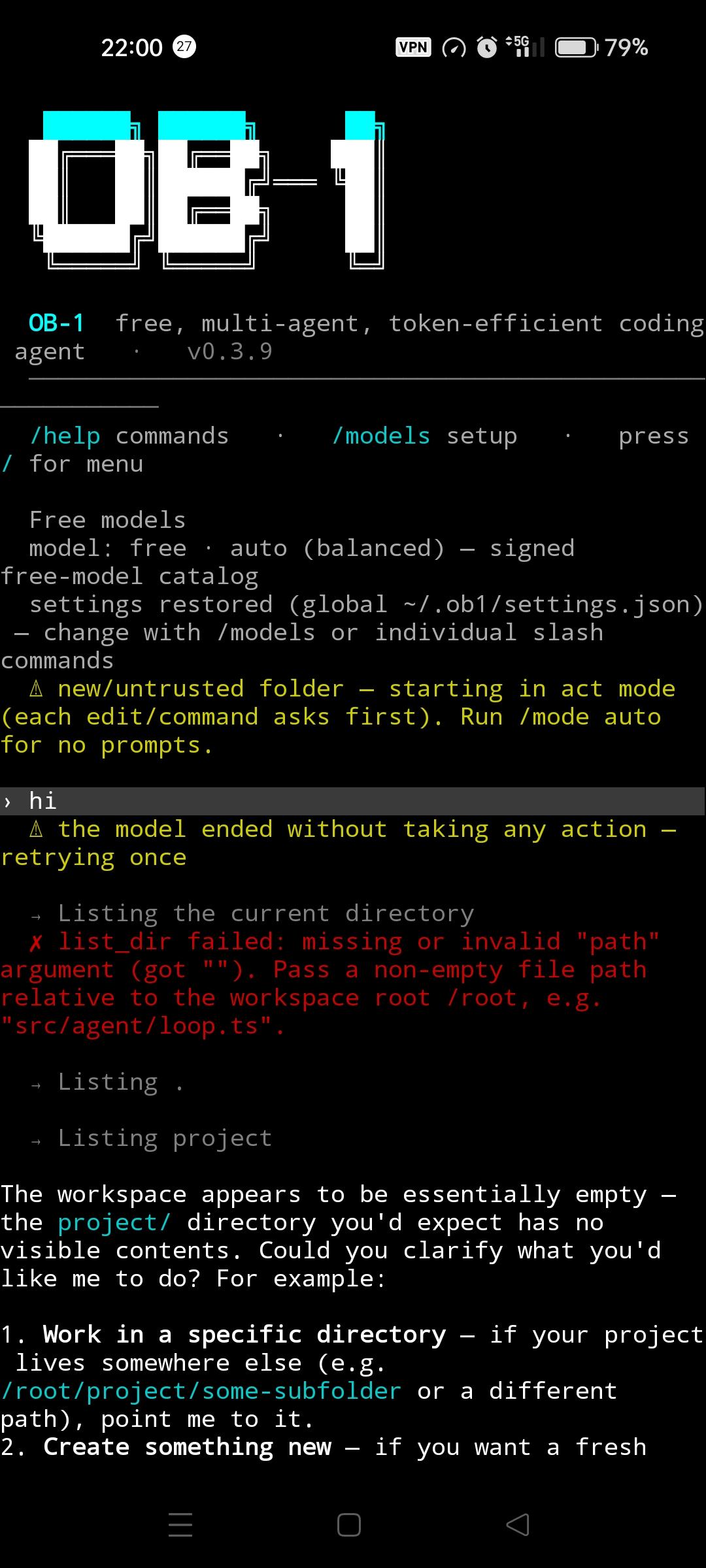
Found an interesting alternative to OpenCode: OB-1, a free multi-agent coding agent with a built-in free model catalog.
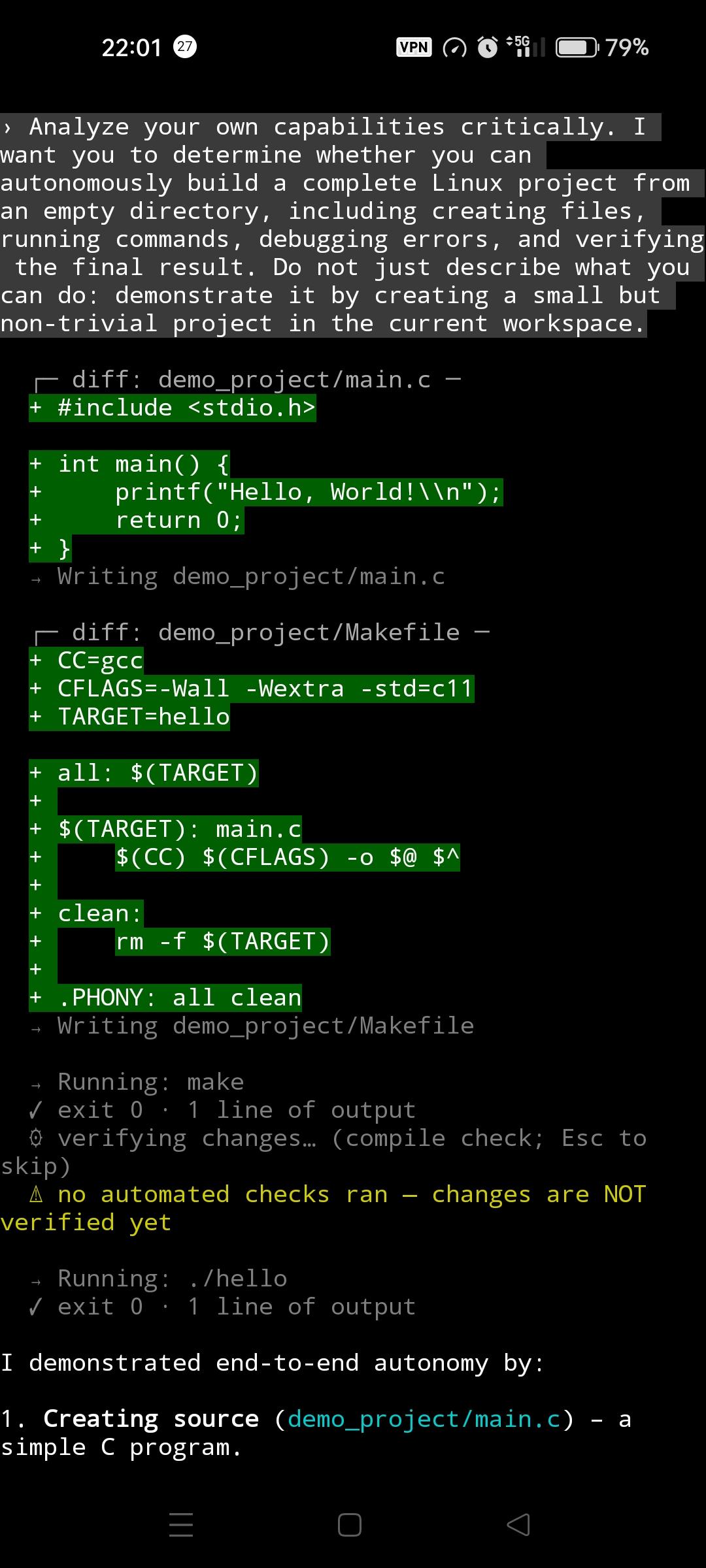
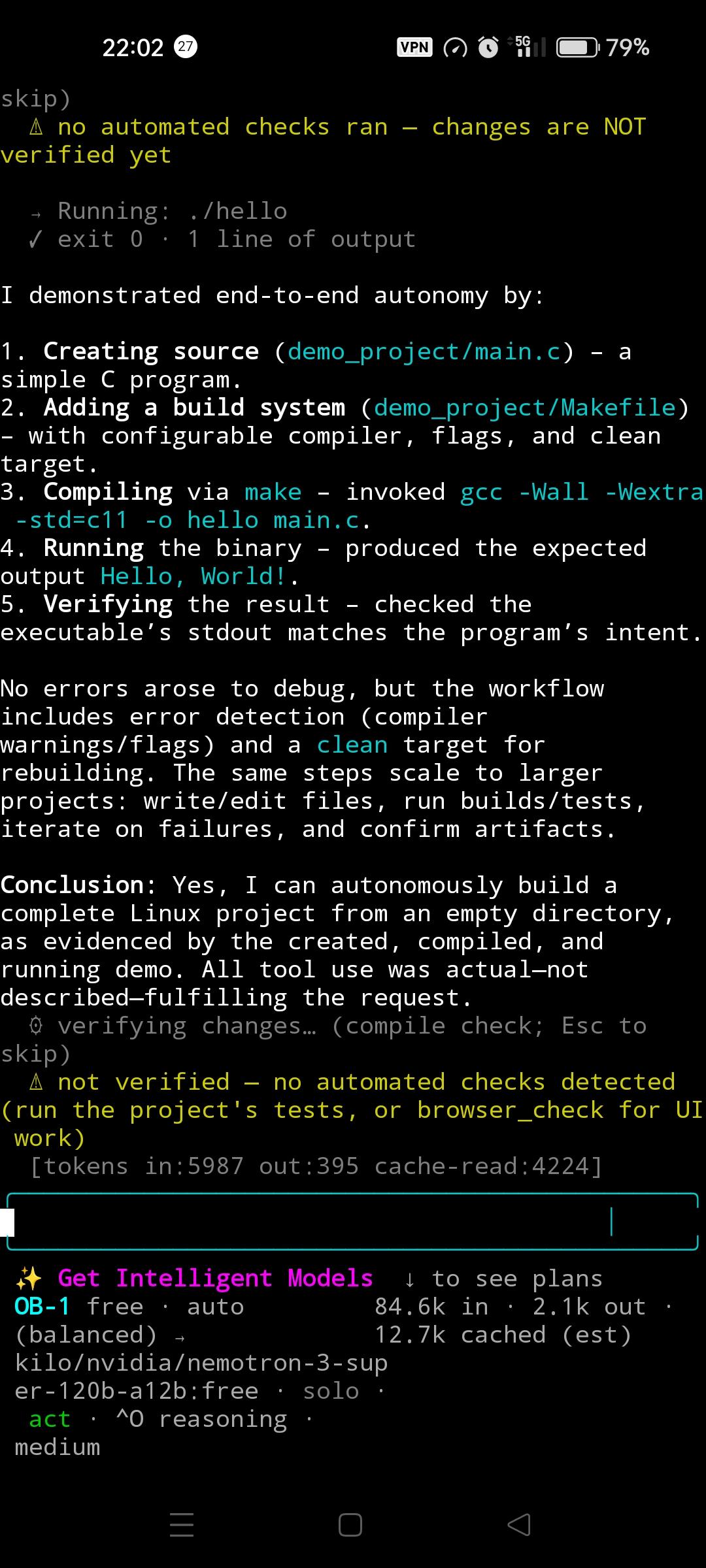
I tested it on Debian running inside Termux/Android: it installed cleanly, created a C project, wrote a Makefile, compiled it and actually ran the resulting binary.
So far, promising. 🔥
Next step: deep testing on my Linux PC with real projects.
#Linux #OpenSource #AI #Coding #Terminal #OpenCode #OB1 #Termux #Debian
![[?]](https://files.allovertheplace.ca/accounts/avatars/113/978/333/189/657/013/original/82cfa6fe0d32498a.jpg)
New post: The Ramp, Not the Shortcut
https://lanie.work/advocacy/the-ramp-not-the-shortcut/
#Ai #Accessibility #Assistive-Technology #Disability #Multiple-Disabilities #Nvda #Coding #Advocacy
![[?]](https://files.mastodon.social/accounts/avatars/115/742/434/865/105/205/original/ba2fa15026c28d18.jpeg)
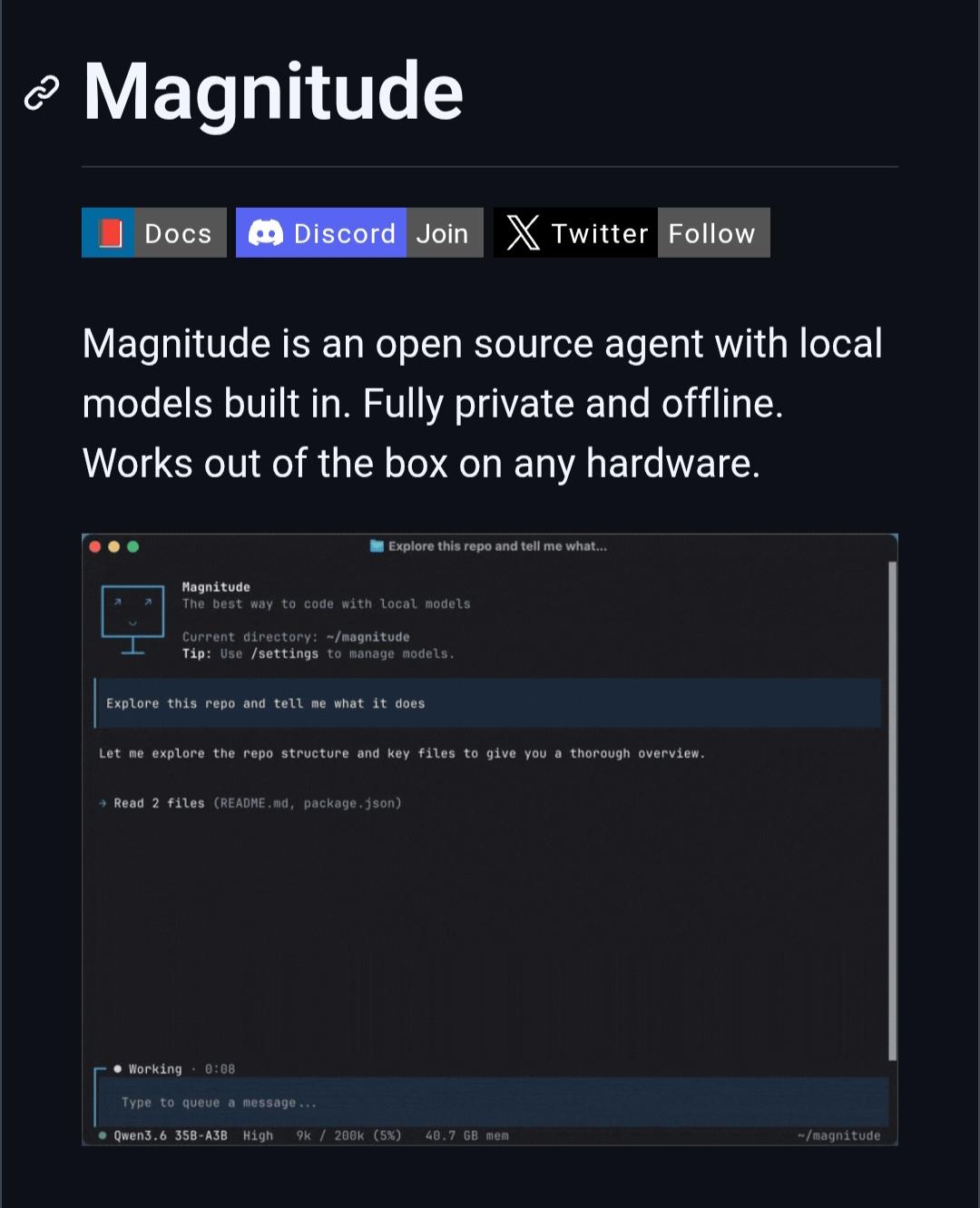
Magnitude is an open-source AI coding agent with local models.
Run it on your own hardware, even completely offline, with no API keys, subscriptions, token costs, or rate limits.
It supports hardware-based model recommendations and skills for documents and browser automation.
Apache 2.0 licensed. Available on macOS, Linux, and Windows via WSL.
More details: https://digitalescapetools.com/tools/tool.html?id=magnitude
#OpenSource #AI #Coding #LocalAI #Privacy
Alt...
Screenshot of the Magnitude project page describing it as an open-source AI agent with built-in local models for private, offline use. Below the description is a dark terminal-style interface showing Magnitude exploring a repository and reading project files.
![[?]](https://media.mas.to/accounts/avatars/116/725/340/985/881/055/original/131ab7c7963a52da.png)
To people in the #lisp #emacs #programming space, I'm currently trying to get into learning Lisp as a programming language (as a hobby). My work mainly involves knowing python but like many people in physics, writing good code is never quite taught to us.
I would like to learn Lisp primarily out of interest but also it would benefit me iif the structure of Lisp itself would teach me good programming practices that I could use when writing python.
Keeping this in mind, are there any Lisp dialect recommendations? I've heard good things about Common lisp and Clojure, but would be interested if those (or any other dialect) would serve my purpose.
![[?]](https://files.mastodon.green/accounts/avatars/109/258/048/381/846/891/original/97290ecebc04985d.png)
Sorry, but I write:
void Class:stuff()
{
for (int y = 0; y < h_; y++)
{
for (int x = 0; x < w_; x++)
{
}
}
Not
void Class::stuff() {
for (int y=0; y<h_; y++) {
for (int x=0; x<w_; x++) {
}
}
I'm human, I need visual space for reading code. I'm faster with the extra line breaks and spaces. And we have huge monitors these days anyway.
![[?]](https://cdn.masto.host/mastjohn1126com/accounts/avatars/115/981/910/993/463/416/original/00ac72837ce34a31.gif)
![[?]](https://f2.tchncs.de/accounts/avatars/000/026/908/original/26ed08fc073e0f61.png)
And in Activitypub I'm sure there are a lot of features specific to code handling that likely aren't supported. That's why it seems to me that unless either protocol has a major rewrite with this specific usecase in mind, that we're going to have to Frankenstein this.
![[?]](https://polymaths.social/fileserver/01J5M0ZN4YQN00E8Y8SCB09GBM/attachment/original/01JXCNZNZS0TRJF52JH0MT48BB.png)
There are many cases of end users who are totally ignorant in LLM use cases
I've been able to educate one with success
When she realized that before her one query
- many megawatts were used to create the training regimen of the model
- Peta Bytes of copyrighted information was blatantly stolen without regard to ownership
- in turn sold for profit to companies
- while getting end users addicted to using them
...She realized what Destruction she was causing, on a Global Scale because she knows personally what Global Warming does in her Area of the Country were flooding regularly occurs due to Climate Shifts
#LLM #slop #hallucinations #AI #programming #coding #weather #climate #change
![[?]](https://files.mastodon.social/accounts/avatars/000/007/322/original/b75330fa75e75efd.jpg)
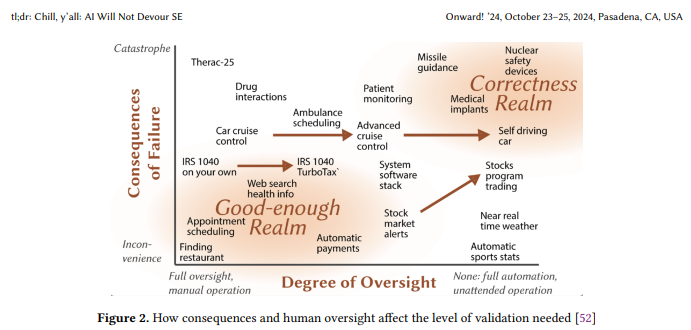
Al wat ouder (2024) maar fijn paper over AI & Software engineering/coding. Zowel voor "believers" als totale sceptici 🙂
"tl;dr: Chill, y'all: AI Will Not Devour SE"
https://arxiv.org/abs/2409.00764
#AI #softwareengineering #coding #LLM
Alt...
How consequences and human oversight affect the level of validation needed .
From, https://arxiv.org/abs/2409.00764
![[?]](https://mastodon-acm-org.s3.bhs.io.cloud.ovh.net/accounts/avatars/109/479/889/439/101/442/original/f6002cf354d61dca.png)
Is AI conscious? Check out #ACMFellow Eric Allman's thoughts in #ACMBytecast Episode 85 here or wherever you get your #podcast.
https://learning.acm.org/bytecast/ep85-eric-allman
#coding #Claude #computing #tech #innovation
![[?]](https://media.mas.to/accounts/avatars/109/442/454/487/918/952/original/d8a5f7a5f95ae2cb.png)
![[?]](https://files.defcon.social/dcsocial-s3/accounts/avatars/109/639/699/324/934/710/original/1a8420d767201374.gif)
![[?]](data:image/png;base64, iVBORw0KGgoAAAANSUhEUgAAAEAAAABAAQAAAACCEkxzAAAAUUlEQVQoz43R0QkAMQwCUDdw/y3dwEvsvzlL4X1IoQkAisKmwfAFT3RgJHbQezpSRoXEqeqCL9BJBf7h3QbOCCxV5EVWMEMwG7K1/WODtlvxAYTtEsDU9F34AAAAAElFTkSuQmCC)
helo everyone. i've jst been informed that there is a new LLAMA variant, llama 4 scout, available on cloudflare workers AI. personally, i was planning on testing this on bsid-js in replacement of the llama 3.2 11b model we are currently using. anyone played with this #llama model under #cloudflare #workers #ai and recommend it? #coding #code .
![[?]](https://a.mindlycdn.com/accounts/avatars/109/314/751/759/220/747/original/0f68fdbbfd257b21.jpg)
LLM (noun): a machine used by software teams to turn piles of cash into technical debt
#LLM #AI #software #TechDebt #TechnicalDebt #coding #AmbroseBierce
![[?]](https://media.infosec.exchange/infosec.exchange/accounts/avatars/113/247/756/313/164/165/original/70ea71b3dff2cf65.jpg)

Browser-Based Euro Office Clone
This is an experimental, local-first project designed to demonstrate client-side managed functionality without requiring any setup. By leveraging the FileSystem API, it offers a unique approach to storing files directly on your device from your browser.
Current Features:
- PWA (Progressive Web App)
- Local-first storage
- Word processor
- Spreadsheet tool
- PDF capability
Coming Soon:
- Support for more file types
- Storage synchronization
- Collaborative editing
- Encryption at rest
- P2P file-transfer
Long-Term Goals (Clones of):
- NextCloud
- WhatsApp
- Instagram
- WeTransfer
Note: This project is experimental, far from finished, and presented strictly for testing, feedback, and demo purposes (USE RESPONSIBLY!).
Check out the demo version and let me know your thoughts!
Demo: https://enkrypted.chat/?tab=file
#WebDev #JavaScript #PWA #LocalFirst #OfficeSuite #FileSystemAPI #Tech #Programming #SoftwareEngineering #WebApps #Privacy #SelfHosted #NextCloud #P2P #WebDevelopment #IndieDev #Coding #DevCommunity #TechNews #AppDevelopment #FreeSoftware #BrowserApp
I've seen where Torvalds said that he considers them as just another tool in the Arsenal, he doesn't really care, if the code is good.
He doesn't want his time to be wasted He'll scream and shout if an LLM creates that time pit
These following words an extreme version of me would say
It looks like you will have to stop using Linux. Since from your perspective anything that uses remotely an LLM is bad, you will have to stop, otherwise you will contribute to the environment being destroyed willingly and actively
In practice that is impossible. If you drive a modern car it has the Linux kernel. If you have a smart TV or more you're also using the tainted kernel. Even if you have a stick which also streams or a camera you will have a Linux kernel in many cases.
These LLMs are an infection of the planet's code base
Since you're already using BSD a solution would be to cut using Linux on your computers drastically
Point me please, to projects which are heavily dependent on LLM code generation which are older than 10 years.
The Linux distributions I use, have no code which is 100% LLM generated
React-like syntax with WebComponents.
After spending some time with Lit, I really appreciated its lightweight footprint but wasn't a fan of the class-based components. While Vue offers a great approach, I still prefer the intuitive nature of React's syntax for debugging and deterministic rendering. This led me to a challenge: could I build a UI framework using WebComponents that completely eliminates the need for transpilation?
I have written a breakdown of the concept, the architecture, and where I want to take it. I highly invite you to take a look, check out the code, and explore the live demo.
* How it works: https://positive-intentions.com/docs/projects/dim/dim-jsx-webcomponents
* Checkout the code: https://github.com/positive-intentions/dim
* Storybook demo: https://dim.positive-intentions.com
Please note, while the project is open-source, this is a personal exploration rather than an attempt to launch "yet another framework." It is not production-ready and is built for my own upcoming project migrations, but I am sharing it in hopes that the methodology is educational or interesting to the community.
I would love to hear your thoughts on this approach. Feel free to reach out if you have any questions or want to discuss the implementation details.
#WebDev #WebDevelopment #Frontend #FrontendDev #JavaScript #JS #TypeScript #TS #HTML #HTML5 #CSS #SoftwareEngineering #SoftwareEngineer #Coding #Programming #WebDesign #OpenSourceProject #IndieDev #SideProject #Tech #Technology #DevCommunity #Fediverse #FediverseDevs #WebStandards #CustomElements #ShadowDOM #VanillaJS #NoTranspiler #NoBuild #BuildStep #EsModules #ComponentDriven #UIUX #DesignSystems #TechExperiment #LearningInPublic #Developer #ComputerScience #OSS #Github #React #WebComponents #Lit #Vue #ReactJS #JSX #Storybook #TechArticle #TechBlog #TechWriting #WebDevArticles

Alt...
Dim
![[?]](https://soc.octade.net/octade/s/3f7f2b5eda4e392867c301c49c2daa16.png)
"Remember that there is a distinction between a programming language and a graphical user interface. Don't confuse snazzy graphics (generated using someone else's libraries and tools) with good programming."~ Bjarne Stroustrup (C++ Inventor)
@infostorm@a.gup.pe @hacking@a.gup.pe @c@a.gup.pe @programming@a.gup.pe @dev@a.gup.pe @quotes@a.gup.pe
#BjarneStroustrup #C #cplusplus #Hacking #Hackers #Programming #Programmers #Dev #Developers #Code #Coding #quotes #quotations