Search results for tag #space
![[?]](https://files.mastodon.social/accounts/avatars/108/198/016/418/435/792/original/794f5e156c5eca48.jpg)
Smile’s first ultraviolet footage shows auroral substorm
This is the first footage to be released from the ultraviolet camera (UVI) on the European-Chinese Smile mission. With UVI, Smile is now the first spacecraft since 2008 to capture the full ring of northern lights around the north pole in ultraviolet light, and is doing so for a record-breaking 45 hours at a time.
Credit: ESA & CAS/Smile/UVI
https://www.esa.int/Science_Exploration/Space_Science/Smile/Science_begins_for_Smile
#Smile #spacecraft #Earth #ultraviolet #space #science #news #astrodon
![[?]](https://cdn.masto.host/mastodongamedevplace/accounts/avatars/109/859/285/072/781/117/original/52b616f54f20c98f.png)
![[?]](https://cdn.masto.host/mastjohn1126com/accounts/avatars/115/981/910/993/463/416/original/00ac72837ce34a31.gif)
@oswaldosrm Wow. It looked similar to a nuclear explosion. They even felt the heat from that far away. One man insisted it was NOT a launch. He seems to be somewhat correct, because it was a "static fire test" with the rocket strapped to the pad. They never intended for this one to go to space.
#Florida #explosion #space #BlueOrigin #NewGlenn #SpaceForce
![[?]](https://files.mastodon.social/accounts/avatars/000/224/364/original/d601af06525beb2b.png)
I'm a #Black #bisexual #polyam #ScienceFiction #Fantasy #Convention going fan. I'm #disabled with a bunch of #ChronicIlnesses. I have a black #cats and my wife has a Catalina #parrot. I make #jewelery and my online shop is at https://www.dragonandwolfdesigns.com
I love #rocks, #SCA, #space, #art, #anime, #Elfquest, #Babylon5, #kink, #geology, #gaming, #ttrpgs, #books, and more! Hoping to connect with folks.

@Space@lemmy.science.social @science@beehaw.org @science@lemmy.world @space@beehaw.org @space@lemmy.world @science@newsmast.community @space@newsmast.community @space@lemmy.ml #space #science #nasa #astronomy


![[?]](https://media.universeodon.com/accounts/avatars/109/501/736/783/125/826/original/387a622be46bcde9.png)

Cassini Images Saturns A Ring
Credits: UVIS, U. Colorado, ESA, #NASA
#nature #space #astrophotography

Alt...
Cassini Images Saturns A Ring
![[?]](https://cdn.mstdn.ca/accounts/avatars/000/000/001/original/ae840240160f93c6.jpg)
 [
[This is absolutely incredible.
An L-39 jet is crossing the Sun, and right next to its tail, you can see the silhouette of the International Space Station crossing much higher & faster.
Source: https://www.petrhoralek.com/?p=26197
#space #astrophotography #SpaceStation #photography

Alt...
An L-39 jet is crossing the Sun, and right next to its tail, you can see the silhouette of the International Space Station crossing much higher & faster.
![[?]](https://nbg1.your-objectstorage.com/tno-mastodon/accounts/avatars/111/434/264/745/920/273/original/52ff85db085a2a1d.jpg)
Milky Way over Devils Tower
Credits: David Lane
#nature #space #astrophotography

Alt...
Milky Way over Devils Tower
The Double Cluster in Perseus
Credits: Jack Groves
#nature #space #astrophotography

Alt...
The Double Cluster in Perseus
At the center of what we call a galaxy, is a central sun, much more massive than the millions of stars that orbit it. You can see it in the center as a sphere of white light.
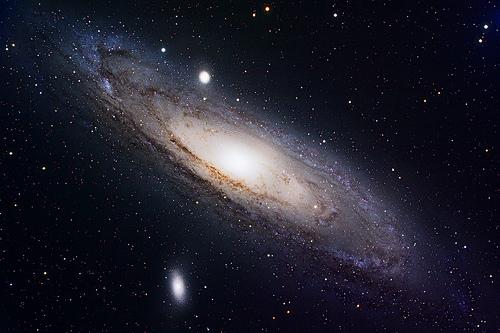
HH 666: Carina Dust Pillar with Jet
Credits: #NASA, ESA, Hubble, Mehmet Hakan Özsaraç
#nature #space #astrophotography

Alt...
HH 666: Carina Dust Pillar with Jet
Dusty Environs of Eta Carinae
Credits: MSX, IPAC, #NASA
#nature #space #astrophotography

Alt...
Dusty Environs of Eta Carinae
![[?]](https://files.defcon.social/dcsocial-s3/accounts/avatars/113/208/344/507/078/943/original/014820ad22daee1c.jpg)
Citizen Astronomy (CAst)
by ÖgetayKayali
https://github.com/OgetayKayali/citizen-astronomy
Every clear night, amateur telescopes around the world capture photons that professional observatories never will -- the right patch of sky, at the right moment, with enough patience to notice something change. Citizen Astronomy turns those images into science.
CAst is a desktop application (Windows installer primary; unsigned macOS .app zip available for alpha testers) that takes folders of FITS and XISF images and gives you the tools to measure variable stars, discover moving asteroids, build Hertzsprung-Russell diagrams, and explore the sky -- all from one guided interface, no command-line scripting required.
Please read more details in ALT-Texts of images. These images are just a few examples of the sophisticated use-cases of this software!
Another nice example:
https://defcon.social/@grobi/117234604503277917
Topic> Useful Code
https://defcon.social/@grobi/114797042323081686
or expand post & scroll up ^
#space #tech #science #astronomy #astrophotography #code #python #unix #linux #windows #commandline #plotting #github #apod

Alt...
Profile at GitHub of Ögetay Kayalı the developer behind Citizen Astronomy (CAst)

Alt...
Entry screen of Citizen Astronomy (CAst)
CAst is organized around dedicated modes, each built for a different kind of observing or exploration. Choose a science workflow when you want measurements and exports, or open a visualization tool when you want to understand a field, the sky, or a stack.

Alt...
Differential Photometry
Example of produced light curves in Citizen Astronomy (CAst)
Open a folder of time-series images, and CAst scans your frames, identifies field stars through Gaia DR3 and VSX catalogs, performs aperture photometry with adaptive FWHM-scaled apertures, and produces differential light curves. Fit periods with Lomb-Scargle, refine comparison stars, bin for signal-to-noise, and export science-ready AAVSO reports.

Alt...
Sky Explorer
Open any plate-solved image and turn it into an annotated field census. CAst queries SIMBAD, Gaia DR3, VSX, the NASA Exoplanet Archive, and JPL Horizons for objects inside your footprint, then overlays them on the frame with a searchable results table. Switch object-type modes from Simple deep-sky classes to Scientific SIMBAD codes, compare against DSS or Hα survey cutouts with an interactive divider, mark magnitude reach with Mag Limit, add manual annotations, export stills or comparison animations, and build size-aware object collages from catalog angular sizes.
TOPIC>
Useful Code
The Sequencer: Detect one-dimensional sequences in complex datasets
The Sequencer reveals the main sequence in a dataset if one exists. To do so, it reorders objects within a set to produce the most elongated manifold describing their similarities which are measured in a multi-scale manner and using a collection of metrics. To be generic, it combines information from four different metrics: the Euclidean Distance, the Kullback-Leibler Divergence, the Monge-Wasserstein or Earth Mover Distance, and the Energy Distance. It considers different scales of the data by dividing each object in the input data into separate parts (chunks), and estimating pair-wise similarities between the chunks. It then aggregates the information in each of the chunks into a single estimator for each metric+scale.
https://github.com/dalya/Sequencer
#space #tech #science #astronomy #code #python #unix #linux #commandline #plotting
Alt...
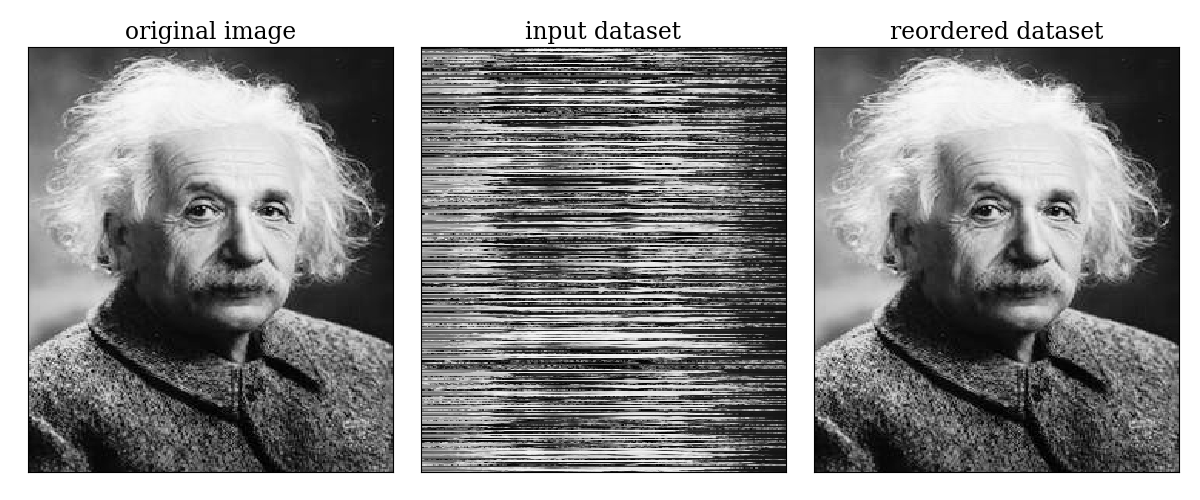
Shuffled image rows
The Sequencer reorders the objects in the input dataset according to a detected sequence, if such sequence exists in the dataset. A good example of a perfect one-dimensional sequence is a natural image: the rows within a natural image form a well-defined sequence. Therefore, we can shuffle the rows in a natural image, and apply the Sequencer to the shuffled dataset. The following figure shows the result of applying the Sequencer to a shuffled natural image. The left panel shows the original image. The middle panel shows the same image after we have shuffled its rows. The shuffled image serves as the input dataset to the Sequencer, where each row is considered as a separate object. The output of the Sequencer is shown in the right panel, where we reordered the rows according to the detected sequence. The Sequencer successfully identified the one-dimensional trend spanned by the different rows.
Command Line Orbit Plotting
OK Binaries Interactive Catalog
https://github.com/mb2448/ok-binaries/
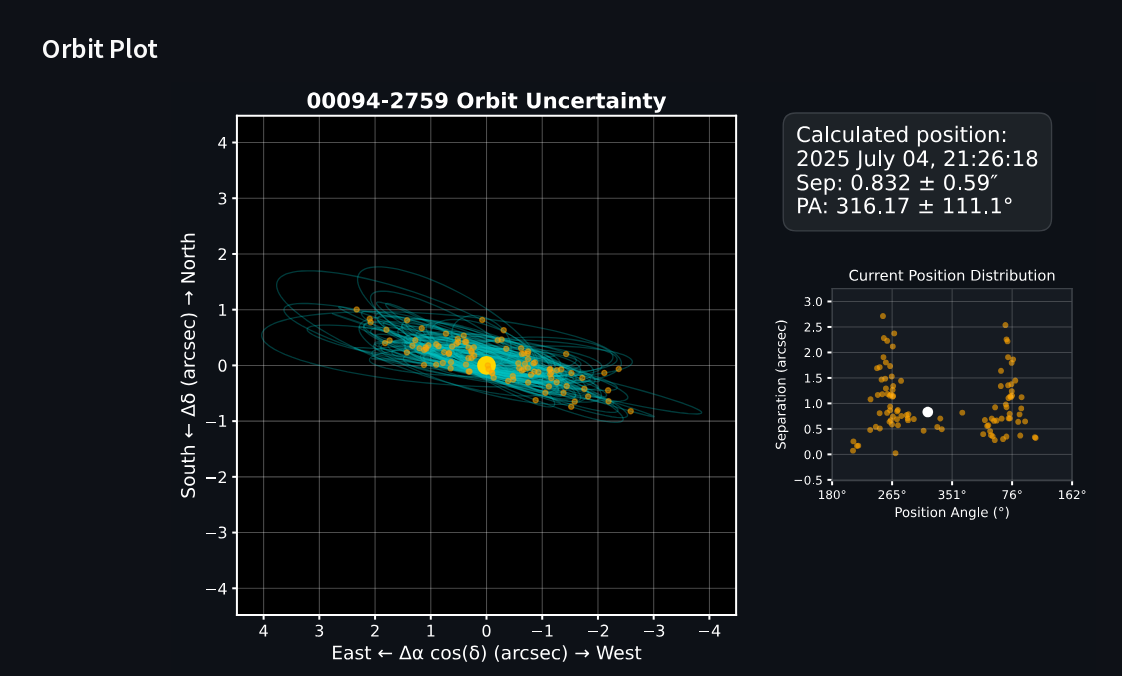
OK Binaries is a tool for identifying suitable calibration binaries from the Washington Double Star (WDS) Sixth Orbit Catalog. It calculates orbital positions at any epoch, propagates uncertainties using Monte Carlo sampling, and generates orbit plots. The web app includes automated daily updates of binary positions and a searchable interface with filters for position, magnitude, separation, and other orbital parameters. OK Binaries can be used online, as a standalone offline browser app, or via the command line.
https://github.com/mb2448/ok-binaries/
https://ok-binaries.streamlit.app/
#space #tech #science #astronomy #code #python #unix #linux #commandline #plotting
Alt...
WDS 00094-2759 - BU 391AB
HIP 761 • HD 493
Orbital Elements
Period (P) 575.65y ± 247.6
Periastron (T) 2087.66 ± 104.9
Semi-major axis (a) 1.614″ ± 0.49
Eccentricity (e) 0.5022 ± 0.31
Inclination (i) 98.72° ± 3.9
Longitude of periastron (ω) 272.7° ± 42.6
Node (Ω) 76.73° ± 6.5
Additional Information
Grade: 4 (1=Definitive, 9=Indeterminate)
Equinox: —
Last observation: 2013
Reference: Izm2019
Notes
kap 1 Scl
CLUES: Clustering tool for analyzing spectral data
CLUES (CLustering UnsupErvised with Sequencer) analyzes spectral and IFU data. This fully interpretable clustering tool uses machine learning to classify and reduce the effective dimensionality of data sets. It combines multiple unsupervised clustering methods with multiscale distance measures using Sequencer (ascl:2105.006) to find representative end-member spectra that can be analyzed with detailed mineralogical modeling and follow-up observations. CLUES has been used on Spitzer IRS data and debris disk science, and can be applied to other high-dimensional spectral data sets, including mineral spectroscopy in general areas of astrophysics and remote sensing.
https://github.com/Ompha/CLUES
https://ui.adsabs.harvard.edu/abs/2021ApJ...916...91B/abstract
https://ui.adsabs.harvard.edu/abs/2025ApJS..276...65L/abstract
#space #tech #science #astronomy #code #python #JupyterNotebook #unix #linux

Alt...
Welcome
Ha! You've stumbled upon this machine-learning classification tools for spectra and IFU data!
3ML: Framework for multi-wavelength/multi-messenger analysis
ThreeML is supported by National Science Foundation (NSF) https://www.nsf.gov/
FYI:
https://heasarc.gsfc.nasa.gov/xanadu/xspec/
https://ui.adsabs.harvard.edu/abs/2015arXiv150708343V/abstract
https://arxiv.org/pdf/1507.08343
#space #code #python #bsd3 #fermi #xspec #hawc #science #astronomy
Alt...
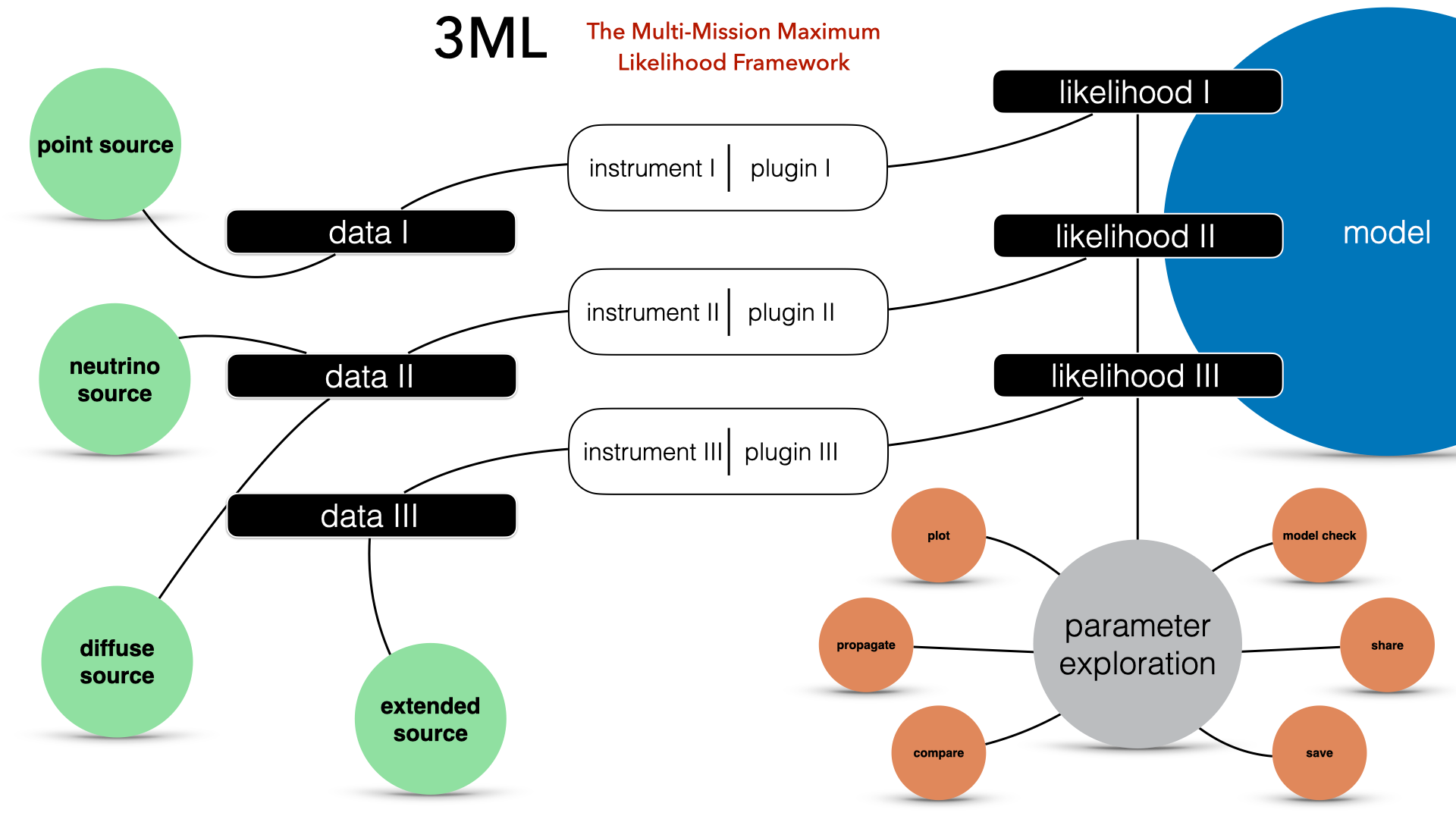
The Multi-Mission Maximum Likelihood framework (3ML) provides a common high-level interface and model definition for coherent and intuitive modeling of sources using all the available data, no matter their origin. Astrophysical sources are observed by different instruments at different wavelengths with an unprecedented quality, and each instrument and data type has its own ad-hoc software and handling procedure. 3ML's architecture is based on plug-ins; the package uses the official software of each instrument under the hood, thus guaranteeing that 3ML is always using the best possible methodology to deal with the data of each instrument. Though Maximum Likelihood is in the name for historical reasons, 3ML is an interface to several Bayesian inference algorithms such as MCMC and nested sampling as well as likelihood optimization algorithms.
From technic960183
spherimatch:
A Python package for cross-matching and self-matching in spherical coordinates.
spherimatch is a Python package for efficient cross-matching and self-matching of astronomical catalogs in spherical coordinates. Designed for use in astrophysics, where data is naturally distributed on the celestial sphere, the package enables fast matching with an algorithmic complexity of O(NlogN). It supports Friends-of-Friends (FoF) group identification and duplicate removal in spherical coordinates, and integrates easily with common data processing tools such as pandas.
https://github.com/technic960183/spherimatch
https://technic960183.github.io/spherimatch/tutorial/xmatch.html
https://technic960183.github.io/spherimatch/install.html
https://pypi.org/project/fofpy/
https://linuxtut.com/en/68a22081e848030bc963/
AutoWISP
Kaloyan Penev, Angel Romero and S. Javad Jafarzadeh have developed a software pipeline, AutoWISP, for extracting high-precision photometry from citizen scientists' observations made with consumer-grade color digital cameras (digital single-lens reflex, or DSLR, cameras), based on their previously developed tool, AstroWISP. The new pipeline is designed to convert these observations, including color images, into high-precision light curves of stars.
"We outline the individual steps of the pipeline and present a case study using a Sony-alpha 7R II DSLR camera, demonstrating sub-percent photometric precision, and highlighting the benefits of three-color photometry of stars. Project PANOPTES will adopt this photometric pipeline and, we hope, be used by citizen scientists worldwide. Our aim is for AutoWISP to pave the way for potentially transformative contributions from citizen scientists with access to observing equipment."
Code site:
+ AutoWISP
https://github.com/kpenev/AutoWISP
+ Documentation:
https://kpenev.github.io/AutoWISP/
+ AstroWISP
https://github.com/kpenev/AstroWISP
https://pypi.org/project/astrowisp/
+ Documentation
https://kpenev.github.io/AstroWISP/
#space #code #python #astrophotography #photography #science #astronomy
Alt...
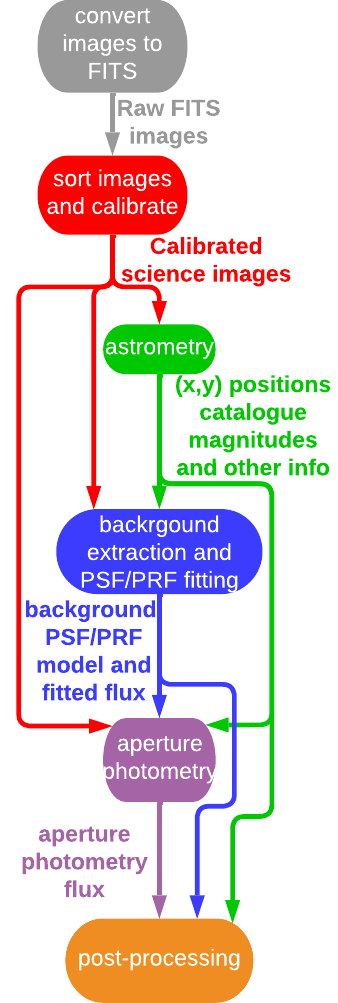
Briefly, the image processing pipeline steps and their products are shown. The arrows indicate the products of each step and where they will be used.:
1 Calibration
2 Source Extraction
3 Astrometry
4 Photometry
5 PSF Fitting
+ Aperture Photometry
6 PRF Fitting
7 Magnitude Fitting
8 Light Curve Generation
9 Post Processing
Alt...
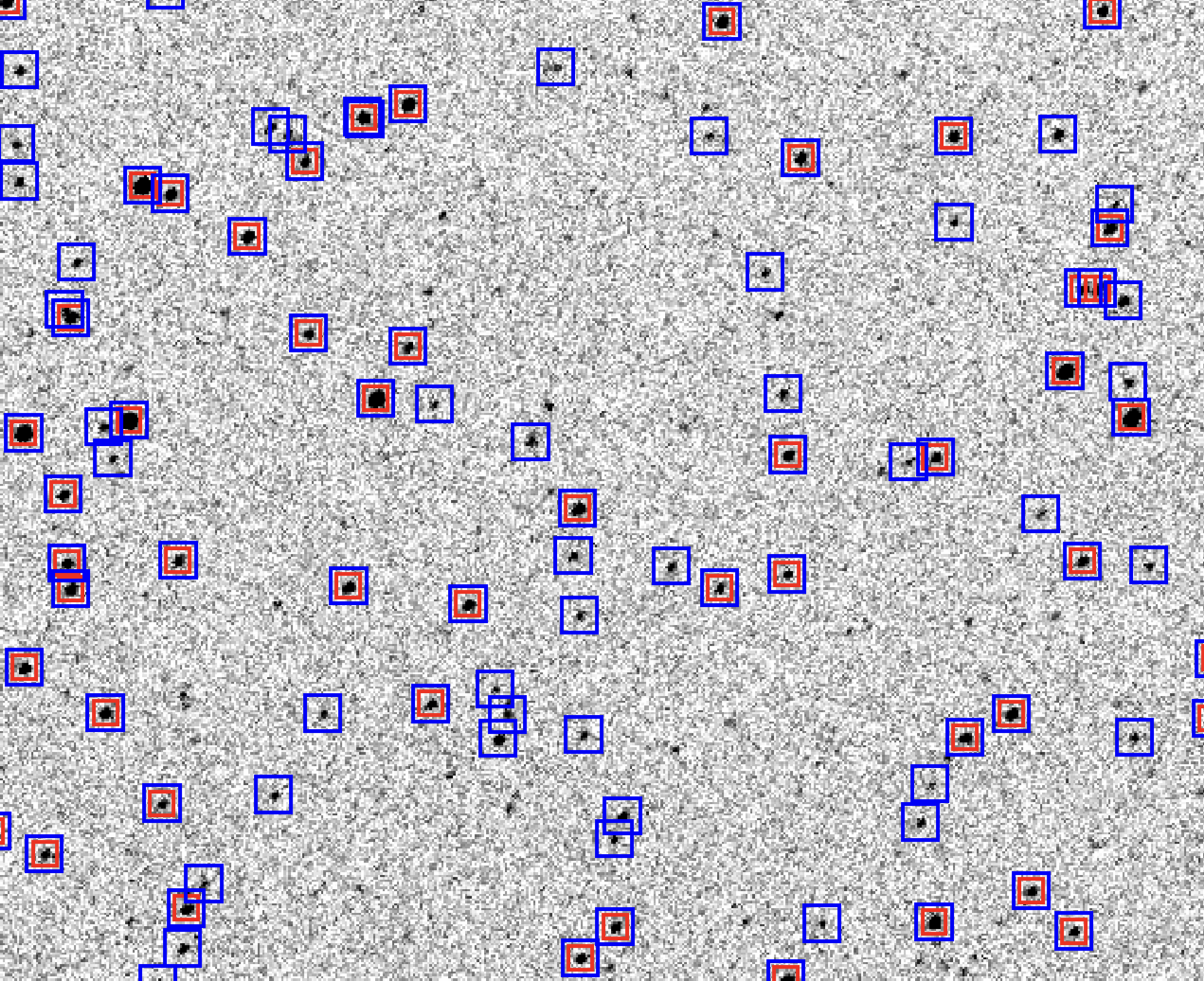
Shown is the source extraction versus catalogue projections of our astrometry step placed on top of the corresponding FITS image, where blue squares are the catalogues projected sources and red squares are the extracted sources from our astrometry
Alt...
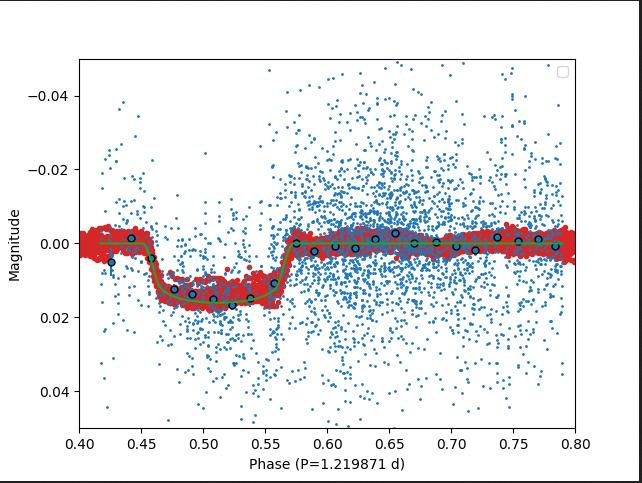
This is the resulting phase-folded lightcurve for WASP-33 b exoplanet transit, observed by Project PANOPTES (blue points and circles), TESS (red points), and theoretical light curve based on best known system parameters (green curve). The raw PANOPTES-DSLR measurements, originating from the 4 color channels of 4 cameras in Hawaii (Mauna Loa observatory) and California (Mt Wilson) are shown as blue points. The blue points are binned in time to create the blue circles and corresponding error bars. Note that the scatter in TESS points is not instrumental, but rather it is intrinsic variability in the host star, which is a member of the delta-Scuti class of variable stars.
Alt...
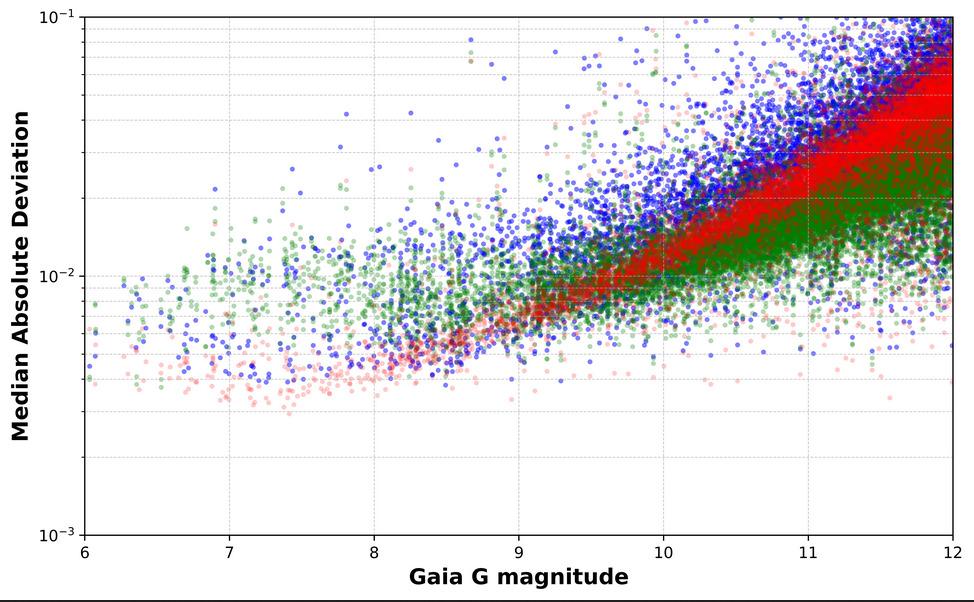
The scatter (median absolute deviation from the median) of the individual channel lightcurves of PANOPTES observations of a 10 × 15 degree field centered on FU Orionis, with each of their corresponding image colors (RGGB). We see that AutoWISP enables a few parts per thousand photometric precision per exposure even from images with Bayer masks, significantly outperforming prior efforts. Even individual color channels result in better than 1% photometry per 2 min exposure.
Thanks to Sam Van Kooten
https://github.com/svank
wispr-analysis
Shared tools for WISPR data analysis
Some highlights
plot_utils.py
+ plot_WISPR:
Aims to be a versatile function that does the Right Thing for plotting WISPR images, with colorbar bounds that are adjusted for inner and outer FOV and for L2 or L3 images, a square-root-scaled colorbar, and WCS coordinate support
+ *_axis_dates: Helper util for labeling a temporal axis with dates.
+ plot_orbit:
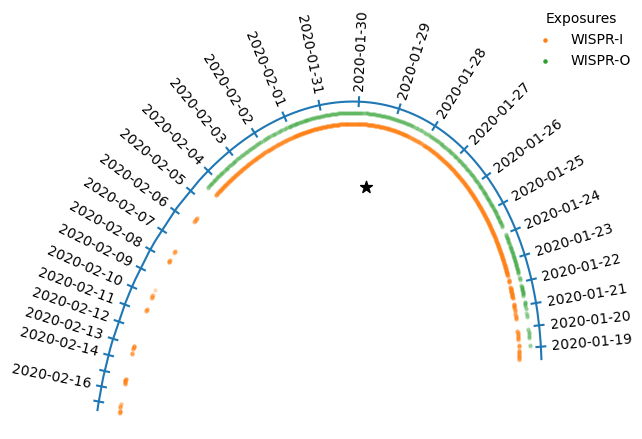
Reads a directory (or nested set of directories) of WISPR files and plots a diagram showing the orbital path of PSP and the locations where images were taken, like this:
projections.py
+ reproject_to_radial: Proof-of-concept code for reprojecting data into a radial coordinate system (where each row of the output array is a radial line out from the Sun.
data_cleaning.py
+ dust_streak_filter: Code for identifying debris streaks in the WISPR images
+ clean_fits_files: Function to batch-run dust_streak_filter on a directory of images.
composites.py
+ gen_composite: Reprojects an inner- and outer-FOV image into a common coordinate system
utils.py
+ to_timestamp: Parse a timestamp from a handful of formats, including the timestamps inside WISPR headers, or entire WISPR filenames. Returns a numerical timestamp.
+ collect_files: Walks a directory of WISPR files (or a directory of subdirectories of WISPR images), identifies all the WISPR images, sorts them, and separates them by inner and outer FOVs.
+ ignore_fits_warnings: Suppresses the warnings Astropy raises when reading WISPR FITS files or parsing WCS data.
https://github.com/svank/wispr_analysis
Documentation:
https://svank.github.io/wispr_analysis/
#space #code #python #science #astronomy #astrophysics #tech #NASA
Alt...
Some highlights
plot_utils.py
+ plot_WISPR:
Aims to be a versatile function that does the Right Thing for plotting WISPR images, with colorbar bounds that are adjusted for inner and outer FOV and for L2 or L3 images, a square-root-scaled colorbar, and WCS coordinate support
*_axis_dates: Helper util for labeling a temporal axis with dates.
+ plot_orbit:
Reads a directory (or nested set of directories) of WISPR files and plots a diagram showing the orbital path of PSP and the locations where images were taken, like this:
projections.py
+ reproject_to_radial: Proof-of-concept code for reprojecting data into a radial coordinate system (where each row of the output array is a radial line out from the Sun.
data_cleaning.py
+ dust_streak_filter: Code for identifying debris streaks in the WISPR images
clean_fits_files: Function to batch-run dust_streak_filter on a directory of images.
composites.py
+ gen_composite: Reprojects an inner- and outer-FOV image into a common coordinate system
utils.py
+ to_timestamp: Parse a timestamp from a handful of formats, including the timestamps inside WISPR headers, or entire WISPR filenames. Returns a numerical timestamp.
+ collect_files: Walks a directory of WISPR files (or a directory of subdirectories of WISPR images), identifies all the WISPR images, sorts them, and separates them by inner and outer FOVs.
+ ignore_fits_warnings: Suppresses the warnings Astropy raises when reading WISPR FITS files or parsing WCS data.
2025-08-20
Leandro Beraldo e Silva released four days ago:
lberaldoesilva/tropygal version 0.1.4
Entropy estimates and distribution functions for galactic dynamics
tropygal is a pure-python package for entropy estimates in the context of galactic dynamics, but can be used in other contexts too. It also provides functions for analytical distribution functions and density of states for models that have analytical expressions.
** Acknowledgements
Development of tropygal was supported by the following research grants:
+ NASA ATP awards 80NSSC20K0509 and 80NSSC24K0938
+ U.S. NSF AAG grant AST-2009122
+ STFC Ernest Rutherford fellowship (ST/X004066/1)
+ JSPS KAKENHI Grant Numbers JP24K07101, JP21K13965, and JP21H00053
+ CNPq (309723/2020-5)
+ Heising Simons Foundation grant # 2022-3927
** Funding agencies:
+ NASA ATP - NASA Astrophysical Theory Program (US)
+ NSF - National Science Foundation (US)
+ STFC - Science and Technology Facilities Council (UK)
+ JSPS - Japan Society for the Promotion of Science (Japan)
+ CNPq – Conselho Nacional de Desenvolvimento Científico e Tecnológico (Brasil)
+ Heising Simons Foundation (US)
https://github.com/lberaldoesilva/tropygal
https://tropygal.readthedocs.io/en/latest/
https://link.springer.com/epdf/10.1007/BF00773669?sharing_token=c10vjrwKcPemuJugFt8GPPe4RwlQNchNByi7wbcMAY4It9IZvz0cQPRbyx9xcOC67oJ1uYrQB3lur75MCDwqdPXd8sWtzve-hL8JYGekYHqhITNJ3f12mXyjbTmMIqid10HwkWoYRAWdltK0BTwIew%3D%3D
https://www.mdpi.com/1099-4300/18/1/13
#space #code #python #science #astronomy #astrophysics #tech #NASA
PIRATES
(Polarimetric Image Reconstruction AI for Tracing Evolved Structures)
uses machine learning to perform image reconstruction.
It uses MCFOST to generate models, then uses those models to build, train, iteratively fit, and evaluate PIRATES performance.
Optical interferometric image reconstruction is a challenging, ill-posed optimization problem which usually relies on heavy regularization for convergence. Conventional algorithms regularize in the pixel domain, without cognizance of spatial relationships or physical realism, with limited utility when this information is needed to reconstruct images. Here we present PIRATES (Polarimetric Image Reconstruction AI for Tracing Evolved Structures), the first image reconstruction algorithm for optical polarimetric interferometry. PIRATES has a dual structure optimized for parsimonious reconstruction of high fidelity polarized images and accurate reproduction of interferometric observables. The first stage, a convolutional neural network (CNN), learns a physically meaningful prior of self-consistent polarized scattering relationships from radiative transfer images. The second stage, an iterative fitting mechanism, uses the CNN as a prior for subsequent refinement of the images with respect to their polarized interferometric observables. Unlike the pixel-wise adjustments of traditional image reconstruction codes, PIRATES reconstructs images in a latent feature space, imparting a structurally derived implicit regularization.
https://github.com/SAIL-Labs/PIRATES
https://ui.adsabs.harvard.edu/abs/2025arXiv250511950L/abstract
https://arxiv.org/pdf/2505.11950
https://arxiv.org/abs/2505.11950
CREDITS:
Lilley, Lucinda ; Norris, Barnaby ; Tuthill, Peter ; Spalding, Eckhart ; Lucas, Miles ; Zhang, Manxuan ; Millar-Blanchaer, Maxwell ; Pinte, Christophe ; Bottom, Michael ; Guyon, Olivier ; Lozi, Julien ; Deo, Vincent ; Vievard, Sébastien ; Wong, Alison P. ; Ahn, Kyohoon ; Ashcraft, Jaren
#space #code #python #science #astronomy #astrophysics #tech
![Optical interferometric image reconstruction is a challenging, ill-posed optimization problem which usually relies on heavy regularization for convergence. Conventional algorithms regularize in the pixel domain, without cognizance of spatial relationships or physical realism, with limited utility when this information is needed to reconstruct images. Here we present PIRATES (Polarimetric Image Reconstruction AI for Tracing Evolved Structures), the first image reconstruction algorithm for optical polarimetric interferometry. PIRATES has a dual structure optimized for parsimonious reconstruction of high fidelity polarized images and accurate reproduction of interferometric observables. The first stage, a convolutional neural network (CNN), learns a physically meaningful prior of self-consistent polarized scattering relationships from radiative transfer images. The second stage, an iterative fitting mechanism, uses the CNN as a prior for subsequent refinement of the images with respect to their polarized interferometric observables. Unlike the pixel-wise adjustments of traditional image reconstruction codes, PIRATES reconstructs images in a latent feature space, imparting a structurally derived implicit regularization. We demonstrate that PIRATES can reconstruct high fidelity polarized images of a broad range of complex circumstellar environments, in a physically meaningful and internally consistent manner, and that latent space regularization can effectively [..]](https://files.defcon.social/dcsocial-s3/media_attachments/files/115/086/046/124/240/174/original/06ed149b287f93a9.png "Optical interferometric image reconstruction is a challenging, ill-posed optimization problem which usually relies on heavy regularization for convergence. Conventional algorithms regularize in the pixel domain, without cognizance of spatial relationships or physical realism, with limited utility when this information is needed to reconstruct images. Here we present PIRATES (Polarimetric Image Reconstruction AI for Tracing Evolved Structures), the first image reconstruction algorithm for optical polarimetric interferometry. PIRATES has a dual structure optimized for parsimonious reconstruction of high fidelity polarized images and accurate reproduction of interferometric observables. The first stage, a convolutional neural network (CNN), learns a physically meaningful prior of self-consistent polarized scattering relationships from radiative transfer images. The second stage, an iterative fitting mechanism, uses the CNN as a prior for subsequent refinement of the images with respect to their polarized interferometric observables. Unlike the pixel-wise adjustments of traditional image reconstruction codes, PIRATES reconstructs images in a latent feature space, imparting a structurally derived implicit regularization. We demonstrate that PIRATES can reconstruct high fidelity polarized images of a broad range of complex circumstellar environments, in a physically meaningful and internally consistent manner, and that latent space regularization can effectively [..]")
Alt...
Optical interferometric image reconstruction is a challenging, ill-posed optimization problem which usually relies on heavy regularization for convergence. Conventional algorithms regularize in the pixel domain, without cognizance of spatial relationships or physical realism, with limited utility when this information is needed to reconstruct images. Here we present PIRATES (Polarimetric Image Reconstruction AI for Tracing Evolved Structures), the first image reconstruction algorithm for optical polarimetric interferometry. PIRATES has a dual structure optimized for parsimonious reconstruction of high fidelity polarized images and accurate reproduction of interferometric observables. The first stage, a convolutional neural network (CNN), learns a physically meaningful prior of self-consistent polarized scattering relationships from radiative transfer images. The second stage, an iterative fitting mechanism, uses the CNN as a prior for subsequent refinement of the images with respect to their polarized interferometric observables. Unlike the pixel-wise adjustments of traditional image reconstruction codes, PIRATES reconstructs images in a latent feature space, imparting a structurally derived implicit regularization. We demonstrate that PIRATES can reconstruct high fidelity polarized images of a broad range of complex circumstellar environments, in a physically meaningful and internally consistent manner, and that latent space regularization can effectively [..]
Alt...
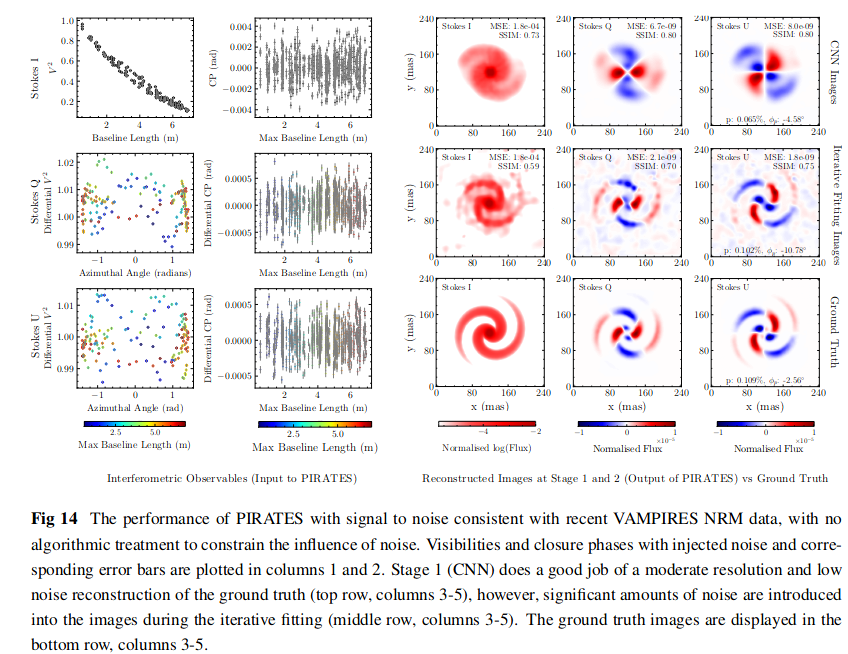
The performance of PIRATES with signal to noise consistent with recent VAMPIRES NRM data, with no
algorithmic treatment to constrain the influence of noise. Visibilities and closure phases with injected noise and corre-
sponding error bars are plotted in columns 1 and 2. Stage 1 (CNN) does a good job of a moderate resolution and low
noise reconstruction of the ground truth (top row, columns 3-5), however, significant amounts of noise are introduced
into the images during the iterative fitting (middle row, columns 3-5). The ground truth images are displayed in the
bottom row, columns 3-5.
nazgul is a joint effort by:
* J. Michael Burgess
* Ewan Cameron
* Dmitry Svinkin
https://github.com/grburgess/nazgul
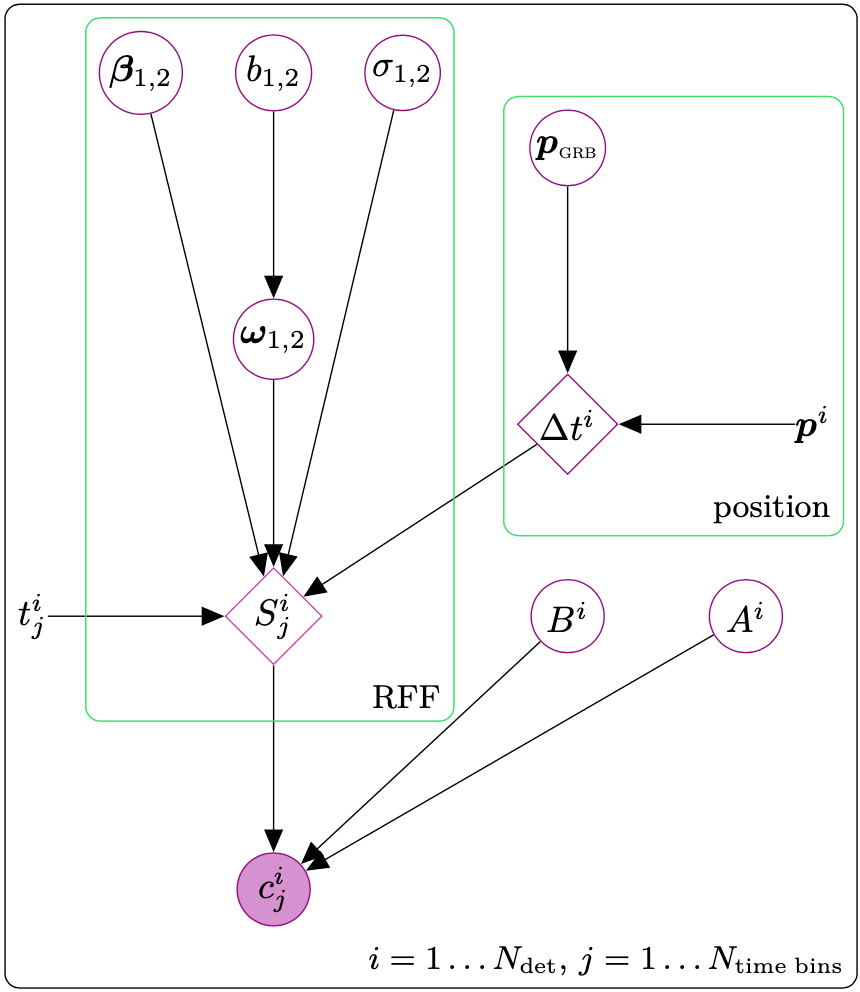
Nazgul is a framework for performing GRB localization via fitting non-parametric models to their data time-series and computing the time delay between them. It is currentrly built upon the magic of Stan and implements a parallel version of non-stationary Random Fourier Features. The idea is get away from heuristic methods such as cross-correlation which do not have a self-consistent statitical model.
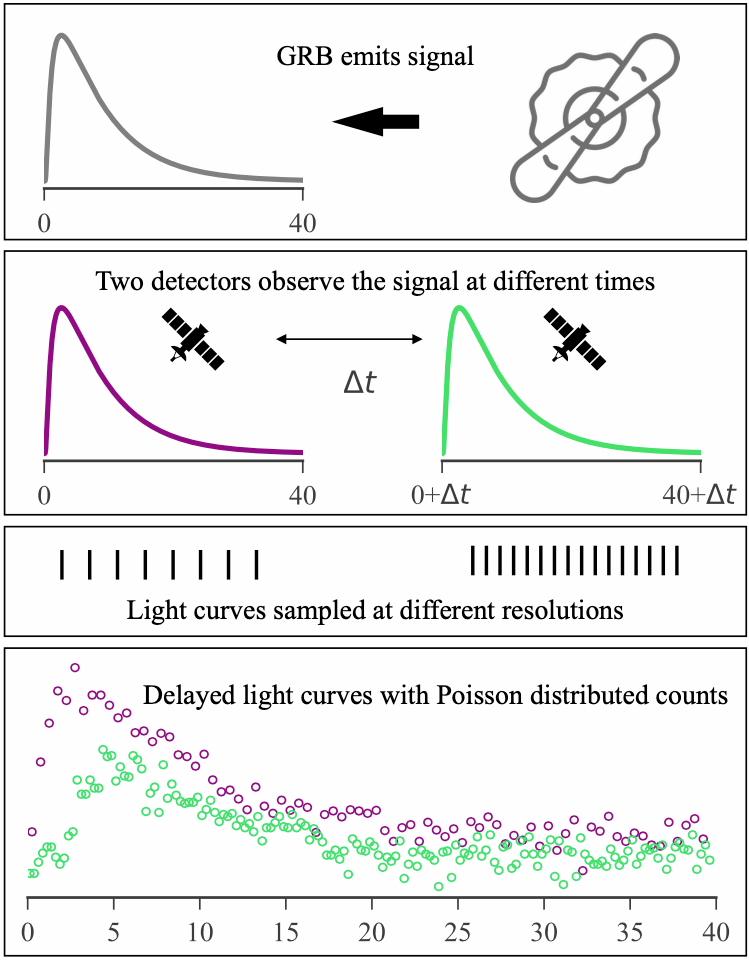
The idea is that satellites throughout the Sol system observe gamma-ray bursts at different times due to the finite speed of light. This creates a time delay in their observed light curves which can be used to triangulate the gamma-ray burst position on the sky. These triangulation create annuli or rings on the sky which Nazgul searches for so that it, in the darkness, it can bind them to a location on the sky.
Left image:
The heriarchical model is shown below and details can be found in here https://arxiv.org/abs/2009.08350. If you find the method and/or code useful in your research we ask that you please cite the paper.
Right image:
The sister program to simulate time-delayed light curves is pyIPN and can be used to generate time-delayed light curves for algorithm testing.
https://github.com/grburgess/pyipn
#space #code #python #science #astronomy #astrophysics #tech #NASA
Alt...
The heriarchical model is shown below and details can be found in here. If you find the method and/or code useful in your research we ask that you please cite the paper.
Alt...
The sister program to simulate time-delayed light curves is pyIPN and can be used to generate time-delayed light curves for algorithm testing.
Astro Catalog
by Sylvain Villet
https://github.com/sylvainvillet
https://app.astrobin.com/u/SylvainV
https://app.astrobin.com/forum/topic/191541
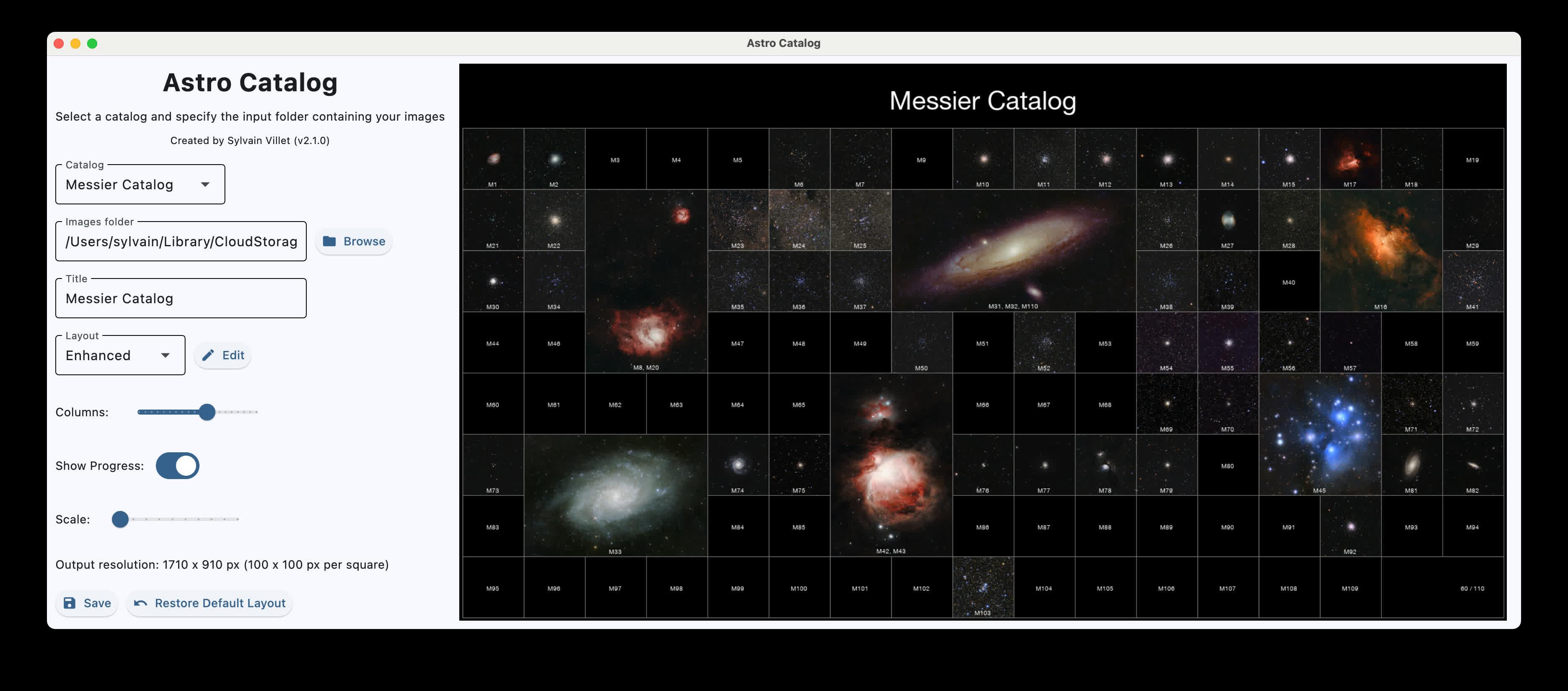
This project generates a mosaic of Messier or Caldwell objects, using images from a local folder.
The script arranges the objects into a configurable grid, supports larger slots for extended targets (e.g. Andromeda), and overlays labels and a title.
Perfect for creating a large-format print.
Features:
+ Loads Messier or Caldwell object images from a folder (M31.jpg, M-31.png, M_31.tif, etc.)
+ Places objects on a grid with configurable layout
+ Supports multi-cell slots for large objects (e.g. M31, M42, M45)
+ Supports grouping multiple objects in one slot for objects close to each other (e.g. M42 and M43, M31 and M32)
+ Adds a title and progress counter if it's not completed yet
+ Draws labels on images and placeholders for missing ones
+ Adjustable size of the final image
+ Saves as JPEG, PNG or TIFF
https://github.com/sylvainvillet/astro-catalog#features
#space #tech #science #astronomy #astrophotography #photography #code #python #unix #linux #commandline #plotting
Alt...
This project generates a mosaic of Messier or Caldwell objects, using images from a local folder.
The script arranges the objects into a configurable grid, supports larger slots for extended targets (e.g. Andromeda), and overlays labels and a title.
Perfect for creating a large-format print.
Features:
+ Loads Messier or Caldwell object images from a folder (M31.jpg, M-31.png, M_31.tif, etc.)
+ Places objects on a grid with configurable layout
+ Supports multi-cell slots for large objects (e.g. M31, M42, M45)
+ Supports grouping multiple objects in one slot for objects close to each other (e.g. M42 and M43, M31 and M32)
+ Adds a title and progress counter if it's not completed yet
+ Draws labels on images and placeholders for missing ones
+ Adjustable size of the final image
+ Saves as JPEG, PNG or TIFF
Colourful Clouds Of Carina
Credits: Hubble Heritage Team, AURA, STScI, #NASA
#nature #space #astrophotography

Alt...
Colourful Clouds Of Carina
![[?]](https://cdn.masto.host/retrogaidencom/accounts/avatars/112/290/331/258/701/920/original/01c7a7fb2140b8b5.png)

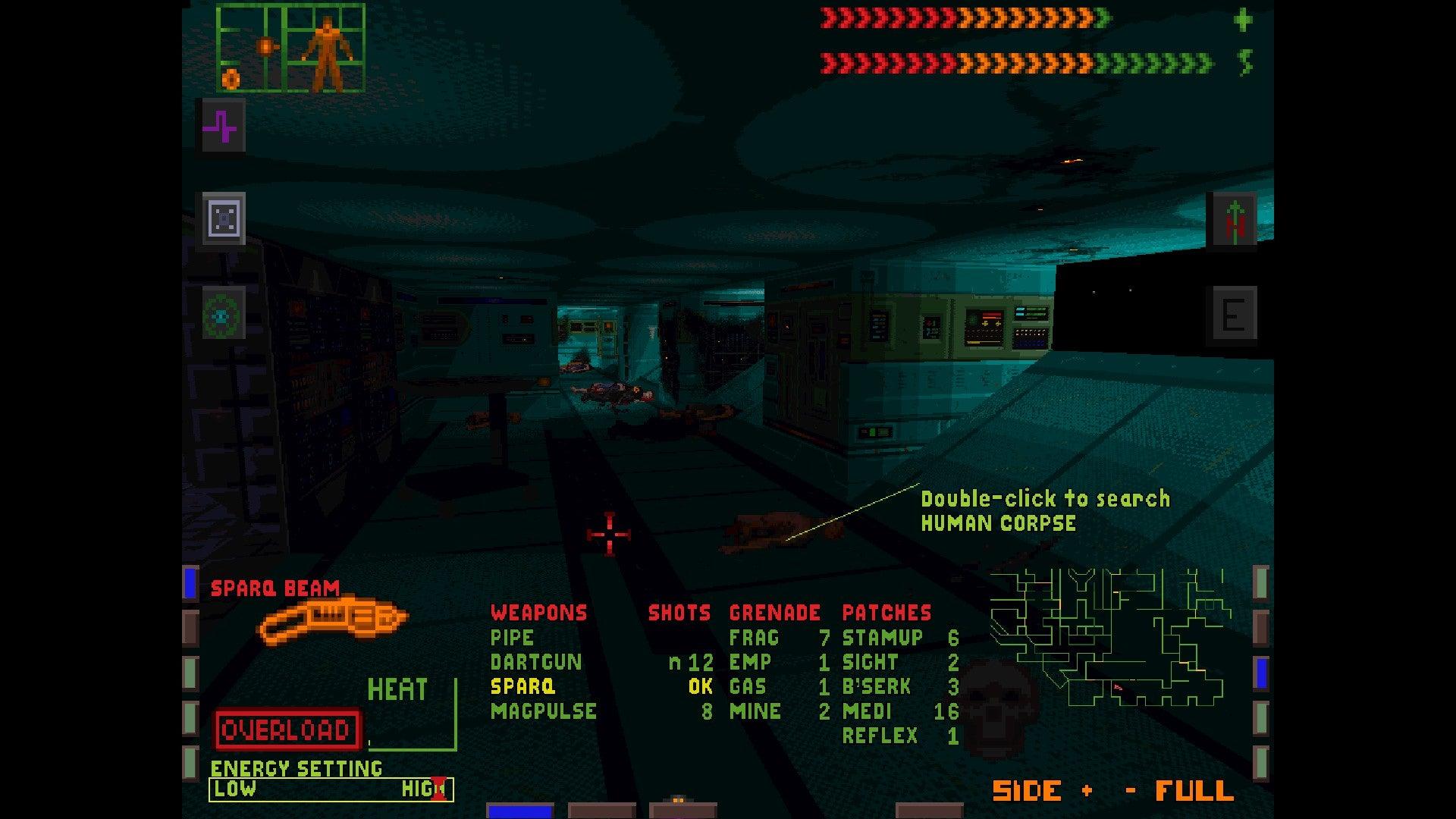
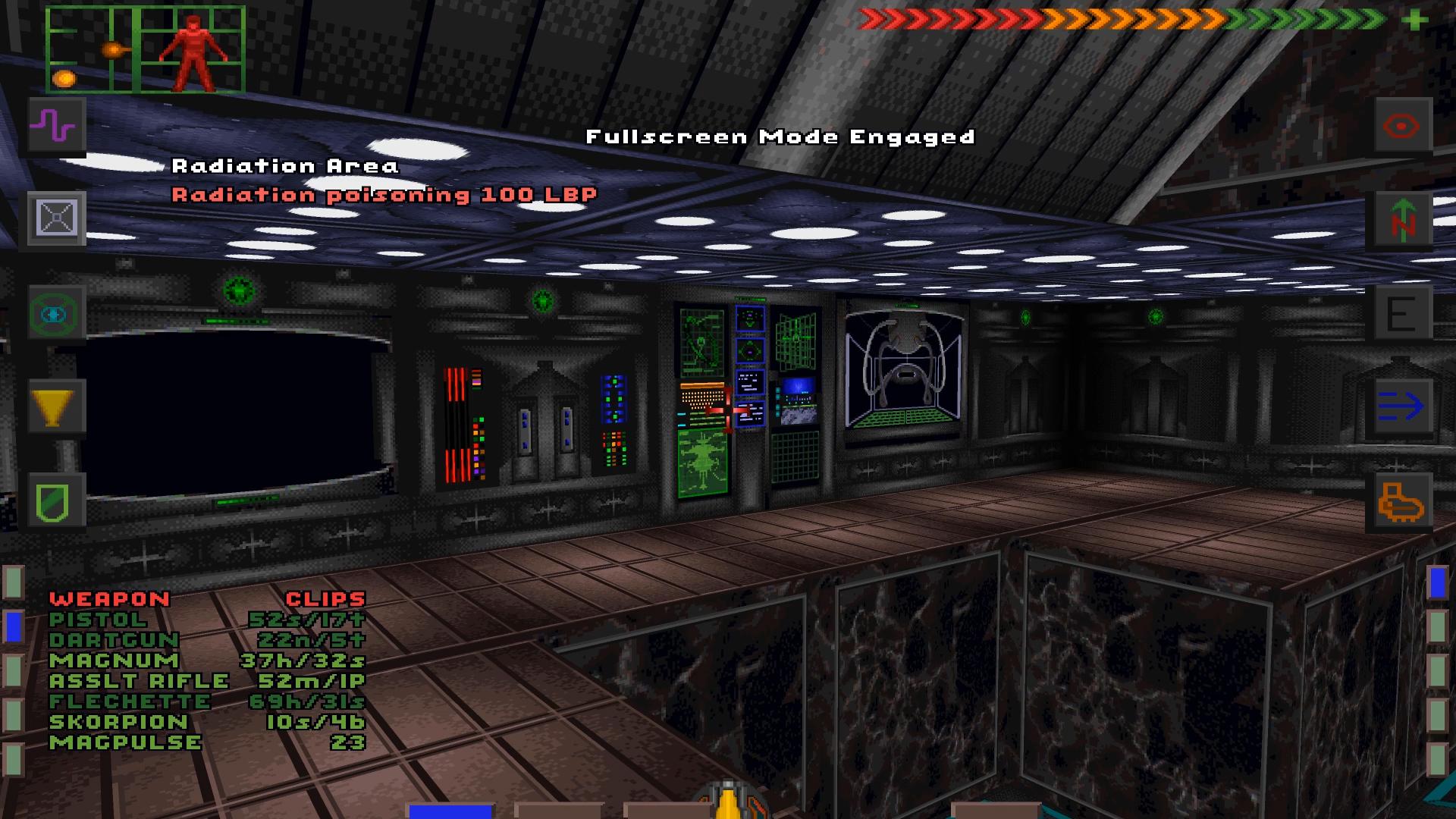
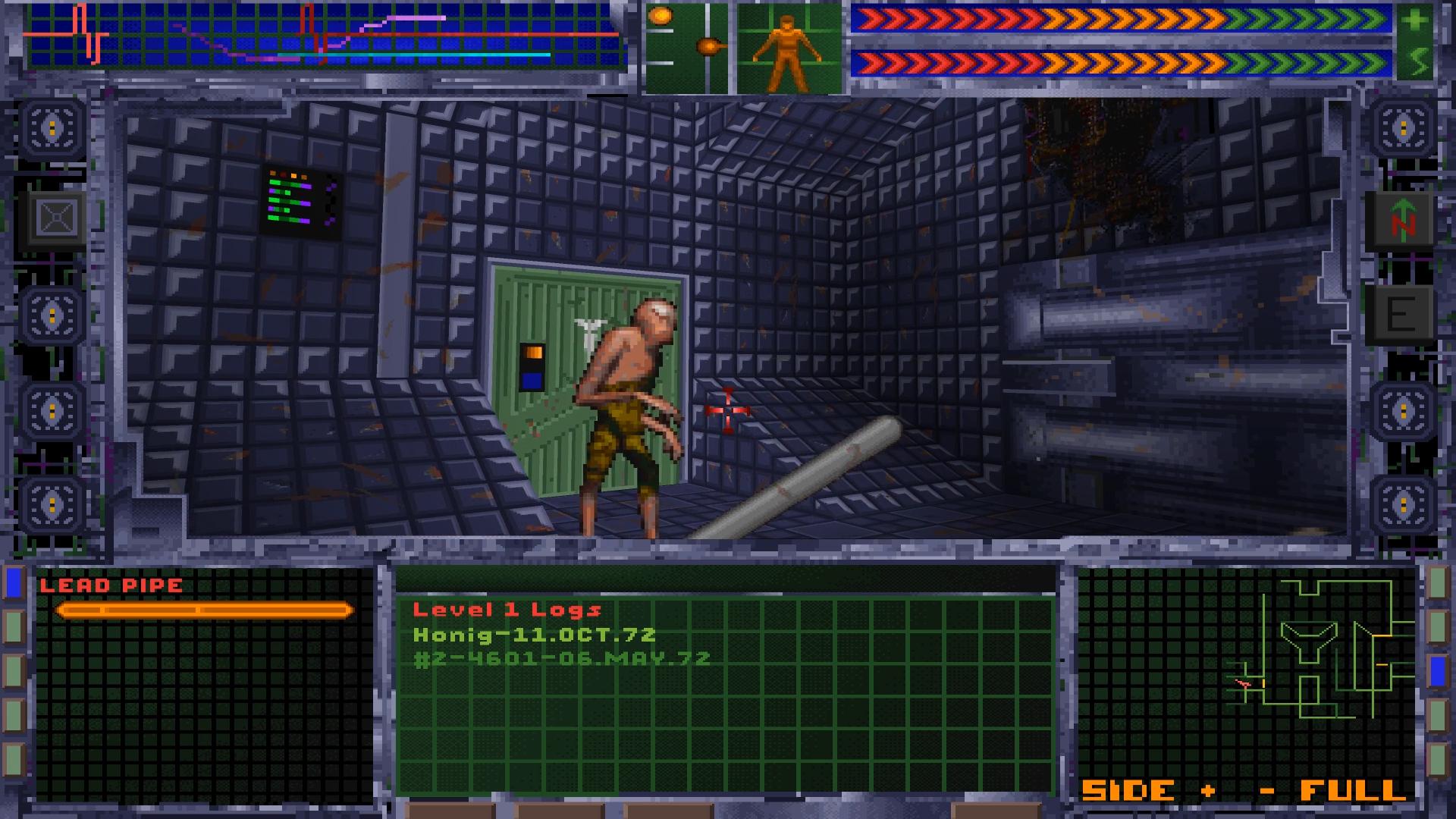
There's something so atmospheric, so gritty, so COOL about the aesthetic of the original System Shock. That Doom-era 3D, mixed with a dark sci-fi and cyberpunk art style, it's just an unforgettable experience.
If you've never played this game, you owe it to yourself to give it a try at some point. It's not going to be a perfect experience, not everyone will fall in love with it, but it's such a classic.
#RetroGames #90s #pcgaming #PCMR #scifi #space #cyberpunk #systemshock
![[?]](https://cdn.masto.host/socelnet/accounts/avatars/109/545/758/760/778/912/original/4142700a389496c4.jpg)
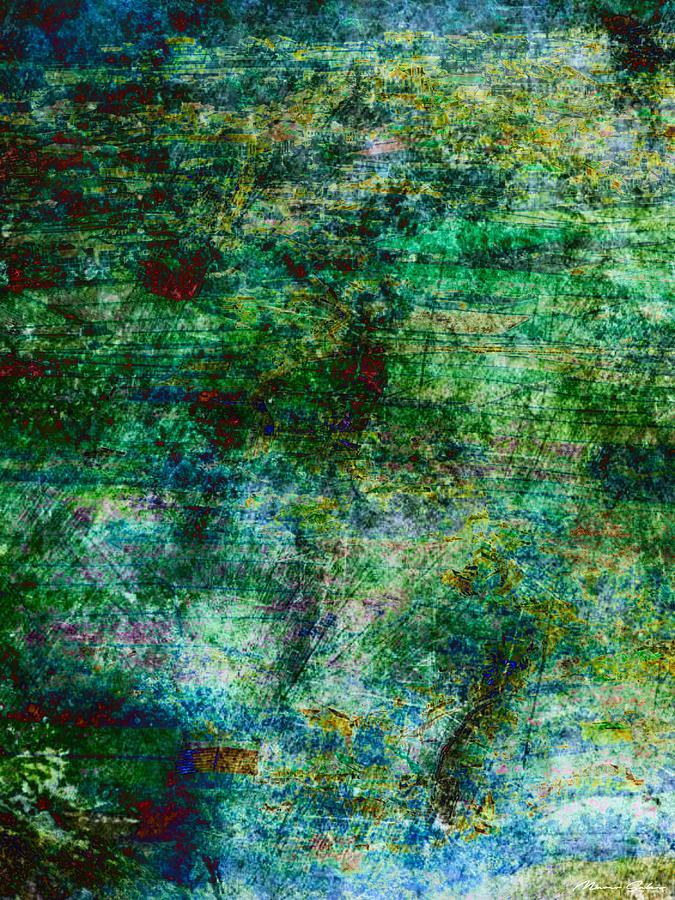
Green hidden ragged road, abstract photographic artwork. ... ArtPrint: https://fineartamerica.com/featured/green-hidden-ragged-road-abstract-photographic-wall-frame-poster-marco-sales.html
#abstract #vintage #pattern #space #unique #WallArt #Photography #AYearForArt #BuyIntoArt @marco5ales
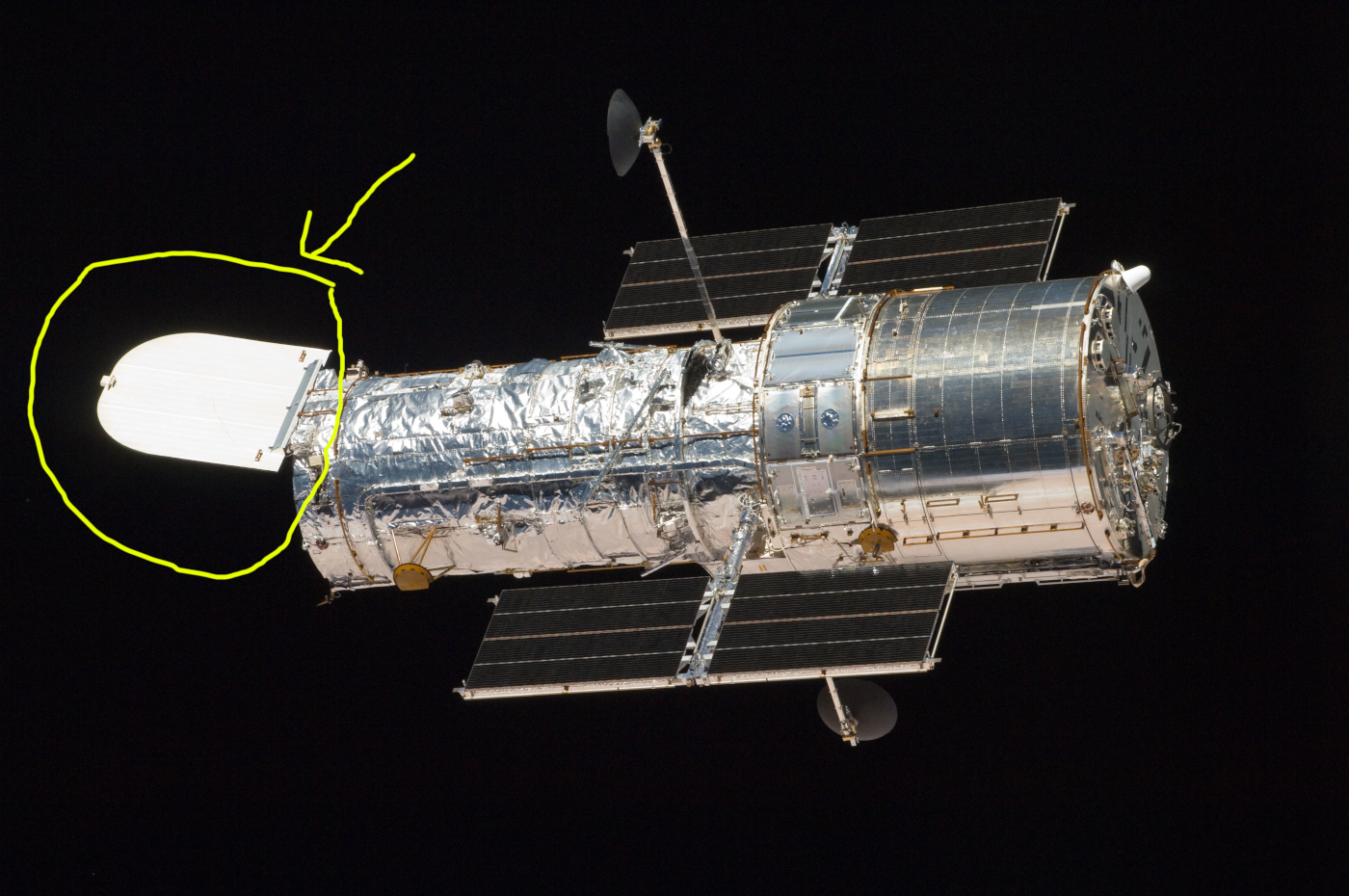
I think it's completely reasonable that when I search for "Hubble telescope cap" I should get information about the aperture door covering the mirror and not pictures of hats 😆
Alt...
A picture of the Hubble with the flap (a kind of hinging door) that covers one end of the telescope is circle with pen
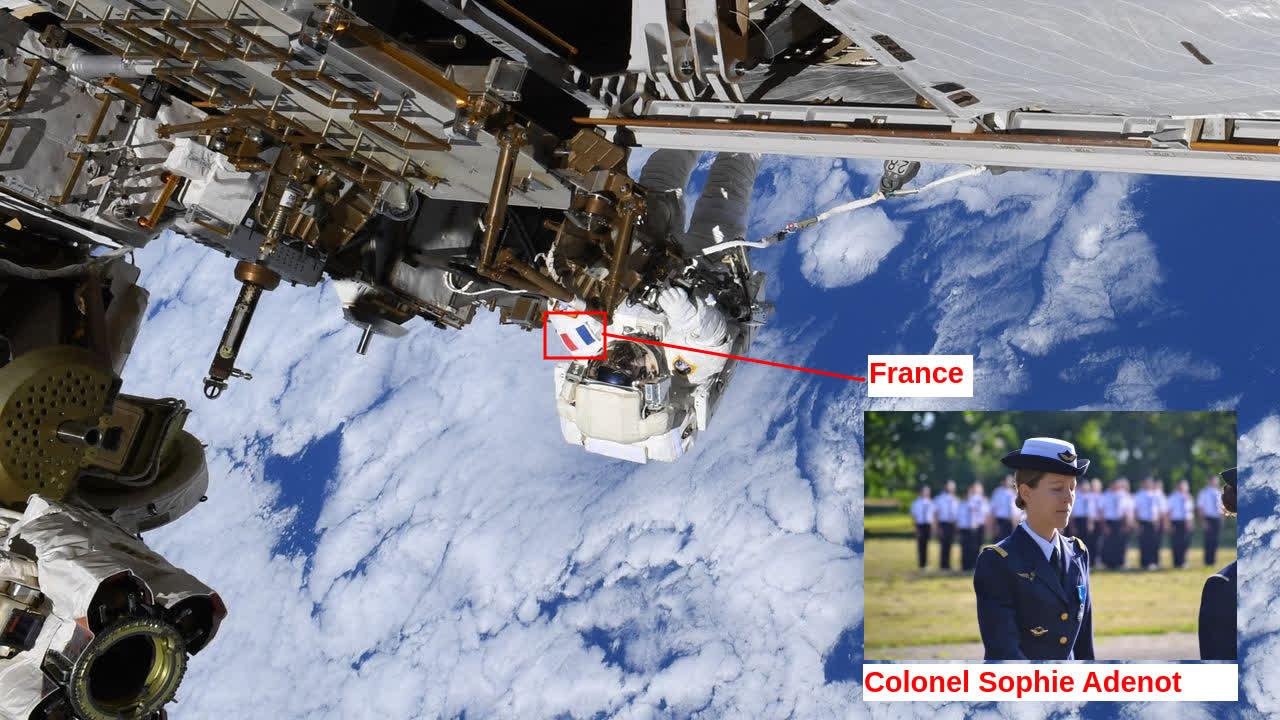
The International Space Station is a big military operation. A current space walk includes a colonel from France.
Most ISS crew, past and present, are either in the military now, or are called "civilians" who began their careers in the military and "retired" before joining the space program. But the majority have connections to the militaries of various nations.
A Harvest Moon
Credits: Jean-FrancoisGraffand
#nature #space #astrophotography

Alt...
A Harvest Moon
![[?]](https://files.mastodon.online/accounts/avatars/109/298/185/928/165/179/original/8ed3da9f519c2f00.jpg)
The Roman Telescope Promises a New Era of Cosmic Exploration.
NASA’s latest offering to the stars comes from a legacy of great observatories that enabled decades of discovery and unearthed new mysteries about the universe.
https://www.nytimes.com/2026/08/28/science/nasa-nancy-grace-roman-space-telescope.html #globalmuseum #Space #NASA
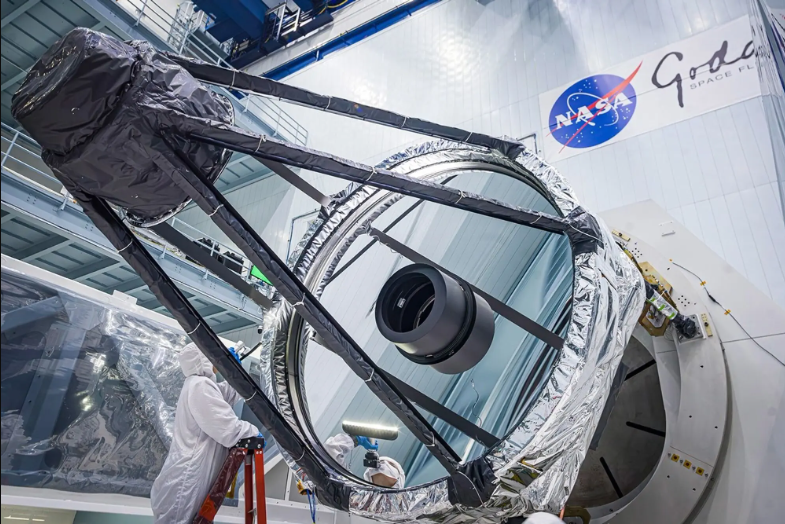
Alt...
Inspecting the surface of the Nancy Grace Roman Space Telescope’s primary mirror. It will join the Hubble, James Webb and other space observatories when it launches from Cape Canaveral on Sunday.
Credit. Chriss Gunn/NASA
The Tarantula and the Supernova
Credits: Anglo-Australian Telescope, Anglo-Australian TelescopeBoard
#nature #space #astrophotography

Alt...
The Tarantula and the Supernova
A Sagittarius Starscape
Credits: AAO, ROE, UKS Telescope
#nature #space #astrophotography

Alt...
A Sagittarius Starscape
Asperitas Clouds Over New Zealand
Credits: Witta Priester
#nature #space #astrophotography

Alt...
Asperitas Clouds Over New Zealand
The Center of Centaurus A
Credits: E.J. Schreier, AUI, Hubble, #NASA
#nature #space #astrophotography

Alt...
The Center of Centaurus A
WR124: Stellar Fireball
Credits: U. Montreal, WFPC2, HST, #NASA
#nature #space #astrophotography

Alt...
WR124: Stellar Fireball
Mercury on the Horizon
Credits: Juan Carlos Casado
#nature #space #astrophotography

Alt...
Mercury on the Horizon
![[?]](https://files.mastodon.social/accounts/avatars/110/441/535/131/897/219/original/0ddf9d4dd12a5dee.png)
How Old is the Universe? #space #universe
https://www.youtube.com/shorts/OD080CO3NPM
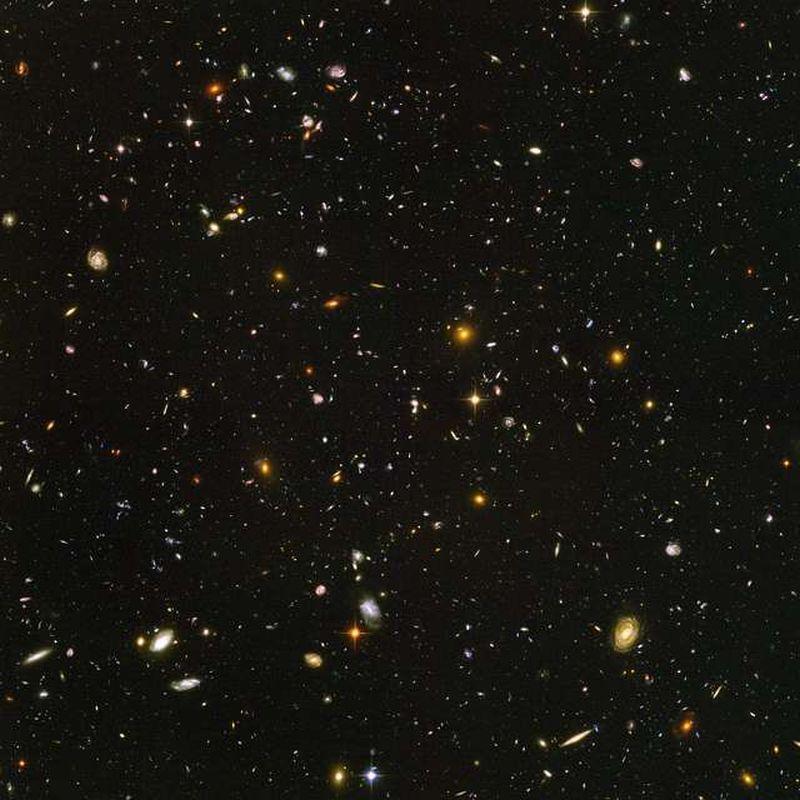
Alt...
This photograph is of the Hubble Ultra-Deep Field (HUDF) and contains about 10,000 galaxies.
![[?]](https://files.mastodon.social/accounts/avatars/000/449/710/original/8ed6e2fe8ddf696b.jpg)
Cosmos pendant : an entire meteorite collection in a single little glass universe. Tiny fragments of the Moon, Mars, asteroid Vesta, a comet, and others.
Each unisex pendant is hand crafted by me and comes with an acrylic gemjar case, label, and info sheet.
#meteorite #meteorites #jewelry #cosmos #space

Alt...
A glass pendant vial filled with meteorite fragments and green peridot crystals. It has a silver bail and is shown next to a black centimeter scale cube. More details and photos are available at the link in the post.
Mercury and Crescent Moon Set
Credits: Miguel Claro, TWAN, Dark Sky Alqueva
#nature #space #astrophotography

Alt...
Mercury and Crescent Moon Set
A Kalahari Sky
Credits: Petr Horálek
#nature #space #astrophotography

Alt...
A Kalahari Sky
![[?]](https://files.mastodon.social/accounts/avatars/110/663/880/262/592/750/original/fb203a31eb16c3dd.png)
Despite discovering more than 6000 exoplanets, actually taking a picture of one remains a challenge.
That challenge was the focus of a recent SETI Live conversation, where host Dr. Franck Marchis spoke with SETI Institute senior scientist Dr. Margaret Turnbull about NASA's upcoming Nancy Grace Roman Space Telescope and the revolutionary coronagraph instrument she helps lead.
Learn more: https://www.seti.org/news/hide-the-star/
![[?]](https://media.mstdn.social/accounts/avatars/000/005/168/original/c85be6683862c045.png)
Made these last night! More photos and full resolution (+download) here
https://stux.photos/p/light-from-a-long-time-ago
#Dwarf3 #space #galaxy #universe
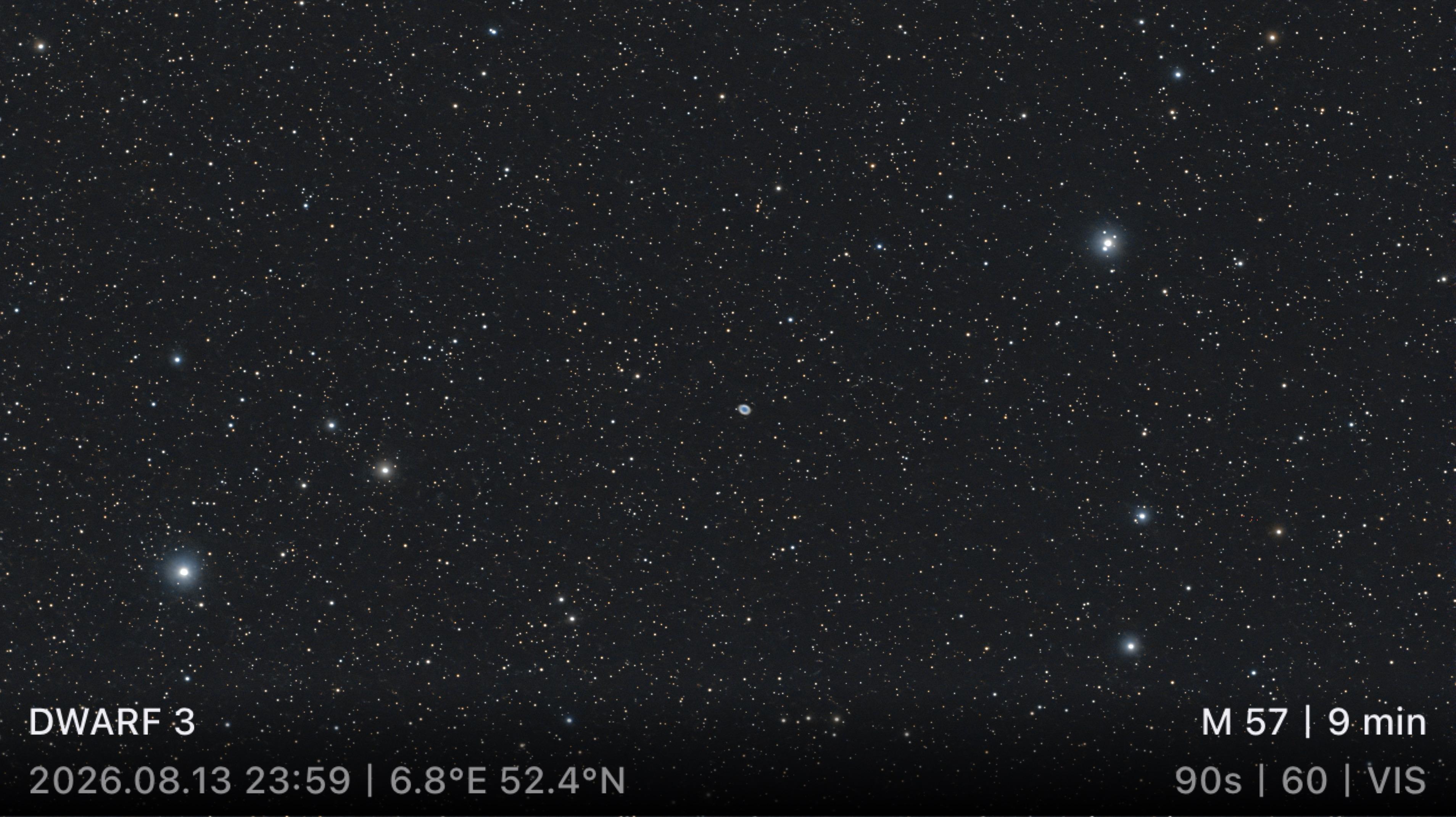
Alt...
Dwarf 3 M57 photograph
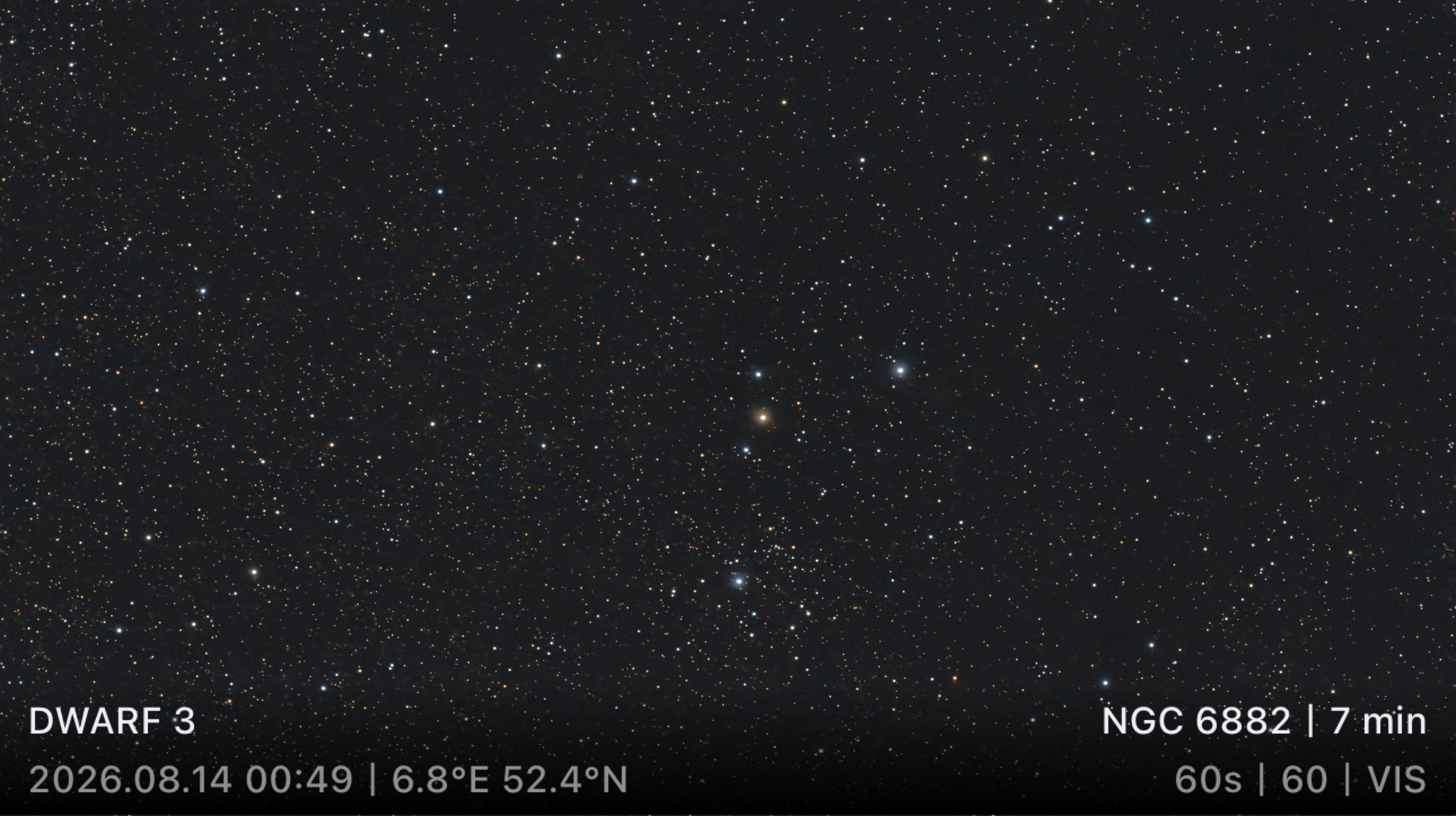
Alt...
Dwarf 3 NGC 6882 photograph
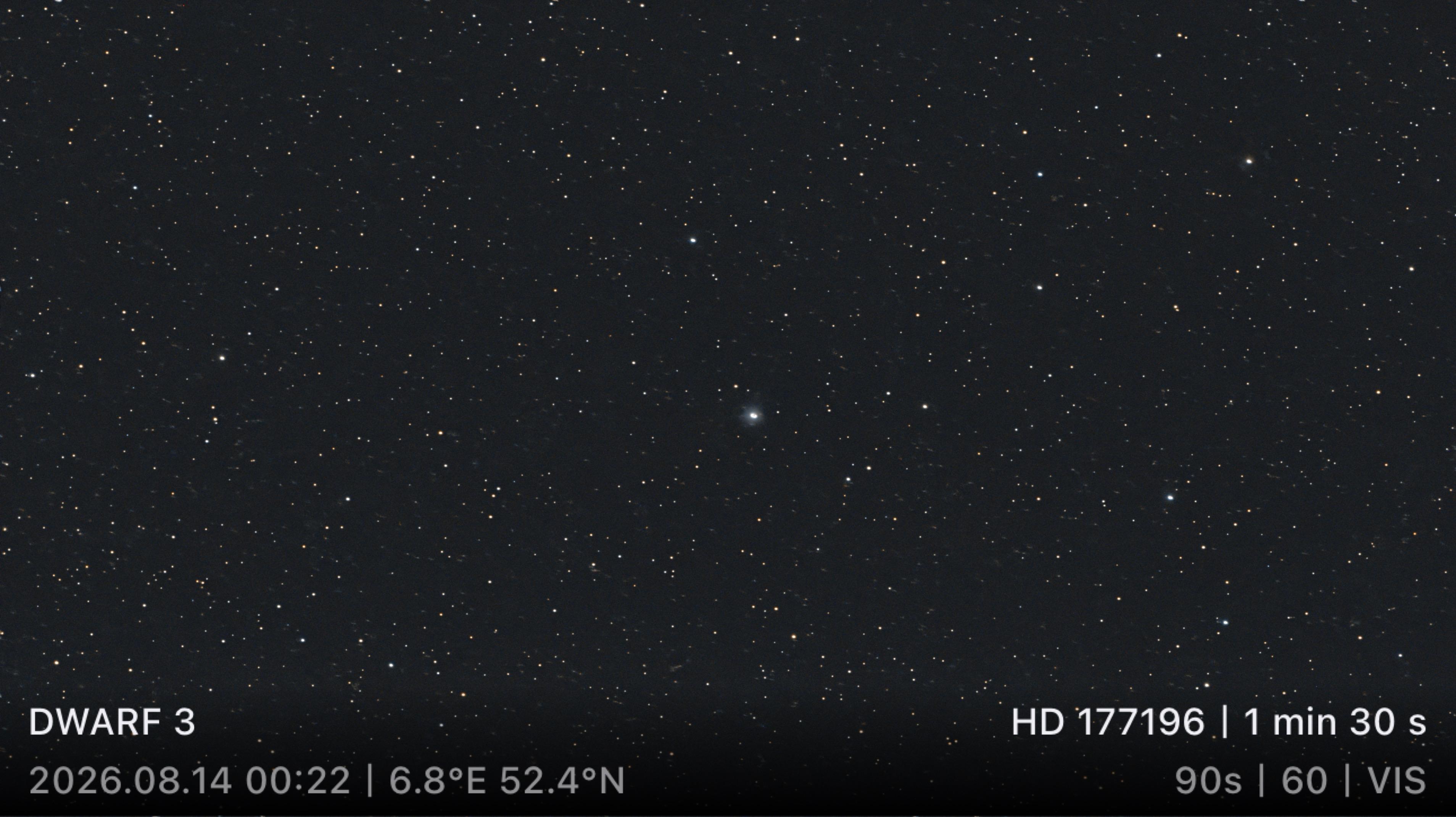
Alt...
Dwarf 3 HD 177196 star photograph
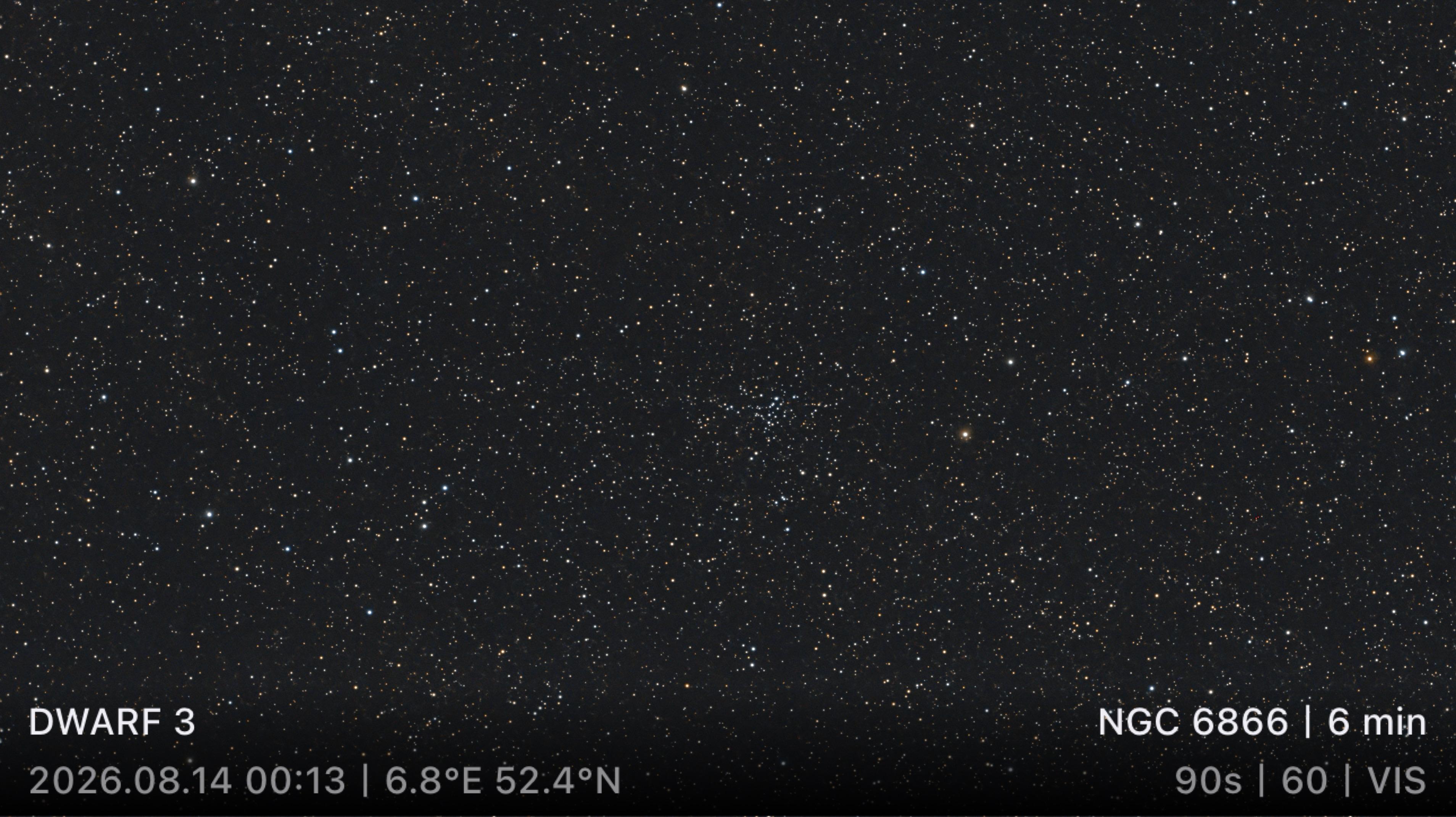
Alt...
Dwarf 3 NGC 6866 photograph
![[?]](https://cdn.masto.host/graphicssocial/accounts/avatars/110/854/990/838/032/375/original/9cfb5f3bbd877b4f.png)
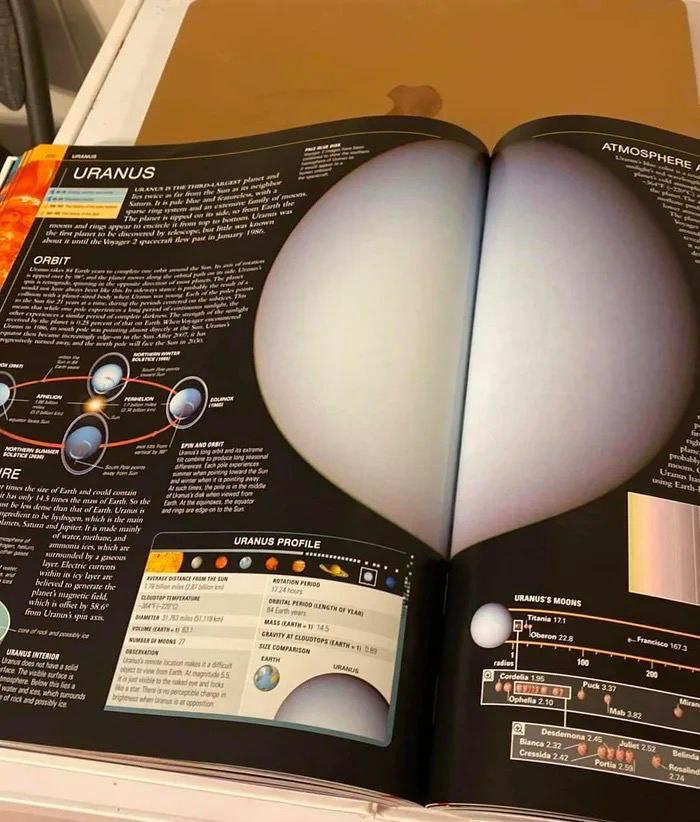
How much faster than Voyager 1 do you think humans could make a similar mass probe? Voyager was slungshot around Jupiter and Saturn... could we take a mission closer to pick up more energy or swing it back and do a second, third, fourth pass?
Is there an upper limit? I don't think friction is an issue.
Fun note, Voyager 2 got a third gravitational assist from Uranus and was going faster but they slowed it down using Neptune to get close to the moon Triton.
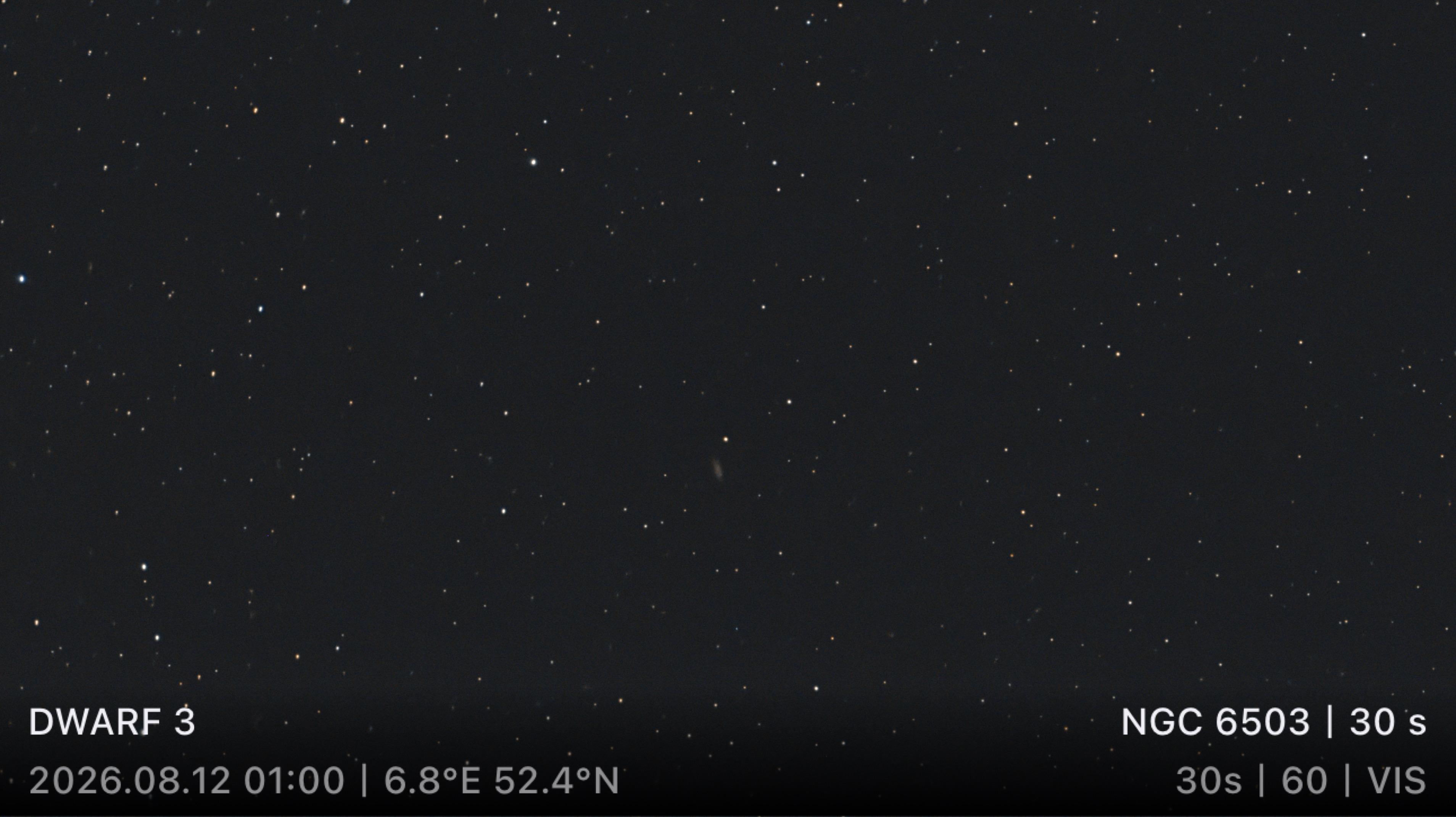
Made these last night
HD 171872 (near Vega) & NGC 6503(Lost-In-Space)
All photos and full res here:
https://stux.photos/p/a-starry-night
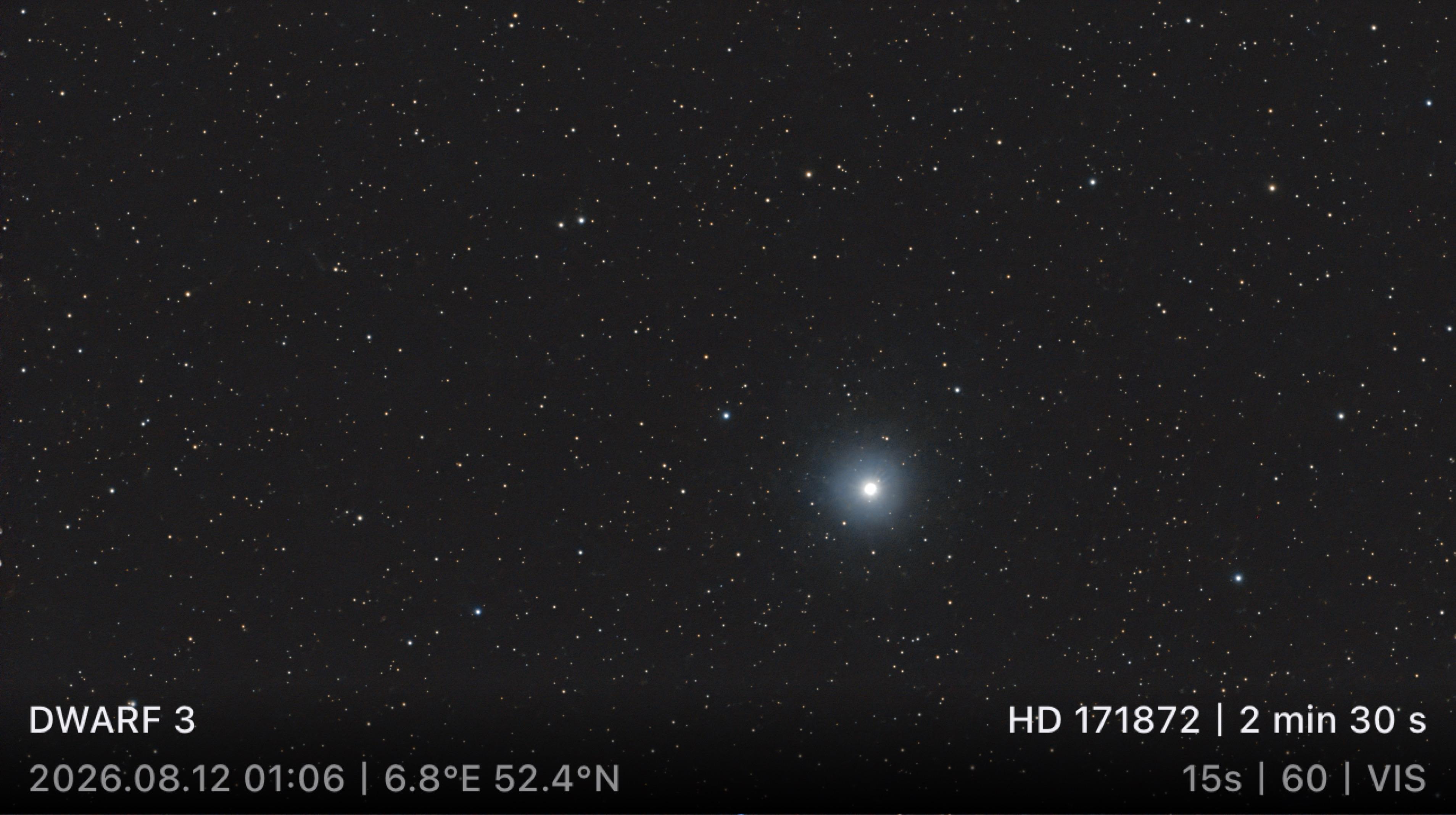
Alt...
HD 171872 (near Vega)
Alt...
NGC 6503(Lost-In-Space)
Polaris Dust Nebula
Credits: Hidden Valley Observatory, Universityof Toledo
#nature #space #astrophotography

Alt...
Polaris Dust Nebula
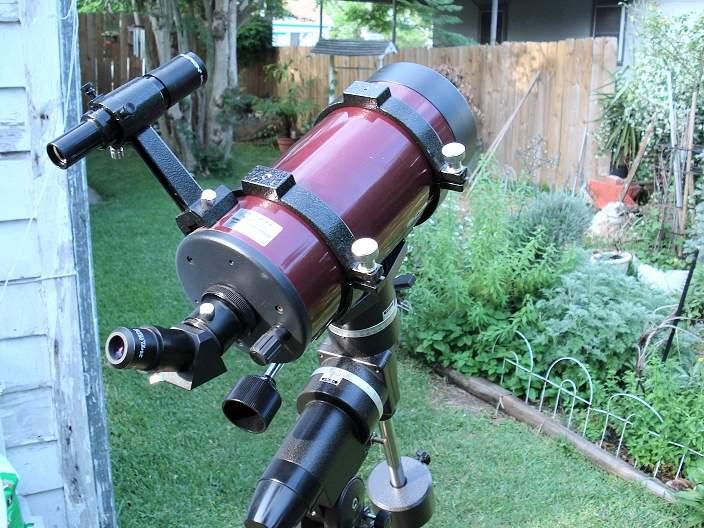
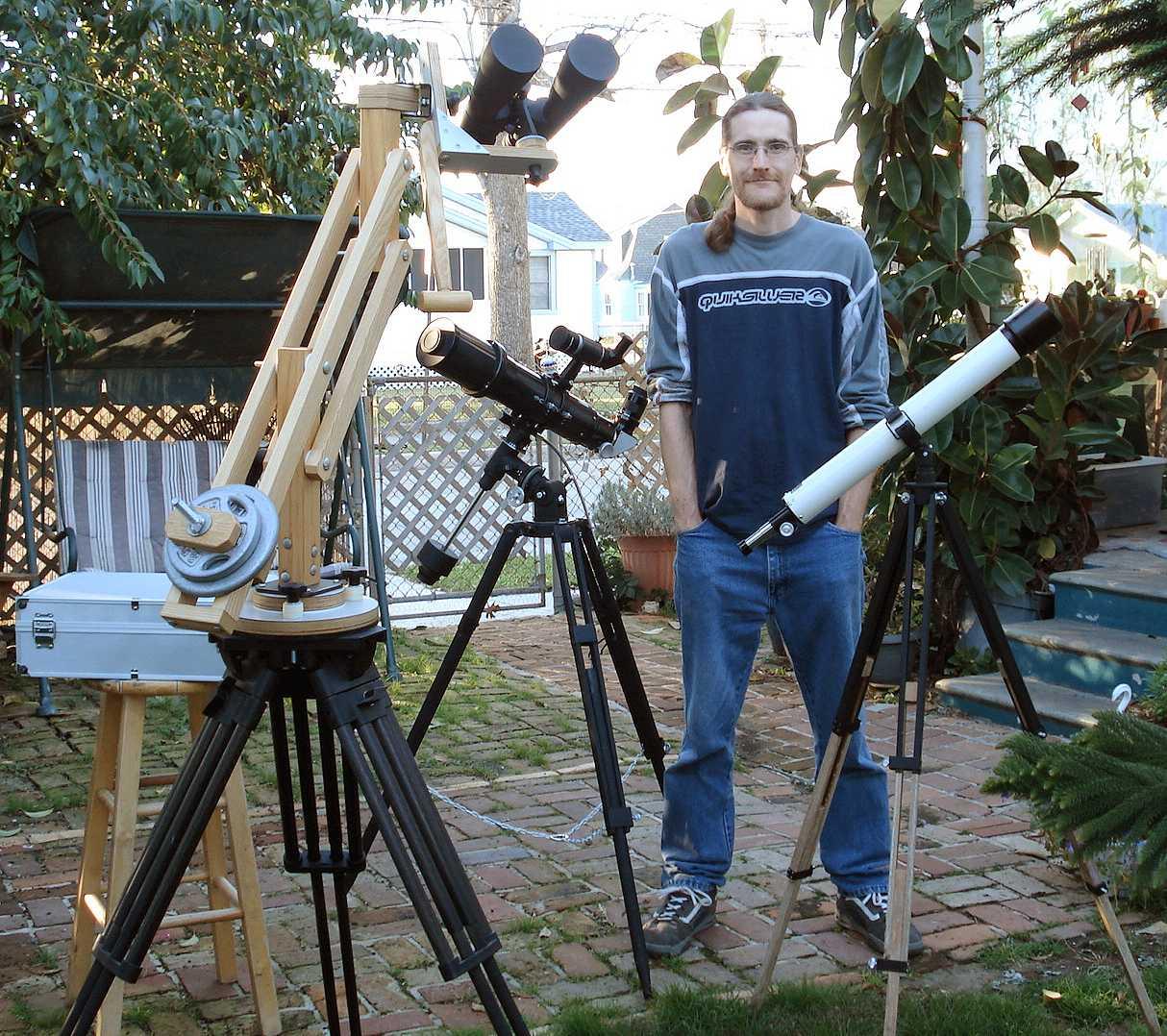
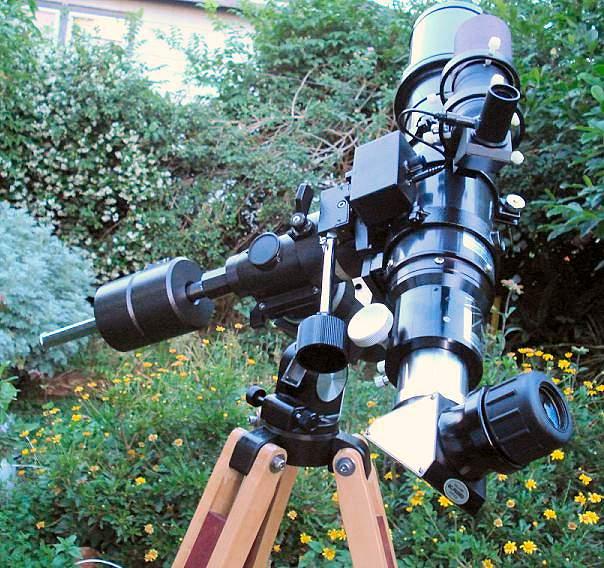
(1/2) At one time in the early aughts, I had backyard observatory and dozens of antique telescopes and binoculars.
I spent hundreds (thousands?) of hours looking at the stars, planets, and deep sky objects. My favorite observing targets were dense star fields and open clusters.
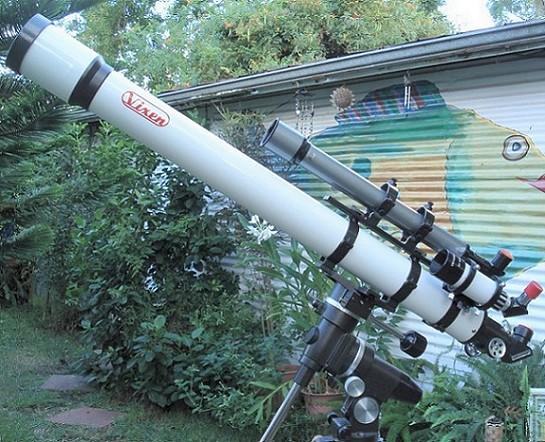
I did my best observing with 25x100 binocular, a 75mm Vixen long-tube achromat, and a 150mm Mak. I had a whole lineup of Naglers and Lanthanums.
#astronomy #stargazing #telescope #binoculars #astrophotography #space
Alt...
Orion 150mm Mak on a modified Vixen Super Polaris GEM.
Alt...
Your humble host showing off for a profile in an astronomy magazine. In the photo : 15x70mm Skymaster binocular on a custom Astrowood parallelogram mount, Orion 100mm achromat on a Vixen Polaris GEM, and an antique Mayflower f/15 achromat (Japan) on a cheapie Alt-Az mount.
Alt...
Heavily-modded and tuned Orion 100mm f/6 achromat, University Optics 50mm illuminated finder on a motorized Vixen Super Polaris GEM. This scope was the subject of a magazine article about modifying off the shelf scopes with bespoke components. This one was decked out with custom diagonal, focuser, stepper motor, heavy walnut tripod with dampeners, and the lens cell had been expertly hand collimated by a respected optics expert. I miss this scope.
Alt...
Another modded rig. I miss this one the most. Invested a lot of time and money into this setup.
Vixen 75mm f/15 achromat with custom focuser. Asahi-Pentax 50mm guidescope, University Optics 50mm finder, Vixen Super Polaris GEM.
This scope was razor sharp and could sustain gorgeous APO-like lunar views at 200x with almost zero color fringing.
![[?]](https://files.mastodon.online/accounts/avatars/108/195/206/593/034/058/original/f54f94b2f34b83a8.jpeg)
RE: https://mastodon.online/@Pepijn/117078293295765190
#eclipse suggestion & request: how'bout we create a stream of tagged eclipse photos (taken just when the sun is most hidden) of tomorrow's eclipse!
Post consisting of a photo (showing the eclipsed sun), time of maximum eclipse for your location* and the name of the location.
Use hashtag #EclipseStream
Please boost so more people join! Might become a nice timelapse!
*look it up @ https://www.timeanddate.com/eclipse/in/@2750432?iso=20260812
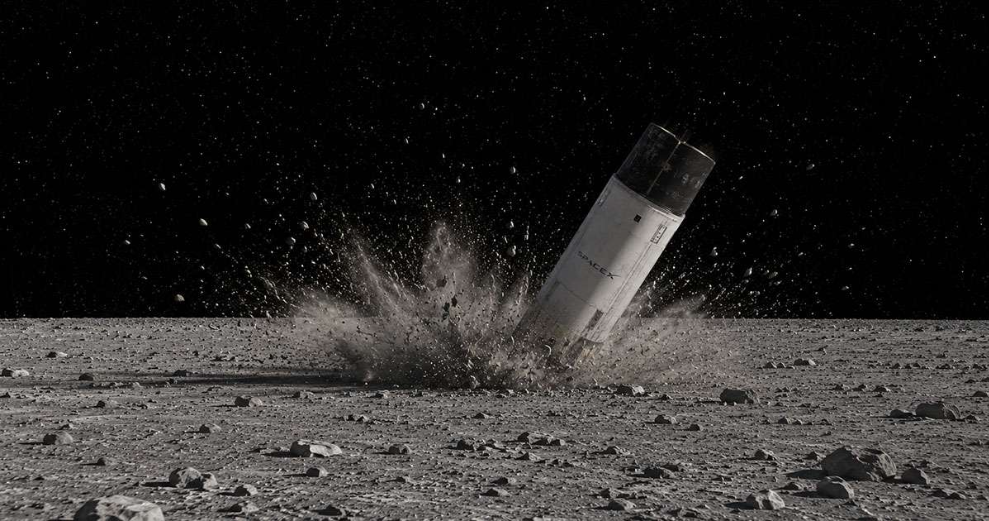
SpaceX has confirmed that the Falcon 9 upper stage, which smashed into the Moon today, had recently been fitted with Tesla’s latest Full Self Driving software, describing the collision as “an unfortunate edge case” that would make future rockets significantly less likely to drive directly into the Moon.
https://newsthump.com/2026/08/05/spacex-rocket-crashed-into-moon-after-being-equipped-with-teslas-full-self-driving-mode/ #globalmuseum #satire #humour #humor #Space
Alt...
SpaceX's Falcon 9 stage crashing into the Moon
Planetary Nebula NGC 2818 from Hubble
Credits: #NASA, ESA, Hubble Heritage Team, STScI, AURA
#nature #space #astrophotography

Alt...
Planetary Nebula NGC 2818 from Hubble
Moonset, Planet Earth
Credits: STS-35, #NASA
#nature #space #astrophotography

Alt...
Moonset, Planet Earth
Voyager I is about to reach 1 light day away from Earth.
In about 1.29 million years Gliese 710, a star approaching our solar system, will pass within 61 light days of Earth.
Voyager I would make that distance in just 3050 years and we weren't trying to max out its speed.
For all this talk of stars being too far to reach, I reckon we could do that in 300 years or even less if we really wanted.
Apollo 17 in 1972 brought back 110kg of Moon dirt. That seems like a lot, you know? How much do we really need?
![[?]](https://cdn.masto.host/appdotnet/accounts/avatars/000/001/724/original/49bf6896793e8c66.png)
![[?]](https://cdn.fosstodon.org/accounts/avatars/109/243/412/522/182/078/original/3806e04aa7a61fea.jpg)
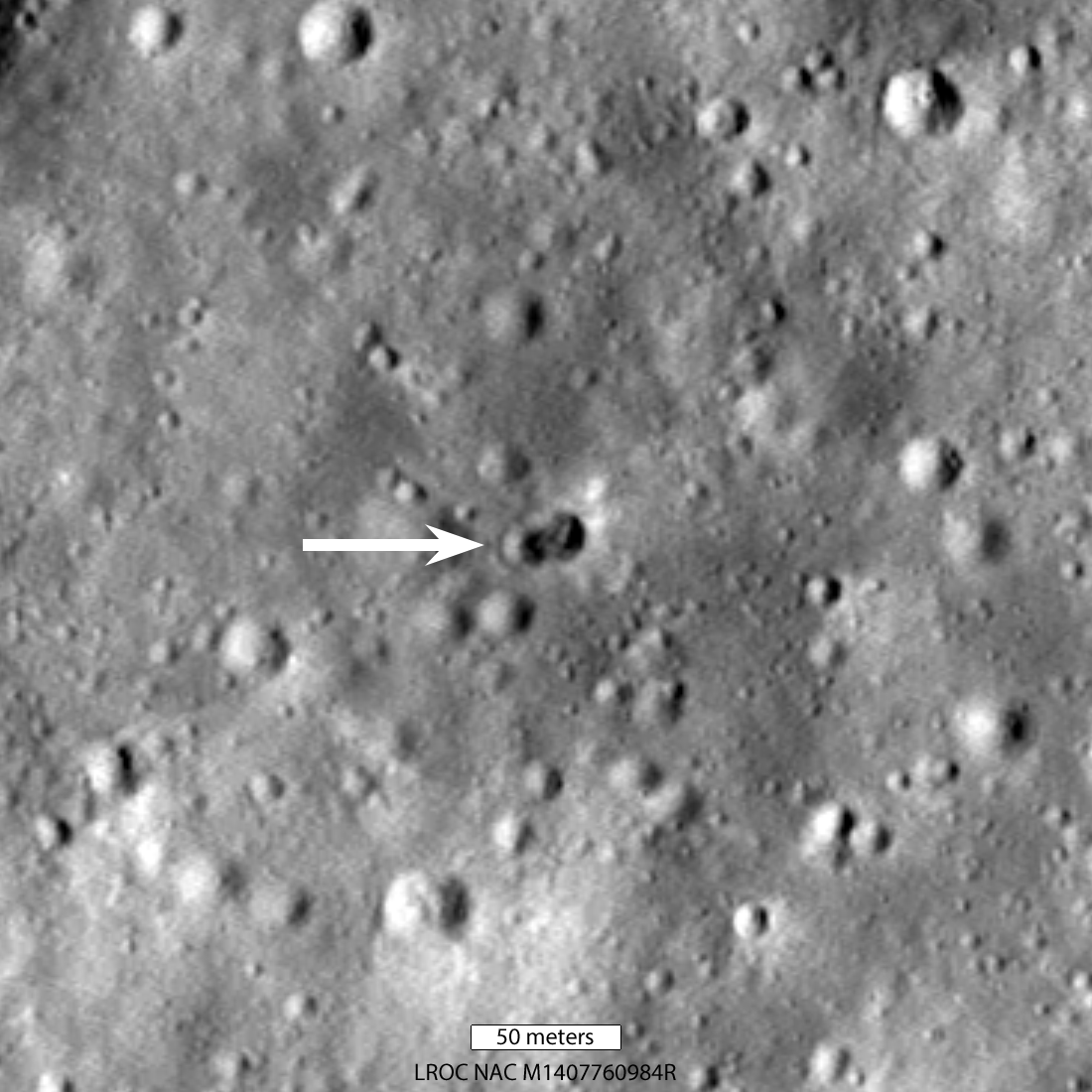
This is an image of the double crater formed due to the crash of a rocket upper stage on March 4, 2022.
The impact site was inside Hertzsprung Crater on the far side of the moon.
Early speculation held that it was likely the upper stage of the SpaceX Falcon 9 rocket that launched the DSCOVR mission for NASA in 2015. Later, scientists concluded that the rocket body was probably part of the Long March 3 booster that launched China's Chang'e 5-T1 in 2014.
https://www.nasa.gov/missions/lro/nasas-lunar-reconnaissance-orbiter-spots-rocket-impact-site-on-moon/
#Space
3/n
Alt...
A rocket body impacted the Moon on March 4, 2022, near Hertzsprung crater, creating a double crater roughly 28 meters wide in the longest dimension.
LROC NAC M1407760984R; image enlarged 3x
Image taken by NASA's Lunar Reconnaissance Orbiter (LRO).
Credits: NASA/Goddard/Arizona State University
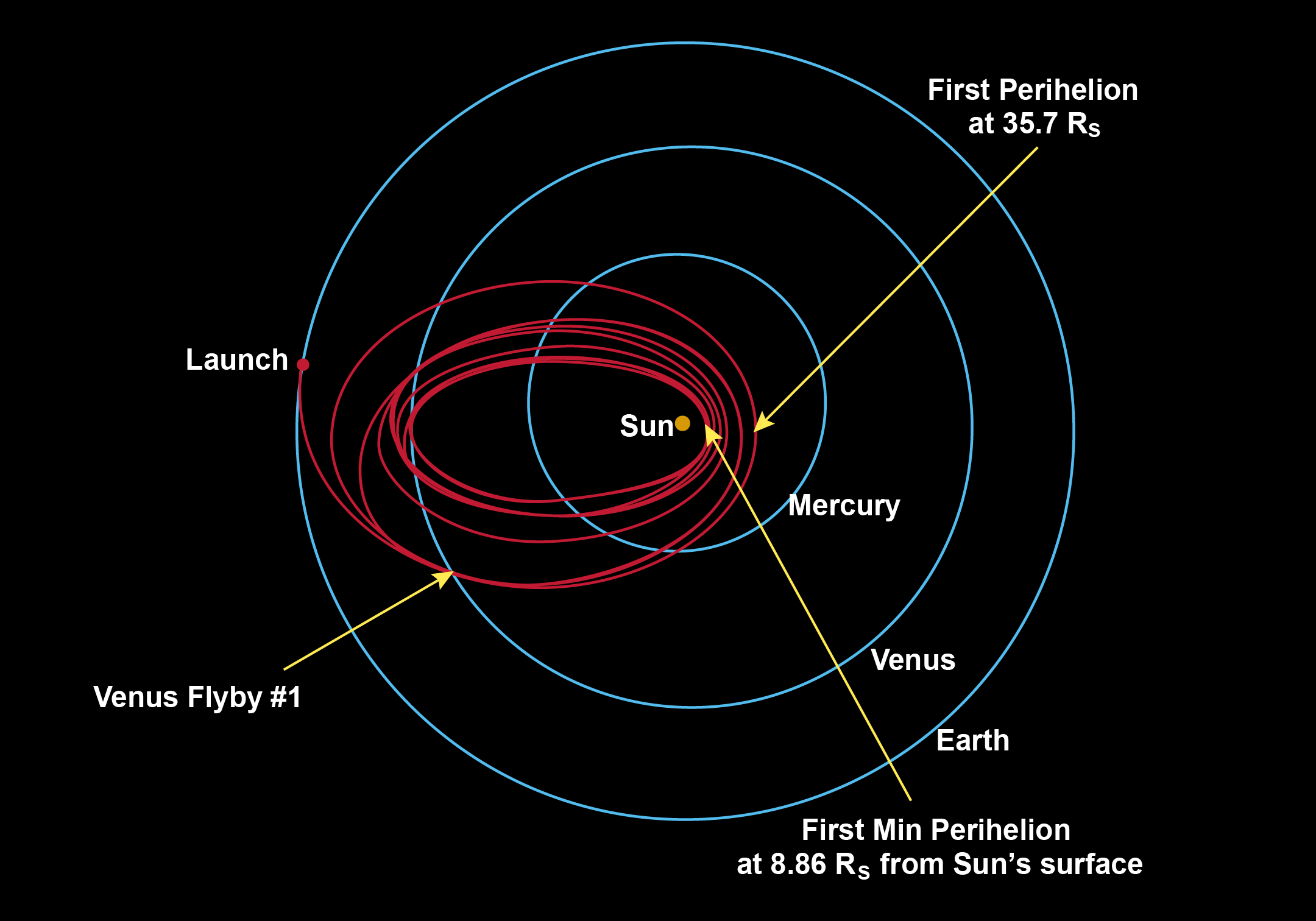
Let's take a moment to appreciate the Parker Solar Probe
Currently it's by FAR the fastest human made object ever, with an incredible 635,000 kilometers per hour, the peak velocity is roughly 0.064% the speed of light
- Around Earth in about 4 minutes
- To the moon in about 36 minutes
https://parkersolarprobe.jhuapl.edu/The-Mission/index.php
Alt...
Launch: August 12, 2018 at 3:31 a.m. EDT (7:31 UTC)
Venus Flyby: Oct. 3, 2018 at 4:44 a.m. EDT (08:44 UTC)
First Perihelion: Nov. 5, 2018 at 10:27 p.m. EST (Nov. 6, 2018 at 03:27 UTC)
Beijing Ancient Observatory
Credits: Judy Tobin
#nature #space #astrophotography

Alt...
Beijing Ancient Observatory
Triton: Neptunes Largest Moon
Credits: Voyager, #NASA
#nature #space #astrophotography

Alt...
Triton: Neptunes Largest Moon
NGC 2403 in Camelopardalis
Credits: Subaru Telescope, NAOJ, Hubble Legacy Archive, Robert Gendler
#nature #space #astrophotography

Alt...
NGC 2403 in Camelopardalis
Europa's Ice Rafts
Credits: Galileo Project, #JPL, #NASA
#nature #space #astrophotography

Alt...
Europa's Ice Rafts
![[?]](https://media.mas.to/accounts/avatars/109/305/969/366/397/563/original/125154463787e947.png)

In April, NASA turned off one of the few remaining functional instruments. They have been slowly disabling them since 1998, because of limited power/use at various ranges.
Think about that for a moment…
It launched almost 50 years ago, in 1977. And we are STILL able to communicate with it. Expectedly until 2036. And this with our technology knowledge at the time.
Unless it collides with something or is retrieved, it will reach the Oort Cloud in about 300 years. It will take about 30k years to pass through it.
All of this blows my mind.
Deep Auriga
Credits: Tunç Tezel, TWAN
#nature #space #astrophotography

Alt...
Deep Auriga
Saturn: Light, Dark, and Strange
Credits: Cassini Imaging Team, ISS, #JPL, ESA, #NASA
#nature #space #astrophotography

Alt...
Saturn: Light, Dark, and Strange
Russians and Americans return together from space (from the ISS - International Space Station).
They can work together in space, so what's the problem on Earth?
They appear so weak, as if handicapped, returning to gravity and feeling the heavy burden of their flesh covering.
Transmission of the landing of the lander of the Soyuz MS-28 spacecraft
https://vkvideo.ru/live-30315369_456244957
Aurora Over Clouds
Credits: Sigurdur H. Stefnisson
#nature #space #astrophotography

Alt...
Aurora Over Clouds
RE: https://universeodon.com/@revesdespace/116995974906731067
The spacex starship that stayed intact during its splash landing instead of hovering and then exploding as they planned is still chilling off the coast of Australia and (I'm no rocket expert) but they can't really go near it or tow it because it is too dangerous but also it's too valuable to leave there... this sort of problem doesn't happen every day!
MyCn18: An Hourglass Planetary Nebula
Credits: #JPL, WFPC2, HST, #NASA
#nature #space #astrophotography

Alt...
MyCn18: An Hourglass Planetary Nebula
![[?]](https://files.mastodon.social/accounts/avatars/115/967/890/192/375/774/original/79861f67f1d57c00.png)
@elsua54 Agree. But times change...
And one day you find:
The #space has been quite dead at any deeper level.
A few #conversations but suddenly the real thinking is just dead (left to those who already left) and it just disappears and people fill it with mainstream media news to trigger ourselves with.
The attitude to "get out of the way" may have worked when there was plenty of people but there's no-one & nothing to #facilitate - mostly #tech-orientated #computer-facing-#linux #zombies.
Io in True Color
Credits: #NASA, #JPL, Galileo Project
#nature #space #astrophotography

Alt...
Io in True Color
![[?]](https://m-cdn.flipboard.social/accounts/avatars/110/068/762/697/825/294/original/d3f34437c275e777.jpg)
Could alien signals be hiding in old telescope data? Researchers are looking beyond the radio frequencies they’ve focused on for decades and focusing on narrow-band signals. @Gizmodo has more, including why scientists are excited about this new approach:
A Long March 3B rocket launched today from China's Xichang Satellite Launch Center was struck by lightning shortly after launch.
The mission was not affected; the (TDRS-like) data relay satellite was placed correctly into its geostationary transfer orbit.
Source: https://bsky.app/profile/cosmicpenguinov103.bsky.social/post/3mrcwkiup4s2o
#Space
1/n
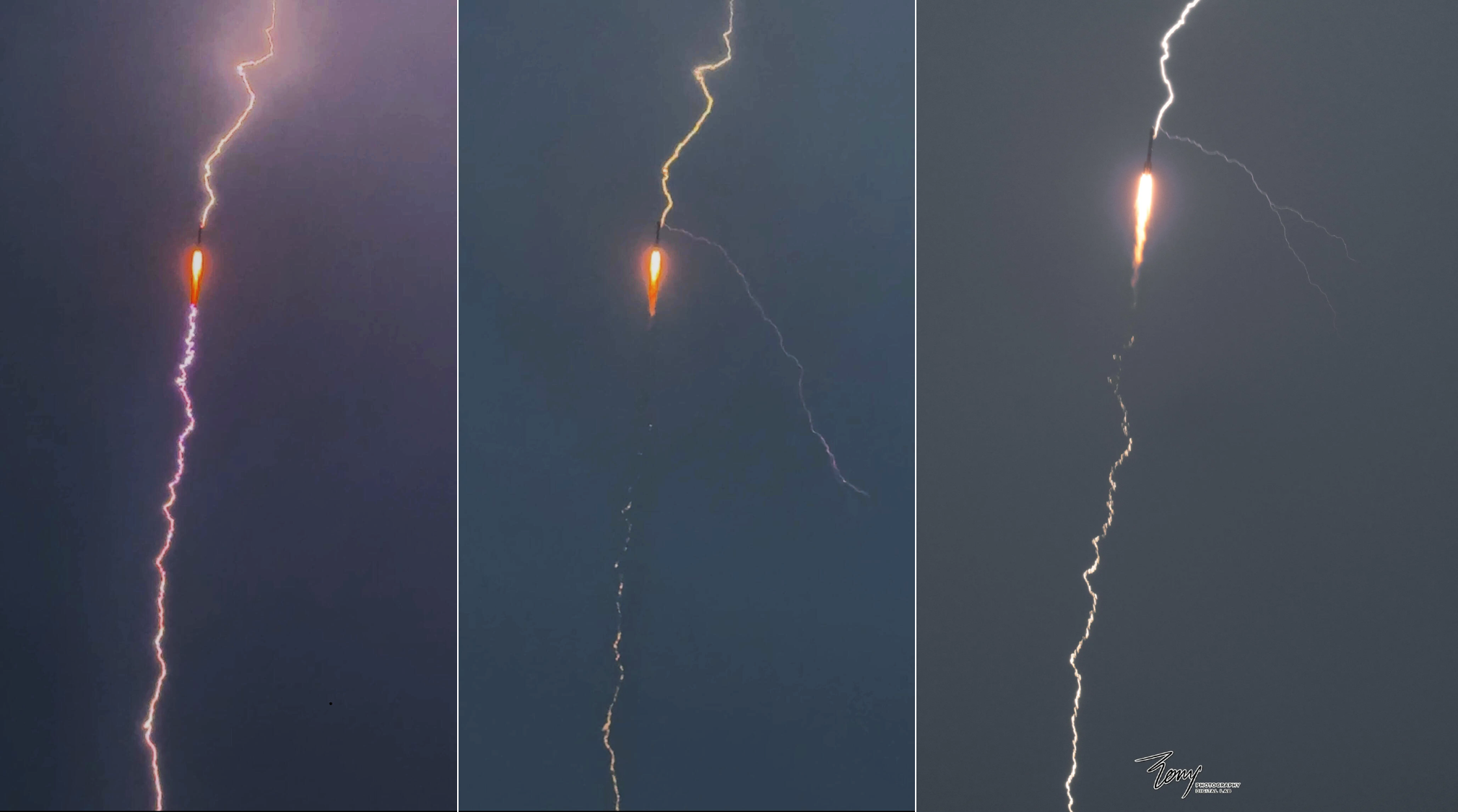
Alt...
3 pics of the rocket when it was struck by lightning
![[?]](https://files.mastodon.online/accounts/avatars/108/205/246/964/977/467/original/4424e2b58a39cf2b.jpg)
Sounds fake, isn’t: Musk & Bezos are trying to be super villains who are considering killing us all.
“…scientists fear…pollution [caused by Musk & Bezos’ space based data centers] could destroy ozone layer…”
Killing all human life. Can’t human without an ozone layer helping protect from solar radiation.
Could be comparable to Permian-Triassic Extinction: killing 96% of marine species & 70% of terrestrial vertebrates would be bad.
https://www.theguardian.com/science/2026/jul/23/space-datacenters-bezos-blue-origin
![[?]](https://files.mastodon.social/accounts/avatars/116/374/382/279/644/562/original/362b29fef04189ab.png)
@gruby I see all #business as a similar bad #exchange of #material, people's #time, #space etc.
Money as a main tool of business strips all things in the same mono-thinking way.
If people understood #money #banks #business they would use less money and more their mind for the #future.
Not waiting for trees to fall and giving money / #tax to people that strip us of everything while barely keeping us and nature alive only to use us again...).
Hard decision when paid a job to cut those tree$.
![[?]](https://files.mastodon.social/accounts/avatars/108/194/890/308/088/987/original/7f8991c4f522b4ec.jpg)
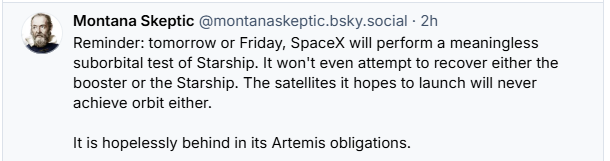
If you're a fan of all things Space, you'll be thinking right now that rather than taking us "Multiplanetary", Elon Musk is taking us nowhere.
He's a grifter.
#SpaceXIPO #SpaceX #Space #Spaceflight #Artemis #Multiplanetary #ElonMusk #Musk
Alt...
Montana Skeptic @montanaskeptic.bsky.social - 2h
a Reminder: tomorrow or Friday, SpaceX will perform a meaningless
suborbital test of Starship. It won't even attempt to recover either the
booster or the Starship. The satellites it hopes to launch will never
achieve orbit either.
Itis hopelessly behind in its Artemis obligations.
Pluto's Bladed Terrain
Credits: #NASA, Johns Hopkins Univ./APL, Southwest Research Institute
#nature #space #astrophotography

Alt...
Pluto's Bladed Terrain
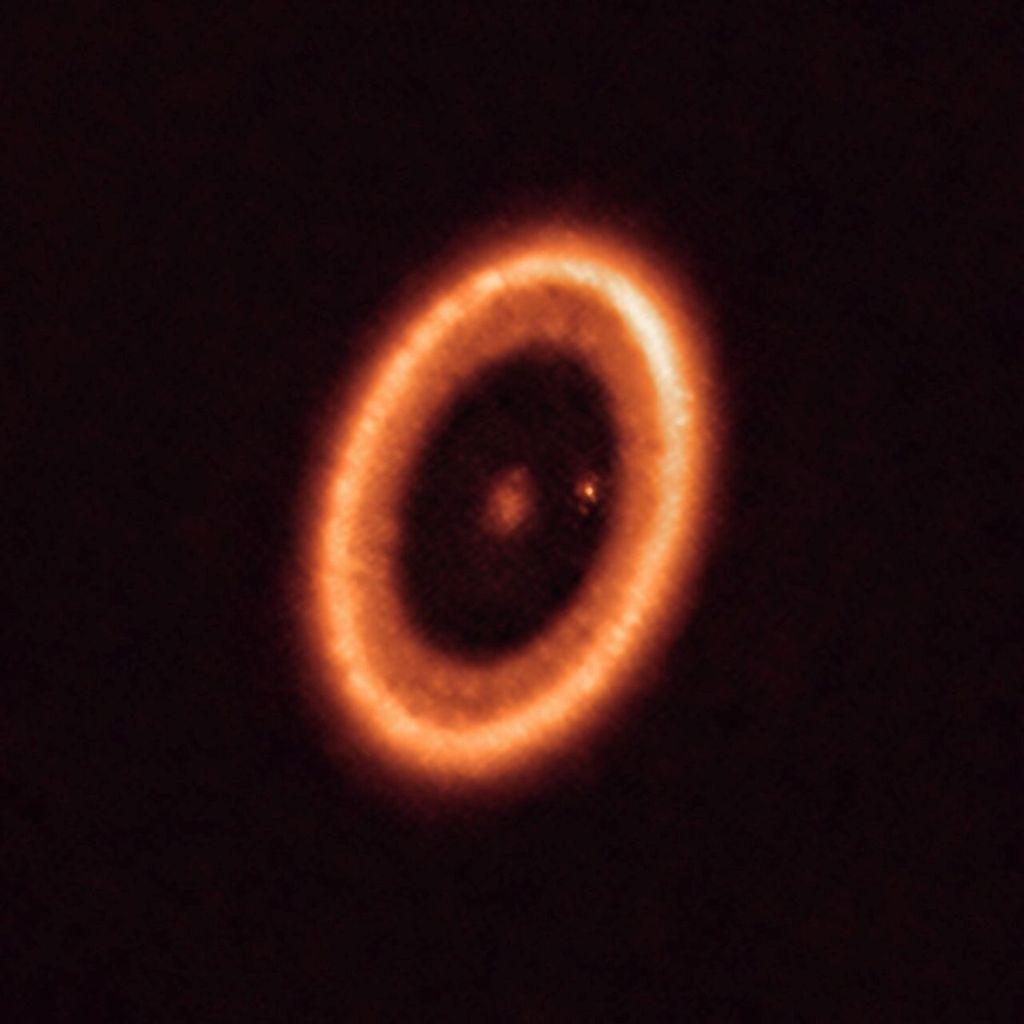
#PPOD: This image is quite extraordinary, and it's not the big disk that's attracting the most attention. Although the planet PDS 70c (just inside the disk) is newly formed and, interestingly, similar in size and mass to Jupiter, it's the fuzzy patch around it that's causing the commotion. That fuzzy patch is thought to be itself a dusty disk that is now forming into moons -- and that has never been seen before. Credit: ALMA (ESO/NAOJ/NRAO)/Benisty et al.
Alt...
An orange circumstellar disk around a star. The disk is bright with a dusty inner ring. At the three o'clock position is a bright spot just inside the dust -- a Jupiter-sized exoplanet. There is a faint haze around the planet where a moon could be forming.
![[?]](https://media2.ai6yr.org/accounts/avatars/109/321/592/360/914/018/original/f918064fa4350d36.jpg)
SPACE SUGAR
AP: In a sweet discovery, astronomers find sugar lurking in the space between stars
https://apnews.com/article/erythrulose-interstellar-medium-sugar-357144f4d69449b29dff17271ccd0dcd

NGC 1055 Close-up
Credits: Robert Gendler, RobertoColombari, European Southern Observatory, Subaru Telescope (NAOJ)
#nature #space #astrophotography

Alt...
NGC 1055 Close-up
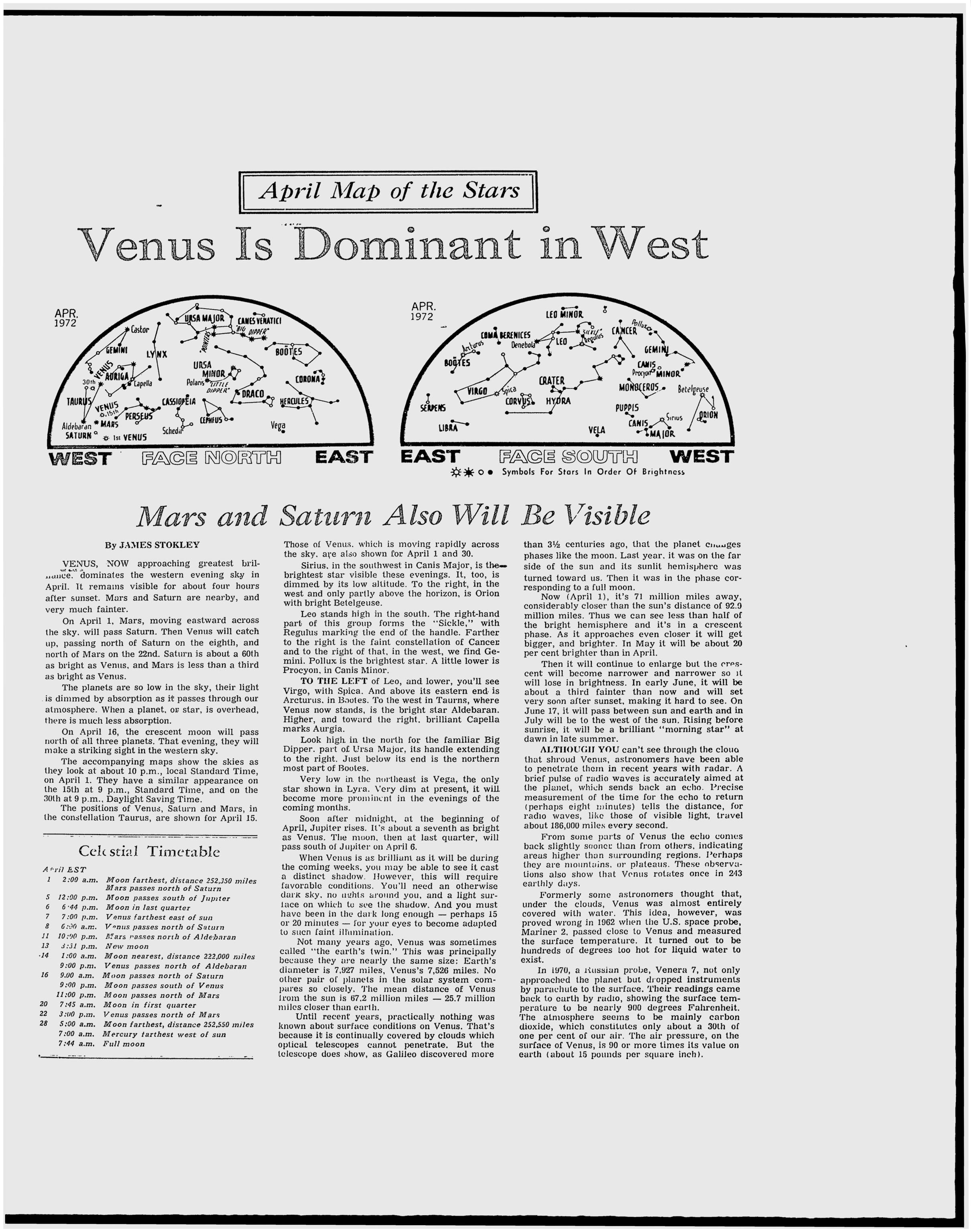
"Not many years ago, Venus was sometimes called 'the earth's twin.' This was principally because they are nearly the same size..."
But the planet is a mystery.
"... it is continually covered by clouds which optical telescopes cannot penetrate."
In 1970, a Russian probe, Venera 7... dropped instruments by parachute to the surface... They say it is extremely hot, nearly 900 degrees F.
Source:
Reading Eagle
26-Mar-1972