Search results for tag #scripture
![[?]](https://files.mastodon.social/accounts/avatars/113/457/650/659/369/407/original/22a92e67207c10a2.jpg)
Christ transforms our earthly skills into tools for eternal purpose when we listen to His call to "Follow Me, and I will make you fishers of men" (Matthew 4:19 NKJV).
https://discord.gg/Knk4bCXKwG
https://youtube.com/shorts/EyttXC9RuDI?feature=share
![[?]](https://files.mastodon.social/accounts/avatars/116/374/382/279/644/562/original/362b29fef04189ab.png)
Sharing Bible verses can be a powerful way to inspire and uplift others. One verse that resonates with many is Philippians 4:13, "I can do all things through Christ who strengthens me." This verse reminds us of the strength we can find in our faith. What are some of your favorite verses? #BibleVerses #Inspiration #Faith #Scripture #Encouragement
Bible prophecy reveals insights about future events that have fascinated believers for centuries. These scriptures offer a window into divine plans and human history.
#Bible #Prophecy #Faith #Scripture #Future

When final trumpet sounds cause other people to be stunned, believers can overcome fear by standing firm in the promise that "you will be saved" if you believe in God and confess that Jesus is Lord (Romans 10:9).
#Christian #Christianmemes #Biblememes
https://discord.gg/Knk4bCXKwG
https://youtube.com/shorts/_CqCStn70hk?feature=share
Studying scripture can deepen our understanding of faith and provide guidance in daily life. It's important to approach it with an open heart and mind. Many find that regular study leads to personal growth and clarity. How do you incorporate scripture study into your routine? #BibleStudy #Faith #SpiritualGrowth #DailyDevotion #Scripture
Guarding against minor compromises prevents the rapid spread of sin in our lives, as we should not “give place to the devil" (Ephesians 4:27 NKJV).
https://discord.gg/Knk4bCXKwG
https://youtube.com/shorts/HkxTyYJS1mo?feature=share
Biblical morality sets clear standards for right and wrong based on scripture, guiding us to live with integrity, compassion, and justice in everyday life.
#BiblicalMorality #Ethics #Faith #ChristianLiving #Scripture
Biblical ethics provide a framework for moral decision-making based on scripture. They emphasize principles like love, justice, and integrity, guiding believers in their daily lives. Understanding these ethics can help us navigate complex moral dilemmas. #BiblicalEthics #MoralGuidance #Faith #Scripture #Integrity
Utilizing God-given musical gifts to lead believers in praise brings spiritual renewal and honors God when worshipers "Play skillfully with a shout of joy" (Psalm 33:3 NKJV).
#church #Christianmemes #churchmemes
https://discord.gg/Knk4bCXKwG
https://youtube.com/shorts/fJcHhkCmtBw?feature=share
Superficial religious performance cannot substitute for genuine obedience to Christ, who will expose deceptive faith with the words "I never knew you" (Matthew 7:23 NKJV).
#Christian #Christianmemes #Biblememes
https://discord.gg/Knk4bCXKwG
https://youtube.com/shorts/w-IDSzsIRDk?feature=share
Absolute spiritual discipline and fierce defense of truth must always be tempered by genuine pastoral affection, reminding believers never to retreat from heavenly purpose after "having begun in the Spirit" (Galatians 3:3 NKJV).
https://discord.gg/Knk4bCXKwG
https://youtube.com/shorts/UcvPcI9dEjY?feature=share
Seeking God through prayer, patience, and scripture brings spiritual renewal in times of trial, proving that true hope abounds as "Your word has given me life" (Psalm 119:50 NKJV).
https://discord.gg/Knk4bCXKwG
https://youtube.com/shorts/K6dMONHjvvw?feature=share
Sharing Bible verses can be a powerful way to inspire and uplift others. One verse that resonates with many is Philippians 4:13, "I can do all things through Christ who strengthens me." This verse reminds us of the strength we can find in faith. What verses inspire you? #BibleVerses #Inspiration #Faith #Scripture #Encouragement
Neglecting family discipline brings spiritual consequences, reminding believers that divine judgment falls when a leader knows wrongdoing and "did not restrain them" (1 Samuel 3:13 NKJV).
https://discord.gg/Knk4bCXKwG
https://youtube.com/shorts/aq9QGT0n7F4?feature=share
I find that sharing a Bible verse daily helps me stay focused and grounded in my faith throughout the day. It’s a simple way to find strength and guidance.
#Bible #Faith #Verses #Christianity #Scripture
Faithful believers are called to maintain moral integrity and courage under bad leadership, trusting God who commanded His servants to "speak to them all that I command you" (Jeremiah 1:17 NKJV).
https://discord.gg/Knk4bCXKwG
https://youtube.com/shorts/AaUPNifSV2A?feature=share
Genuine divine healing inspires joyful praise and authentic worship, showing how extraordinary grace moves believers toward "walking, leaping, and praising God" (Acts 3:8 NKJV).
https://discord.gg/Knk4bCXKwG
https://youtube.com/shorts/SqKs77wezBo?feature=share
Partnering with less than legitimate partners for short-term gain brings inevitable consequences, proving that unholy alliances fall apart when "God sent a spirit of ill will" (Judges 9:23 NKJV).
https://discord.gg/Knk4bCXKwG
https://youtube.com/shorts/WZUQty7_-kY?feature=share
Biblical ethics provide a framework for moral decision-making rooted in scripture. These principles guide believers in their daily lives, influencing their actions and interactions with others. Understanding these ethics can deepen one's faith and commitment to living a righteous life. #BiblicalEthics #MoralValues #Faith #Scripture #ChristianLiving
Encounters with heavenly messengers (angels) reveal the majesty of divine holiness, reminding believers that spiritual fear yields to divine peace when messengers say, "Do not be afraid" (Luke 2:10 NKJV).
#Christian #Christianmemes #Biblememes
https://discord.gg/Knk4bCXKwG
https://youtube.com/shorts/Q0flYJY9_Y0?feature=share
Humanity can never overcome divine sovereignty, proving that no human plan can succeed against God because "there is no wisdom nor understanding nor counsel against the Lord" (Proverbs 21:30 NKJV).
#Christian #Christianmemes #Biblememes
https://discord.gg/Knk4bCXKwG
https://youtube.com/shorts/6-3Mv0UNQCg?feature=share
God accomplishes massive spiritual victories through humble servants, proving that natural limitations mean nothing when "the Lord delivers" His people (1 Samuel 17:37 NKJV).
https://discord.gg/Knk4bCXKwG
https://youtube.com/shorts/VcFAeMudMqc?feature=share
Masking selfish motives behind friendly words destroys genuine trust, warning us against hypocritical affection that asks "Are you in health, my brother?" (2 Samuel 20:9 NKJV).
#Christian #Christianmemes #Biblememes
https://discord.gg/Knk4bCXKwG
https://youtube.com/shorts/iKV49dPPMkE?feature=share
Pursuing earthly pleasure and luxury apart from God leads only to spiritual emptiness, proving that without divine purpose "all is vanity and grasping for the wind" (Ecclesiastes 1:14 NKJV).
#Christian #Christianmemes #Biblememes
https://discord.gg/Knk4bCXKwG
https://youtube.com/shorts/D-TxaQoMTGo?feature=share
Biblical ethics provide a framework for moral decision-making based on scripture. They emphasize principles such as love, justice, and mercy, guiding believers in their daily lives. Understanding these principles can lead to a more fulfilling spiritual journey. #BiblicalEthics #MoralValues #Scripture #Faith #ChristianLiving
Biblical morality offers timeless principles that guide ethical behavior based on teachings found in Scripture, impacting personal decisions and societal values.
#BiblicalMorality #Ethics #Christianity #Scripture #Faith
Biblical ethics provide a framework for moral decision-making based on scripture. They emphasize values such as love, justice, and integrity, guiding believers in their daily lives. Understanding these principles can help us navigate complex moral dilemmas. #BiblicalEthics #MoralValues #Scripture #Faith #Integrity
Biblical morality is often viewed as a set of guidelines that dictate right and wrong based on scripture. It emphasizes values like honesty, integrity, and compassion. Understanding these principles can help us navigate ethical dilemmas in our daily lives. #BiblicalMorality #Ethics #Faith #Scripture #Values
Biblical morality offers timeless guidance on right and wrong, shaping values through principles found in scripture that have influenced cultures worldwide.
#Bible #Morality #Ethics #Faith #Scripture
Arrogance and bad counsel alienate those we lead and do not promote unity, proving that heavy-handed pride leads to ruin when Rehoboam boasted, "My father made your yoke heavy, but I will add to your yoke" (1 Kings 12:14 NKJV).
https://linktr.ee/veggietalesgang
https://discord.gg/Knk4bCXKwG
https://youtube.com/shorts/hi5492N4TRY?feature=share
I find that sharing Bible verses daily helps me stay grounded and encourages others to reflect on their faith and values. It’s a simple but powerful practice.
#BibleVerse #Faith #Scripture #Inspiration #Christianity
I love sharing Bible verses that inspire and uplift. One of my favorites is Philippians 4:13, "I can do all things through Christ who strengthens me." It's a powerful reminder of the strength we find in faith. What’s your go-to verse? #BibleVerses #Inspiration #Faith #ChristianLiving #Scripture
End times prophecy offers valuable insights into future events as described in religious texts, helping people interpret current global developments with a spiritual perspective.
#EndTimes #Prophecy #BiblicalStudies #Faith #Scripture

Resolving strife through forgiveness and stopping bad behavior is necessary to proper sibling relationships, and, along with grace, can restore relationships as "Esau ran to meet [Jacob], and embraced him" (Genesis 33:4 NKJV).
https://linktr.ee/veggietalesgang
https://discord.gg/Knk4bCXKwG
https://youtube.com/shorts/Ko1u1AcDLRw?feature=share
Biblical ethics provide a framework for understanding moral behavior based on scripture. They emphasize values like love, justice, and integrity, guiding believers in their daily lives. Exploring these principles can deepen our faith and enhance our interactions with others. #BiblicalEthics #MoralValues #Scripture #Faith #Community
Unchecked indulgence and discontent invite divine correction, proving the danger of selfish craving (Numbers 11:33 NKJV).
https://linktr.ee/veggietalesgang
https://discord.gg/Knk4bCXKwG
https://youtube.com/shorts/cyWBlI131k0?feature=share
I've studied many Bible prophecies and noticed how some have remarkably aligned with historical events. These insights deepen my understanding of faith and history.
#Bible #Prophecy #Faith #History #Scripture

![[?]](https://babka-mastodon.nyc3.cdn.digitaloceanspaces.com/accounts/avatars/109/554/492/947/534/560/original/cccb05f65e8f3af8.png)
Faithful pastoral leadership requires both biblical sound doctrine and effective preaching to guide congregations, upholding the sacred call to "preach the word! Be ready in season and out of season" (2 Timothy 4:2 NKJV).
https://linktr.ee/veggietalesgang
https://discord.gg/Knk4bCXKwG
https://youtube.com/shorts/cH7RvcPQ40M?feature=share
Standing firm in faith against overwhelming odds brings miraculous deliverance, as Abijah stated, "Do not fight against the Lord God of your fathers, for you shall not prosper!" (2 Chronicles 13:12 NKJV).
https://linktr.ee/veggietalesgang
https://discord.gg/Knk4bCXKwG
https://youtube.com/shorts/9KiM9Wq95MU?feature=share
Biblical ethics provide a framework for moral decision-making based on scripture. They emphasize principles like love, justice, and mercy. Understanding these teachings can guide us in our daily lives and interactions with others. How do you apply biblical ethics in your life? #BiblicalEthics #Morality #Scripture #Faith #Community
God grants His people the ability to accomplish the impossible, proving that divine strength enables us when "the hand of the Lord came upon Elijah" (1 Kings 18:46 NKJV).
https://linktr.ee/veggietalesgang
https://discord.gg/Knk4bCXKwG
https://youtube.com/shorts/_cQyRE9hDi4?feature=share
Disobedience breaks our relationship with the Creator and brings spiritual exile, proving that God’s righteousness alone grants access to paradise.
https://linktr.ee/veggietalesgang
https://discord.gg/Knk4bCXKwG
https://youtube.com/shorts/s0W_fP22Pe0?feature=share
Attempting to rationalize partial compliance reveals a rebellious heart, reminding us that God demands wholehearted behavior because "to obey is better than sacrifice" (1 Samuel 15:22 NKJV).
https://linktr.ee/veggietalesgang
https://discord.gg/Knk4bCXKwG
https://youtube.com/shorts/T3-uzPF_iG4?feature=share
Biblical morality is often seen as a guiding framework for ethical behavior, rooted in the teachings of scripture. It emphasizes principles such as love, justice, and mercy, which are foundational to many faiths. Understanding these principles can help us navigate moral dilemmas in modern life. #BiblicalMorality #Ethics #Faith #Scripture #Justice
Human pride and arrogant ambition lead to division when "the Lord confused the language of all the earth" (Genesis 11:9 NKJV).
https://linktr.ee/veggietalesgang
https://discord.gg/Knk4bCXKwG
https://youtube.com/shorts/1yxvMY2Eh2M?feature=share
True spiritual strength worships God in times of hardship, as we must try to devote ourselves even through difficult times, as Job said during his own trials: "blessed be the name of the Lord" (Job 1:21 NKJV).
https://linktr.ee/veggietalesgang
https://discord.gg/Knk4bCXKwG
https://youtube.com/shorts/rhqzHcWaTmo?feature=share
Choosing earthly comfort over God's difficult assignment can keep us in spiritual exile, challenging us to be among the faithful "whose spirit God had moved" (Ezra 1:5 NKJV).
#Christian #Christianmemes #Biblememes
https://linktr.ee/veggietalesgang
https://discord.gg/Knk4bCXKwG
https://youtube.com/shorts/eznF4aV53mI?feature=share
Seeking worldly profit over loyalty to Christ leads to a loss of spiritual connection, exposing the cold ambition of asking "What are you willing to give me if I deliver Him to you?" (Matthew 26:15 NKJV).
https://linktr.ee/veggietalesgang
https://discord.gg/Knk4bCXKwG
https://youtube.com/shorts/PaFIGqbWQI8?feature=share
Regular scripture study strengthens understanding and provides clarity on key spiritual principles that guide daily life and decision-making.
#Scripture #BibleStudy #Faith #SpiritualGrowth #ReligiousEducation
God's written law provides an objective moral foundation that remains holy and worth pursuing regardless of human failings, proving that "the word of the Lord is proven" (Psalm 18:30 NKJV).
https://linktr.ee/veggietalesgang
https://discord.gg/Knk4bCXKwG
https://youtube.com/shorts/8fTVsP33zTw?feature=share
Biblical ethics provide a framework for moral decision-making based on scripture. They emphasize values such as love, justice, and integrity, guiding believers in their daily lives. Understanding these principles can help us navigate complex moral dilemmas. #BiblicalEthics #MoralValues #Faith #Scripture #ChristianLiving
Looking back with longing upon a past life away from God & doing wrong in His eyes hinders divine rescue and leads to judgment, reminding us to heed Christ's solemn message to "remember Lot's wife" (Luke 17:32 NKJV).
https://linktr.ee/veggietalesgang
https://discord.gg/Knk4bCXKwG
https://youtube.com/shorts/jJGzkP8XKF0?feature=share
True worship requires a sincere heart of faith, warning us that unaddressed bitterness allows temptation to take root because "sin lies at the door" (Genesis 4:7 NKJV).
https://linktr.ee/veggietalesgang
https://discord.gg/Knk4bCXKwG
https://youtube.com/shorts/AYhSNOEedTw?feature=share
Biblical morality provides clear guidance on ethical living based on principles found in scripture, emphasizing love, justice, and integrity in everyday life.
#BiblicalMorality #Ethics #Faith #ChristianLiving #Scripture
The tragic downfall of once great leaders demonstrates how success can cause arrogance in unaware or nondiscerning individuals, proving that "pride goes before destruction, and a haughty spirit before a fall" (Proverbs 16:18 NKJV).
https://linktr.ee/veggietalesgang
https://discord.gg/Knk4bCXKwG
https://youtube.com/shorts/YeDGEJj_Vdc?feature=share
The repeated pattern of rebellion and restoration in Judges warns against spiritual complacency, showing that without lasting commitment, people "returned and behaved more corruptly than [before]" (Judges 2:19 NKJV).
https://linktr.ee/veggietalesgang
https://discord.gg/Knk4bCXKwG
https://youtube.com/shorts/ZAHJdu4lo-s?feature=share
Biblical ethics provide a framework for moral decision-making rooted in scripture. They guide believers in understanding right from wrong, emphasizing love, justice, and mercy. Engaging with these principles can enrich our lives and relationships. #BiblicalEthics #MoralGuidance #Scripture #Faith #Community
Biblical ethics provide a framework for moral decision-making based on scripture. They emphasize principles like love, justice, and integrity, guiding believers in their daily lives. Understanding these ethics can deepen one's faith and influence how we interact with others. #BiblicalEthics #MoralValues #FaithInAction #Scripture #ChristianLiving
Responding to obscure scriptural references with patient mentorship strengthens community, reminding us to "be completely humble and gentle; be patient, bearing with one another in love" (Ephesians 4:2 NKJV).
https://linktr.ee/veggietalesgang
https://discord.gg/Knk4bCXKwG
https://youtube.com/shorts/iIUWpxVsfuE?feature=share
The Holy Spirit grants believers miraculous strength, as seen with Samson, to overcome overwhelming obstacles, proving that under divine power, worldly restraints become "like flax" (Judges 15:14 NKJV).
https://linktr.ee/veggietalesgang
https://discord.gg/Knk4bCXKwG
https://youtube.com/shorts/QJd0KTsN3Aw?feature=share
![[?]](https://star.octade.net/media/63a94df7-40e2-42d2-915d-5c141da33d4e.png)
Is This Satan's Little Season? The Truth About the Rest of the Dead
You are being tested. Satan the Devil is your exam proctor. Will you pass or fail?
This video is interesting. I will add a few things to consider:
People are finally starting to get it. The lake of fire and brimstone is a metaphor.
This era is the age of the lake of fire and brimstone.
YOU are in the lake of fire and brimstone. Now. Today. It is not somewhere you go when you die a bad boy. You have already been a bad boy or girl and you have already died and gone to hell.
YOU are the dead. You are dead and in hell. Now. Today.
This world age is the hell of the Holy Bible. To escape hell is to escape the blindness and wickedness of this age and all its filthy fake history, fake religion, and fake politics.
The whole world has been deceived. History is fake. Religion is fake. Science is fake. Everything is fake. It's all a pile of half truths and lies.
The only way to see through the fog of lies is to look toward the Savior, Jesus of Nazareth.
#Podcast #Video #Youtube #Documentary #Christian #Christianity #Christ #Religion #Church #Faith #Jesus #Savior #Resurrection #Salvation #Gospel #Devil #Matrix #Simulation #Deception #Bible #Hell #Scripture #Theology #History #Politics #Satan #Saints #Tartaria
Biblical morality provides timeless principles guiding behavior, emphasizing love, justice, and integrity as foundations for a meaningful life.
#BiblicalMorality #ChristianEthics #Faith #MoralValues #Scripture
Biblical ethics provide a framework for moral decision-making based on scripture. They emphasize principles like love, justice, and mercy, guiding believers in their daily lives. Understanding these principles can help us navigate complex moral dilemmas. #BiblicalEthics #MoralGuidance #Scripture #Faith #ChristianLiving
Regular scripture study enriches my understanding and strengthens my faith by providing continuous insights and guidance applicable to daily life.
#Scripture #Faith #BibleStudy #SpiritualGrowth #ChristianLiving
Exploring different Bible translations with sound discernment and wise counsel helps us grow spiritually, as faithful believers "searched the Scriptures daily" to confirm divine truth (Acts 17:11 NKJV).
https://linktr.ee/veggietalesgang
https://discord.gg/Knk4bCXKwG
https://youtube.com/shorts/VUVz5-v5QAQ?feature=share
I've studied Bible prophecy extensively and found it reveals detailed events that align with historical and future occurrences, showing the Bible's unique insight.
#BibleProphecy #Scripture #Faith #History #FutureEvents

Authentic Christian life requires consistent worship in a strong community rather than passive holiday attendance, reminding us to "not forsaking the assembling of ourselves together" (Hebrews 10:25 NKJV).
https://linktr.ee/veggietalesgang
https://discord.gg/Knk4bCXKwG
https://youtube.com/shorts/CWabNhMcgrE?feature=share
The English sentence.
I proved it in English so you'd feel it before you believed it.
LEARNING MODERN HEBREW THE RIGHT WAY OPENS HEBREW
SCRIPTURE
#learnhebrew #biblicalhebrew #hebrewlanguage #languagelearning #scripture
Attempting to trade money or otherwise for divine authority exposes a flawed heart, as it is impossible that "the gift of God could be purchased with money!" (Acts 8:20 NKJV).
https://linktr.ee/veggietalesgang
https://discord.gg/Knk4bCXKwG
https://youtube.com/shorts/f5acSuFbWQk?feature=share
What's actually different?
3 differences. That's the whole list, and it's shorter than you think.
#biblicalhebrew #modernhebrew #learnhebrew #hebrewlanguage #scripture
Bible prophecy reveals insights about future events and God's plan for humanity, showing the unfolding of history through divine guidance.
#BibleProphecy #Scripture #Faith #Christianity #Future

Relying on human defiance and physical items misses the true nature of God's kingdom, as Christ instructed Peter to "put your sword into the sheath" (John 18:11 NKJV).
https://linktr.ee/veggietalesgang
https://discord.gg/Knk4bCXKwG
https://youtube.com/shorts/ncoCKdUP99I?feature=share
I dedicate time daily to scripture study because it deepens my understanding and strengthens my personal beliefs consistently over time.
#Scripture #Study #Faith #Bible #Reflection

The initial skepticism surrounding Paul’s conversion highlights the need for wise discernment alongside grace, reminding us that early believers "were afraid of him, and did not believe that he was a disciple" (Acts 9:26 NKJV).
https://linktr.ee/veggietalesgang
https://discord.gg/Knk4bCXKwG
https://youtube.com/shorts/6N0I9J7NqKs?feature=share
This Rosh Hashanah be the one who brings real meaning to the table this year, or the one who sends the most inspiring greeting.
hebrewbyinbal.com/greeting26
#roshhashanah #biblicalhebrew #hebrew #scripture #jewishwisdom
The sequential arrival of Job's sole survivors demonstrates how sudden, overwhelming trials can strike in rapid succession, challenging believers to anchor their faith in the unshakeable character of God.
https://linktr.ee/veggietalesgang
https://discord.gg/Knk4bCXKwG
https://youtube.com/shorts/KiGXV0SVTdA?feature=share
Bible prophecy reveals events that many believe have already come true and others yet to unfold, highlighting the spiritual significance of scripture.
#Bible #Prophecy #Scripture #Faith #Revelation

Performing divine instructions with self-serving ambition and public pride leads to consequences, as God brought such consequences to Jehu (Hosea 1:4 NKJV).
https://linktr.ee/veggietalesgang
https://discord.gg/Knk4bCXKwG
https://youtube.com/shorts/j8ZoaGHh2Og?feature=share
The strange account of the fleeing young man highlights the sudden terror and total abandonment surrounding Christ's arrest, fulfilling the tragic reality that "they all forsook Him and fled" (Mark 14:50 NKJV).
https://linktr.ee/veggietalesgang
https://discord.gg/Knk4bCXKwG
https://youtube.com/shorts/_k1ILpLFCbY?feature=share
Bible prophecy reveals future events through messages given to prophets, highlighting God's plan and ultimate fulfillment in history.
#Bible #Prophecy #Faith #Scripture #Jesus

Watch it NOW:
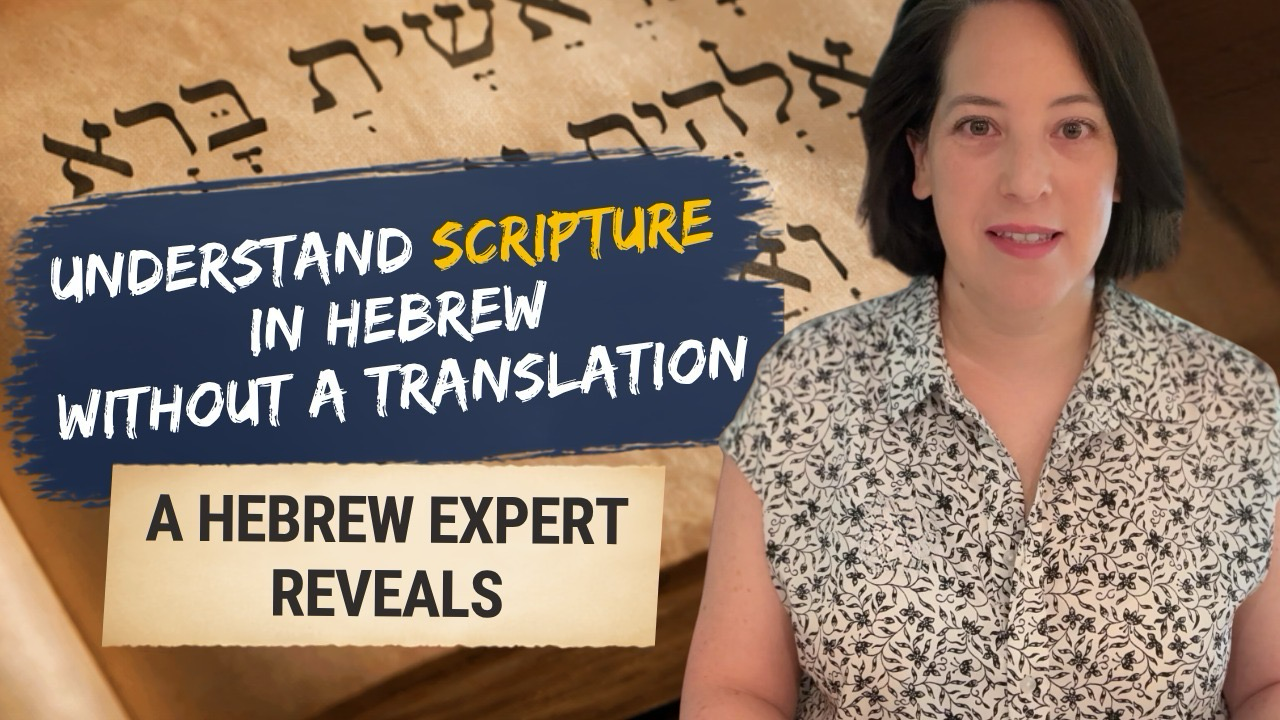
“Can I actually read scripture in Hebrew myself?”
I get this question constantly, and today I am answering all of it.
Is biblical Hebrew a different language from the Hebrew spoken in Israel today? How much overlap is there really? If you learn one, do you understand the other? And what does it actually take to sit with the text in its original words, without waiting for someone else’s translation to tell you what it says?
Every translation is a choice someone made on your behalf. This is about reading it for yourself.
Showing favoritism and relying on deception creates lasting heartbreak, proving that "a deceitful tongue hates those who are crushed by it" (Proverbs 26:28 NKJV).
https://linktr.ee/veggietalesgang
https://discord.gg/Knk4bCXKwG
https://youtube.com/shorts/0U-wyAamBm0?feature=share
“Can I actually read scripture in Hebrew myself?”
I get this question constantly and tomorrow I am answering all of it.
Is biblical Hebrew a different language from the Hebrew spoken in Israel today? How much overlap is there really? If you learn one, do you understand the other? And what does it actually take to sit with the text in its original words, without waiting for someone else’s translation to tell you what it says?
Every translation is a choice someone made on your behalf. This is about reading it for yourself.
Tomorrow, Sunday at 12 noon Eastern. Subscribe now so it lands the moment it goes live 👇
https://www.youtube.com/hebrewbyinbal
#LearnHebrew #Hebrew #BiblicalHebrew #BibleStudy #Scripture
Forgetting God's past miracles during sudden challenges can lead to spiritual panic, yet God patiently meets our needs to remind us that "I am the Lord your God" (Exodus 16:12 NKJV).
https://linktr.ee/veggietalesgang
https://discord.gg/Knk4bCXKwG
https://youtube.com/shorts/FM9q_oABvJY?feature=share
Biblical ethics provide a moral framework based on Scripture, guiding behavior through principles like love, honesty, and justice.
#BiblicalEthics #Christianity #Morality #Faith #Scripture
The flaws of biblical figures should prompt honest self-examination rather than self-righteous judgment, reminding us of Christ's command that "he who is without sin among you, let him throw a stone" (John 8:7 NKJV).
https://linktr.ee/veggietalesgang
https://discord.gg/Knk4bCXKwG
https://youtube.com/shorts/J2ertLJclIA?feature=share
Engaging in scripture study can deepen your understanding of faith and enhance your spiritual journey. It allows you to explore the historical context, cultural significance, and theological implications of biblical texts. Regular study can also foster a stronger connection to your beliefs and community. #BibleStudy #Faith #SpiritualGrowth #Theology #Scripture
God utilizes human wisdom and unique individual traits to accomplish His sovereign purpose, demonstrating that "the Lord raised up a deliverer for them" in times of hardship (Judges 3:15 NKJV).
https://linktr.ee/veggietalesgang
https://discord.gg/Knk4bCXKwG
https://youtube.com/shorts/mTHOFuPPWAk?feature=share
End times prophecy outlines events believed to occur before the end of the world, including major signs and global changes according to various scriptures.
#EndTimes #Prophecy #Bible #Scripture #Faith

Whether choosing to give business to local restaurants or rest at home on Sundays, believers should honor their conscience and represent Christ well, remembering that "he who observes the day, observes it to the Lord" (Romans 14:6 NKJV).
https://linktr.ee/veggietalesgang
https://discord.gg/Knk4bCXKwG
https://youtube.com/shorts/xgpUOf-3y-8?feature=share
Bible prophecy reveals insights that continue to resonate today, offering hope and understanding of future events grounded in ancient wisdom.
#Bible #Prophecy #Faith #Scripture #Christianity

True Christian fellowship honors privacy while offering gentle support, reminding us that we can always "pour out your heart before Him" when facing life's burdens (Psalm 62:8 NKJV).
https://linktr.ee/veggietalesgang
https://discord.gg/Knk4bCXKwG
https://youtube.com/shorts/0h9-KW4KuHA?feature=share
Growing in maturity helps us treasure the extended prayers of faithful elders, showing the value of learning to "continue earnestly in prayer, being vigilant in it with thanksgiving" (Colossians 4:2 NKJV).
https://linktr.ee/veggietalesgang
https://discord.gg/Knk4bCXKwG
https://youtube.com/shorts/SikcsFL8Ut4?feature=share
True spiritual triumph and personal transformation come from yielding to the Holy Spirit rather than trusting totally in self-reliance, proving that victory is "not by might nor by power, but by My Spirit" (Zechariah 4:6 NKJV).
https://linktr.ee/veggietalesgang
https://discord.gg/Knk4bCXKwG
https://youtube.com/shorts/jaz2KpLBhlw?feature=share
Responding to selfless protection with bitter disrespect reveals an arrogant heart, illustrating that "as his name is, so is he: Nabal is his name, and folly is with him" (1 Samuel 25:25 NKJV).
https://linktr.ee/veggietalesgang
https://discord.gg/Knk4bCXKwG
https://youtube.com/shorts/LlDssIqtcD8?feature=share
Demonstrating restraint toward those who oppose us honors divine authority, showing that David chose to spare King Saul because "the Lord has anointed" him (1 Samuel 26:11 NKJV).
https://linktr.ee/veggietalesgang
https://discord.gg/Knk4bCXKwG
https://youtube.com/shorts/f6xyp-RACX0?feature=share
![[?]](https://hermeneutrix.com/wp-content/uploads/2021/11/cropped-prochazka-still-life-512.jpg)
Reflecting on 2 Timothy 1:1-6 and 3:14-16
This week we’re studying two parts of 2 Timothy, 2 Timothy 1:1-6 and 3:14-16. These identify Timothy as the child of a family that has been faithful – to the God of Israel, and now also to Jesus Christ – for generations, has learned the sacred writings from infancy, and is gifted, we are inclined to think for ministry. There is a recurrent theme in these texts of the long ancestral and scriptural tradition that has led up to, and is now alive in, Timothy’s own faith.
One basic question we might want to ask ourselves is simply how much of this story resonates with us. What has been our own ancestral and educational heritage, in this regard? What early memories around faith and scripture do we ourselves have? How do we see those contributing to our faith now? What difference does our personal history seem to have made for our ideas and practices today? Where do we see similarity, and where do we see difference, between ourselves and Timothy?
Some notes on these texts are here. Here are a couple of additional questions we might want to think about, or to discuss in class:

[maybe more theoretical … but I’m drawn to it, and think it probably matters …] Why wouldn’t Paul be worshiping God “from his ancestors” with a clear conscience? That is, why do we think Paul needs to include that affirmation in v3? [What is the charge or criticism he’s, implicitly, denying here, do we suppose? Why do we think that?]
How do we understand the “reason” the author reminds Timothy to “rekindle the gift of God that is within you” (v6)? And [maybe for extra credit] what do we think that rekindling has to do with the spirit we have been given (v7)? That is: what do we think the author is saying here? What seems to us to be the situation or concern being addressed?
What are the implications of this conversation for us, do we think? Why?
What do we think it means to “continue in what you have learned”? How much or little room does this “continuing” leave for learning something new, do we think? Why?
What difference does it make, do we think, how we answer this question?
What is the importance of knowing “from whom you learned it”? That is, why would that matter, do we think? From whom did Timothy “learn it,” do we think, as far as we can tell? Why does that seem to matter?
What are the implications of all this for us, do we think? What does it tell us about the importance of learning, and about the sources of our learning or spiritual formation? What ideas does it give us about continuing, or modifying, anything we are doing now? Why?
[maybe more theoretical …] What – if any – difference does it make to our answer(s) here if we know that the verb used here, “to continue,” is the same verb Jesus uses when he tells the disciples “abide in me …” (John 15:4)?
How do we understand the meaning of “God-breathed” scripture in 2 Timothy 3:16? That is, what does that language mean to us? [We might want to consider what we think of as the various possibilities for its meaning here.] What are the implications of that understanding for us? How does that description or quality of scripture affect our own reading, study, response, etc. to scripture?
What do we understand the author to mean by “scripture” here? What is included, and what is not?
Overall, taken together this way, Paul seems to me in these verses to be emphatically and recurrently referring to the valuable and necessary continuity between “the faith of our ancestors” – the Torah-informed faith in and worship of the God of Israel – and the promise of life that is in Christ Jesus, the in-Christ-Jesus kind of faith. It seems to me he is insisting that these are not two separate or opposed things, but a kind of seamless whole. If the false teaching the author is so exercised about in other parts of the letter has to do with some form of abandonment of the God of Israel – which wouldn’t be a giant stretch, honestly, since that kind of teaching has cropped up in Christianity over and over, historically – that would totally make sense, and would make sense of this theme in the text.
Image: “La Discussion Politique,” Émile Friant, Public domain, via Wikimedia Commons
#2Timothy116 #2Timothy31416 #BibleStudy #discussion #meaning #meaningForUs #readingTheBible #Scripture
Studying 2 Timothy 1:1-6 and 3:14-16
This week we’re studying two short texts from 2 Timothy, 2 Timothy 1:1-6 (although why not go all the way to :7, eh, and finish the sentence?) and 3:14-16 (although, same question, about :17!) These texts point us to Timothy, as one of the “faithful witnesses” in our series: early Christian missionary and protégé of the apostle Paul. Although, they really identify the faithful witness as scripture. These particular texts construct Timothy as someone who testifies to the tradition of faith: as something he’s learned from his ancestors and teachers, rooted in an even longer inherited tradition of sacred writings. Here are a few notes on these texts:

BACKGROUND AND CONTEXT
2 Timothy is a warmly personal ancient letter, addressed to “Timothy, my beloved child,” from “Paul, an apostle of Christ Jesus by the will of God.” Together with 1 Timothy and Titus it makes up the trio of personal letters known as “the pastorals.”
All three of the pastorals include practical advice in concrete ministry circumstances. Together they stress the importance of sound teaching and steady leadership in the Christian community, for the sake of the integrity of the gospel message.
Since the beginning of the 19
th
century, scholars have questioned the identity of the author of the pastorals. The questions arise due to differences in style and vocabulary between these texts and the undisputed letters, as well as from what some perceive as theological differences, and in particular the much greater focus on organizational or institutional matters.
Those questions leave us with a wider set of options than usual about when the letters were written, and why. Those who favor Pauline authorship see them as early texts, whose motives speak for themselves. Those who think of them as “deutero-Pauline” favor a time of composition maybe as late as mid-2
nd
century, voicing more institutional concerns. Those options add a layer of complexity to our reading. [Here is a detailed treatment of the issue, with special attention to the implications for reading the text as scripture, from The Bible Seminary.]
2 Timothy is, it seems, the likeliest of the pastorals to be seen as an early work by the original apostle Paul. Its personal tone and references, along with its framing as a “letter of succession” or “last will and testament,” contribute to the impression that the letter is direct, personal counsel from Paul to his protégé, Timothy, as Paul faces what he seems to believe will be his death, in effect passing on a legacy that consists of faithful ministry in an often contentious world. Of particular importance to us, given our texts, one of Timothy’s supports in the struggle will be “the tradition,” as passed on by trustworthy teachers and as informed and shaped by scripture.
Our texts include the introduction of the letter, with its warm words of commendation for Timothy and praise for Timothy’s mother and grandmother, and then Paul’s specific commendation of scripture, which is almost the conclusion of the letter.
Both of these texts are options in the lectionary, every third year. We ought to know they’re in the Bible, even if all we know is the lectionary.
CLOSER READING
Vv 1-2 are the opening lines of an ancient letter, naming and characterizing the author / sender – Paul, an apostle of Christ Jesus by the will of God – and then the recipient – Timothy, my beloved child – and delivering an opening greeting – grace, mercy, and peace …
The phrase in the opening that is translated “for the sake of the promise of life that is in Christ Jesus” (NRSV) is more literally “for the sake of the promise of the in-Christ-Jesus life.” We can’t quite say that in English, hence the relative clause – which somehow seems to miss something of the author’s intent, that life “in Christ” is qualitatively different, and differently promising, than life that is not that life.
V3 notes the thanks the author gives for Timothy, and the aside whom I worship literally from my ancestors with a clear / pure conscience. We might wonder what “a clear conscience” has to do with worshipping God in the ancestral tradition invoked here, and what that aside is doing here, of all places. As if it is important to mention that this author, with all his devotion to Christ Jesus, continues to worship the God of Israel, without any sense of bad faith. Why might that seem necessary?
The notion of ancestral tradition is about to be mentioned again, though, in v5. After the mention of remembrance in vv3-4: remembrance in prayers, which are unceasing, night and day; remembrance of tears – we suppose, upon parting from one another; remembrance of faith. That will bring us back to tradition.
In v5, this literally non-hypocritical faith – not appearance-only faith – has a home first in Timothy’s grandmother Lois and then in Timothy’s mother Eunice. The meaning of the name “Lois” is unclear, but the name “Eunice” pretty clearly means, literally, “good victory.” Faith here seems to be something that can be passed on, taking up residence in a person as an inheritance. Which Paul is convinced it has in Timothy.
So, v6, another remembrance word – this time, remind, or literally “I urge you not to forget” to rekindle / fan into flame the gift of God. If that gift is dimming or going out, like a fire, bring it back to life. It is in you by the laying on of my hands. This strikes readers as important evidence of a developing ritual in the church, indicating that person-to-person transmission of spiritual gifts or power or authority by laying on of hands was already something that was going on by whenever this letter is written.
According to me we should read the next verse, v7, too, since it’s the reason Timothy should do this rekindling: that God has not given us a spirit of timidity / dread, but of power and of love and of self-control – specifically, the kind of “self-control” that arises not from the exercise of effort to master one’s passions, but the kind that stems from a sound and wise and balanced mind, and so chooses and behaves wisely and moderately.
When we jump over to 2 Timothy 3:14-16 (again, ideally we’ll read that last verse, v17, along with this), we are hearing instructions that form a contrast with the sorry state of “the last days” Paul has been decrying since the beginning of the chapter.
Instead of succumbing to all that, Timothy should abide in what he has learned (in the manner of having been a student or disciple) and (maybe most literally) been made to trust, knowing from whom he learned, studied, apprenticed all that.
And, moving on to v15, it seems also knowing that from infancy or from babyhood he has known the sacred writings that are able to make you wise unto salvation. (Compare Psalm 19:7.) Although, salvation is through the in-Christ-Jesus faith. Whether that is faith a person places in Christ Jesus, the person, or whether it is the faith that Christ Jesus himself had, we might want to keep thinking about.
It seems important that wisdom is being invoked here, because the use of God-breathed in the next verse – in the famous assertion that every scripture is God-breathed – seems to have its true home in the way Wisdom, and particularly the Wisdom that is the Torah or instruction of God, is being conceptualized in the Second Temple Judaism. Wisdom emanates from God. (See Wisdom of Solomon 7:25.) Wisdom takes the form of revelation, in creation (think Genesis 1:2) and the teaching embodied in scripture (see Bauch 4:1).
Of course, then, this wisdom that is animated by the spirit of the living God is useful for teaching and for reproof and for correction – here, we might want to think of the kind of correction that physical therapy provides – and for training – the kind small children receive – in righteousness. How could it not be?
In v17, then, the conclusion of the sentence, this beneficial impact of the en-scripted wisdom of God has a purpose: so the person of God may be complete / equipped, fully completed / equipped – there’s a repetition of root words here – for every good work.
“My child do not forget my teaching.” (Proverbs 3:1)
Some questions on the texts are here.
Image: “Casa de Convalescència, arrambador ceràmic” Enfo, CC BY-SA 3.0, via Wikimedia Commons
#2Timothy116 #2Timothy31416 #BibleStudy #commentary #exegesis #meaning #readingTheBible #Scripture #wisdomLiterature
Alt...
St. Paul mosaic
![[?]](https://s3.us-west-1.wasabisys.com/thereslife/accounts/avatars/117/044/547/169/314/265/original/80d496120c5b4d76.png)
Portion of the Gospel reading assigned to Evening Prayer in the Book of Common Prayer:
“He who abides in me, and I in him, he it is that bears much fruit, for apart from me you can do nothing.” (John 15:5)
Standing firm through trials without complaint shows total trust in divine sovereignty, echoing the bold declaration that "our God whom we serve is able to deliver us" (Daniel 3:17 NKJV).
https://linktr.ee/veggietalesgang
https://discord.gg/Knk4bCXKwG
https://youtube.com/shorts/1tsE5tlrOSI?feature=share
Stepping out in faith requires keeping our complete focus on the Savior during life's storms, avoiding the doubt that causes us to sink like Peter did in Matthew 14.
https://linktr.ee/veggietalesgang
https://discord.gg/Knk4bCXKwG
https://youtube.com/shorts/co7eY_Rxpuc?feature=share
Exploring the evidence and historical foundations that support the truths found in the Bible reveals a compelling story of faith and fact.
#BibleEvidence #Faith #BibleStudy #Christianity #Scripture
Grounding every action in prayer and Scripture empowers believers to fulfill heavy duties with selflessness, proving that "greater love has no one than this, than to lay down one's life for his friends" (John 15:13 NKJV).
https://linktr.ee/veggietalesgang
https://discord.gg/Knk4bCXKwG
https://youtube.com/shorts/c4lDQpetVEU?feature=share
Faithful leaders who align their lives with divine truth bring enduring peace and strength to those they serve, illustrating that "when the righteous are in authority, the people rejoice" (Proverbs 29:2 NKJV).
https://linktr.ee/veggietalesgang
https://discord.gg/Knk4bCXKwG
https://youtube.com/shorts/DF1Coyq_97Q?feature=share
Hidden personal compromise and overconfidence can bring unexpected failure to the whole community (Joshua 7).
https://linktr.ee/veggietalesgang
https://discord.gg/Knk4bCXKwG
https://youtube.com/shorts/fooGbP56vTo?feature=share
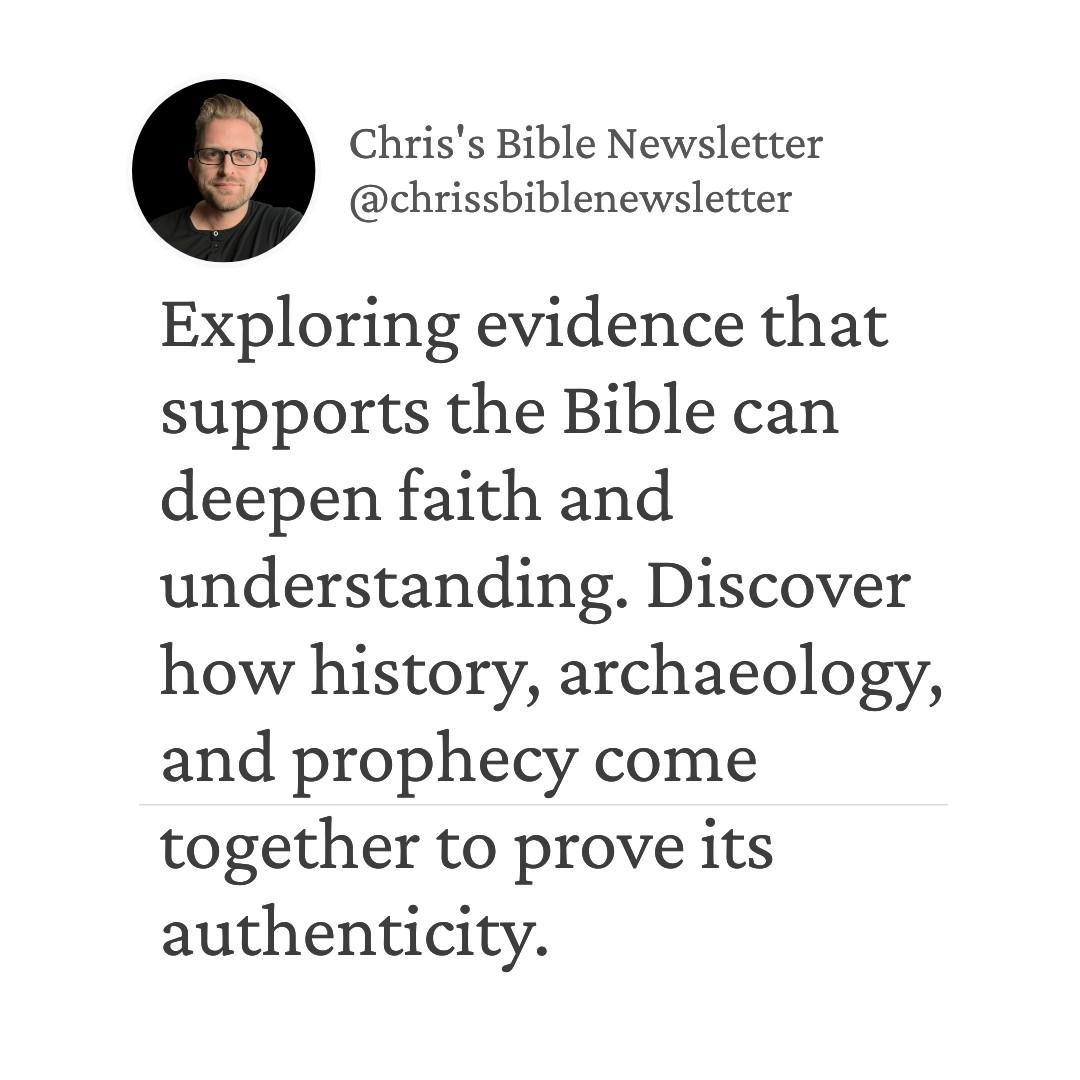
Exploring evidence that supports the Bible can deepen faith and understanding. Discover how history, archaeology, and prophecy come together to prove its authenticity.
#Bible #Faith #Scripture #Archaeology #Prophecy
Discovering like-minded friends within the church is a sweet gift from God that enriches our spiritual walk.
https://linktr.ee/veggietalesgang
https://discord.gg/Knk4bCXKwG
https://youtube.com/shorts/RAYAQfA3qJs?feature=share
Explore the fascinating world of Bible prophecy and how ancient words continue to resonate with today's events, offering hope and insight for the future.
#BibleProphecy #Faith #Scripture #Hope #Future

Forgetting that our abilities and successes are gifts from God leads to arrogant mistakes and painful consequences, proving the timeless truth that "pride goes before [the fall]" (Proverbs 16:18 NKJV).
https://linktr.ee/veggietalesgang
https://discord.gg/Knk4bCXKwG
https://youtube.com/shorts/Rptzz8Qs0zY?feature=share
Letting cultural anxiety eclipse trust leads to spiritual compromise, echoing Abraham's thought that "surely the fear of God is not in this place" (Genesis 20:11 NKJV).
https://linktr.ee/veggietalesgang
https://discord.gg/Knk4bCXKwG
https://youtube.com/shorts/Z2v6LqTo_VQ?feature=share
God's complete renewal of Job's life after prolonged trials proves that enduring faith leads to divine peace, proving that "the Lord blessed the latter days of Job more than his beginning" (Job 42:12 NKJV).
https://linktr.ee/veggietalesgang
https://discord.gg/Knk4bCXKwG
https://youtube.com/shorts/UqZM0dd9_7Q?feature=share
Jesus demonstrated that accurate application of divine truth easily overcomes temptation & worldly power, proving that "it is written, 'Man shall not live by bread alone'" (Matthew 4:4 NKJV).
https://linktr.ee/veggietalesgang
https://discord.gg/Knk4bCXKwG
https://youtube.com/shorts/aBXR1CwxeoI?feature=share
The extraordinary lives of Daniel and Enoch prove that a life of meaning and integrity is possible, as demonstrated when "Enoch walked with God" throughout his lifetime (Genesis 5:24 NKJV).
https://linktr.ee/veggietalesgang
https://discord.gg/Knk4bCXKwG
https://youtube.com/shorts/VBowCKBv_WU?feature=share
Performing acts of divine mercy often draws harsh human criticism, yet Jesus proved that "it is lawful to do good" under any circumstance (Matthew 12:12 NKJV).
https://linktr.ee/veggietalesgang
https://discord.gg/Knk4bCXKwG
https://youtube.com/shorts/pjDgqflKePU?feature=share
God gently restores weary believers through practical care and the comforting truth that "I have reserved seven thousand" who remain faithful (1 Kings 19:18 NKJV).
https://linktr.ee/veggietalesgang
https://discord.gg/Knk4bCXKwG
https://youtube.com/shorts/OLqIEr3I3Fg?feature=share
True faith is proved not by public performance or social habit, but by living out the word to yield fruit, honoring the truth that "he who hears the word and understands it" bears genuine fruit (Matthew 13:23 NKJV).
https://linktr.ee/veggietalesgang
https://discord.gg/Knk4bCXKwG
https://youtube.com/shorts/WFiViWTSUDI?feature=share
Demanding answers or offering cold criticism to those undergoing hardship only increases their trials, calling to mind Job's words to his friends: "miserable comforters are you all" (Job 16:2 NKJV).
https://ko-fi.com/veggietalesgang
https://www.patreon.com/cw/veggietalesgang
https://linktr.ee/veggietalesgang
https://discord.gg/Knk4bCXKwG
https://youtube.com/shorts/CVr0zLCOipk?feature=share
Compassionate pastoral guidance and insightful teaching help guide wandering hearts back to truth, ensuring that believers are helped "in a spirit of gentleness" (Galatians 6:1 NKJV).
https://ko-fi.com/veggietalesgang
https://www.patreon.com/cw/veggietalesgang
https://linktr.ee/veggietalesgang
https://discord.gg/Knk4bCXKwG
https://youtube.com/shorts/9CapnNoJKkg?feature=share
Sharing food prepared by generous churchgoers strengthens our spiritual community, reflecting the biblical instruction to be "given to hospitality" (Romans 12:13 NKJV).
https://linktr.ee/veggietalesgang
https://discord.gg/Knk4bCXKwG
https://youtube.com/shorts/BGE9l1vCvx0?feature=share
The sudden panic of running out of unique prayer points vanishes when we remember that "your Father knows the things you have need of before you ask Him" (Matthew 6:8 NKJV).
https://linktr.ee/veggietalesgang
https://discord.gg/Knk4bCXKwG
https://youtube.com/shorts/msCN95CIMpk?feature=share
Demanding a public role without the appropriate talent undermines the collective worship of the assembly, ignoring the biblical warning "not to think of himself more highly than he ought to think" (Romans 12:3 NKJV).
https://ko-fi.com/veggietalesgang
https://www.patreon.com/cw/veggietalesgang
https://linktr.ee/veggietalesgang
https://discord.gg/Knk4bCXKwG
https://youtube.com/shorts/frJ_f7xNmQU?feature=share
Every congregation member's unique physical abilities and personal talents contribute to the strength of the community, honoring the truth that "there are diversities of gifts, but the same Spirit" (1 Corinthians 12:4 NKJV).
https://ko-fi.com/veggietalesgang
https://www.patreon.com/cw/veggietalesgang
https://linktr.ee/veggietalesgang
https://discord.gg/Knk4bCXKwG
https://youtube.com/shorts/K0pGplNWKJM?feature=share
A momentary forgotten name cannot diminish authentic Christian fellowship, as believers are called to "be kindly affectionate to one another with love" (Romans 12:10 NKJV).
https://ko-fi.com/veggietalesgang
https://www.patreon.com/cw/veggietalesgang
https://linktr.ee/veggietalesgang
https://discord.gg/Knk4bCXKwG
https://youtube.com/shorts/oWu-L5Bxo_0?feature=share
Every element of a worship gathering, including personal greetings, works together to strengthen the community, ensuring that "all things be done for edification" (1 Corinthians 14:26 NKJV).
https://ko-fi.com/veggietalesgang
https://www.patreon.com/cw/veggietalesgang
https://linktr.ee/veggietalesgang
https://discord.gg/Knk4bCXKwG
https://youtube.com/shorts/41vAbriQXYU?feature=share
Reading through biblical genealogies grounds our faith in historical reality, proving that "all Scripture is given by inspiration of God, and is profitable" (2 Timothy 3:16 NKJV).
https://ko-fi.com/veggietalesgang
https://www.patreon.com/cw/veggietalesgang
https://linktr.ee/veggietalesgang
https://discord.gg/Knk4bCXKwG
https://youtube.com/shorts/m6lQ-icBdxs?feature=share
The miraculous freeing of the apostles proves that no opposition can hinder divine purpose, as "an angel of the Lord by night opened the doors" (Acts 5:19 NKJV).
https://linktr.ee/veggietalesgang
https://discord.gg/Knk4bCXKwG
https://youtube.com/shorts/e4KydkuPkEA?feature=share
![[?]](https://files.mastodon.social/accounts/avatars/112/065/643/435/379/420/original/d3981c2e4011c79f.jpg)


🤗☁️🌈☁️💌🌐🌏🩷📖📜💛🧡✝️👑🕊️❤️🔥💦🫂🛐💒🏩🤗[All Scripture is breathed out by God!*& profitable for teaching!*for reproof!*for correction!*& for training in righteousness!*that the man of God may be complete!*& equipped for every good work!]🤗💌🌐🌏🩷📖📜💛🧡✝️👑🕊️❤️🔥💦🫂🛐💒🏩😊🩵💌💛☁️🌈☁️🤗
2 Timothy 3:10-17
#All #Scripture #Is #Breathed #Out #by #God #Jesus #Christ #Holy #Spirit #Savior #Light #World #Pray #Believe #Christian #Heaven #Hope #Peace #Faith #Truth #Goodness #Kindness #Hospitality #Gentleness #Understanding #Love #Bible

🤗☁️🌈☁️💌🌐🌏🩷📖📜💛🧡✝️👑🕊️❤️🔥💦🫂🛐💒🏩🤗[All Scripture is breathed out by God!*& profitable for teaching!*for reproof!*for correction!*& for training in righteousness!*that the man of God may be complete!*& equipped for every good work!]🤗💌🌐🌏🩷📖📜💛🧡✝️👑🕊️❤️🔥💦🫂🛐💒🏩😊🩵💌💛☁️🌈☁️🤗
2 Timothy 3:10-17
#All #Scripture #Is #Breathed #Out #by #God #Jesus #Christ #Holy #Spirit #Savior #Light #World #Pray #Believe #Christian #Heaven #Hope #Peace #Faith #Truth #Goodness #Kindness #Hospitality #Gentleness #Understanding #Love #Bible

🤗☁️🌈☁️💌🌐🌏🩷📖📜💛🧡✝️👑🕊️❤️🔥💦🫂🛐💒🏩🤗[All Scripture is breathed out by God!*& profitable for teaching!*for reproof!*for correction!*& for training in righteousness!*that the man of God may be complete!*& equipped for every good work!]🤗💌🌐🌏🩷📖📜💛🧡✝️👑🕊️❤️🔥💦🫂🛐💒🏩😊🩵💌💛☁️🌈☁️🤗
2 Timothy 3:10-17
#All #Scripture #Is #Breathed #Out #by #God #Jesus #Christ #Holy #Spirit #Savior #Light #World #Pray #Believe #Christian #Heaven #Hope #Peace #Faith #Truth #Goodness #Kindness #Hospitality #Gentleness #Understanding #Love #Bible