Search results for tag #facebook
![[?]](https://cdn.masto.host/socialgrowyourownservices/accounts/avatars/107/729/744/625/286/769/original/81f869582bb4abda.jpeg)
Facebook/Meta are now demanding a monthly fee from owners of Facebook Pages to post links to outside sites:
https://www.socialmediatoday.com/news/facebook-pages-get-charged-for-link-posts/830743
The monthly fee Meta are demanding for posting links on Facebook Pages is quite astonishing:
US$50 per month for 8 links
US$150 per month for 20 links
US$500 per month for unlimited links
This is many times more than the cost of running your own website, cloud and social media server all put together. Independence is much cheaper and better.
![[?]](https://todon.eu/system/accounts/avatars/109/005/014/959/393/335/original/f315d5c682012c22.jpg)
‚Auf der Suche nach Minderjährigen will Meta Nutzer*innen auf #Facebook und #Instagram umfassend durchleuchten. Der Konzern will sogar die Knochenstruktur von Menschen auf Fotos auswerten. Wie gefährlich ist das? ….‘
Analyse von @sebmeineck
https://netzpolitik.org/2026/du-siehst-aber-jung-aus-meta-will-uns-bis-auf-die-knochen-ueberwachen/
#Netzpolitik #Überachung #Meta #Instagram #Altersverifikation #Datenschutz #Privacy #Technology #BigTech
![[?]](https://i0.wp.com/rbfirehose.com/wp-content/uploads/2021/01/cropped-Blank-512-x-512.png?fit=512%2C512&ssl=1)
Tim Boucher: Doubtful about Muse AI, so far. “Have been doing a trial of FB’s Muse AI app for Mac desktop. And call me old-fashioned but in my time we didn’t ask for full disk access on the first date, along with credit card verification, and no expiring chats. You can deny it full disk access and still seemingly have it run things on its cloud virtual machine (VM), but you can’t assign […]
https://rbfirehose.com/2026/09/28/tim-boucher-doubtful-about-muse-ai-so-far/![[?]](https://files.mastodon.social/accounts/avatars/116/914/446/363/148/343/original/b3e2e5f8bbdb529e.png)
The TRUTH about Mark Zuckerberg and #Facebook:
https://medium.com/@author_jcafesin/the-truth-about-mark-zuckerberg-7d5299bd160b
#instagram #greed #parenting #harvard #depression #socialmedia #zuckerberg #mentalhealth
![[?]](https://files.techhub.social/accounts/avatars/109/324/064/255/467/765/original/91b892ca5380f14b.jpg)

Meta Petal is the first 1 Pbps subsea cable, US ↔ France, due in 2029. It uses 2-core fiber to double transatlantic capacity and is being built by NEC, Sumitomo Electric and Orange. 👉
https://www.cyberkendra.com/2026/09/meta-petal-petabit-subsea-cable.html
#meta #facebook #internet #underwaterinternet

![[?]](https://nbg1.your-objectstorage.com/tno-mastodon/accounts/avatars/111/434/264/745/920/273/original/52ff85db085a2a1d.jpg)
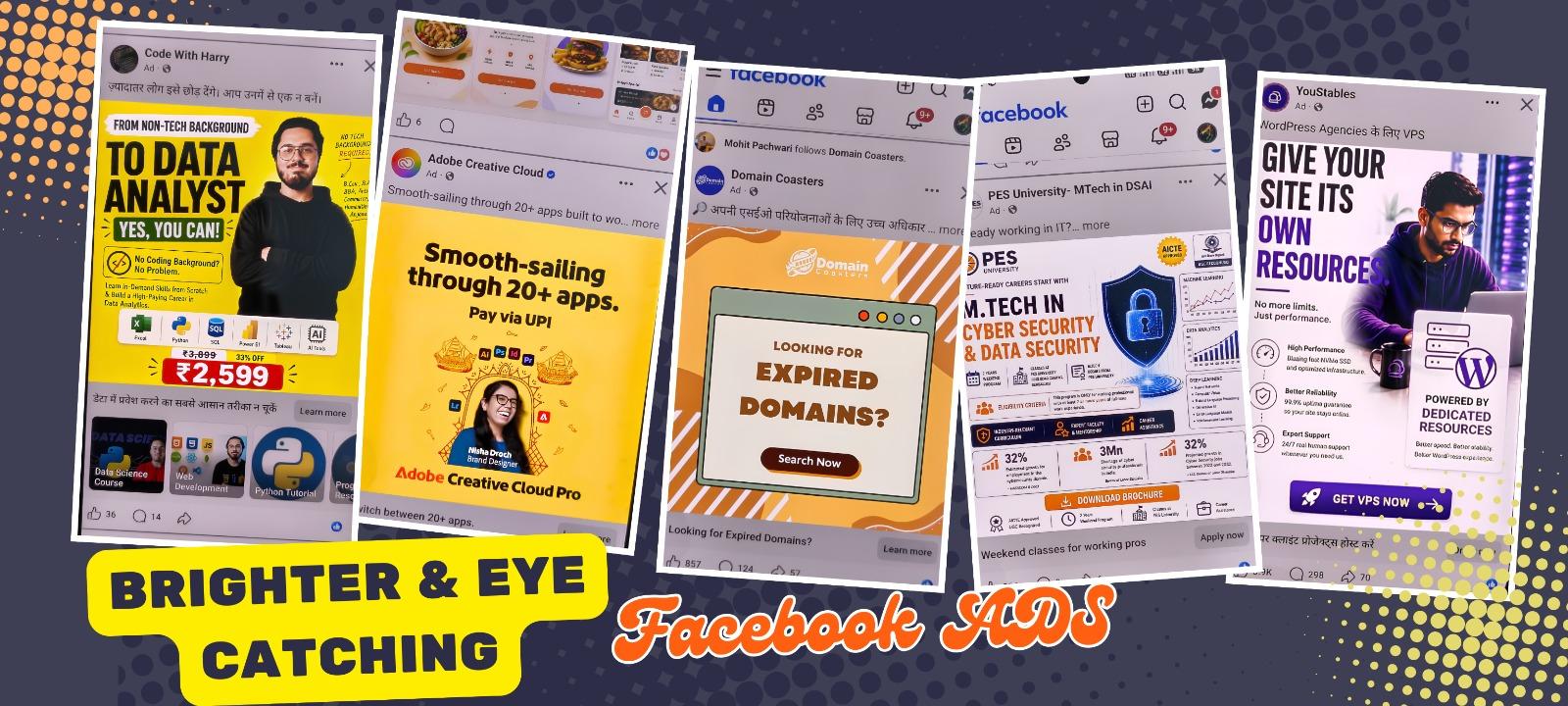
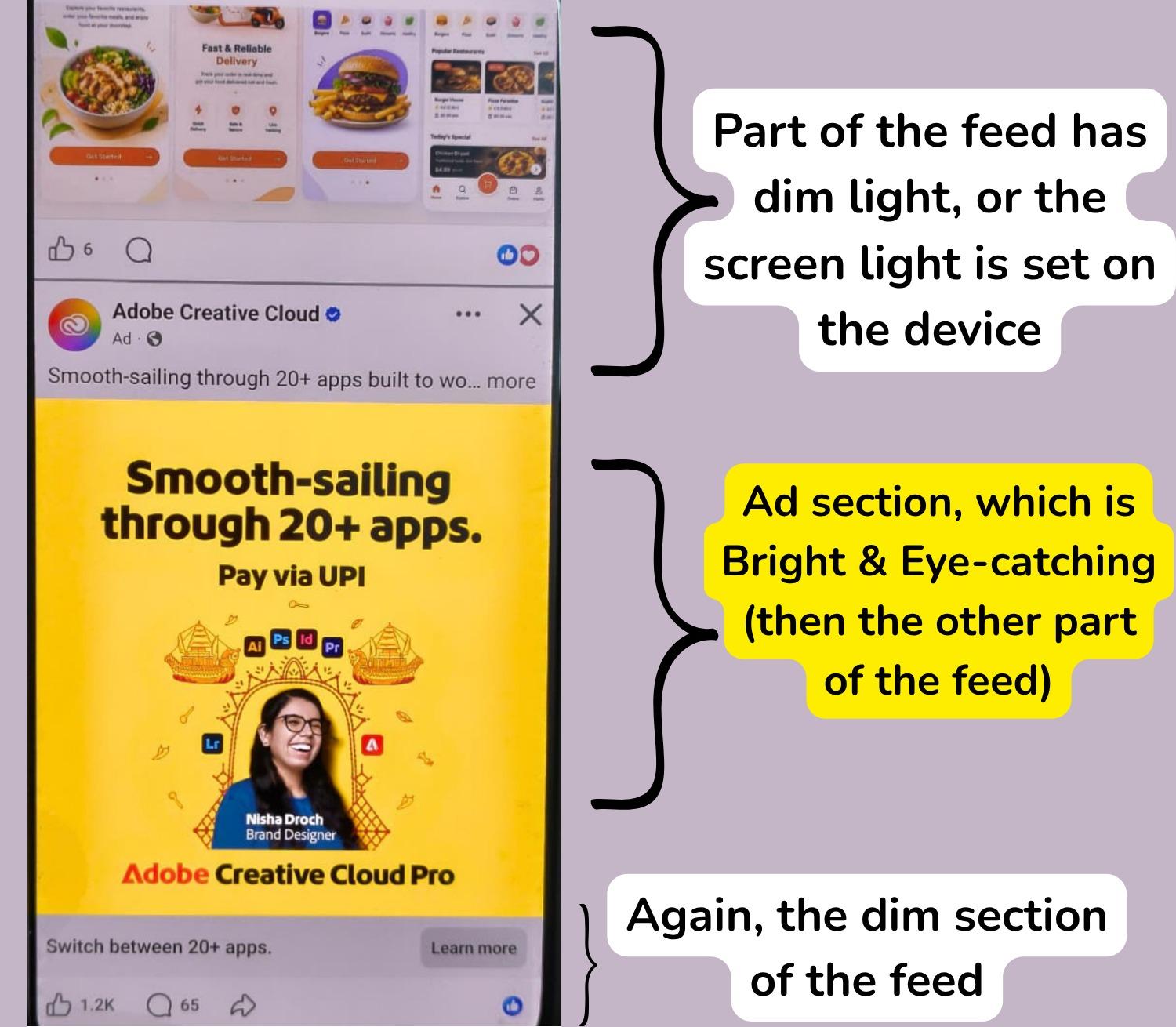
Facebook ads are showing in HDR and looking brighter than normal posts. Screenshot one and it looks normal — that's the tell. We explain the cause and every way to disable it on Android and iPhone:
https://www.cyberkendra.com/2026/09/facebook-ads-brighter-hdr-feed.html
#facebook #facebookads #meta #MetaPlatforms
![[?]](https://babka-mastodon.nyc3.cdn.digitaloceanspaces.com/accounts/avatars/110/442/989/214/760/177/original/ac89244bf463bb3e.jpg)
Ώπα! 💣
"A #Melbourne #Greek #restaurant has rejected online hate and a #bomb threat after hosting a joint #Jewish-Greek cultural evening.
On #Facebook, the owner insists it will keep bringing the communities together. Last Friday the #MediterraneanGreekTavern in #Elsternwick staged a night that mixed the two traditions.
Guests dressed in white, #challah sat beside Greek dishes, prayers were said, and a #bouzouki band played #HavaNagila alongside music from #ZorbatheGreek.
The dinner marked six months of #Shabbat Club #Australia.
[...]
Earlier nights have been held at other Melbourne spots. Friday’s larger gathering had a long waiting list.
The next day the restaurant posted warmly about the young crowd. Supportive replies came first, then a surge of abuse via #socialmedia.
Commenters called the hosts sell-outs, accused them of supporting “#genocide killers,” urged that #Jews be #deported, and one reportedly openly called for the tavern to be #bombed."
https://www.jwire.com.au/greek-tavern-reportedly-faces-bomb-threat/
Buried in #Meta’s $18B settlement is a legal pass on kids’ data
https://techcrunch.com/2026/08/27/buried-in-metas-18b-settlement-is-a-legal-pass-on-kids-data/
![[?]](https://files.defcon.social/dcsocial-s3/accounts/avatars/116/320/959/991/819/923/original/e2ac7c79827e9de1.jpg)
JUSTICE: HOW TO KILL META!
========================
The legal math on media is broken. The punitive measures are not effective deterrents.
If you look at the numbers, Meta does harmful things, apologizes, pays a pittance, and still comes out ahead financially.
Zuckerberg sold out his users data to Cambridge Analytica, influencing the US election. Then he appeared before Congress like a contrite little schoolboy - "Oops! I didn't mean to accidentally cut multibillion dollar deals and sell out Facebook users. Honest mistake. I promise not to do it again ( unless the price is right! )"
Because of the math, he still came out ahead.
I left Meta's platforms a long time ago.
People who are not savvy, are locked into the Facebook walled garden, because of the Network Effect. ( "I can't leave Facebook. All my friends are on Facebook!" )
Having liberated ourselves, it is our duty to liberate others, who are still trapped, to give them their right to privacy.
Here's a plan of action:
1) Place ads on Facebook, explaining the benefits of #Mastodon
( https://joinmastodon.org/ )
1.1) Freedom from Meta's censorship and algorithms.
1.2) A community owned, open social media platform.
2) When a user clicks, guide them through exporting their data from Facebook, and deleting their Facebook account.
3) Give them an optional questionnaire, asking about their interests, and match them with the right Mastodon instance.
4) If they skip the optional questionnaire, pick a random Mastodon instance for them.
5) Give them an option to enter into a Facebook migration registry.
6) Help them set up a Mastodon account and import their data.
7) If they opted into the migrant registry, reconnect them with their former Facebook connections, who also joined the registry. Like a reunion in Heaven with your loved ones. ☺️
#FaceBook #Meta #instagram #WhatsApp #SocialMedia #Fediverse #Mastodon #Technology #Tech #Justice
#FuckZuck #FOSS #Linux #OpenSource #Freedom #Liberty
#Law #USA
![[?]](https://weredreaming.com/mookie/s/avatar-c033319a3a3d5098e5af08a922200981.png)
![[?]](https://s3.masto.ai/accounts/avatars/109/303/982/217/898/173/original/84b53833e9214e09.png)
In a dramatic capitulation, the owner of #Facebook & #Instagram agreed to the financial penalties for violating federal #child #privacy & states’ #ConsumerProtection laws, the #states announced. #Meta also agreed to limit how long #teenagers can spend on its platforms & to bans on features that stoke #MentalHealth issues,striking at the heart of the company’s business of #engagement for advertising.
![[?]](https://o.mastodon.nz/accounts/avatars/109/373/461/883/516/394/original/f35f0eb671a9d250.png)
I’m Leaving WhatsApp
I’m leaving WhatsApp. It’s an integral part of the Meta / Facebook empire, which is currently being sued by 29 states for the harm that it causes to children. While WhatsApp claims end-to-end encryption, they retain your metadata, which forms part of your social graph which they then use as part of their marketing efforts….
https://dave.moskovitz.co.nz/2026/08/26/im-leaving-whatsapp/
#OpenSource #privacy #signal #facebook #meta
![[?]](https://sfo3.digitaloceanspaces.com/veganism-space/accounts/avatars/113/793/819/237/828/375/original/40c87f2268ab00a4.jpeg)
@fediverseconnection @leanderlindahl
well, then you can make the video available on #mastodon.
download it from #youtube (or #x, #instagram, #facebook, or whatever) and share it here, for example with #ytdlp or #tubular.
![[?]](https://files.mastodon.social/accounts/avatars/109/258/636/566/275/551/original/1b9ca26377a774d5.jpg)
alliances.' This, he concluded, was 'just the beginning.'**"
*The #ClearviewAI Pipeline*
#Brown traces the infrastructure that weaponized the #MemeticWarfare toolkit:
"👉By 2016, #Auernheimer was writing to an associate that he was **'working on facial recognition, specifically about black people.'** In 2017, #CharlesJohnson announced on #Facebook that he was **'building algorithms to ID all the illegal immigrants for the deportation squads.'**👈
👉Thiel Connection👈
Reuters: German advocacy group lodges criminal complaint over Meta AI glasses. “A German advocacy group has filed a criminal complaint against Meta and other companies selling the technology group’s AI glasses in Germany, arguing the devices violate privacy laws.:
https://rbfirehose.com/2026/08/14/reuters-german-advocacy-group-lodges-criminal-complaint-over-meta-ai-glasses/![[?]](https://files.mastodon.social/accounts/avatars/115/967/890/192/375/774/original/79861f67f1d57c00.png)
@elsua54 Do you mean that your family and close friends don't understand #WhatsApp is like using #Facebook / #Meta as a big American #USpol system that eventually does bad things with more bad people?
(if so they I think a lot of people can associate with that. Their lack of understanding not to use what you really had to pay for before, or what simply didn't exist without all the bad stuff attached that people don't seem to see - just fairly 'dumb' users and "end" users)
What do you think?
#Meta faces biggest #court fight yet over #socialmedia’s impact on #children
Meta Platforms will face a coalition of state attorneys general in a California #FederalCourt trial beginning on Wednesday over claims it engineered #Facebook & #Instagram to be #addictive to children, a case that could expose the company to massive damages & force it to make sweeping changes to its platforms.
#law #tech #MentalHealth #business
https://www.reuters.com/business/meta-29-states-head-court-biggest-test-yet-youth-social-media-litigation-2026-08-12/
 boosted
FUCK ZUCK! ( Here’s how! )
Zuckerberg sold out his users data to Cambridge Analytica, influencing the US election. Then he appeared before Congress like a contrite little schoolboy - "Oops! I didn't mean to accidentally cut multibillion dollar deals and sell out Facebook users. Honest mistake. I promise not to do it again ( unless the price is right! )"
I left Meta's platforms a long time ago.
Having liberated ourselves, it is our duty to liberate others, who are still trapped, to give them their right to privacy.
People who are not savvy, are locked into the #Facebook walled garden, because of the Network Effect. ( "I can't leave Facebook. All my friends are on Facebook!" )
Here's a plan of action:
1) Place ads on Facebook, explaining the benefits of #Mastodon and the #Fediverse
1. Freedom from Meta's censorship and algorithms.
2. A community owned, open social media platform.
3. Free and Open Source software.
https://fediverse.info/
2) When a user clicks, guide them through exporting their data from Facebook, and deleting their Facebook account.
3) Give them an optional questionnaire, asking about their interests, and match them with the right Mastodon instance.
4) If they skip the optional questionnaire, pick a random Mastodon instance for them.
5) Give them an option to enter into a Facebook migration registry.
6) Help them set up a Mastodon account and import their data.
7) If they opted into the migrant registry, reconnect them with their former Facebook connections, who also joined the registry. A reunion with your loved ones in a place without darkness. ☺️
#FuckZuck #Meta #instagram #WhatsApp #SocialMedia #Fediverse #Mastodon
![[?]](https://gamerplus.org/system/accounts/avatars/114/497/966/782/841/054/original/c3c1b4d840d49021.png)
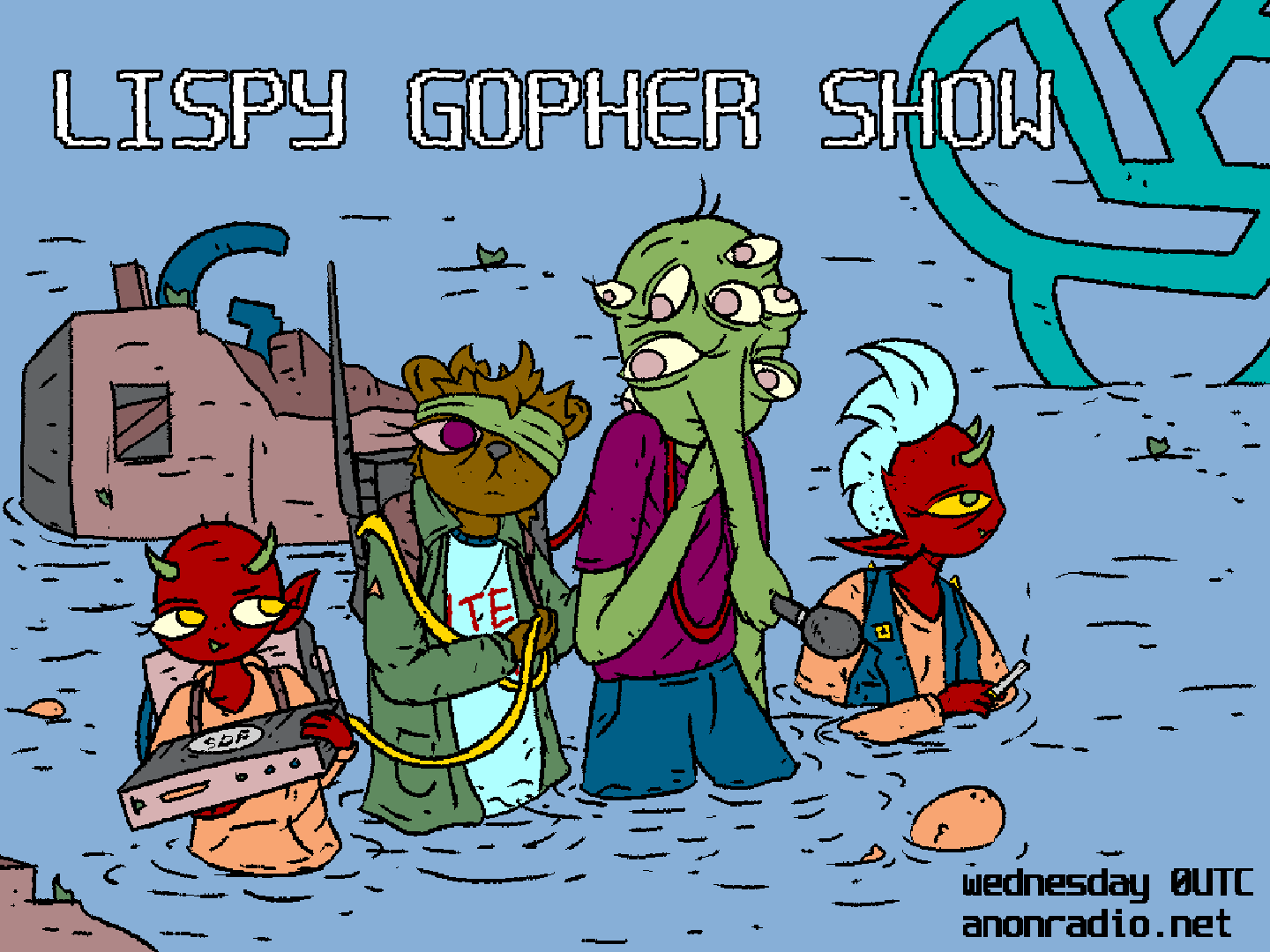
#lispyGopherClimate Tuesday-night-in-the-Americas #archived 0UTC Wednesday (20 minutes from right now.).
https://toobnix.org/w/hKAtV8fWXy6LiQHT79joy6
- #climateCrisis finally entering public dialog as oil investors kill thousands of Europeans and Americans, vowing "This is just the beginning".
- Notable historical (financial) successes of #perceptrons and #facebook's new #LLM #ai is *not* a small language model #SLM - we need #lisp #thoughtLeadership
- #lambdaMOO ! Notes on running https://github.com/wrog/lambdamoo #MUD
Alt...
The lisp alien and gopher wade through flooded AI apocalypse wreckage carrying radio equipment helped by two demons. But imagine the water is lava.
![[?]](https://files.mastodon.social/accounts/avatars/115/742/434/865/105/205/original/ba2fa15026c28d18.jpeg)
uBlock Origin is stepping back from the ongoing fight against Facebook's ad-detection tactics.
The project isn't removing its existing Facebook filters, but its small volunteer team says it will no longer keep updating them every time Facebook changes its code to bypass them.
Existing filters may continue working, but future Facebook changes could allow ads through.
Read the full story: https://digitalescapetools.com/2026/08/ublock-origin-stops-chasing-facebook-ads.html
‚Meta wertet das Wort »Antifa« in Verbindung mit »Gewalt« künftig als potenziellen Verstoß gegen seine Richtlinien – allerdings mit unklaren Regeln!
Die Aufforderung »Nazis jagen« in Verbindung mit »Antifa« könnte bei Instagram und Facebook zur Kontosperrung führen.….‘
#Facebook und #Instagram weiten Sanktionen zu #Antifa aus
Don’t say Antifa!
Wie Meta den Rechtsstaat und die europäische Medienregulierung herausfordert.
‚Meta hat angekündigt, „Antifa-Inhalte“ auf #Instagram und #Facebook künftig als Risikoinhalte einzustufen, die schneller Gefahr laufen, sanktioniert zu werden.
Damit reiht sich der Konzern in den Kampf der Trump-Regierung gegen „die“ Antifa ein und zeigt erneut, welche direkten Auswirkungen dieser Kampf auf #Deutschland und #Europa hat…..‘
https://verfassungsblog.de/antifa-meta-dsa/
#Antifa #Antifaschismus #Repression #USA #Meta #Trump #socialMedia #Antireport
Nazis do Nazi things!
Meta Caught Paying Nazis to Post on #Facebook #FckNzs
‚Meta was paying out-and-out neo-Nazis to post on Facebook, an investigation from Australia’s ABC News found.
These pages and individual creators posted content that appeared to be in clear violation of Facebook’s own hate speech policies. Nonetheless, they were able to earn money on their posts through the platform’s “Content Monetization” program — which is invitation-only….‘
https://futurism.com/artificial-intelligence/meta-caught-paying-nazis-to-post-on-facebook.

![[?]](https://mediacdn.aus.social/accounts/avatars/116/922/124/533/000/919/original/c6e935addfe77148.png)
LEAVING META
WITHOUT LEAVING YOUR LIFE 💎
After my posting about Meta over the past two days, one thing became very clear.
A lot of people would LIKE to leave Facebook, Instagram, or both. But parts of their actual lives are all tangled up in them.
So don’t make leaving a purity test. Start somewhere. Remove Facebook from your phone and use it only on your laptop, or better still, only on your desktop when you genuinely need it.
STOP POSTING TO META. STOP FEEDING THE TIMELINE.
Move conversations with real friends to your email, text, Signal, phone calls, Mastodon account, or wherever works for you, away from Meta.
TELL PEOPLE WHERE ELSE THEY CAN EASILY FIND YOU.
If you run a business, start putting your email address and/or website URL everywhere you promote your business so Facebook is not your only front door.
Download anything you actually want to keep. Then, when you’re ready, deactivate or delete what you no longer need.
Maybe you keep Messenger for Aunt Doris. Maybe you keep Instagram because your local café apparently believes websites were abolished in 2014.
Fine.
The point isn’t ideological cleanliness.
THE POINT IS REDUCING YOUR DEPENDENCE.
Every conversation you move elsewhere is one conversation Meta no longer owns the doorway to.
YOU DON'T HAVE TO ESCAPE THE META CAGE IN ONE HEROIC LEAP.
Just start opening the door.
#Meta #Facebook #Instagram #SocialMedia #Fediverse #people #DEPENDENCE #Messenger

FACEBOOK IS TOXIC. META IS AWFUL.
WHY CONTINUE FEEDING IT? 💎
Nearly everyone complains about Facebook and Meta.
The algorithms are toxic.
The advertising is invasive.
The outrage is manufactured.
CHILDREN ARE BEING HARMED.
Privacy is disappearing.
And then millions of people open Facebook or Instagram.
Again.
And again.
I genuinely do not understand it.
If you believe these companies are damaging children, manipulating attention, and making billions from human vulnerability, why are you still giving them your presence?
Especially the parents.
If Facebook and Instagram are unhealthy for your children, what exactly are you modeling by remaining there yourself?
“We know this place is harmful, darling, but Mummy and Daddy have photographs to look at.”
I left Meta years ago.
I didn’t die.
My friends did not evaporate.
Civilization continued.
There is email.
There are phones.
THERE IS THE OPEN WEB.
There is even the terrifying possibility of seeing another human being, god forbid, in person.
Meta survives because people who complain about it continue supplying exactly what it needs:
Their attention.
Their relationships.
Their outrage.
THEIR CHILDREN.
You do not have to wait for Zuckerberg to become a better person.
You can simply leave today.
The door swings both ways.
@DigitalCoup
@economics_that_works
#Facebook #Meta #Instagram #SocialMedia #Algorithms #BigTech #DigitalWellbeing #OnlineSafety #ChildSafety #Privacy #AttentionEconomy #TechEthics #SocialMediaAddiction #Zuckerberg #DeleteFacebook

The Guardian: Restaurants, pubs and theatres ban Meta’s ‘spy glasses’ over privacy fears. “When Meta used superstar Kylie Jenner to promote its sleek new line of ‘spy glasses’, the social media company hoped the devices would reach the same broad acceptance that tablets and smartwatches have found before them. But those plans have hit a snag in the UK, where venues from elite restaurants […]
https://rbfirehose.com/2026/08/08/the-guardian-restaurants-pubs-and-theatres-ban-metas-spy-glasses-over-privacy-fears/PetaPixel: Meta Smart Glasses Face Calls for Bans Across Europe Over Privacy Concerns. “Several European countries — including France, Germany, and the Netherlands — are considering banning Meta’s smart glasses as regulators examine whether the devices comply with privacy laws.”
https://rbfirehose.com/2026/08/06/petapixel-meta-smart-glasses-face-calls-for-bans-across-europe-over-privacy-concerns/![[?]](https://hub.netzgemeinde.eu/photo/profile/l/1035?rev=1729019402)
People know, that there are alternatives, and explore them.
Just because you know, doesn't mean literally everyone knows.
Every single Mastodon newbie is being implied to or outright told that Mastodon is the only thing in the Fediverse. They don't choose Mastodon because it suits them the best. I mean, most of them by far already have problems choosing a Mastodon server. In fact, they don't choose Mastodon within the Fediverse at all. They don't even know they have a choice. If they did, Sharkey and Friendica would be much bigger.
I think it can replace also Facebook and Instagram.
It's a far cry from either.
Pixelfed was created as an Instagram clone and a drop-in replacement for Instagram. You can literally import entire Instagram accounts into Pixelfed.
Friendica was created as early as 2010 as an alternative to Facebook. It has all the features a social network needs. Bidirectional contacts like Facebook friends. Dedicated profile fields as opposed to only a small handful of multi-purpose profile fields. Contact suggestions based on your and their profile. Contact suggestions based on how many contacts you have in common. What everyone believes Google+ has invented with its circles (Mastodon lists on 'roids). Discussion groups. Moderated discussion groups. Private discussion groups. No ridiculously low arbitrary character limit.
I challenge you to use Friendica or Hubzilla or (streams) or Forte as your only daily driver for a year. Not just dip a toe in, but take off the Mastodon glasses and exclusively daily-drive it. Use it for everything that you use Mastodon for right now without ever falling back to your Mastodon account for that time. And then I want to hear from you whether Mastodon really is a full-blown, fully-featured Facebook alternative and better at being that than Friendica and its family.
#Long #LongPost #CWLong #CWLongPost #FediMeta #FediverseMeta #CWFediMeta #CWFediverseMeta #Facebook #FacebookAlternative #Mastodon #Friendica #Hubzilla #Streams #(streams) #Forte
![[?]](https://files.mastodon.social/accounts/avatars/110/641/555/278/107/926/original/60e39d3280d3b645.png)
PS:
#FACEBOOK IS NOT A CONTENT DELIVERY SYSTEM.
the internet is a content delivery system. Facebook is a highly curated publication by Zuckerberg and company.
the phallacy of the algorithm is that nobody manipulates it. #Google #Amazon #Facebook #Xitter #Bluesky: they all heavily curate and editorialize what you see with their so-called algorithms.
in the early 20th century, they would be called albums and catalogs of miscellanea.
the “algorithm” is #techbros curation & editorializing.
why do #Facebook #Xitter #Google #Amazon make it almost impossible to leave their sites? why have they spent millions buying politicians who won't regulate #USA and #Canada mobile tech, so they can continue embedding their stalkerware in operating systems?
BECAUSE WE ARE VALUABLE NOT THEIR COMPANIES.
they have turned every single piece of their software into stalkerware because without us they are nothing.
root your phone, delete their stalkerware and they are NOTHING.
WE ARE THE WEALTH /🧵
![[?]](https://files.mastodon.social/accounts/avatars/109/364/259/768/232/698/original/105bed97c5bd55c0.png)
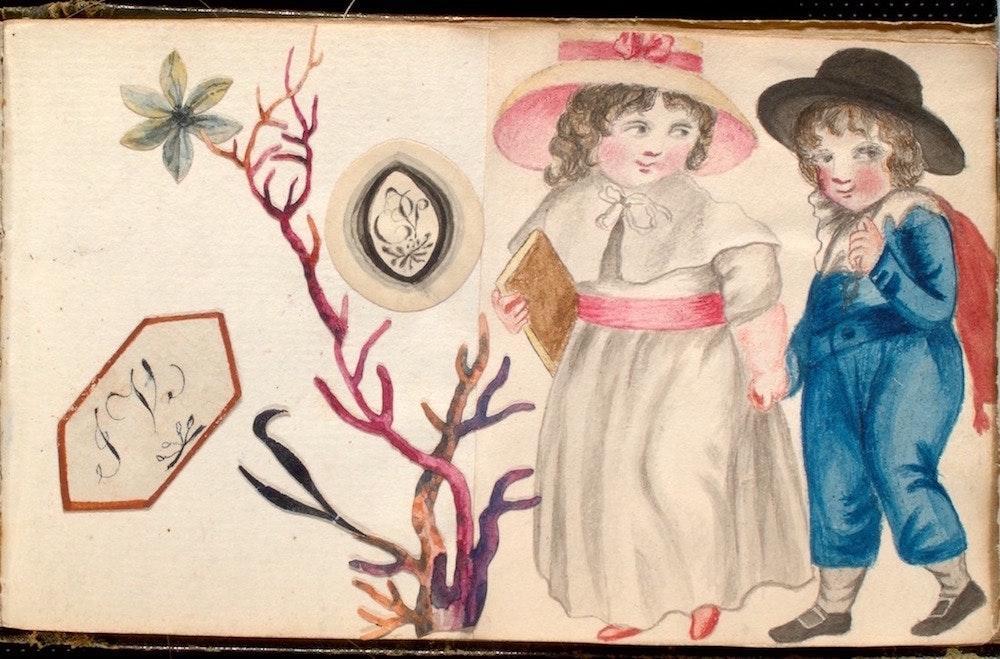
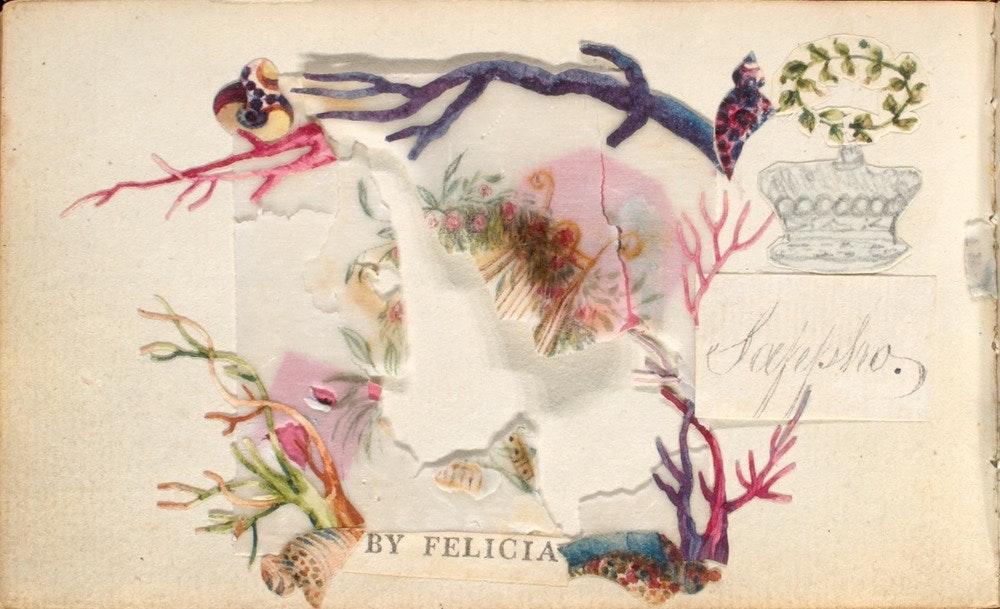
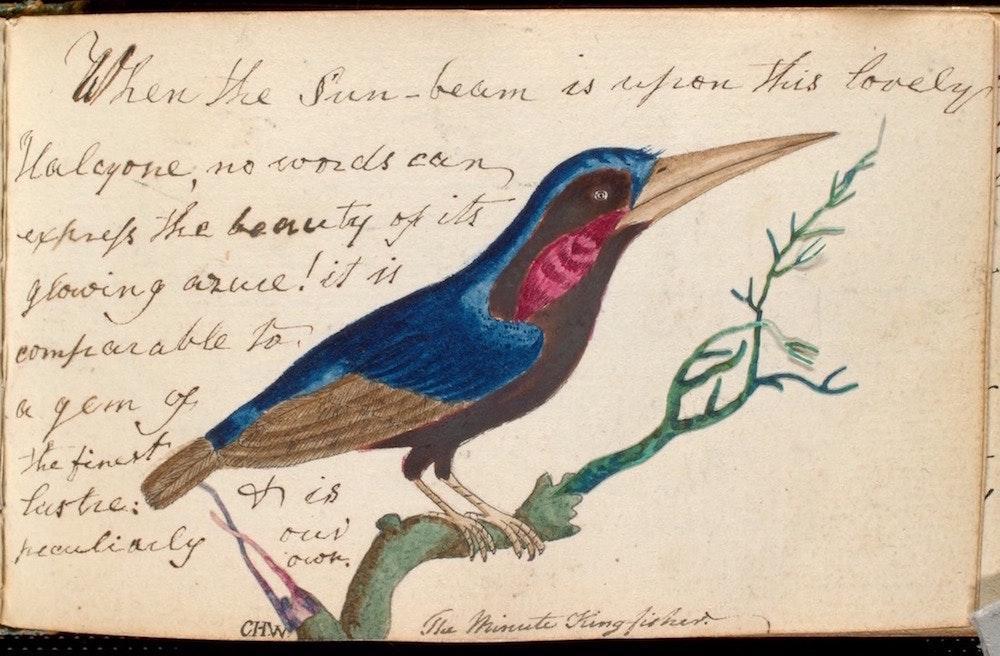
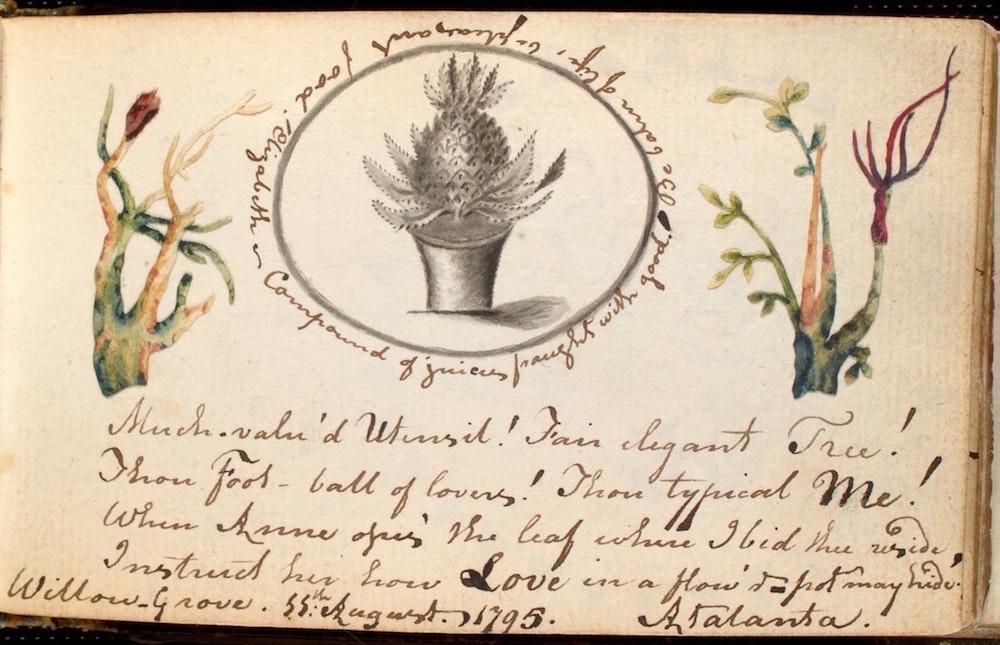
"Friendship books" were the #Facebook of the 17th and 18th centuries (without the ads and data mining). Here's a fine example of one begun in 1795 by the aunt of the poet Felicia Dorothea Browne: https://publicdomainreview.org/collection/the-friendship-book-of-anne-wagner-1795-1834 #FriendshipDay
Reuters: US FTC sues Hims & Hers for sending user health info to Meta, Snap. “The U.S. Federal Trade Commission sued Hims & Hers on Wednesday alleging the telehealth platform shared users’ health data with online advertisers, despite promising privacy, and engaged in deceptive billing and cancellation practices.”
https://rbfirehose.com/2026/07/29/reuters-us-ftc-sues-hims-hers-for-sending-user-health-info-to-meta-snap/Phone users used to see Twitter as a phone app that they loaded from their app store. Mastodon is the only *blogging thing in the Fediverse that they can load from their app store.
This is one reason why just about all Mastodon newbies use the official app and why they're on mastodon.social (it's the default in the official app, and since they don't know what this setting does, they leave it on default).
Mastodon even gets away with an official app that's far from good, much less fully features. All the newbies don't have anything to compare with. If Mastodon is a phone app to them, then the official app's feature set is Mastodon's feature set. If a feature isn't implemented in the official app, then Mastodon doesn't have it. I dare say that well over 80% of all Mastodon users have never in their lives used Mastodon's Web UI.
If someone takes the step and moves from the official Mastodon app to Ivory or Mona or IceCubes or Tusky or Fedilab or something like this, it's almost always the first time in their lives that they use an online service through an app that has a different name than the online service. Many people couldn't even imagine doing that.
This means that if Friendica and Hubzilla want to be more successful, growing beyond Mike's old "if you build it, they'll come" credo and advertising more isn't sufficient. People must be able to load Friendica/Hubzilla onto their phones from their app store. This requires an official app named "Friendica"/"Hubzilla" with a native, up-to-date iOS UI in the Apple App Store and one with a native, up-to-date Android UI in the Google Play Store. The existence of an official phone app in the Apple App Store and the Google Play Store is essential for being considered existent in the first place.
A commonplace attitude on Friendica and even more so on Hubzilla is that both can be installed as a PWA. But seriously, 99.9% of all phone users don't even know that PWAs exist. They don't know what that is. Not to mention that they expect and demand a native mobile UI in the style of their phone OS and not a generic Web UI.
Now, what would this app have to look like?
If the advantages of Friendica and Hubzilla over Mastodon are to be emphasised and underlined, and if this app is to become people's one and only daily driver UI, it will have to be fully featured. Minus the settings for the Web UI (e.g. the theme settings and the PDL editor on Hubzilla), minus stuff that you'll never need if you only ever use the phone app and never the server UI (e.g. Webpages on Hubzilla), but otherwise fully featured. This would also demonstrate just how vastly more powerful Friendica and Hubzilla are than Mastodon.
The obvious downside is that such an app would be a feature monster. Bigger and more feature-laden than any Android e-mail app or OpenStreetMap editor.
There has been some talk about building an official Hubzilla phone app. Some Hubzilla users have proposed an app that only offers the very basics. However, their idea behind this is not to make the app easier for newbies to use, but to make it easier for the developers to build. They're often still stuck in the early 2010s when phone apps for websites were considered gimmicks. They think that people will only use the app when they're out and about, and when they're back home, they'll sit down behind their computers and use the Web interface. Thus, phone apps only need the most basic features implemented.
But 2026 is not 2011. The huge majority of Mastodon users only use Mastodon through a phone app. Even when they're at home. As I've said: If the app doesn't have a feature, the whole product doesn't have the feature, regardless of whether or not the feature is implemented in the server backend and even in the Web frontend.
Besides, even Friendica's basic features that you'll need all the time are a lot. Hubzilla's basic features that you'll need all the time are even more numerous.
Shall people be limited to posting in public when they're on a phone because the phone app doesn't have any permission settings?
Shall people be limited to posting to their contacts when they're on a phone because someone decided that support for groups would make the phone app too complex?
Shall people wait until they're home, and they've got some time to fire up a computer, open a Web browser and log onto the Web interface to accept connection requests because the phone app doesn't have any connection settings? What if they don't have a computer?
Let's face it, social networking itself is a complex thing. And I mean actual social networking. Not misusing glorified SMS as a social network. Real social networking. Facebook-level social networking. Google+-level social networking. MySpace-level social networking.
Thus, a social networking phone app with all features necessary for real social networking has to be complex. This isn't a Friendica/Hubzilla issue. Don't believe that the official Facebook apps are simple.
This is also why so many prefer 𝕏 over Facebook. Facebook is complex. Facebook isn't just register, follow, post. 𝕏 is much more simple. 𝕏 is glorified SMS. 𝕏 is literally just register, follow, tweet. Facebook is rocket science whereas 𝕏 is for dumb-dumbs.
And it's because Mastodon is so lacking that it's for dumb-dumbs by Fediverse standards. In fact, if you don't read those panicky "it's too complicated because you have to know what a server is" posts, if you just load the app and create an account, Mastodon, through the official app, is for dumb-dumbs by all standards.
However, those who actually are on Facebook are willing to put up with something more complex. They need something more complex than glorified SMS for dumb-dumbs. They need the extra features that Facebook has that 𝕏 doesn't, even if these are the very features that deny Facebook the "for dumb-dumbs" attribute.
Send them to Mastodon, and they'll be irritated and even repelled because this feature isn't there, and that feature isn't there, and that feature is cut down beyond recognition, and they can't find any interesting people (not because Mastodon is decentralised, and the interesting people are on other servers, but because Mastodon's directory sucks arse in comparison with Facebook's), and what's with that stupid character limit?
On Friendica and Hubzilla, this feature and that feature have been there for longer than Mastodon itself, that feature is even more powerful than on Facebook proper, interesting people are being shoved into their faces once they've filled out their profile, even more so once they've got some connections, and there is no character limit worth speaking of.
But as long as Friendica and Hubzilla don't have official, fully daily-driveable phone apps named "Friendica" and "Hubzilla" respectively, they simply don't exist.
Granted, there's another obstacle. Many Mastodon users say the Fediverse needs a Facebook alternative. If you tell them about Friendica and its descendants, some will be very thankful because they've genuinely never heard of any of these.
Others will tell you that they know Friendica and maybe even Hubzilla. But they also say that none of these are Facebook alternatives. For when they say, "alternative," what they really mean is, "1:1 clone, just with a different name and decentralised and with ActivityPub and without spying and without the recent enshittification and without the evil CEO, otherwise absolutely identical."
One big aspect of this is that, as they say, the Fediverse needs an alternative to Facebook Groups. Friendica groups are exactly that because they were designed to be exactly that. Hubzilla forums, (streams) groups, Forte groups, all just that. But according to these people, they don't count because they aren't handled in precisely the same way as Facebook groups. Facebook groups aren't separate accounts. And different equals bad.
What really has me shake my head is that those who want a 1:1 Facebook clone continue to use Mastodon as a Facebook alternative. Even though Friendica and its family are vastly closer to Facebook regardless. Even though Mastodon not only doesn't have groups at all, but it doesn't even have any support for external groups. Is shouting into the void with a bunch of hashtags and hoping the right people will hear you really that much better than a Friendica group or a Hubzilla forum or maybe a PieFed community?
By the way: Just how faithful a Twitter clone is Mastodon really, seeing as Misskey and the Forkeys have the odd Twitter feature that Mastodon still lacks, seeing as even Mastodon gradually becomes more complex than 𝕏, much more so than when-it-still-was-good Twitter?
#Long #LongPost #CWLong #CWLongPost #FediMeta #FediverseMeta #CWFediMeta #CWFediverseMeta #CharacterLimit #CharacterLimits #CharacterLimitMeta #CWCharacterLimitMeta #Fediverse #Mastodon #Friendica #Hubzilla #Streams #(streams) #Forte #Misskey #Forkey #Forkeys #PieFed #Privacy #Permission #Permissions #Groups #FediverseGroups #FediGroups #App #PhoneApp #iPhoneApp #iOSApp #AndroidApp #SocialNetwork #SocialNetworking #Twitter #𝕏 #Facebook #FacebookGroups
You Can Now Verify Your #Facebook Account With a Video #Selfie
https://lifehacker.com/tech/you-can-now-verify-your-facebook-account-with-a-video-selfie
#SocialMedia addiction lawsuit against #Meta is dropped
https://techcrunch.com/2026/07/22/social-media-addiction-lawsuit-against-meta-is-dropped/
![[?]](https://social.trom.tf/photo/profile/tio.jpeg?ts=1652029312)
Perhaps instead of #ageverfication nonsense, those who want to protect the children should look at why these platforms like Facebook, Instagram, TikTok, Youtube and the like are "bad" for them and everyone else.
Here's why:
They are TRADING PLATFORMS. Not video hosting platforms, not social networks. NO. People have to trade their attention (watch ads), data, or currency to use these platforms who make over 90% or more of their profits from these trades. Is like calling a Mall a Social Gathering Event Hall. It is not!
At least they should force these platforms to be renamed/re-labeled.
And you know what else? The harm/addiction of these platforms is not solely their incentive to make people trade more (more ads, more data trading, etc.) to keep them on the platforms is the fact that in this society pretty much everyone has a shitty meaningless life. If people were to be taken care of, and not have to trade all of their lives in a boring and stupid job, with them being worth only when they consume, then smarter and relaxed humans would give 0 fucks about these platforms.
When you are out and about, with friends, are not stressed about how to pay for your life, then why do you give much of a shit to post and scroll on these silly platforms?
How come I do not give a flying fuck about these platforms and what people post on them? Because I am busy with more relevant shit!
SO.
Wanna change something?
REPLACE.
Replace these trading platforms with trade-free ones like Friendica, Peertube and the like. If you are a government, support them!
Replace the meaningless life of most people with meaningful ones. Give people their basic needs as trade-free. Via an UBI or trade-free basic services. This way you don't even have to support those trade-free platforms. People will! The same people who do it now, but who also have to struggle to have a day job in order to keep their work on these platforms going. Imagine having millions of people able to get involved and change this world!
Free people from the Trade-Society!
This way you don't even have to fight with these big corporations. Let them fade out! Let them die.
#facebook #tiktok #TradeRuinsEverything #money #tromsite #trom #capitalism #youtube #trade-free
Vogue Business: Do Smart Glasses Have a Surveillance Problem?. “Big Tech has been borrowing from fashion’s playbook to improve its image, and the new Kylie partnership and glasses line launch is its biggest pivot to fashion and culture yet. Beneath the question of whether Jenner can finally make Meta’s smart glasses cool, there’s a much more challenging question for Meta and its rivals. […]
https://rbfirehose.com/2026/07/09/vogue-business-do-smart-glasses-have-a-surveillance-problem/Fuck facebook.
"#Facebook has abruptly banned a #Jewish broadcasting executive in #Minnesota after he posted a link to a video of a 104 year-old #Holocaust survivor in #Texas sharing his story, prompting the Minnesota Attorney General to intervene.
#JoelGlaser, CEO of #AMPERS, a group of community #radio stations across Minnesota, received an email from Facebook last month informing him that his personal account had been suspended because it violated the platform’s “child sexual exploitation” policies.
Because #Glaser also administers the account for an AMPERS radio series titled MN90: Minnesota History in 90 Seconds, Facebook also took down that account, which has more than 10,000 followers.
The video produced by an #NBC affiliate in #Dallas and shared by an #ABC affiliate in the #TwinCities, featured a talk by #WalterLevy, a survivor who fled #Germany in the late 1930s and still tells his story about how his family survived #Kristallnacht..."
![[?]](https://libranet.de/photo/profile/wthinker.jpeg?ts=1610129688)
Мордобуку с его инстахламом пытаются вчинить иск на 1,4 триллиона баксов.
Тридцать три штата объединились, чтобы подать в суд на компанию Meta, утверждая, что она эксплуатировала своих юных пользователей в Instagram и Facebook ради прибыли, в том числе путем сбора данных о детях без согласия родителей. Четыре из этих штатов — Калифорния, Нью-Джерси, Колорадо и Кентукки — также утверждают, что компания вводила потребителей в заблуждение относительно вызывающих привыкание функций дизайна платформ, что приводило к проблемам с психическим здоровьем у детей, которые пристрастились к ним с раннего возраста.
Источник: gizmodo.com/metas-teen-safety-…
Слабо верится, конечно, что получится. Пока мета ушла в глухую несознанку, благо денег на адвокатов хватает. Но даже если потреплют и опустят их хоть на четверть суммы, всё равно будет приятно и, возможно, станет прецендентом для будущих дел.
#meta #facebook #instagram
![[?]](https://media.mas.to/accounts/avatars/109/297/232/151/260/983/original/9041d06e741d419a.jpg)
If you're willing to set his yacht on fire you should be willing to delete his apps.
(Also deleting his apps is safe and legal.)
![[?]](https://social.heise.de/__virtual/accounts/avatars/112/881/119/160/228/266/original/baf7ad72ec92f728.jpg)
Consumer advocates demand Safety by Design for all instead of social media bans
The vzbv investigated Facebook, Instagram, Snapchat, TikTok, and YouTube: Addiction-promoting mechanisms and dark patterns endanger minors despite the DSA.
#DigitalServicesAct #Facebook #Instagram #Netzpolitik #Snapchat #SocialMedia #TikTok #Verbraucherschutz #YouTube #news
![[?]](https://media.wired.com/photos/615e2b8ce78a8cd913bbaa76/16:9/w_1280,c_limit/wired_bug.jpg) WIRED - The Latest in Technology, Science, Culture and Business [Unofficial] » 🌐
WIRED - The Latest in Technology, Science, Culture and Business [Unofficial] » 🌐
@wired.com@web.brid.gy
Meta Tapped a Pentagon Supplier to Prototype Face Recognition for Its Glasses
Rank One, whose board includes a former CIA deputy director and a former FBI science chief, supplied face recognition to Meta for internal development of its smart glasses app.

Alt...
Meta Tapped a Pentagon Supplier to Prototype Face Recognition for Its Glasses
Cool cool cool. Good times out here I guess... 😒
"When dozens of #Jewish girls emerged from a storm drain in #Nyack, #NewYork, Wednesday after becoming lost on a #school trip, local officials described the episode as a fortunate ending to a potentially dangerous situation.
On #socialmedia, however, the incident quickly drew a slew of #antisemitic comments.
“They can’t help it. Roaches and rats love the sewers,” wrote one #Facebook user on a post by the #Rockland Daily.
“Those tunnels were promised to them 3,000 years ago,” another user wrote, referencing the common online antisemitic phrase ridiculing the Jewish connection to #Israel.
Many of the comments also referenced the 2024 incident at the #Chabad-#Lubavitch movement’s world headquarters in #CrownHeights, #Brooklyn, in which a group from the movement attempted to dig an unauthorized tunnel beneath the building.
“From the tunnels in Brooklyn to the tunnels in nyack! The black coats never disappoint[...]"
![[?]](https://files.mastodon.social/accounts/avatars/114/368/991/106/654/640/original/4055052cf2bcf4e8.png)
Meta removed facial-recognition code from its smart glasses app days after reports revealed systems designed to identify people through biometric signatures. 👓
The reversal followed public scrutiny, but questions remain over future deployment plans and any data collected during internal testing. 🔒
#TechNews #Meta #FacialRecognition #SmartGlasses #Biometrics #Privacy #Surveillance #DigitalRights #Transparency #Security #Technology #AI #Data #Freedom #Rights #Facebook
![[?]](https://soc.octade.net/octade/s/3f7f2b5eda4e392867c301c49c2daa16.png)
https://www.youtube.com/watch?v=CA_hmtuAPTY
[copypasta]
Did the Algorithm Change Your Decisions? | How Your Feed Was Engineered
Right now, somewhere on the internet, a video is being uploaded.
Within seconds, a system that no one elected, no one audits, and no one fully understands decides whether anyone else will ever see it.
Sometimes, it decides no one should.
And that’s the end of it.
In this episode of Plain Meaning, we examine how the modern internet quietly transformed from a system designed to deliver information… into one that decides what information exists for you at all.
It didn’t happen all at once.
It happened step by step.
Feed by feed.
Platform by platform.
Until nearly everything you see online is filtered through a machine making decisions on your behalf.
We trace how:
• Social media moved from profile pages to infinite feeds
• Facebook’s News Feed shifted from chronological to algorithmic control
• Advertising—not user experience—drove the need to control timing and visibility
• “EdgeRank” introduced the first large-scale automated editorial system
• By 2016, every major platform—Facebook, Instagram, Twitter, YouTube—had adopted algorithmic feeds
• Recommendation systems replaced direct navigation across the entire internet
But this isn’t just a story about technology.
It’s a story about incentives.
Because once platforms controlled what you saw, they didn’t just control engagement.
They controlled attention.
And once attention became the product, the system began optimizing for something far more powerful than clicks.
We examine what happened next:
• How foreign influence operations exploited algorithmic feeds during the 2016 election
• The role of Cambridge Analytica and its parent Strategic Communication Laboratories in psychological targeting
• The scale and strategy of Russia’s Internet Research Agency
• How fake local news accounts built trust before deploying disinformation
• Why most influence content wasn’t political—but divisive
• How algorithms amplified all of it without distinction
And then we go further.
Because 2016 wasn’t the end of the story.
It was the beginning.
We look at how:
• Algorithmic systems shape not just what you see—but how you think
• Platforms reward emotional, extreme, and addictive content
• Foreign-owned platforms introduce new geopolitical risks
• Systems like ByteDance’s TikTok operate differently across countries
• The same algorithmic architecture can produce completely different realities depending on its objectives
This episode is not about one platform.
It’s not about one political party.
And it’s not about one country.
It’s about the system itself.
Because the algorithm isn’t just recommending content.
It’s acting as an editor.
And most of the time, you don’t even realize it’s there.
By the end of this video, the next time you open a social media app, you’ll understand:
Why your attention isn’t fully yours.
Why the world you see isn’t necessarily the world that exists.
And how to recognize when a machine—not you—is deciding what matters.
#Algorithm #SocialMedia #DigitalMedia #YouTube #Facebook #Instagram #NewsFeed #TikTok #Twitter
[/copypasta]
![[?]](https://media.infosec.exchange/infosec.exchange/accounts/avatars/114/055/634/003/674/751/original/545875494fe48e9a.png)
As someone with an interest in cryptography and, I guess as an extension, tradecraft (shout out to Minnesota Spy Club), I thought it was interesting that the Irish military intelligence agency (formerly "J2") decided to "decloak" in the Irish Times:
- https://www.irishtimes.com/podcasts/in-the-news/the-spy-service-protecting-ireland-inc/ [podcast]
- https://www.irishtimes.com/ireland/2026/04/04/the-spy-is-the-boring-guy-in-a-suit-inside-the-states-military-intelligence-service/ [interview]
It all seems reasonable enough but I don't know about the whole thing about protecting (among other things) "Irish business interests abroad." And then to tell us that they're working for "Ireland Inc.?" IDK. Not really the kind of public image that inspires confidence.
#Spooks #Cryptography #Tradecraft #Facebook #Meta #RegulatoryCapture #Corporatism