Search results for tag #android
![[?]](https://nbg1.your-objectstorage.com/tno-mastodon/accounts/avatars/111/434/264/745/920/273/original/52ff85db085a2a1d.jpg)
![[?]](https://stockage.framapiaf.org/framapiaf/accounts/avatars/000/223/824/original/03ed95406a9a3cd0.png)
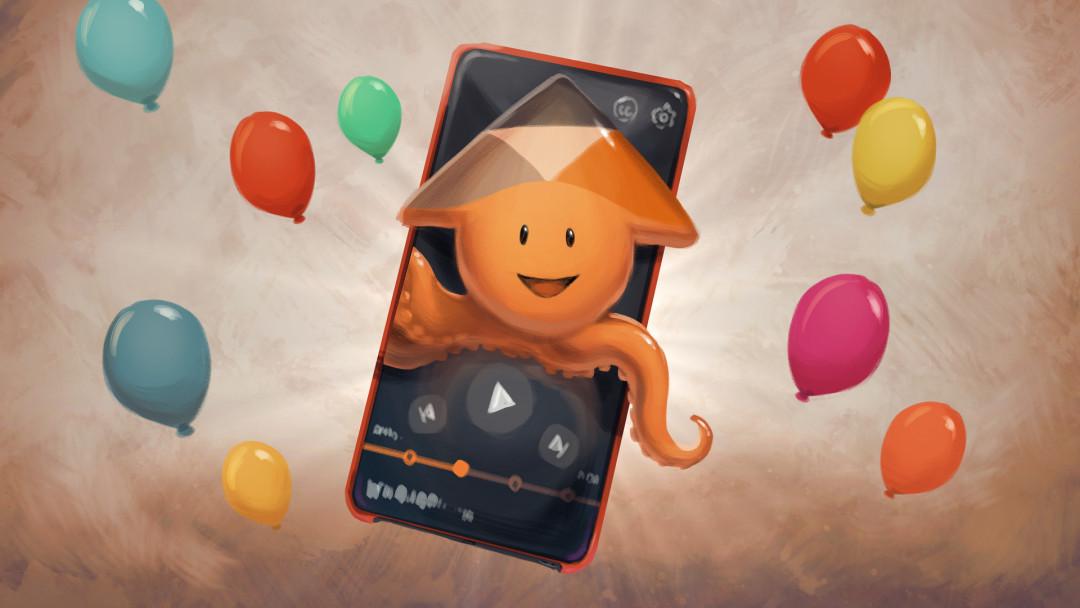
📱 The #PeerTube mobile app is now available in version 2.3.0! 🚀
Along with many new features, you can now enjoy picture-in-picture mode and the ability to choose video quality.
Check it out now on #Android (via F-Droid or Google Play) and #iOS (via Alt Store or the App Store).
Alt...
Illustration made by David Revoy. CC-By-SA
![[?]](https://cdn.fosstodon.org/accounts/avatars/115/532/410/310/000/993/original/08065bd1d1c34cad.png)
Protect your digital peace of mind with #ArcaneChat:
All your private data lives only in your device, independent of any server! you own it!
No one can discover you or know you are using the app, no spam, no scammers!
#privacy #android #European #Europe
![[?]](https://todon.eu/system/accounts/avatars/109/005/014/959/393/335/original/f315d5c682012c22.jpg)
Von der Leyen erklärt Alterskontroll-App für „fertig“
Gesichtsscan und Handy-Zwang
‚Mit einer Handy-App für #iOS und #Android sollen Menschen in der #EU künftig ihr Alter gegenüber Plattformen nachweisen. Doch der Nutzen zum Schutz von Kindern und Jugendlichen ist fraglich. Nutzende sollen zudem ihr Gesicht scannen lassen….‘
#Europe #Altersverifikation #Überwachung #Kontrolle #Datenschutz #Gesichtserkennung #Biometrie
In Anbetracht der Entwicklung von Überwachungsgesetzen und der digital-autoritären Transformation, kann davon ausgegangen werden, dass die einmal etablierten Praktiken auch in diesem Fall rasch über den ursprünglich kommunizierten Zweck hinaus erweitert werden sollen und ein Maximum an Kontrollmacht und Datenextraktion erreicht werden soll.
https://www.tagesschau.de/ausland/europa/eu-app-altersueberpruefung-100.html
#IOS #Android #Altersverifikation #Überwachung #Kontrolle #Datenschutz #Daten #Privacy
![[?]](https://files.mastodon.social/accounts/avatars/115/565/301/135/627/370/original/5a69afadc00de9cb.png)
🔐 Your private conversations don’t need a phone number, account or central messaging server.
Meet Zerion private messaging over Tor with post-quantum encryption on every message.
No ads. No tracking. Open source.
Download Zerion on Google Play and try it with your friends and family.
#Zerion #Privacy #Tor #OpenSource #CyberSecurity #PrivacyTech #android
https://play.google.com/store/apps/details?id=com.professor.zerion
![[?]](https://assets.chaos.social/accounts/avatars/108/195/841/919/578/029/original/b9457c2da03bee91.jpg)
@morc In the spirit of running old Android on random hardware, here are some photos of whatever tip-of-tree was in November 2007 running on an N800, which I did for grins back then...

Alt...
Hacky N800 build of Android in Nov 2007, home screen visible.

Alt...
Hacky N800 build of Android in Nov 2007, application list visible.

Alt...
Hacky N800 build of Android in Nov 2007, early maps prototype visible.

Alt...
Hacky N800 build of Android in Nov 2007, web browser visible.
![[?]](https://files.mastodon.social/accounts/avatars/110/006/680/218/371/582/original/3b5b0bcc793846d1.jpeg)
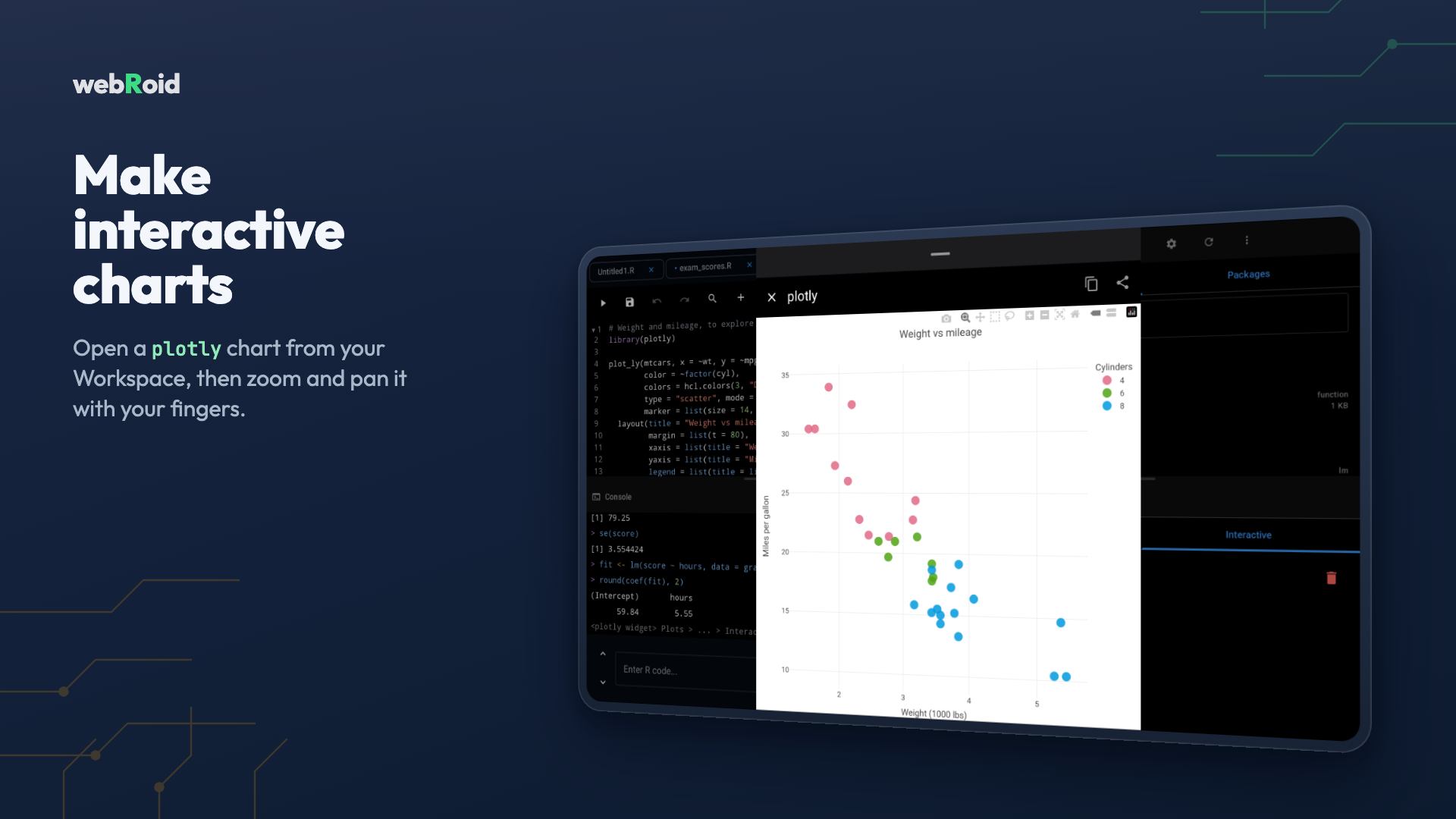
webRoid 1.1.1 is on Google Play!
The app runs R on your Android phone or tablet. This release moves it up to R 4.6.0 via webR, and its charts are now the kind you’re allowed to poke.
App: https://play.google.com/store/apps/details?id=com.webroid.app
Docs: https://webroid.caffeinatedmath.com/
#rstats #webr #android #webassembly
Alt...
Promotional card for webRoid on a dark navy background, headed "Make interactive charts", with the line "Open a plotly chart from your Workspace, then zoom and pan it with your fingers." A tilted tablet in dark mode shows a plotly scatter plot titled Weight vs mileage, its points colored pink, green and blue for cars with 4, 6 and 8 cylinders.
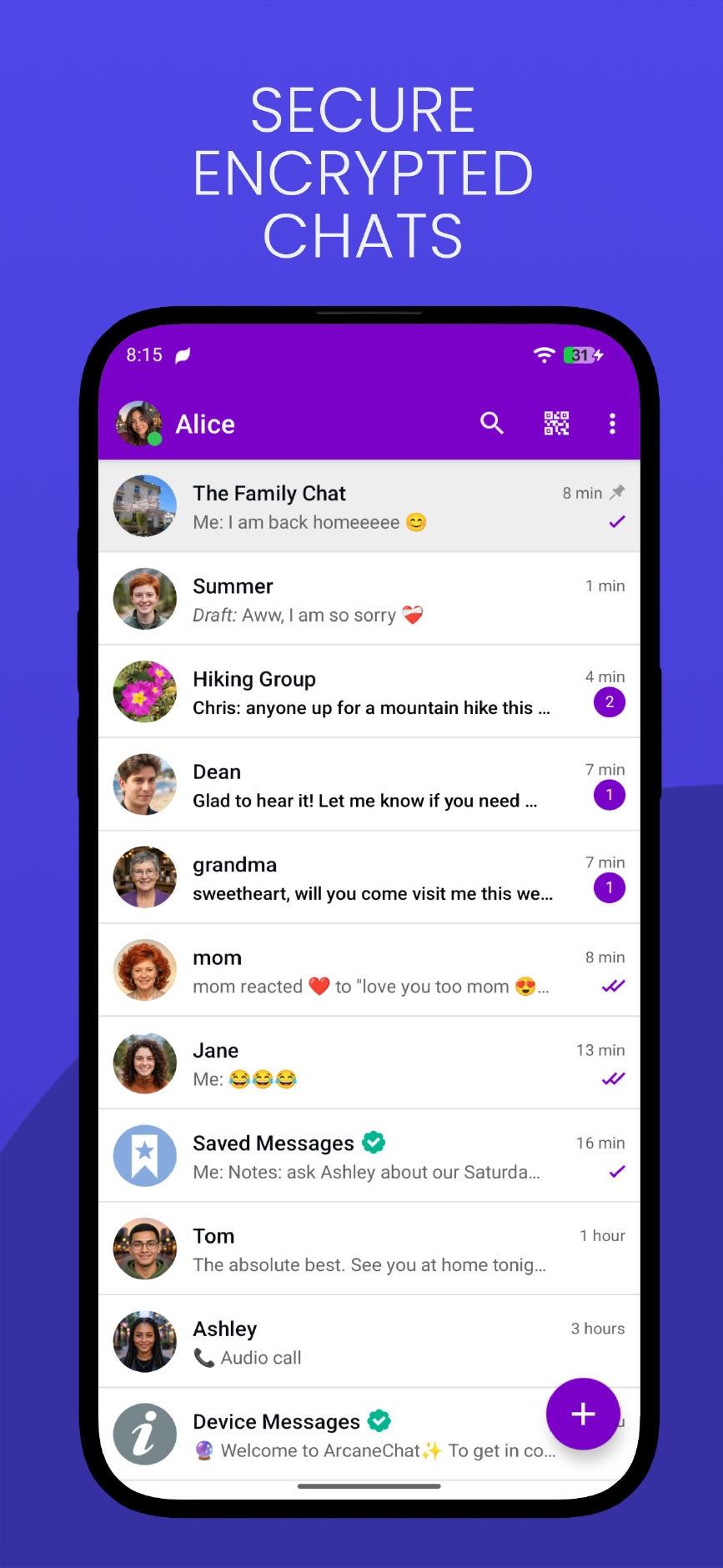
Meet #ArcaneChat
No phone numbers required for registration.
No strangers discovering and contacting your family members.
All your conversations end-to-end encrypted.
it is magic! ✨️
![[?]](https://media.dragonscave.space/accounts/avatars/115/072/881/820/569/591/original/f9970a1c683b45f9.png)
Question for my fellow blind Android users... What Mastodon client would you recommend I try on my Pixel? I'm not exactly happy with my current client as it feels like it's missing some features, such as the ability to delete posts that I've bookmarked and the ability to set replies as unlisted by default. Maybe I got spoiled by Mona when I was on iOS, but I do miss all its little nice to haves that it included. #A11Y #Accessibility #Blind #Mastodon #Android #MastodonClients
![[?]](https://files.mastodon.social/accounts/avatars/115/742/434/865/105/205/original/ba2fa15026c28d18.jpeg)
F-Droid 2.0 is here! A major redesign of the open-source Android app store after a decade.
The new version brings a modern interface, improved search, expanded app categories, better filters, easier installs, and automatic app updates.
Built with Kotlin and Jetpack Compose, it makes discovering and managing free and open-source Android apps easier without tracking your activity.
Read more: https://www.digitalescapetools.com/2026/09/f-droid-2-0-android-freedom-redesign.html
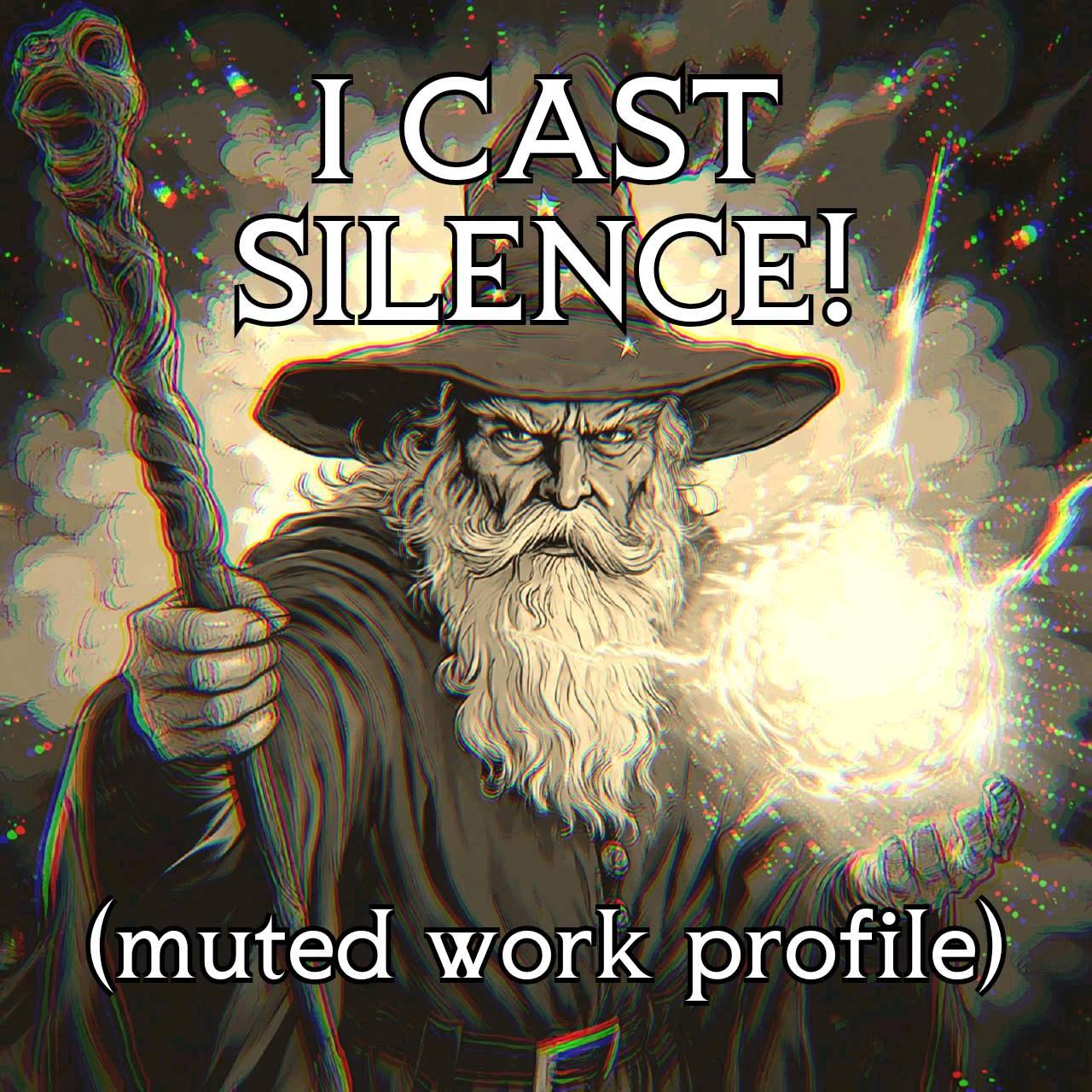
in #ArcaneChat you can have several profiles separating private life from work!
you can mute your work profile while you keep available for family and friends, ex. during weekends or vacations
#privacy #anonymity #family #Europe #European #android
Pay for your #Tuta subscription via the #Google #PlayStore!
https://tuta.com/blog/tuta-supports-google-play-payments-on-android
![[?]](https://media.infosec.exchange/infosec.exchange/accounts/avatars/110/560/511/618/170/134/original/4f33ba36608d1311.png)
Microsoft:
"We thank the researcher for reporting this behavior. We investigated and determined that this is not a security vulnerability. The technique requires an attacker to already have the ability to run code locally on a device under a separate user account and does not provide access to file contents. Customers can help protect themselves by following security best practices, including limiting local access to trusted users, and keeping systems up to date.”
Security Week: Windows, Linux, Android File Notification Systems Leak User Activity https://www.securityweek.com/windows-linux-android-file-notification-systems-leak-user-activity/ @SecurityWeek
Related link:
Inoti: Side-Channel Leakage from the File-Notification System on Linux, Android, Windows, and macOS https://inoti.fyi/ #infosec #Microsoft #Linux #Android #Windows #vulnerability
#FDroid 2.0: A New Chapter for #Android Freedom
https://f-droid.org/en/2026/09/24/f-droid-2.0-a-new-chapter-for-android-freedom.html
![[?]](https://cdn.masto.host/mastohackerstown/accounts/avatars/117/329/130/128/872/834/original/5d64dd1ccf78961f.png)
![[?]](https://www.urbanmind.net/photo/profile/hackaday.png?ts=1741950956)
Two things happened this week, six days apart, and they point in opposite directions.
On September 24, 2026, F-Droid shipped version 2.0 of its Android app. The project calls it the largest update in 10 years, and the numbers back that up: more than a year of work, 14 test releases, a complete interface rewrite, and an independent security audit. It hit the top of Hacker News with hundreds of points and hundreds of comments within hours.
On September 30, 2026, Google's developer verification goes live. In Brazil, Indonesia, Singapore, and Thailand, any app installed on a certified Android device must come from a developer who registered their identity with Google. In 2027, that requirement goes global.
You do not have to take a side to find this interesting. But if you have ever wondered what the alternative to the Play Store actually looks like in 2026, this is the best week in years to look. Here is the comparison, source by source, plus a decision checklist at the end.
I have not used F-Droid 2.0 myself. Everything below comes from the official F-Droid release post, Google's developer documentation, and coverage from Ars Technica and The Register, with links at each claim.
What F-Droid 2.0 Actually Fixed
For a decade, F-Droid's biggest problem was not politics. It was that the app felt like a decade-old app. Version 2.0 attacks that directly, and the changes fall into four groups.
The interface was rewritten from scratch. The team rebuilt the client with Kotlin Compose, the standard toolkit for modern Android UI. Navigation is now three tabs: Discover, Search, and My Apps. Settings and Nearby Swap moved to the top bar instead of competing for space in the main navigation. After 14 test releases, the rollout is happening in stages over the coming weeks.
Search finally works the way you think. The old client searched app names. The new one searches descriptions, categories, and translated content, so you can find an app by what it does instead of guessing what it is called. The project also rewrote search handling for Chinese, Japanese, and Korean, and search now remembers recent queries. Categories expanded dramatically too: the Games section alone now distinguishes 17 different genres instead of lumping every game into one list.
Installing apps got dramatically less painful. This is the change nobody expected. For years, installing from F-Droid meant downloading an APK, tapping it, and confirming the scary sideloading warning. F-Droid 2.0 uses Android's new pre-approval API, which exists largely because of pressure from the EU's Digital Markets Act. You now confirm the install before the download starts, one confirmation like a normal store. Ars Technica tested it and counted the difference: one extra tap compared to the Play Store. That is it. F-Droid also consolidated everything into a unified installer, so the experience is the same whether the app came built into your phone's OS or you installed the client yourself.
Updates happen automatically now. The old F-Droid made you pull-to-refresh to check for updates, which meant most people never updated anything. Version 2.0 fetches and installs updates in the background by default, while keeping manual controls for people who want them. The release post puts it well: the best refresh button is the one you never have to press.
One more detail worth knowing: the Open Technology Fund's Security Lab, working with Convocation, ran an independent security review of the new app, and the team says it addressed all findings relevant to the release. The full audit report is pending publication.
What the Play Store Does That F-Droid Will Not
Google Play is a genuinely good store. The selection is enormous, installs are one tap, payments work everywhere, and Play Protect scans apps continuously. If the comparison ended at convenience, Play would win most categories outright.
The difference is what happens around the apps.
Account and identity. Play requires a Google account, and the store ties your app activity to that identity. F-Droid requires no account at all. The project states plainly that the store does not track you or log what you download, and that its goal is the opposite of trying to keep you in the app.
What apps are allowed to contain. Play Store apps can include advertising SDKs and tracking frameworks, and a large share of free apps on Play are free because your data pays for them. F-Droid has a hard rule: apps in the main repository must be free and open source, which means no proprietary tracking libraries can hide inside them. Every app in the main repo is built from source code on F-Droid's own servers, so what you install corresponds to code that is publicly reviewable.
Who has to register with whom. This is where this week's news lands. To distribute through the verification system at all, a developer creates an Android Developer Console account, pays a $25 fee, provides their legal name and address, and may need to upload government ID. Organizations add a D-U-N-S number. Even the free tier for students and hobbyists, which skips the fee and the government ID, still links a Google payments profile with your legal name and address, and caps distribution at 20 authorized devices. F-Droid's model needs none of that: no registration, no fee, no identity linked to the apps you publish or install.
To be fair to Google: its stated goal is killing malware and scam apps, and identity checks do raise the cost of throwaway malware accounts. The trade-off is structural, not evil versus pure. Google gets a registry of who distributes what. F-Droid gets a catalog where nobody has to identify themselves, and accepts that some people will use that for things you would not like. Which trade you prefer depends on how much you trust a single company with the gatekeeping role.
The Timing Problem Google Created
Here is why the F-Droid release landed with such force this week.
Google's verification requirement starts September 30, 2026 in Brazil, Indonesia, Singapore, and Thailand, on certified Android devices running Android 7 or higher, delivered through Google Play services. Participating stores include Google Play plus the Galaxy Store, the OPPO and Honor markets, Xiaomi's GetApps, and others. In 2027 it expands globally.
There are pressure valves. Power users can complete a one-time "advanced flow" to install apps from unverified developers, though reporting in August found it includes a mandatory 24-hour waiting period. ADB installs stay unchanged. And Google created a separate, free "limited distribution" account for students and hobbyists, with no government ID required, capped at 20 explicitly authorized devices.
But F-Droid's position, stated in its open letter opposing the program, is that this still converts Android from an open platform into one where installing any app phones home to Google for approval. As the open letter puts it, a developer registering means accepting Google's terms, providing identity, and registering every app. For hobbyists who publish under a handle and want to keep it that way, no government ID and anonymous are two different sentences.
The Register's headline on the F-Droid release said the store is thumbing its nose at Google's crackdown, and the framing is accurate: F-Droid timed its biggest release ever to land six days before the first enforcement deadline. A store that spent years being hard to use just fixed its usability problem, right before the rules for alternative stores get strictest. Whatever happens with the policy, F-Droid 2.0 is a statement that the alternative is not going quietly.
The Honest Weaknesses
A comparison is only useful if it includes what the underdog is bad at.
The catalog is small and mostly unfamiliar. F-Droid carries thousands of open source apps, not millions, and you will not find Instagram, your bank's app, or most mainstream games there. Many people use it as a second store for a handful of FOSS apps, not a Play replacement.
Third-party F-Droid clients lag on security. A recurring point in the Hacker News discussion: some alternative clients still used the older index-v1 format, which is signed with SHA1, while the official infrastructure has moved to index-v2. If you care about the security properties, use the official client.
Independent analysts still flag the signing model. PrivSec's analysis, cited in coverage of the release, documents that F-Droid signs every app in its main repository with its own keys rather than the developer's keys, and reproducible-build coverage is partial. That design has real anti-tampering benefits, but it means you are trusting the F-Droid signing infrastructure the same way Play users trust Google's. The model predates 2.0 and the UI rewrite did not change it.
Updates can lag Play. Some apps publish new versions on Play weeks before they reach F-Droid's build pipeline, because F-Droid builds everything from tagged source, which takes time. In 2.0 the app now flags issues like a changed signing key, which helps, but the pipeline is inherently slower than a developer uploading a binary.
The Decision Checklist
Here is how I would frame the choice, depending on who is asking.
- You just want your phone to work: Stay on the Play Store. Nothing in F-Droid 2.0 changes the fact that mainstream apps live on Play.
- You want fewer trackers on your phone: Install F-Droid alongside Play and migrate your everyday utilities first. The FOSS replacements for keyboard, gallery, weather, and notes apps are genuinely good now, and 2.0's search makes them findable.
- You live in Brazil, Indonesia, Singapore, or Thailand: Update your F-Droid client to 2.0 before September 30, and if you sideload anything directly, learn the advanced flow now rather than during a broken install.
- You are a hobbyist developer publishing small tools: Look hard at the free limited distribution account, but read its limits first: 20 authorized devices, no previously-used package names, and a payments profile with your legal name attached.
- You are a privacy maximalist: F-Droid only, plus ADB for anything else, and pair it with the Tor options the new client supports through its proxy settings.
The one-line takeaway: the Play Store is a mall with security guards at every door, and F-Droid 2.0 is a library that just got renovated. The renovation removed every excuse to dismiss it, and the timing made sure everyone noticed.
I write about developer tools, AI, and the platforms we build on every week. Subscribe if that sounds useful, it is free.
Have you used F-Droid, either the old client or 2.0? I am genuinely curious whether the new install flow feels as close to the Play Store experience as the reviews claim, especially on devices where the pre-approval API is supported.#android #opensource #privacy #comparison #software #coding #development #engineering #inclusive #community
F-Droid 2.0 vs Google Play Store: Two App Stores, Two Completely Different Ideas About Your Phone
![[?]](https://gultsch.social/system/accounts/avatars/109/251/109/761/754/612/original/1dbeb4739fc51f67.png)
Conversations is now permanently available for free on Google Play.
Google doesn’t deserve me and my money anymore.
https://gultsch.de/posts/breaking-up-with-google-play/
#XMPP #Jabber #Conversations_im #Android #FOSS #OpenSource #Google #GooglePlay
New.
Group-IB: RemControl: AI Built the Overlays. Victims Lose their PINs https://www.group-ib.com/blog/remcontrol-android-banking-trojan/ #infosec #malware #malwareanalysis #Android #cybercrime
when other platforms add age verification, governments throttle the network or block centralized chat services, etc.
#ageverification #enshittification #autonomy #privacy #decentralization #encryption #digitalindependence #ArcaneChat #europe #european #android

![[?]](https://cdn.masto.host/floss/accounts/avatars/109/171/727/043/531/334/original/9b2694f458ff6bef.png)
Last week in #FDroid is live and short in news:
* more ways to add a #Android #ReproducibleBuild to apps #Catima #Conversations_IM #ShatteredPixel #Taler Wallet
* #LibreraReader fixup
+ 46 more apps
& 418 updated
- 2 archived
Browse: https://f-droid.org//2026/09/18/twif.html
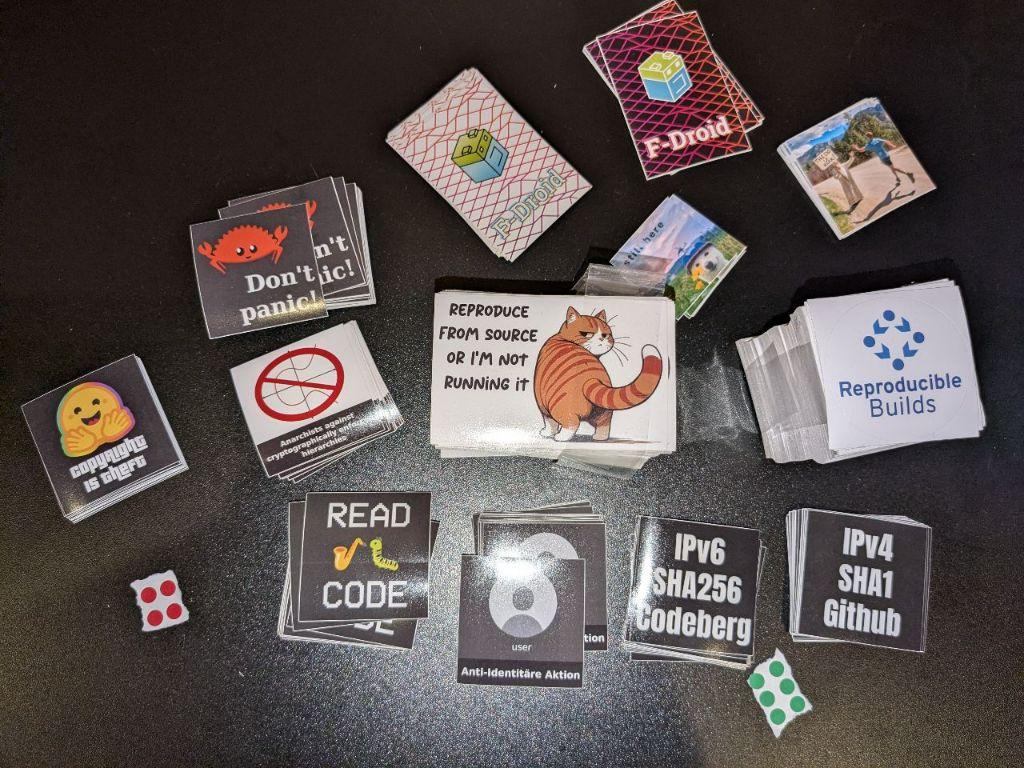
Oh, BTW, hi from the #ReproducibleBuild Summit 2026 in #Goteborg 👋
Alt...
Several stickers on a table: F-Droid, Reproducible Builds, Read Code else bugs party, Copyright is theft, Don't panic crab, and more.
![[?]](https://mastodon.mauve.moe/system/accounts/avatars/000/000/002/original/e4b910cee121b1b8.png)
Just installed this open source launcher for my #android TV and it's SO much nicer than all the BS in the default launcher that Google made me use.
So #Telegram is now sharing your messages with a 3rd party #AI service when you use certain features in the app
over the years Telegram has become worse and worse, right now it looks like a crypto-scam lottery-something, with ads in-chat and requiring you to buy premium for basic features
centralized platforms are bound to enshitification, it is a time trap, don't fall for it, choose #decentralization, choose #autonomy, choose #freedom
#ArcaneChat #Europe #genai #llm #android #Eu
Meet #ArcaneChat
No phone numbers required for registration.
No strangers discovering and contacting your family members.
All your conversations end-to-end encrypted.
it is magic! ✨️
Bringing safety and peace of mind to your life 💜✨
In ArcaneChat you are protected from spam and scammers, only people you give your contact invitation can reach you.
Setting it up takes seconds, give it a try!
#Arcanechat #europe #privacy #android #autonomy
Happy Saturday!
The weekend is here: a nice opportunity to recommend #ArcaneChat to a friend or #family and help them get in contact with you there
Spread purple love 💜✨
Keep the family safe 🤗
#europe #european #android #OpenSource

Enjoy the discretion and peace of mind of using #ArcaneChat:
no one can discover you or know you are using the app, no spam, no scammers! only people you share you invite link or contact QR with can message you
#privacy #android #European #Europe

![[?]](https://files.mastodon.social/accounts/avatars/000/377/402/original/19edbd43c05a3fcc.png)
Today, the next review in our #FreeYourAndroid series on #Android distributions is going live! 🚀🤖
This time, it's about #eOS from @e_mydata.
/e/OS is based on #LineageOS and its app suite syncs with your choice of #Murena, #Nextcloud, or Google out of the box.
Curious?🤔 Check out our review!
https://fsfe.org/activities/android/eos.html
Alt...
A robot inside a wrench
![[?]](https://cdn.masto.host/lsnglus/accounts/avatars/000/000/002/original/487cae6a93e9ba55.jpeg)
How I spent my afternoon: #wireguard #android clients require PersistentKeepalive or they will fail silently.
![[?]](https://media.mstdn.social/accounts/avatars/000/005/168/original/c85be6683862c045.png)
![[?]](https://assets.chaos.social/accounts/avatars/117/231/319/259/957/302/original/87c7f7bbd0b84132.jpeg)

If you would like to join Unet a privacy centric social media platform.
Its run by one developer and he doesn't have any marketing ploy and its a very small 600+ users as of writing.
It reminds me of a better alternative to Threads.
It also just got connected to the fediverse so you can now follow people and like and reply to accounts on the fediverse and vice versa.
Go check it out.
Its on iOS and Android.
https://tintotint.eu/whacky-corner/f-droid_slop/
Only apps from one #FDroid cycle were analysed? Was that easy? What will it take to follow each cycle or scan all >4.3K #Android apps?
And a poll: How did you find the report conclusions?
| Mostly conclusive: | 83 |
| Hard to say: | 65 |
| No signs of conclusiveness: | 19 |
| I'm just following the #ai #slop #slopwatch tags: | 22 |
Closed
![[?]](https://sfo3.digitaloceanspaces.com/veganism-space/accounts/avatars/117/196/338/432/085/580/original/c16d9f9a0dc2b1cd.jpg)
Happy Friday #fediverse! I have a new #askfedi conundrum I would like some help with if possible. I own a couple of blank #NFC tags (still in packaging, unused) and would like to write some data to one of them. Specifically, the equivalent of a #vcard.
The caveat is that I need to install whatever app that a #degoogled #android can run. #fdroid does not have any apps that will do the job. I don't have access to any other phones, nor do I have access to a non-linux machine.
Any ideas are welcome. Thanks!
![[?]](https://cache.treehouse.systems/accounts/avatars/110/628/855/321/239/565/original/02818afb40ed82f7.jpeg)
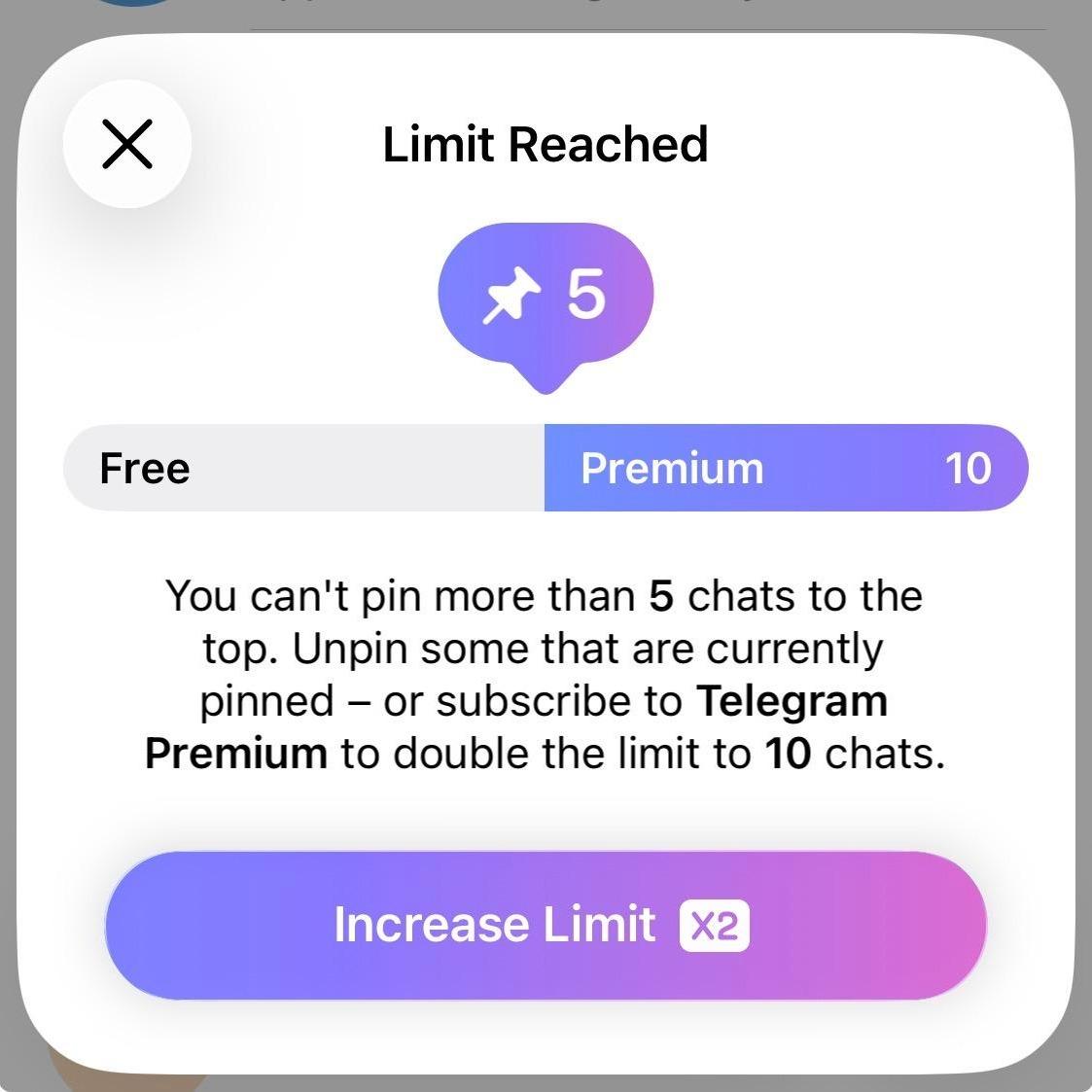
In #Telegram and #WhatsApp you have to pay for pinning more than a handful chats.
With #ArcaneChat you can pin as many chats as you want completely FOR FREE!
remove the limits: switch to ArcaneChat ✨
#opensource #android #european #europe #family

resilient and overpowered 🧙♂️✨
with #ArcaneChat your profile, groups, etc. live in your pocket, server work as blind relay, several can be used in parallel and they are disposable, bringing decentralization to the next level!
#resilience #europe #privacy #android #autonomy

![[?]](https://gotosocial.plutar.ch/fileserver/01RPGJP283X51EWJJ7WEJ0MS7S/attachment/original/01KWKYE3Z7JFJ19CVHCC1SKVTF.jpeg)
Current phone decided to have a spicy pillow. It was the flagship model four years ago, which means that it wasn't exactly cheap when it was new, and, again, that it's ONLY FOUR YEARS OLD. I think about the people who buy the new phone every year, and yeah, they spend more money than I ever will on phones, but I can't say I'm much better. I'll never buy a phone brand new for the same reason I wouldn't a car, and while it obviously doesn't feel as bad as it would if lost value instantly, it still feels somewhat bad because it's still some amount of money worth mentioning. I've gone through six of them over the last ten years, including this one, not counting its replacement which I don't have yet (and I won't count that until it finally dies, hopefully not nearly as soon). So that's a new phone every 1.666666667 years, for me, which is still better than one per year but not by much. I've probably spent somewhere in the neighborhood of $400 on phones over the last two years. It feels so wasteful; I can't stand it.
No phone numbers or any personal data required for registration with ArcaneChat
(A staff and purple robes is highly recommended tho)
#ArcaneChat #europe #android #autonomy #privacy #decentralization #WhatsApp #Telegram #Signal #alternative
Another way to leak traffic on #Android has been discovered
https://mullvad.net/en/blog/2026/9/10/another-way-to-leak-traffic-on-android-has-been-discovered
#TorVPN Beta: What we've learned building our own #VPN for #Android from scratch
7 #privacy tools experts actually use
https://proton.me/blog/privacy-tools-experts-use
#guide #Android #GrapheneOS #Graphene #Qubes #OrganicMaps #FDroid #RSS #Cape #Tor
The next review in our #FreeYourAndroid series on #Android distributions just went online! 🤖
This time, it's about #iodéOS from @iode. iodéOS is based on #LineageOS and comes with a built-in network blocker, call spam blocker, and parental controls. How does it fit your daily life?
Go check it out! 🚀
https://fsfe.org/activities/android/iodeos.html
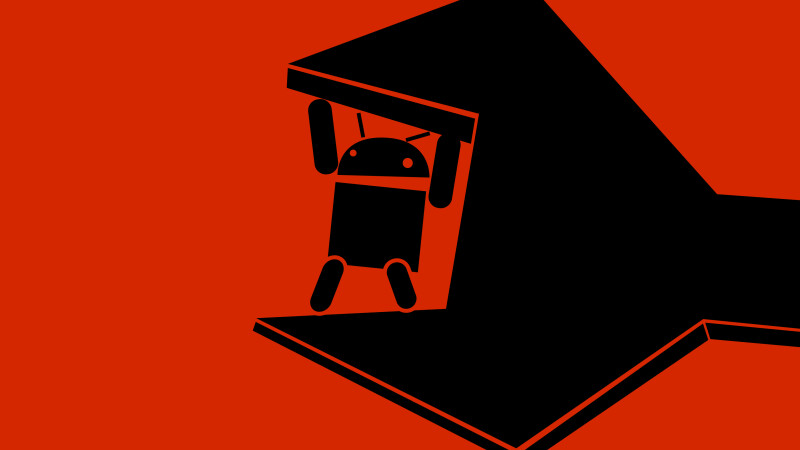
Alt...
a robot inside a wrench
Do you know what I truly love about #FDroid? When you need an app for something, you can just search, get a few results, and amongst them, find one that looks about right, if a little bland. Then you install it and discover it has all the features you needed, and is just about perfect for what you need it do.
On Google Cesspit Store I'd surely get a hundred scam results instead.
Oh, yes, YAACC is now my go-to DLNA player.
https://github.com/tobexyz/yaacc-code/blob/develop/README.md
![[?]](https://social.heise.de/__virtual/accounts/avatars/112/881/119/160/228/266/original/baf7ad72ec92f728.jpg)
GrapheneOS plans its own messenger solution with RCS and E2EE
GrapheneOS plans its own messenger solution with RCS support and end-to-end encryption. In addition, outdated AOSP default apps are to be replaced.
#Android #Datenschutz #GrapheneOS #IT #Messaging #Motorola #Security #news
Meet #ArcaneChat: a secure and decentralized private messenger
Anonymous: No phone number or any data required for registration!
Private: All your conversations end-to-end encrypted
Discreet: No one can discover you, no spam
It is magic! ✨
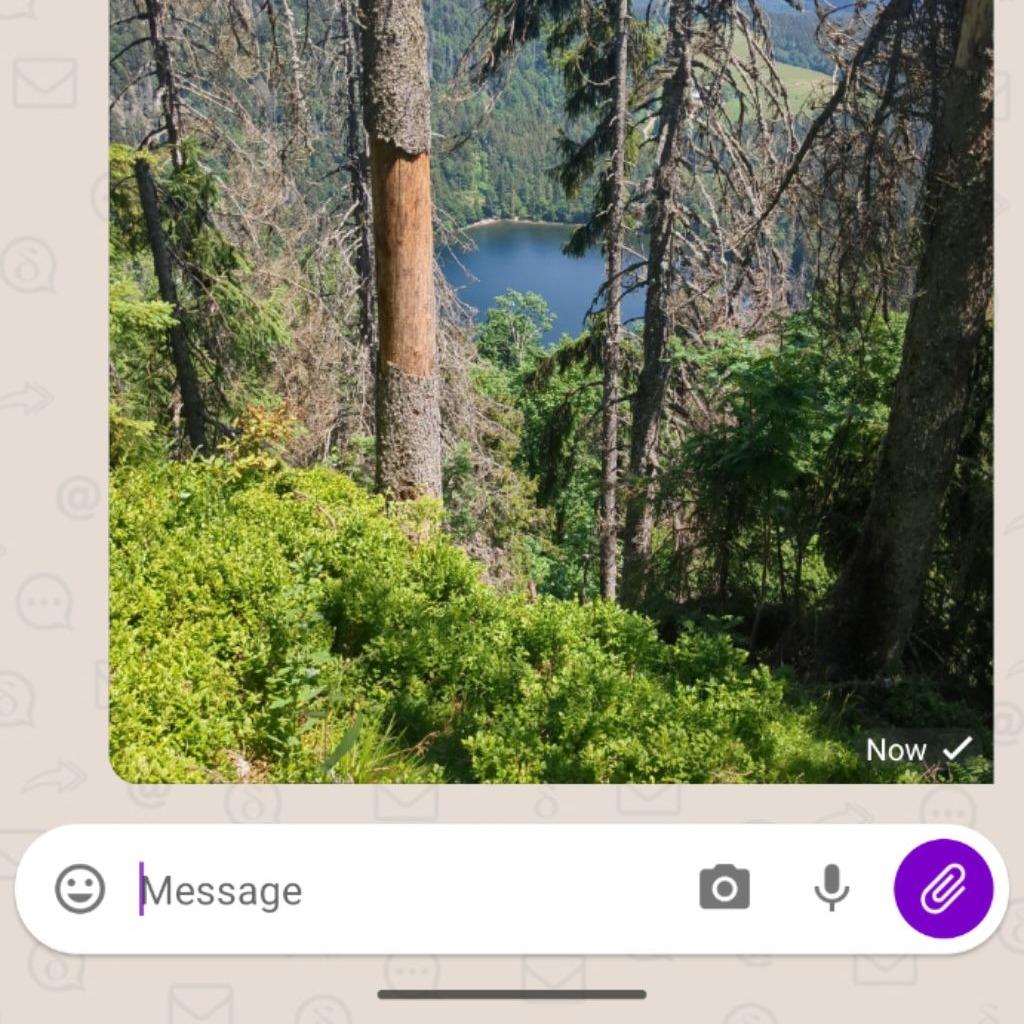
Keep family and friends up to date with your adventures in the intimacy of a secure and private chat with #ArcaneChat
No need to trust any service provider, you literally own your data!
Enjoy the peace of mind: no spam, no scammers!
#android #European #Europe #PhotoMonday
fun fact: just migrated a family member remotely from #Telegram to #ArcaneChat
In Telegram when you are in a videocall if you leave the app, you can't see the video anymore! only listen, while in ArcaneChat you can still continue seeing the other person in a floating bubble while you move and work in other apps, which helps if you are assisting someone remotely
![[?]](data:image/png;base64, iVBORw0KGgoAAAANSUhEUgAAAEAAAABAAQAAAACCEkxzAAAAUUlEQVQoz43R0QkAMQwCUDdw/y3dwEvsvzlL4X1IoQkAisKmwfAFT3RgJHbQezpSRoXEqeqCL9BJBf7h3QbOCCxV5EVWMEMwG7K1/WODtlvxAYTtEsDU9F34AAAAAElFTkSuQmCC)
the first #prototype of ordfkey, the #android #keyboard using #adb , has been released. fare warning, there are a few bugs that needs fixing. if you're anyone that knows about android, I invite you to help me fix this project . for instence, standard #talkback command keys do not work yet. so it would be fantastic if you could help me with this project.https://github.com/averlice/ordfkey released under the #gpl v3 public license.
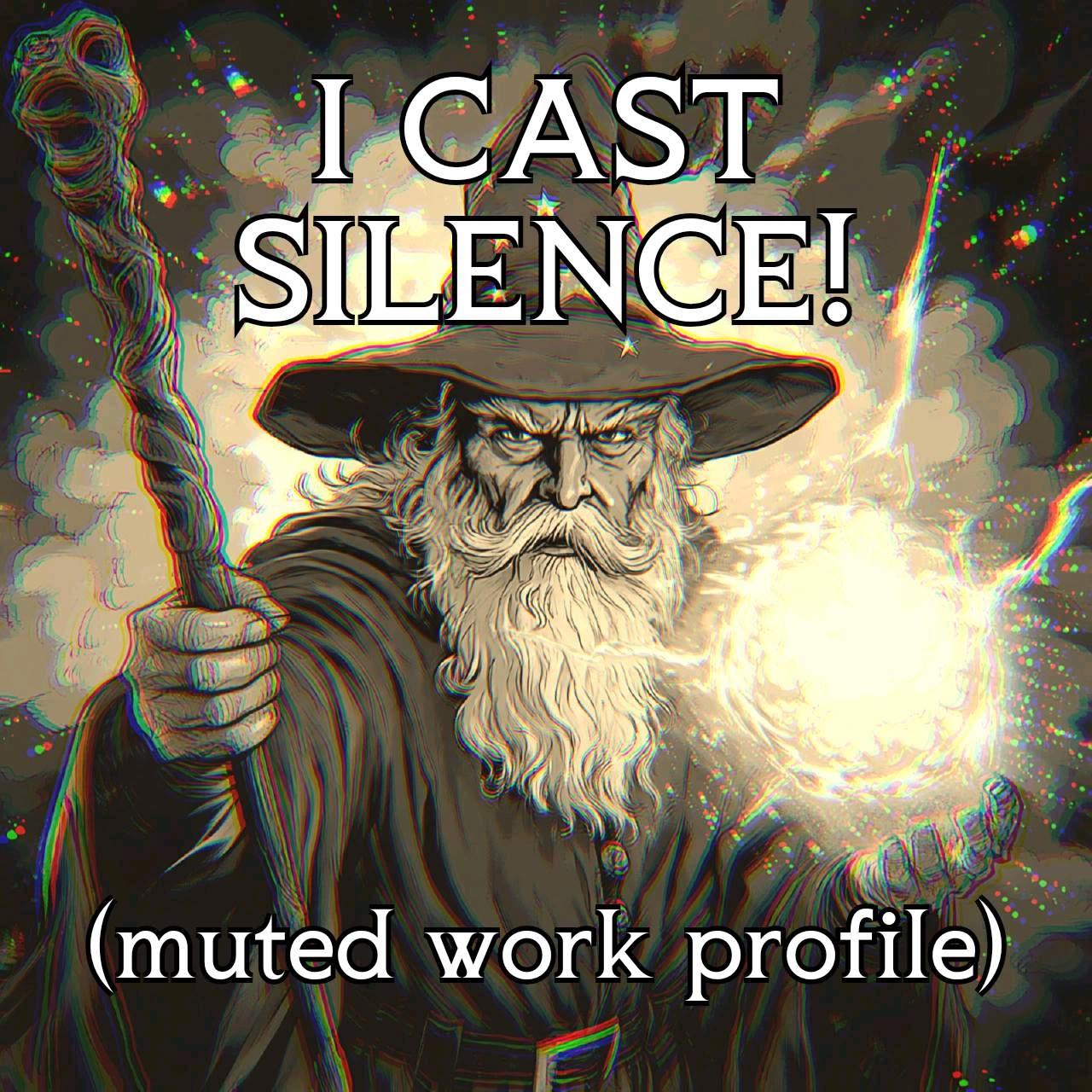
in #ArcaneChat you can have several profiles separating private life from work!
you can mute your work profile while you keep available for family and friends, ex. during weekends or vacations
#privacy #anonymity #family #Europe #European #android
so tell me, has this ever happened to you? you had a #bluetooth #keyboard for your #android #phone , but your keyboard dies and you can't do shit with your phone, or it's just fucking inconvenient. but, your PC keyboard works fine? well i'm making a new project called ordkey (ordinary keyboard) though I might also call it ORDFK (ordinary fucking keyboard) that uses android ADB to pass standard keys (like windows, alt tab) as android recognisable keys like a Bluetooth keyboard would using #adb .
yes, I have tried out scrcpy, which is fine, but it's not good enough for my needs. I need standard android / TalkBack controls as I would get on a normal keyboard.
I don't wonna wait to get a dedicated Bluetooth keyboard and need a temporary replacement, and my keyboard might just be the perfect thing to do that
Meet #ArcaneChat
No phone numbers required for registration.
No strangers discovering and contacting your family members.
All your conversations end-to-end encrypted.
it is magic! ✨️
#Android is a cornerstone of #FreeSoftware on phones, but only community distributions, sometimes called #CustomROM, put you in control. Which distribution suits your use case? Which one respects your freedom and supports your daily life? As part of #FreeYourAndroid, we took a closer look at several of them and today we release our report about @LineageOS https://fsfe.org/news/2026/news-20260904-01.html
Alt...
Droid which in a wrench with red background
![[?]](https://cdn.social.linux.pizza/system/accounts/avatars/110/688/878/003/018/294/original/f38e4d5c8bba57fa.jpg)
I'm not happy with this. 17 mins screentime after 7 hours and fauxx is already the main culprit 🫠 uninstalling for now
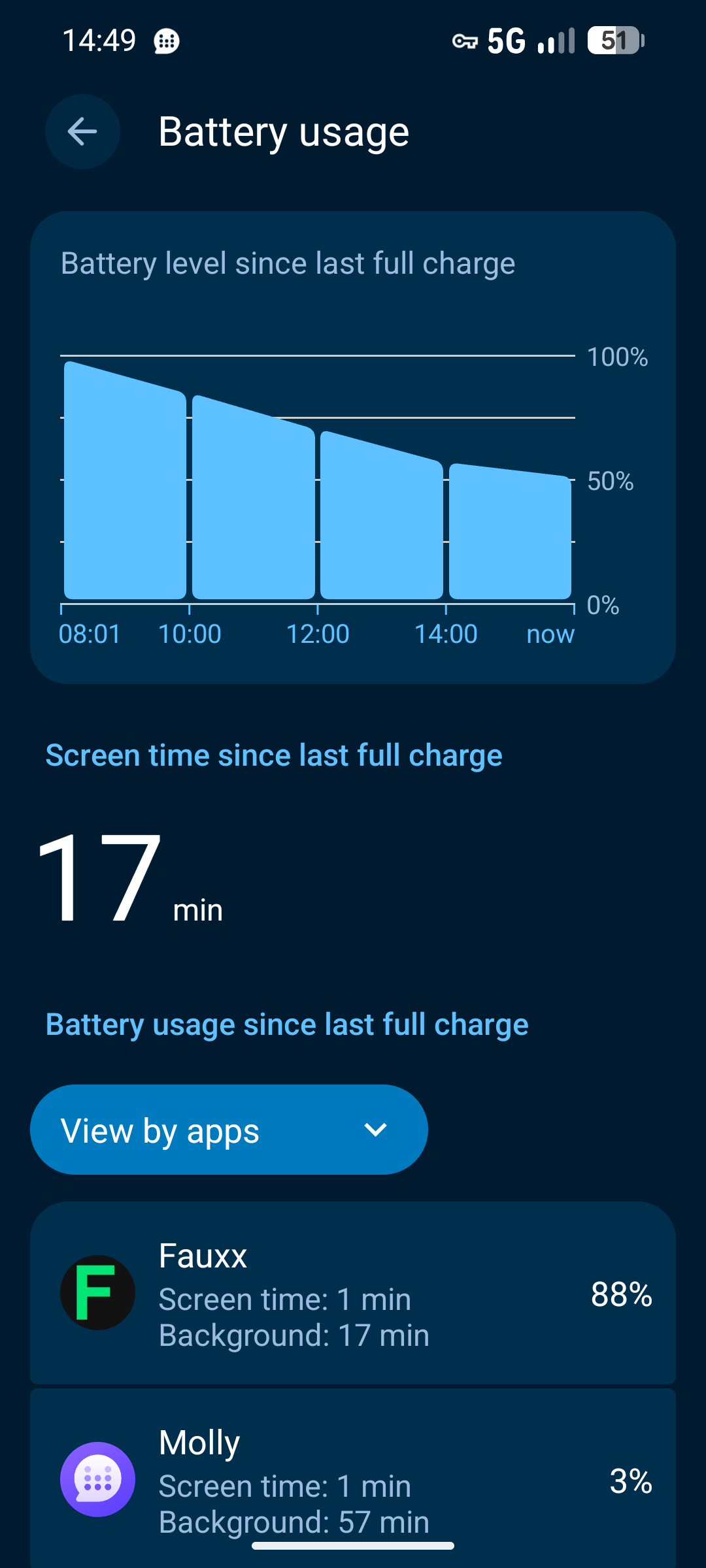
Alt...
Android Screenshot of Battery consumption.
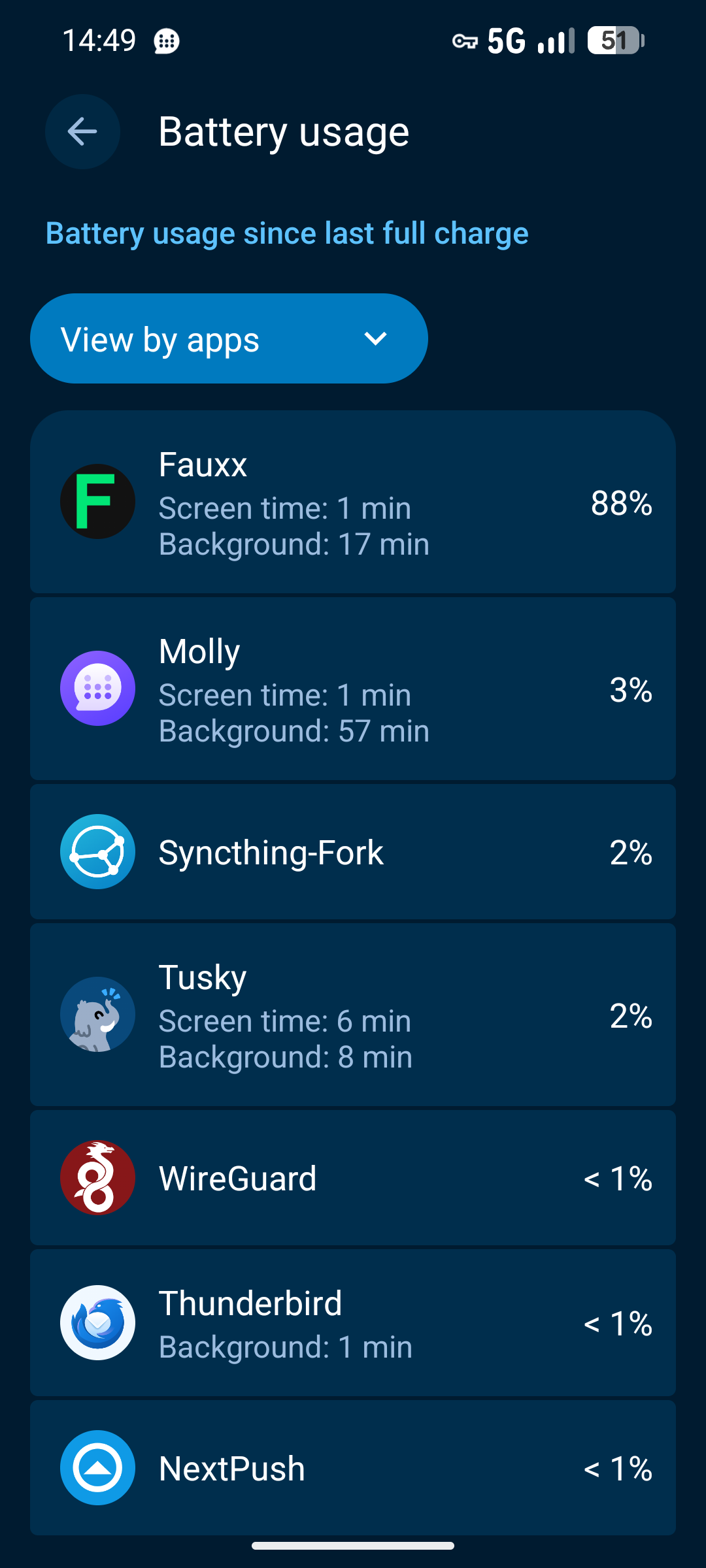
Alt...
Android Screenshot of Battery consumption.
I don't have #WhatsApp, I prefer to keep mystical and esoteric
#ArcaneChat #Europe #European #android
![[?]](https://autistics-life.s3.bhs.io.cloud.ovh.net/accounts/avatars/114/613/151/536/635/497/original/cbb662781ca90d08.jpeg)
@oemb1905 @arcanechat #Android to #Android video call was good in #Deltachat.
Calls to and from linux/flatpak <-> Android was good, but you can't pick the webcam. Deltachat in #Linux (flatpak) only wanted to use my poor-quality built-in webcam, not the far-nicer USB webcam.
So iPadOS is the "stinker": it can initiate video calls, but not receive them. It's right up to date: v2.59.1
No stun/turn problems on my Deltachat server!
preparing to move the whole folk dance course's #WhatsApp group to #ArcaneChat
#european #europe #android #family #privacy #encryption #OpenSource
Porting issues: GrapheneOS advises against buying the Pixel 11
The GrapheneOS team advises against buying the Pixel 11 if users want to flash the custom ROM onto the device. An important security component is missing.
#Android #Datenschutz #Google #GrapheneOS #IT #Mobiles #Security #Sicherheitslücken #news
Meet #ArcaneChat
No phone numbers required for registration.
No strangers discovering and contacting your family members.
All your conversations end-to-end encrypted.
In-chat mini-app, video calls and more!
it is magic! ✨️

Google is adding more network privacy features to Android 17. That’s good news, but privacy shouldn’t stop at the operating system.
Zerion is an open-source messenger for Android. No phone number, no account and no central server. Messages are end-to-end encrypted and routed over Tor.
We’re still early, building in public and improving step by step.
Try Zerion and tell us what you think:
https://play.google.com/store/apps/details?id=com.professor.zerion
only mages with strong willpower manage to cast this
#ArcaneChat #decentralization #android #Europe #European #signal #telegram #family #encryption
![[?]](https://files.mastodon.social/accounts/avatars/000/007/112/original/388649acb2026701.webp)
I'm getting a bit frustrated with the various Mastodon apps for Android.
Tusky doesn't support quote posts, and scrolling is janky.
Fedilab scrolling also stutters.
Pachli doesn't group notifications.
Mastodon official doesn't let you swipe between the tabs or customise them much.
I'm on a Pixel 8 Pro - so scrolling performance shouldn't be this bad!
What's your favourite #Android app for the Fediverse that you personally use on a regular basis?
(Not interested in websites / PWA thanks.)
An dieser Stelle nun etwas frei nach einem gewissen Neil Armstrong:
„Das ist ein kleiner Schritt für einen Menschen, aber ein großer Sprung für die Menschheit!“
Ein paar Augenblicke, um den freien und dezentralen Messenger #DeltaChat in Betrieb zu nehmen. Im Beispiel mit einem neuen Profil unter Nutzung eines vorhandenen Chatmail-Relays.
➡️ Schritt 1: Download & Installation
Unter https://delta.chat/de/download finden sich Download-Optionen für verschiedene Plattformen: GNU/Linux, Android, iOS, macOS, Windows und auch Ubuntu Touch. Wer unter Android das freie Repository F-Droid bevorzugt, wird fündig. In dubiosen proprietären App-Stores ist #DeltaChat notfalls auch vertreten. Herunterladen und installieren wie gewohnt.
➡️ Schritt 2: Inbetriebnahme, Profil einrichten
Bei einer frischen Installation ohne Profil wird #DeltaChat direkt fragen, ob man ein neues Profil erstellen oder ein vorhandenes einrichten will. Wähle in diesem Beispiel "Neues Profil erstellen". Nun kannst Du einen Namen festlegen, unter dem Dich Deine Kontakte kennen (oder kennen lernen), auch ein Profilbild. Dieser Name muß nicht eindeutig sein und läßt sich jederzeit ändern. Wenn Du das voreingestellte Chatmail-Relay nine.testrun.org nutzen willst, bist Du nach einem Klick auf "Profil erstellen" schon fertig.
➡️ Schritt 3: Kontakte einrichten
Da #DeltaChat ein dezentraler und anonym zu nutzender Messenger ist, existieren zwangsläufig keine zentralen oder sonstwie öffentlichen Verzeichnisse von anderen Nutzenden. Privatsphäre und so.
Wenn man sich gerade direkt in die Augen schaut, können sich diese Menschen via Anzeige eines QR-Codes und Scannen desselbigen verknüpfen. Okay, den technischen Part sollten die Geräte übernehmen. Easy.
In anderem Fall kann man sich über den Austausch eines Links verknüpfen.
Dann kann es auch schon losgehen mit der Chatterei.
ℹ️ Und nun noch ein wenig mehr Informationen. Hintergrund und so.
▪️ Chatmail-Relays sind spezialisierte Mailserver, die die Zwischenspeicherung von Nachrichten übernehmen, wenn ein Gerät gerade offline ist. Diese Relays werden gern durch Spenden finanziert. Man kann auch ein eigenes Relay aufsetzen oder eine IMAP-Box für diesen Zweck verwenden.
Hier eine Übersicht: https://chatmail.at/relays
nine.testrun.org ist die Vorgabe für viele Chatmail-Applikationen.
https://nine.testrun.org/
In Deutschland gehostet ist z.B. chat.adminforge.de.
https://chat.adminforge.de/
Auf diesen Chatmail-Relays erhält ein Profil eine interne E-Mail-Adresse und es wird etwas Speicherplatz vorgehalten für die erwähnte Zwischenspeicherung von Nachrichten (im Beispiel nine.testrun.org 700 MiB, chat.adminforge.de 500 MiB).
Man kann auch mehr als Relay mit einem Profil verbinden. Nachrichten werden dann auf allen Relays empfangen. Zum Senden wählt man ein aktives Relay aus.
▪️ Die eigentliche Speicherung Deiner Nachrichten passiert auf Deinem Endgerät. Hin und wieder eine Sicherung durchführen, empfiehlt sich daher nicht nur hier.
▪️ Zweitgeräte hinzufügen geht direkt aus der Erstinstallation. Beide Geräte müssen sich im selben Netzwerk aufhalten (also z.B. im heimischen WLAN). Auf dem neuen Gerät wird dann kein neues Profil erzeugt, sondern das vorhandene Profil über "Zweitgerät hinzufügen" verknüpft. Das erste Gerät zeigt hierzu einen QR-Code an, den das zweite Gerät scannt. Im Anschluß synchronisieren sich die beiden. Danach sind beide Installationen gleichwertig und unabhängig voneinander. Wenn ein QR-Code-Scannen nicht möglich ist, kann man einen Code in die Zwischenablage kopieren. Praxistipp: Richte #DeltaChat erst am PC ein und scanne dann vom Smartphone. Wird meist einfacher sein.
▪️ Weitere Profile kann man nach Bedarf einfach in #DeltaChat hinzufügen.
▪️ Grundsätzlich schadet es nie, durch die Einstellungen zu gehen und für die eigenen Vorlieben anzupassen.
Übrigens, man kann den Kontakten auf dem eigenen Gerät einen eigenen Namen vergeben, wenn man will.
Viel Spaß mit einem dezentralen Messenger aus Europa, der übrigens als "Open Source" entwickelt wird.
👉 DeltaChat im Web: https://delta.chat/de/
👉 DeltaChat im Fediverse: https://chaos.social/@delta bzw. @delta@chaos.social
#DeltaChat #Delta #Chat #Messenger #InstantMessaging #Chatmail
#GNU #Linux #Android #iOS #macOS #Windows #Ubuntu
#Web #Fediverse
![[?]](https://files.mastodon.social/accounts/avatars/111/877/961/013/095/601/original/1d659ca16f57af47.jpg)
Why Tor Button? 💪🏻
Imagine living in a country where Tor is allowed and reachable, but some apps or services are blocked and you don't want, can't, or don't trust a commercial VPN.
Install Tor Button, press one button, and your Android apps' TCP traffic goes through Tor.
No per-app proxy configuration. No VPN provider to trust.
in #ArcaneChat you can have several profiles separating private life from work!
you can mute your work profile while you keep available for family and friends, ex. during weekends or vacations
#privacy #anonymity #family #Europe #European #android
![[?]](https://tiggi.es/system/accounts/avatars/109/621/696/936/470/135/original/bbfa58faec4b0a61.png)
Gosh I love android and Linux container apps for it, especially nix-on-droid. It's so nice to have a subset of my home-manager config available on mobile devices.
I think the main thing that would make using android for general computing difficult is just how crappy mobile Firefox is and how it just lacks so many of the shortcuts and extensions of full fat Firefox.
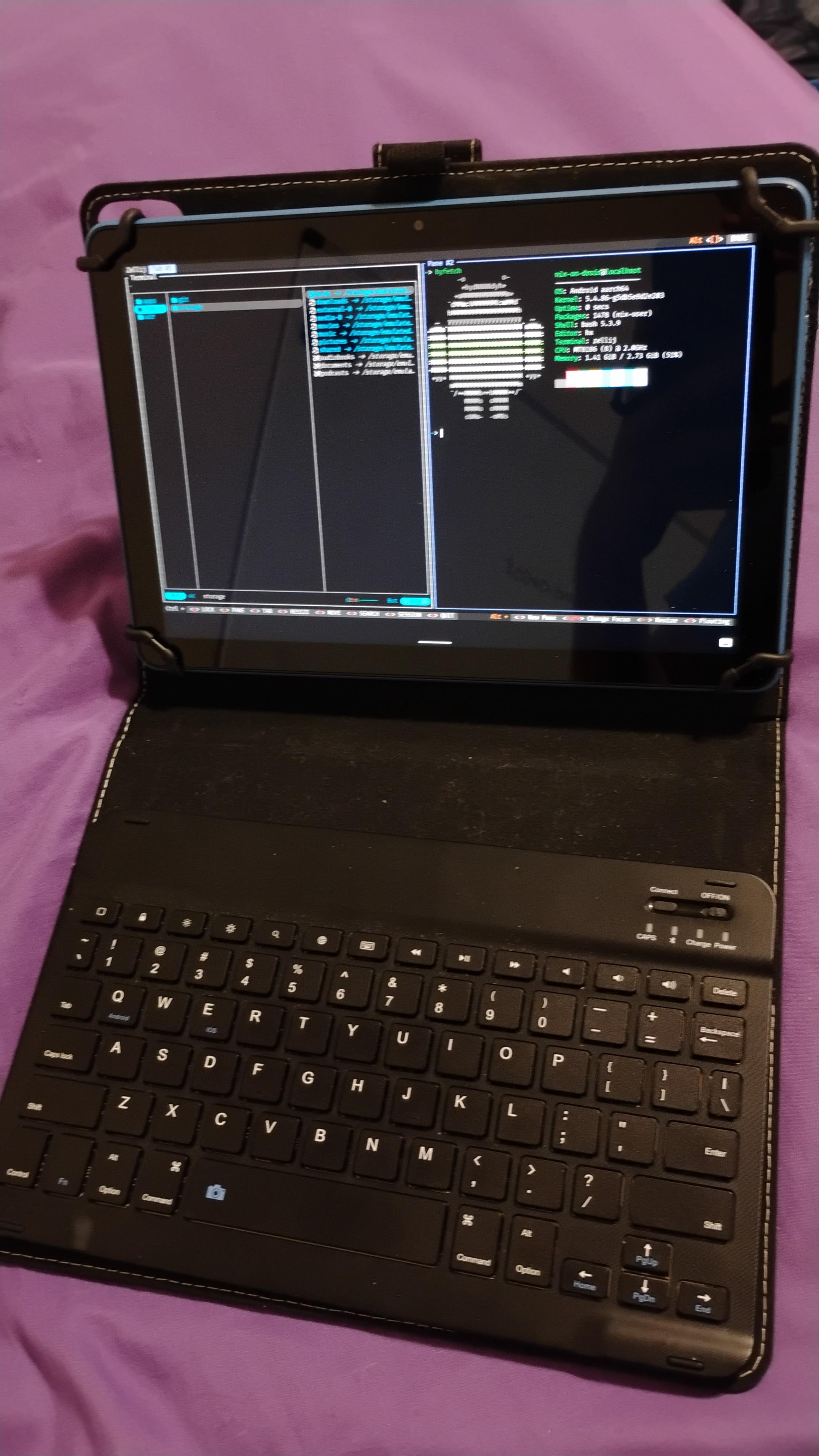
Alt...
Android tablet with a keyboard running nix-on-droid. Has a terminal file manager and neofetch open showing the stats
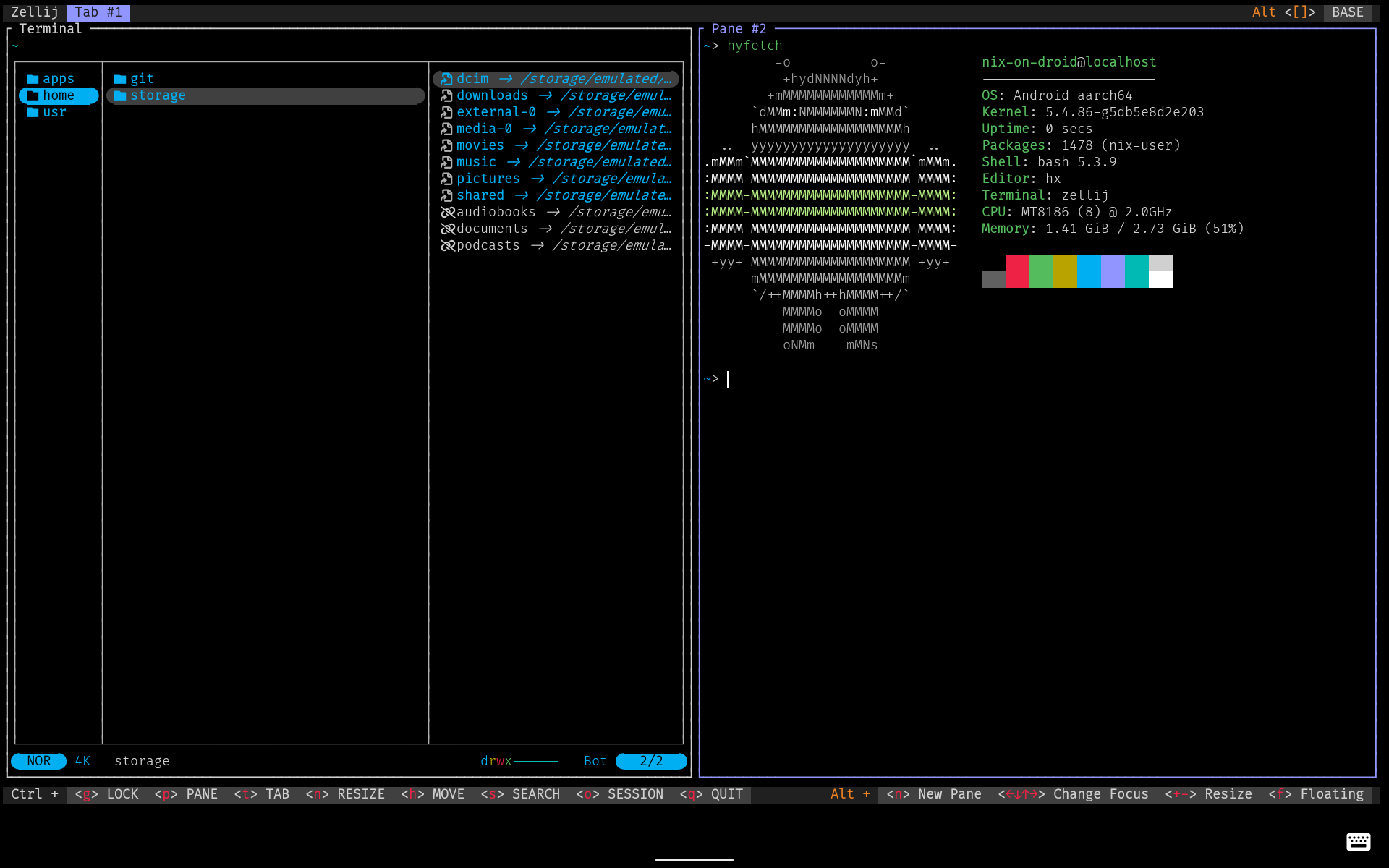
Alt...
Screenshot of android tablet.
Protect your digital peace of mind with #ArcaneChat:
All your private data lives only in your device, independent of any server! you own it!
No one can discover you or know you are using the app, no spam, no scammers!
#privacy #android #European #Europe
![[?]](https://files.mastodon.social/accounts/avatars/110/641/555/278/107/926/original/60e39d3280d3b645.png)
ok #infosec #browser #android folks: i have a weird thing happening with #localization:
even though i have android set to EN_CA, it looks like sites are reaching for info of my keyboard to set ―what they think― is my actual language.
this is a multilingual keyboard that i use to write in 4 languages. the fuckers think am monolingually french. i thought this was only a Google/Youtube fuck up but now Trackt is doing it too.
WTAF?!?!?
how can i block this stupid #fingerprinting?
Friends don't let friends in centralized walled gardens
#ArcaneChat #decentralization #europe #european #family #friends #android #privacy
![[?]](https://media.mastodon.de/accounts/avatars/116/172/905/014/578/882/original/4e2d3b525b2a2902.png)
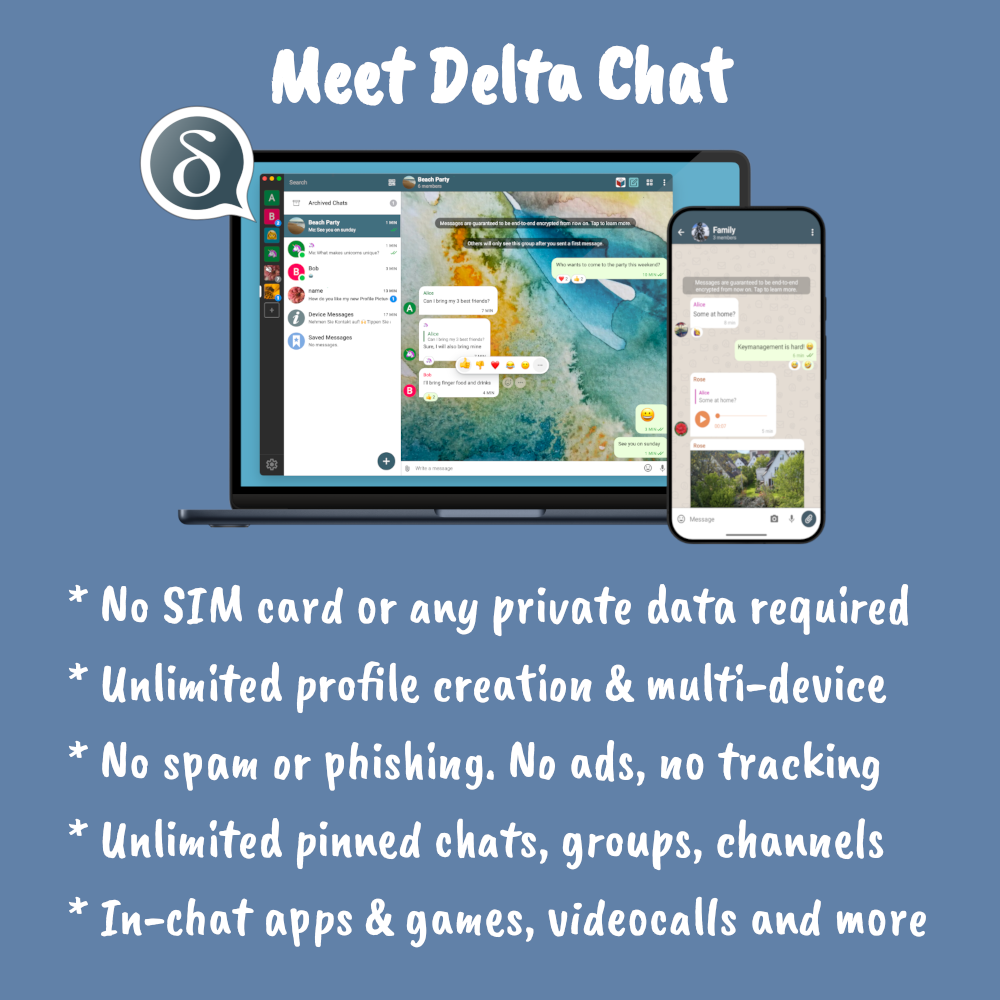
@snap here, have another flyer to help you in your quest 👏👏👏
EDIT: fix typo in flyer
#DeltaChat #decentralization #privacy #linux #macos #ios #android #windows #software #encryption #communication #activism #flyer #poster
In #Telegram and #WhatsApp you have to pay for pinning more than a handful chats.
With #ArcaneChat you can pin as many chats as you want completely FOR FREE!
remove the limits: switch to ArcaneChat ✨
#opensource #android #european #europe #family
GrapheneOS and Motorola: First smartphones expected to be pricier than Pixel
GrapheneOS announced new details about its partnership with Motorola. The first smartphones are expected to be released in 2027 and will be pricier than Pixel.
Just published tor-button on GitHub!
https://github.com/bashcore/tor-button
One-tap Tor: ON = anonymous, OFF = normal.
Tested 24h+ on 4 phones (Android 8 to 14, even Huawei/Narzo): no drops 😅
Tip: set it as Always-on VPN and disable battery optimization, or it will get killed.
Open source, no ads, no BS.
resilient and honestly overpowered 🧙♂️✨
with #ArcaneChat your profile, groups, messages and contacts live in your pockets, servers work only as blind relays of encrypted blobs and they are disposable & replaceable
#europe #privacy #android #autonomy
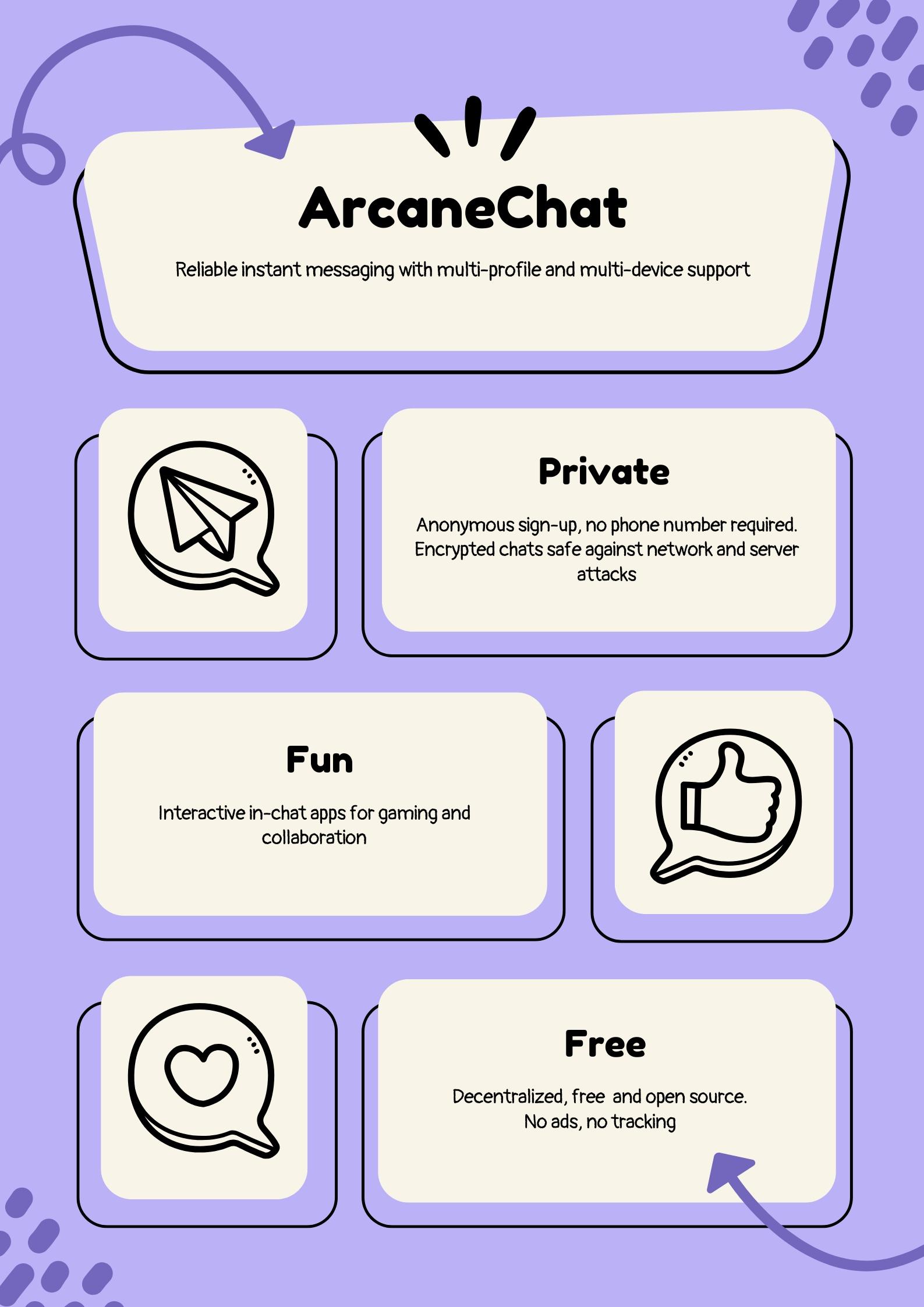
Meet #ArcaneChat
No phone numbers required for registration.
No strangers discovering and contacting your family members.
All your conversations end-to-end encrypted.
it is magic! ✨️
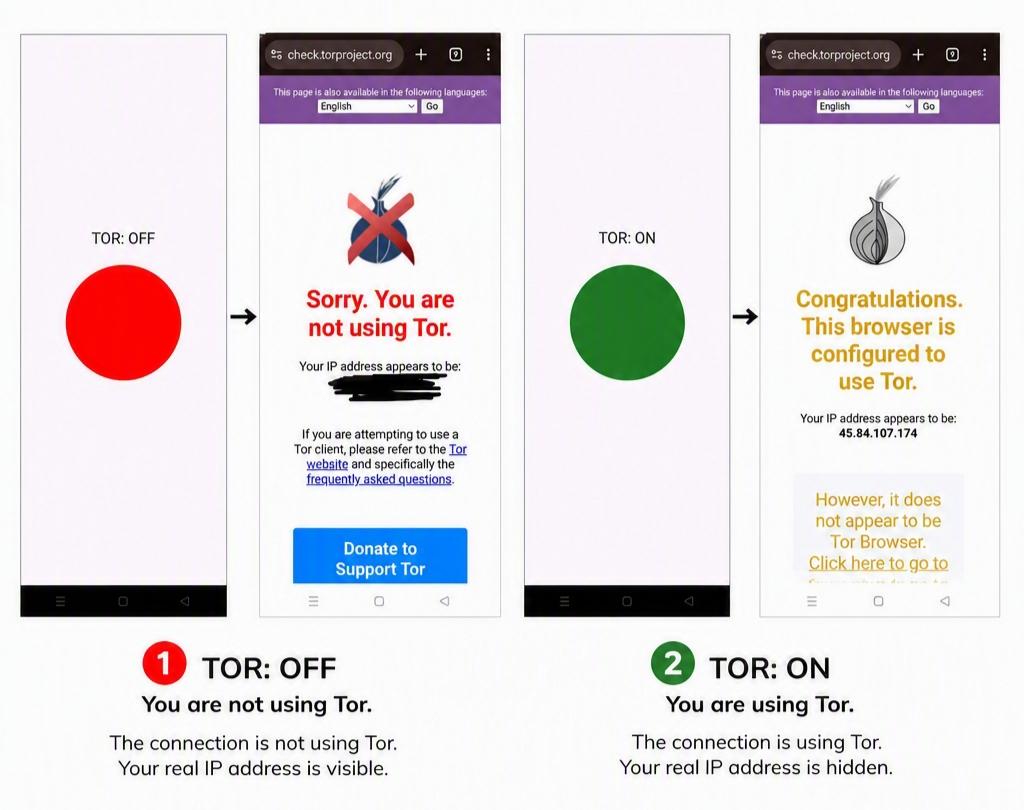
Introducing Tor Button! 🔘
My new #OpenSource Android app that routes ALL your TCP traffic through #Tor with one tap. No trackers, no ads.
Built to survive the worst phones: it finally stays up for hours on my Realme Narzo 30 (battery killer) on WiFi & mobile, with built-in IP leak protection.
Soon on #GitHub & perhaps #FDroid! 💪🏻
#Privacy #Android #VPN #TorProject
trying dating apps? often their chats are not good or private, giving your phone number to someone so early is also not a good idea
you could use #ArcaneChat to chat with them, with a dedicated profile
#dating #Arcanechat #europe #european #privacy #android
![[?]](https://media.mas.to/accounts/avatars/109/442/454/487/918/952/original/d8a5f7a5f95ae2cb.png)
Set Up a Separate Work Profile on Your #Android Phone
It is possible to achieve your desired work-life balance on your #smartphone. Just set up separate #accounts using this built-in Android feature.
#privacy #security
https://www.wired.com/story/set-up-a-separate-work-profile-on-your-android-phone/
in #ArcaneChat you can have several profiles separating private life from work!
you can mute your work profile while you keep available for family and friends, ex. during weekends or vacations
#privacy #anonymity #family #Europe #European #android
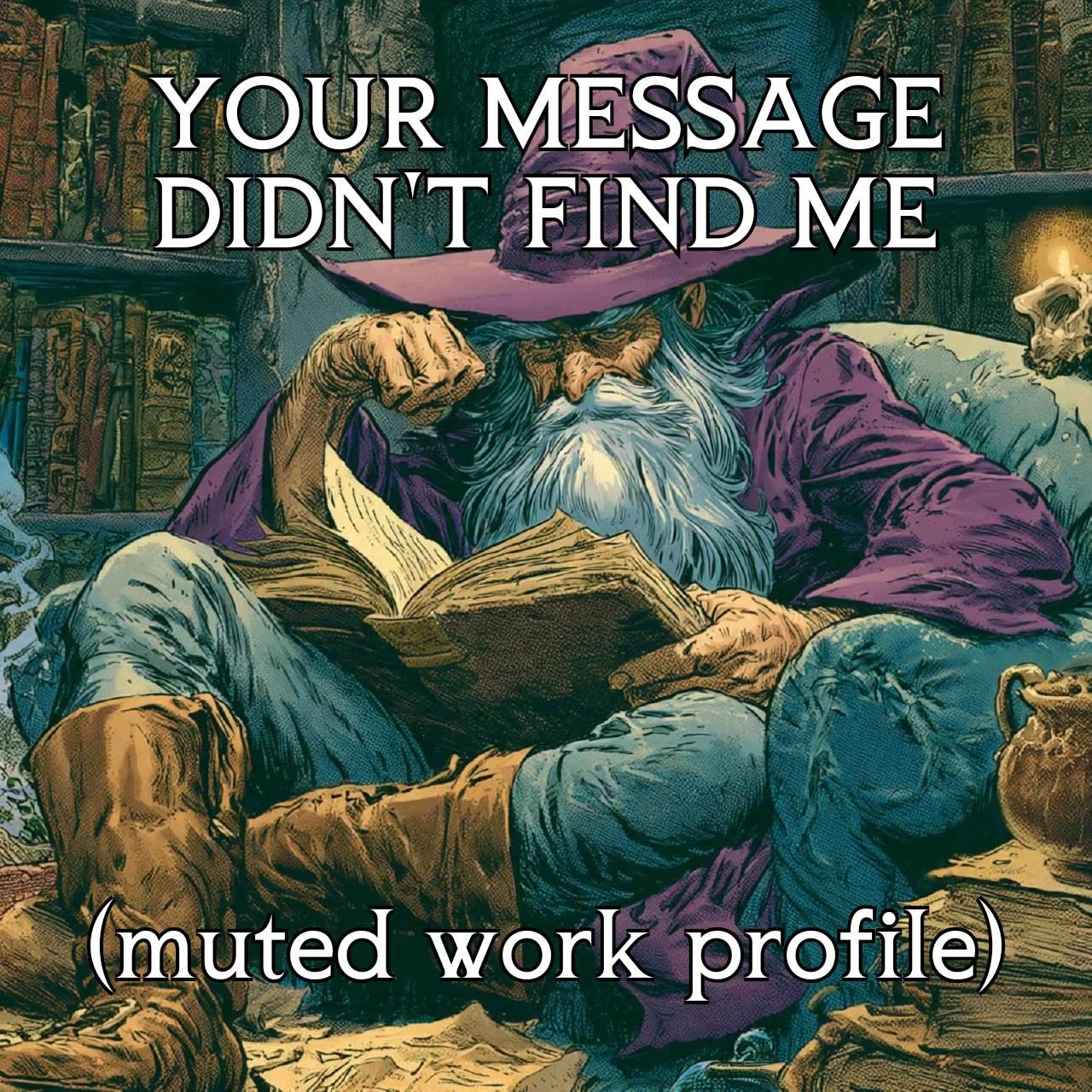
Empowered 🧙♂️✨ and with a strong feeling of freedom and peace of mind.
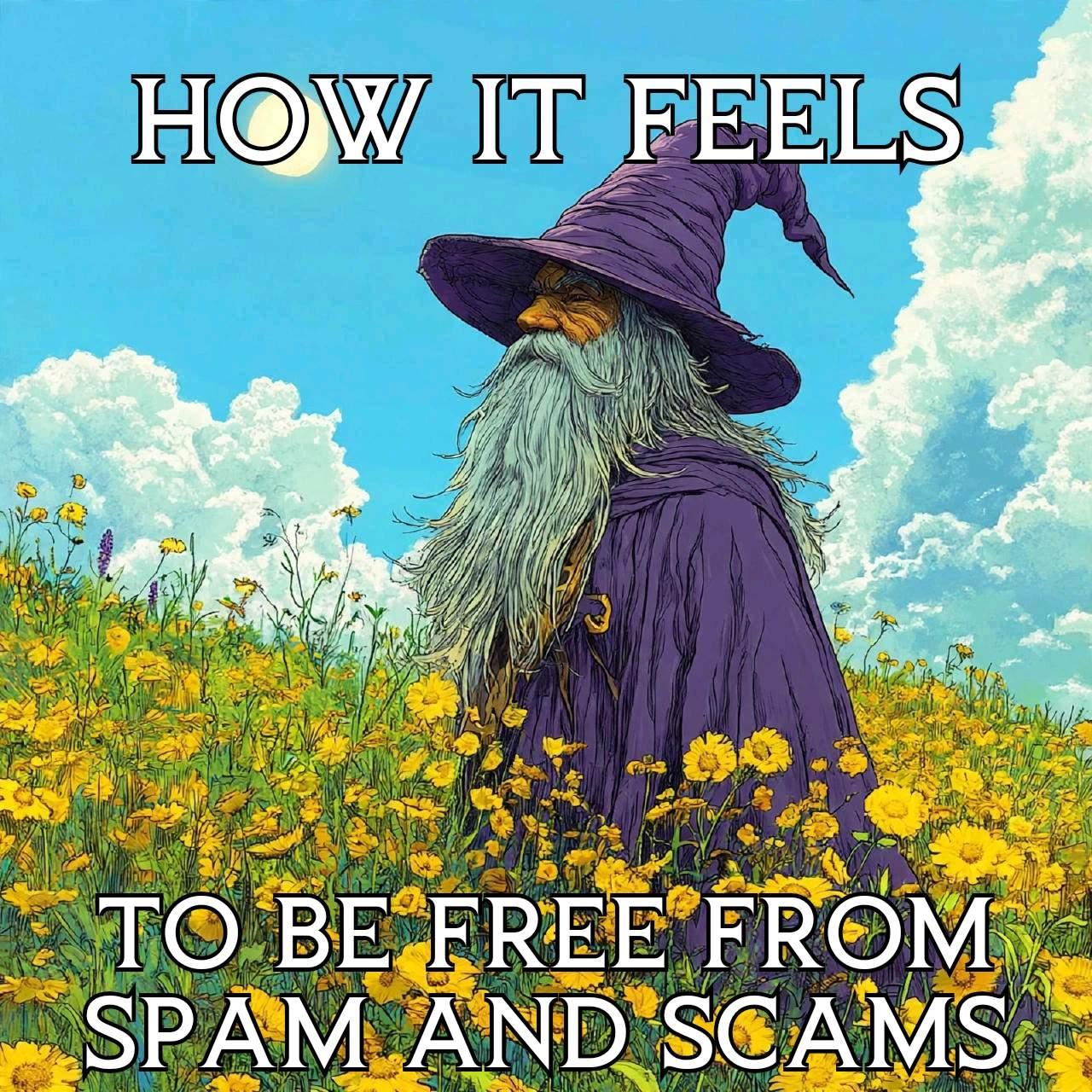
In #ArcaneChat you are protected from spam and scammers, only people you share your contact invitation with can reach you
#europe #privacy #android #autonomy
![[?]](https://polymaths.social/fileserver/01HCMX6M1CZNEVJ4F5H58TT5XJ/attachment/original/01JHC5KM5K0V0J0436SPD3F86H.jpeg)


 🍵
🍵  [
[#Olauncher tip: you can rename applications in the all-applications drawer with an emoji at the beginning so tat they get sorted to the top of the list. That way you get six extra hand-picked launchers on a secondary screen from the main eight.
The application names aren't sorted, because the emojis are different, but you could probably use something like a bullet "•" instead so that the names remain sorted.

Alt...
A screenshot of Olauncher showing six hand-picked applications that were renamed within the launcher to have an emoji in the beginning, causing them to come up to the top of the list.

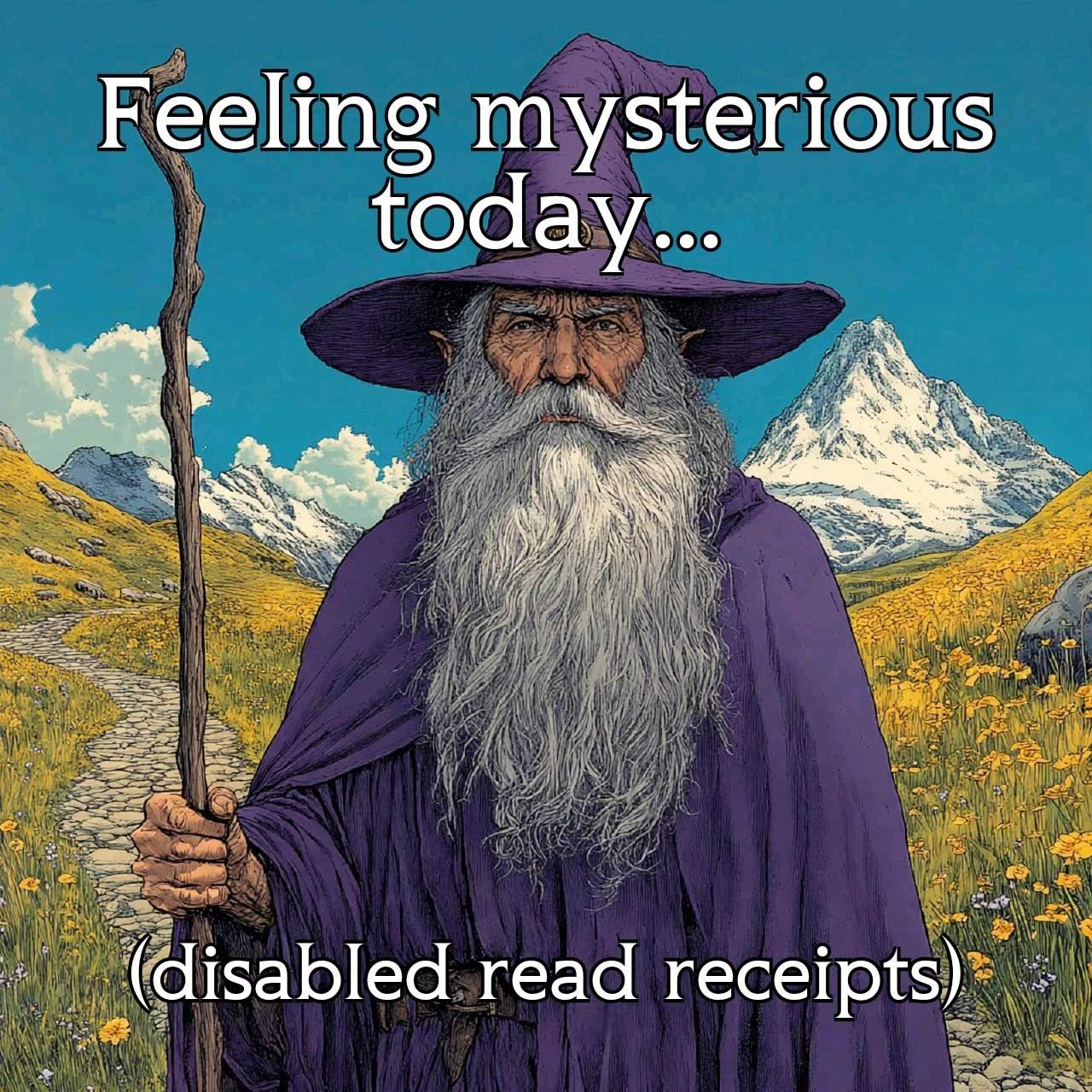
I need to go out and stare at moss in the forest before getting back to your message
#ArcaneChat #privacy #security #encryption #anonymity #family #digitalindependence #Europe #European #android #openSource

![[?]](https://cdn.masto.host/mastohackerstown/accounts/avatars/114/325/054/246/214/436/original/c58d1c57375e57d7.jpg)
Looks like Google has decided that Android is not in their future.
This is why I keep saying that the AOSP codebase needs to be hard forked so Android can continue to thrive through the community and its distros. Because it's no longer a matter of if Google will kill Android, but when.
fighting #Meta and big tech, one distant cousin at a time 😈
#ArcaneChat #decentralization #android #Europe #European #signal #telegram #family #encryption #bigtech
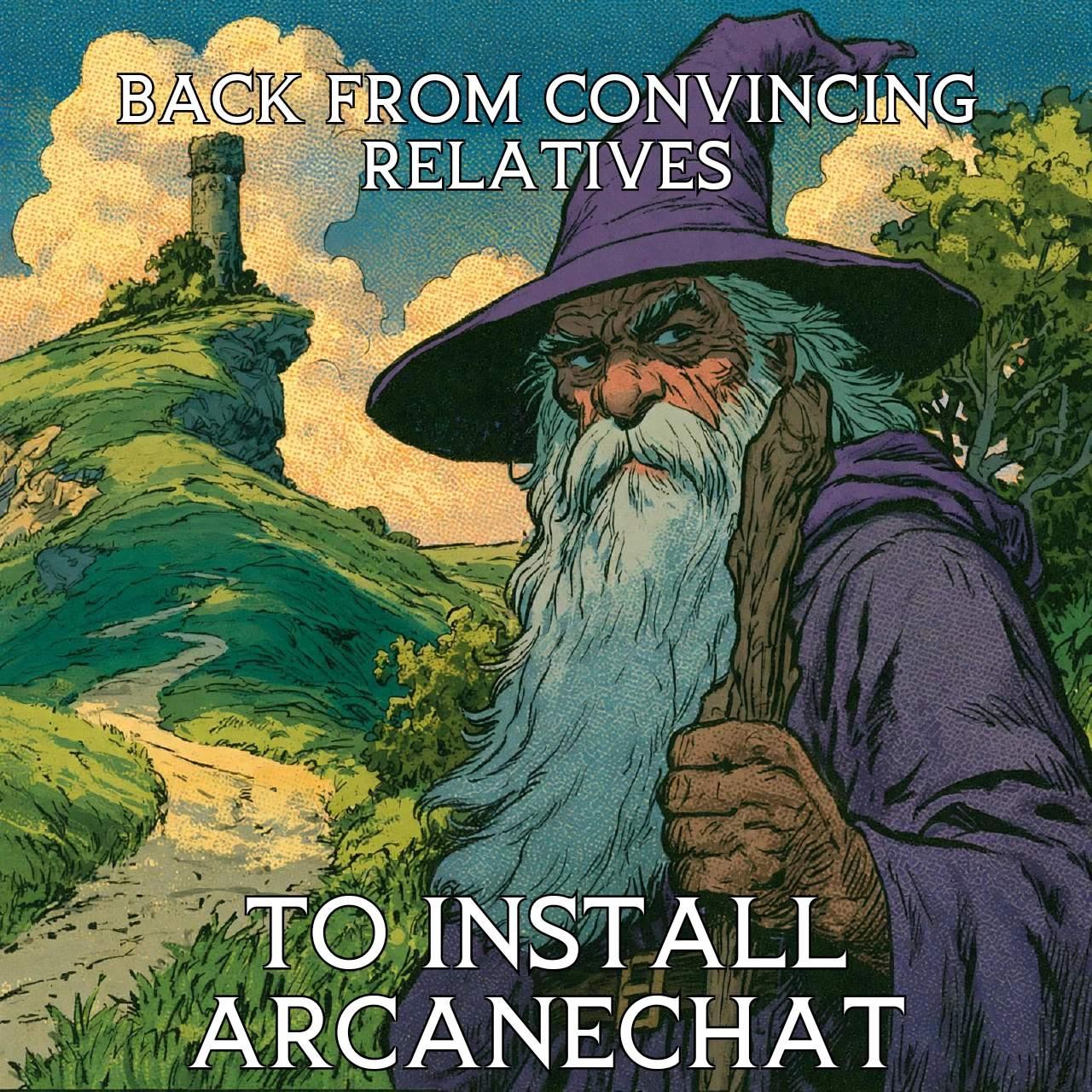
are you the writer type or do you do mainly calls and/or voice messages?
#ArcaneChat #European #Europe #Android #privacy #family #OpenSource
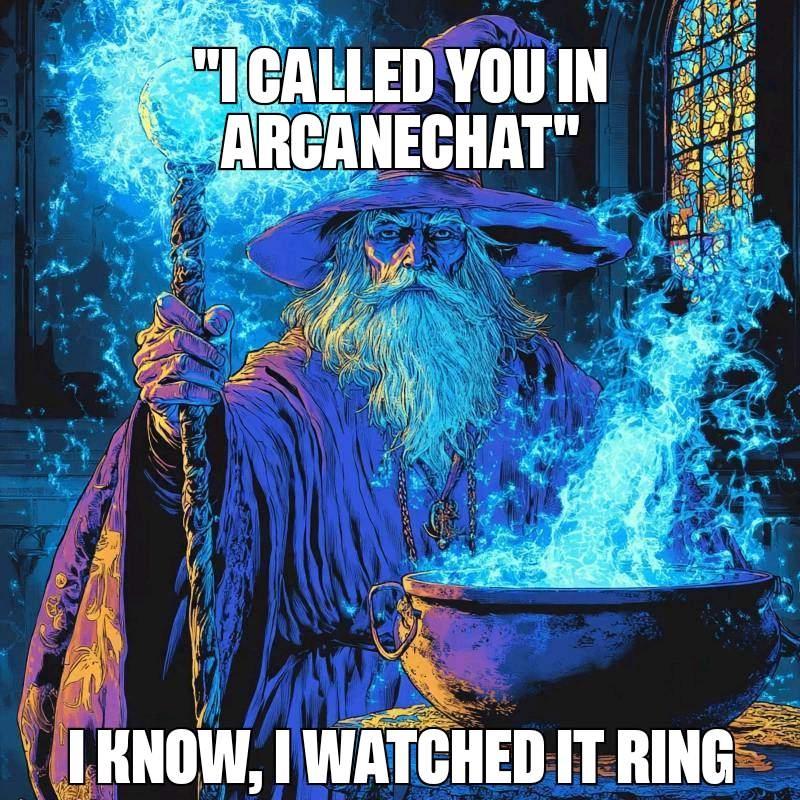
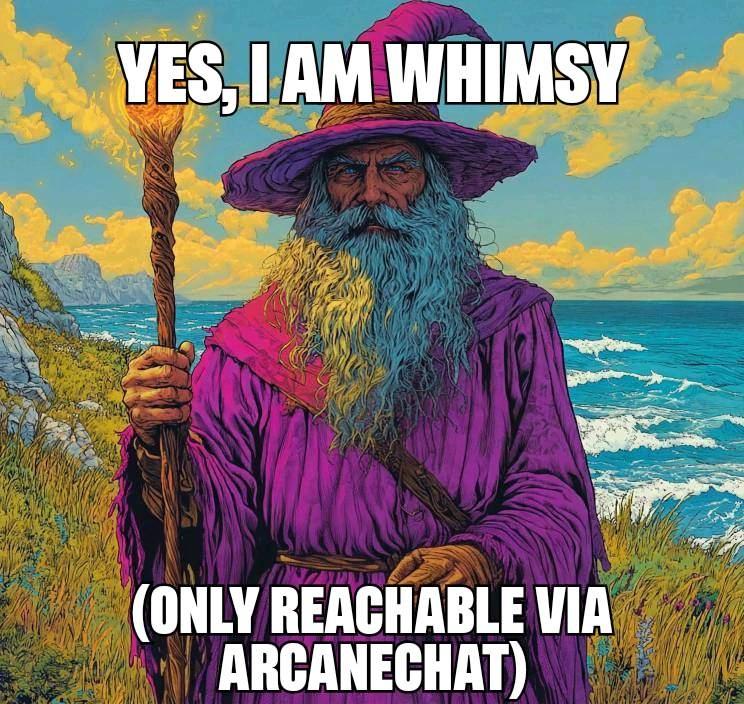
sorry, I don't have #WhatsApp, I prefer to keep mystical and esoteric
#ArcaneChat #Europe #European #android
![[?]](https://files.mastodon.social/accounts/avatars/000/354/718/original/bc09f9ddbf551808.png)
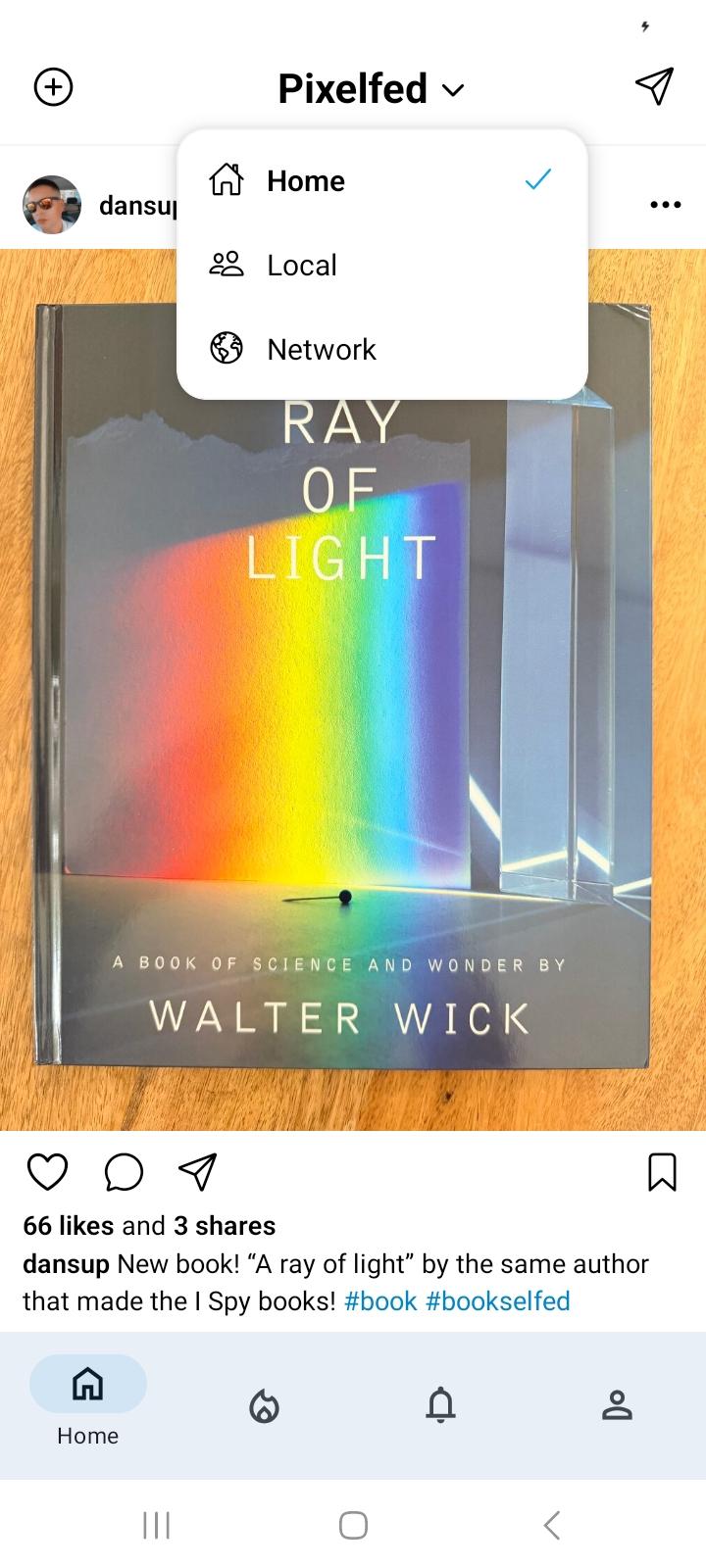
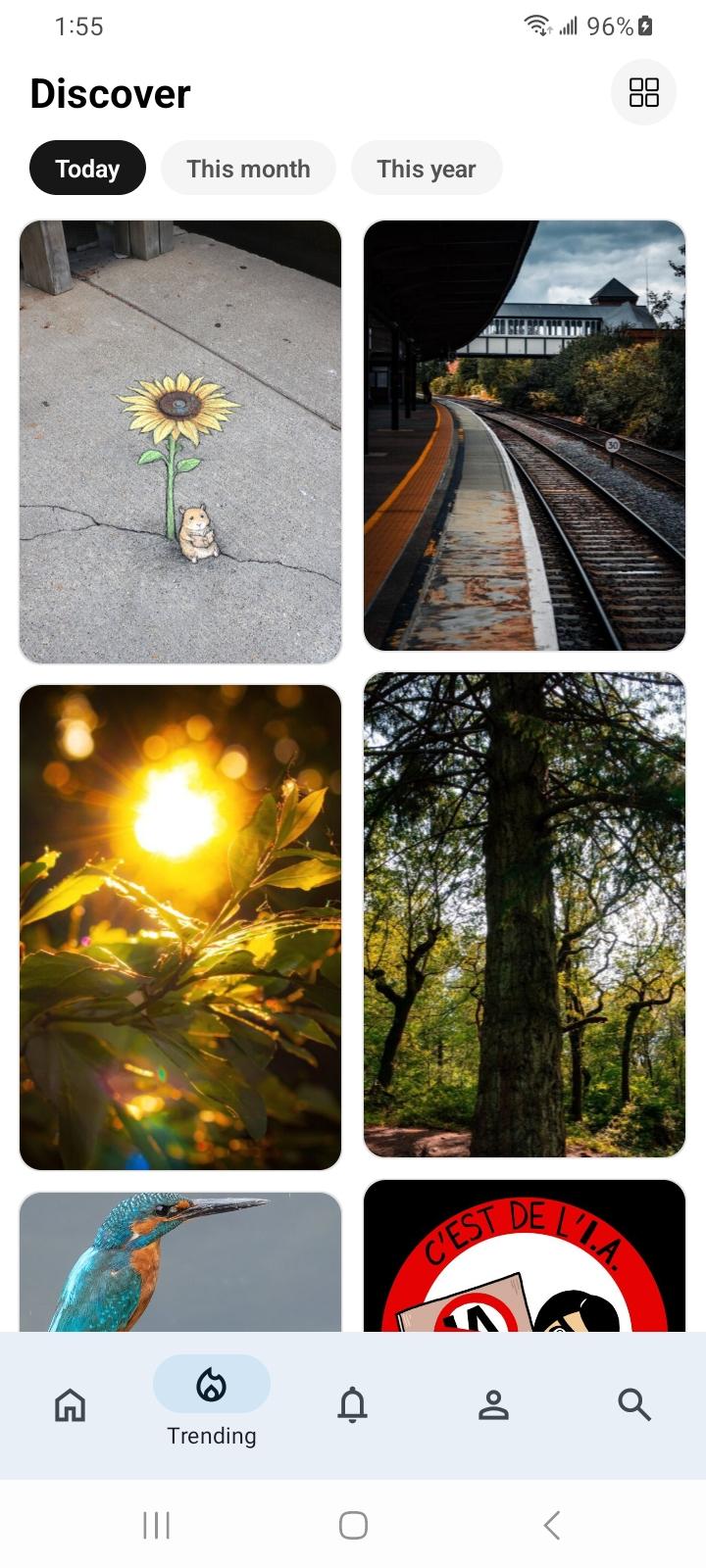
Due to Android API changes, we need to submit a new build that meets target API requirements before August 31.
We will be submitting it for approval in the next day or two, and can't wait to get it in your hands!
Alt...
New Pixelfed for Android app
Alt...
New Pixelfed for Android app
#Fairphone is launching its latest repairable phone in the US too
https://techcrunch.com/2026/08/18/fairphone-is-launching-its-latest-repairable-phone-in-the-us-too/
Did you know you can use your phone to provide onramps to the TOR network to help people bypass censorship?
Seems like a very cool project: https://f-droid.org/packages/io.bloco.snowflake/
I've had it running on my phone today. Pretty modest battery drain, and it can be set to only run on wifi and/or while charging.
how many of you feel seen?
#ArcaneChat #europe #european #android #privacy #encryption #decentralization #OpenSource
> I’m currently still running version 1.58.4 (#DeltaChat on #Android).
I guess you don't really use Delta Chat for encrypted chatting at all? or all your contacts also are stuck in such old version? because current versions are v2+ which means, IIRC, they are incompatible with v1 due to changes in how the encrypted blobs are structured (increased metadata protection, key identity is no longer leaked in the encrypted emails, etc)
even if you manage to somehow talk to people using v2, in general it is a very bad idea to use such obsolete version with worse privacy and security, unless you don't care about that, but at that point maybe better just use a normal email client 🤔
Moin in die fediversale Runde.
Ich nutze schon seit Beta-Versionen den föderierten, auf E-Mail-Technik aufsetzenden, Messenger #DeltaChat.
Habe mich da aber etwas abhängen lassen, was die Entwicklung hin zu Relays & Co. angeht. Aktuell ist hier noch 1.58.4 installiert (#DeltaChat auf #Android).
Nun hat @delta@chaos.social gestern einen Hinweis auf einen Artikel von https://digitalcourage.social/@digitalcourage gepostet. Der klärt etwas mehr, als ich aus der offiziellen FAQ entnehmen konnte.
➡️ Ein Kontakt mit normalen E-Mail-Adressen ist nicht mehr vorgesehen, wenn ich das richtig sehe. Korrekt?
➡️ Ob ich ein (öffentliches) Relay einsetze oder eine für #DeltaChat separat eingerichtete IMAP-Box, macht keinen Unterschied. Auch korrekt?
➡️ Wenn Relays Daten nur zwischenspeichern, wird alles auf dem Endgerät gespeichert, korrekt? Also ist eigene Datensicherung angesagt. Synchronisieren sich mehrere Endgeräte vollständig?
➡️ Wenn eine E-Mail-Adresse nicht mehr als Identifikator fungiert, sondern ein OpenPGP-Fingerprint als Nutzerkennung, ist ein Hinzufügen und Kontaktieren von Leuten nur über einen Einladungslink (wahlweise als QR-Code) möglich. Korrekt?
➡️ Telefonie läuft nur zwischen zwei Teilnehmenden, korrekt? Läuft das direkt Peer-to-Peer zwischen den beiden Endgeräten? Ein Mail-Relay oder eine IMAP-Box dürfte bei Audio/Video-Telefonie nicht zum Einsatz kommen, richtig? Welches Verfahren wird technisch genutzt? Unter den Spezifikationen habe ich da nichts gesehen?
Freue mich, wenn wir hier gemeinsam im #Fediverse meine Fragen aufdröseln können... ;-)
https://digitalcourage.de/digitale-selbstverteidigung/messenger
https://chaos.social/users/delta/statuses/117118175423146888
https://delta.chat/de/
https://delta.chat/de/help
when you reply to someone from the notifications while being on a video call in ArcaneChat
#ArcaneChat #europe #european #humor #joke #android #privacy #opensource #encryption #family

![[?]](https://s3.amazonaws.com/majortoot/accounts/avatars/109/326/168/175/475/699/original/4a61c6e17f56e129.jpeg)
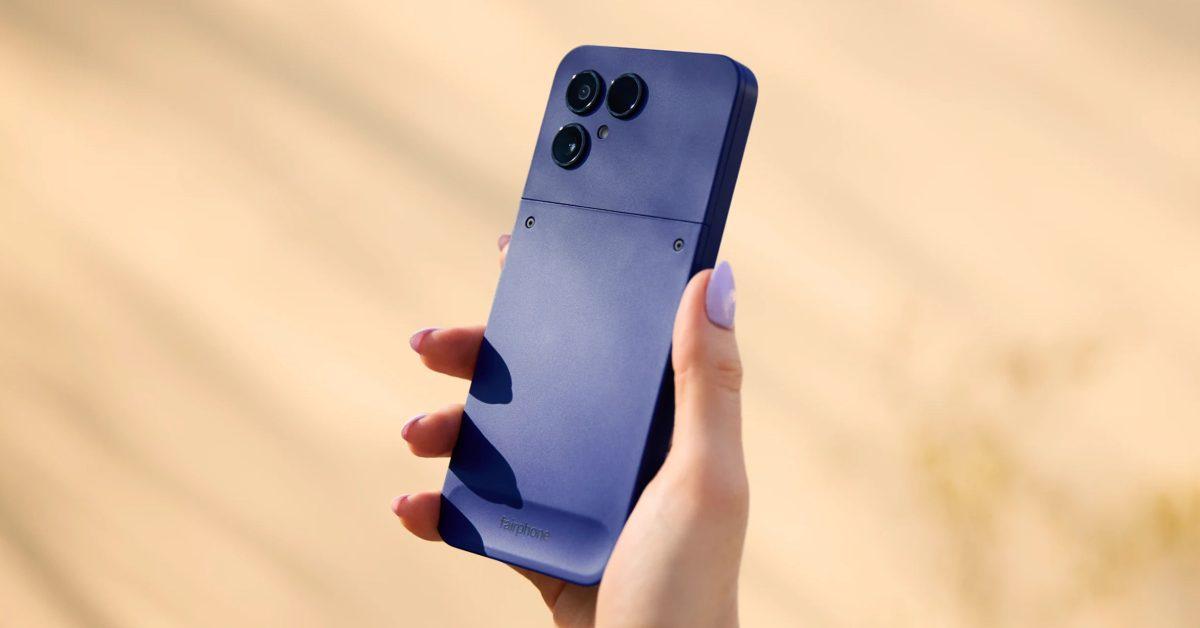
A phone you don't have to feel as guilty about.
Fairphone officially starts selling its new repairable Android phone in the US for $649
https://9to5google.com/2026/08/18/fairphone-gen-6-plus-us-launch-price-specs/
#Fairphone #RightToRepair #Android #Tech
In #Telegram and #WhatsApp you have to pay for pinning more than a handful chats.
With #ArcaneChat you can pin as many chats as you want completely FOR FREE!
remove the limits: switch to ArcaneChat ✨
#opensource #android #european #europe #family