soc.octade.net is a Fediverse instance that uses the ActivityPub protocol. In other words, users at this host can communicate with people that use software like Mastodon, Pleroma, Friendica, etc. all around the world.

This server runs the snac software and there is no automatic sign-up process.

Admin email
social@octade.net

Search results for tag #literature

[?]The Vulgar Tongue » 🤖 🌐
@TheVulgarTongue@zirk.us

BLACK JACK. A jug to drink out of, made of jacked leather.

A selection from Francis Grose’s “Dictionary Of The Vulgar Tongue” (1785)

--
@histodons

Image imitating a page from an old document, text (as in main toot):

BLACK JACK. A jug to drink out of, made of jacked leather.

A selection from Francis Grose’s “Dictionary Of The Vulgar Tongue” (1785)

Alt...Image imitating a page from an old document, text (as in main toot): BLACK JACK. A jug to drink out of, made of jacked leather. A selection from Francis Grose’s “Dictionary Of The Vulgar Tongue” (1785)

    [?]Project Gutenberg » 🌐
    @gutenberg_org@mastodon.social

    Music and Musicians in the Medieval Persianate World

    From royal courts to wine-filled gatherings, music played a vital role in medieval Persianate culture. Two remarkable texts — one practical, one theoretical — reveal how musicians lived, performed, and understood their art.

    By Timur Khan

    medievalists.net/2025/11/music

    Music at PG:
    gutenberg.org/ebooks/bookshelf

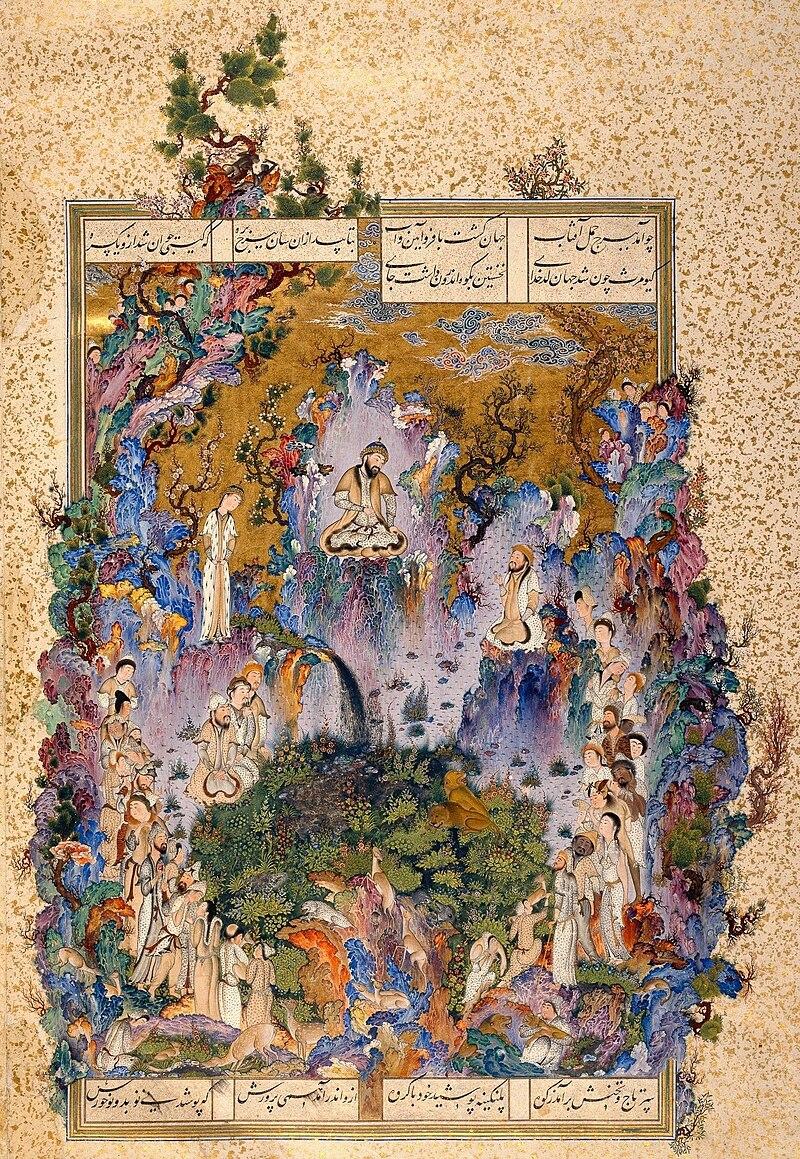
    Sultan Mohammed. Kayumars' Court. Miniature, detail. "Shahnameh" by Ferdowsi. 1525-1535. Geneva, Collection of Sadruddin Aga Khan.

At the center of the image, Kayumars sits elevated on a rocky outcrop, clothed in a robe of leopard skin. His haloed face is framed by a soft sky and floating clouds that blend seamlessly with the surrounding forms.

Below and around him, courtiers, princes, and attendants are arranged in rhythmic harmony amid rich vegetation, flowering trees, and undulating rock formations.

Among them roam wild animals and birds—leopards, monkeys, deer, and cranes.

https://en.wikipedia.org/wiki/Shahnameh#/media/File:The_Court_of_Gayumars_(Cropped).jpg

    Alt...Sultan Mohammed. Kayumars' Court. Miniature, detail. "Shahnameh" by Ferdowsi. 1525-1535. Geneva, Collection of Sadruddin Aga Khan. At the center of the image, Kayumars sits elevated on a rocky outcrop, clothed in a robe of leopard skin. His haloed face is framed by a soft sky and floating clouds that blend seamlessly with the surrounding forms. Below and around him, courtiers, princes, and attendants are arranged in rhythmic harmony amid rich vegetation, flowering trees, and undulating rock formations. Among them roam wild animals and birds—leopards, monkeys, deer, and cranes. https://en.wikipedia.org/wiki/Shahnameh#/media/File:The_Court_of_Gayumars_(Cropped).jpg

      [?]The Vulgar Tongue » 🤖 🌐
      @TheVulgarTongue@zirk.us

      GRANNUM'S GOLD. Hoarded money: supposed to have belonged to the grandmother of the possessor.

      A selection from Francis Grose’s “Dictionary Of The Vulgar Tongue” (1785)

      --
      @histodons

      Image imitating a page from an old document, text (as in main toot):

GRANNUM'S GOLD. Hoarded money: supposed to have belonged to the grandmother of the possessor.

A selection from Francis Grose’s “Dictionary Of The Vulgar Tongue” (1785)

      Alt...Image imitating a page from an old document, text (as in main toot): GRANNUM'S GOLD. Hoarded money: supposed to have belonged to the grandmother of the possessor. A selection from Francis Grose’s “Dictionary Of The Vulgar Tongue” (1785)

        [?]AmbientDread » 🌐
        @ambientdread@toot.io

        jarring liturgy
        tossed in fireplace
        on truth's patio

        Fireplace Patio

          [?]The Vulgar Tongue » 🤖 🌐
          @TheVulgarTongue@zirk.us

          MALKIN, or MAULKIN. A general name for a cat; also a parcel of rags fastened to the end of a stick, to clean an oven; also a figure set up in a garden to scare the birds; likewise an awkward woman.

          A selection from Francis Grose’s “Dictionary Of The Vulgar Tongue” (1785)

          --
          @histodons

          Image imitating a page from an old document, text (as in main toot):

MALKIN, or MAULKIN. A general name for a cat; also a parcel of rags fastened to the end of a stick, to clean an oven; also a figure set up in a garden to scare the birds; likewise an awkward woman.

A selection from Francis Grose’s “Dictionary Of The Vulgar Tongue” (1785)

          Alt...Image imitating a page from an old document, text (as in main toot): MALKIN, or MAULKIN. A general name for a cat; also a parcel of rags fastened to the end of a stick, to clean an oven; also a figure set up in a garden to scare the birds; likewise an awkward woman. A selection from Francis Grose’s “Dictionary Of The Vulgar Tongue” (1785)

            [?]Project Gutenberg » 🌐
            @gutenberg_org@mastodon.social

            Did Odysseus Really Travel All Around the Mediterranean?

            "The traditional view of the Odyssey is that Odysseus traveled all over the Mediterranean. Is that really what Homer described?"

            thecollector.com/odysseus-trav

            The Odyssey at PG:

            gutenberg.org/ebooks/1727

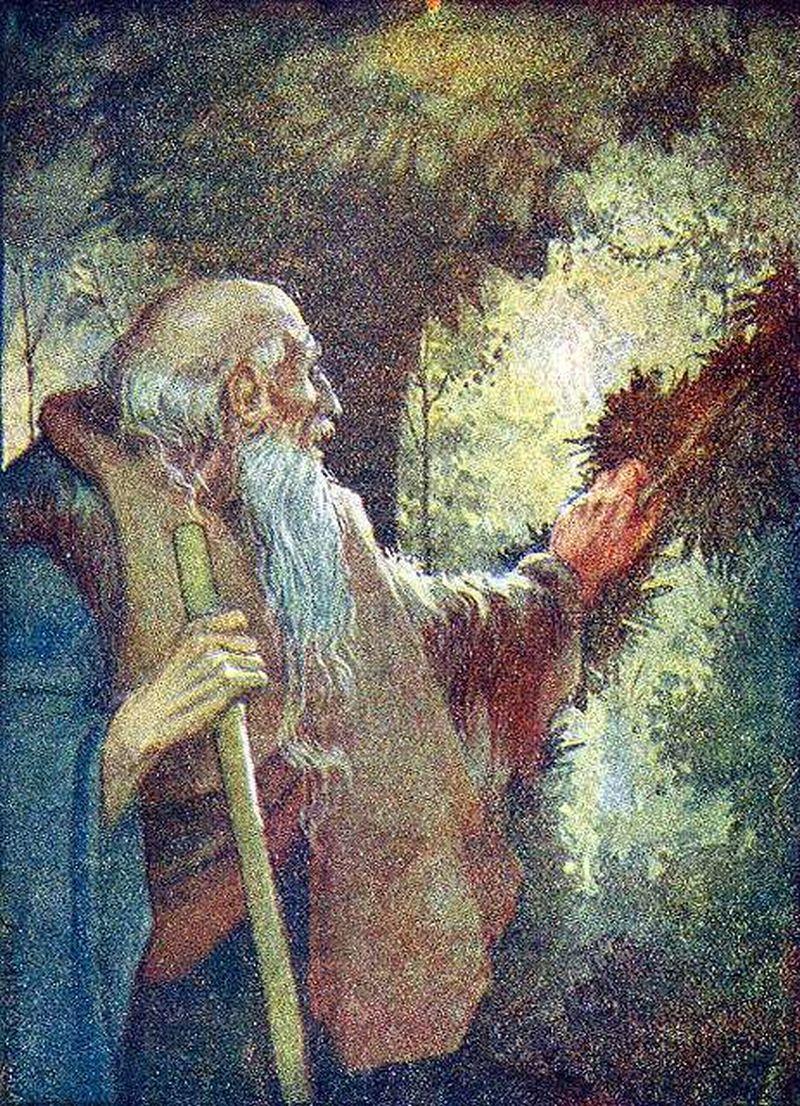
            " ODYSSEUS LOOKED DOWN AT THE WOODS AND THE SEA." - picryl.com

            Alt..." ODYSSEUS LOOKED DOWN AT THE WOODS AND THE SEA." - picryl.com

              [?]Project Gutenberg » 🌐
              @gutenberg_org@mastodon.social

              A Fierce Devotion to the “Empress of Hell”

              Medieval dramatizations of the confrontation between the Virgin Mary and King Herod offered a symbolic resistance to tyranny.

              By: H.M.A. Leow

              daily.jstor.org/a-fierce-devot

              Theater history at PG:
              gutenberg.org/ebooks/subjects/

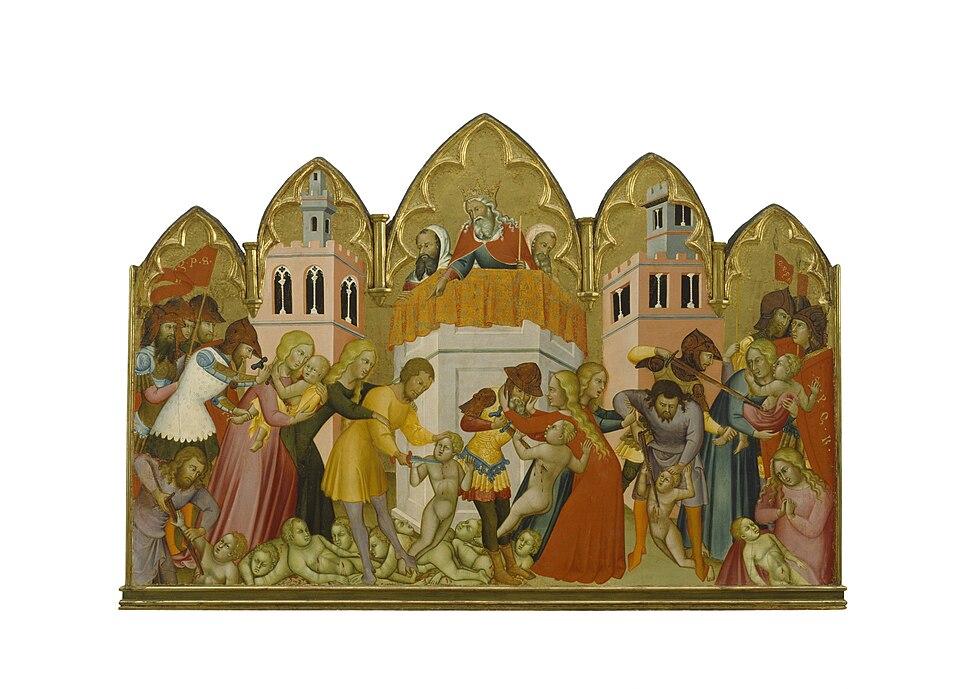
               In an attempt to thwart the prophecy about Christ's rise to power, King Herod orders his soldiers to kill all the male infants under the age of two living in Bethlehem. They do this with ruthless efficiency. 

Bartolo's color scheme uses naturalistic details to enhance the drama of the scene. Note the contrast between the rosy coloring of the infants who are still alive and the green pallor of those already dead. 

This painting, which is beautifully preserved, was part of a monumental altarpiece commissioned for the Church of San Agostino in San Gimignano and was placed atop a large painting of the Presentation in the Temple now in the Louvre Museum, Paris. 

The Massacre of the Innocents might have been executed by both Bartolo and Andrea di Bartolo (active 1389-1428), working collaboratively as a father and son team.

https://commons.wikimedia.org/wiki/File:Massacre_of_the_Innocents.jpg

              Alt... In an attempt to thwart the prophecy about Christ's rise to power, King Herod orders his soldiers to kill all the male infants under the age of two living in Bethlehem. They do this with ruthless efficiency. Bartolo's color scheme uses naturalistic details to enhance the drama of the scene. Note the contrast between the rosy coloring of the infants who are still alive and the green pallor of those already dead. This painting, which is beautifully preserved, was part of a monumental altarpiece commissioned for the Church of San Agostino in San Gimignano and was placed atop a large painting of the Presentation in the Temple now in the Louvre Museum, Paris. The Massacre of the Innocents might have been executed by both Bartolo and Andrea di Bartolo (active 1389-1428), working collaboratively as a father and son team. https://commons.wikimedia.org/wiki/File:Massacre_of_the_Innocents.jpg

                [?]The Vulgar Tongue » 🤖 🌐
                @TheVulgarTongue@zirk.us

                CUSTOM-HOUSE GOODS. The stock in trade of a prostitute, because fairly entered.

                A selection from Francis Grose’s “Dictionary Of The Vulgar Tongue” (1785)

                --
                @histodons

                Image imitating a page from an old document, text (as in main toot):

CUSTOM-HOUSE GOODS. The stock in trade of a prostitute, because fairly entered.

A selection from Francis Grose’s “Dictionary Of The Vulgar Tongue” (1785)

                Alt...Image imitating a page from an old document, text (as in main toot): CUSTOM-HOUSE GOODS. The stock in trade of a prostitute, because fairly entered. A selection from Francis Grose’s “Dictionary Of The Vulgar Tongue” (1785)

                  Hak Foo :verified_blobcat: boosted

                  [?]internetarchive » 🌐
                  @internetarchive@mastodon.archive.org

                  Yesterday was Bram Stoker’s 178th birthday! 🎂
                  Known for THE LADY OF THE SHROUD and THE LAIR OF THE WHITE WORM, Stoker gave the world its most iconic vampire with DRACULA. 🧛♂️
                  Read the 1899 public-domain edition here:
                  archive.org/details/dracu00sto

                  Front cover of an 1899 edition of Dracula, by Bram Stoker.

                  Alt...Front cover of an 1899 edition of Dracula, by Bram Stoker.

                    [?]The Vulgar Tongue » 🤖 🌐
                    @TheVulgarTongue@zirk.us

                    CUNNINGHAM. A punning appellation for a simple fellow.

                    A selection from Francis Grose’s “Dictionary Of The Vulgar Tongue” (1785)

                    --
                    @histodons

                    Image imitating a page from an old document, text (as in main toot):

CUNNINGHAM. A punning appellation for a simple fellow.

A selection from Francis Grose’s “Dictionary Of The Vulgar Tongue” (1785)

                    Alt...Image imitating a page from an old document, text (as in main toot): CUNNINGHAM. A punning appellation for a simple fellow. A selection from Francis Grose’s “Dictionary Of The Vulgar Tongue” (1785)

                      [?]The Vulgar Tongue » 🤖 🌐
                      @TheVulgarTongue@zirk.us

                      SINGLETON. A corkscrew, made by a famous cutler of that name, who lived in a place called Hell, in Dublin; his screws are remarkable for their excellent temper.

                      A selection from Francis Grose’s “Dictionary Of The Vulgar Tongue” (1785)

                      --
                      @histodons

                      Image imitating a page from an old document, text (as in main toot):

SINGLETON. A corkscrew, made by a famous cutler of that name, who lived in a place called Hell, in Dublin; his screws are remarkable for their excellent temper.

A selection from Francis Grose’s “Dictionary Of The Vulgar Tongue” (1785)

                      Alt...Image imitating a page from an old document, text (as in main toot): SINGLETON. A corkscrew, made by a famous cutler of that name, who lived in a place called Hell, in Dublin; his screws are remarkable for their excellent temper. A selection from Francis Grose’s “Dictionary Of The Vulgar Tongue” (1785)

                        [?]The Vulgar Tongue » 🤖 🌐
                        @TheVulgarTongue@zirk.us

                        CRAMP RINGS. Bolts, shackles, or fetters. CANT.

                        A selection from Francis Grose’s “Dictionary Of The Vulgar Tongue” (1785)

                        --
                        @histodons

                        Image imitating a page from an old document, text (as in main toot):

CRAMP RINGS. Bolts, shackles, or fetters. CANT.

A selection from Francis Grose’s “Dictionary Of The Vulgar Tongue” (1785)

                        Alt...Image imitating a page from an old document, text (as in main toot): CRAMP RINGS. Bolts, shackles, or fetters. CANT. A selection from Francis Grose’s “Dictionary Of The Vulgar Tongue” (1785)

                          [?]Project Gutenberg » 🌐
                          @gutenberg_org@mastodon.social

                          Postcards from Virginia Woolf

                          By Sarah Bochicchio

                          theparisreview.org/blog/2025/1

                          Virginia at PG:
                          gutenberg.org/ebooks/author/89

                          Woolf in 1927.

 "Studio photograph of Virginia Woolf (c. 1927) reprinted by permission of the Mortimer Rare Book Room, Smith College" (p. XII) [, the Smith College having been presented by Esther Cloudman Dunn another print of the same picture]. 

The photograph was, according to the Smith College Library's web site, "used for promotion" by Harcourt Brace, the publisher of the American version of To the Lighthouse in 1927. In Virginia Woolf Icon (University of Chicago Press, 1999), Brenda Silver describes the photograph as an "(unidentified) studio photograph" and comments it "appear[ed] in in an number of Harcourt Brace ads and articles about Woolf and/or her works in the States during the late 1920s ans the 1930s" (p. 132). 

https://en.wikipedia.org/wiki/Virginia_Woolf#/media/File:Virginia_Woolf_1927.jpg

                          Alt...Woolf in 1927. "Studio photograph of Virginia Woolf (c. 1927) reprinted by permission of the Mortimer Rare Book Room, Smith College" (p. XII) [, the Smith College having been presented by Esther Cloudman Dunn another print of the same picture]. The photograph was, according to the Smith College Library's web site, "used for promotion" by Harcourt Brace, the publisher of the American version of To the Lighthouse in 1927. In Virginia Woolf Icon (University of Chicago Press, 1999), Brenda Silver describes the photograph as an "(unidentified) studio photograph" and comments it "appear[ed] in in an number of Harcourt Brace ads and articles about Woolf and/or her works in the States during the late 1920s ans the 1930s" (p. 132). https://en.wikipedia.org/wiki/Virginia_Woolf#/media/File:Virginia_Woolf_1927.jpg

                            [?]The Vulgar Tongue » 🤖 🌐
                            @TheVulgarTongue@zirk.us

                            HOPPING GILES. A jeering appellation given to any person who limps, or is lame; St. Giles was the patron of cripples, lepers, &c. Churches dedicated to that saint commonly stand out of town, many of them having been chapels to hospitals.

                            A selection from Francis Grose’s “Dictionary Of The Vulgar Tongue” (1785)

                            --
                            @histodons

                            Image imitating a page from an old document, text (as in main toot):

HOPPING GILES. A jeering appellation given to any person who limps, or is lame; St. Giles was the patron of cripples, lepers, &c. Churches dedicated to that saint commonly stand out of town, many of them having been chapels to hospitals. 

A selection from Francis Grose’s “Dictionary Of The Vulgar Tongue” (1785)

                            Alt...Image imitating a page from an old document, text (as in main toot): HOPPING GILES. A jeering appellation given to any person who limps, or is lame; St. Giles was the patron of cripples, lepers, &c. Churches dedicated to that saint commonly stand out of town, many of them having been chapels to hospitals. A selection from Francis Grose’s “Dictionary Of The Vulgar Tongue” (1785)

                              [?]The Vulgar Tongue » 🤖 🌐
                              @TheVulgarTongue@zirk.us

                              GREAT JOSEPH. A surtout. CANT.

                              A selection from Francis Grose’s “Dictionary Of The Vulgar Tongue” (1785)

                              --
                              @histodons

                              Image imitating a page from an old document, text (as in main toot):

GREAT JOSEPH. A surtout. CANT.

A selection from Francis Grose’s “Dictionary Of The Vulgar Tongue” (1785)

                              Alt...Image imitating a page from an old document, text (as in main toot): GREAT JOSEPH. A surtout. CANT. A selection from Francis Grose’s “Dictionary Of The Vulgar Tongue” (1785)

                                [?]The Vulgar Tongue » 🤖 🌐
                                @TheVulgarTongue@zirk.us

                                COMB. To comb one's head; to clapperclaw, or scold any one: a woman who lectures her husband, is said to comb his head. She combed his head with a joint stool; she threw a stool at him.

                                A selection from Francis Grose’s “Dictionary Of The Vulgar Tongue” (1785)

                                --
                                @histodons

                                Image imitating a page from an old document, text (as in main toot):

COMB. To comb one's head; to clapperclaw, or scold any one: a woman who lectures her husband, is said to comb his head. She combed his head with a joint stool; she threw a stool at him.

A selection from Francis Grose’s “Dictionary Of The Vulgar Tongue” (1785)

                                Alt...Image imitating a page from an old document, text (as in main toot): COMB. To comb one's head; to clapperclaw, or scold any one: a woman who lectures her husband, is said to comb his head. She combed his head with a joint stool; she threw a stool at him. A selection from Francis Grose’s “Dictionary Of The Vulgar Tongue” (1785)

                                  [?]The Vulgar Tongue » 🤖 🌐
                                  @TheVulgarTongue@zirk.us

                                  LOLLPOOP. A lazy, idle drone.

                                  A selection from Francis Grose’s “Dictionary Of The Vulgar Tongue” (1785)

                                  --
                                  @histodons

                                  Image imitating a page from an old document, text (as in main toot):

LOLLPOOP. A lazy, idle drone.

A selection from Francis Grose’s “Dictionary Of The Vulgar Tongue” (1785)

                                  Alt...Image imitating a page from an old document, text (as in main toot): LOLLPOOP. A lazy, idle drone. A selection from Francis Grose’s “Dictionary Of The Vulgar Tongue” (1785)

                                    [?]Project Gutenberg » 🌐
                                    @gutenberg_org@mastodon.social

                                    9 Misconceptions About Shakespeare

                                    Think you know everything about The Bard? Think again.

                                    By Meredith Danko

                                    mentalfloss.com/literature/aut

                                    Shakespeare at PG:
                                    gutenberg.org/ebooks/author/65

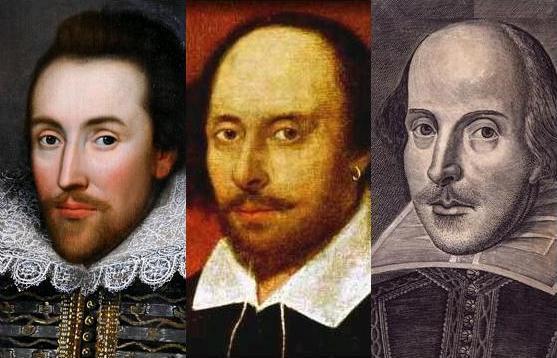
                                    From farthest left to right: The Cobbe portrait (1610), The Chandos portrait (early 1600s) and the Droeshout portrait (1622): three of the most prominent of the reputed portraits of William Shakespeare.

An image showing direct comparisons between the Shakespeare of the Cobbe Portrait, the Chandos Portrait and the Droeshout Engraving. 

https://en.wikipedia.org/wiki/Portraits_of_Shakespeare#/media/File:Shakespeare_Portrait_Comparisons_2.JPG

                                    Alt...From farthest left to right: The Cobbe portrait (1610), The Chandos portrait (early 1600s) and the Droeshout portrait (1622): three of the most prominent of the reputed portraits of William Shakespeare. An image showing direct comparisons between the Shakespeare of the Cobbe Portrait, the Chandos Portrait and the Droeshout Engraving. https://en.wikipedia.org/wiki/Portraits_of_Shakespeare#/media/File:Shakespeare_Portrait_Comparisons_2.JPG

                                      [?]The Vulgar Tongue » 🤖 🌐
                                      @TheVulgarTongue@zirk.us

                                      BEARINGS. I'll bring him to his bearings; I'll bring him to reason. Sea term.

                                      A selection from Francis Grose’s “Dictionary Of The Vulgar Tongue” (1785)

                                      --
                                      @histodons

                                      Image imitating a page from an old document, text (as in main toot):

BEARINGS. I'll bring him to his bearings; I'll bring him to reason. Sea term.

A selection from Francis Grose’s “Dictionary Of The Vulgar Tongue” (1785)

                                      Alt...Image imitating a page from an old document, text (as in main toot): BEARINGS. I'll bring him to his bearings; I'll bring him to reason. Sea term. A selection from Francis Grose’s “Dictionary Of The Vulgar Tongue” (1785)

                                        [?]The Vulgar Tongue » 🤖 🌐
                                        @TheVulgarTongue@zirk.us

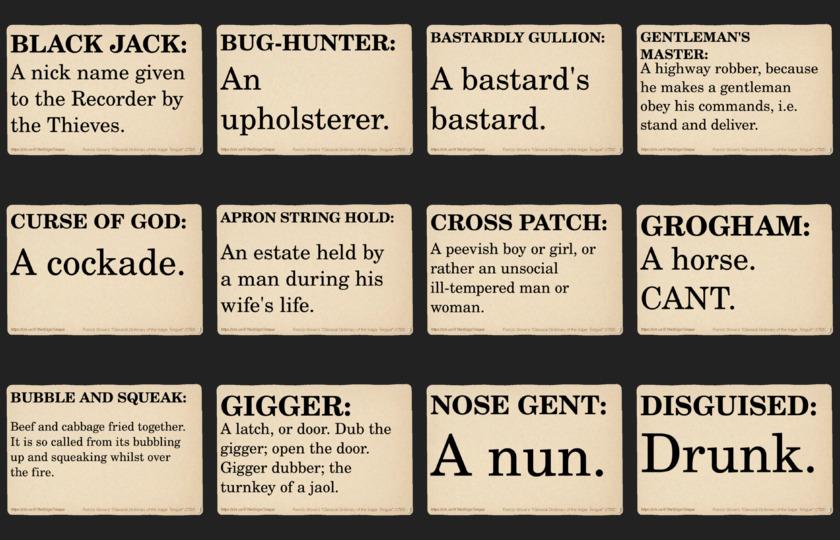
                                        Hi!, I'm a bot posting selections from Francis Grose’s 1785 “Dictionary Of The Vulgar Tongue”, a compilation of slang terms, the coded language of the underclass and the demi-monde.

                                        [18th-century-content warning: possible racism, animal cruelty, homophobia, sexism, slut-shaming. Let me know of any problems.]

                                        Montage of dictionary items posted by this account

                                        Alt...Montage of dictionary items posted by this account

                                          [?]The Vulgar Tongue » 🤖 🌐
                                          @TheVulgarTongue@zirk.us

                                          LOCK UP HOUSE. A spunging house; a public house kept by sheriff's officers, to which they convey the persons they have arrested, where they practise every species of imposition and extortion with impunity.

                                          A selection from Francis Grose’s “Dictionary Of The Vulgar Tongue” (1785)

                                          --
                                          @histodons

                                          Image imitating a page from an old document, text (as in main toot):

LOCK UP HOUSE. A spunging house; a public house kept by sheriff's officers, to which they convey the persons they have arrested, where they practise every species of imposition and extortion with impunity. 

A selection from Francis Grose’s “Dictionary Of The Vulgar Tongue” (1785)

                                          Alt...Image imitating a page from an old document, text (as in main toot): LOCK UP HOUSE. A spunging house; a public house kept by sheriff's officers, to which they convey the persons they have arrested, where they practise every species of imposition and extortion with impunity. A selection from Francis Grose’s “Dictionary Of The Vulgar Tongue” (1785)

                                            [?]Project Gutenberg » 🌐
                                            @gutenberg_org@mastodon.social

                                            What Did Sigmund Freud Have to Say About Leonardo da Vinci?

                                            According to Sigmund Freud, Leonardo da Vinci’s early life experiences as a child raised by a single mother shaped his art and research.

                                            by Anastasiia Kirpalov

                                            thecollector.com/what-sigmund-

                                            Freud and Da Vinci at PG:
                                            gutenberg.org/ebooks/author/391
                                            gutenberg.org/ebooks/author/16

                                            Photographic portrait of Sigmund Freud, signed by the sitter ("Prof. Sigmund Freud")

Freud is shown from the waist up and turned slightly toward the viewer’s left. 

He wears a three-piece suit with a waistcoat, crisp white shirt and tie. 

He holds a cigar in his right hand. The cigar is held away from the body.

His face shows a contemplative look: his hair is thin and combed back, his beard neatly trimmed, and his gaze direct and thoughtful.

https://en.wikipedia.org/wiki/Sigmund_Freud#/media/File:Sigmund_Freud,_by_Max_Halberstadt_(cropped).jpg

                                            Alt...Photographic portrait of Sigmund Freud, signed by the sitter ("Prof. Sigmund Freud") Freud is shown from the waist up and turned slightly toward the viewer’s left. He wears a three-piece suit with a waistcoat, crisp white shirt and tie. He holds a cigar in his right hand. The cigar is held away from the body. His face shows a contemplative look: his hair is thin and combed back, his beard neatly trimmed, and his gaze direct and thoughtful. https://en.wikipedia.org/wiki/Sigmund_Freud#/media/File:Sigmund_Freud,_by_Max_Halberstadt_(cropped).jpg

                                            Self-portrait by Leonardo, ~1510–1515, red chalk, Turin, Royal Library, inv. no. 15571

The drawing presents the head and shoulders of Leonardo in three-quarter view, turned slightly to his left.

He has long, wavy hair falling to his shoulders, a full beard and moustache, and a furrowed brow. The hair and beard are depicted with flowing lines of chalk.

The face shows signs of advanced age: deeper lines, pronounced cheekbones, bags beneath the eyes, and sagging of features. 

https://it.wikipedia.org/wiki/Leonardo_da_Vinci#/media/File:Leonardo_self.jpg

                                            Alt...Self-portrait by Leonardo, ~1510–1515, red chalk, Turin, Royal Library, inv. no. 15571 The drawing presents the head and shoulders of Leonardo in three-quarter view, turned slightly to his left. He has long, wavy hair falling to his shoulders, a full beard and moustache, and a furrowed brow. The hair and beard are depicted with flowing lines of chalk. The face shows signs of advanced age: deeper lines, pronounced cheekbones, bags beneath the eyes, and sagging of features. https://it.wikipedia.org/wiki/Leonardo_da_Vinci#/media/File:Leonardo_self.jpg

                                              [?]The Vulgar Tongue » 🤖 🌐
                                              @TheVulgarTongue@zirk.us

                                              TO WHIDDLE. To tell or discover. He whiddles; he peaches. He whiddles the whole scrap; he discovers all he knows. They whiddle beef, and we must brush; they cry out thieves, and we must make off. Cant.

                                              A selection from Francis Grose’s “Dictionary Of The Vulgar Tongue” (1785)

                                              --
                                              @histodons

                                              Image imitating a page from an old document, text (as in main toot):

TO WHIDDLE. To tell or discover. He whiddles; he peaches. He whiddles the whole scrap; he discovers all he knows. They whiddle beef, and we must brush; they cry out thieves, and we must make off. Cant.

A selection from Francis Grose’s “Dictionary Of The Vulgar Tongue” (1785)

                                              Alt...Image imitating a page from an old document, text (as in main toot): TO WHIDDLE. To tell or discover. He whiddles; he peaches. He whiddles the whole scrap; he discovers all he knows. They whiddle beef, and we must brush; they cry out thieves, and we must make off. Cant. A selection from Francis Grose’s “Dictionary Of The Vulgar Tongue” (1785)

                                                [?]The Vulgar Tongue » 🤖 🌐
                                                @TheVulgarTongue@zirk.us

                                                BUCK'S FACE. A cuckold.

                                                A selection from Francis Grose’s “Dictionary Of The Vulgar Tongue” (1785)

                                                --
                                                @histodons

                                                Image imitating a page from an old document, text (as in main toot):

BUCK'S FACE. A cuckold.

A selection from Francis Grose’s “Dictionary Of The Vulgar Tongue” (1785)

                                                Alt...Image imitating a page from an old document, text (as in main toot): BUCK'S FACE. A cuckold. A selection from Francis Grose’s “Dictionary Of The Vulgar Tongue” (1785)

                                                  [?]Project Gutenberg » 🌐
                                                  @gutenberg_org@mastodon.social

                                                  Plato and the Poets

                                                  The centuries-old debate should be settled: an intellectual world bereft of poetry is a damaged one.

                                                  by Elaine Scarry

                                                  bostonreview.net/articles/plat

                                                  Plato at PG:
                                                  gutenberg.org/ebooks/author/93

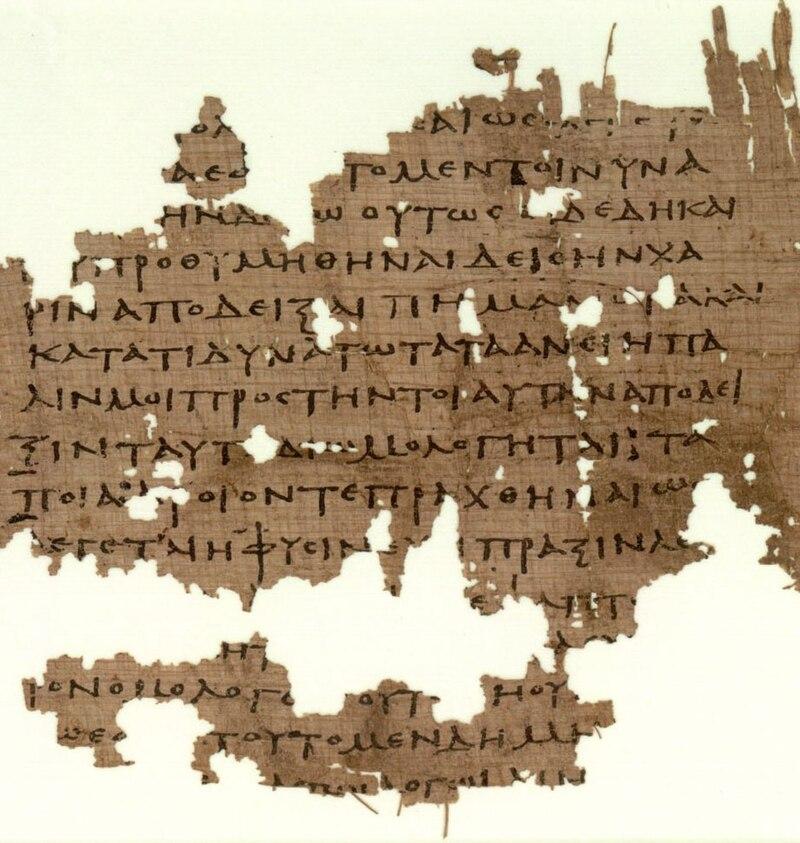
                                                  Parts of P.Oxy. LII 3679, 3rd century, containing fragments of Plato's Republic.

The visible portion of the papyrus displays Greek text in several lines of uncial script, with some variation in the size of the letters and some spacing between columns or lines.

There are holes, tears, frayed edges and missing sections. Some of the text is missing or worn away, and there are irregular boundaries where pieces have broken off.

https://en.wikipedia.org/wiki/Plato#/media/File:P._Oxy._LII_3679.jpg

                                                  Alt...Parts of P.Oxy. LII 3679, 3rd century, containing fragments of Plato's Republic. The visible portion of the papyrus displays Greek text in several lines of uncial script, with some variation in the size of the letters and some spacing between columns or lines. There are holes, tears, frayed edges and missing sections. Some of the text is missing or worn away, and there are irregular boundaries where pieces have broken off. https://en.wikipedia.org/wiki/Plato#/media/File:P._Oxy._LII_3679.jpg

                                                    [?]Project Gutenberg » 🌐
                                                    @gutenberg_org@mastodon.social

                                                    In Praise of Librarians in Dangerous Times

                                                    Sarah Weinman on the Awesome Responsibility of the Seekers and Keepers of Truth

                                                    lithub.com/in-praise-of-librar

                                                    Librarians at PG:
                                                    gutenberg.org/ebooks/subjects/

                                                    Librarians classifying books at the Library of Congress, Washington, D.C. (LOC)

The Library of Congress from Washington, DC, United States 

The image shows a number of librarians actively engaged in processing library material in a space within the Library of Congress in Washington, D.C. The room appears to be a large, well-lit working area. Long tables, shelving units and stacks of books and bound volumes are visible. 

The librarians seem to be engaged in classification, cataloguing and shelving tasks — handling books, perhaps checking index cards or labels, and placing the volumes in their correct place.

https://commons.wikimedia.org/wiki/Category:Librarians#/media/File:(Librarians_classifying_books_at_the_Library_of_Congress,_Washington,_D.C.)_(LOC)_-_Flickr_-_The_Library_of_Congress.jpg

                                                    Alt...Librarians classifying books at the Library of Congress, Washington, D.C. (LOC) The Library of Congress from Washington, DC, United States The image shows a number of librarians actively engaged in processing library material in a space within the Library of Congress in Washington, D.C. The room appears to be a large, well-lit working area. Long tables, shelving units and stacks of books and bound volumes are visible. The librarians seem to be engaged in classification, cataloguing and shelving tasks — handling books, perhaps checking index cards or labels, and placing the volumes in their correct place. https://commons.wikimedia.org/wiki/Category:Librarians#/media/File:(Librarians_classifying_books_at_the_Library_of_Congress,_Washington,_D.C.)_(LOC)_-_Flickr_-_The_Library_of_Congress.jpg

                                                      [?]The Vulgar Tongue » 🤖 🌐
                                                      @TheVulgarTongue@zirk.us

                                                      GOOD MAN. A word of various imports, according to the place where it is spoken: in the city it means a rich man; at Hockley in the Hole, a great boxer; at a bagnio in Covent Garden, a vigorous fornicator; at an alehouse or tavern, one who loves his pot or bottle.

                                                      A selection from Francis Grose’s “Dictionary Of The Vulgar Tongue” (1785)

                                                      --
                                                      @histodons

                                                      Image imitating a page from an old document, text (as in main toot):

GOOD MAN. A word of various imports, according to the place where it is spoken: in the city it means a rich man; at Hockley in the Hole, a great boxer; at a bagnio in Covent Garden, a vigorous fornicator; at an alehouse or tavern, one who loves his pot or bottle.

A selection from Francis Grose’s “Dictionary Of The Vulgar Tongue” (1785)

                                                      Alt...Image imitating a page from an old document, text (as in main toot): GOOD MAN. A word of various imports, according to the place where it is spoken: in the city it means a rich man; at Hockley in the Hole, a great boxer; at a bagnio in Covent Garden, a vigorous fornicator; at an alehouse or tavern, one who loves his pot or bottle. A selection from Francis Grose’s “Dictionary Of The Vulgar Tongue” (1785)

                                                        [?]The Vulgar Tongue » 🤖 🌐
                                                        @TheVulgarTongue@zirk.us

                                                        ROUND ABOUT. An instrument used in housebreaking. This instrument has not been long in use. It will cut a round piece about five inches in diameter out of a shutter or door.

                                                        A selection from Francis Grose’s “Dictionary Of The Vulgar Tongue” (1785)

                                                        --
                                                        @histodons

                                                        Image imitating a page from an old document, text (as in main toot):

ROUND ABOUT. An instrument used in housebreaking. This instrument has not been long in use. It will cut a round piece about five inches in diameter out of a shutter or door.

A selection from Francis Grose’s “Dictionary Of The Vulgar Tongue” (1785)

                                                        Alt...Image imitating a page from an old document, text (as in main toot): ROUND ABOUT. An instrument used in housebreaking. This instrument has not been long in use. It will cut a round piece about five inches in diameter out of a shutter or door. A selection from Francis Grose’s “Dictionary Of The Vulgar Tongue” (1785)

                                                          [?]Project Gutenberg » 🌐
                                                          @gutenberg_org@mastodon.social

                                                          Settling accounts

                                                          Before he was famous, Jean-Jacques Rousseau was Louise Dupin’s scribe. It’s her ideas on inequality that fill his writings

                                                          by Rebecca Wilkin

                                                          aeon.co/essays/inequality-was-

                                                          Rousseau at PG:
                                                          gutenberg.org/ebooks/author/12

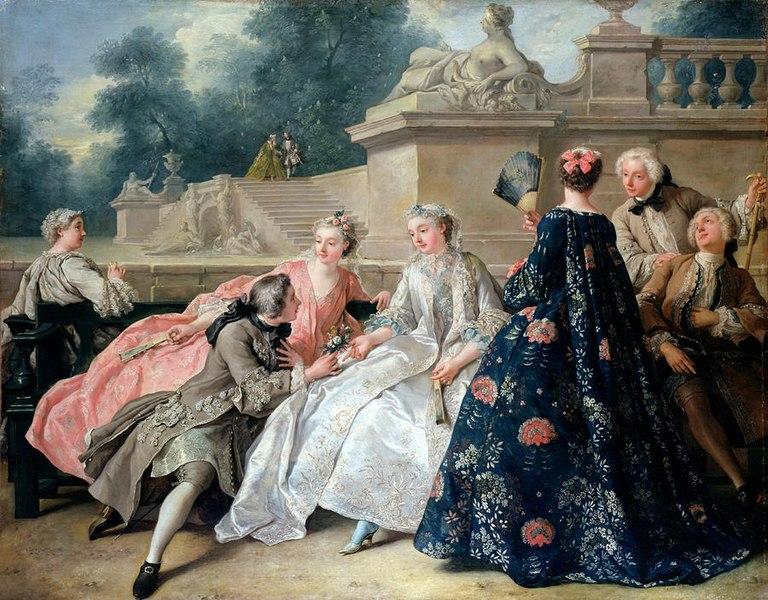
                                                          The Declaration of Love (c1724) by Jean François de Troy.

The painting depicts an intimate and elegant moment of courtship in an 18th-century refined interior or garden setting. At its centre, a young gentleman kneels before a seated young lady: he extends a small bouquet of flowers with one hand while placing his other hand to his heart.

The lady, dressed in sumptuous silk‐embroidered attire, receives the gesture with composed modesty: she looks somewhat downward and sideways.

https://commons.wikimedia.org/wiki/File:Declarationoflove.jpg

                                                          Alt...The Declaration of Love (c1724) by Jean François de Troy. The painting depicts an intimate and elegant moment of courtship in an 18th-century refined interior or garden setting. At its centre, a young gentleman kneels before a seated young lady: he extends a small bouquet of flowers with one hand while placing his other hand to his heart. The lady, dressed in sumptuous silk‐embroidered attire, receives the gesture with composed modesty: she looks somewhat downward and sideways. https://commons.wikimedia.org/wiki/File:Declarationoflove.jpg

                                                            [?]Philosophics » 🌐
                                                            @microglyphics@mastodon.social

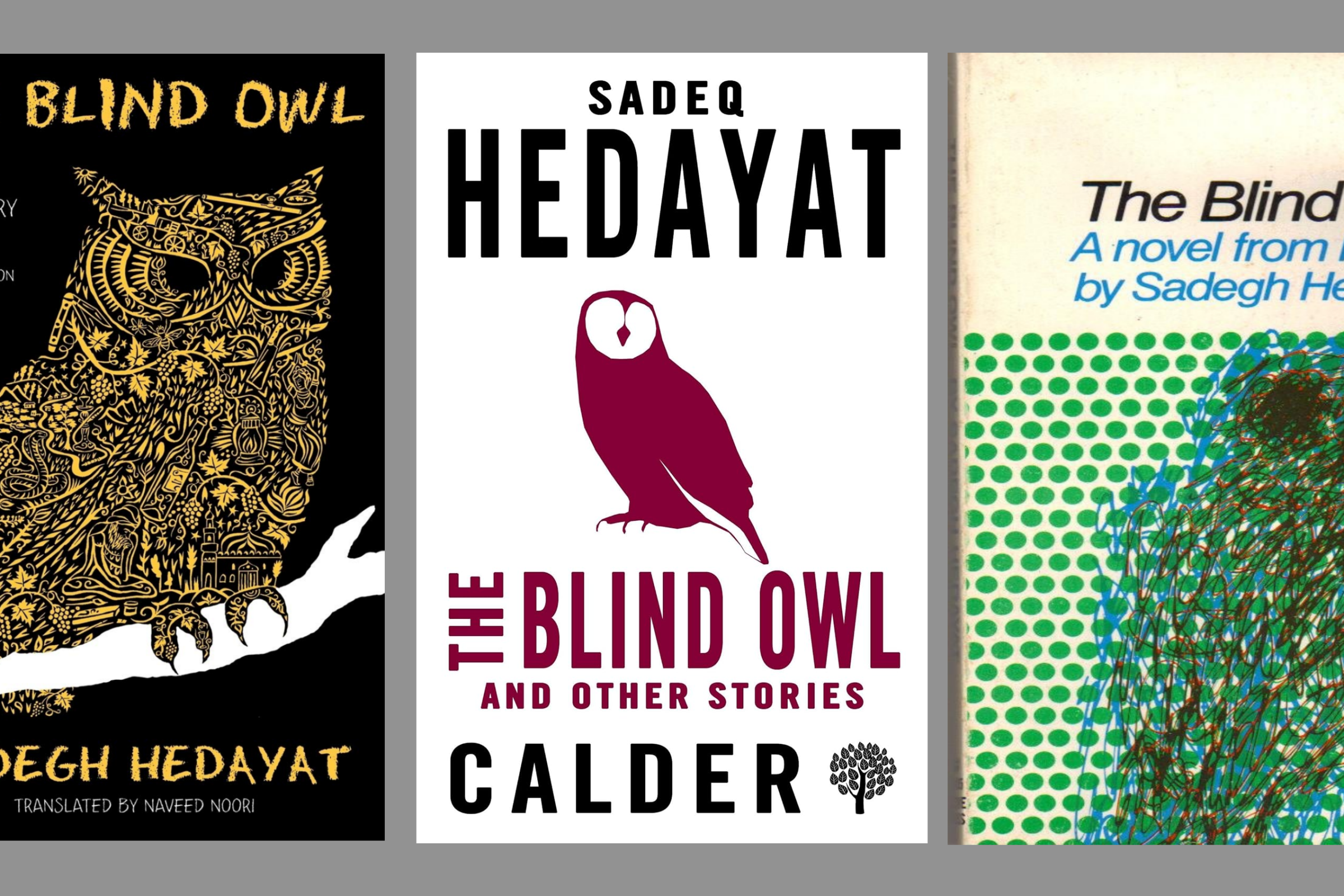
                                                            Here, I share a video review of The Blind Owl by the Iranian author, Sadegh Hedayat.
                                                            👉 philosophics.blog/2025/11/03/t
                                                            It's a wonderful non-Western look at an existential narrative that predates the Western flavour that arrives perhaps a decade later. It may be closer to Zapffe or Cioran than Camus or Sartre.

                                                            Books: The Blind Owl

                                                            Alt...Books: The Blind Owl

                                                              [?]The Vulgar Tongue » 🤖 🌐
                                                              @TheVulgarTongue@zirk.us

                                                              TO TWIG. To observe. Twig the cull, he is peery; observe the fellow, he is watching us. Also to disengage, snap asunder, or break off. To twig the darbies; to knock off the irons.

                                                              A selection from Francis Grose’s “Dictionary Of The Vulgar Tongue” (1785)

                                                              --
                                                              @histodons

                                                              Image imitating a page from an old document, text (as in main toot):

TO TWIG. To observe. Twig the cull, he is peery; observe the fellow, he is watching us. Also to disengage, snap asunder, or break off. To twig the darbies; to knock off the irons.

A selection from Francis Grose’s “Dictionary Of The Vulgar Tongue” (1785)

                                                              Alt...Image imitating a page from an old document, text (as in main toot): TO TWIG. To observe. Twig the cull, he is peery; observe the fellow, he is watching us. Also to disengage, snap asunder, or break off. To twig the darbies; to knock off the irons. A selection from Francis Grose’s “Dictionary Of The Vulgar Tongue” (1785)

                                                                [?]The Vulgar Tongue » 🤖 🌐
                                                                @TheVulgarTongue@zirk.us

                                                                DOUBLE JUGG. A man's backside. Cotton's Virgil.

                                                                A selection from Francis Grose’s “Dictionary Of The Vulgar Tongue” (1785)

                                                                --
                                                                @histodons

                                                                Image imitating a page from an old document, text (as in main toot):

DOUBLE JUGG. A man's backside. Cotton's Virgil.

A selection from Francis Grose’s “Dictionary Of The Vulgar Tongue” (1785)

                                                                Alt...Image imitating a page from an old document, text (as in main toot): DOUBLE JUGG. A man's backside. Cotton's Virgil. A selection from Francis Grose’s “Dictionary Of The Vulgar Tongue” (1785)

                                                                  [?]Project Gutenberg » 🌐
                                                                  @gutenberg_org@mastodon.social

                                                                  43 of the Most Iconic Short Stories in the English Language

                                                                  From Washington Irving to Kristen Roupenian

                                                                  by Emily Temple

                                                                  lithub.com/43-of-the-most-icon

                                                                  Short stories at PG:
                                                                  gutenberg.org/ebooks/bookshelf

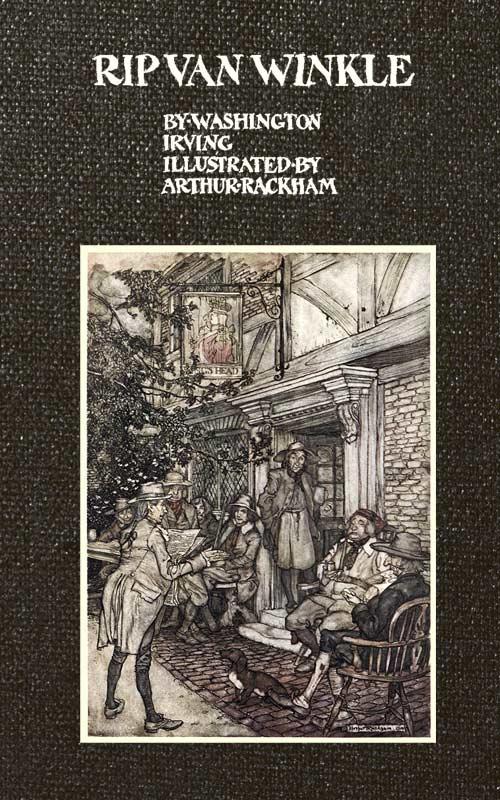
                                                                  Cover page 

Title: Rip Van Winkle

Author: Washington Irving

Illustrator: Arthur Rackham

Caption: “He used to console himself by frequenting a kind of perpetual club of the sages, philosophers and other idle personages, which held its sessions before a small inn.”

https://www.gutenberg.org/cache/epub/60976/pg60976-images.html

                                                                  Alt...Cover page Title: Rip Van Winkle Author: Washington Irving Illustrator: Arthur Rackham Caption: “He used to console himself by frequenting a kind of perpetual club of the sages, philosophers and other idle personages, which held its sessions before a small inn.” https://www.gutenberg.org/cache/epub/60976/pg60976-images.html

                                                                    [?]Project Gutenberg » 🌐
                                                                    @gutenberg_org@mastodon.social

                                                                    Famous Medieval Words and Their Surprising Origins

                                                                    Words like castles, Vikings, and even medieval itself instantly evoke the Middle Ages. Some of these terms were used by people of the time, while others were coined centuries later to describe their world. Each carries traces of history, revealing how language has preserved — and reimagined — the medieval past.

                                                                    medievalists.net/2025/10/medie

                                                                    Medieval words at PG:
                                                                    gutenberg.org/ebooks/search/?q

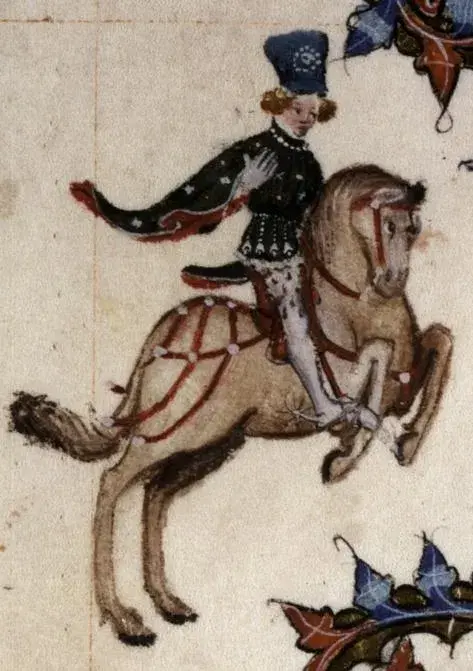
                                                                    The Squire in the Ellesmere manuscript of Geoffrey Chaucer’s Canterbury Tales.

The image shows a finely dressed young man riding a prancing horse. The rider, The Squire, is adorned in elegant, elaborately patterned garments wears a blue hat with white decorations, a dark, elaborately embroidered tunic, and white hose. His short blond hair curls outward under his hat, reflecting the fashionable style of the late 14th century. A richly patterned cloak drapes over his shoulders, flowing behind him as the horse rears gracefully.

The horse is light brown with a well-groomed mane and tail, decorated with red and white harness straps in an ornamental pattern.

https://commons.wikimedia.org/wiki/File:The_Squire_-_Ellesmere_Chaucer.jpg

                                                                    Alt...The Squire in the Ellesmere manuscript of Geoffrey Chaucer’s Canterbury Tales. The image shows a finely dressed young man riding a prancing horse. The rider, The Squire, is adorned in elegant, elaborately patterned garments wears a blue hat with white decorations, a dark, elaborately embroidered tunic, and white hose. His short blond hair curls outward under his hat, reflecting the fashionable style of the late 14th century. A richly patterned cloak drapes over his shoulders, flowing behind him as the horse rears gracefully. The horse is light brown with a well-groomed mane and tail, decorated with red and white harness straps in an ornamental pattern. https://commons.wikimedia.org/wiki/File:The_Squire_-_Ellesmere_Chaucer.jpg

                                                                      [?]The Vulgar Tongue » 🤖 🌐
                                                                      @TheVulgarTongue@zirk.us

                                                                      LUMBER TROOP. A club or society of citizens of London.

                                                                      A selection from Francis Grose’s “Dictionary Of The Vulgar Tongue” (1785)

                                                                      --
                                                                      @histodons

                                                                      Image imitating a page from an old document, text (as in main toot):

LUMBER TROOP. A club or society of citizens of London.

A selection from Francis Grose’s “Dictionary Of The Vulgar Tongue” (1785)

                                                                      Alt...Image imitating a page from an old document, text (as in main toot): LUMBER TROOP. A club or society of citizens of London. A selection from Francis Grose’s “Dictionary Of The Vulgar Tongue” (1785)

                                                                        [?]The Vulgar Tongue » 🤖 🌐
                                                                        @TheVulgarTongue@zirk.us

                                                                        MADAM RAN. A whore. CANT.

                                                                        A selection from Francis Grose’s “Dictionary Of The Vulgar Tongue” (1785)

                                                                        --
                                                                        @histodons

                                                                        Image imitating a page from an old document, text (as in main toot):

MADAM RAN. A whore. CANT.

A selection from Francis Grose’s “Dictionary Of The Vulgar Tongue” (1785)

                                                                        Alt...Image imitating a page from an old document, text (as in main toot): MADAM RAN. A whore. CANT. A selection from Francis Grose’s “Dictionary Of The Vulgar Tongue” (1785)

                                                                          [?]Project Gutenberg » 🌐
                                                                          @gutenberg_org@mastodon.social

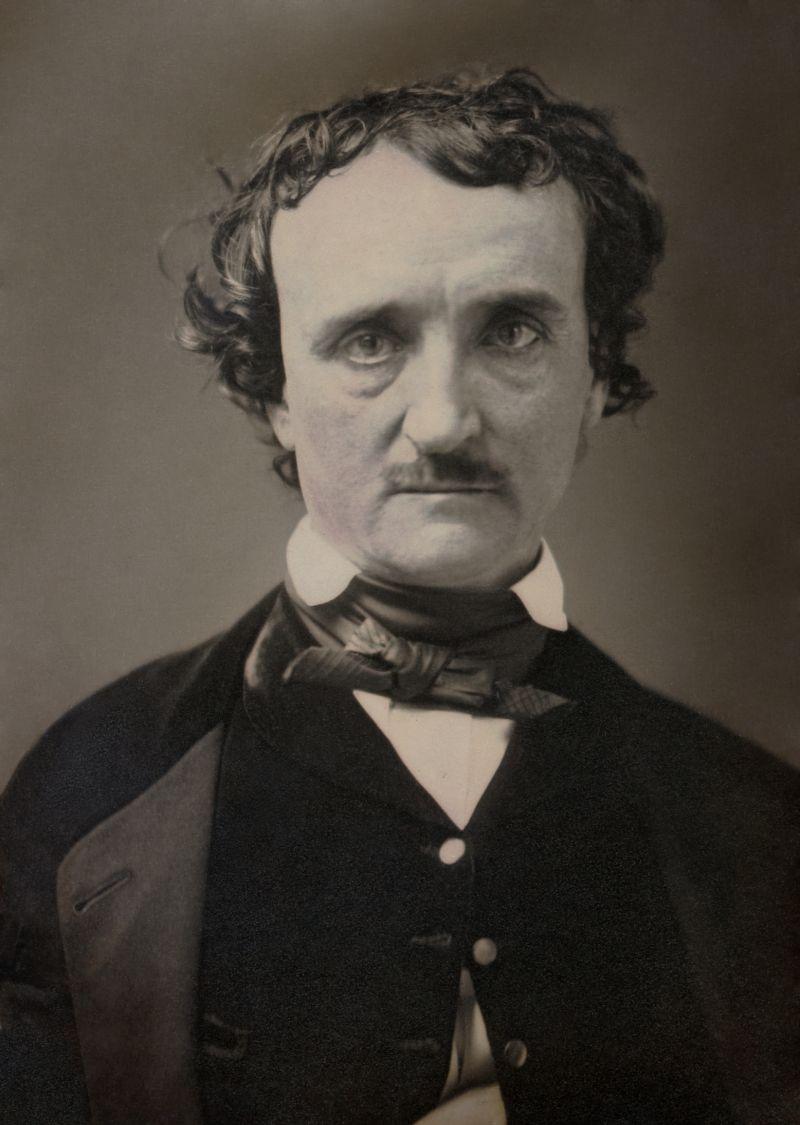
                                                                          The Distributed Proofreaders' blog this month is about another Edgar Allan Poe book at PG: "The Poems of Edgar Allan Poe."

                                                                          blog.pgdp.net/2025/11/01/never

                                                                          Portrait of Edgar Allan Poe from 1849.

                                                                          Alt...Portrait of Edgar Allan Poe from 1849.

                                                                            [?]The Vulgar Tongue » 🤖 🌐
                                                                            @TheVulgarTongue@zirk.us

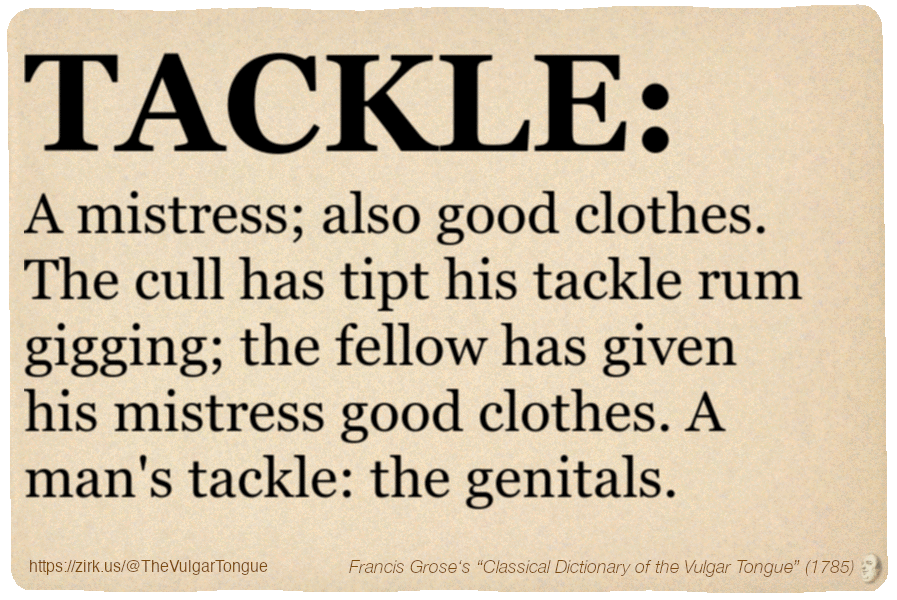
                                                                            TACKLE. A mistress; also good clothes. The cull has tipt his tackle rum gigging; the fellow has given his mistress good clothes. A man's tackle: the genitals.

                                                                            A selection from Francis Grose’s “Dictionary Of The Vulgar Tongue” (1785)

                                                                            --
                                                                            @histodons

                                                                            Image imitating a page from an old document, text (as in main toot):

TACKLE. A mistress; also good clothes. The cull has tipt his tackle rum gigging; the fellow has given his mistress good clothes. A man's tackle: the genitals.

A selection from Francis Grose’s “Dictionary Of The Vulgar Tongue” (1785)

                                                                            Alt...Image imitating a page from an old document, text (as in main toot): TACKLE. A mistress; also good clothes. The cull has tipt his tackle rum gigging; the fellow has given his mistress good clothes. A man's tackle: the genitals. A selection from Francis Grose’s “Dictionary Of The Vulgar Tongue” (1785)

                                                                              [?]Philosophics » 🌐
                                                                              @microglyphics@mastodon.social

                                                                              [?]The Vulgar Tongue » 🤖 🌐
                                                                              @TheVulgarTongue@zirk.us

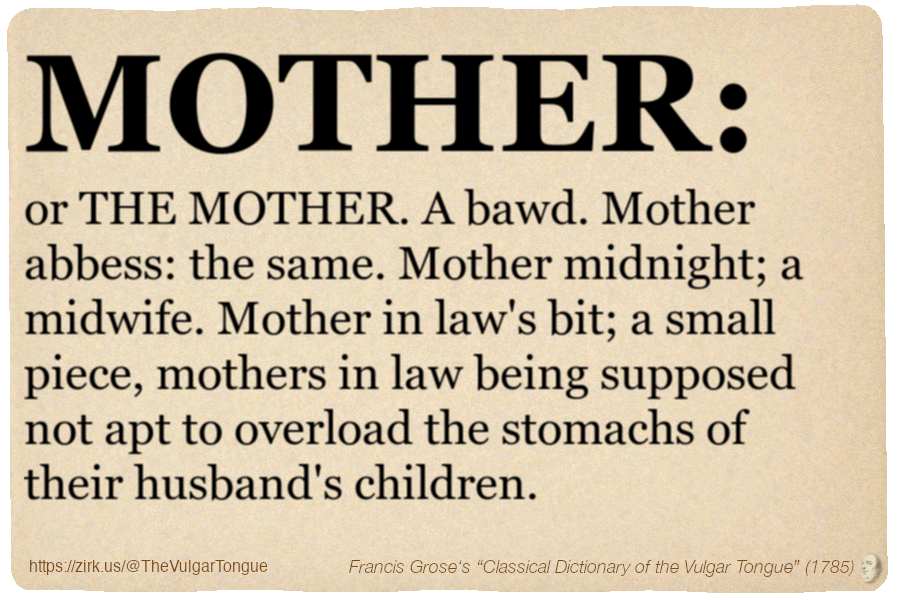
                                                                              MOTHER, or THE MOTHER. A bawd. Mother abbess: the same. Mother midnight; a midwife. Mother in law's bit; a small piece, mothers in law being supposed not apt to overload the stomachs of their husband's children.

                                                                              A selection from Francis Grose’s “Dictionary Of The Vulgar Tongue” (1785)

                                                                              --
                                                                              @histodons

                                                                              Image imitating a page from an old document, text (as in main toot):

MOTHER, or THE MOTHER. A bawd. Mother abbess: the same. Mother midnight; a midwife. Mother in law's bit; a small piece, mothers in law being supposed not apt to overload the stomachs of their husband's children.

A selection from Francis Grose’s “Dictionary Of The Vulgar Tongue” (1785)

                                                                              Alt...Image imitating a page from an old document, text (as in main toot): MOTHER, or THE MOTHER. A bawd. Mother abbess: the same. Mother midnight; a midwife. Mother in law's bit; a small piece, mothers in law being supposed not apt to overload the stomachs of their husband's children. A selection from Francis Grose’s “Dictionary Of The Vulgar Tongue” (1785)

                                                                                [?]hairylarry » 🌐
                                                                                @hairylarry@gamerplus.org

                                                                                "Progress was a wave. It first caught you in it and carried you, but the moment you slipped off the crest, you went crashing into the surf and maybe never came back up."

                                                                                Now reading
                                                                                Isles of the Emberdark
                                                                                by Brandon Sanderson

                                                                                  [?]Project Gutenberg » 🌐
                                                                                  @gutenberg_org@mastodon.social

                                                                                  Edgar Allan Poe’s “The Raven,” Read by Christopher Walken, Christopher Lee & Vincent Price

                                                                                  openculture.com/2025/10/edgar-

                                                                                  The Raven at PG:

                                                                                  gutenberg.org/ebooks/17192

                                                                                  Engraving from The Raven at PG: https://www.gutenberg.org/ebooks/17192
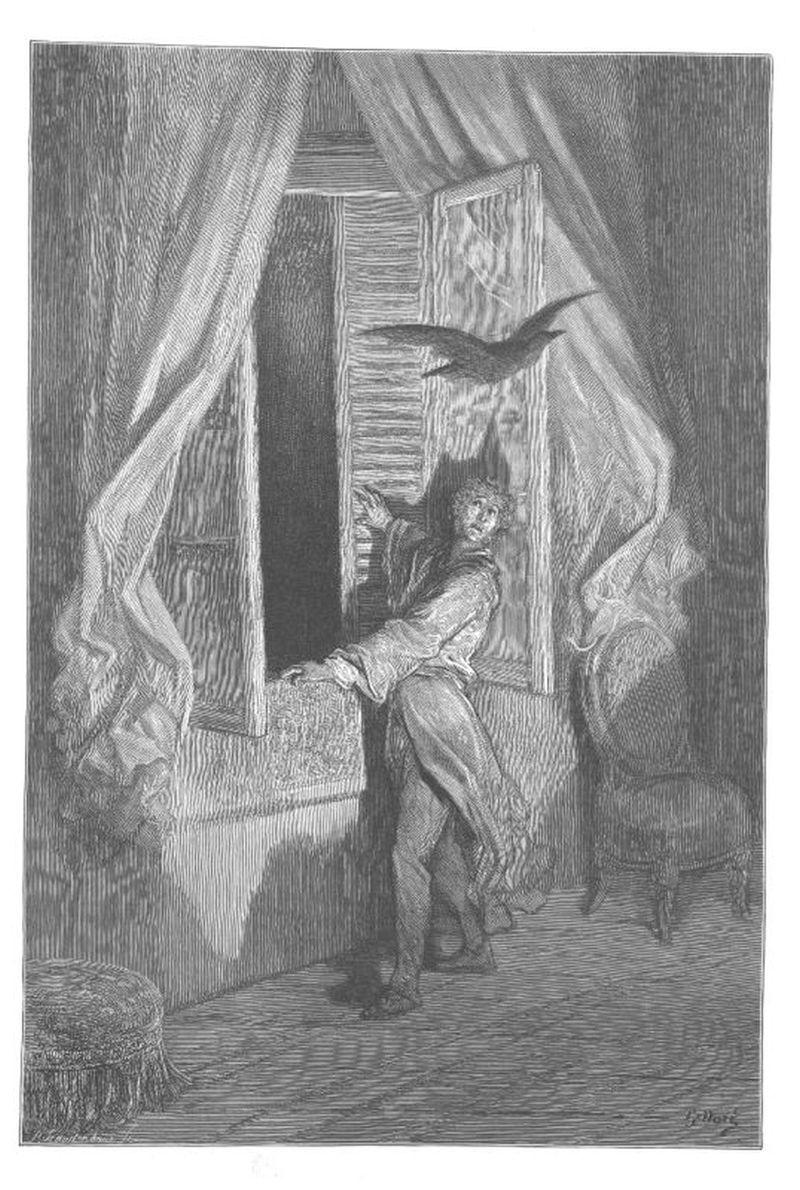
Caption "Not the least obeisance made he; not a minute stopped or stayed he." Engraved by R. Staudenbaur

Shows the Raven flying in the window about the man's head.

                                                                                  Alt...Engraving from The Raven at PG: https://www.gutenberg.org/ebooks/17192 Caption "Not the least obeisance made he; not a minute stopped or stayed he." Engraved by R. Staudenbaur Shows the Raven flying in the window about the man's head.

                                                                                    [?]Project Gutenberg » 🌐
                                                                                    @gutenberg_org@mastodon.social

                                                                                    Bite or Flight: Ranking Classic Vampire Strengths and Weaknesses

                                                                                    Different vampires have different rules — how do your favorites measure up?

                                                                                    By Rachel Ayers

                                                                                    reactormag.com/bite-or-flight-

                                                                                    The Vampyre by Polidori at PG:
                                                                                    gutenberg.org/ebooks/6087

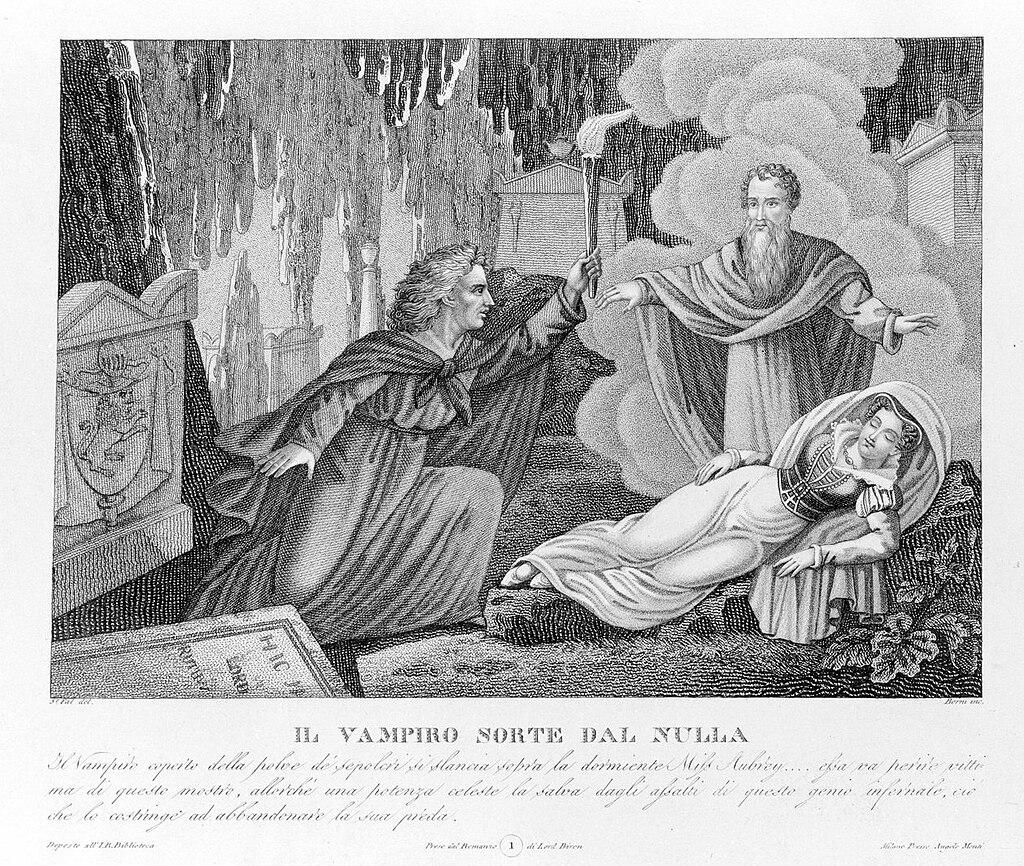
                                                                                    The Vampyre by John William Polidori - Il vampiro sorte dal nulla.

The engraving depicts a dramatic nocturnal scene set in a graveyard:

On the left, a vampire figure rises from a tomb, holding a torch. His expression is intense and predatory, suggesting he has emerged from the grave to prey upon the living.

To the right, a bearded man in flowing robes gestures toward him, possibly representing a holy or moral authority attempting to repel or banish the creature.

In the foreground, a young woman lies unconscious or asleep, her pale face and limp posture indicating vulnerability—she is likely the vampire’s intended victim.

Surrounding them are tombs and weeping willows, contributing to the eerie, gothic atmosphere.

The Italian caption below translates roughly to:
“The vampire, driven by the fever of the grave, rises above the sleeping Miss Aubrey... but he does not reach her; a celestial power drives away the shadow of this infernal being, compelling him to abandon his prey.”

https://commons.wikimedia.org/wiki/Category:The_Vampyre_(Polidori)#/media/File:The_Vampyre_by_John_William_Polidori_-_Il_vampiro_sorte_dal_nulla.jpg

                                                                                    Alt...The Vampyre by John William Polidori - Il vampiro sorte dal nulla. The engraving depicts a dramatic nocturnal scene set in a graveyard: On the left, a vampire figure rises from a tomb, holding a torch. His expression is intense and predatory, suggesting he has emerged from the grave to prey upon the living. To the right, a bearded man in flowing robes gestures toward him, possibly representing a holy or moral authority attempting to repel or banish the creature. In the foreground, a young woman lies unconscious or asleep, her pale face and limp posture indicating vulnerability—she is likely the vampire’s intended victim. Surrounding them are tombs and weeping willows, contributing to the eerie, gothic atmosphere. The Italian caption below translates roughly to: “The vampire, driven by the fever of the grave, rises above the sleeping Miss Aubrey... but he does not reach her; a celestial power drives away the shadow of this infernal being, compelling him to abandon his prey.” https://commons.wikimedia.org/wiki/Category:The_Vampyre_(Polidori)#/media/File:The_Vampyre_by_John_William_Polidori_-_Il_vampiro_sorte_dal_nulla.jpg

                                                                                      [?]Project Gutenberg » 🌐
                                                                                      @gutenberg_org@mastodon.social

                                                                                      Halloween Stories

                                                                                      Why are Victorians the default haunted house, what do ghosts have to do with the imagination, and why do we like to be scared?

                                                                                      By The Editors

                                                                                      daily.jstor.org/editors-picks-

                                                                                      Halloween at PG:
                                                                                      gutenberg.org/ebooks/subjects/

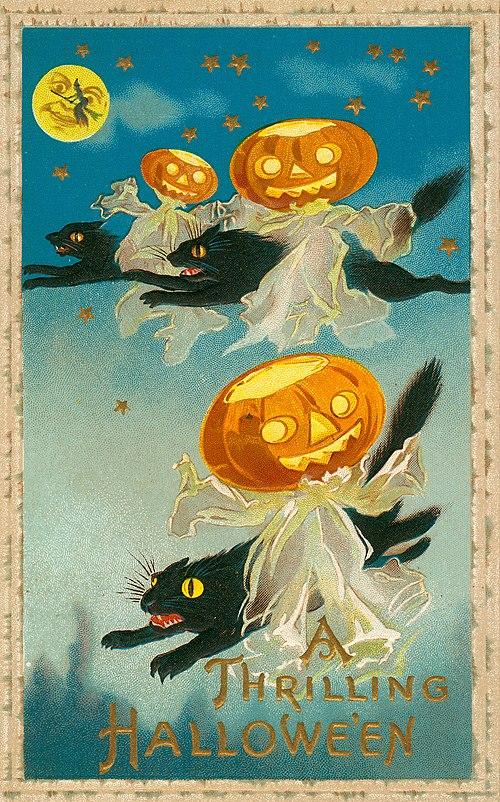
                                                                                      A Thrilling Hallowe'en." (Three black cats flying through the air with Jack-o-lanterns.

It depicts three black cats are shown flying through the air, their fur bristling and tails arched as if caught mid-leap or magically soaring. Each cat is accompanied by or carrying a glowing Jack-o’-lantern, the carved pumpkins casting a warm, orange light that contrasts with the dark background.

https://commons.wikimedia.org/wiki/File:%22A_Thrilling_Hallowe%27en.%22_(Three_black_cats_flying_through_the_air_with_Jack-o-lanterns).jpg

                                                                                      Alt...A Thrilling Hallowe'en." (Three black cats flying through the air with Jack-o-lanterns. It depicts three black cats are shown flying through the air, their fur bristling and tails arched as if caught mid-leap or magically soaring. Each cat is accompanied by or carrying a glowing Jack-o’-lantern, the carved pumpkins casting a warm, orange light that contrasts with the dark background. https://commons.wikimedia.org/wiki/File:%22A_Thrilling_Hallowe%27en.%22_(Three_black_cats_flying_through_the_air_with_Jack-o-lanterns).jpg

                                                                                        [?]The Vulgar Tongue » 🤖 🌐
                                                                                        @TheVulgarTongue@zirk.us

                                                                                        NONE-SUCH. One that is unequalled: frequently applied ironically.

                                                                                        A selection from Francis Grose’s “Dictionary Of The Vulgar Tongue” (1785)

                                                                                        --
                                                                                        @histodons

                                                                                        Image imitating a page from an old document, text (as in main toot):

NONE-SUCH. One that is unequalled: frequently applied ironically.

A selection from Francis Grose’s “Dictionary Of The Vulgar Tongue” (1785)

                                                                                        Alt...Image imitating a page from an old document, text (as in main toot): NONE-SUCH. One that is unequalled: frequently applied ironically. A selection from Francis Grose’s “Dictionary Of The Vulgar Tongue” (1785)

                                                                                          [?]The Vulgar Tongue » 🤖 🌐
                                                                                          @TheVulgarTongue@zirk.us

                                                                                          BUMMED. Arrested.

                                                                                          A selection from Francis Grose’s “Dictionary Of The Vulgar Tongue” (1785)

                                                                                          --
                                                                                          @histodons

                                                                                          Image imitating a page from an old document, text (as in main toot):

BUMMED. Arrested.

A selection from Francis Grose’s “Dictionary Of The Vulgar Tongue” (1785)

                                                                                          Alt...Image imitating a page from an old document, text (as in main toot): BUMMED. Arrested. A selection from Francis Grose’s “Dictionary Of The Vulgar Tongue” (1785)

                                                                                            [?]Project Gutenberg » 🌐
                                                                                            @gutenberg_org@mastodon.social

                                                                                            “That’s Why We Become Witches”: Sylvia Townsend Warner’s Lolly Willowes (1926)

                                                                                            "A novel about a woman who throws off the yoke of patriarchy to become a witch."

                                                                                            publicdomainreview.org/collect

                                                                                            The book at PG:

                                                                                            gutenberg.org/ebooks/72223

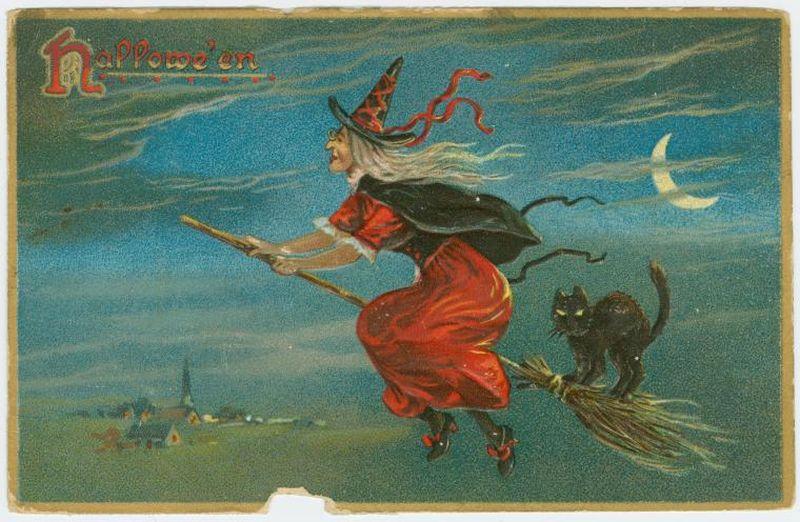
                                                                                            Halloween: illustration shows a witch riding on a broom with a black cat.

                                                                                            Alt...Halloween: illustration shows a witch riding on a broom with a black cat.

                                                                                              [?]Project Gutenberg » 🌐
                                                                                              @gutenberg_org@mastodon.social

                                                                                              Meet the Real Dr. Frankenstein

                                                                                              The Italian scientist who sparked an electric revolution that led to the beloved horror story—and the battery

                                                                                              By Molly Glick

                                                                                              nautil.us/meet-the-real-dr-fra

                                                                                              Galvani and Frankenstein at PG:
                                                                                              gutenberg.org/ebooks/subject/2
                                                                                              gutenberg.org/ebooks/84

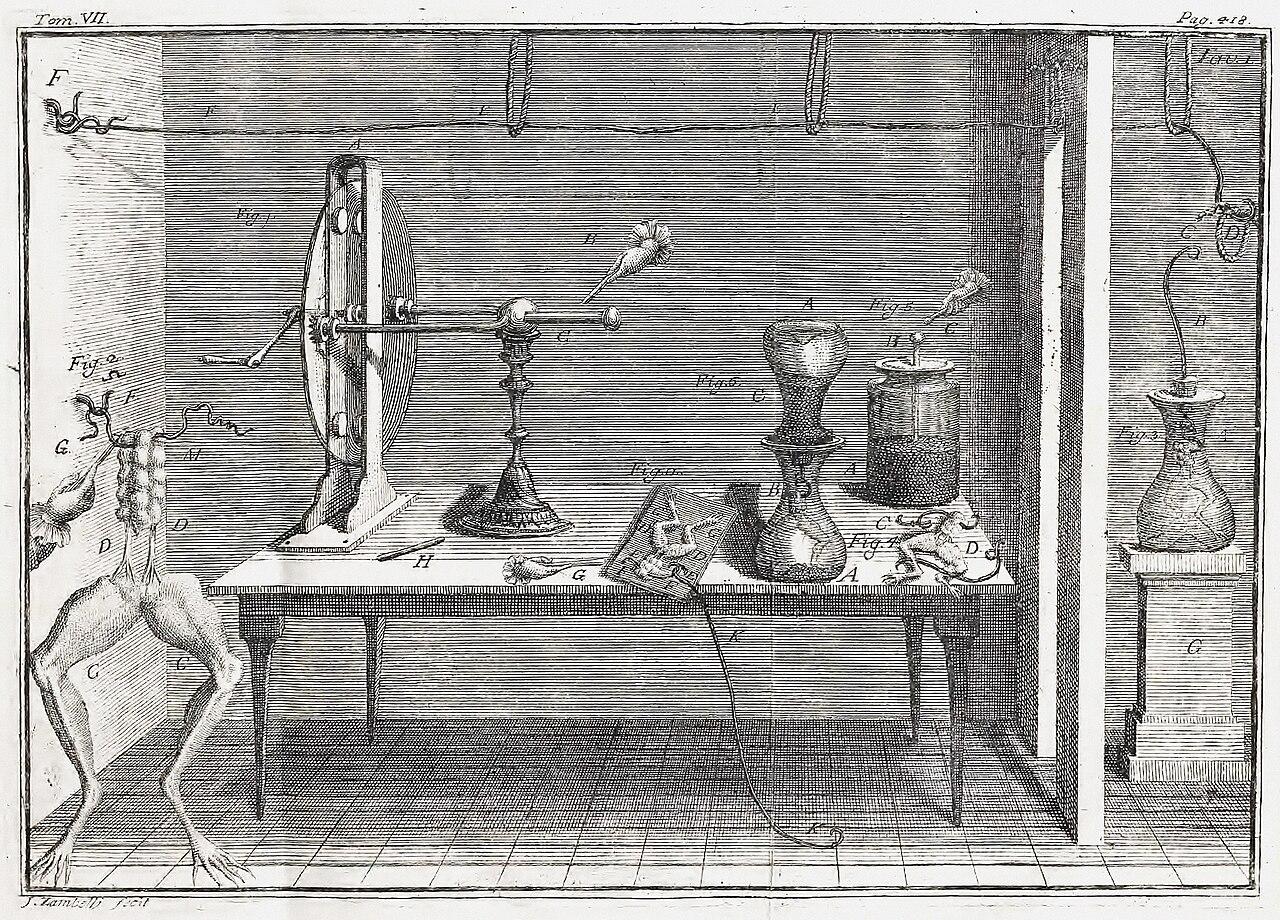
                                                                                              Luigi Galvani - De viribus electricitatis in motu musculari commentarius, Tav. 1

Luigi Galvani experiment on frogs legs.

In this 18th-century scientific engraving, Galvani demonstrates how electricity can cause muscular movement in a dissected frog’s legs. The scene typically shows frog limbs connected by metal wires to an electrical source or to a metal arc, producing visible contractions when the circuit is completed.

https://en.wikipedia.org/wiki/Luigi_Galvani#/media/File:Luigi_Galvani_Experiment.jpeg

                                                                                              Alt...Luigi Galvani - De viribus electricitatis in motu musculari commentarius, Tav. 1 Luigi Galvani experiment on frogs legs. In this 18th-century scientific engraving, Galvani demonstrates how electricity can cause muscular movement in a dissected frog’s legs. The scene typically shows frog limbs connected by metal wires to an electrical source or to a metal arc, producing visible contractions when the circuit is completed. https://en.wikipedia.org/wiki/Luigi_Galvani#/media/File:Luigi_Galvani_Experiment.jpeg

                                                                                                Back to top - More...