soc.octade.net is a Fediverse instance that uses the ActivityPub protocol. In other words, users at this host can communicate with people that use software like Mastodon, Pleroma, Friendica, etc. all around the world.

This server runs the snac software and there is no automatic sign-up process.

Admin email
social@octade.net

Search results for tag #literature

[?]Project Gutenberg » 🌐
@gutenberg_org@mastodon.social

Philosopher of pride

For Mandeville, humankind has a bottomless need to be liked: it is this perennial craving that forms the foundation of society

By Andrea Branchi

aeon.co/essays/the-hidden-role

Mandeville at PG:
gutenberg.org/ebooks/author/25

Possible portrait of the writer Bernard Mandeville.

Mandeville is shown from the waist up, turned slightly to the side but looking directly at the viewer.

He has long, softly curled brown hair falling to his shoulders, pale skin, and a calm, reserved facial expression.

He wears an elegant blue satin or silk coat with elaborate gold embroidery and decorative fastenings.

https://en.wikipedia.org/wiki/Bernard_Mandeville#/media/File:Unknown_man,_formerly_known_as_Sir_James_Thornhill_by_John_Closterman.jpg

Alt...Possible portrait of the writer Bernard Mandeville. Mandeville is shown from the waist up, turned slightly to the side but looking directly at the viewer. He has long, softly curled brown hair falling to his shoulders, pale skin, and a calm, reserved facial expression. He wears an elegant blue satin or silk coat with elaborate gold embroidery and decorative fastenings. https://en.wikipedia.org/wiki/Bernard_Mandeville#/media/File:Unknown_man,_formerly_known_as_Sir_James_Thornhill_by_John_Closterman.jpg

    [?]Project Gutenberg » 🌐
    @gutenberg_org@mastodon.social

    A controversial bestseller

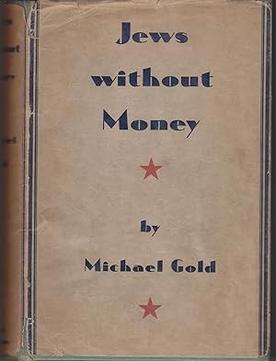
    Michael Gold's bestselling novel Jews Without Money depicts the plight of poor East European immigrants in New York. It resonated with readers in 1930 facing not-yet-fully-acknowledged impacts of the Depression.

    By John Mark Ockerbloom

    everybodyslibraries.com/2025/1

    More information:
    en.wikipedia.org/wiki/Jews_wit

    Cover of the 1930 novel Jews without Money by Michael Gold

https://en.wikipedia.org/wiki/Jews_without_Money#/media/File:Cover_of_the_1930_novel_Jews_without_Money_by_Michael_Gold.jpg

    Alt...Cover of the 1930 novel Jews without Money by Michael Gold https://en.wikipedia.org/wiki/Jews_without_Money#/media/File:Cover_of_the_1930_novel_Jews_without_Money_by_Michael_Gold.jpg

      [?]The Vulgar Tongue » 🤖 🌐
      @TheVulgarTongue@zirk.us

      DARBIES. Fetters. CANT.

      A selection from Francis Grose’s “Dictionary Of The Vulgar Tongue” (1785)

      --
      @histodons

      Image imitating a page from an old document, text (as in main toot):

DARBIES. Fetters. CANT.

A selection from Francis Grose’s “Dictionary Of The Vulgar Tongue” (1785)

      Alt...Image imitating a page from an old document, text (as in main toot): DARBIES. Fetters. CANT. A selection from Francis Grose’s “Dictionary Of The Vulgar Tongue” (1785)

        [?]The Vulgar Tongue » 🤖 🌐
        @TheVulgarTongue@zirk.us

        CRUSTY FELLOW. A surly fellow.

        A selection from Francis Grose’s “Dictionary Of The Vulgar Tongue” (1785)

        --
        @histodons

        Image imitating a page from an old document, text (as in main toot):

CRUSTY FELLOW. A surly fellow.

A selection from Francis Grose’s “Dictionary Of The Vulgar Tongue” (1785)

        Alt...Image imitating a page from an old document, text (as in main toot): CRUSTY FELLOW. A surly fellow. A selection from Francis Grose’s “Dictionary Of The Vulgar Tongue” (1785)

          [?]Project Gutenberg » 🌐
          @gutenberg_org@mastodon.social

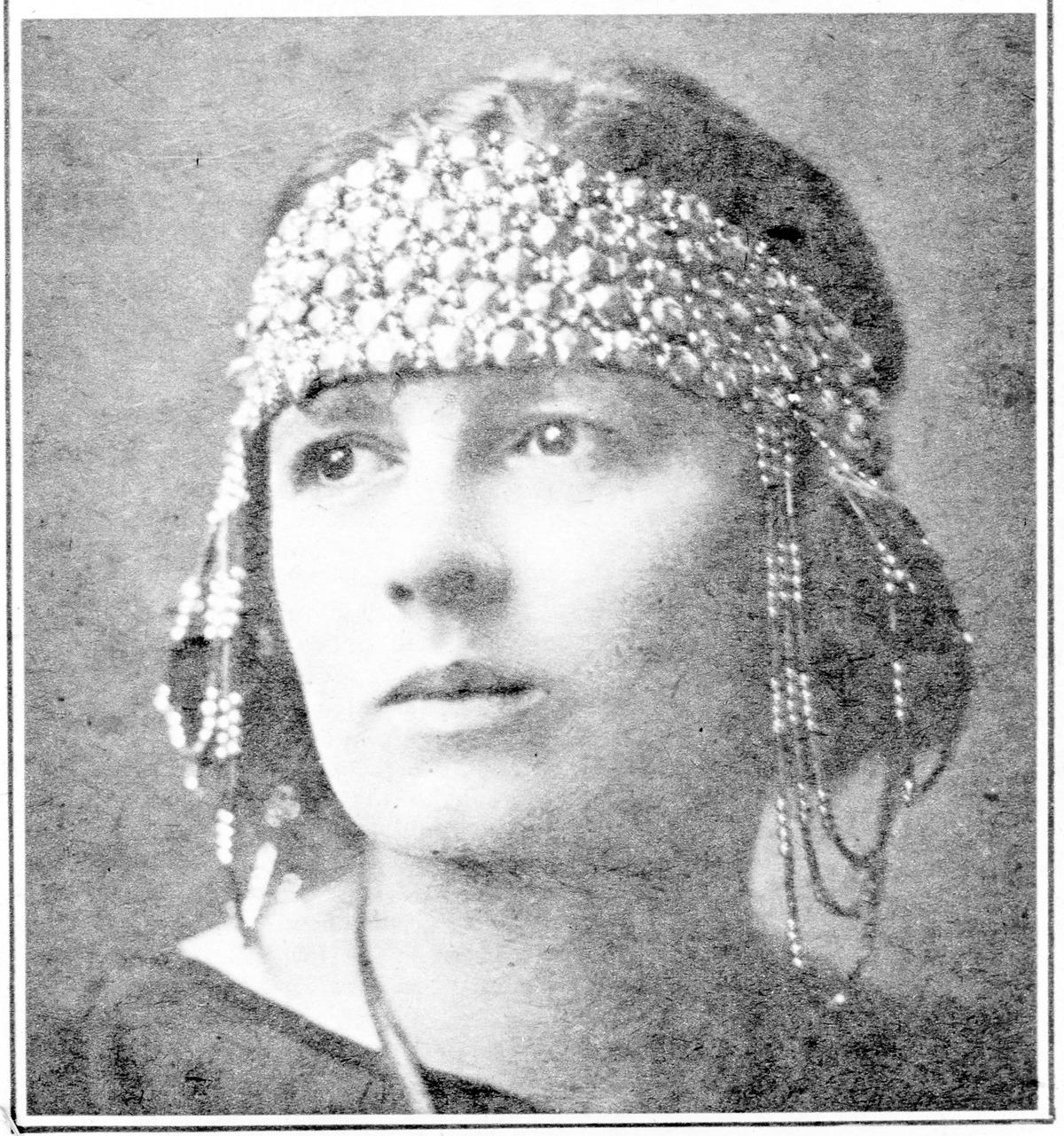
          "Art is at least in part a way of collecting information about the universe. "
          The Strange Necessity: Essays and Reviews (1928)

          ~Rebecca West, born in 1892.

          About Rebecca West:
          en.wikipedia.org/wiki/Rebecca_

          Rebecca West papers.

The image is a black-and-white, grainy portrait photograph, likely from the early 20th century. It shows a young woman in close-up, facing slightly to the viewer’s left, with a calm, serious, and introspective expression. Her gaze is steady and directed just past the camera.

She wears an ornate, beaded headpiece that fits closely around her head and extends down the sides, with strands of beads hanging near her ears. Her hair is mostly concealed beneath it. She is dressed in a dark garment with a simple neckline, which contrasts with her pale complexion and draws attention to her face.

https://beinecke.library.yale.edu/collections/highlights/rebecca-west-papers

          Alt...Rebecca West papers. The image is a black-and-white, grainy portrait photograph, likely from the early 20th century. It shows a young woman in close-up, facing slightly to the viewer’s left, with a calm, serious, and introspective expression. Her gaze is steady and directed just past the camera. She wears an ornate, beaded headpiece that fits closely around her head and extends down the sides, with strands of beads hanging near her ears. Her hair is mostly concealed beneath it. She is dressed in a dark garment with a simple neckline, which contrasts with her pale complexion and draws attention to her face. https://beinecke.library.yale.edu/collections/highlights/rebecca-west-papers

            [?]Project Gutenberg » 🌐
            @gutenberg_org@mastodon.social

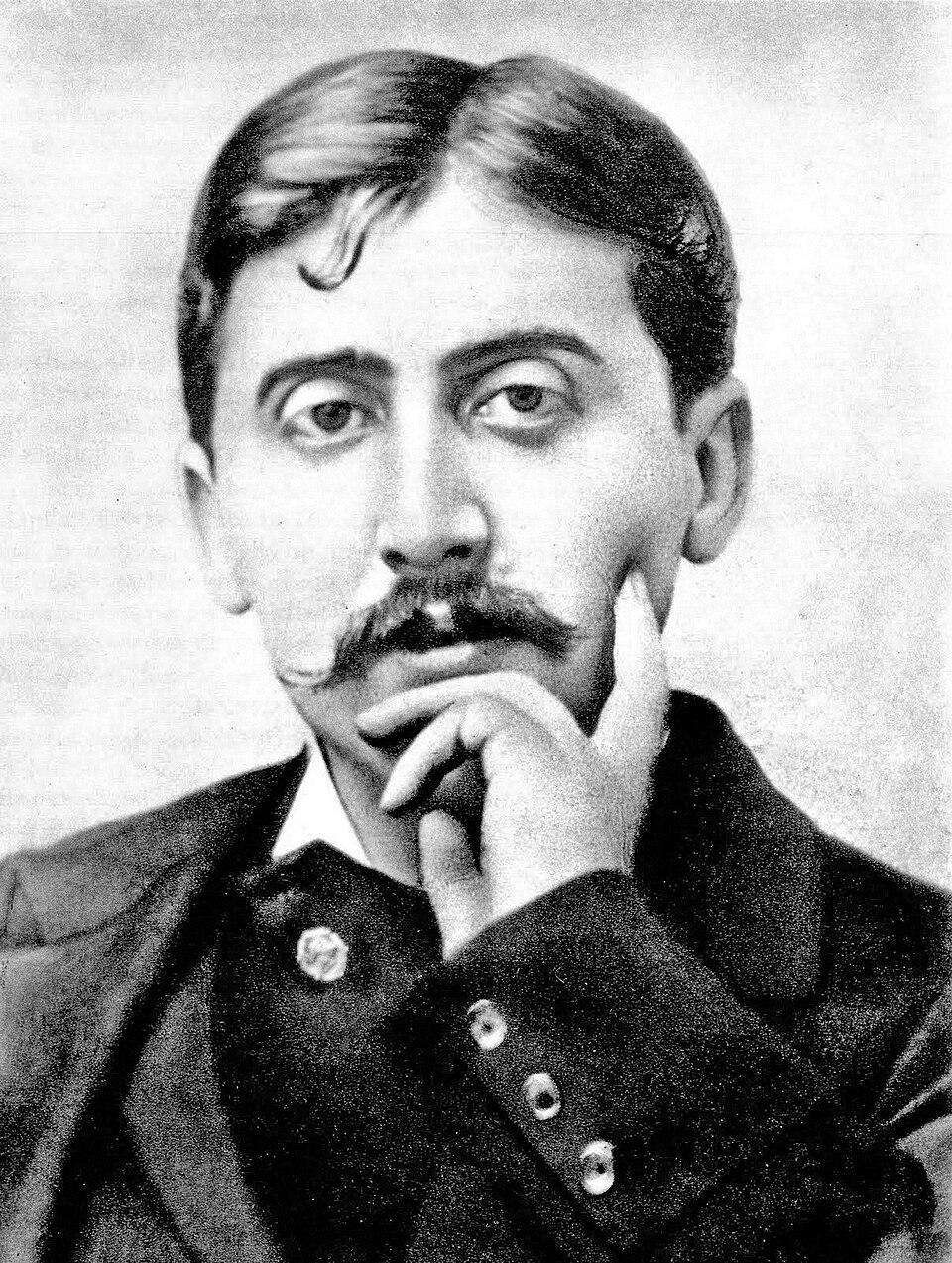
            At Marcel Proust's table

            To immerse oneself in In Search of Lost Time is a bit like becoming a guest of the narrator. The table plays a significant role in the novel, perpetuating a distinctly French literary tradition, evident at least since Rabelais.

            By Junko Meguro

            essentiels.bnf.fr/fr/article/b

            In Search of Lost Time at PG:
            gutenberg.org/ebooks/search/?q
            gutenberg.org/ebooks/search/?q

            Marcel Proust in 1895.

A formal black and white portrait photograph of Marcel Proust taken in 1895, showing the young French novelist at age 24 with his characteristic mustache, slicked hair, and contemplative pose with hand near his chin.

https://fr.wikipedia.org/wiki/%C3%80_la_recherche_du_temps_perdu#/media/Fichier:Marcel_Proust_1895.jpg

            Alt...Marcel Proust in 1895. A formal black and white portrait photograph of Marcel Proust taken in 1895, showing the young French novelist at age 24 with his characteristic mustache, slicked hair, and contemplative pose with hand near his chin. https://fr.wikipedia.org/wiki/%C3%80_la_recherche_du_temps_perdu#/media/Fichier:Marcel_Proust_1895.jpg

              [?]Project Gutenberg » 🌐
              @gutenberg_org@mastodon.social

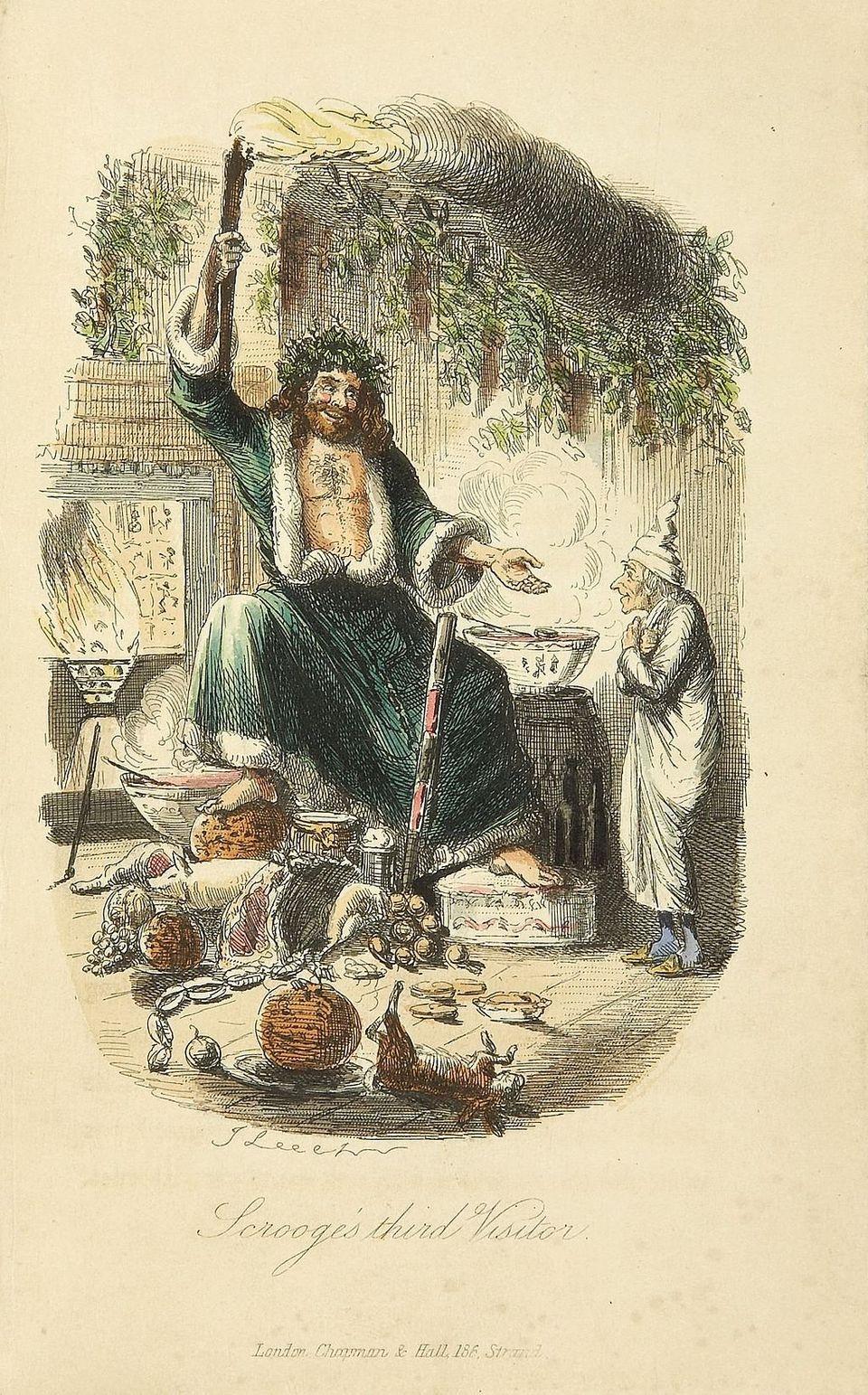
              Did Charles Dickens see A Christmas Carol as an anti-slavery story?

              A Christmas Carol is usually read as a Victorian morality tale about capitalism and compassion. Yet an autographed script written by Charles Dickens during the American Civil War raises the possibility he may also have understood the story as speaking to the cause of ending slavery in the US.

              By Lucy Whitehead

              theconversation.com/did-charle

              Christmas Carol at PG:
              gutenberg.org/ebooks/46

              "The Ghost of Christmas Present" from the original edition, 1843

Scrooge's third visitor, from Charles Dickens: A Christmas Carol. In Prose. Being a Ghost Story of Christmas. With Illustrations by John Leech. London: Chapman & Hall, 1843. First edition. This image is one of four hand-coloured etchings included in the first edition.

The illustration depicts the Ghost of Christmas Present as a jolly giant robed in green, surrounded by festive abundance including food and drink.

https://en.wikipedia.org/wiki/A_Christmas_Carol#/media/File:Scrooges_third_visitor-John_Leech,1843.jpg

              Alt..."The Ghost of Christmas Present" from the original edition, 1843 Scrooge's third visitor, from Charles Dickens: A Christmas Carol. In Prose. Being a Ghost Story of Christmas. With Illustrations by John Leech. London: Chapman & Hall, 1843. First edition. This image is one of four hand-coloured etchings included in the first edition. The illustration depicts the Ghost of Christmas Present as a jolly giant robed in green, surrounded by festive abundance including food and drink. https://en.wikipedia.org/wiki/A_Christmas_Carol#/media/File:Scrooges_third_visitor-John_Leech,1843.jpg

                [?]The Vulgar Tongue » 🤖 🌐
                @TheVulgarTongue@zirk.us

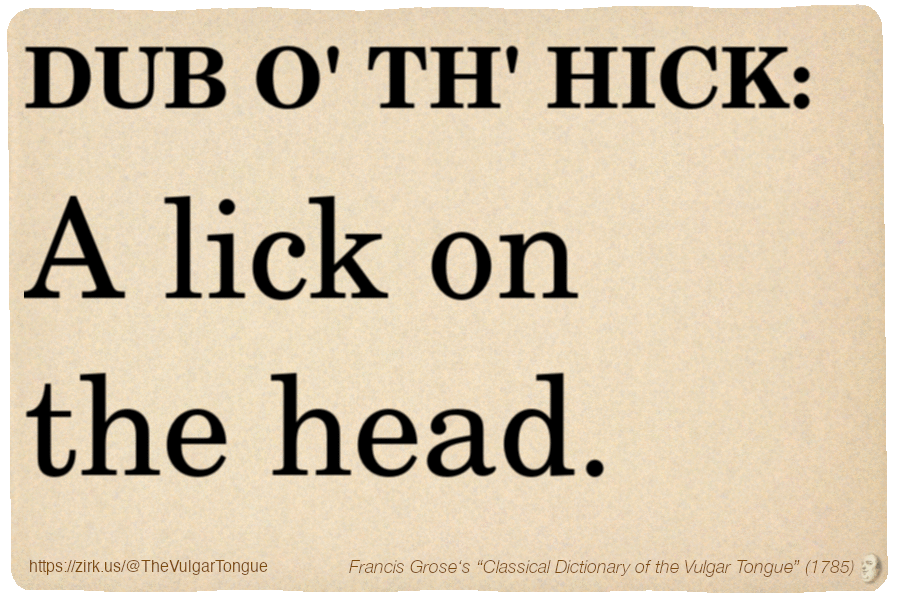
                DUB O' TH' HICK. A lick on the head.

                A selection from Francis Grose’s “Dictionary Of The Vulgar Tongue” (1785)

                --
                @histodons

                Image imitating a page from an old document, text (as in main toot):

DUB O' TH' HICK. A lick on the head.

A selection from Francis Grose’s “Dictionary Of The Vulgar Tongue” (1785)

                Alt...Image imitating a page from an old document, text (as in main toot): DUB O' TH' HICK. A lick on the head. A selection from Francis Grose’s “Dictionary Of The Vulgar Tongue” (1785)

                  [?]The Vulgar Tongue » 🤖 🌐
                  @TheVulgarTongue@zirk.us

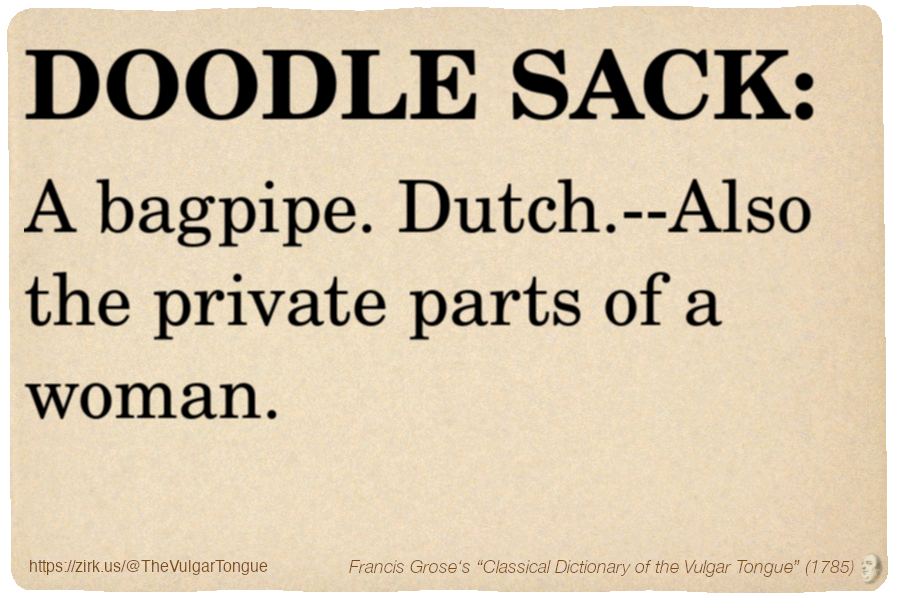
                  DOODLE SACK. A bagpipe. Dutch.--Also the private parts of a woman.

                  A selection from Francis Grose’s “Dictionary Of The Vulgar Tongue” (1785)

                  --
                  @histodons

                  Image imitating a page from an old document, text (as in main toot):

DOODLE SACK. A bagpipe. Dutch.--Also the private parts of a woman.

A selection from Francis Grose’s “Dictionary Of The Vulgar Tongue” (1785)

                  Alt...Image imitating a page from an old document, text (as in main toot): DOODLE SACK. A bagpipe. Dutch.--Also the private parts of a woman. A selection from Francis Grose’s “Dictionary Of The Vulgar Tongue” (1785)

                    [?]Project Gutenberg » 🌐
                    @gutenberg_org@mastodon.social

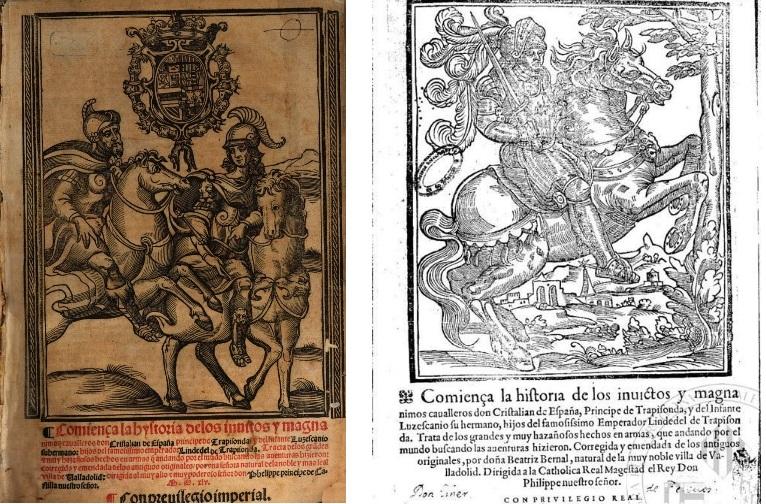
                    ‘From her pen sprang unforgettable females’: 16th-century Spanish author’s knight’s tale given reboot

                    Beatriz Bernal’s pioneering novel features brave, chivalrous women who ride dragons and her adapter wants his illustrated version to reach young readers

                    By Sam Jones

                    theguardian.com/world/2025/dec

                    Spanish literature at PG:
                    gutenberg.org/ebooks/subjects/

                    On the left, cover of the first edition of Don Cristalián (Valladolid, 1545). On the right, its second edition (Alcalá de Henares, 1586).

                    Alt...On the left, cover of the first edition of Don Cristalián (Valladolid, 1545). On the right, its second edition (Alcalá de Henares, 1586).

                      [?]The Vulgar Tongue » 🤖 🌐
                      @TheVulgarTongue@zirk.us

                      DUTCH FEAST. Where the entertainer gets drunk before his guest.

                      A selection from Francis Grose’s “Dictionary Of The Vulgar Tongue” (1785)

                      --
                      @histodons

                      Image imitating a page from an old document, text (as in main toot):

DUTCH FEAST. Where the entertainer gets drunk before his guest.

A selection from Francis Grose’s “Dictionary Of The Vulgar Tongue” (1785)

                      Alt...Image imitating a page from an old document, text (as in main toot): DUTCH FEAST. Where the entertainer gets drunk before his guest. A selection from Francis Grose’s “Dictionary Of The Vulgar Tongue” (1785)

                        [?]The Vulgar Tongue » 🤖 🌐
                        @TheVulgarTongue@zirk.us

                        NESCIO. He sports a Nescio; he pretends not to understand any thing. After the senate house examination for degrees, the students proceed to the schools, to be questioned by the proctor. According to custom immemorial the answers MUST be Nescio.

                        A selection from Francis Grose’s “Dictionary Of The Vulgar Tongue” (1785)

                        --
                        @histodons

                        Image imitating a page from an old document, text (as in main toot):

NESCIO. He sports a Nescio; he pretends not to understand any thing. After the senate house examination for degrees, the students proceed to the schools, to be questioned by the proctor. According to custom immemorial the answers MUST be Nescio. 

A selection from Francis Grose’s “Dictionary Of The Vulgar Tongue” (1785)

                        Alt...Image imitating a page from an old document, text (as in main toot): NESCIO. He sports a Nescio; he pretends not to understand any thing. After the senate house examination for degrees, the students proceed to the schools, to be questioned by the proctor. According to custom immemorial the answers MUST be Nescio. A selection from Francis Grose’s “Dictionary Of The Vulgar Tongue” (1785)

                          [?]Project Gutenberg » 🌐
                          @gutenberg_org@mastodon.social

                          Rare public display for Mary Queen of Scots' final letter

                          The public are to be given a rare chance to see the last letter by Mary Queen of Scots, which was written just hours before she was beheaded.

                          by Cara Berkley

                          bbc.co.uk/news/articles/cg4nzy

                          Mary Queen of Scots at PG:
                          gutenberg.org/ebooks/subjects/

                          La mort de Marie Stuart, 19th-century painting by Abel de Pujol

The painting is centered around Mary, who is portrayed with an expression of  a mix of resignation and strength.

The painting reflects the tragic fate of Mary, who was executed in 1587 after being imprisoned for years. 

https://en.wikipedia.org/wiki/Mary,_Queen_of_Scots#/media/File:Execution-of-Mary-Queen-of-Scots.jpg

                          Alt...La mort de Marie Stuart, 19th-century painting by Abel de Pujol The painting is centered around Mary, who is portrayed with an expression of a mix of resignation and strength. The painting reflects the tragic fate of Mary, who was executed in 1587 after being imprisoned for years. https://en.wikipedia.org/wiki/Mary,_Queen_of_Scots#/media/File:Execution-of-Mary-Queen-of-Scots.jpg

                            [?]Project Gutenberg » 🌐
                            @gutenberg_org@mastodon.social

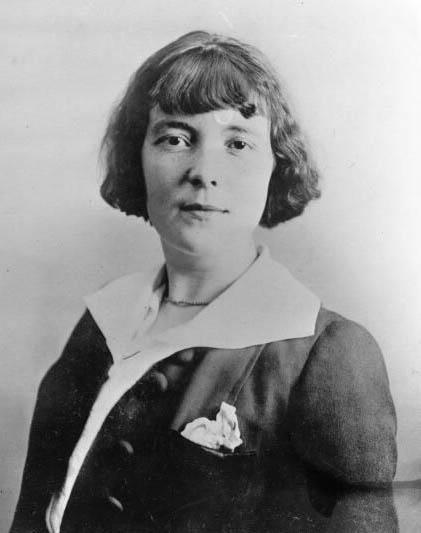
                            Virginia Woolf Thought Katharine Mansfield Stank Like a “Civet Cat Taken to Streetwalking”

                            Gerri Kimber on the Literary Legacy of an Early Master of the Short Form

                            lithub.com/virginia-woolf-thou

                            Mansfield & Woolf at PG:
                            gutenberg.org/ebooks/author/631
                            gutenberg.org/ebooks/author/89

                            #

                            Katherine Mansfield, a New Zealand-writer of short stories. Picture taken 1912.

A 1912 photograph of Katherine Mansfield, the acclaimed New Zealand short story writer. The formal portrait shows Mansfield during her early literary career, before she became one of the modernist movement's most influential voices in short fiction.

https://en.wikipedia.org/wiki/Katherine_Mansfield#/media/File:Mansfield1.jpg

                            Alt...Katherine Mansfield, a New Zealand-writer of short stories. Picture taken 1912. A 1912 photograph of Katherine Mansfield, the acclaimed New Zealand short story writer. The formal portrait shows Mansfield during her early literary career, before she became one of the modernist movement's most influential voices in short fiction. https://en.wikipedia.org/wiki/Katherine_Mansfield#/media/File:Mansfield1.jpg

                            Portrait of Virginia Woolf (January 25, 1882 – March 28, 1941), a British author and feminist, with her chignon. By George Charles Beresford.

The 1902 portrait by George Charles Beresford captures Virginia striking image, with her famous chignon, reflecting her distinctive style and the aesthetics of the time.

https://en.wikipedia.org/wiki/Virginia_Woolf#/media/File:George_Charles_Beresford_-_Virginia_Woolf_in_1902_-_Restoration.jpg

                            Alt...Portrait of Virginia Woolf (January 25, 1882 – March 28, 1941), a British author and feminist, with her chignon. By George Charles Beresford. The 1902 portrait by George Charles Beresford captures Virginia striking image, with her famous chignon, reflecting her distinctive style and the aesthetics of the time. https://en.wikipedia.org/wiki/Virginia_Woolf#/media/File:George_Charles_Beresford_-_Virginia_Woolf_in_1902_-_Restoration.jpg

                              [?]The Vulgar Tongue » 🤖 🌐
                              @TheVulgarTongue@zirk.us

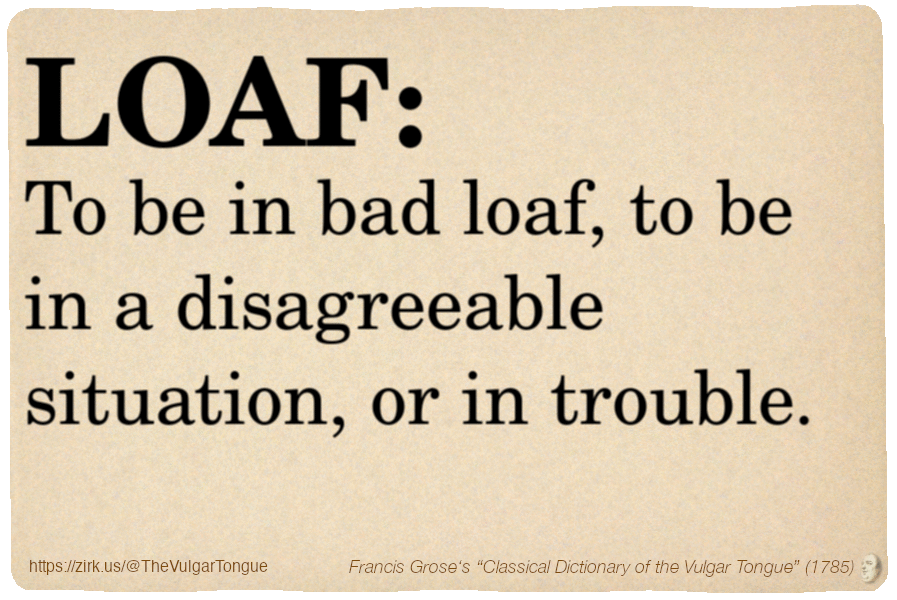
                              LOAF. To be in bad loaf, to be in a disagreeable situation, or in trouble.

                              A selection from Francis Grose’s “Dictionary Of The Vulgar Tongue” (1785)

                              --
                              @histodons

                              Image imitating a page from an old document, text (as in main toot):

LOAF. To be in bad loaf, to be in a disagreeable situation, or in trouble.

A selection from Francis Grose’s “Dictionary Of The Vulgar Tongue” (1785)

                              Alt...Image imitating a page from an old document, text (as in main toot): LOAF. To be in bad loaf, to be in a disagreeable situation, or in trouble. A selection from Francis Grose’s “Dictionary Of The Vulgar Tongue” (1785)

                                [?]The Vulgar Tongue » 🤖 🌐
                                @TheVulgarTongue@zirk.us

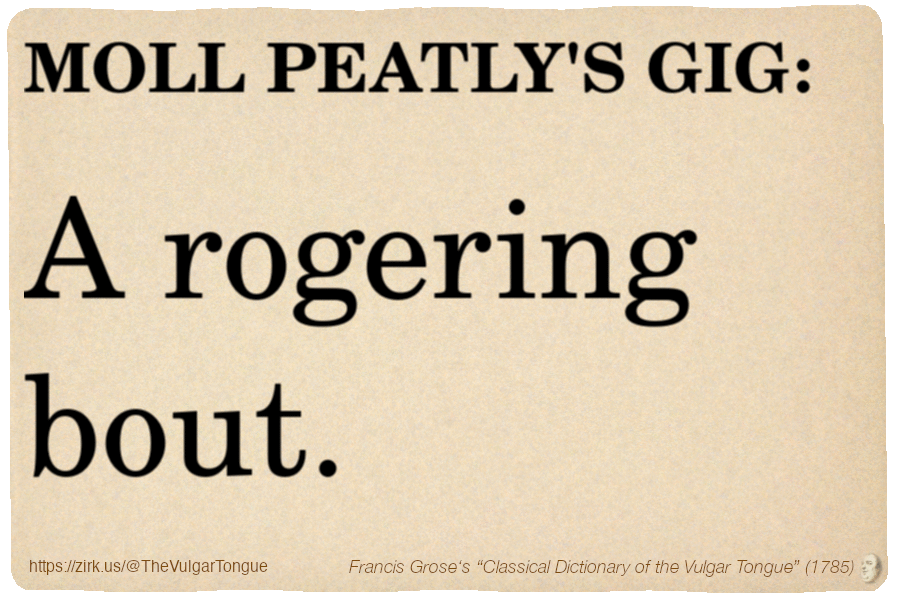
                                MOLL PEATLY'S GIG. A rogering bout.

                                A selection from Francis Grose’s “Dictionary Of The Vulgar Tongue” (1785)

                                --
                                @histodons

                                Image imitating a page from an old document, text (as in main toot):

MOLL PEATLY'S GIG. A rogering bout.

A selection from Francis Grose’s “Dictionary Of The Vulgar Tongue” (1785)

                                Alt...Image imitating a page from an old document, text (as in main toot): MOLL PEATLY'S GIG. A rogering bout. A selection from Francis Grose’s “Dictionary Of The Vulgar Tongue” (1785)

                                  [?]Project Gutenberg » 🌐
                                  @gutenberg_org@mastodon.social

                                  The ecstatic swoon

                                  As Stendhal knew, the reason for art is to make you feel. Do not try to grasp the artwork: allow it to grasp you instead

                                  by Robert D Zaretsky

                                  aeon.co/essays/what-stendhal-s

                                  Portrait de Stendhal par Ducis, 1835, Bibliothèque Sormani, Milan. Portrait mélancolique.

An 1835 oil portrait of French writer Stendhal by Johan-Nepomuk Ender (attributed to Ducis), housed at the Bibliothèque Sormani in Milan. The melancholic portrait shows the author of "The Red and the Black" in dark formal attire against a muted green background, holding an elegant walking stick, capturing his contemplative demeanor during his mature years.

https://commons.wikimedia.org/wiki/File:Stendhal_par_Ducis.jpg

                                  Alt...Portrait de Stendhal par Ducis, 1835, Bibliothèque Sormani, Milan. Portrait mélancolique. An 1835 oil portrait of French writer Stendhal by Johan-Nepomuk Ender (attributed to Ducis), housed at the Bibliothèque Sormani in Milan. The melancholic portrait shows the author of "The Red and the Black" in dark formal attire against a muted green background, holding an elegant walking stick, capturing his contemplative demeanor during his mature years. https://commons.wikimedia.org/wiki/File:Stendhal_par_Ducis.jpg

                                    [?]The Vulgar Tongue » 🤖 🌐
                                    @TheVulgarTongue@zirk.us

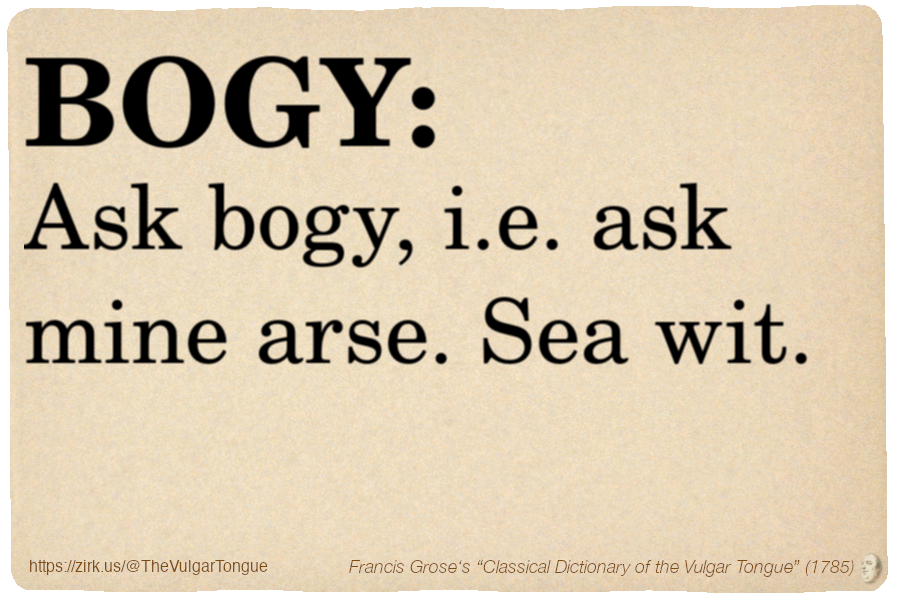
                                    BOGY. Ask bogy, i.e. ask mine arse. Sea wit.

                                    A selection from Francis Grose’s “Dictionary Of The Vulgar Tongue” (1785)

                                    --
                                    @histodons

                                    Image imitating a page from an old document, text (as in main toot):

BOGY. Ask bogy, i.e. ask mine arse. Sea wit.

A selection from Francis Grose’s “Dictionary Of The Vulgar Tongue” (1785)

                                    Alt...Image imitating a page from an old document, text (as in main toot): BOGY. Ask bogy, i.e. ask mine arse. Sea wit. A selection from Francis Grose’s “Dictionary Of The Vulgar Tongue” (1785)

                                      [?]The Vulgar Tongue » 🤖 🌐
                                      @TheVulgarTongue@zirk.us

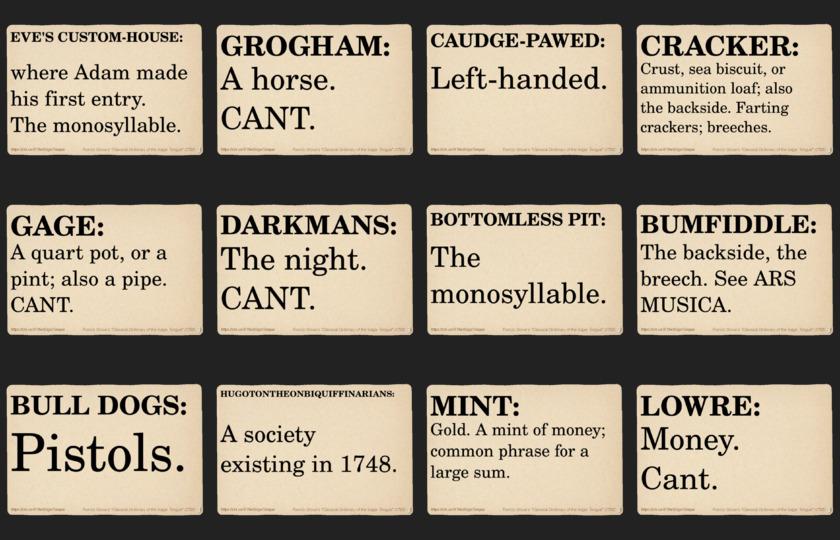
                                      Hi!, I'm a bot posting selections from Francis Grose’s 1785 “Dictionary Of The Vulgar Tongue”, a compilation of slang terms, the coded language of the underclass and the demi-monde.

                                      [18th-century-content warning: possible racism, animal cruelty, homophobia, sexism, slut-shaming. Let me know of any problems.]

                                      Montage of dictionary items posted by this account

                                      Alt...Montage of dictionary items posted by this account

                                        [?]Project Gutenberg » 🌐
                                        @gutenberg_org@mastodon.social

                                        Think you know Hans Christian Andersen? Four experts pick his weirdest fairy tales to read this Christmas

                                        By Ane Grum-Schwensen, Holger Berg, Jacob Bøggild and Sarah Bienko Eriksen

                                        theconversation.com/think-you-

                                        Andersen at PG:
                                        gutenberg.org/ebooks/author/22

                                        The superstitious mother was an archetype, but Andersen’s depiction is shaped by memories of his own mother, Anne Marie Andersdatter. Illustration by Lorenz Frölich. The Hans Christian Andersen Centre.

This illustration by Lorenz Frölich depicts a scene from Hans Christian Andersen's writing, showing the archetype of the superstitious mother - a characterization influenced by Andersen's own mother, Anne Marie Andersdatter. The historical artwork is held at The Hans Christian Andersen Centre and represents the personal biographical elements that shaped Andersen's literary work.

https://hca.sdu.dk/tales/index.html

                                        Alt...The superstitious mother was an archetype, but Andersen’s depiction is shaped by memories of his own mother, Anne Marie Andersdatter. Illustration by Lorenz Frölich. The Hans Christian Andersen Centre. This illustration by Lorenz Frölich depicts a scene from Hans Christian Andersen's writing, showing the archetype of the superstitious mother - a characterization influenced by Andersen's own mother, Anne Marie Andersdatter. The historical artwork is held at The Hans Christian Andersen Centre and represents the personal biographical elements that shaped Andersen's literary work. https://hca.sdu.dk/tales/index.html

                                          [?]The Vulgar Tongue » 🤖 🌐
                                          @TheVulgarTongue@zirk.us

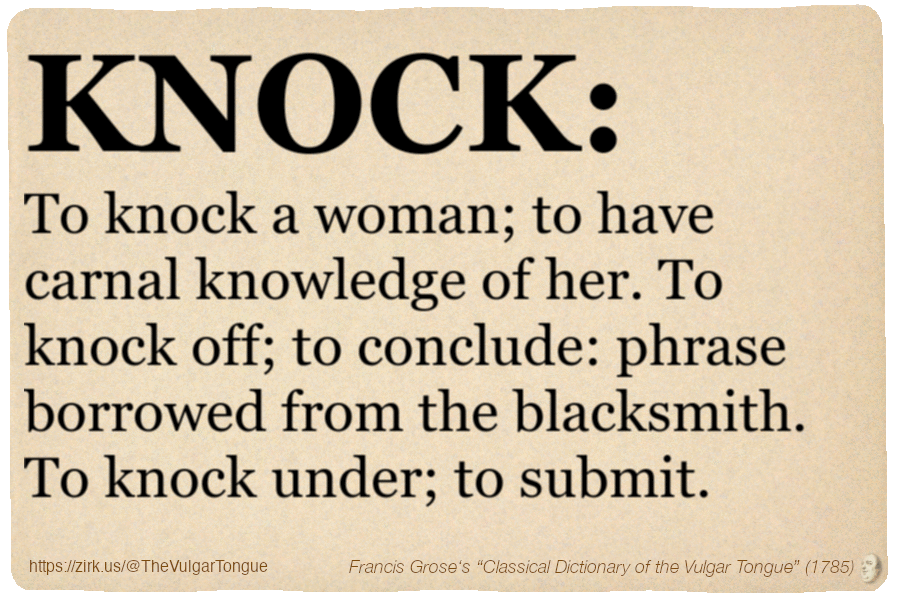
                                          KNOCK. To knock a woman; to have carnal knowledge of her. To knock off; to conclude: phrase borrowed from the blacksmith. To knock under; to submit.

                                          A selection from Francis Grose’s “Dictionary Of The Vulgar Tongue” (1785)

                                          --
                                          @histodons

                                          Image imitating a page from an old document, text (as in main toot):

KNOCK. To knock a woman; to have carnal knowledge of her. To knock off; to conclude: phrase borrowed from the blacksmith. To knock under; to submit.

A selection from Francis Grose’s “Dictionary Of The Vulgar Tongue” (1785)

                                          Alt...Image imitating a page from an old document, text (as in main toot): KNOCK. To knock a woman; to have carnal knowledge of her. To knock off; to conclude: phrase borrowed from the blacksmith. To knock under; to submit. A selection from Francis Grose’s “Dictionary Of The Vulgar Tongue” (1785)

                                            [?]Project Gutenberg » 🌐
                                            @gutenberg_org@mastodon.social

                                            Happy Public Domain Day 2026 (Jan. 1) from Duke Law School's Center for the Study of the Public Domain. To read more about the public domain

                                            via Duke University School of Law

                                            youtube.com/watch?v=Lh9f_k7fQP

                                            More information here:
                                            web.law.duke.edu/cspd/publicdo

                                            Public domain day 2026 montage.

A collage celebrating Public Domain Day 2026, featuring iconic 1930 works entering the public domain: "All Quiet on the Western Front," Marx Brothers' "Animal Crackers," early Mickey Mouse cartoons, "The Little Engine That Could," "As I Lay Dying," Nancy Drew mysteries, "The Cat Who Went to Heaven," "King of Jazz," "The Maltese Falcon," Betty Boop cartoons, "I Got Rhythm," "The Murder at the Vicarage," "Dream a Little Dream of Me," "Ash Wednesday," Blondie comics, and "Morocco" starring Marlene Dietrich.

https://web.law.duke.edu/cspd/publicdomainday/2026/

                                            Alt...Public domain day 2026 montage. A collage celebrating Public Domain Day 2026, featuring iconic 1930 works entering the public domain: "All Quiet on the Western Front," Marx Brothers' "Animal Crackers," early Mickey Mouse cartoons, "The Little Engine That Could," "As I Lay Dying," Nancy Drew mysteries, "The Cat Who Went to Heaven," "King of Jazz," "The Maltese Falcon," Betty Boop cartoons, "I Got Rhythm," "The Murder at the Vicarage," "Dream a Little Dream of Me," "Ash Wednesday," Blondie comics, and "Morocco" starring Marlene Dietrich. https://web.law.duke.edu/cspd/publicdomainday/2026/

                                              [?]Global Museum » 🌐
                                              @globalmuseum@mastodon.online

                                              Today we celebrate 250 years of Jane Austen ✨

                                              Her stories have shaped how we imagine the world of the late 18th and early 19th centuries, and through countless film and TV adaptations, her name has become inseparable from the neoclassical style of the era.

                                              @V_and_A

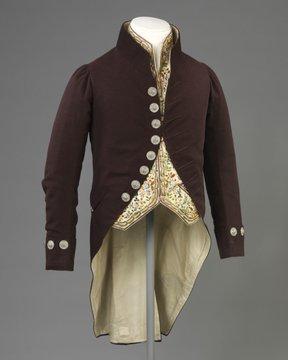
                                              Man's court suit, English, 1810-1820.

                                              Alt...Man's court suit, English, 1810-1820.

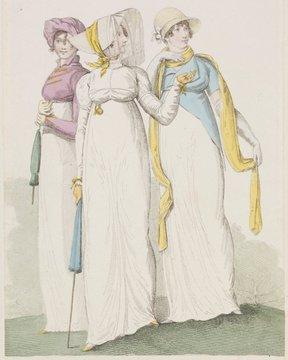
                                              La Belle Assemblée Fashionable Spring Dresses. June 1 1808
                                              Alt...La Belle Assemblée Fashionable Spring Dresses. June 1 1808

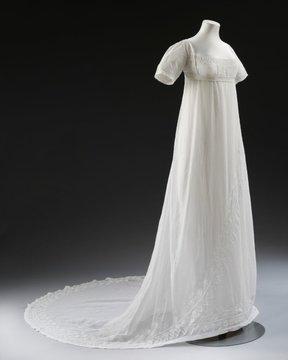
                                              Wedding dress, muslin embroidered with cotton, England, ca. 1807
                                              Alt...Wedding dress, muslin embroidered with cotton, England, ca. 1807

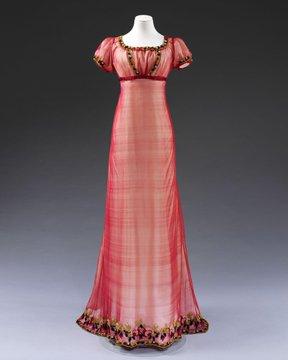
                                              Evening dress, ca. 1810, English, red chenille embroidered net

                                              Alt...Evening dress, ca. 1810, English, red chenille embroidered net

                                                [?]The Vulgar Tongue » 🤖 🌐
                                                @TheVulgarTongue@zirk.us

                                                GREY BEARD. Earthen jugs formerly used in public house for drawing ale: they had the figure of a man with a large beard stamped on them; whence probably they took the name: Dutch earthen jugs, used for smuggling gin on the coasts of Essex and Suffolk, are called grey beards.

                                                A selection from Francis Grose’s “Dictionary Of The Vulgar Tongue” (1785)

                                                --
                                                @histodons

                                                Image imitating a page from an old document, text (as in main toot):

GREY BEARD. Earthen jugs formerly used in public house for drawing ale: they had the figure of a man with a large beard stamped on them; whence probably they took the name: Dutch earthen jugs, used for smuggling gin on the coasts of Essex and Suffolk, are called grey beards.

A selection from Francis Grose’s “Dictionary Of The Vulgar Tongue” (1785)

                                                Alt...Image imitating a page from an old document, text (as in main toot): GREY BEARD. Earthen jugs formerly used in public house for drawing ale: they had the figure of a man with a large beard stamped on them; whence probably they took the name: Dutch earthen jugs, used for smuggling gin on the coasts of Essex and Suffolk, are called grey beards. A selection from Francis Grose’s “Dictionary Of The Vulgar Tongue” (1785)

                                                  [?]The Vulgar Tongue » 🤖 🌐
                                                  @TheVulgarTongue@zirk.us

                                                  LOVE BEGOTTEN CHILD. A bastard.

                                                  A selection from Francis Grose’s “Dictionary Of The Vulgar Tongue” (1785)

                                                  --
                                                  @histodons

                                                  Image imitating a page from an old document, text (as in main toot):

LOVE BEGOTTEN CHILD. A bastard.

A selection from Francis Grose’s “Dictionary Of The Vulgar Tongue” (1785)

                                                  Alt...Image imitating a page from an old document, text (as in main toot): LOVE BEGOTTEN CHILD. A bastard. A selection from Francis Grose’s “Dictionary Of The Vulgar Tongue” (1785)

                                                    [?]Project Gutenberg » 🌐
                                                    @gutenberg_org@mastodon.social

                                                    "I have now attained the true art of letter-writing, which we are always told, is to express on paper exactly what one would say to the same person by word of mouth."
                                                    Letters of Jane Austen

                                                    Happy birthday Jane Austen, born 250 years ago!!

                                                    At PG:
                                                    gutenberg.org/ebooks/author/68

                                                    Back-view watercolour of Jane Austen by her sister Cassandra Austen, 1804.

A 1804 watercolor by Cassandra Austen depicting her sister Jane Austen from behind, seated outdoors beneath flowering trees. Jane wears an elegant white empire-waist dress with a blue ribbon sash and bonnet, gazing toward a pastoral landscape in this tender, intimate family portrait.

https://en.wikipedia.org/wiki/Jane_Austen#/media/File:JaneAustenCassandraWatercolour.jpg

                                                    Alt...Back-view watercolour of Jane Austen by her sister Cassandra Austen, 1804. A 1804 watercolor by Cassandra Austen depicting her sister Jane Austen from behind, seated outdoors beneath flowering trees. Jane wears an elegant white empire-waist dress with a blue ribbon sash and bonnet, gazing toward a pastoral landscape in this tender, intimate family portrait. https://en.wikipedia.org/wiki/Jane_Austen#/media/File:JaneAustenCassandraWatercolour.jpg

                                                      [?]The Vulgar Tongue » 🤖 🌐
                                                      @TheVulgarTongue@zirk.us

                                                      CHOP. A blow. Boxing term.

                                                      A selection from Francis Grose’s “Dictionary Of The Vulgar Tongue” (1785)

                                                      --
                                                      @histodons

                                                      Image imitating a page from an old document, text (as in main toot):

CHOP. A blow. Boxing term.

A selection from Francis Grose’s “Dictionary Of The Vulgar Tongue” (1785)

                                                      Alt...Image imitating a page from an old document, text (as in main toot): CHOP. A blow. Boxing term. A selection from Francis Grose’s “Dictionary Of The Vulgar Tongue” (1785)

                                                        [?]The Vulgar Tongue » 🤖 🌐
                                                        @TheVulgarTongue@zirk.us

                                                        TO DRESS. To beat. I'll dress his hide neatly; I'll beat him soundly.

                                                        A selection from Francis Grose’s “Dictionary Of The Vulgar Tongue” (1785)

                                                        --
                                                        @histodons

                                                        Image imitating a page from an old document, text (as in main toot):

TO DRESS. To beat. I'll dress his hide neatly; I'll beat him soundly.

A selection from Francis Grose’s “Dictionary Of The Vulgar Tongue” (1785)

                                                        Alt...Image imitating a page from an old document, text (as in main toot): TO DRESS. To beat. I'll dress his hide neatly; I'll beat him soundly. A selection from Francis Grose’s “Dictionary Of The Vulgar Tongue” (1785)

                                                          [?]Project Gutenberg » 🌐
                                                          @gutenberg_org@mastodon.social

                                                          How Robert Frost summoned a classic from life’s timeless moments

                                                          Perhaps the most famous work by the US poet Robert Frost, ‘Stopping by Woods on a Snowy Evening’ (1923) exemplifies his style with its vivid scenery and accessibility.

                                                          aeon.co/videos/how-robert-fros

                                                          Frost at PG:
                                                          gutenberg.org/ebooks/author/10

                                                          Robert Frost, head-and-shoulders portrait, facing forward. 

From the Library of Congress collection, the image captures the young Frost during the period when he wrote some of his most celebrated poems.

https://en.wikipedia.org/wiki/Stopping_by_Woods_on_a_Snowy_Evening#/media/File:Robert_Frost,_1910s.jpg

                                                          Alt...Robert Frost, head-and-shoulders portrait, facing forward. From the Library of Congress collection, the image captures the young Frost during the period when he wrote some of his most celebrated poems. https://en.wikipedia.org/wiki/Stopping_by_Woods_on_a_Snowy_Evening#/media/File:Robert_Frost,_1910s.jpg

                                                            [?]Project Gutenberg » 🌐
                                                            @gutenberg_org@mastodon.social

                                                            Who Was the Real Good King Wenceslas Behind the Christmas Carol?

                                                            Good King Wenceslas is one of the most popular Christmas carols, but who was the real Bohemian duke behind the heartwarming story?

                                                            by Elizabeth Morgan

                                                            thecollector.com/real-good-kin

                                                            Christmas Carol at PG:
                                                            gutenberg.org/ebooks/46

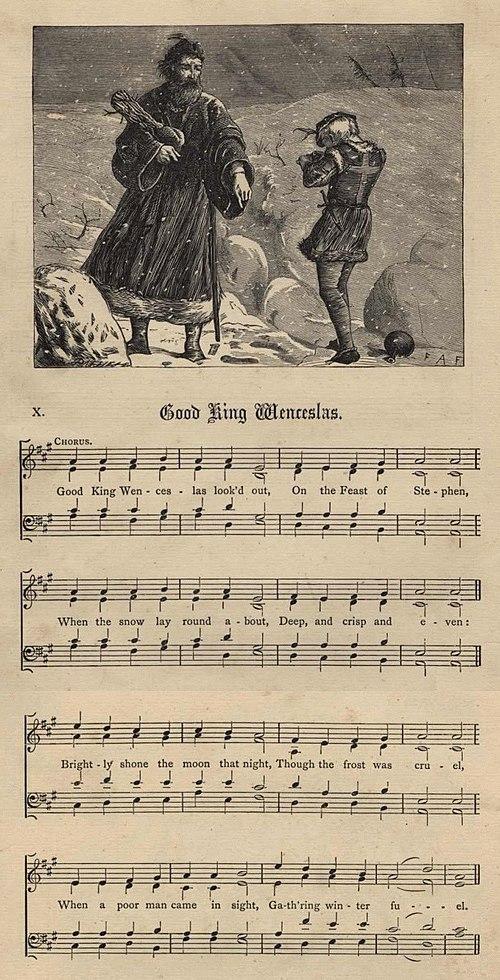
                                                            Good King Wenceslas, illustrated in Christmas Carols, New and Old from an 1879 book by Henry Ramsden Bramley, engraving by Brothers Dalziel .

An 1879 illustrated sheet music page for "Good King Wenceslas" from Henry Ramsden Bramley's "Christmas Carols, New and Old," featuring a dramatic engraving by the Dalziel Brothers. The image shows King Wenceslas and his page trudging through snow, above four verses of music notation with lyrics.

https://en.wikipedia.org/wiki/Good_King_Wenceslas#/media/File:Good_King_Wenceslas.jpg

                                                            Alt...Good King Wenceslas, illustrated in Christmas Carols, New and Old from an 1879 book by Henry Ramsden Bramley, engraving by Brothers Dalziel . An 1879 illustrated sheet music page for "Good King Wenceslas" from Henry Ramsden Bramley's "Christmas Carols, New and Old," featuring a dramatic engraving by the Dalziel Brothers. The image shows King Wenceslas and his page trudging through snow, above four verses of music notation with lyrics. https://en.wikipedia.org/wiki/Good_King_Wenceslas#/media/File:Good_King_Wenceslas.jpg

                                                              [?]The Vulgar Tongue » 🤖 🌐
                                                              @TheVulgarTongue@zirk.us

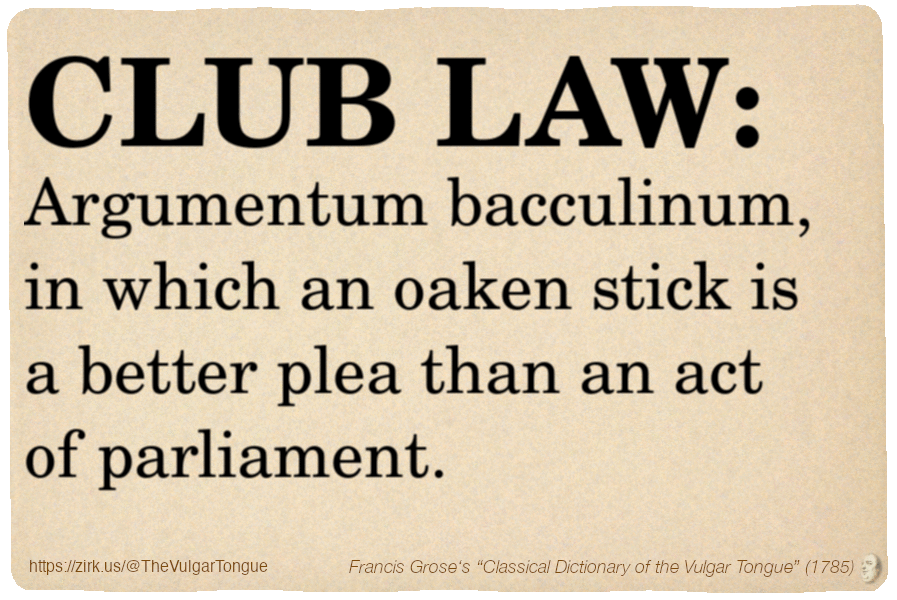
                                                              CLUB LAW. Argumentum bacculinum, in which an oaken stick is a better plea than an act of parliament.

                                                              A selection from Francis Grose’s “Dictionary Of The Vulgar Tongue” (1785)

                                                              --
                                                              @histodons

                                                              Image imitating a page from an old document, text (as in main toot):

CLUB LAW. Argumentum bacculinum, in which an oaken stick is a better plea than an act of parliament.

A selection from Francis Grose’s “Dictionary Of The Vulgar Tongue” (1785)

                                                              Alt...Image imitating a page from an old document, text (as in main toot): CLUB LAW. Argumentum bacculinum, in which an oaken stick is a better plea than an act of parliament. A selection from Francis Grose’s “Dictionary Of The Vulgar Tongue” (1785)

                                                                [?]The Vulgar Tongue » 🤖 🌐
                                                                @TheVulgarTongue@zirk.us

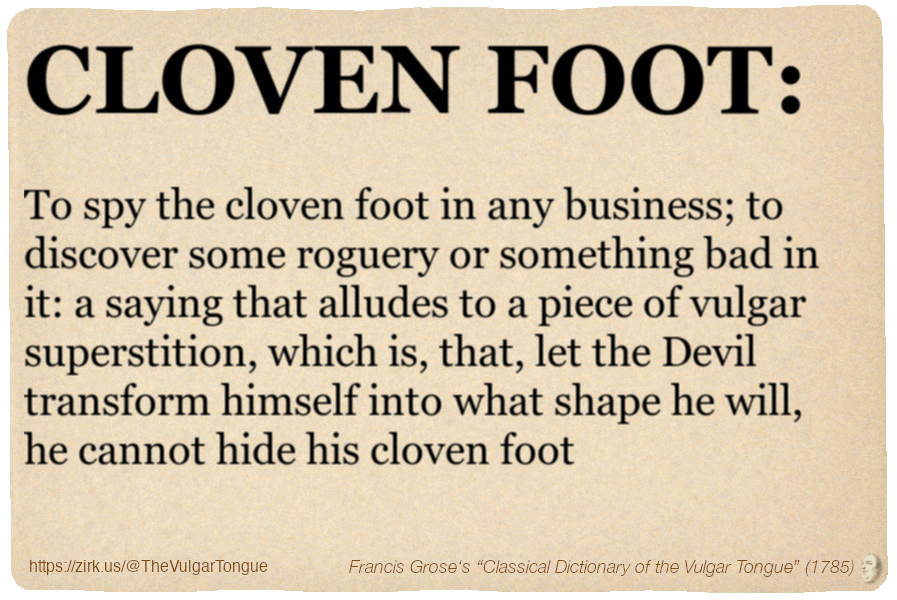
                                                                CLOVEN FOOT. To spy the cloven foot in any business; to discover some roguery or something bad in it: a saying that alludes to a piece of vulgar superstition, which is, that, let the Devil transform himself into what shape he will, he cannot hide his cloven foot

                                                                A selection from Francis Grose’s “Dictionary Of The Vulgar Tongue” (1785)

                                                                --
                                                                @histodons

                                                                Image imitating a page from an old document, text (as in main toot):

CLOVEN FOOT. To spy the cloven foot in any business; to discover some roguery or something bad in it: a saying that alludes to a piece of vulgar superstition, which is, that, let the Devil transform himself into what shape he will, he cannot hide his cloven foot

A selection from Francis Grose’s “Dictionary Of The Vulgar Tongue” (1785)

                                                                Alt...Image imitating a page from an old document, text (as in main toot): CLOVEN FOOT. To spy the cloven foot in any business; to discover some roguery or something bad in it: a saying that alludes to a piece of vulgar superstition, which is, that, let the Devil transform himself into what shape he will, he cannot hide his cloven foot A selection from Francis Grose’s “Dictionary Of The Vulgar Tongue” (1785)

                                                                  [?]Project Gutenberg » 🌐
                                                                  @gutenberg_org@mastodon.social

                                                                  Guillaume Apollinaire’s Trailblazing Caligrams, 1913

                                                                  The form is part of the message in French writer Guillaume Apollinaire's "caligrams", in which the shape of the words on the page creates meaning.

                                                                  by Paul Sorene

                                                                  flashbak.com/guillaume-apollin

                                                                  Caligrames at PG:
                                                                  gutenberg.org/ebooks/55569

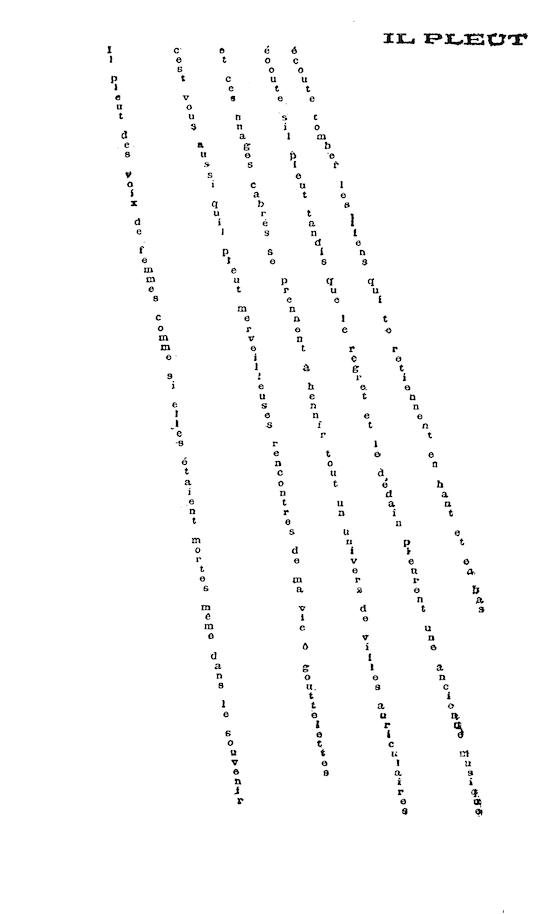
                                                                  Transcription of the image:

006—Il pleut

Il pleut des voix de femmes comme si elles étaient mortes même dans
le souvenir c'est vous aussi qu'il pleur merveilleuses rencontres de
ma vie ô gouttelettes et ces nuages cabrés se prennent à hennir tout
comme un univers de villes auriculaires écoute s'il pleut tandis que
le regret et le dédain pleurent une ancienne musique écoute tomber les
liens qui te retiennent en haut et en bas

https://www.gutenberg.org/cache/epub/55569/pg55569-images.html#a006

Description of the image:

The title of the poem is in normal orientation at the top of the image. The poem itself is typed in lines at a slight angle to vertical - each letter of a word below the previous letter, and each line to the right of the previous line. The lines aren't precisely straight or parallel. The shape of the poem suggests rain. 

English translation:

It rains women's voices as if they were dead even in
memory it is you too that it cries wonderful encounters of
my life oh droplets and these rearing clouds begin to neigh just
like a universe of ear cities listen if it rains while
regret and disdain cry an ancient music listen to the
ties that bind you above and below falling

                                                                  Alt...Transcription of the image: 006—Il pleut Il pleut des voix de femmes comme si elles étaient mortes même dans le souvenir c'est vous aussi qu'il pleur merveilleuses rencontres de ma vie ô gouttelettes et ces nuages cabrés se prennent à hennir tout comme un univers de villes auriculaires écoute s'il pleut tandis que le regret et le dédain pleurent une ancienne musique écoute tomber les liens qui te retiennent en haut et en bas https://www.gutenberg.org/cache/epub/55569/pg55569-images.html#a006 Description of the image: The title of the poem is in normal orientation at the top of the image. The poem itself is typed in lines at a slight angle to vertical - each letter of a word below the previous letter, and each line to the right of the previous line. The lines aren't precisely straight or parallel. The shape of the poem suggests rain. English translation: It rains women's voices as if they were dead even in memory it is you too that it cries wonderful encounters of my life oh droplets and these rearing clouds begin to neigh just like a universe of ear cities listen if it rains while regret and disdain cry an ancient music listen to the ties that bind you above and below falling

                                                                    [?]The Vulgar Tongue » 🤖 🌐
                                                                    @TheVulgarTongue@zirk.us

                                                                    FLASH LINGO. The canting or slang language.

                                                                    A selection from Francis Grose’s “Dictionary Of The Vulgar Tongue” (1785)

                                                                    --
                                                                    @histodons

                                                                    Image imitating a page from an old document, text (as in main toot):

FLASH LINGO. The canting or slang language.

A selection from Francis Grose’s “Dictionary Of The Vulgar Tongue” (1785)

                                                                    Alt...Image imitating a page from an old document, text (as in main toot): FLASH LINGO. The canting or slang language. A selection from Francis Grose’s “Dictionary Of The Vulgar Tongue” (1785)

                                                                      [?]The Vulgar Tongue » 🤖 🌐
                                                                      @TheVulgarTongue@zirk.us

                                                                      SHAM. A cheat, or trick. To cut a sham; to cheat or deceive. Shams; false sleeves to put on over a dirty shirt, or false sleeves with ruffles to put over a plain one. To sham Abram; to counterfeit sickness.

                                                                      A selection from Francis Grose’s “Dictionary Of The Vulgar Tongue” (1785)

                                                                      --
                                                                      @histodons

                                                                      Image imitating a page from an old document, text (as in main toot):

SHAM. A cheat, or trick. To cut a sham; to cheat or deceive. Shams; false sleeves to put on over a dirty shirt, or false sleeves with ruffles to put over a plain one. To sham Abram; to counterfeit sickness.

A selection from Francis Grose’s “Dictionary Of The Vulgar Tongue” (1785)

                                                                      Alt...Image imitating a page from an old document, text (as in main toot): SHAM. A cheat, or trick. To cut a sham; to cheat or deceive. Shams; false sleeves to put on over a dirty shirt, or false sleeves with ruffles to put over a plain one. To sham Abram; to counterfeit sickness. A selection from Francis Grose’s “Dictionary Of The Vulgar Tongue” (1785)

                                                                        [?]Project Gutenberg » 🌐
                                                                        @gutenberg_org@mastodon.social

                                                                        The Far Side of Disaster: On Virginia Woolf’s Unacknowledged Plague Novel To the Lighthouse

                                                                        Colin Dickey: “It reminds me that others have struggled with how to write through the end of the world.”

                                                                        lithub.com/the-far-side-of-dis

                                                                        Woolf at PG:
                                                                        gutenberg.org/ebooks/author/89

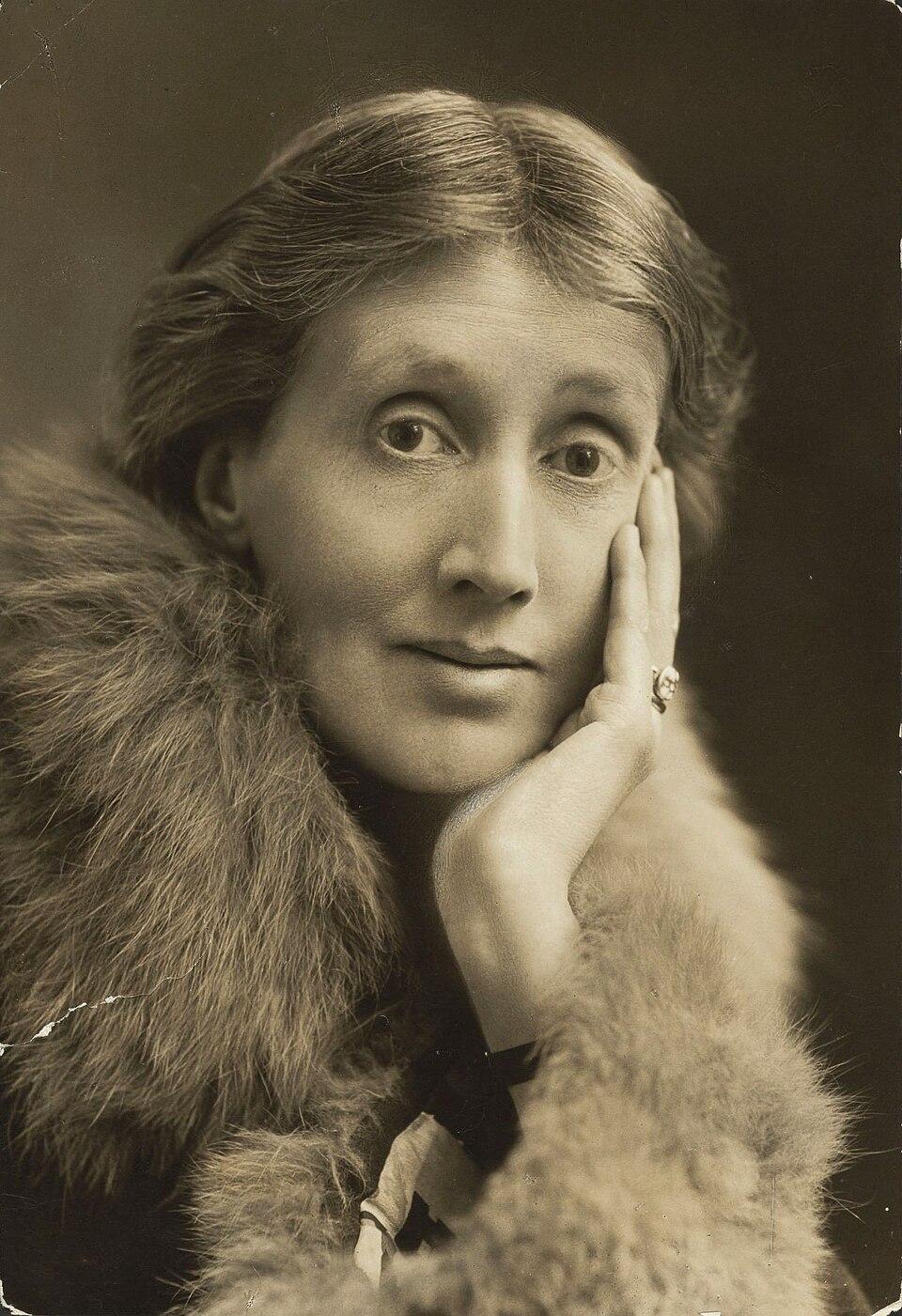
                                                                        Photograph of Virginia Woolf with hand on face wearing a fur stole (10 x 15 centimeters). 

This is a picture from one of Virginia Woolf's own photo albums at Monk's House which were acquired at an auction at Sotheby's in 1982 (cf. Maggie Humm, Snapshots of Bloomsbury: The Private Lives of Virginia Woolf and Vanessa Bell, p. 187), gifted in 1983 by Frederick R. Koch to the Harvard Theater Collection, Houghton Libray, Harvard University, and afterwards scanned and uploaded by the library. 

A 1927 sepia-toned photograph of Virginia Woolf from her personal album at Monk's House, now in Harvard's Theater Collection. The elegant portrait shows Woolf with her hand pensively resting against her face, wearing a luxurious fur stole, her expressive eyes gazing directly at the camera.

https://en.wikipedia.org/wiki/Virginia_Woolf#/media/File:Virginia_Woolf_1927.jpg

                                                                        Alt...Photograph of Virginia Woolf with hand on face wearing a fur stole (10 x 15 centimeters). This is a picture from one of Virginia Woolf's own photo albums at Monk's House which were acquired at an auction at Sotheby's in 1982 (cf. Maggie Humm, Snapshots of Bloomsbury: The Private Lives of Virginia Woolf and Vanessa Bell, p. 187), gifted in 1983 by Frederick R. Koch to the Harvard Theater Collection, Houghton Libray, Harvard University, and afterwards scanned and uploaded by the library. A 1927 sepia-toned photograph of Virginia Woolf from her personal album at Monk's House, now in Harvard's Theater Collection. The elegant portrait shows Woolf with her hand pensively resting against her face, wearing a luxurious fur stole, her expressive eyes gazing directly at the camera. https://en.wikipedia.org/wiki/Virginia_Woolf#/media/File:Virginia_Woolf_1927.jpg

                                                                          [?]The Vulgar Tongue » 🤖 🌐
                                                                          @TheVulgarTongue@zirk.us

                                                                          BAGGAGE. Heavy baggage; women and children. Also a familiar epithet for a woman; as, cunning baggage, wanton baggage, &c.

                                                                          A selection from Francis Grose’s “Dictionary Of The Vulgar Tongue” (1785)

                                                                          --
                                                                          @histodons

                                                                          Image imitating a page from an old document, text (as in main toot):

BAGGAGE. Heavy baggage; women and children. Also a familiar epithet for a woman; as, cunning baggage, wanton baggage, &c.

A selection from Francis Grose’s “Dictionary Of The Vulgar Tongue” (1785)

                                                                          Alt...Image imitating a page from an old document, text (as in main toot): BAGGAGE. Heavy baggage; women and children. Also a familiar epithet for a woman; as, cunning baggage, wanton baggage, &c. A selection from Francis Grose’s “Dictionary Of The Vulgar Tongue” (1785)

                                                                            [?]The Vulgar Tongue » 🤖 🌐
                                                                            @TheVulgarTongue@zirk.us

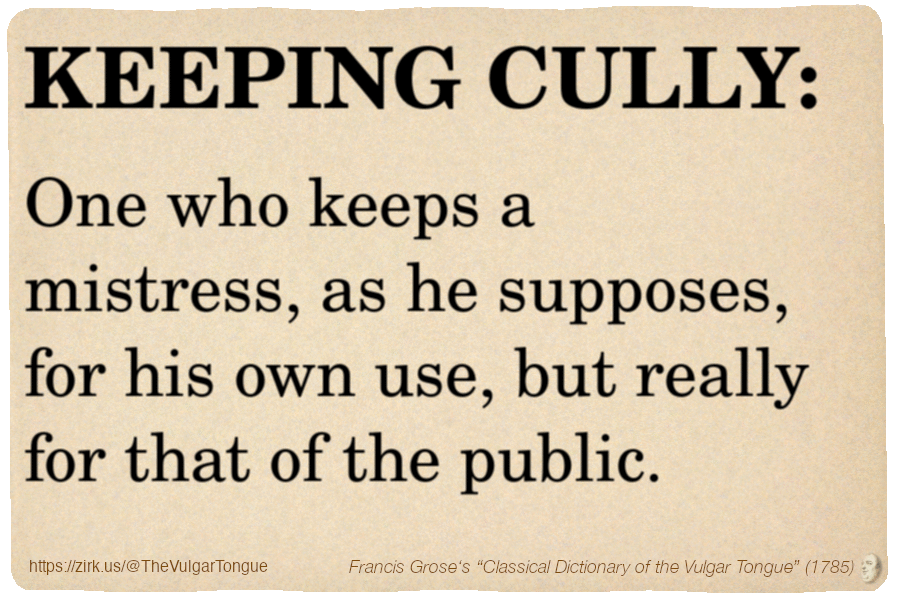
                                                                            KEEPING CULLY. One who keeps a mistress, as he supposes, for his own use, but really for that of the public.

                                                                            A selection from Francis Grose’s “Dictionary Of The Vulgar Tongue” (1785)

                                                                            --
                                                                            @histodons

                                                                            Image imitating a page from an old document, text (as in main toot):

KEEPING CULLY. One who keeps a mistress, as he supposes, for his own use, but really for that of the public.

A selection from Francis Grose’s “Dictionary Of The Vulgar Tongue” (1785)

                                                                            Alt...Image imitating a page from an old document, text (as in main toot): KEEPING CULLY. One who keeps a mistress, as he supposes, for his own use, but really for that of the public. A selection from Francis Grose’s “Dictionary Of The Vulgar Tongue” (1785)

                                                                              [?]Project Gutenberg » 🌐
                                                                              @gutenberg_org@mastodon.social

                                                                              Jane Austen’s ‘Pride and Prejudice’ Was Initially Rejected by a Publisher. It Later Became One of the World’s Most Beloved Novels

                                                                              The British author wrote six novels, but it’s her second published book that has resonated the most in the 250 years since her birth in 1775

                                                                              by Kayla Randall

                                                                              smithsonianmag.com/history/jan

                                                                              Pride and Prejudice at PG:
                                                                              gutenberg.org/ebooks/1342

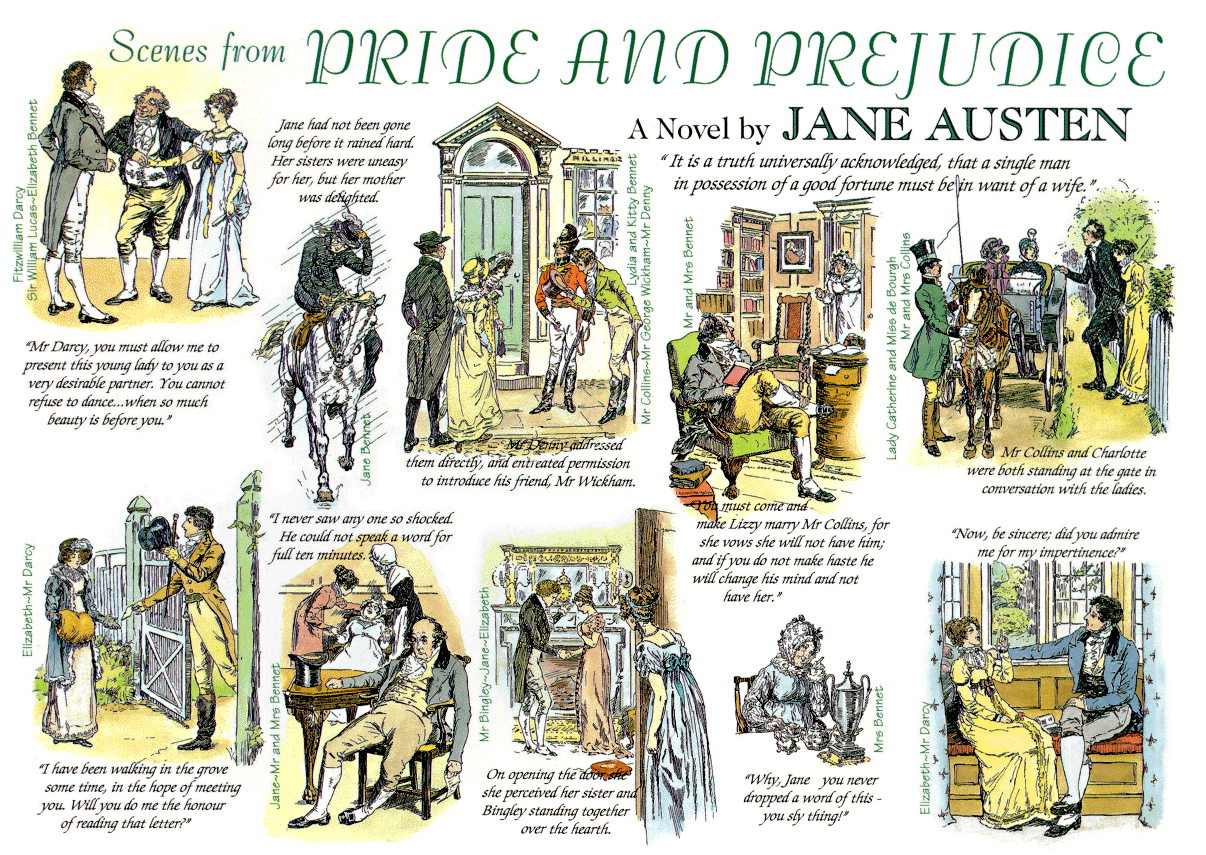
                                                                              A card of C. E. Brock's illustrations of Jane Austen's Novel Pride and Prejudice, (some possibly touched up by his brother) - c. 1885

A collection card of delicate pen-and-ink illustrations by C.E. Brock (with possible contributions by his brother) depicting scenes from Jane Austen's "Pride and Prejudice," circa 1885. The vintage illustrations showcase Regency-era characters in period costume, capturing key moments from the beloved novel in Brock's characteristic refined Victorian illustrative style.

https://en.wikipedia.org/wiki/Pride_and_Prejudice#/media/File:Scenes_from_Pride_and_Prejudice.png

                                                                              Alt...A card of C. E. Brock's illustrations of Jane Austen's Novel Pride and Prejudice, (some possibly touched up by his brother) - c. 1885 A collection card of delicate pen-and-ink illustrations by C.E. Brock (with possible contributions by his brother) depicting scenes from Jane Austen's "Pride and Prejudice," circa 1885. The vintage illustrations showcase Regency-era characters in period costume, capturing key moments from the beloved novel in Brock's characteristic refined Victorian illustrative style. https://en.wikipedia.org/wiki/Pride_and_Prejudice#/media/File:Scenes_from_Pride_and_Prejudice.png

                                                                                [?]The Vulgar Tongue » 🤖 🌐
                                                                                @TheVulgarTongue@zirk.us

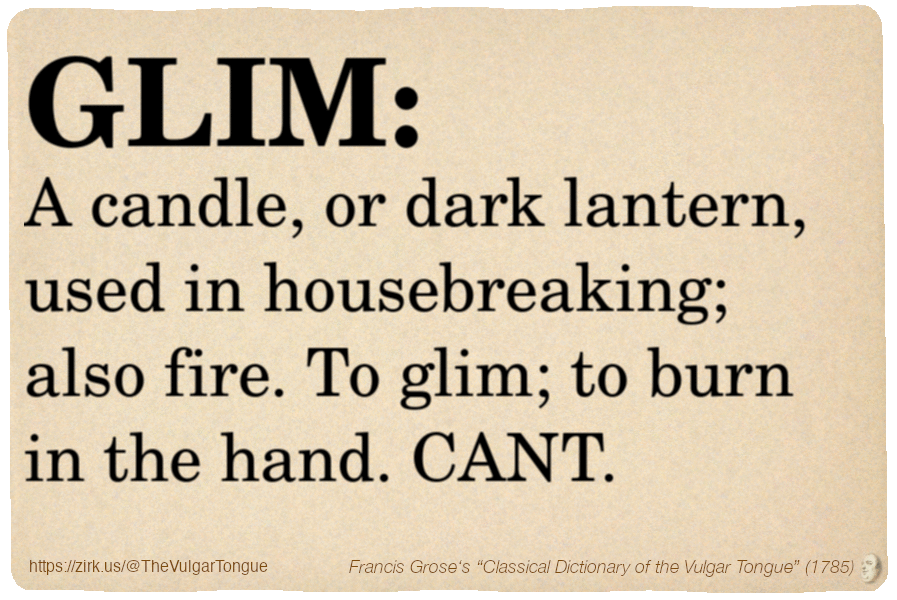
                                                                                GLIM. A candle, or dark lantern, used in housebreaking; also fire. To glim; to burn in the hand. CANT.

                                                                                A selection from Francis Grose’s “Dictionary Of The Vulgar Tongue” (1785)

                                                                                --
                                                                                @histodons

                                                                                Image imitating a page from an old document, text (as in main toot):

GLIM. A candle, or dark lantern, used in housebreaking; also fire. To glim; to burn in the hand. CANT.

A selection from Francis Grose’s “Dictionary Of The Vulgar Tongue” (1785)

                                                                                Alt...Image imitating a page from an old document, text (as in main toot): GLIM. A candle, or dark lantern, used in housebreaking; also fire. To glim; to burn in the hand. CANT. A selection from Francis Grose’s “Dictionary Of The Vulgar Tongue” (1785)

                                                                                  [?]The Vulgar Tongue » 🤖 🌐
                                                                                  @TheVulgarTongue@zirk.us

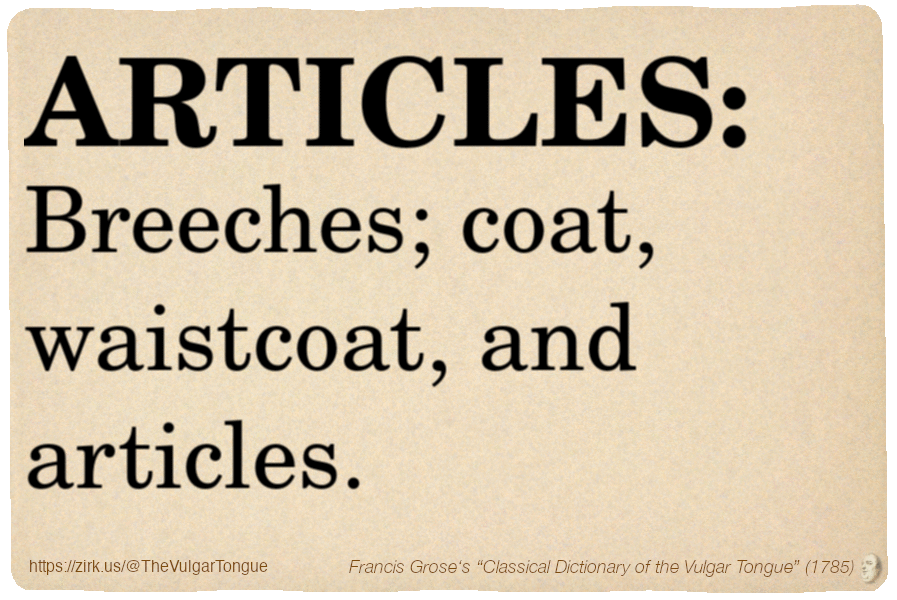
                                                                                  ARTICLES. Breeches; coat, waistcoat, and articles.

                                                                                  A selection from Francis Grose’s “Dictionary Of The Vulgar Tongue” (1785)

                                                                                  --
                                                                                  @histodons

                                                                                  Image imitating a page from an old document, text (as in main toot):

ARTICLES. Breeches; coat, waistcoat, and articles.

A selection from Francis Grose’s “Dictionary Of The Vulgar Tongue” (1785)

                                                                                  Alt...Image imitating a page from an old document, text (as in main toot): ARTICLES. Breeches; coat, waistcoat, and articles. A selection from Francis Grose’s “Dictionary Of The Vulgar Tongue” (1785)

                                                                                    [?]Project Gutenberg » 🌐
                                                                                    @gutenberg_org@mastodon.social

                                                                                    In Praise of E. H. Shepard’s Illustrations

                                                                                    What makes Pooh Pooh? The answer lies not only in author A.A. Milne’s prose, but also in the quiet genius of E. H. Shepard’s original illustrations. With Shepard’s work now in the public domain, it’s the perfect opportunity to revisit how these deceptively simple drawings became cultural touchstones.

                                                                                    by Sterling Dudley

                                                                                    blog.archive.org/2025/12/10/e-

                                                                                    At PG:
                                                                                    gutenberg.org/ebooks/67098

                                                                                    Here's a picture of Christopher Robin, Rabbit, Rabbit's firends and relations, Piglet, some mice and even a hedgehog, all pulling together on Pooh, still stuck.

https://www.gutenberg.org/cache/epub/67098/pg67098-images.html

                                                                                    Alt...Here's a picture of Christopher Robin, Rabbit, Rabbit's firends and relations, Piglet, some mice and even a hedgehog, all pulling together on Pooh, still stuck. https://www.gutenberg.org/cache/epub/67098/pg67098-images.html

                                                                                      [?]The Vulgar Tongue » 🤖 🌐
                                                                                      @TheVulgarTongue@zirk.us

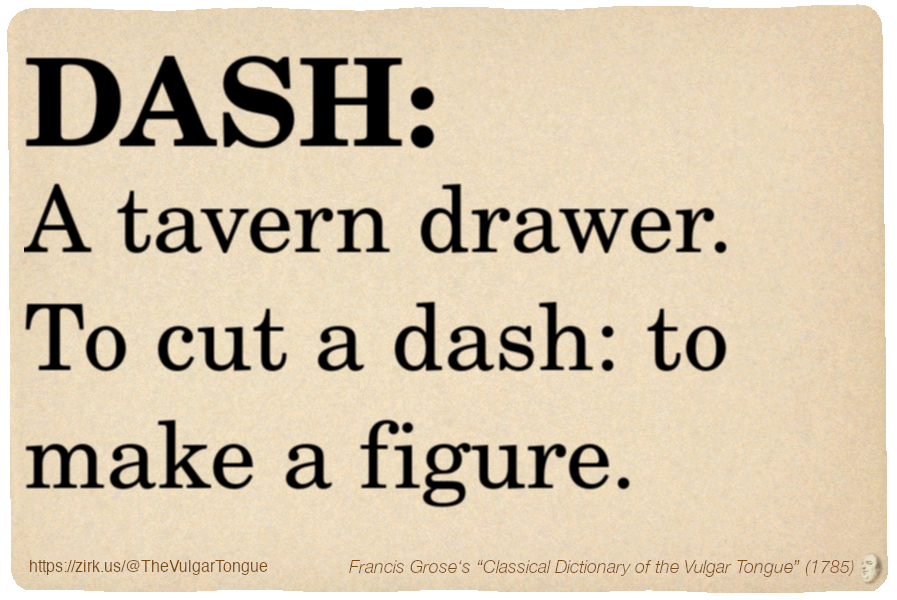
                                                                                      DASH. A tavern drawer. To cut a dash: to make a figure.

                                                                                      A selection from Francis Grose’s “Dictionary Of The Vulgar Tongue” (1785)

                                                                                      --
                                                                                      @histodons

                                                                                      Image imitating a page from an old document, text (as in main toot):

DASH. A tavern drawer. To cut a dash: to make a figure.

A selection from Francis Grose’s “Dictionary Of The Vulgar Tongue” (1785)

                                                                                      Alt...Image imitating a page from an old document, text (as in main toot): DASH. A tavern drawer. To cut a dash: to make a figure. A selection from Francis Grose’s “Dictionary Of The Vulgar Tongue” (1785)

                                                                                        [?]The Vulgar Tongue » 🤖 🌐
                                                                                        @TheVulgarTongue@zirk.us

                                                                                        Hi!, I'm a bot posting selections from Francis Grose’s 1785 “Dictionary Of The Vulgar Tongue”, a compilation of slang terms, the coded language of the underclass and the demi-monde.

                                                                                        [18th-century-content warning: possible racism, animal cruelty, homophobia, sexism, slut-shaming. Let me know of any problems.]

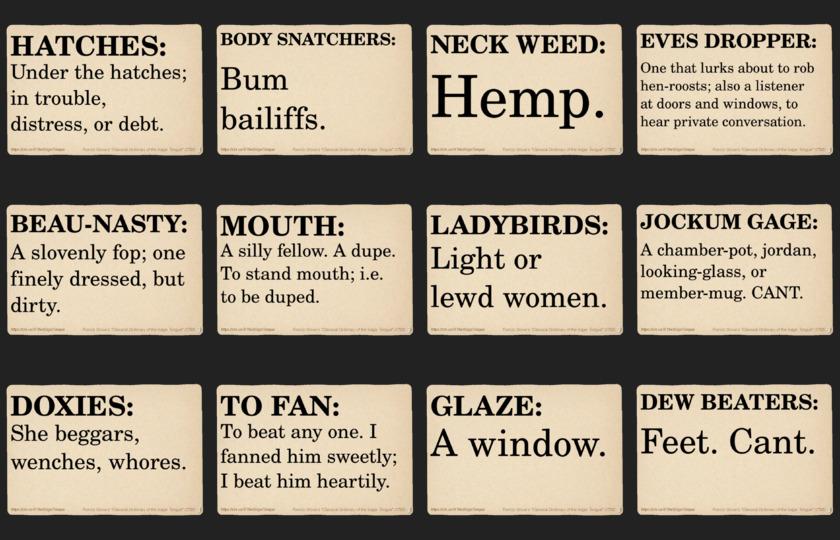
                                                                                        Montage of dictionary items posted by this account

                                                                                        Alt...Montage of dictionary items posted by this account

                                                                                          [?]Assoc for Scottish Literature » 🌐
                                                                                          @scotlit@mastodon.scot

                                                                                          George MacDonald (1824–1905) was born , 10 Dec. One of the earliest theorists of the fantastic, & grandfather of modern fantasy literature, he was read & admired by CS Lewis, JRR Tolkien & Madeleine L’Engle, among others

                                                                                          @litstudies

                                                                                          🎨 : Cecilia Harrison (1863–1941)

                                                                                          🧵 1/5

                                                                                          nationalgalleries.org/art-and-

                                                                                          “George Macdonald, 1824–1905. Poet and novelist”, by Cecilia Harrison (1863–1941). Oil on canvas.

A portrait of an elderly man with a full white beard, wearing a brown jacket and a deep crimson-coloured cap. His pale grey-blue eyes look down and to the left of the painting, as he sits with his head resting on his right hand.

                                                                                          Alt...“George Macdonald, 1824–1905. Poet and novelist”, by Cecilia Harrison (1863–1941). Oil on canvas. A portrait of an elderly man with a full white beard, wearing a brown jacket and a deep crimson-coloured cap. His pale grey-blue eyes look down and to the left of the painting, as he sits with his head resting on his right hand.

                                                                                            [?]Assoc for Scottish Literature » 🌐
                                                                                            @scotlit@mastodon.scot

                                                                                            @litstudies

                                                                                            “If we think about how women are portrayed in [MacDonald’s] fiction, we can see that women are shown to, repeatedly, rescue men. Men are taught by women, challenged by women, and also challenged to think about women in different ways.”

                                                                                            —An interview with Dr Kirstin Jeffrey Johnson on George MacDonald’s life & work.

                                                                                            2/5

                                                                                            radixmagazine.com/2021/11/09/i

                                                                                              [?]Assoc for Scottish Literature » 🌐
                                                                                              @scotlit@mastodon.scot

                                                                                              @litstudies

                                                                                              Mark Twain & George MacDonald: The Salty & the Sweet

                                                                                              “Both SIR GIBBIE and HUCKLEBERRY FINN explore questions of ethics & truth through the life of an unusually bright & unusually unfortunate boy […] and they have at least twenty plot elements in common.”

                                                                                              —Kathryn Lindskoog explores the connections between the works of George MacDonald & Mark Twain.

                                                                                              3/5

                                                                                              discovery.org/a/853/

                                                                                                [?]Assoc for Scottish Literature » 🌐
                                                                                                @scotlit@mastodon.scot

                                                                                                @litstudies

                                                                                                Beautiful Terrors

                                                                                                “The sheer imaginative force of LILITH makes nonsense of our everyday notions of ‘good writing’. MacDonald aims not to make us read, but to make us dream.”

                                                                                                —David Melville on George MacDonald’s last – & very strange – major work of fiction

                                                                                                4/5

                                                                                                thebottleimp.org.uk/2010/11/be

                                                                                                  [?]Assoc for Scottish Literature » 🌐
                                                                                                  @scotlit@mastodon.scot

                                                                                                  @litstudies

                                                                                                  RETHINKING GEORGE MACDONALD
                                                                                                  Contexts & Contemporaries

                                                                                                  16 essays on MacDonald’s place in the Victorian literary scene, his engagement with the works of his contemporaries, & his interest in the social, political, & theological movements of his age—also online via Project MUSE

                                                                                                  5/5

                                                                                                  asls.org.uk/publications/books

                                                                                                  Book cover  

RETHINKING GEORGE MacDONALD 
Contexts and Contemporaries  

Edited by Christopher MacLachlan, John Patrick Pazdziora and Ginger Stelle  

Cover image: The Knight of the Sun”, 1860 (w/c on paper), Arthur Hughes (1832–1915). 

A group of romantically imagined medieval knights carry an old man along a path through a vividly coloured wood. The old man is also armoured, and draped in a red cloak. He holds his hands together in front of him as if praying. Behind, more armoured men lead a horse and a young squire carries a shield and a sword.

                                                                                                  Alt...Book cover RETHINKING GEORGE MacDONALD Contexts and Contemporaries Edited by Christopher MacLachlan, John Patrick Pazdziora and Ginger Stelle Cover image: The Knight of the Sun”, 1860 (w/c on paper), Arthur Hughes (1832–1915). A group of romantically imagined medieval knights carry an old man along a path through a vividly coloured wood. The old man is also armoured, and draped in a red cloak. He holds his hands together in front of him as if praying. Behind, more armoured men lead a horse and a young squire carries a shield and a sword.

                                                                                                    [?]Assoc for Scottish Literature » 🌐
                                                                                                    @scotlit@mastodon.scot

                                                                                                    Back to top - More...