Search results for tag #privacy
![[?]](https://nbg1.your-objectstorage.com/tno-mastodon/accounts/avatars/111/434/264/745/920/273/original/52ff85db085a2a1d.jpg)
![[?]](https://cdn.fosstodon.org/accounts/avatars/107/297/362/770/635/523/original/3ce6a735f191afe9.jpeg)
Daily Digest | 17 April 2026
Your daily dose of Privacy, Data Protection, AI & Cybersecurity news.
5 stories you should not miss.
Read more: https://www.nicfab.eu/daily-digest/
![[?]](https://files.mastodon.social/accounts/avatars/111/771/294/235/437/140/original/1e0f4c1e1cf10ca9.jpg)
The EU’s age‑verification app is presented as a tool to protect minors. In Knack, Bart Preneel warns it will apply to everyone: social media in Europe may only work for users who install the app - raising effectiveness and #privacy concerns.
https://www.knack.be/nieuws/technologie-ai-sociale-media-digitaal/cryptograaf-bart-preneel-niet-alleen-kinderen-maar-iedereen-zal-verplicht-worden-om-online-zijn-leeftijd-te-verifieren/
Gazet van Antwerpen reports that the EU’s new age‑verification app aims to keep minors off social media while preserving #privacy. But Bart Preneel notes similar bans led to VPN spikes: "You can simply choose a country without age limits."
https://www.gva.be/economie/technologie/europa-heeft-een-app-klaar-waarmee-jongeren-kunnen-bewijzen-dat-ze-oud-genoeg-zijn-voor-sociale-media-hoe-werkt-het/146058769.html (paywall)
Het Nieuwsblad reports that the EU’s new age‑verification app aims to keep minors off social media while preserving #privacy. But Bart Preneel notes similar bans led to VPN spikes: "You can simply choose a country without age limits."
https://www.nieuwsblad.be/binnenland/europa-heeft-een-app-klaar-waarmee-jongeren-kunnen-bewijzen-dat-ze-oud-genoeg-zijn-voor-sociale-media-hoe-werkt-het/146022129.html (paywall)
![[?]](https://cdn.masto.host/helvedenet/accounts/avatars/112/422/037/899/113/466/original/d6bbf7e9f52f808c.gif)
Look, this has been common knowledge for almost a generation: Microsoft wants everything to be connected (to Microsoft) & security & privacy simply isn't found on their list of priorities when making it so.
A company that would roll out Recall - the latest in a long, unbroken row of security blunders - to begin with cannot be fixed. MS will never, ever be a secure environment.
![[?]](https://files.mastodon.online/accounts/avatars/110/809/364/594/447/020/original/1526096388aa0569.jpg)
US House extends surveillance powers until April 30 after late-night revolt sinks GOP plan
The House early Friday approved a short-term renewal until April 30 of a controversial surveillance program used by U.S. spy agencies in a post-midnight session after Republicans revolted and refused President Donald Trump’s push for a longer extension.
![[?]](https://todon.eu/system/accounts/avatars/109/005/014/959/393/335/original/f315d5c682012c22.jpg)
In Anbetracht der Entwicklung von Überwachungsgesetzen und der digital-autoritären Transformation, kann davon ausgegangen werden, dass die einmal etablierten Praktiken auch in diesem Fall rasch über den ursprünglich kommunizierten Zweck hinaus erweitert werden sollen und ein Maximum an Kontrollmacht und Datenextraktion erreicht werden soll.
https://www.tagesschau.de/ausland/europa/eu-app-altersueberpruefung-100.html
#IOS #Android #Altersverifikation #Überwachung #Kontrolle #Datenschutz #Daten #Privacy
![[?]](data:image/png;base64, iVBORw0KGgoAAAANSUhEUgAAAEAAAABAAQAAAACCEkxzAAAAV0lEQVQoz43RwQ3AMAwCQDZg/y3ZgNqo3+JaedwDOUQBQFHYaTB8wTM6sGl2cMPu+DFzn+ZcgN7wF7ZVihXkfSlWIVzIA6dbQzaygllpNuTXZmmFNlvxADX1+o0cUPMbAAAAAElFTkSuQmCC) goss » 🌐
goss » 🌐
@goss@c.im
I yearn for the day this fad is over
"EU age verification app can be hacked in 2 minutes, claims security expert"
#privacy #infosec #ageverification
https://cybernews.com/security/eu-age-verification-app-hack/
![[?]](https://files.mastodon.social/accounts/avatars/113/359/546/382/310/029/original/36108ce6513b685b.png)
Portable apps have some cool privacy advantages you should look at.
https://theprivacycloud.substack.com/p/how-portable-apps-can-improve-privacy
![[?]](https://tldr.nettime.org/system_nettime/accounts/avatars/109/528/493/326/851/300/original/ebc905e283d49e82.jpg)
"Under two legal authorities — Section 702 of the Foreign Intelligence Surveillance Act, as well as Executive Order 12333 — U.S. intelligence agencies claim vast authority to target those overseas for surveillance. The executive order is especially broad, allowing bulk surveillance of foreign communications.
In theory, these surveillance powers are not supposed to be used to spy on Americans. But in practice, we know that under these authorities, the U.S. collects Americans’ data, such as their communications with foreigners. Under current law, it can then search that data without a warrant.
Recently, six legislators have also alerted the public to another way the government may be using its foreign surveillance powers to spy on Americans. In March, the lawmakers wrote a letter to Director of National Intelligence Tulsi Gabbard, asking her to clarify whether using a VPN could subject Americans to warrantless government surveillance.
The problem, as the letter points out, is that it’s not always readily apparent whether VPN traffic is coming from an American or someone abroad. This raises the question: How does the intelligence community currently handle the data of Americans using VPNs?
The lawmakers’ letter notes that the government has taken the position that data of unknown origin should be treated as foreign and, as a result, “subject to few privacy protections.” In other words, the government may be treating all VPN users as “foreign,” exposing Americans using VPNs to government surveillance.
This has a number of important implications."
https://freedom.press/digisec/blog/vpn-surveillance-time-for-transparency-and-limits-on-spy-powers/
![[?]](https://files.mastodon.social/accounts/avatars/109/255/581/158/039/090/original/5ccd8f3caf2fce93.jpg)
ICYMI: Belgian DPA's guide on AI and privacy: what your data rights actually mean: The Belgian DPA today published its first citizen-focused guide on AI and privacy, covering data rights, profiling risks, and GDPR protections under the AI Act. https://ppc.land/belgian-dpas-guide-on-ai-and-privacy-what-your-data-rights-actually-mean/ #Privacy #DataRights #AI #GDPR #DataProtection
![[?]](https://noc.social/system/accounts/avatars/109/293/691/370/447/023/original/00c2020abae3ca4b.png)
After Numerous Screw Ups, EU Develops Own Age Verification App
The roll out of age verification has been a complete disaster. So, Europe has decided to roll out their own broken app.
https://www.freezenet.ca/after-numerous-screw-ups-eu-develops-own-age-verification-app/
#Censorship #News #Privacy #Security #AgeVerification #app #EU #Europe #government #PersonalInformation
Audit finds Google, Meta and Microsoft set ad cookies after users opt out: An independent audit of 7,000+ California websites found Google, Meta and Microsoft setting ad cookies despite opt-out signals, with $5.8B in potential fines. https://ppc.land/audit-finds-google-meta-and-microsoft-set-ad-cookies-after-users-opt-out/ #Privacy #DataProtection #DigitalMarketing #AdTech #Cookies
![[?]](https://media.wired.com/photos/615e2b8ce78a8cd913bbaa76/16:9/w_1280,c_limit/wired_bug.jpg) WIRED - The Latest in Technology, Science, Culture and Business [Unofficial] » 🌐
WIRED - The Latest in Technology, Science, Culture and Business [Unofficial] » 🌐
@wired.com@web.brid.gy
Europe’s Online Age Verification App Is Here
Available for free to any company that wants to use it, the “completely anonymous” app puts the pressure on porn sites and social media platforms to start blocking access by minors.

Alt...
Europe’s Online Age Verification App Is Here
![[?]](https://discuss.tchncs.de/pictrs/image/7a1392d2-d417-4446-8987-2d942eac4d33.png)
EU age verification app already hacked
Security researcher Paul Moore has demonstrated how the EU age verification app can be compromised in under 2 minutes with nothing more than physical access to a device.
https://www.reddit.com/r/privacy/comments/1sn437i/eu_age_verification_app_already_hacked/
#AgeVerification #IDVerification #EU #privacy #surveillance #dystopia #technology #security
![[?]](https://cdn.masto.host/mastodonuno/accounts/avatars/114/654/878/489/960/450/original/541376d5adf76896.png)
Wattz porta nella barra di stato di Android un indicatore batteria preciso e rispettoso della privacy, con metriche avanzate e zero tracciamento. #LinuxEasy #Android #Privacy #App
![[?]](https://files.mastodon.social/accounts/avatars/115/872/467/894/168/268/original/5b0b51223e374c2e.png)
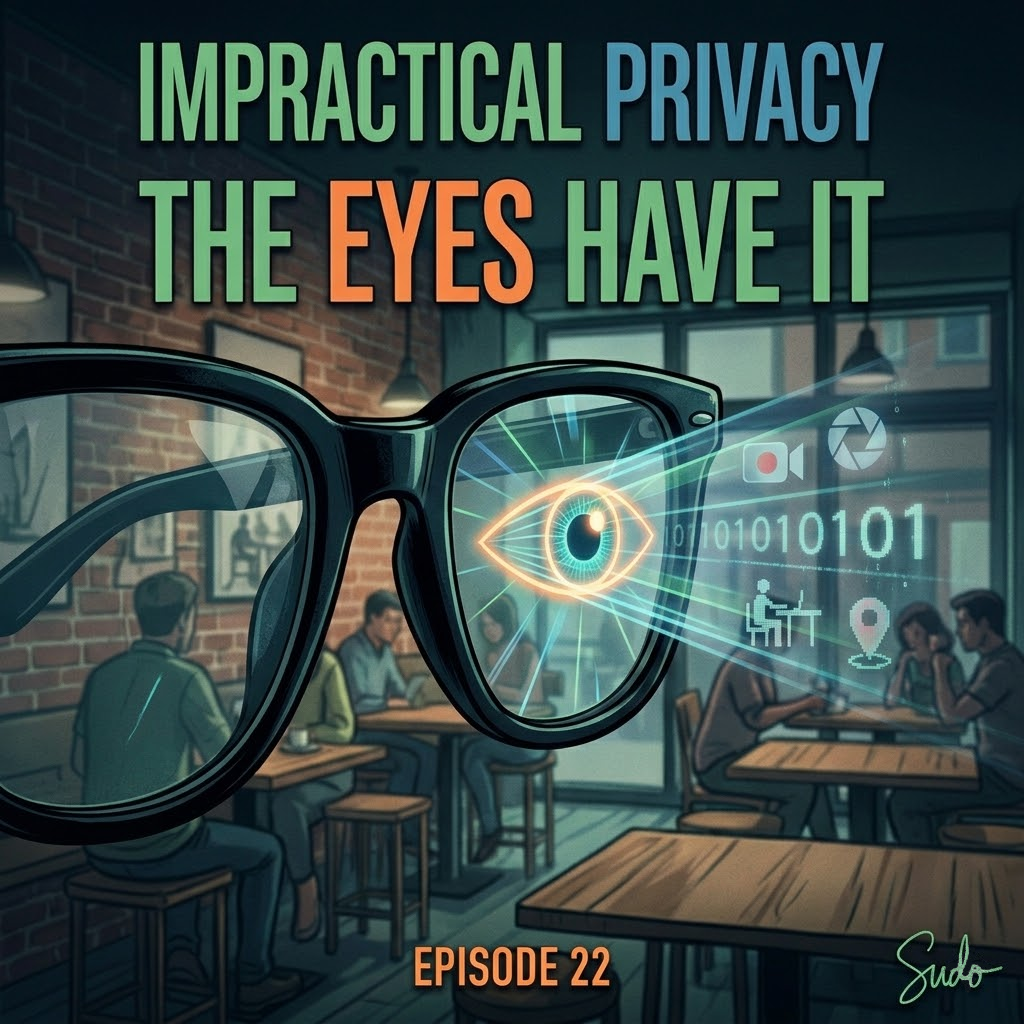
🕶️ New Episode: "The Eyes Have It"
The "Glasshole" problem never died. It just got sleeker.
Today on Impractical Privacy, we explore: 🔹 What's inside Ray-Ban Meta & Echo Frames 🔹 Why gaze tracking = advertising gold 🔹 The legal vacuum enabling invisible recording 🔹 Practical steps for wearers AND bystanders
We've normalized smartphones. We can normalize smart glasses too — but only if we act now.
🔗 Listen: ImpracticalPrivacy.com
#Privacy #TechPolicy #DigitalRights #Fediverse
![[?]](https://files.mastodon.social/accounts/avatars/115/096/402/179/832/285/original/9732be6acd12a883.jpg)
EU AGE VERIFICATION APP HAS BEEN HACKED! THIS IS WHY AGE VERIFICATION WILL NEVER WORK ONLINE
![[?]](https://yoota.it/wp-content/uploads/2025/11/logo-occhiali-trasparenza-k.png)
«Standard di privacy più alti al mondo»: ma a poche ore dall’annuncio, due segnalazioni di sicurezza sull’app UE per l’età
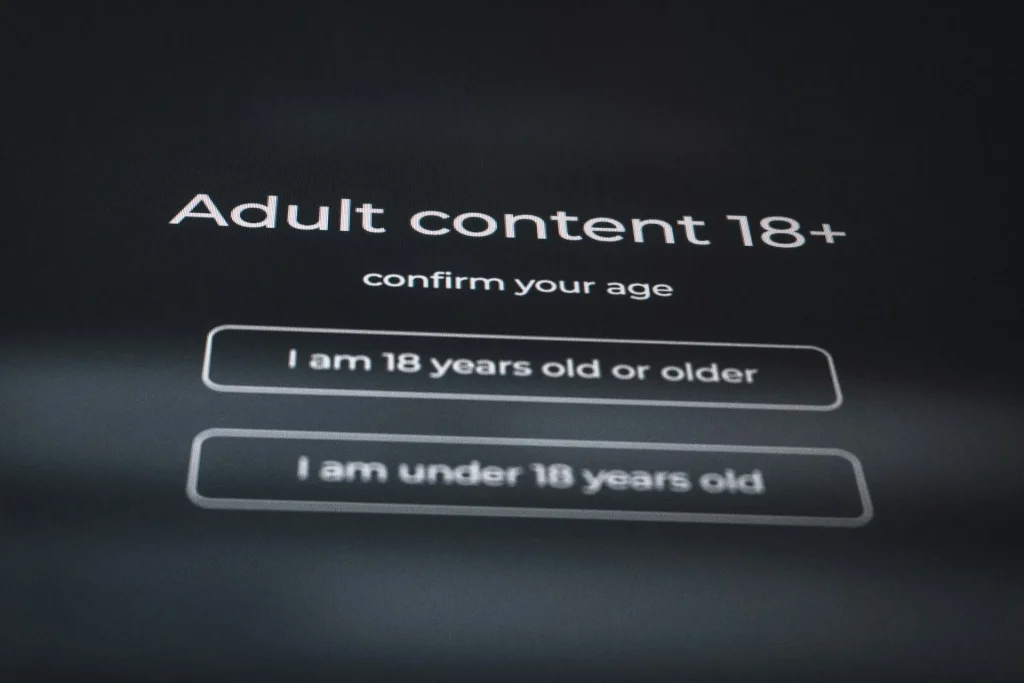
Il consulente di sicurezza Paul Moore segnala due problemi nell'app europea per la verifica dell'età, appena annunciata come «tecnicamente pronta» dalla Commissione. [SENSITIVE CONTENT]
Il 15 aprile Ursula von der Leyen ha annunciato che l’app europea per la verifica dell’età è «tecnicamente pronta» e che rispetta «gli standard di privacy più alti al mondo». Nelle ore successive, Paul Moore, consulente di sicurezza informatica britannico e fondatore della società Privacy Protocol, ha pubblicato su X due analisi del codice sorgente dell’applicazione, segnalando quelli che a suo avviso sono problemi significativi nella gestione del PIN e delle immagini raccolte durante la verifica.
Una premessa necessaria: quanto segue sono osservazioni di Moore diffuse tramite il suo profilo X, non un advisory formale, e la Commissione al momento non ha risposto pubblicamente. Moore non è però un nome qualunque in questo ambito. Nel 2022 aveva documentato come alcune telecamere Eufy caricassero dati biometrici e immagini facciali sui server AWS del produttore senza cifratura e senza consenso, vicenda per cui aveva avviato anche un’azione legale per violazione del GDPR. In precedenza era arrivato a dimostrare un bypass del PIN sull’app Android del gestore di password RoboForm, con un meccanismo molto simile a quello che descrive ora per l’app europea.
// affiliato ▸ Alternative ID · La tua identità, sotto il tuo controllo all'80% di sconto · Provalo gratis →

Il bypass del PIN descritto da Moore
Secondo il ricercatore, durante il setup l’app chiede di creare un PIN, lo cifra e lo salva nella directory shared_prefs. Moore sostiene che il PIN non dovrebbe essere cifrato affatto e che soprattutto non risulta crittograficamente legato al vault che contiene i dati di identità. Di conseguenza, spiega, un attaccante potrebbe rimuovere i valori PinEnc e PinIV dal file, riavviare l’app, impostare un nuovo PIN e ritrovarsi l’accesso ai dati di verifica del profilo precedente, pronti per essere presentati come validi.
Il ricercatore aggiunge che il rate limiting sarebbe implementato come un semplice contatore numerico nello stesso file di configurazione, azzerabile manualmente, e che l’opzione per l’autenticazione biometrica sarebbe un booleano modificabile allo stesso modo. Moore ha chiuso il messaggio con un riferimento diretto a von der Leyen, affermando che il prodotto sarà, secondo lui, il catalizzatore di una grossa violazione di dati, prima o poi.
Immagini biometriche e selfie scritti su disco
La seconda segnalazione, pubblicata il giorno precedente, riguarda la gestione delle immagini raccolte dall’app. Moore scrive che i dati ricavati dalla verifica, come il valore is_over_18: true, sarebbero protetti correttamente con AES-GCM. Il problema, sempre a suo dire, starebbe nelle immagini originali da cui quei dati vengono estratti, cioè la foto del documento e il selfie dell’utente.
Nel caso della lettura NFC del documento, l’app estrarrebbe il file DG2 (che contiene la foto biometrica del passaporto) e scriverebbe un PNG lossless sul filesystem, cancellandolo solo in caso di lettura riuscita. Se qualcosa va storto, un crash, un tap sul pulsante indietro, un errore di scansione, l’immagine resterebbe nella cache. Per i selfie lo scenario che descrive è peggiore: i PNG verrebbero scritti in storage esterno e mai cancellati, quindi non come cache ma come conservazione a lungo termine. Vale la pena chiarire che su Android, dicendo «storage esterno», non si intende necessariamente una scheda SD, ma più in generale un’area di memoria condivisa e soggetta a protezioni diverse rispetto allo storage privato dell’app. In entrambi i casi, sostiene Moore, i file sono protetti dalle chiavi di Android, ma l’app non aggiunge alcuna cifratura propria.
ConsiglioVPS ultra-veloci scontate del 20%Passa sopra / Tocca
Il ricercatore ha paragonato la cosa al fotografare un documento con l’app della fotocamera tenendolo in galleria «giusto per sicurezza», aggiungendo che, trattandosi di dati biometrici (categoria particolare ai sensi del GDPR), una conservazione non giustificata potrebbe configurare una violazione sostanziale del regolamento.

Il contesto dell’annuncio UE
L’app, sviluppata da Scytáles e T-Systems, è attualmente in fase pilota in Italia, Francia, Spagna, Danimarca e Grecia, ed è costruita sulle stesse specifiche tecniche del futuro portafoglio di identità digitale europeo. Il fatto che il codice sia aperto è stato presentato dalla Commissione come garanzia di trasparenza, nella convinzione che chiunque possa verificarlo, ed è esattamente quello che Moore sostiene di aver fatto.
Quella segnalata da Moore non è la prima criticità emersa sull’applicazione. A marzo un’analisi indipendente aveva individuato una debolezza architetturale nel componente issuer, incapace di verificare che la validazione del passaporto fosse effettivamente avvenuta sul dispositivo dell’utente. Per ora restano in piedi le dichiarazioni della Commissione e le osservazioni del ricercatore, in attesa che qualcuno, da Bruxelles, risponda nel merito.
Per vostra informazione: i link di X possono essere visti anche usando xcancel.com oppure nitter.net al posto di x.com nell’URL.
SOURCE:// commission.europa.eu
Alt...
«Standard di privacy più alti al mondo»: ma a poche ore dall'annuncio, due segnalazioni di sicurezza sull'app UE per l'età