Search results for tag #encryption
![[?]](https://files.mastodon.social/accounts/avatars/115/565/301/135/627/370/original/5a69afadc00de9cb.png)
Canada’s Bill C-22 just passed third reading, rushed through with limited debate. It lets the government compel companies to build backdoors into encryption.
Signal and NordVPN have said they’ll leave Canada entirely if it passes. Apple and Meta are urging amendments.
Here’s what a backdoor mandate can’t touch: an app with no company to compel and no server to weaken. You can’t order a backdoor into something that has no door.
zerion.chat
![[?]](https://files.mastodon.social/accounts/avatars/116/811/567/034/301/430/original/d3d24ced32c1e15d.png)
Privacy apps love the phrase "zero-knowledge", which tells you nothing. Simply put, I built Catchlight so I can't read your notes. Not "we promise not to look", genuinely can't.
They're encrypted on your phone with a key only you hold, before they ever leave the device. If Considus vanished tomorrow, your notes wouldn't even notice.
![[?]](https://cdn.fosstodon.org/accounts/avatars/115/532/410/310/000/993/original/08065bd1d1c34cad.png)
🎉 New channel for #ArcaneChat, #DeltaChat and other #chatmail clients:
Greenpeace International: Greenpeace exists because this fragile Earth deserves a voice. It needs solutions. It needs change. It needs action.
With automated posts from @greenpeace
here is the invite link 👇️️
https://i.delta.chat/#EB87F92DC57303205E7F3ACB6DAA06D8FE761414&v=3&x=OVB2LD5FvbhhrYHzkdBQU50p&j=uxWwBrg1nDUH08i3wgVuw6US&s=hpmcA1sjEKnnc2s71Y7_Bsf4&a=6j2tb0xyz%40arcanechat.me&n=ChannelsBot&b=Greenpeace+International
#politics #activism #ClimateChange #decentralization #encryption #e2ee #privacy #anonymous #security #europe #european
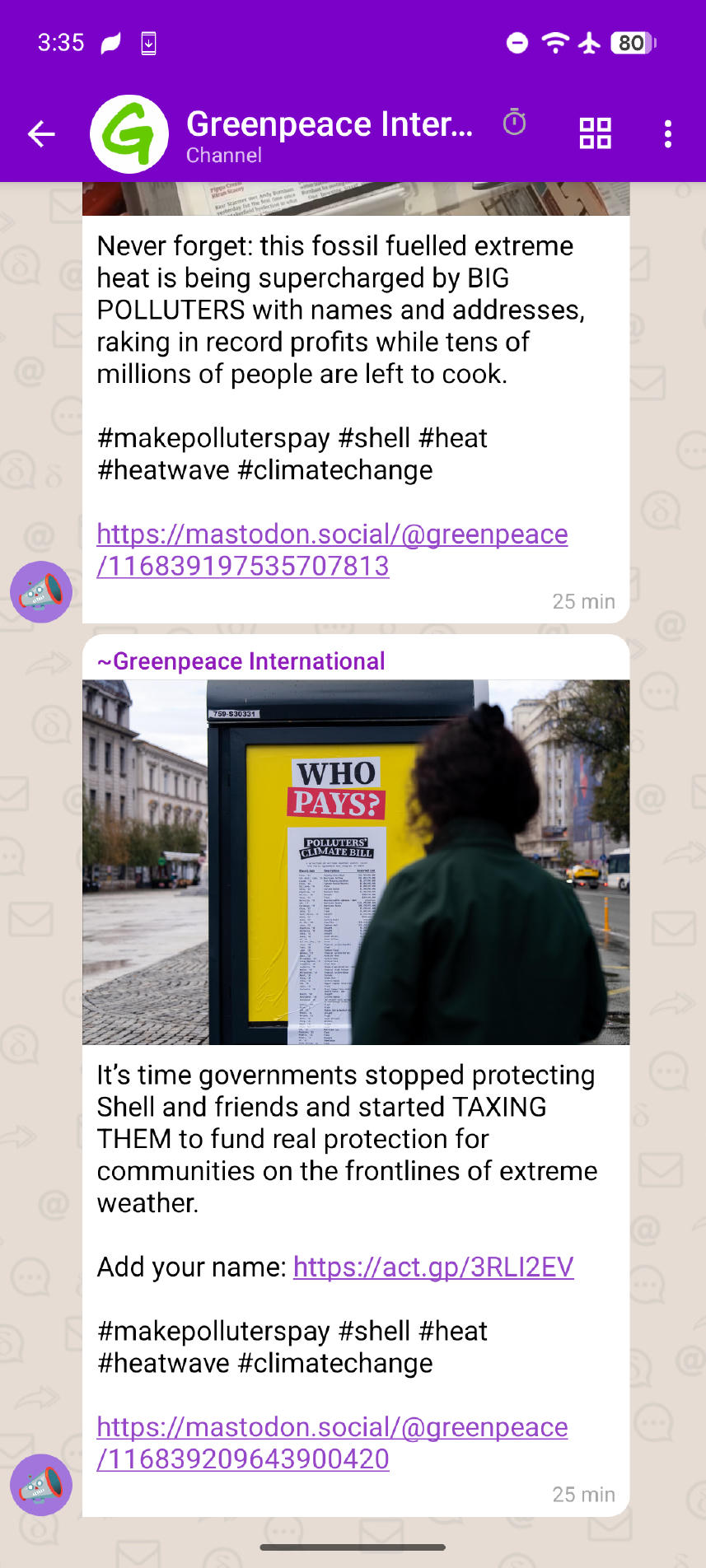
Alt...
an screenshot of the Greenpeace International channel where some recent posts are visible
![[?]](https://media.mastodon.de/accounts/avatars/116/172/905/014/578/882/original/4e2d3b525b2a2902.png)
join the one and only decentralized end-to-end encrypted anonymous lefty politics and climate activism memes channel in the world!
Meme Logistics - Your go-to fun lefty memes supply chain
here is the invite link 👇️️
https://i.delta.chat/#818297831FAA0AB9917497FA5B145F41993374F1&v=3&x=xusVctOPSGOA6oFq4esfR68V&j=YspskxfxoImavuPj3qFTuX7H&s=d1sWSLq-ceUR9x5nJpWX7dLa&a=207nv967sz55do78f1xj%40chat.in%2Dthe.eu&n=Meme+Logistics&b=Meme+Logistics
#memes #politics #fun #meme #decentralization #encryption #e2ee #ArcaneChat #DeltaChat #ClimateChange
![[?]](https://files.mastodon.social/accounts/avatars/111/771/294/235/437/140/original/1e0f4c1e1cf10ca9.jpg)
Cybersecurity is about digital trust, but that trust is under pressure. Bart Preneel in Knack: #encryption is essential yet increasingly undermined by government interference. The future lies in computing on encrypted data so even cloud providers can’t see it.
https://trends.knack.be/ai-en-tech/cybersecurity/cybersecurity-draait-vandaag-om-cashflow-reputatie-en-concurrentie/ (in Dutch)
new channel for #ArcaneChat, #DeltaChat and other #chatmail clients (encrypted email newsletter!)
Pluralistic - Daily links from Cory Doctorow
The channel is auto-generated from @pluralistic 's #RSS feed
here is the invite link 👇️
https://i.delta.chat/#EB87F92DC57303205E7F3ACB6DAA06D8FE761414&v=3&x=qGsBzEyxwfXZHdC3c_xgTSt4&j=dfmqdw31uNWGhZOWTmC9kt6m&s=V-0OT8cqMFvtYK5kH7E2Phcy&a=6j2tb0xyz%40arcanechat.me&n=ChannelsBot&b=Pluralistic
#newsletter #encryption #e2ee #privacy #decentralization #email #blog
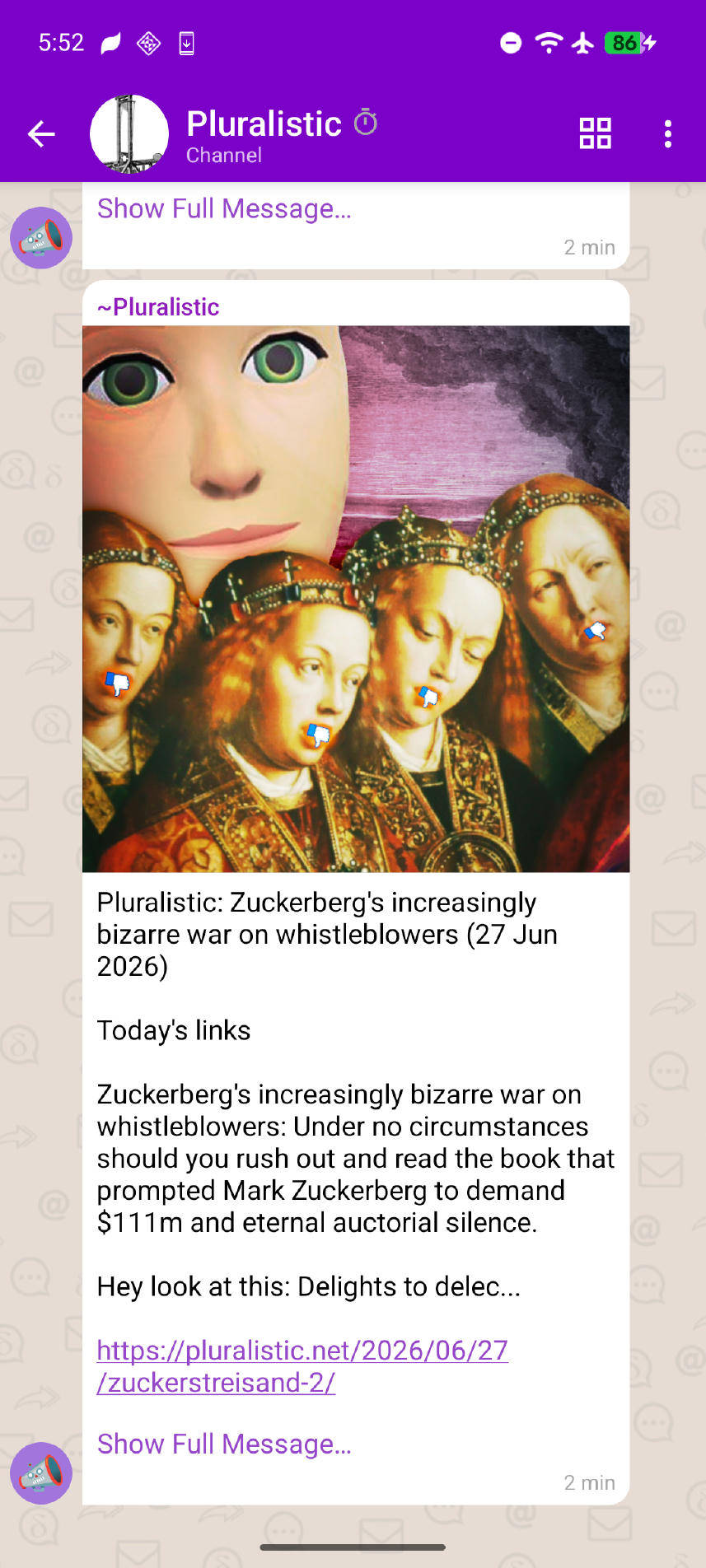
Alt...
an screenshot of the Pluralistic channel
new ArcaneChat channel for you:
Street Art Utopia - We declare the world as our canvas!
Website: streetartutopia.com
Mastodon: @streetartutopia
here is the invite link 👇️
https://i.delta.chat/#EB87F92DC57303205E7F3ACB6DAA06D8FE761414&v=3&x=MgHEG7vN3vvZdX3fA38ATHwk&j=BuL4xJ-tKn7MUeFq4CXK04m6&s=k58srCpWmRoJvvshCf2Icg7j&a=6j2tb0xyz%40arcanechat.me&n=ChannelsBot&b=Street+Art+Utopia
#ArcaneChat #DeltaChat #chatmail #decentralization #encryption #privacy #e2ee #autonomy #digitalindependence #europe #european #photography #artist #art #streetart #streetartutopia #android #openSource #email #graffiti #activism
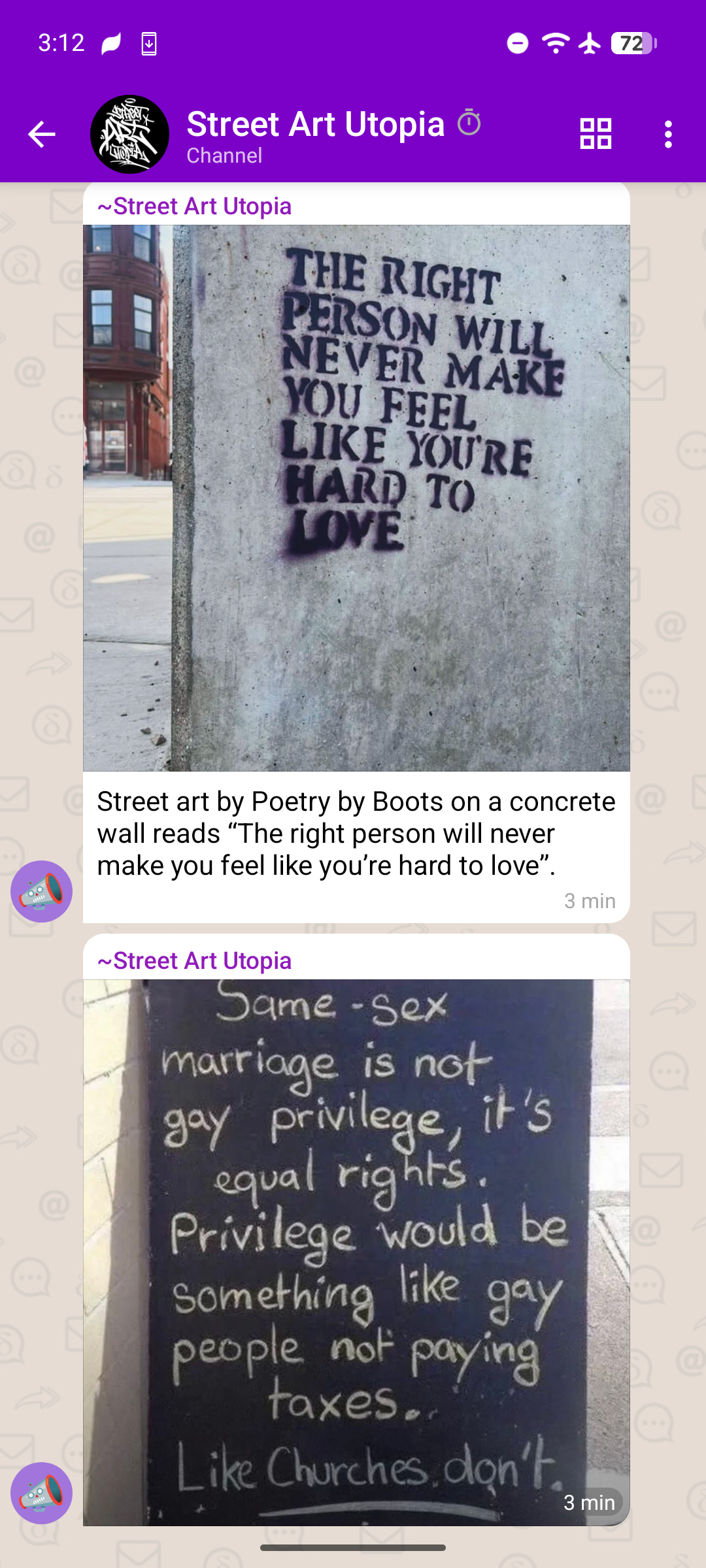
Alt...
an screenshot of the Street Art Utopia channel and its content/posts
![[?]](https://files.mastodon.social/accounts/avatars/115/742/434/865/105/205/original/ba2fa15026c28d18.jpeg)
🚨 The EU's controversial "Chat Control" proposal is back.
EU governments are reportedly trying to revive rules that could allow private messages to be scanned for child sexual abuse material, reigniting the debate over encryption, privacy, and mass surveillance. The proposal remains highly controversial and has not become law.
Read more: https://digitalescapetools.com/2026/06/eu-chat-control-revival-private-messages.html
#Privacy #Encryption #CyberSecurity #EU #ChatControl #DigitalRights
🔮ArcaneChat Spoilers✨
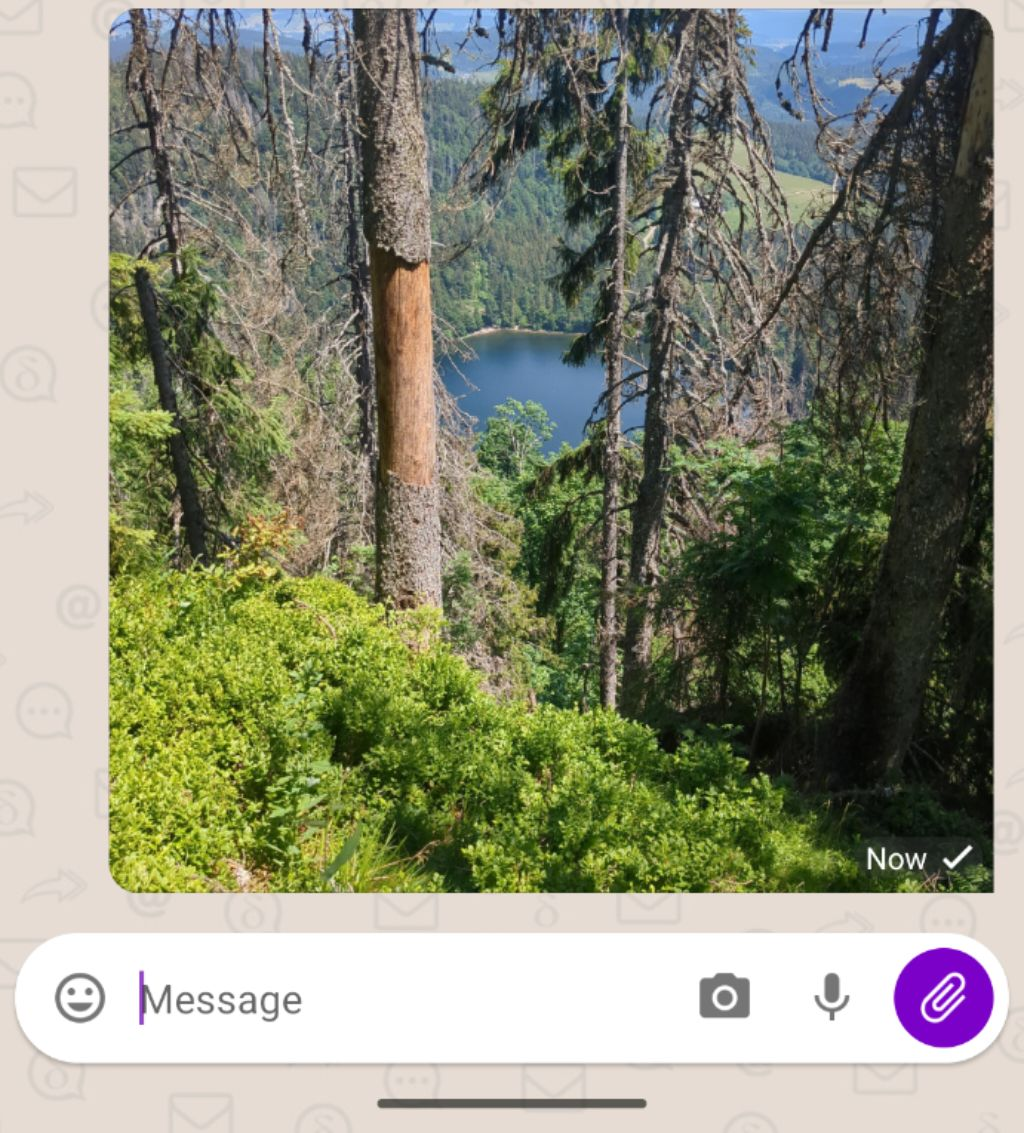
for the next version of #ArcaneChat the message input bar got redesigned!
now it looks more modern, similar to #Telegram & #WhatsApp 's, and more in line with #Android 's edge-to-edge design
💜 if you like ArcaneChat and what we do, please consider making a donation, no amount is too small!
https://arcanechat.me/#contribute
#ArcaneChatSpoilers #privacy #encryption #security #decentralization #opensource #e2ee #european #europe #autonomy #digitalindependence #family #chatapp
Alt...
screenshot of arcanechat, showing the new input bar, looking pill-like instead of the old rectangular input bar
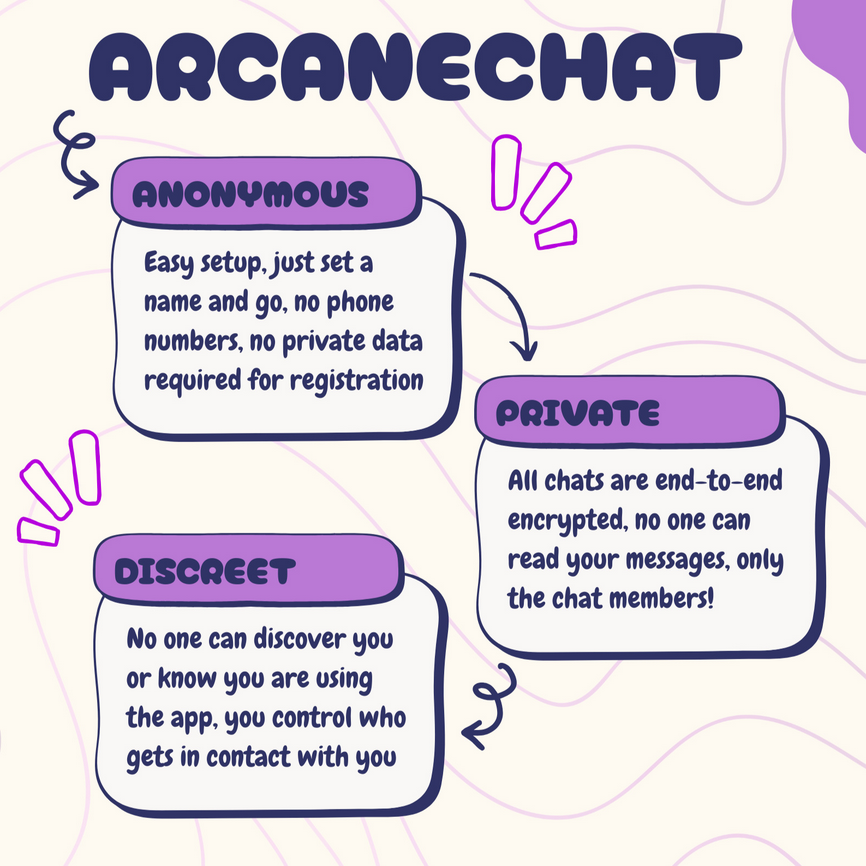
Meet ArcaneChat: a secure and #decentralized private messenger
Anonymous: No SIM card needed! No phone numbers required for registration, just set a name and start chatting!
Private: All your conversations are end-to-end encrypted
Discreet: No one can discover you or know that you are using the app! only people you share your invitation link or QR with can contact you
#digitalindependence #privacy #security #family #encryption #autonomy #european #openSource #europe #diday #decentralization
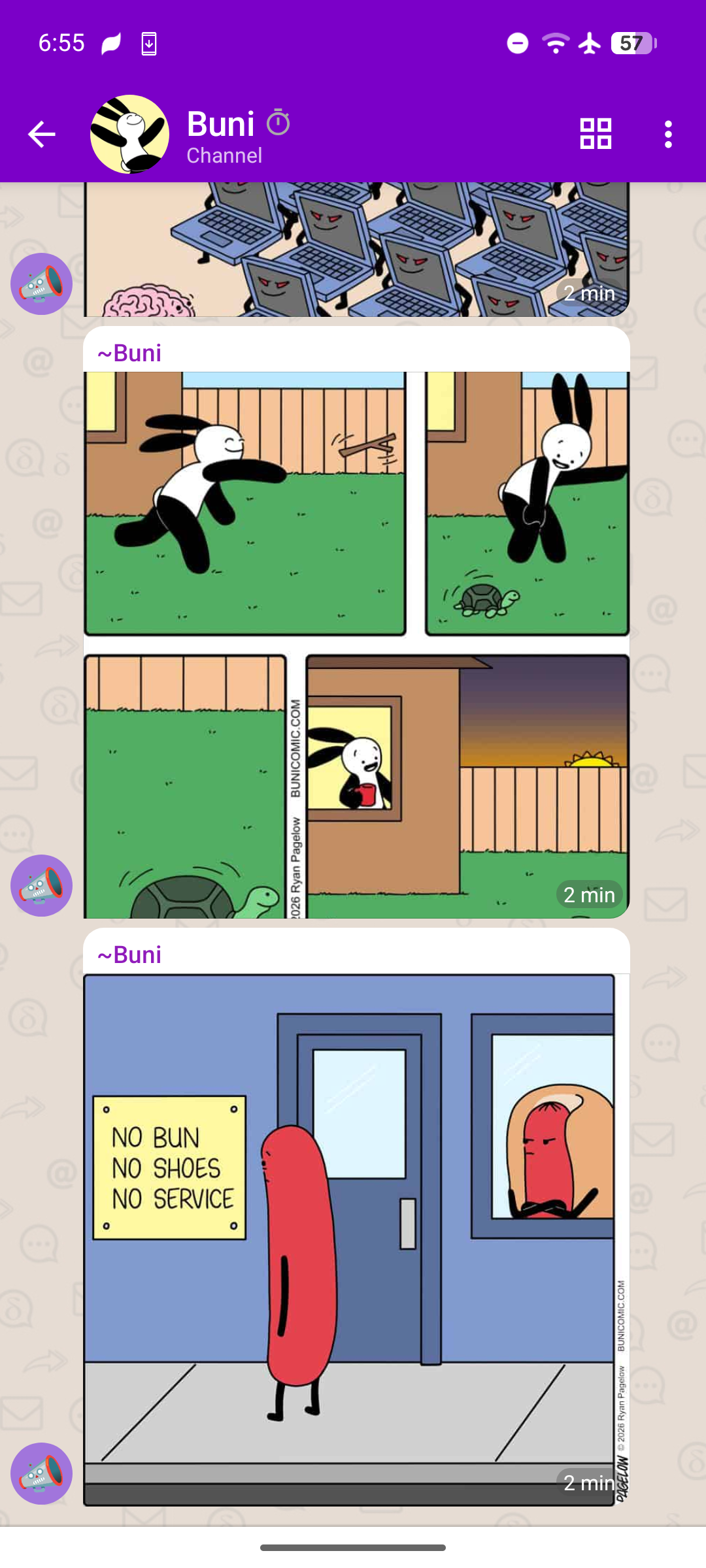
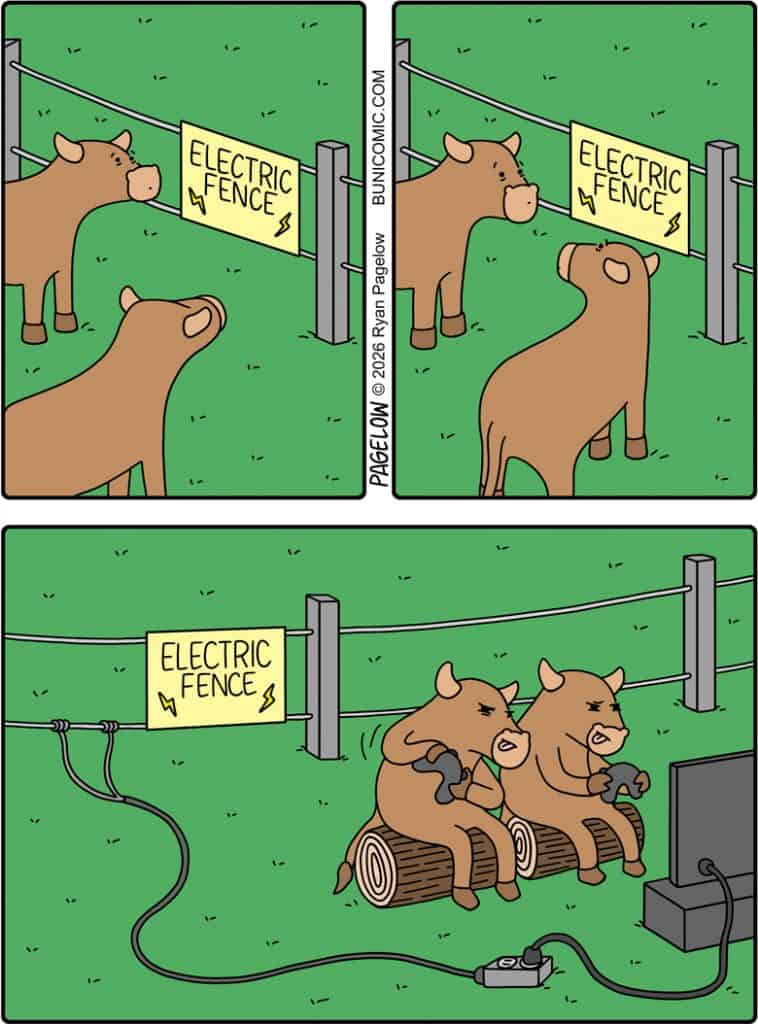
new ArcaneChat channel for you:
Buni - Buni is a dark comic about an optimistic bunny with terrible luck.
Artist: Ryan
Website: https://www.bunicomic.com
here is the invite link 👇
https://i.delta.chat/#EB87F92DC57303205E7F3ACB6DAA06D8FE761414&v=3&x=Y3pDrb-vc-TBru-KS5H0F_25&j=7d-o0B4hvWwxianajAFyvfXm&s=Q0lLQSPxZn495mdZ7G_zoQqM&a=6j2tb0xyz%40arcanechat.me&n=ChannelsBot&b=Buni
#ArcaneChat #DeltaChat #chatmail #buni #comics #comic #meme #decentralization #encryption #privacy #e2ee #autonomy #digitalindependence #europe #european #webcomic #email #channels #channel
🔮ArcaneChat Spoilers✨
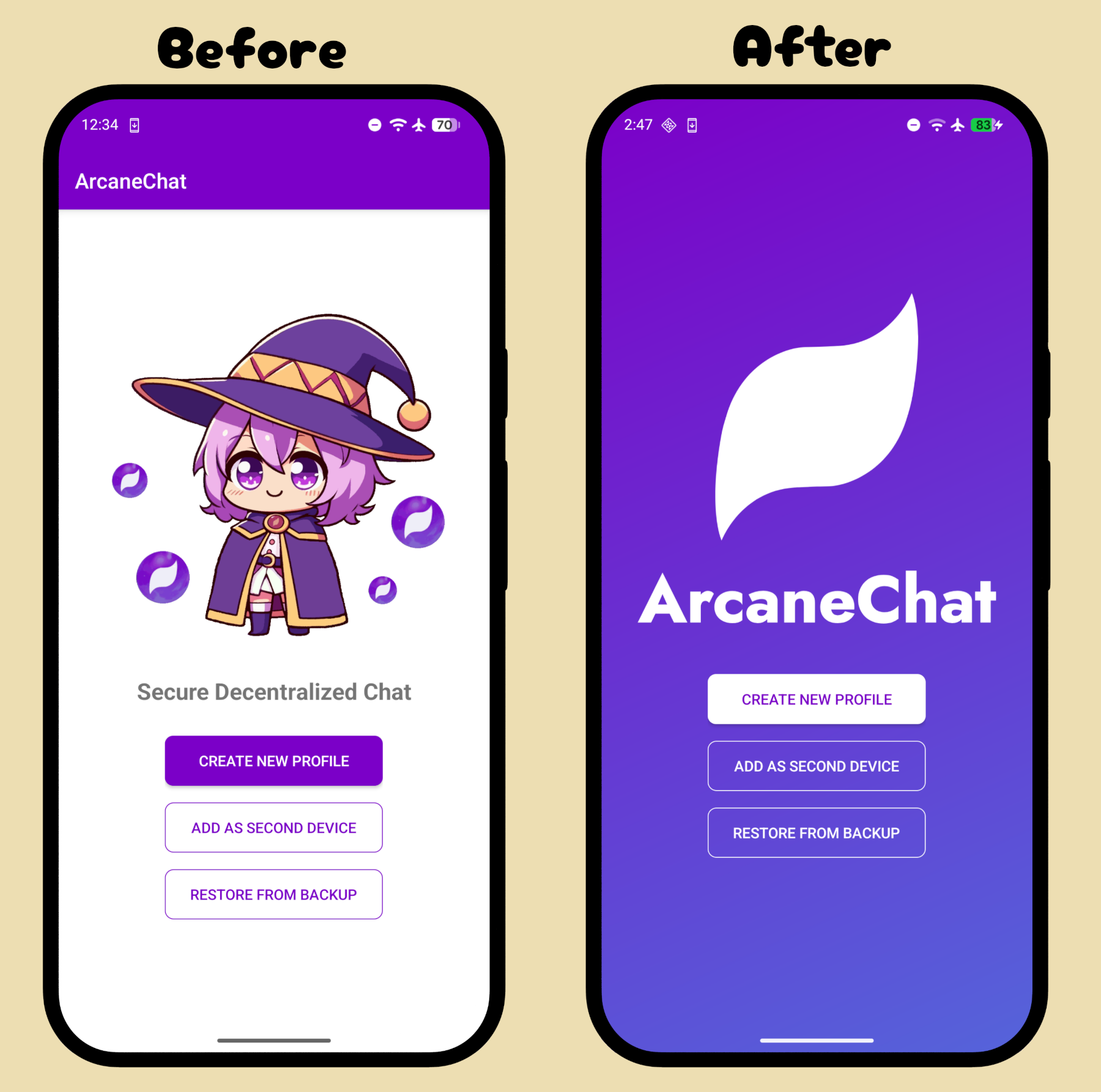
some say first impressions are important, more when you are trying to convince friends and family to join you in ArcaneChat
that is why the next ArcaneChat version comes with a new revamped welcome screen!
bonus: the logo levitates smoothly, to give it that magic touch ✨
#ArcaneChat #ArcaneChatSpoilers #decentralization #opensource #design #UI #privacy #security #encryption #e2ee #android #anonymous #SoftwareDevelopment #androiddev #europe #european #autonomy #diday
new ArcaneChat channel for you:
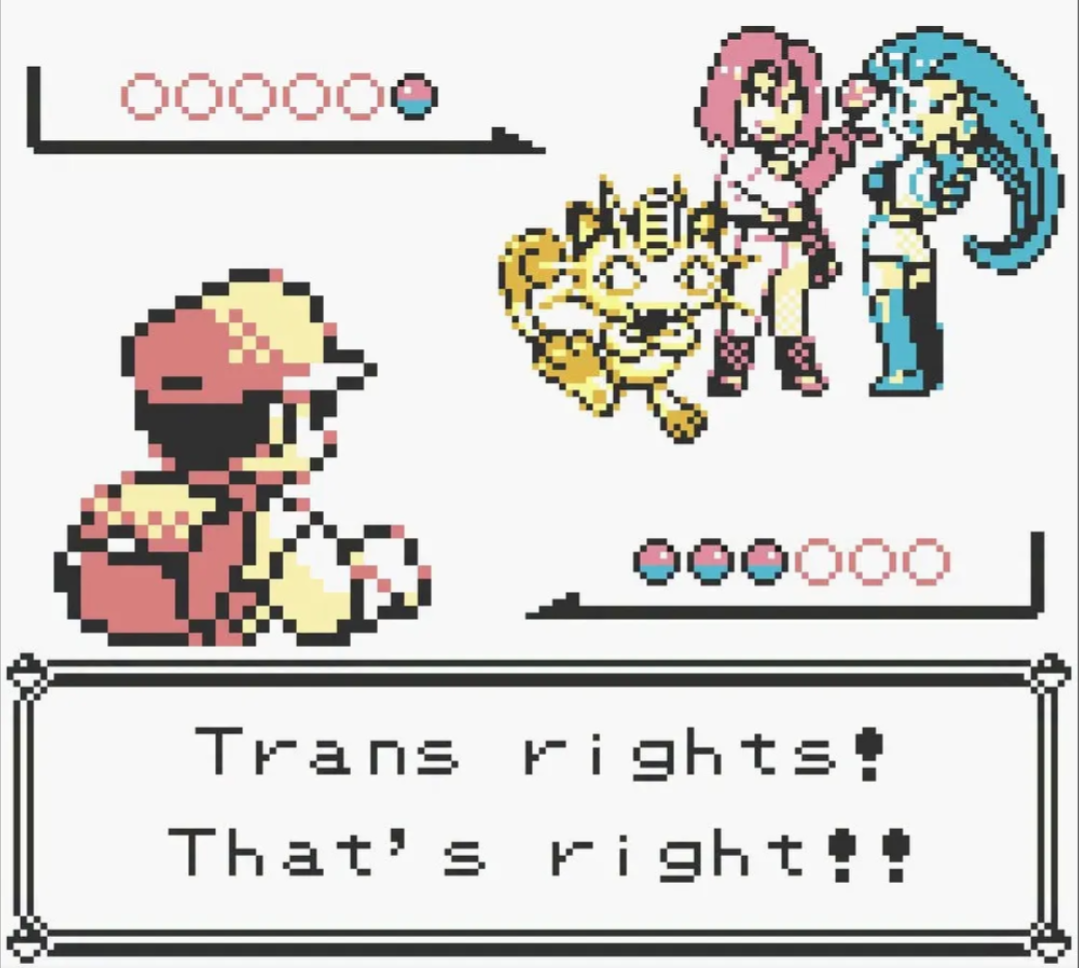
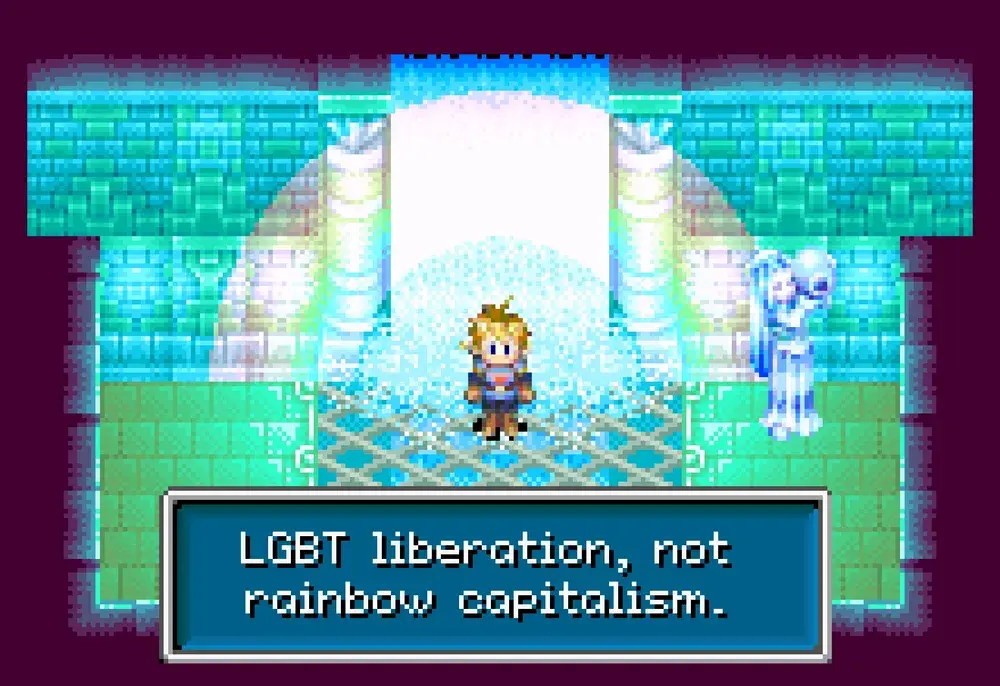
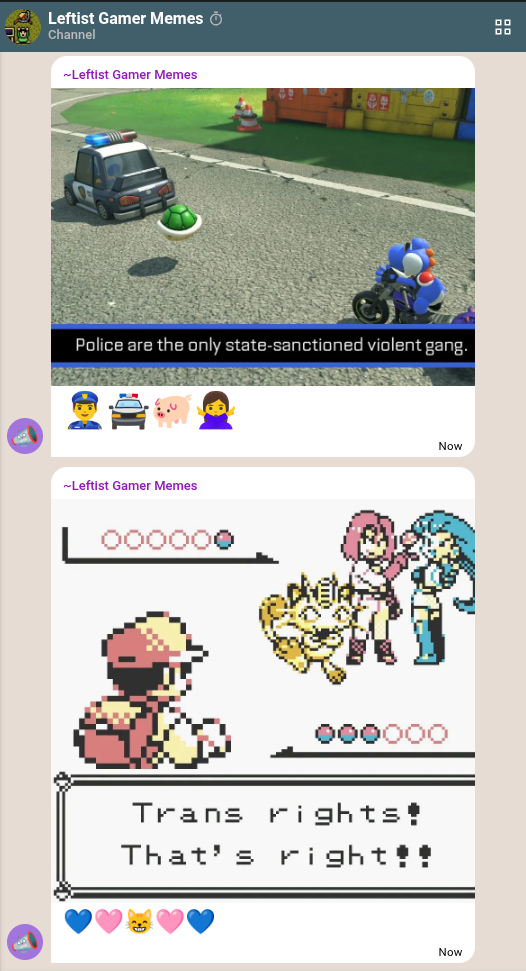
Leftist Gamer Memes: Crafting memes, comrade. ☭ content provided by https://leftistgamermemes.com
here is the invite link!
https://i.delta.chat/#EB87F92DC57303205E7F3ACB6DAA06D8FE761414&v=3&x=-FVyUanRixV_lqFCSrh9ZLmA&j=QY9vRTOyE_A3M7lwOJKO8UBi&s=NmIRaJZpEoPTwepRda5VYAg8&a=6j2tb0xyz%40arcanechat.me&n=ChannelsBot&b=Leftist+Gamer+Memes
#communism #transRights #trans #gay #LGBT #LGBTQ #leftist #leftwing #communist #games #gamer #artist #workersRights #workers #ArcaneChat #decentralization #security #privacy #encryption #european #europe #openSource #autonomy #anonymous #DeltaChat #meme #memes #capitalism #politics
![[?]](https://techpolicy-social.s3.bhs.io.cloud.ovh.net/accounts/avatars/109/824/030/157/028/049/original/dd5b347e1c982204.png)
Law enforcement agencies do not need to jeopardize the digital safety of billions of users to investigate crime effectively.
Breaking #encryption introduces systemic vulnerabilities that criminals and hostile states will exploit, making the Internet less safe for everyone.
Read more ⬇️ https://www.internetsociety.org/blog/2026/06/solving-crime-without-breaking-encryption/
woah!! it is hot... just like this new ArcaneChat channel:
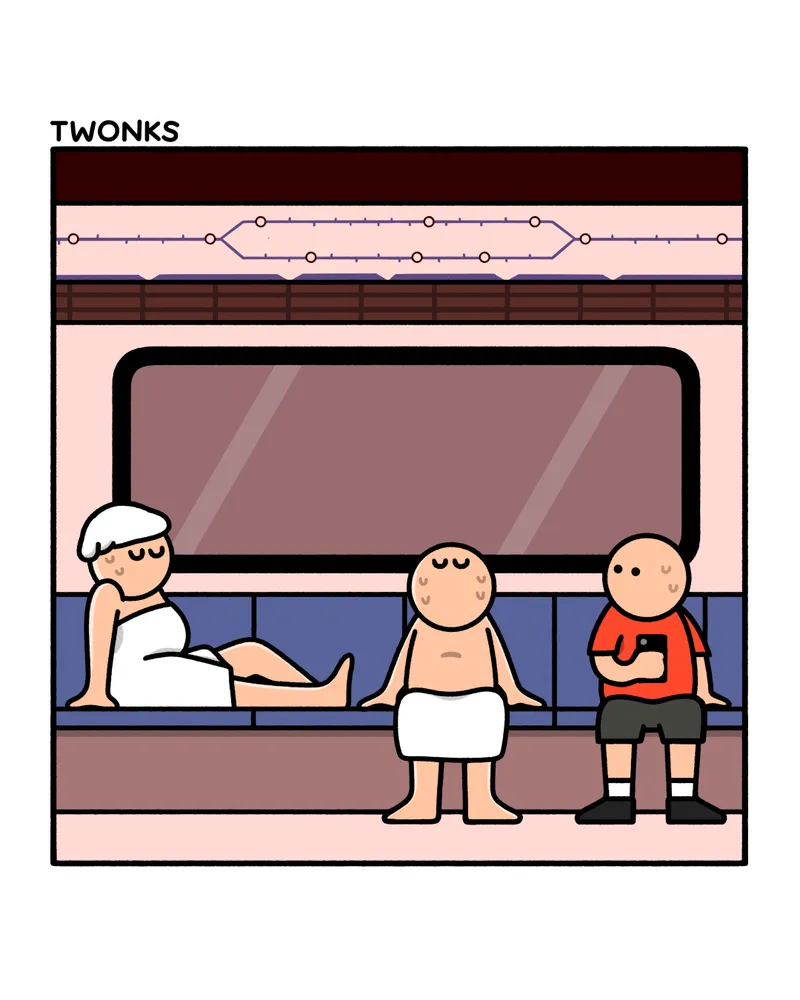
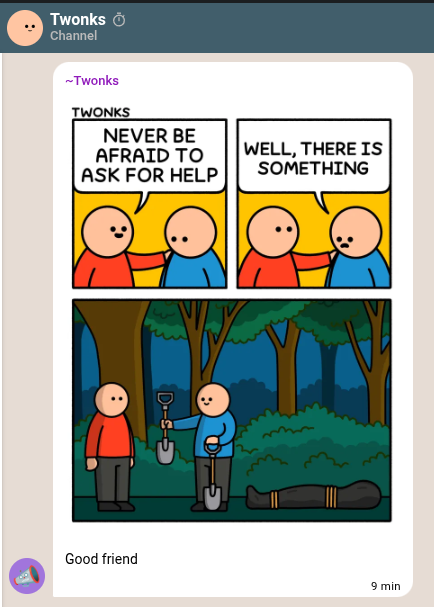
Twonks: a funny, offbeat webcomic series combining rude and twisted humor with a cast of cute but ultimately stupid characters.
you can join via this invite link:
https://i.delta.chat/#EB87F92DC57303205E7F3ACB6DAA06D8FE761414&v=3&x=F7hsuSLrI6-oOt2vYtZyHni8&j=ouhN66ogZdpwhHhxtiHYHo7N&s=WKRB0o4bjlUWQamUwag9nt9G&a=6j2tb0xyz%40arcanechat.me&n=ChannelsBot&b=Twonks
#ArcaneChat #DeltaChat #chatmail #twonks #comics #comic #meme #decentralization #encryption #privacy #e2ee #autonomy #digitalindependence #europe #european #webcomic #email
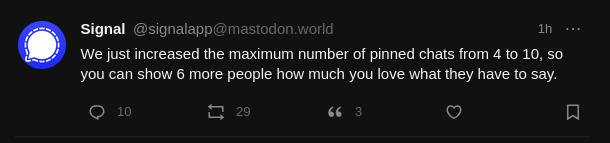
LIFE HACK: you can pin as many chats as you want in #ArcaneChat
no need for anyone to micro-control such little aspects of your life in a centralized server...
live the way you want to live, there is no limit ✨
#signal #decentralization #privacy #encryption #autonomy #digitalindependence
new channel for #ArcaneChat, #DeltaChat and other #chatmail clients:
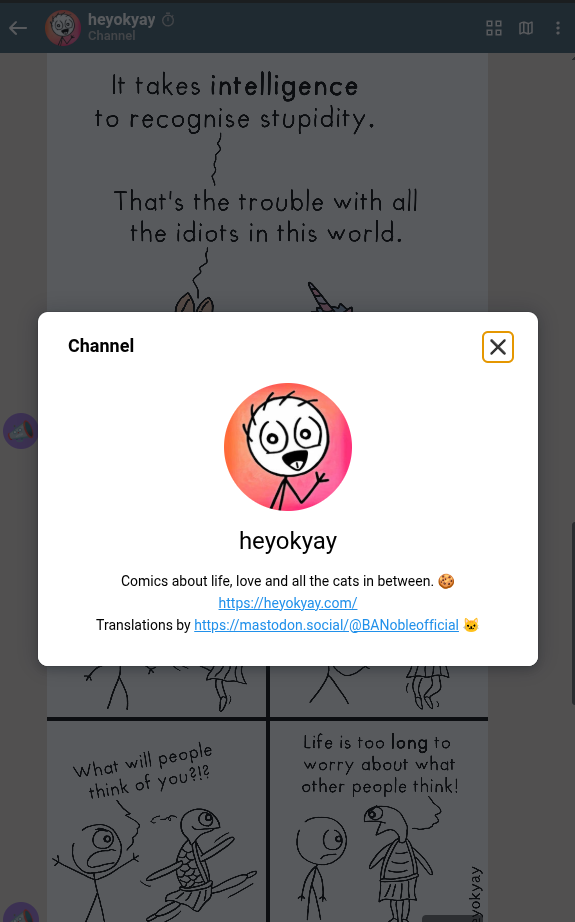
heyokyay (content by @heyokyay )
Comics about life, love and all the cats in between. 🍪
(NOTE: the channel is auto-generated from heyokyay's official #RSS feed)
#comics #decentralization #encryption #resilience #Autonomy #anonymity
LastPass breached again. Today. Via a third-party supplier.
This is not a one-off. It’s the architecture. Every centralized service, password manager, messenger, or platform is a target because it holds data worth stealing.
SecurityWeek’s headline today: “Attackers are no longer breaking in ; they’re logging in.”
No account means nothing to log into.
zerion.chat
#privacy #infosec #encryption #tor #foss #android #cybersecurity
Zerion 2.0.5 is live on Google Play.
A serverless messenger has a hard problem: no server holds your account, so how do you move to a new phone?
Zerion's answer: back up your whole account to an encrypted file (Argon2id + AES-256-GCM), or pass it straight to your new phone over Tor with a safety-number check. Only you ever hold the key.
No phone number. No metadata. Post-quantum encryption on every message, all over Tor.
▶ https://play.google.com/store/apps/details?id=com.professor.zerion
![[?]](https://nbg1.your-objectstorage.com/tno-mastodon/accounts/avatars/111/434/264/745/920/273/original/52ff85db085a2a1d.jpg)
![[?]](https://media.mas.to/accounts/avatars/109/442/454/487/918/952/original/d8a5f7a5f95ae2cb.png)
Following user outcry, #AMD reinstates #memory #encryption in consumer CPUs
Consumer AMD CPUs will once again offer encryption protections against physical attacks after facing user backlash for silently removing the feature.
As Ars reported last week, AMD stripped the protection, known as #TSME , from consumer #Ryzen processors. Short for Transparent Secure Memory Encryption, TSME encrypts the entire contents stored in memory, making the data useless to adversaries performing cold boot attacks and similar intrusions requiring physical access.
#security #privacy
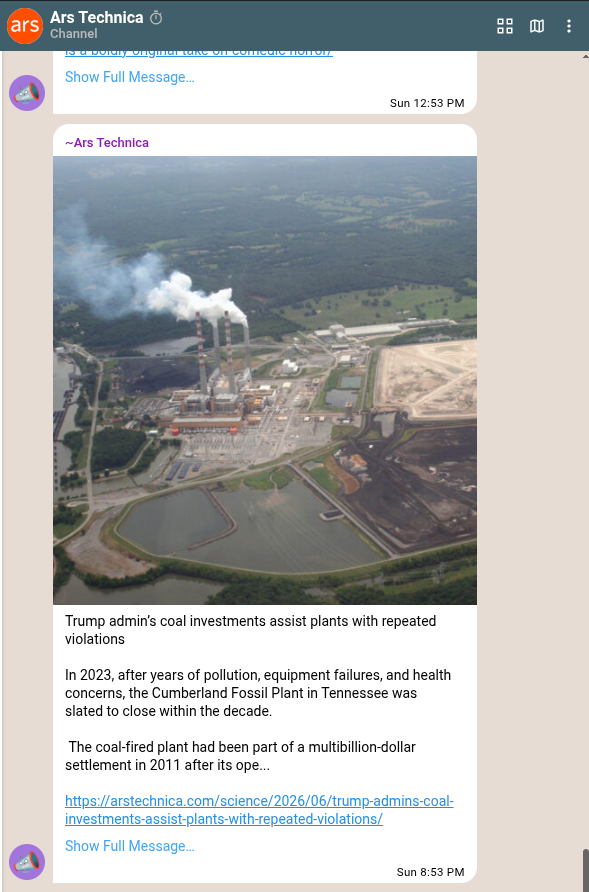
Did you know you can join Ars Technica ( @arstechnica ) channel via #ArcaneChat, #DeltaChat and other #chatmail clients?
it is a completely encrypted channel! like you have never seen before in other platforms that have channels! for example in #Telegram and #WhatsApp all channels are unencrypted!
also the channel is uncensorable!
(NOTE: the channel is generated from official Ars Technica RSS feed)
#encryption #decentralization #privacy #anonymity #security #news #Europe #European

join the one and only decentralized end-to-end encrypted anonymous lefty politics and climate activism memes channel in the world!
Meme Logistics - Your go-to fun lefty memes supply chain
#memes #politics #fun #meme #channel #decentralization #encryption #e2ee #ArcaneChat #DeltaChat
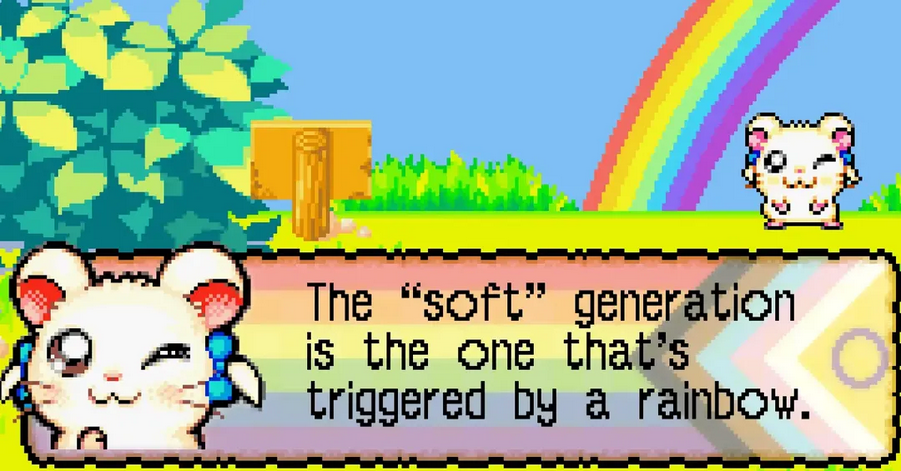
Alan #Turing Was World War II’s Greatest Codebreaker. His Private Papers Reveal A Secret Project.
https://www.popularmechanics.com/science/a71535854/turing-speech-encryption-device/
![[?]](https://tldr.nettime.org/system_nettime/accounts/avatars/109/528/493/326/851/300/original/ebc905e283d49e82.jpg)
" Governments have tried to use export controls to limit the proliferation of what they see as dangerous cyber technology for decades, but their track record has been middling at best.
The U.S. government was behind what is perhaps history’s most spectacular failure of this approach in the early to mid-1990s. At the time, computer scientists were developing encryption technologies to secure data as it traveled over the internet. One of those encryption products was called Pretty Good Privacy, or PGP, a popular software that could encrypt data and make it virtually impossible to unscramble even if intercepted as it traveled to its intended recipient over the internet.
The U.S. government initially saw PGP as a dangerous weapon, fearing it would prevent its intelligence agencies from snooping on emails as they crossed their wires. To stop the distribution of PGP, the U.S. Customs Service opened a criminal investigation against PGP’s creator Phil Zimmermann for allegedly violating arms export controls. He fought back by publishing PGP’s source code as a printed book, igniting what is known today as the “Crypto Wars.”
Zimmermann later won a key battle when the investigation was closed, paving the way for crucial end-to-end encryption algorithms such as the one used by billions of Signal and WhatsApp users."
#CyberSecurity #Encryption #PGP #Spyware #ExportControls #Fable #Mythos #AI #LLMs