Search results for tag #cybersecurity
![[?]](https://nbg1.your-objectstorage.com/tno-mastodon/accounts/avatars/111/434/264/745/920/273/original/52ff85db085a2a1d.jpg)
![[?]](https://social.gamefan.net/system/accounts/avatars/116/450/677/342/166/464/original/4de7a562f86cf564.png)
OnePlus officially gives up on the US and Europe
The OnePlus 15 was the company’s final US flagship. | Photo: Allison Johnson / The Verge OnePlus has confirmed what industry observers have long expected: it's quitting the US and European markets, and will no longer la…
https://www.theverge.com/tech/966404/oneplus-oppo-us-europe-withdrawal-realme
#Tech #Technology #TechNews #AI #Gadgets #Software #Cybersecurity #Apple #Google #Microsoft #Startup #OpenSource #TheVerge [The Verge]
![[?]](https://files.mastodon.social/accounts/avatars/112/066/993/516/962/338/original/65c95328ea8e0e54.jpg)
AI and the next wave of conspiracies #negativepid #digitalInvestigations #OSINT #cybersecurity #AI #tech #onlineInvestigations #robotics #cyberpsychology #cybercrime https://negativepid.blog/ai-and-the-next-wave-of-conspiracies/?utm_source=mastodon&utm_medium=social&utm_campaign=fedica-Negative-PID-Blog
![[?]](https://cdn.fosstodon.org/accounts/avatars/107/297/362/770/635/523/original/3ce6a735f191afe9.jpeg)
Daily Digest | 16 July 2026
Your daily dose of Privacy, Data Protection, AI & Cybersecurity news.
5 stories you should not miss.
Read more: https://www.nicfab.eu/daily-digest/
![[?]](https://files.mastodon.social/accounts/avatars/114/368/991/106/654/640/original/4055052cf2bcf4e8.png)
The US House passed the KIDS Act, a bill that would introduce internet age-gating measures aimed at protecting minors online. 🏛️
EFF argues the proposal would expand online surveillance instead of privacy protections, with broader implications for anonymity and the open web. 🔒
🔗 https://www.eff.org/deeplinks/2026/07/dont-let-congress-age-gate-internet-effector-3813
#TechNews #Kids #KIDSAct #Children #Privacy #AgeVerification #Surveillance #DigitalRights #FreeSpeech #Cybersecurity #Technology #OpenWeb #Policy #Security #EFF
Ward Christensen and the invention of BBS #negativepid #digitalInvestigations #OSINT #cybersecurity #AI #tech #onlineInvestigations #robotics #cyberpsychology #cybercrime https://negativepid.blog/ward-christensen-and-the-invention-of-bbs/?utm_source=mastodon&utm_medium=social&utm_campaign=fedica-Negative-PID-Blog
![[?]](https://files.defcon.social/dcsocial-s3/accounts/avatars/109/546/844/816/218/349/original/a6e531b1b89b90e6.jpg)
New analysis: How Much Can AI Actually Help With PQC Migration?
A hypothesis paper in MDPI Cryptography claims frontier AI (Mythos-class) compresses enterprise PQC migration from 12-15 years to 2-4 years. The paper models AI as both defender accelerator and adversary destabilizer through six feedback loops, and that dual-use framing is sound.
The timeline estimate is not.
I've led PQC migration programs generating 120,000+ discrete tasks. AI genuinely helps with the technical analysis fraction: crypto discovery triage (months to days), migration strategy automation across 100K+ instances, code diff generation (hours to minutes), test scenario creation.
That accounts for maybe 15-20% of total program effort.
The other 80%:
- Getting executive mandate and multi-year budget (3-12 months)
- Standing up program governance (3-6 months)
- Negotiating access to production segments across business units (this is the bottleneck in discovery, not analysis speed)
- Change advisory board approvals for every production change
- Vendor firmware/certification timelines entirely outside your control
- Interoperability testing with real counterparties on their schedules
- FIPS 140-3 module validation cycles
- CBOM and crypto-agility as organizational transformations, not technology deployments
Key analytical distinction: effort compression ≠ schedule compression. 20% of effort off the critical path saves zero calendar time. The institutional dependencies dominate the critical path in every large program I've observed.
The paper assigns 8 years to AI-compressible work and 2 years to the institutional floor. In my experience, those proportions are reversed.
EO 14412 (signed June 22, 2026) sets Dec 31, 2030 for PQC key establishment and Dec 31, 2031 for digital signatures in federal high-value systems. CNSA 2.0 requires new NSS acquisitions to be compliant from January 2027.
The correct response to AI-accelerated adversary capability is not "compress the timeline from 15 years to 4." It's: start the program now and use AI within it.
https://postquantum.com/post-quantum/ai-pqc-migration-how-much-help/
#infosec #cybersecurity #PQC #postquantum #cryptography #quantumcomputing #NIST #migration
 boosted
![[?]](https://media.infosec.exchange/infosec.exchange/accounts/avatars/109/287/703/066/543/520/original/0084db33a1521fa5.jpeg)

Encrypted messaging is great...
Until an attacker steals the account, adds a linked device, or tricks someone out of a recovery key.
In episode 441 of Shared Security, Tom and Kevin discuss the FBI warning about Russian intelligence targeting Signal, WhatsApp, and Telegram users and why endpoint/account security still matters.
Watch this episode on YouTube:
https://youtu.be/fxFfY_e_MOI
Listen and subscribe wherever you like to get your podcasts:
https://sharedsecurity.net/subscribe
https://sharedsecurity.net/2026/07/13/signal-phishing-and-russian-intelligence-targeting-messaging-apps/
#Iran abused mobile networks’ vulnerabilities to locate US #military in the #MiddleEast, report says
![[?]](https://media.infosec.exchange/infosec.exchange/accounts/avatars/109/276/220/634/706/859/original/ffe72cc39bc9e378.png)
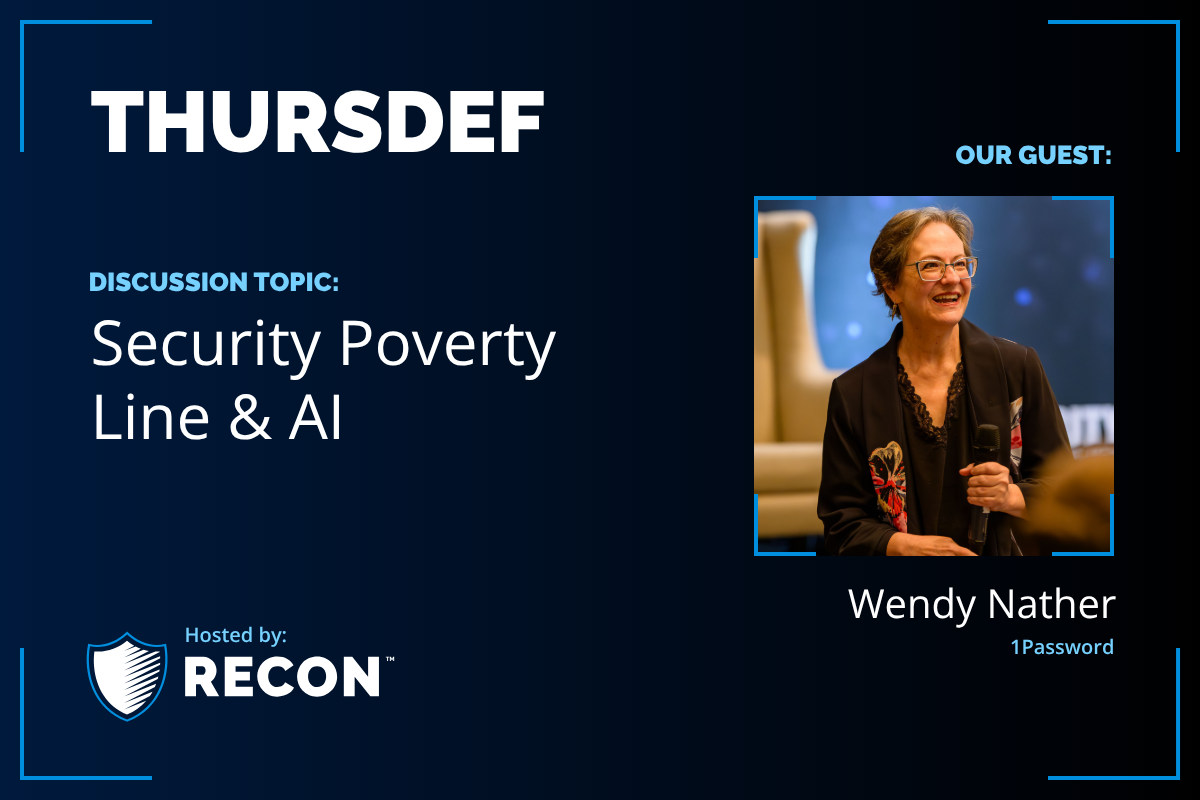
We're welcoming @wendynather, Senior Research Initiatives Director at @1password, to #ThursDef tomorrow to discuss the Security Poverty Line & AI!
Join us at 12:30pm CT for our free 30min Zoom webinar! thursdef.com
#ThursdayDefensive #cybersecurity #infosec
![[?]](https://files.social.openrightsgroup.org/system/accounts/avatars/109/382/359/215/932/523/original/ea34e4d5bb2b649c.png)
VPNs are safe... for now 🛡️
The UK government has backed down on restricting this vital cybersecurity tool.
Alongside the announcement of a social media curfew for 16 and 17 year olds comes a win for privacy!
Plans to age-gate or restrict VPNs have been dropped, but we're not complacent to future risks.
We'll continue fighting to protect VPNs.
https://www.theguardian.com/technology/2026/jul/14/uk-16-17-year-olds-midnight-social-media-curfew
#vpn #cybersecurity #privacy #onlinesafety #ukpolitics #ukpol
Post-quantum cryptography: preparing for the unknown #negativepid #digitalInvestigations #OSINT #cybersecurity #AI #tech #onlineInvestigations #robotics #cyberpsychology #cybercrime https://negativepid.blog/post-quantum-cryptography-preparing-for-the-unknown/?utm_source=mastodon&utm_medium=social&utm_campaign=fedica-Negative-PID-Blog
![[?]](https://files.mastodon.online/accounts/avatars/116/696/139/630/265/182/original/318cdb47adb8cfa6.png)
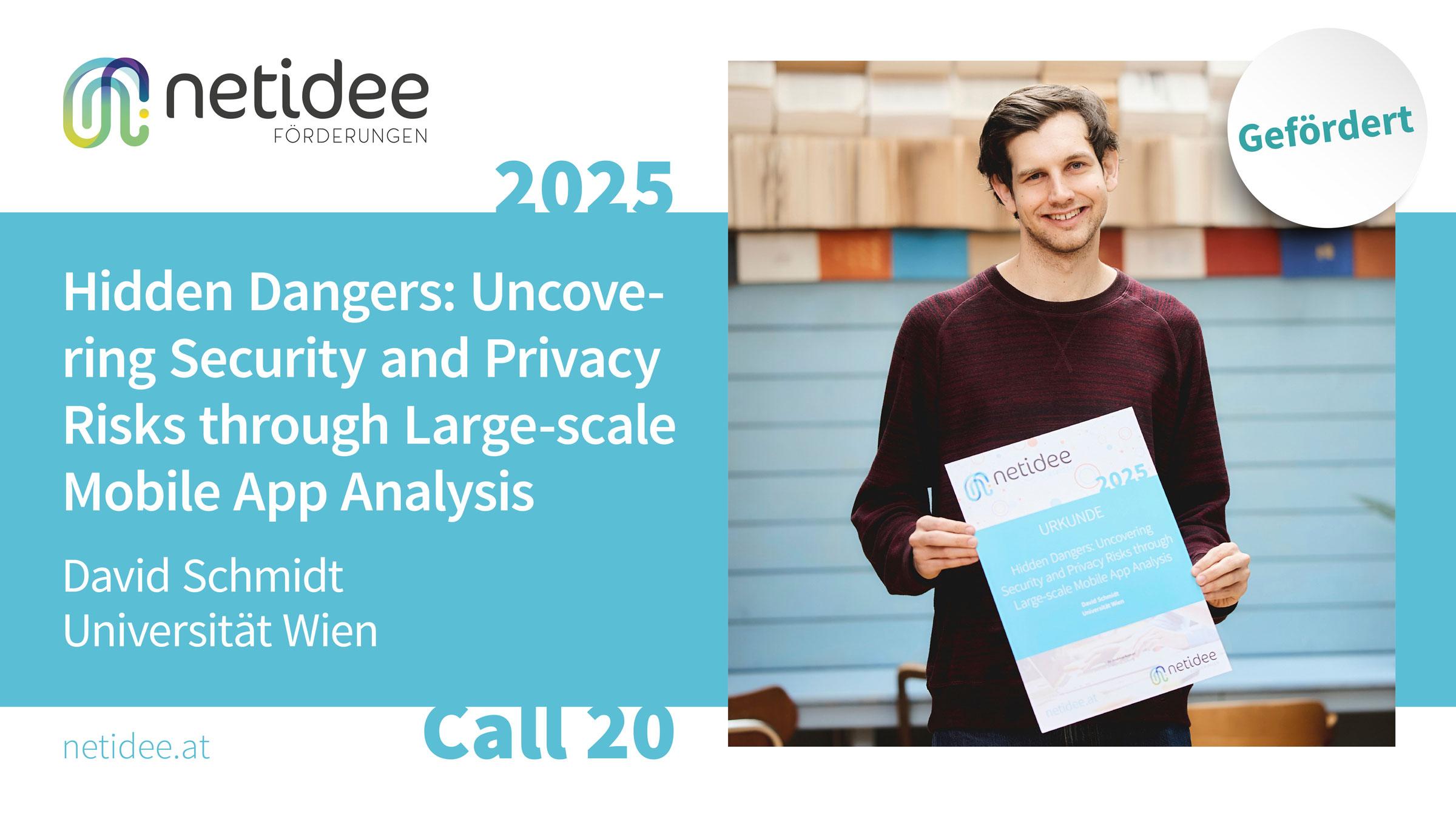
#Thisisnetidee scholarship recipient David Schmidt Universität Wien
This thesis analyzes smartphone apps at scale to uncover security and privacy issues in IoT ecosystems, local network permissions, and the app supply chain. Responsible disclosure of the findings helps strengthen and secure the app ecosystem.🔒🌐
👉 More information: https://www.netidee.at/hidden-dangers-uncovering-security-and-privacy-risks-through-large-scale-mobile-app-analysis
#CyberSecurity #Privacy #IoTSecurity #AppSecurity #MobileSecurity #ResponsibleDisclosure #Research #netidee #Call20
High tech, low life: the cyberpunk world #negativepid #digitalInvestigations #OSINT #cybersecurity #AI #tech #onlineInvestigations #robotics #cyberpsychology #cybercrime https://negativepid.blog/high-tech-low-life-the-cyberpunk-world/?utm_source=mastodon&utm_medium=social&utm_campaign=fedica-Negative-PID-Blog
EU rules now require new cars to include driver-facing distraction cameras, but regulators have not clearly defined how related data is handled or retained. 🚗
The systems process attention locally under the rules, yet privacy questions remain over audits, retention limits, and transparency. 🔒
🔗 https://allaboutcookies.org/eu-mandatory-distracted-driver-system
#TechNews #EU #Europe #Privacy #DriverMonitoring #Automotive #GDPR #Cybersecurity #DataProtection #DigitalRights #Technology #Security #Cars #Car #Driving #Driver
ICE’s internal watchdog has opened more than 100 investigations into alleged doxing and threats targeting agency employees, according to court filings. 🛡️
The cases include efforts to identify online critics, raising transparency and free speech concerns over expanding government surveillance powers. ⚖️
🔗 https://www.wired.com/story/ices-internal-watchdog-is-now-investigating-online-critics/
#TechNews #ICE #USA #US #Privacy #Surveillance #FreeSpeech #Cybersecurity #DigitalRights #Government #Infosec #DataProtection #Security #CivilLiberties #Police #Trump
Florida police records allege an officer used DMV data and a license plate reader to track a woman he met before stopping her in traffic. 🚔
Investigators say he knew the database access was unauthorized, highlighting surveillance abuse risks and the need for stronger oversight. 🔒
#TechNews #Surveillance #Privacy #LicensePlateReaders #LawEnforcement #Law #Cybersecurity #DigitalRights #DataProtection #Infosec #Technology #CivilLiberties #Government #Florida #USA #US
Daily Digest | 15 July 2026
Your daily dose of Privacy, Data Protection, AI & Cybersecurity news.
5 stories you should not miss.
Read more: https://www.nicfab.eu/daily-digest/
Apple’s App Store reportedly logs every tap and keystroke for personalized recommendations, with researchers claiming the data is tied to user accounts and sent unencrypted. 🔐
The reported collection cannot be disabled and raises transparency and user-control concerns for privacy, as Apple expands on-device activity tracking. ⚠️
#TechNews #Apple #AppStore #Privacy #iPhone #iOS #Advertising #Ad #Cybersecurity #DataProtection #DigitalRights #Infosec #Technology #Security
Apple’s Hide My Email reportedly exposed users’ real email addresses through an unfixed flaw disclosed over a year ago, weakening a core privacy feature. 🔒
Researchers say Apple was notified in 2025, yet the exploit remains, highlighting transparency and user-control concerns for privacy tools. ⚠️
🔗 https://mashable.com/tech/apple-hide-my-email-major-vulnerability-leaks-email-addresses
#TechNews #Apple #iPhone #iOS #Mac #HideMyEmail #Email #Mail #Privacy #Cybersecurity #iCloud #EmailSecurity #DataProtection #Infosec #DigitalRights #Technology #Security
boostedNew York enacts one-year data center ban on projects larger than 50 megawatts — first US state to impleme…
New York is the first to pass a statewide data center moratorium, which pauses all projects greater than 50 MW for one year. The governor's office said that it will create a GEIS to hold developments to "consistent stan…
#Tech #Technology #TechNews #AI #Gadgets #Software #Cybersecurity #Apple #Google #Microsoft #Startup #OpenSource #TomsHardware [Tom's Hardware]