Search results for tag #bible
![[?]](https://friendica.world/photo/profile/wistquotes.png?ts=1766199542)
No one can stand a person who talks too long and will not give others a chance to speak.
ὁ πλεονάζων λόγῳ βδελυχθήσεται,
καὶ ὁ ἐνεξουσιαζόμενος μισηθήσεται.
The Bible (The Old Testament) (14th - 2nd C BC) Judeo-Christian sacred scripture [Tanakh, Hebrew Bible], incl. the Apocrypha (Deuterocanonicals)
Book 22b. Sirach (Ecclesiasticus) 20: 8ff (Sir 20:8) [tr. GNT (1992 ed.)]
More about (and translations of) this quote: wist.info/bible-ot/84583/
#quote #quotes #quotation #qotd #bible #oldtestament #apocrypha #baruch #ecclesiasticus #authority #chatter #loquaciousness #pretending #pretense #speaking #talking #usurpation #wordiness
![[?]](https://files.mastodon.social/accounts/avatars/116/663/048/183/988/734/original/c51a6d9a325f7aea.png)
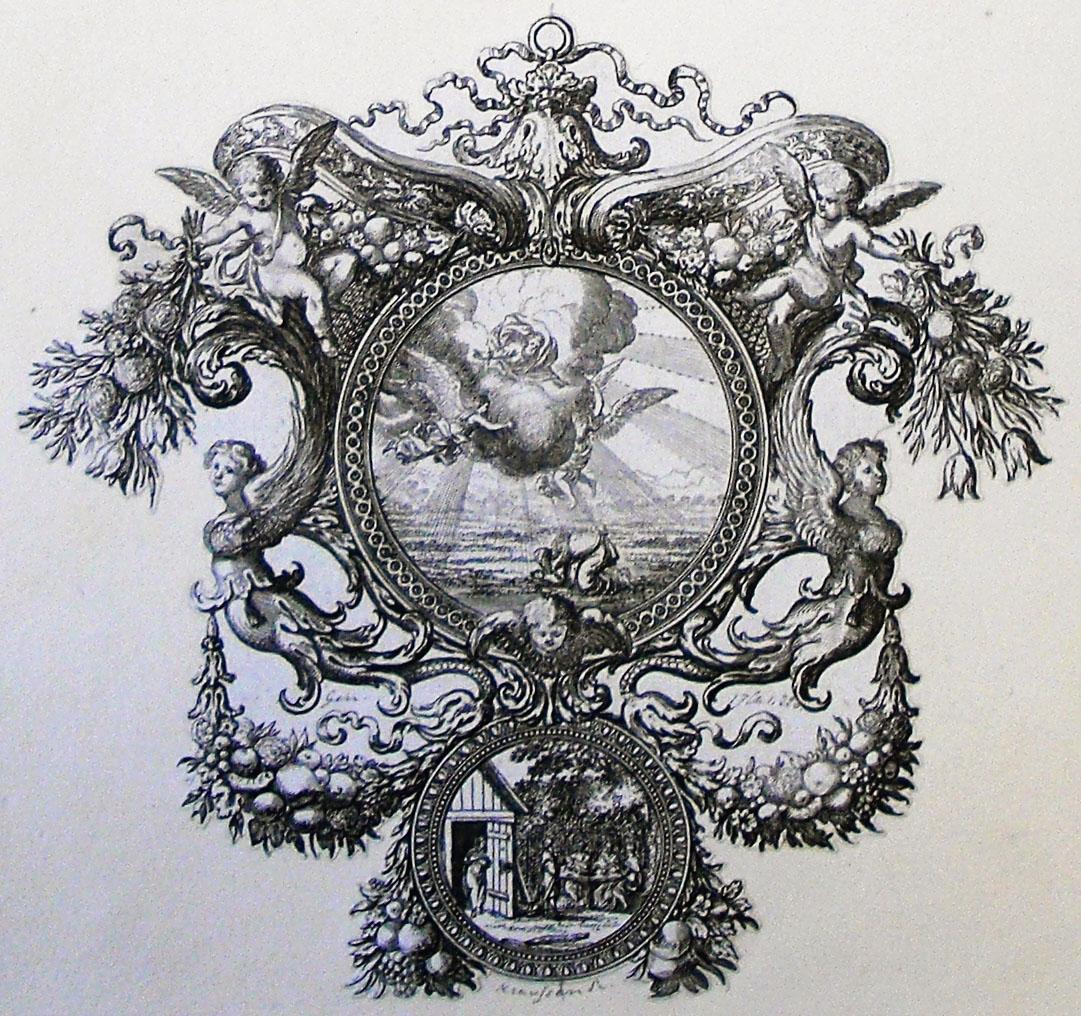
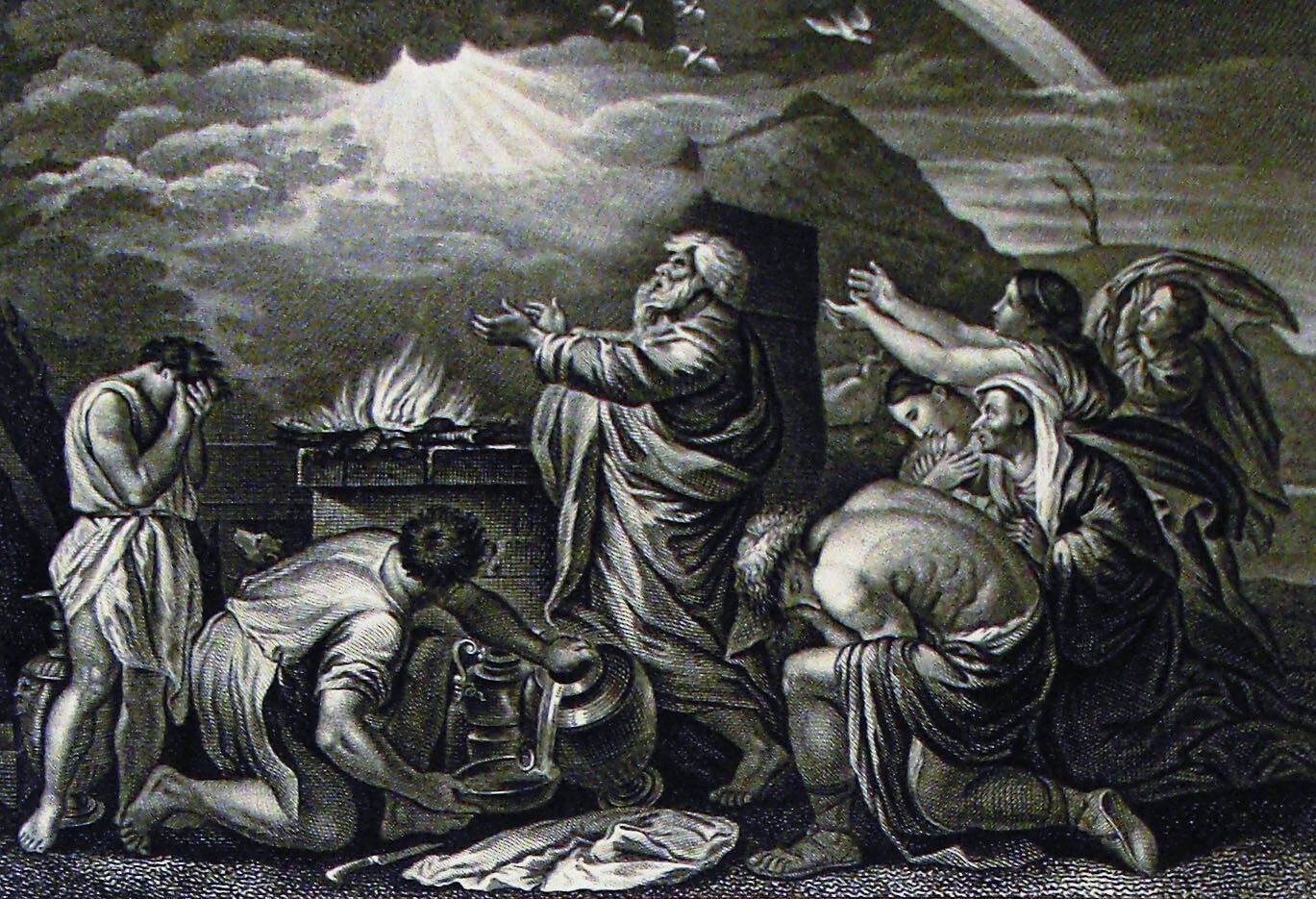
Bowyer Bible print 0300 God talks with Abraham. Genesis cap 17 v 22. Kraussen. Robert Bowyer (d.1834) expanded his copy of the Macklin Bible by inserting 6200+ different prints. The Bowyer Bible is now housed in Bolton Museum. For these prints see https://archive.org/details/bowyer-bible
where Philip De Vere has created flip-books from Phillip Medhurst's photo-collection.
#BoltonMuseum #bible #extraillustration #grangerisation #MacklinBible #etching #Bibleillustration #Bibleart #Christianart #christianartwork
![[?]](https://pxscdn.com/cache/avatars/965947145429498396/avatar_ny2oh2.jpg)
where Philip De Vere has created flip-books from Phillip Medhurst's photo-collection.
#BoltonMuseum #bible #extraillustration #grangerisation #MacklinBible #interleaved #print #engraving #etching #Bibleillustration #Bibleart #Christianart #christianartwork
![[?]](https://gemsofknowledge.com/wp-content/uploads/2025/09/cropped-gemsofknowledge.png)
Producing Fruit
🚣 What if the problem isn't that you're not working hard enough? What if you're rowing in the wrong direction? During prayer, the Lord whispered: 💎 *"If you want your efforts to produce, then make sure it is aligned with Me and what I already have planned for you."* Not all effort produces fruit. Sometimes the answer isn't more striving. Sometimes it's better alignment. Click here to read the full devotional. ✨ [SENSITIVE CONTENT]
Today’s One Year Bible Verses: 2 Kings 4:18–5:27, Acts 15:1–35, Psalm 141:1–10, Proverbs 17:23
Living Aligned with God
Have you ever worked hard at something only to discover later that all your effort was pointed in the wrong direction?
Most of us have.
We make plans, set goals, invest time, spend energy, and pour our hearts into projects, ministries, relationships, or pursuits that seem right at the time. Yet sometimes, despite our best efforts, the results never quite materialize the way we hoped.
The Lord addressed this very thing this morning when he whispered this Gem of Knowledge to my mind:
“If you want your efforts to produce, then make sure it is aligned with Me and what I already have planned for you. Amen.”
As I reflected on those words, I thought about the difference between rowing with a current and rowing against it.
Both require effort.
Both involve movement.
Both may even look similar from a distance.
But one works with the flow of the river while the other constantly fights against it.
One will reaches its destination much faster and with far less struggle. While the other may not ever get there at all…and if they do the person is utterly exhausted.
I think many believers spend years asking God to bless plans that He never asked them to pursue in the first place. We want Him to multiply our efforts, but sometimes He is more interested in redirecting them.
God is not opposed to hard work. Scripture consistently praises diligence. The question is not whether we are working hard. The question is whether our efforts are aligned with His will.
In today’s Scriptures we see several powerful examples.
In 2 Kings 5, Naaman desperately wanted healing from leprosy. When Elisha instructed him to wash seven times in the Jordan River, Naaman initially resisted. The instruction seemed too simple and too ordinary for the miracle he desired. He had his own ideas about how God should work.
Yet healing came only when he aligned himself with God’s instructions rather than his own expectations.
His breakthrough was waiting on the other side of obedience.
Later in the same chapter, Gehazi pursued something God had not given him permission to pursue. Motivated by personal gain, he ran after Naaman and deceitfully obtained gifts that had been refused by Elisha.
His efforts produced results – Just not the results he wanted.
He gained silver and clothing, but he also inherited consequences.
The story reminds us that not everything that produces immediate results produces lasting fruit.
Sometimes the most fruitful thing we can do is stop asking God to join our plans and start asking how we can join His.
That perspective changes everything.
God sees the end from the beginning. He knows the people we will meet, the opportunities we will encounter, the doors that should open, and the ones that should remain closed. What appears to us as a good idea may not be part of His best plan.
That is why prayer is so important.
Not merely asking God to bless our efforts, but learning His heart so our efforts become aligned with His.
When that happens, our work begins to carry a different kind of fruitfulness.
Burdens become light and fruit becomes abundant.
God has already gone before us – He already knows the plans He has for us.
Our greatest success will never come from forcing our own agenda but from walking in step with His.
When we align ourselves with God’s purposes, we stop fighting the current and begin moving with it.
And that is where ease and lasting fruit is found. 💎
Action (5 Minutes with God)
Take at least 5 minutes to be with the Lord today. Ask Him:
- “Lord, what do You want me to know about this personally?”
- Journal what He gives you through His Holy Spirit.
- Then ask, “What do You want me to do?”
- Journal what He reveals – then do it!
Move in to a place of surrender and alignment with Him today.
Prayer
Father, thank You for seeing the end from the beginning. Forgive me for the times I have pursued my own plans without first seeking Your direction. Help me align my heart, my goals, and my efforts with Your will. Give me wisdom to recognize where You are leading and courage to follow, even when Your path looks different from my own. Let my life produce fruit that brings glory to You and advances Your purposes. In Jesus’ name I pray, Amen.
To read more 5 Minutes with God devotionals click here.
If Gems of Knowledge has blessed your walk with Christ, please subscribe or consider partnering with us today. Your gift helps keep these devotionals free for everyone and carries God’s Word to more hearts. Every seed matters—thank you for sowing into this work! 💛
Test everything by the Word and the Spirit (John 16:13)

Alt...
A person rows peacefully down a river toward Jesus standing in the distance at sunrise, while an abandoned boat sits stranded against the current, symbolizing alignment with God's will.
![[?]](https://files.mastodon.social/accounts/avatars/113/457/650/659/369/407/original/22a92e67207c10a2.jpg)
Abimelech's campaign was abruptly halted by an unnamed woman on a rooftop, proving that human arrogance can be easily undone (Judges 9:53 NKJV).
#Christian #Christianmemes #Biblememes
https://ko-fi.com/veggietalesgang
https://www.patreon.com/cw/veggietalesgang
https://linktr.ee/veggietalesgang
https://discord.gg/Knk4bCXKwG
https://youtube.com/shorts/WTuCYy9E38U?feature=share
![[?]](https://choosejoyadventure.wordpress.com/wp-content/uploads/2026/07/untitled-design-15.png)
Don’t Put a Period Where God Puts a Comma
Have you ever reached a place in life where it felt like the story was over? The diagnosis came. The relationship ended. The door closed. The dream seemed lost. You looked at the situation and thought, This is the end. But often what looks like a period to us is only a comma to God. Throughout Scripture, we see moments when people believed the story was finished, only to discover that God was still writing. Joseph was sold into slavery...and then God. The Israelites were trapped between […] [SENSITIVE CONTENT]
Have you ever reached a place in life where it felt like the story was over?
The diagnosis came. The relationship ended. The door closed. The dream seemed lost. You looked at the situation and thought, This is the end.
But often what looks like a period to us is only a comma to God.
Throughout Scripture, we see moments when people believed the story was finished, only to discover that God was still writing.
Joseph was sold into slavery…and then God.
The Israelites were trapped between Pharaoh’s army and the Red Sea…and then God.
Lazarus was in the tomb for four days…and then God.
Jesus was crucified and buried…and then God.
God specializes in writing “and then God” moments into stories that appear hopeless.
That doesn’t mean every outcome changes the way we want it to. God’s sovereignty does not guarantee that life will unfold according to our plans. But His sovereignty does guarantee that He remains in control even when circumstances seem out of control.
Yet God’s sovereignty does not negate our responsibility.
Sometimes Christians use God’s sovereignty as an excuse for passivity. We tell ourselves, “If God wants it to happen, it will happen,” and then do nothing. But Scripture consistently calls us to trust God while also taking responsibility for our choices.
You may not be able to control the outcome, but you can control your response.
You may not be able to choose your circumstances, but you can choose faith over fear.
You may not be able to change what happened, but you can choose forgiveness instead of bitterness.
You may not be able to stop the storm, but you can decide where you anchor your heart.
Our responsibility is obedience. God’s responsibility is the outcome.
Many of us spend so much energy trying to control things we cannot control that we neglect the things God has placed within our hands.
One of those things is people.
How often have we exhausted ourselves trying to change someone else’s heart?
A spouse.
A child.
A coworker.
A friend.
The truth is, you can often influence the ending of a situation, but you cannot change another person. Only God can do that.
You can pray.
You can encourage.
You can set healthy boundaries.
You can speak truth in love.
But you cannot force transformation in another human being.
Trying to do so will leave you frustrated, exhausted, and discouraged.
Sometimes the most faithful thing you can do is entrust that person to God and focus on your own obedience.
And while we’re waiting for God to work, we need to remember another important truth: with blessings often come battles.
The enemy rarely fights over territory he already owns.
When God begins opening doors, growing your faith, healing your heart, strengthening your ministry, restoring your family, or leading you into a new season, resistance often follows.
The enemy will attempt to distract, discourage, divide, and derail.
Not because the blessing isn’t from God, but because it is.
The battle doesn’t always mean you’re going the wrong way. Sometimes it is confirmation that you’re moving in the right direction.
Don’t be surprised when opposition appears. Instead, put on the armor of God and keep walking.
And that leads to one final thought.
Don’t get out.
Too many people leave too soon.
They leave the marriage before God finishes His work.
They leave the ministry before the harvest.
They leave the church because of conflict.
They leave the calling because of hardship.
They leave the process because it feels uncomfortable.
Now, there are certainly situations where someone else should leave—when there is abuse, danger, or unrepentant sin. Wisdom and discernment matter.
But many times, the person who is ready to quit is actually standing on the edge of breakthrough.
The enemy whispers, “Get out.”
God whispers, “Hold on.”
The enemy says, “It’s over.”
God says, “I’m not finished.”
The enemy points to the period.
God points to the comma.
If you’re in a difficult season today, remember this:
God’s sovereignty does not eliminate your responsibility.
You may not control the outcome, but you can control your response.
You cannot change another person, but God can.
Blessings often come with battles.
And what feels like the end may simply be the place where God is preparing an “and then God” moment.
So don’t put a period where God puts a comma.
Keep trusting.
Keep praying.
Keep obeying.
Keep believing.
The Author is still writing your story.
With love and joy,
Laura

Alt...
Don’t Put a Period Where God Puts a Comma
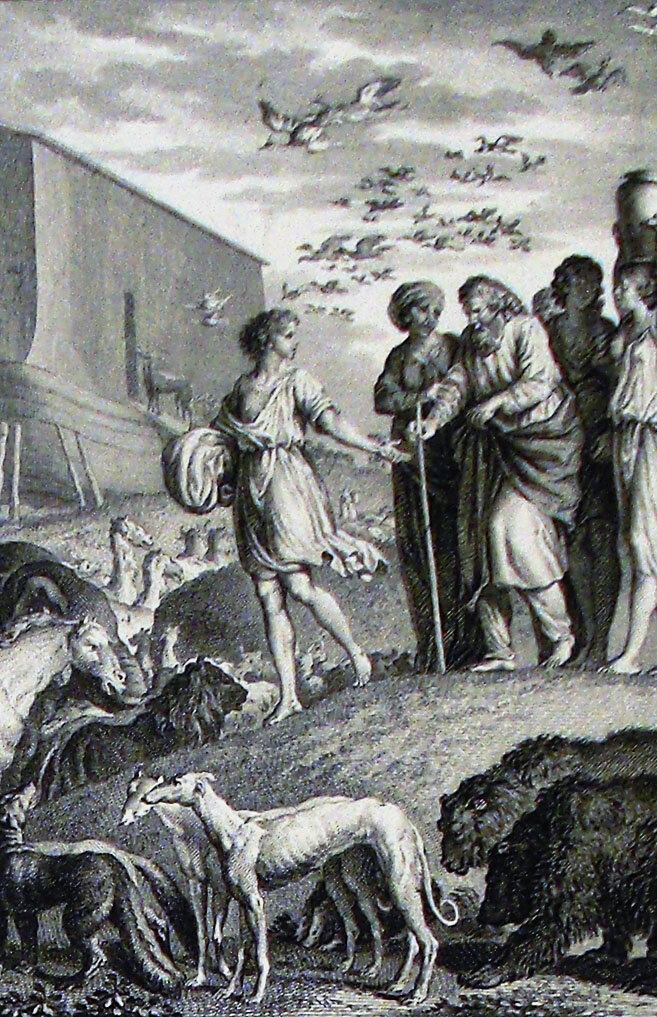
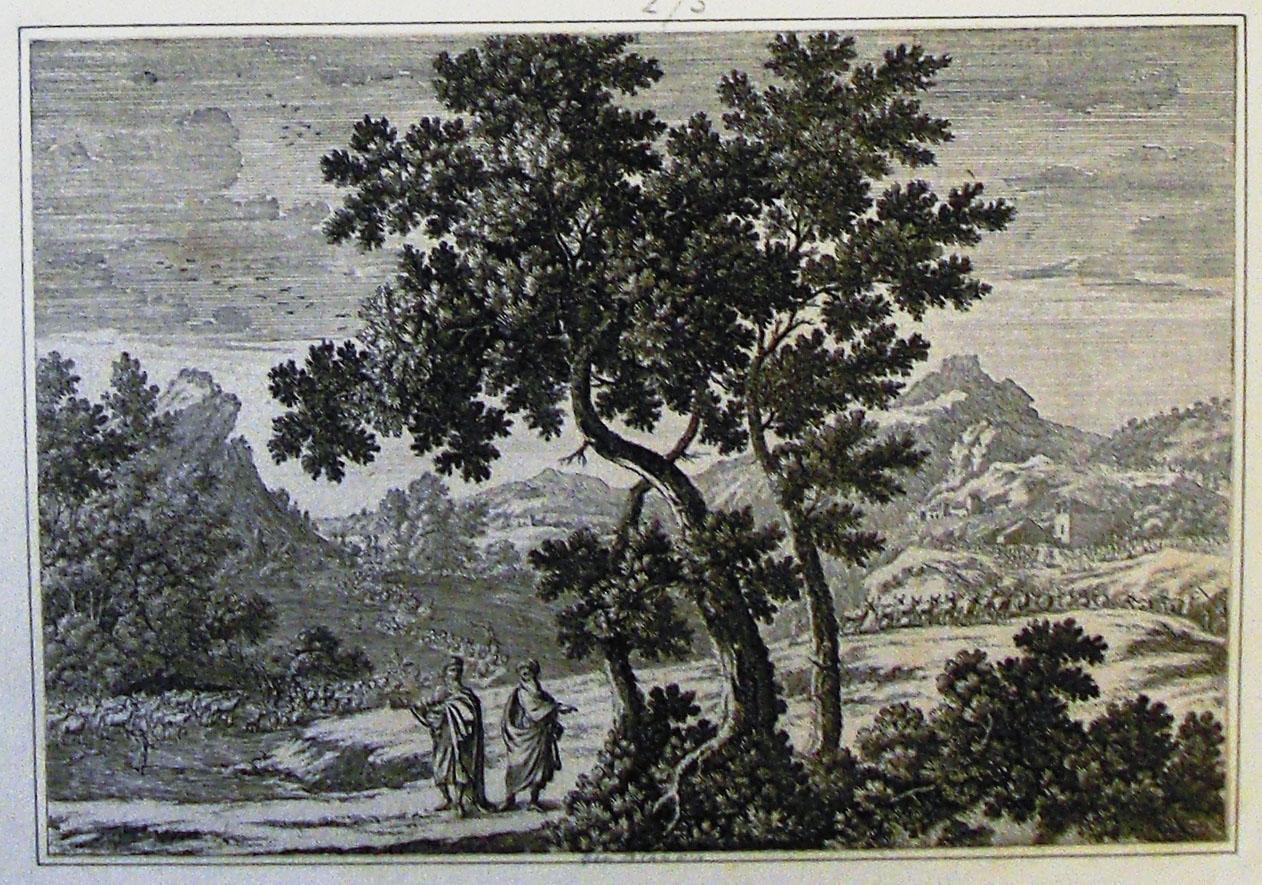
Bowyer Bible print 0275 Abraham & Lot. Genesis cap 13 vv 8, 11. Perelle. Robert Bowyer (d.1834) expanded his copy of the Macklin Bible by inserting over 6200 different prints. The Bowyer Bible is now housed in Bolton Museum. For these prints see https://archive.org/details/bowyer-bible
where Philip De Vere has created flip-books from Phillip Medhurst's photo-collection.
#BoltonMuseum #bible #extraillustration #MacklinBible #print #engraving #etching #Bibleillustration #Bibleart #Christianart #christianartwork
where Philip De Vere has created flip-books from Phillip Medhurst's photo-collection.
#BoltonMuseum #bible #extraillustration #grangerisation #MacklinBible #interleaved #print #engraving #etching #Bibleillustration #Bibleart #Christianart #christianartwork
where Philip De Vere has created flip-books from Phillip Medhurst's photo-collection.
#BoltonMuseum #bible #extraillustration #grangerisation #MacklinBible #interleaved #print #engraving #etching #Bibleillustration #Bibleart #Christianart #christianartwork

where Philip De Vere has created flip-books from Phillip Medhurst's photo-collection.
#BoltonMuseum #bible #extraillustration #grangerisation #MacklinBible #interleaved #print #engraving #etching #Bibleillustration #Bibleart #Christianart #christianartwork
where Philip De Vere has created flip-books from Phillip Medhurst's photo-collection.
#BoltonMuseum #bible #extraillustration #grangerisation #MacklinBible #interleaved #print #engraving #etching #Bibleillustration #Bibleart #Christianart #christianartwork
where Philip De Vere has created flip-books from Phillip Medhurst's photo-collection.
#BoltonMuseum #bible #extraillustration #grangerisation #MacklinBible #interleaved #print #engraving #etching #Bibleillustration #Bibleart #Christianart #christianartwork
![[?]](https://files.mastodon.social/accounts/avatars/113/720/515/024/889/997/original/bc0d4f8246686484.png)
“As a father has compassion on his children, so the Lord has compassion on those who fear him;
for he knows how we are formed, he remembers that we are dust.
The life of mortals is like grass, they flourish like a flower of the field; the wind blows over it and it is gone, and its place remembers it no more.
But from everlasting to everlasting the Lord’s love is with those who fear him, and his righteousness with their children’s children –”
Psalms 103:13-17 NIVUK
#bible #prayer
where Philip De Vere has created flip-books from Phillip Medhurst's photo-collection.
#BoltonMuseum #bible #extraillustration #grangerisation #MacklinBible #interleaved #print #engraving #etching #Bibleillustration #Bibleart #Christianart #christianartwork
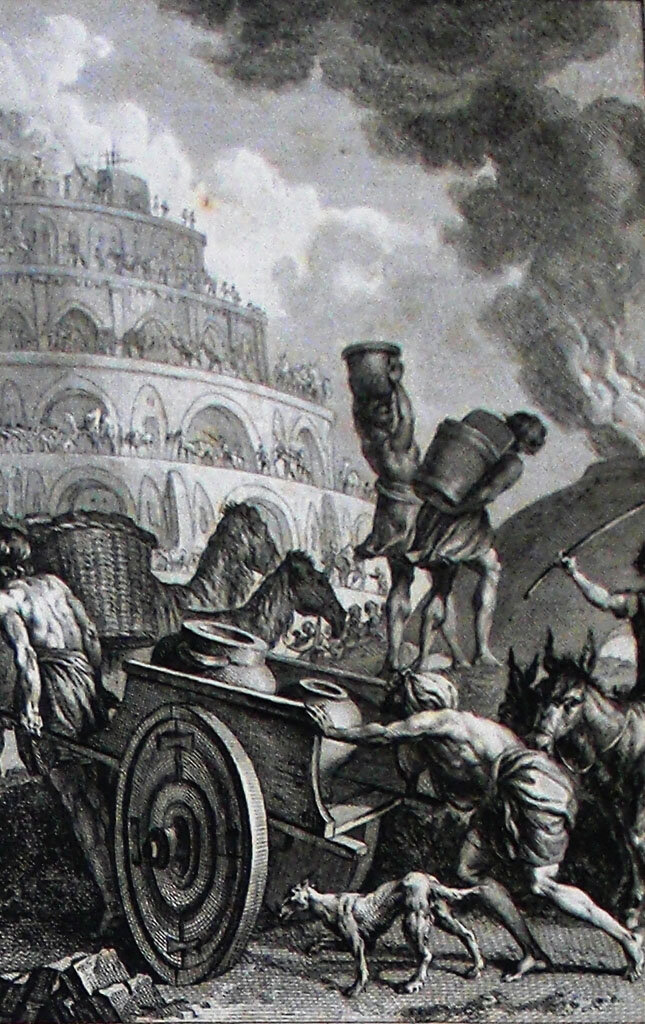
“and he (Jesus) began to teach them. He said:
“‘You have heard that it was said, “Love your neighbour and hate your enemy.” But I tell you, love your enemies and pray for those who persecute you, that you may be children of your Father in heaven...”
Matthew 5:2,43-45 NIVUK
#bible #beatitudes #loveistheanswer
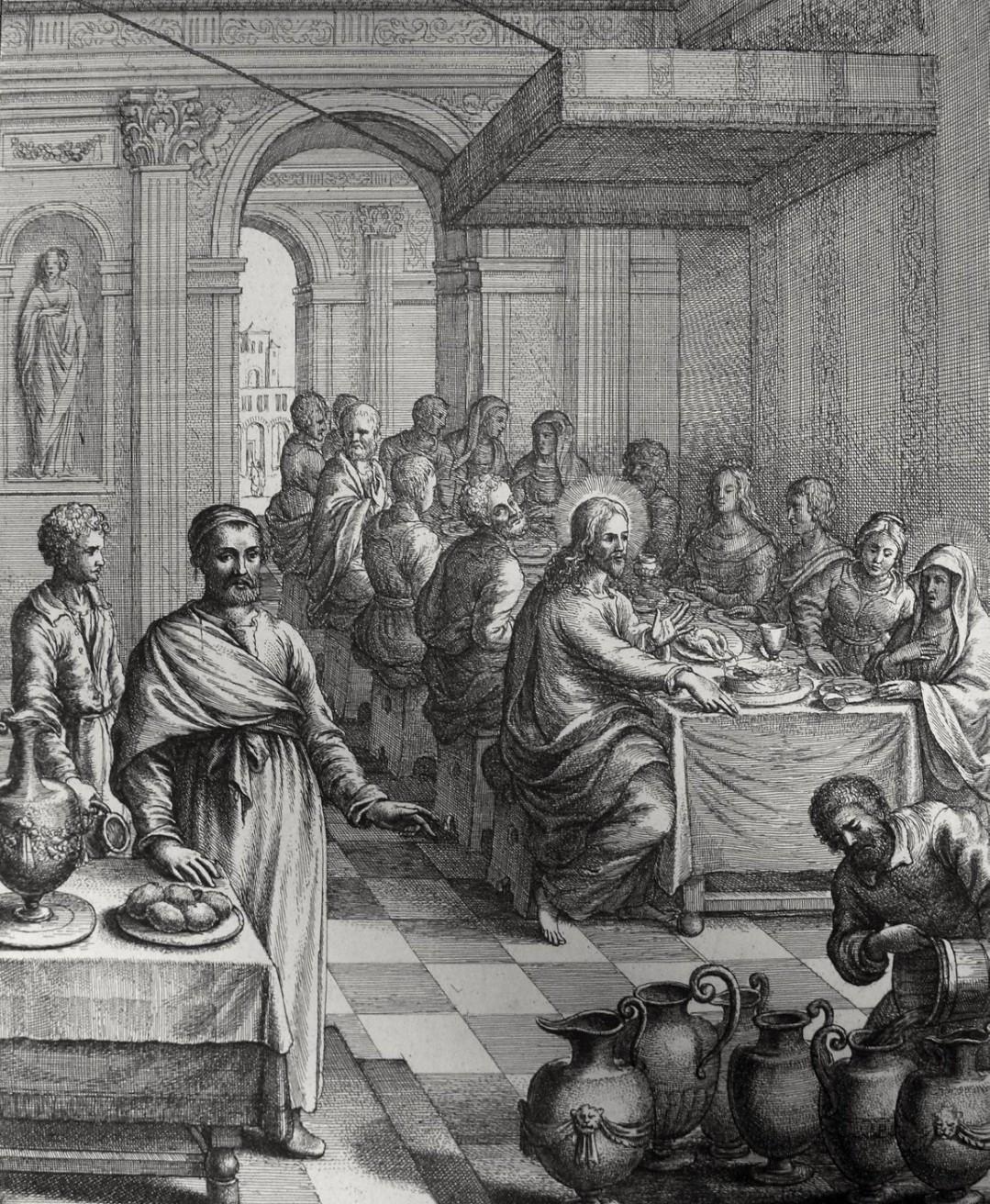
Bowyer Bible print 5293 Christ turns water into wine John 2:6-10 after Titian. Robert Bowyer (d.1834) expanded his copy of the Macklin Bible by inserting over 6200 prints. The Bowyer Bible is now housed in Bolton Museum. For these prints see https://archive.org/details/bowyer-bible
where Philip De Vere has created flip-books from Phillip Medhurst's photo-collection.
#BoltonMuseum #bible #extraillustration #grangerisation #print #engraving #etching #Bibleillustration #Bibleart #Christianart #christianartwork
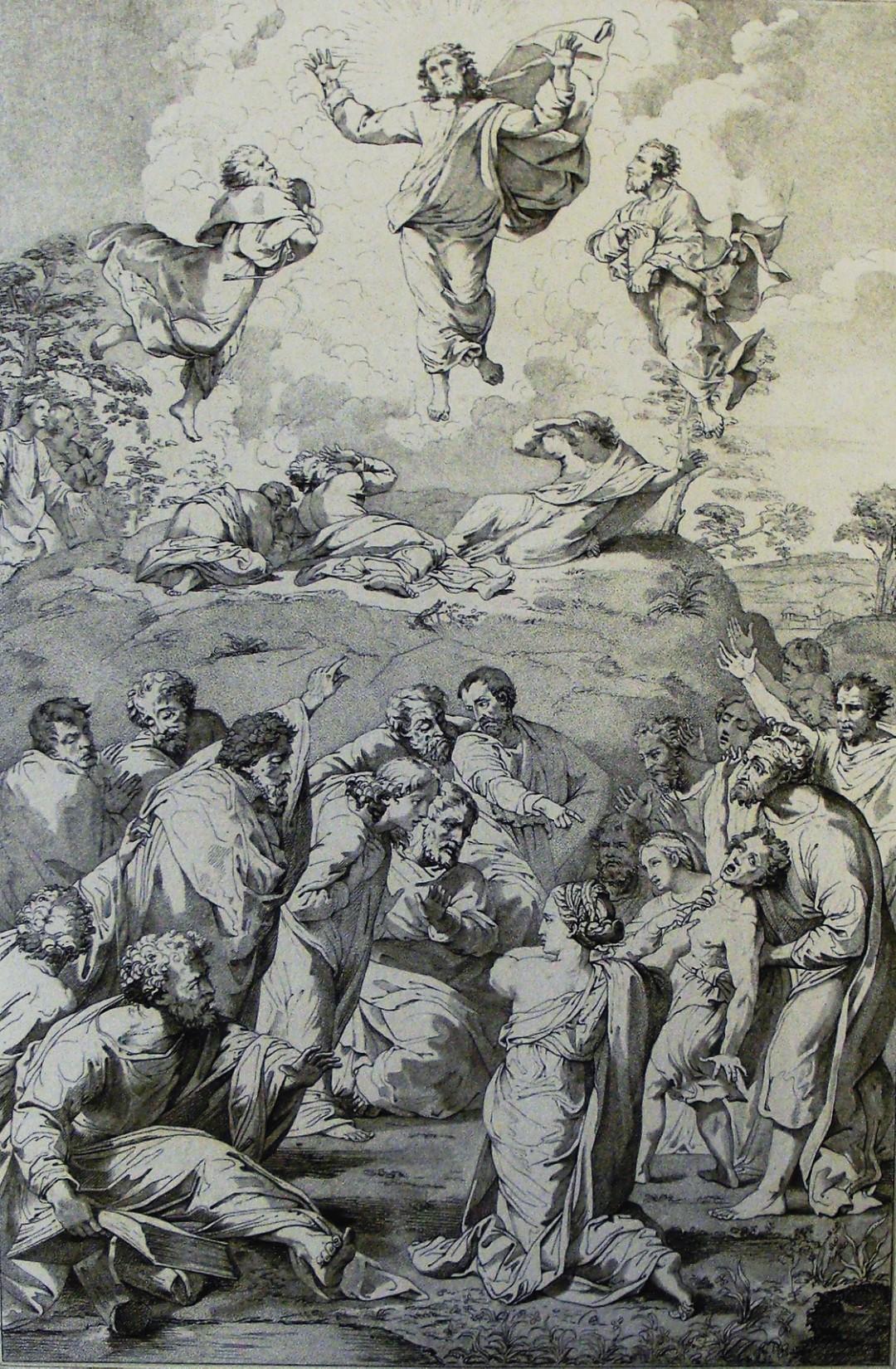
Bowyer Bible print 4399 The Transfiguration Mark 9:2-27 Raphael. Robert Bowyer (d1834) expanded his copy of the Macklin Bible by inserting over 6200 different prints. The Bowyer Bible is now housed in Bolton Museum. For these prints see https://archive.org/details/bowyer-bible
where Philip De Vere has created flip-books from Phillip Medhurst's photo-collection.
#BoltonMuseum #bible #extraillustration #grangerisation #MacklinBible #interleaved #print #engraving #etching #Bibleillustration #Bibleart #Christianart
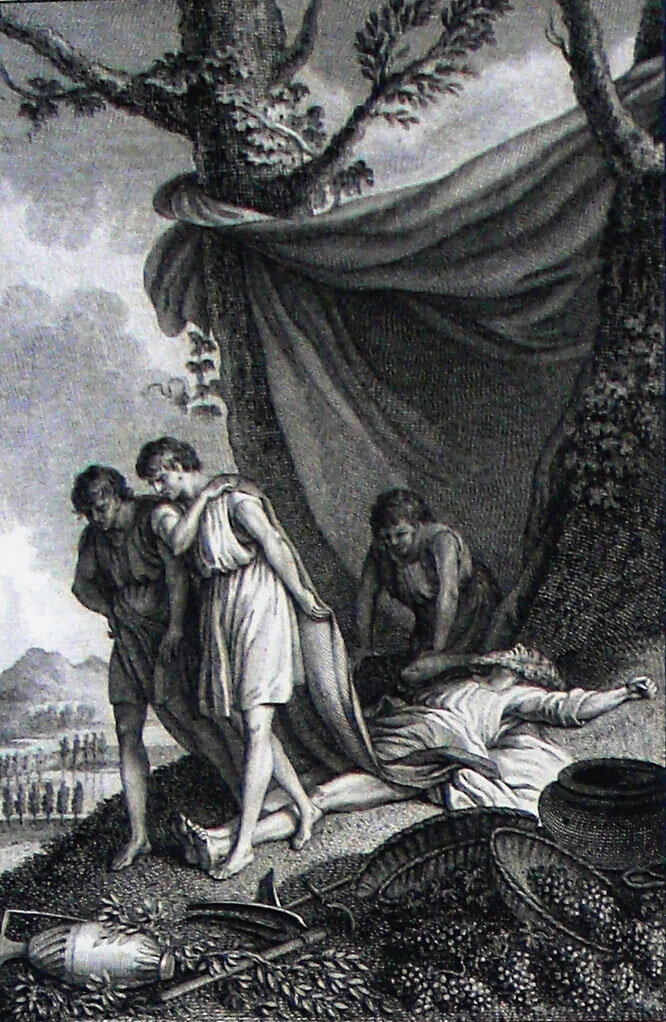
where Philip De Vere has created flip-books from Phillip Medhurst's photo-collection.
#BoltonMuseum #bible #extraillustration #grangerisation #MacklinBible #interleaved #print #engraving #etching #Bibleillustration #Bibleart #Christianart #christianartwork
![[?]](https://the-end-time.org/wp-content/uploads/2019/10/cropped-logo5.jpg)
“Prosperity”- You keep using that word…
By Elizabeth Prata
SYNOPSIS: Are you in a season where the Lord’s supply or provision for you or your family seems meager? Ask yourself instead, is it sufficient?

Phil Johnson is Executive Director of the global ministry Grace to You, editor of John MacArthur’s books, and co-leads his Sunday School class called GraceLife.
I decided to do some cooking and listen to Phil Johnson’s sermon while chopping. His sermon is called “Not So Radical” and it is a message he is preaching through the Psalms of Ascents. He is up to Psalm 128.
Pastor Johnson explained that the psalms of ascents were songs the Israelites would sing on the way to Jerusalem. No matter what direction you approached Jerusalem from, and mostly the only way to go was the Jericho road, was uphill. You hiked. You climbed. You sweated. It was 3400 arduous feet uphill all the way. You did this three times a year. Grandma had to be carried in a cart drawn by an ox. The rest just hiked. These songs were songs they would sing in praise and anticipation of the worship festival to come, and would remind them of Who they were going to worship in the coming days.
Psalm 128:5 states the following:
“The LORD bless you from Zion! May you see the prosperity of Jerusalem all the days of your life!”
Pr. Johnson looped back to verse 1 which opens with a message about how fearing the LORD brings blessing. He said,
“We don’t hear enough about holy fear these days. Modern preachers like to encourage familiarity rather than fear, and that’s why so much of today’s worship is casual, flippant, man-centered. But Scripture is full of admonitions to fear the Lord. For many today, that is an unfamiliar concept.”
Holy Fear is important to possess, to ponder, to talk about. Fearing the Lord should be an integral part of a Christian’s life. Not a servile fear. But a trembling fear of awe and reverence. He is YAHWEH, after all.
Then he moved into explaining prosperity and blessing.
“The word prosperity here in our text speaks of the biblical concept of divine blessing, spiritual affluence, and material sufficiency. This kind of prosperity has nothing whatsoever to do with the worldly idea of mammon. The world’s idea of prosperity is overabundance, opulence, luxury, self-indulgence–all dependent on material wealth. The Lord’s definition of prosperity (by contrast) is full forgiveness, the imputation of perfect righteousness, and “grace to help in time of need”–all blessings of eternal value.
“Sometimes the Lord’s supply seems meager, but it is always sufficient. He measures his blessings carefully, so that a glut of earthly prosperity doesn’t extinguish our hope of heaven. And even that is a great blessing.”
Sometimes the Lord blesses by sustaining with a large amount of means, as He did with Job and Abraham. Sometimes the Lord blesses by sustaining exactly enough with little extra, as He does with me and perhaps with you. Sometimes He seems not to have sustained at all, as with the beggar at the gate, but in fact did sustain him with plenty of faith. Or sustain the paralyzed man let down through the roof with committed and loving friends. The Lord takes care of us financially and He takes care of us spiritually. What may seem meager to one or another person, is in fact perfection.
“Therefore do not be anxious, saying, ‘What shall we eat?’ or ‘What shall we drink?’ or ‘What shall we wear?’ For the Gentiles seek after all these things, and your heavenly Father knows that you need them all.” (Matthew 6:31-32)
“So Abraham called the name of that place, “The LORD will provide”; as it is said to this day, “On the mount of the LORD it shall be provided.” (Genesis 22:14).
The Lord shall provide for you!

~~~~~~~~~~~~~~~~~~~~~~
For further reading:
Phil Johnson: Not So Radical
(if the link still isn’t working yet listen here at sermon audio)
Our Daily Bread: God provides…but how?
Pastor Rick Henderson: The False Promise of the Prosperity Gospel: Why I Called Out Joel Osteen and Joyce Meyer
#bible #faith #fearingGod #jesus #provision
where Philip De Vere has created flip-books from Phillip Medhurst's photo-collection.
#BoltonMuseum #bible #extraillustration #grangerisation #MacklinBible #interleaved #print #engraving #etching #Bibleillustration #Bibleart #Christianart #christianartwork
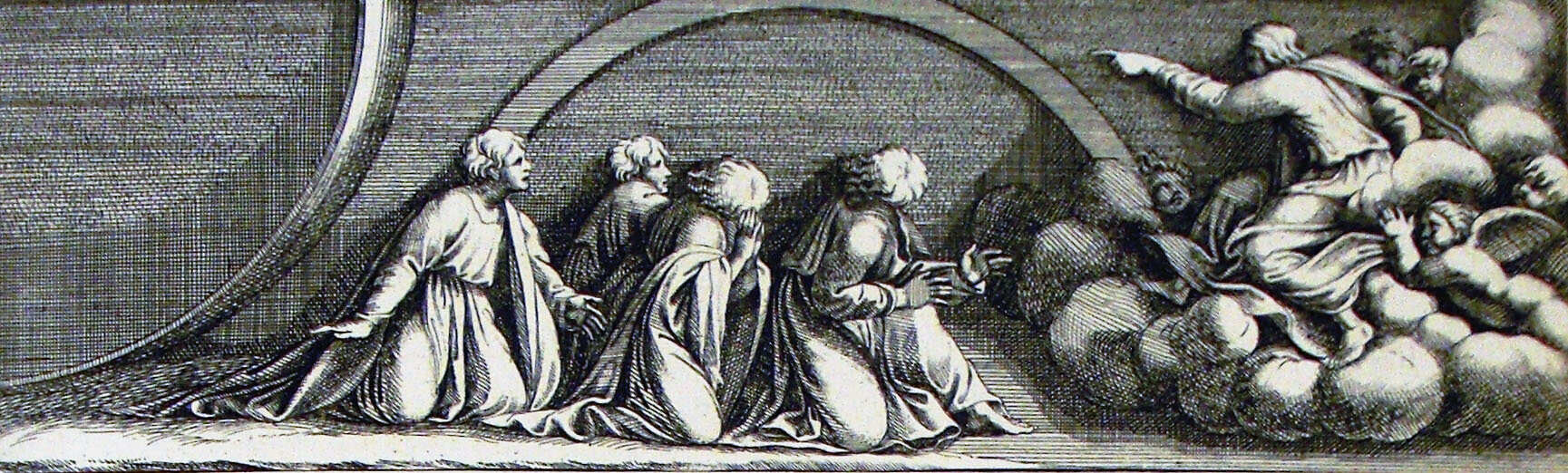
Bowyer Bible print 5484 Christ washes his disciples' feet John 13:5-9 Schellenberg. Robert Bowyer (d.1834) expanded his copy of the Macklin Bible by inserting over 6200 different prints. The Bowyer Bible is now housed in Bolton Museum. For these prints see https://archive.org/details/bowyer-bible
where Philip De Vere has created flip-books from Phillip Medhurst's photo-collection.
#BoltonMuseum #bible #extraillustration #grangerisation #MacklinBible #interleaved #print #engraving #etching #christianartwork
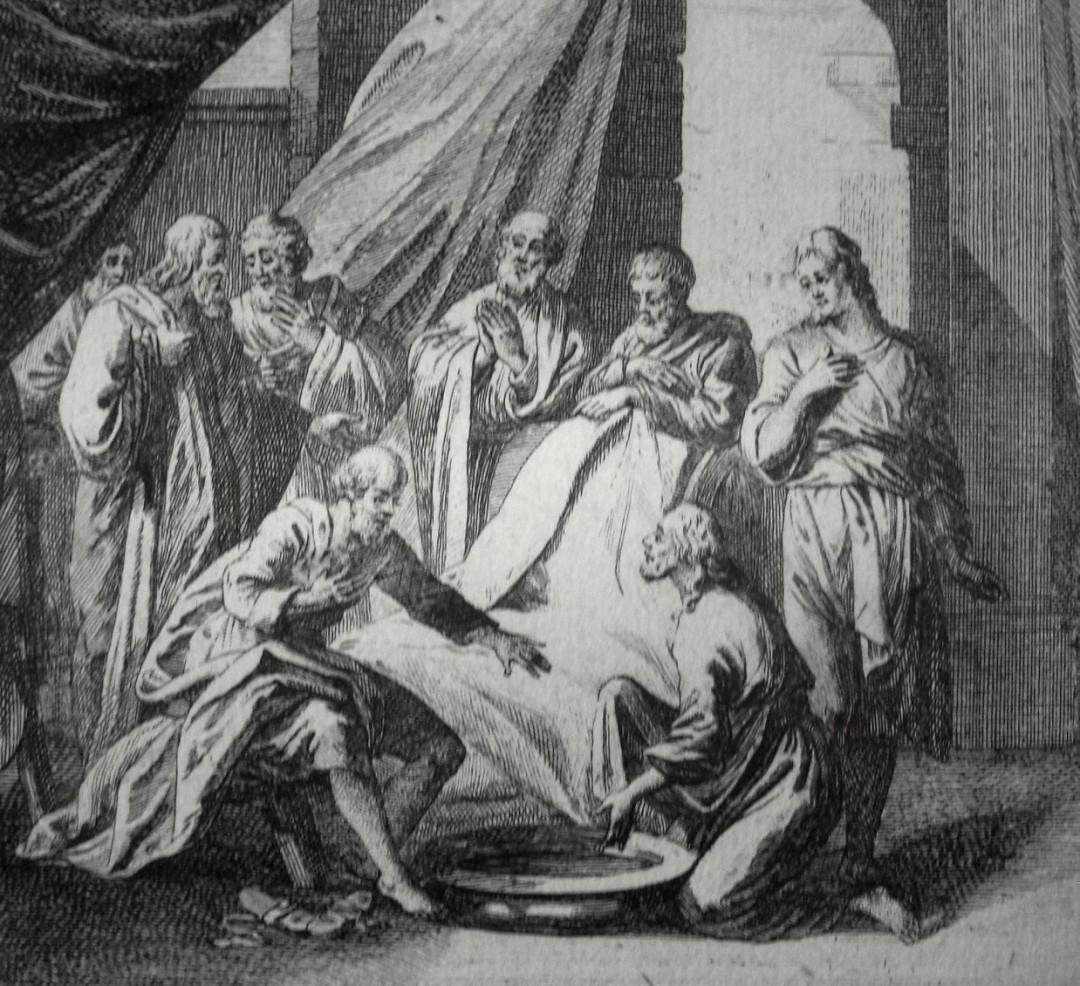
Bowyer Bible print 0440 Abraham driving away Hagar. Genesis cap 21 v 14. Hamilton. Robert Bowyer (d.1834) expanded his copy of the Macklin Bible by inserting over 6200 different prints. The Bowyer Bible is now housed in Bolton Museum. For these prints see https://archive.org/details/bowyer-bible
where Philip De Vere has created flip-books from Phillip Medhurst's photo-collection.
#BoltonMuseum #bible #extraillustration #grangerisation #MacklinBible #interleaved #print #Bibleart #Christianart #christianartwork
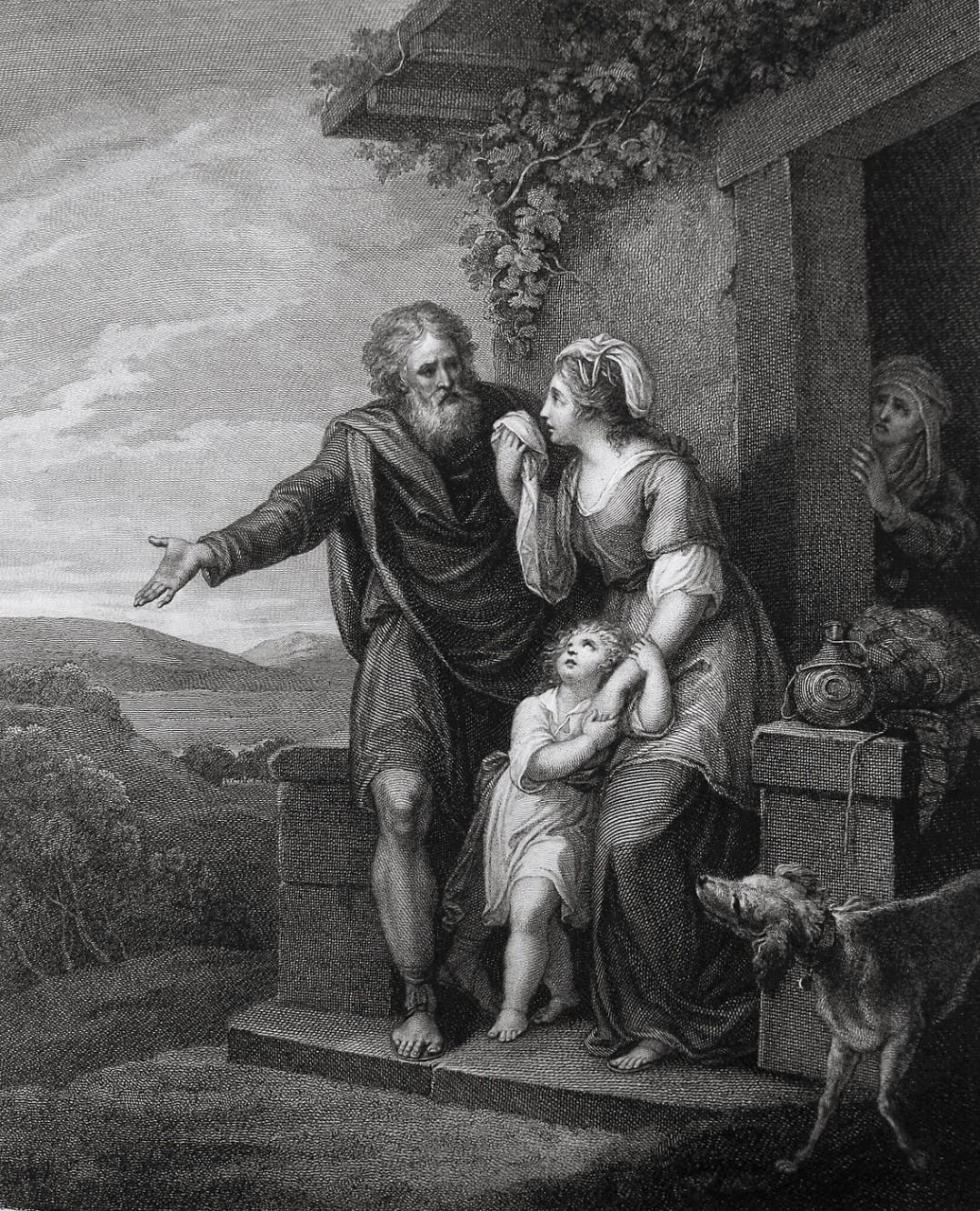
where Philip De Vere has created flip-books from Phillip Medhurst's photo-collection.
#BoltonMuseum #bible #extraillustration #grangerisation #MacklinBible #interleaved #print #engraving #etching #Bibleillustration #Bibleart #Christianart #christianartwork
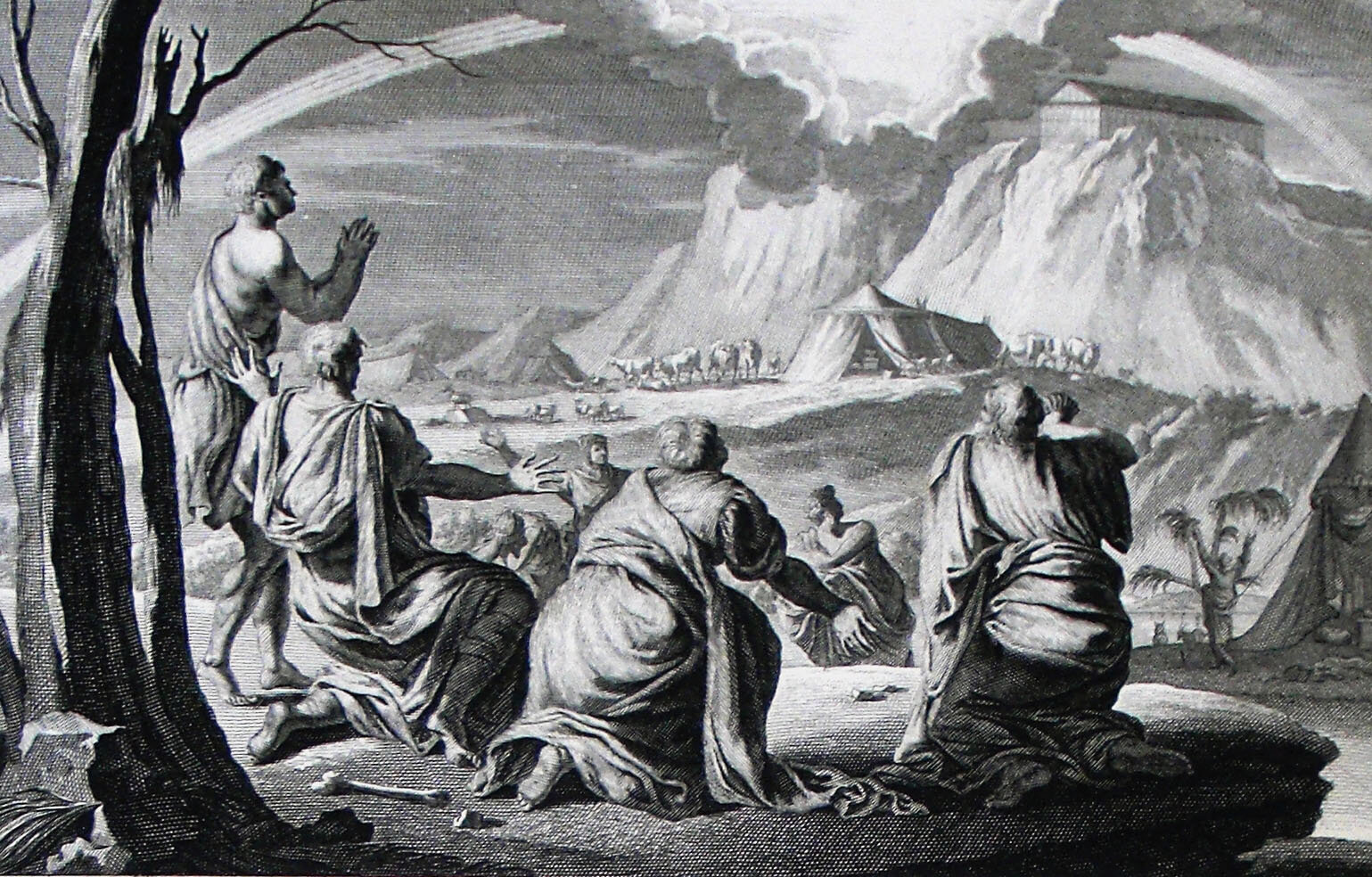
“the Lord is compassionate and gracious, slow to anger, abounding in love.
He will not always accuse, nor will he harbour his anger for ever;
he does not treat us as our sins deserve or repay us according to our iniquities. For as high as the heavens are above the earth, so great is his love for those who fear him;
as far as the east is from the west, so far has he removed our transgressions from us.”
Psalms 103:8-12 NIVUK
#bible #prayer
Cherish the Spring
Once we discover the Source of Living Water we must then choose to stay close to Him. If you were stranded in the desert and you found a spring you would not want to casually wander off in search of something else. You would stay close and return to it often. That is what the Lord hopes you will do with Him. Click here to read the full devotional. ✨ [SENSITIVE CONTENT]
Today’s One Year Bible Verses: 2 Kings 1:1–2:25, Acts 13:42–14:7, Psalm 139:1–24, Proverbs 17:19–21
Stay Close – Partake Often
Yesterday, the Lord showed me that He is the Source. Like a fresh spring to the thirsty, He alone can satisfy the deepest needs of our souls.
Today, He showed me something equally important: once you’ve found the Source, don’t wander away from it.
The Holy Spirit whispered this Gem of Knowledge to my heart:
“Cherish your time with Me. Do not let anything in this world take you away from it. It is your life’s spring, while anything leading you away is death. Amen.”
As I reflected on those words, I realized that finding a spring in the desert would change everything. A thirsty traveler wouldn’t discover life-giving water and then casually wander off in search of something else. They would stay close to it, return to it often, and protect access to it because their life depended on it.
That is what today’s Gem is really about.
We often think of our quiet time with God as just one more thing to do on our already long list of “Christian to-do’s” – We read our Bible, pray, worship, and then move on with the rest of our day. But God showed me something deeper through this Gem. Our time with Him is not simply another activity. It is the spring itself.
Everything else flows from it.
Our peace flows from it.
Our wisdom flows from it.
Our strength flows from it.
Our ability to love others flows from it.
When we stay connected to the Lord, His life continually refreshes ours. But when we allow distractions to pull us away from Him, we often wonder why we feel dry, weary, discouraged, or stagnant.
In 2 Kings 2 today, Elijah’s earthly ministry was coming to an end. As he prepared to be taken into heaven, Elisha refused to leave his side. Again and again Elijah told him to stay behind, but Elisha remained close. He understood that what he needed most was not a position, title, or opportunity. He needed proximity to the presence and power of God.
Because he stayed close, he received a double portion of Elijah’s spirit and stepped into the calling God had prepared for him.
His blessing flowed from connection.
We see something similar in Acts 13 and 14. Paul and Barnabas faced opposition, rejection, and persecution as they preached the Gospel. Yet they continued moving forward because they were drawing from a source greater than circumstances. Their strength was not coming from public approval or favorable conditions. It was coming from their relationship with God.
Psalm 139 takes us even deeper. David marvels at the fact that God knows him completely. He cannot escape God’s presence, nor does he want to. Instead, he invites the Lord to search his heart, reveal anything that is not pleasing to Him, and lead him in the everlasting way.
That is the language of someone who cherishes God’s presence.
Not someone checking a box or merely fulfilling an obligation, but someone who discovered the spring.
I think one of the enemy’s most effective strategies is not necessarily to get believers to abandon God altogether. Often he simply fills our lives with enough distractions that we gradually spend less and less time with Him. The result is the same. The further we move from the spring, the drier we become.
Every day we are moving toward life or away from it. Every choice either draws us closer to the Source or distracts us from Him.
The beautiful news is that God is always inviting us back.
Will you stay by the Source and drink from His spring of living waters? 💎
Action (5 Minutes with God)
Take 5 minutes drinking from the spring today. Ask the Lord:
- “Lord, what do You want me to know about this personally?”
- Journal what He gives you through His Holy Spirit.
- Then ask, “What do You want me to do?”
- Journal what He reveals – then do it!
Allow today be a day of refreshing and renewal with the Lord then stay close so you can keep coming back for more.
Prayer
Dear Lord, thank You for the gift of Your presence. Forgive me for the times I have allowed distractions, busyness, or other priorities to pull me away from You. Help me cherish our time together and recognize that You are the source of my life, peace, strength, and joy. Draw me closer to You each day, and teach me to protect the time we share. Refresh my soul from Your living spring and lead me in the everlasting way. In Your beloved name I pray, Amen.
To read more 5 Minutes with God devotionals click here.
If Gems of Knowledge has blessed your walk with Christ, please subscribe or consider partnering with us today. Your gift helps keep these devotionals free for everyone and carries God’s Word to more hearts. Every seed matters—thank you for sowing into this work! 💛
Test everything by the Word and the Spirit (John 16:13)

Alt...
A woman kneels beside a crystal-clear mountain spring drinking fresh water while Jesus sits beside her in a beautiful valley at sunrise, symbolizing spiritual refreshment and intimacy with God.
Relying on human strategy without seeking divine counsel inevitably leads to vulnerability, illustrating impending trouble for the person who "trusts in man and makes flesh his strength" (Jeremiah 17:5 NKJV).
https://ko-fi.com/veggietalesgang
https://www.patreon.com/cw/veggietalesgang
https://linktr.ee/veggietalesgang
https://discord.gg/Knk4bCXKwG
https://youtube.com/shorts/7IzTCyXTkXo?feature=share
#Christian #Bible
#Scripture #Gospel #Christianmemes #Biblememes
Kay Cude poetry: Our Fortress Prevails
Poetry by Kay Cude. Used with permission. Right click on image to open larger in new tab. Or read the text below the artwork. Artist’s statement:
I keep returning to our (me!!) needing to “remember” God’s promises and provision. GOD THE I AM is the only fortress in Whom we find a righteous protector, defender and provider. He is the only place of eternal refuge from the world’s continuing tragedies and chaos. He is the stronghold Who is and Who will provide peace, wisdom, understanding, instruction and endurance.

OUR FORTRESS PREVAILS
FACING FEAR:
IN THE MIDST OF GOD’S PROVIDENCE
As waves of fear rolled nearer still, as deep its swell approached us nigh; our hearts near failed as we cried out, “O Lord, Your servants rescue now!” And crashed the waves of terror strong, our lives at risk — we knew death’s tide; yet stilled our hearts Your Glorious Word and on we clung and Truth prevailed.
As deep and dark, as depth of brine, we battled ‘gainst the foe’s onslaught; its torrents fierce as bounding main, — with cruelest rage this foe can slay. Yet in Your Will, O Saviour ours, Salvation’s Light’s our mighty Ark; afloat we stay midst evil’s gale, for You prevail within its rage.
Afloat we ride with knowledge sure, we look ahead with strength not ours; Endurance meets us Face-to-face, ’tis You our Strength our sure Bulwark, The fears we face — our spirit’s gain, makes strong we resolute of heart, to live God’s Will through providence — and triumph through His Will’s Intent.
~kay cude, October 1, 2017
“The LORD is my Rock and my Fortress and my Deliverer, my GOD, my Rock, in whom I take refuge; my Shield and the Horn of my Salvation, my Stronghold. I call upon the LORD, WHO is worthy to be praised, and I am saved from my enemies. The cords of death encompassed me, and the torrents of ungodliness terrified me. The ropes of Sheol entangled me; the snares of death confronted me. In my distress I called upon the LORD, and cried to my GOD for help; HE heard my voice out of HIS TEMPLE, and my cry for help before HIM CAME INTO HIS EARS.” Psalm 18:2-6
Study Resources:
Desiring God: God’s Bright Design for Your Bitter Providences
Mike Ratliff: Persecution is the Natural Result of Teaching or Preaching without Compromise
Bible.org: Lesson 61: God’s Providential Protection (Acts 23:12-35)
Phil Johnson: Providence IS Remarkable
OUR FORTRESS PREVAILS
Refer to Psalm 46. FEAR NOT, GOD IS OUR ETERNAL REFUGE AND STRENGTH.
“We will not fear, for God hath willed His Truth to triumph through us; The body they may kill. God’s Truth abideth still, His Kingdom is FOREVER.” ~Martin Luther
IT IS the grace of God through His unfathomable mercy through the power of His predetermined love that urges us to remain and stand in His will concerning providence! WHAT THEN
IS IT that assails our thoughts with such unrelenting vengeance that can tempt us into overbearing fear when trials overtake us?
IT IS not remembering His Word — that He is Sovereign over all circumstances and issues we will encounter during our lives, during our service to, for and through Him…
Art: THE NINTH WAVE, Hovhannes Aivazovsky (1817-1900) PD, State Russian Museum, St. Petersburg. https://commons.wikimedia.org/w/index.php?curid-21854187
#bible #christianity #faith #fortress #God #jesus #KayCude #poetry #refugeBowyer Bible print 4397 The transfiguration of Jesus Mark 9:2-8 De Vos. Robert Bowyer (d.1834) expanded his copy of the Macklin Bible by inserting over 6200 different prints. The Bowyer Bible is now housed in Bolton Museum. For these prints see https://archive.org/details/bowyer-bible
where Philip De Vere has created flip-books from Phillip Medhurst's photo-collection.
#BoltonMuseum #bible #extraillustration #grangerisation #MacklinBible #print #engraving #etching #Bibleillustration #Bibleart #Christianart
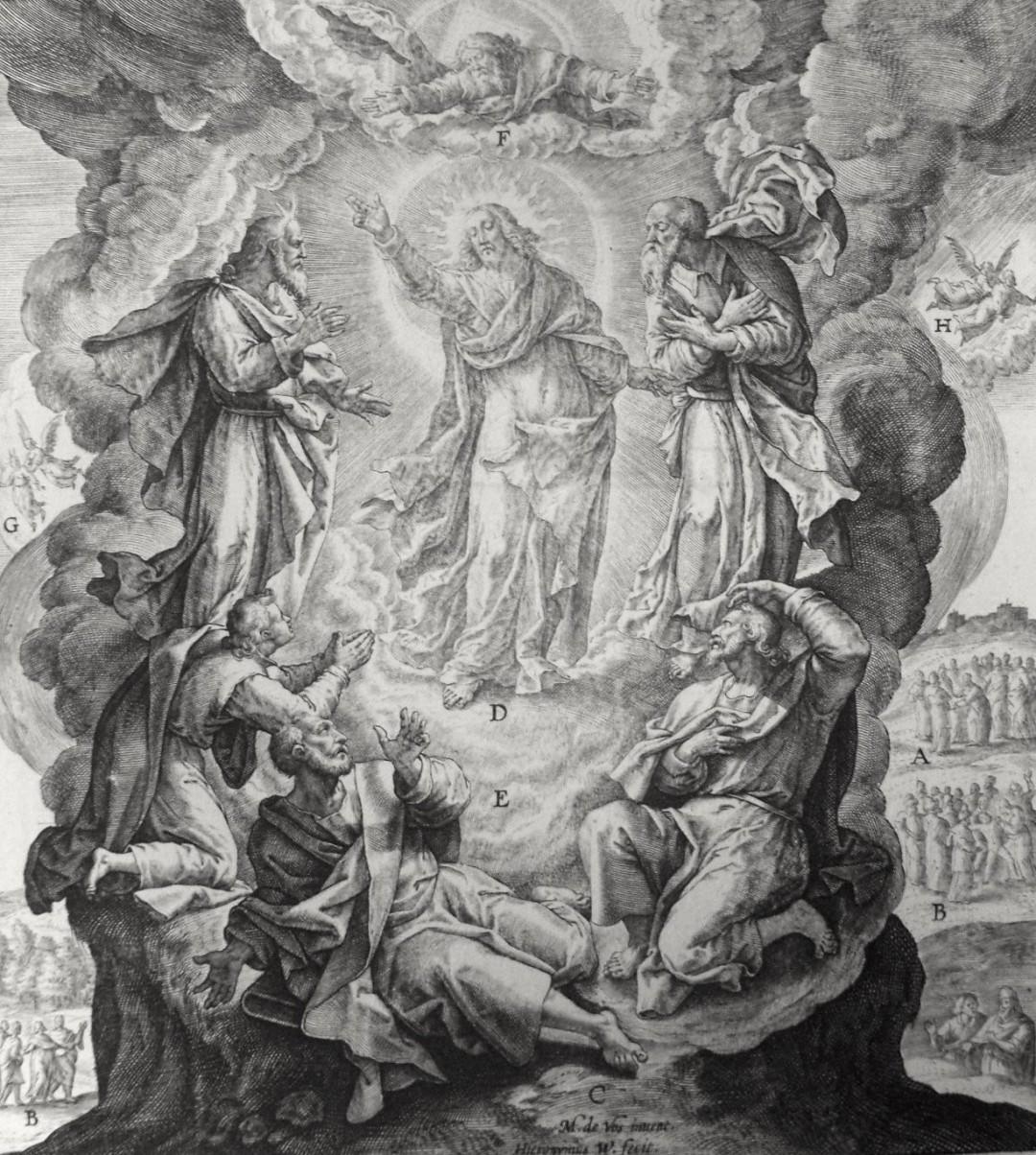
where Philip De Vere has created flip-books from Phillip Medhurst's photos.
#BoltonMuseum #bible #extraillustration #grangerisation #MacklinBible #interleaved #print #engraving #etching #Bibleillustration #Bibleart #Christianart #christianartwork
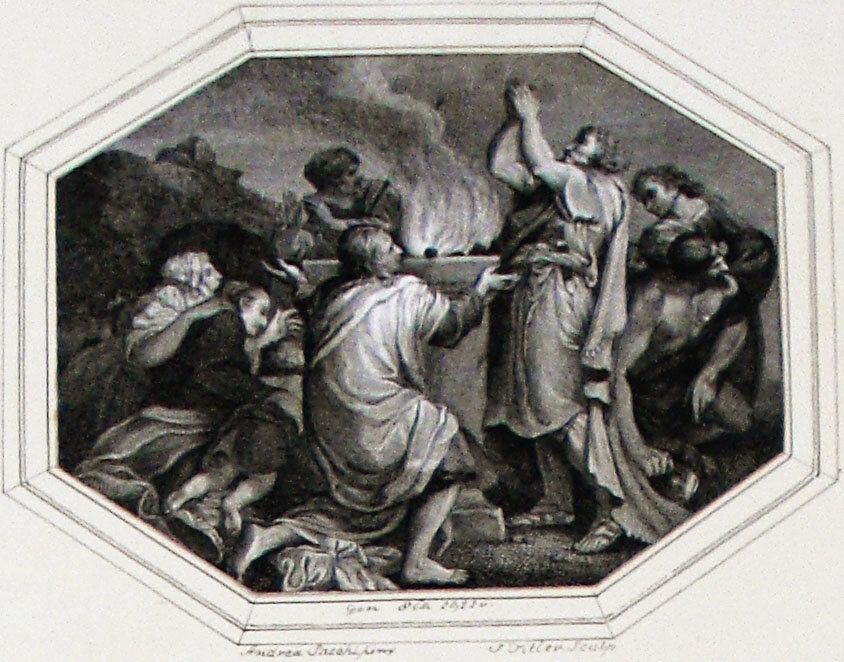
Bowyer Bible print 4128 The entombment of Jesus Matthew 27 Schellenberg. Robert Bowyer (d.1834) expanded his copy of the Macklin Bible by inserting over 6200 different prints. The Bowyer Bible is now housed in Bolton Museum. For these prints see https://archive.org/details/bowyer-bible
where Philip De Vere has created flip-books from Phillip Medhurst's photos.
#BoltonMuseum #bible #extraillustration #grangerisation #MacklinBible #interleaved #etching #Bibleillustration #Bibleart #Christianart #christianartwork
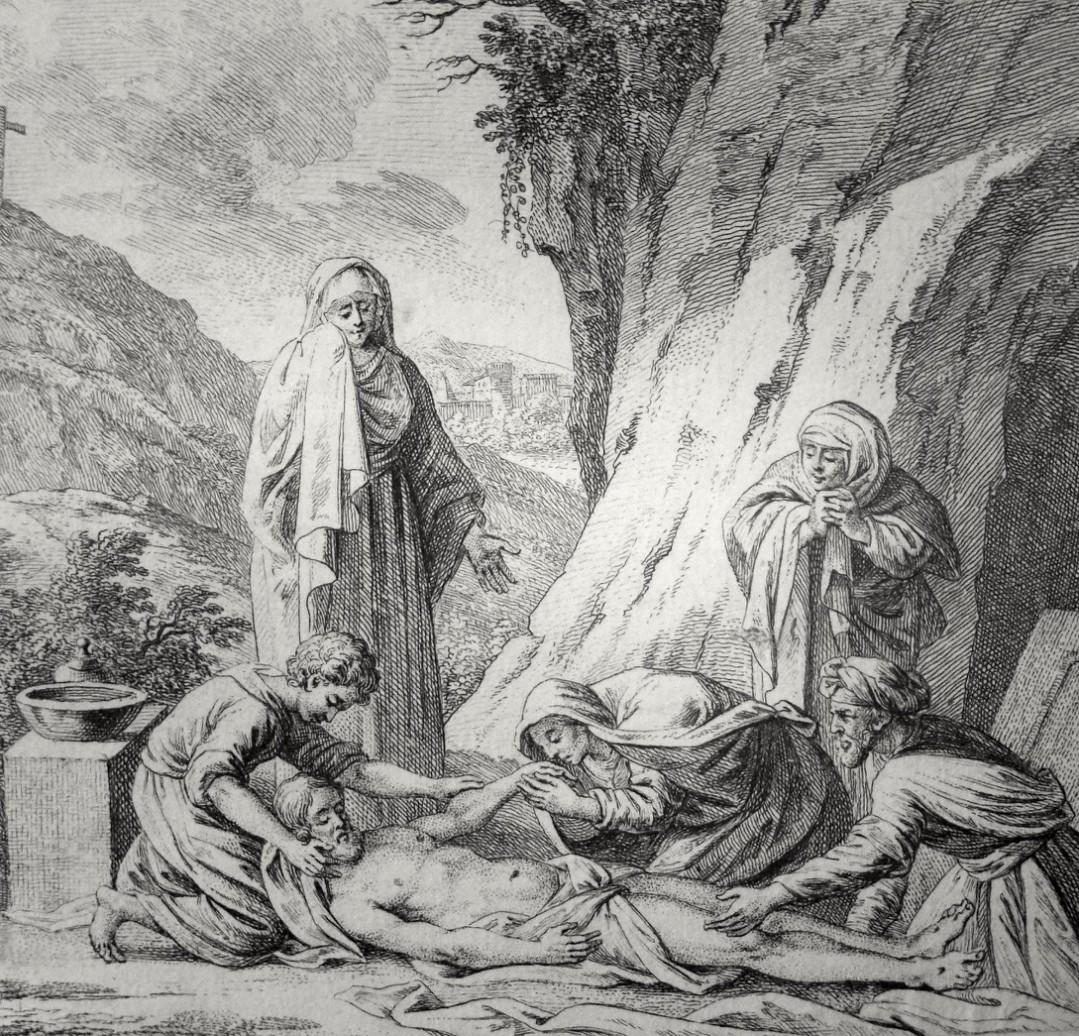
Bowyer Bible print 3756 The transfiguration Matthew 17:1-6 Merian. Robert Bowyer (d.1834) expanded his copy of the Macklin Bible by inserting over 6200 different prints. The Bowyer Bible is now housed in Bolton Museum. For these prints see https://archive.org/details/bowyer-bible
where Philip De Vere has created flip-books from Phillip Medhurst's photos.
#BoltonMuseum #bible #extraillustration #grangerisation #MacklinBible #interleaved #print #etching #Bibleillustration #Bibleart #Christianart #christianartwork
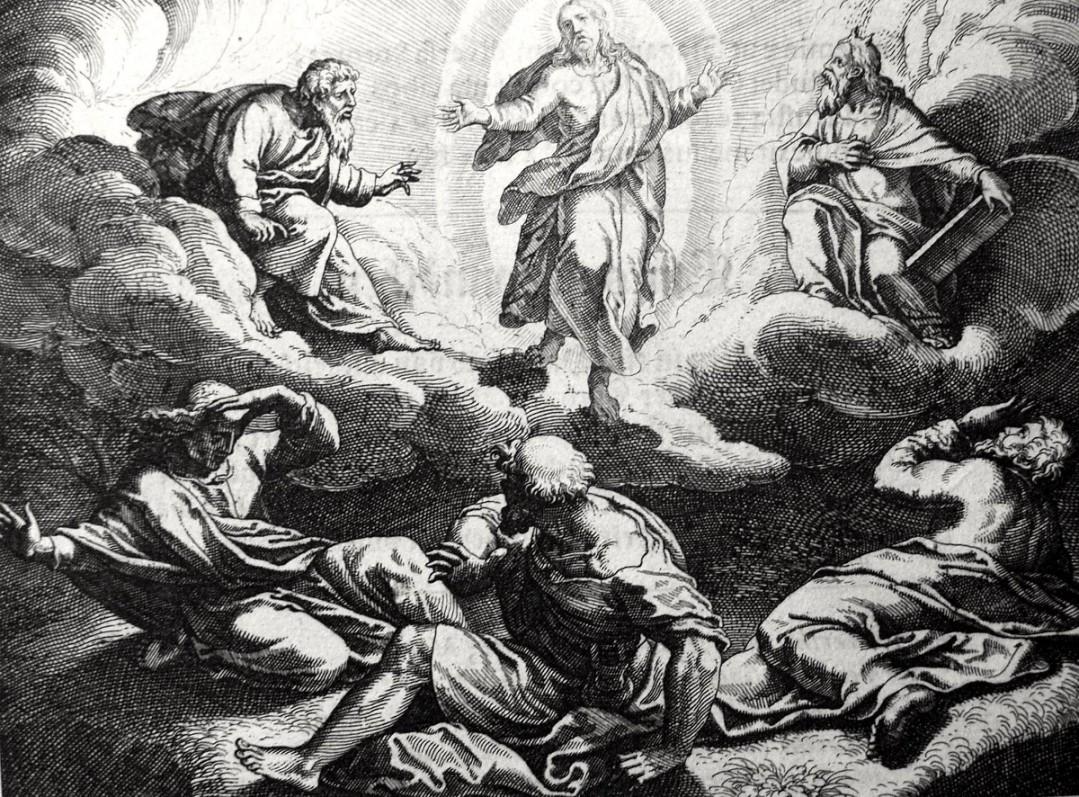
Bowyer Bible print 3546 Simon Peter and Andrew with Christ Matthew 4:18-22 Perelle. Robert Bowyer (d1834) expanded his copy of the Macklin Bible by inserting over 6200 different prints. The Bowyer Bible is now housed in Bolton Museum. For these prints see https://archive.org/details/bowyer-bible
where Philip De Vere has created flip-books from Phillip Medhurst's photos.
#BoltonMuseum #bible #extraillustration #grangerisation #print #engraving #etching #Bibleillustration #Bibleart #Christianart #christianartwork

where Philip De Vere has created flip-books from Phillip Medhurst's photo-collection.
#BoltonMuseum #bible #extraillustration #grangerisation #MacklinBible #interleaved #print #engraving #etching #Bibleillustration #Bibleart #Christianart #christianartwork
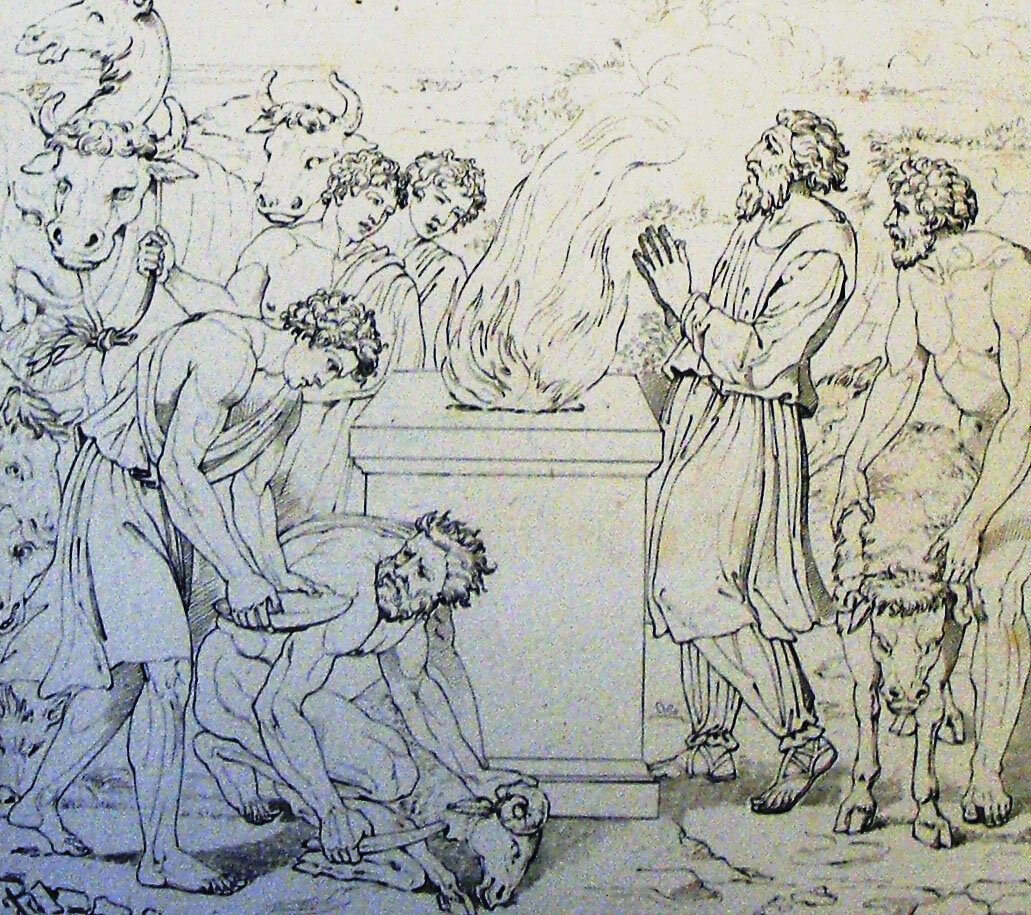
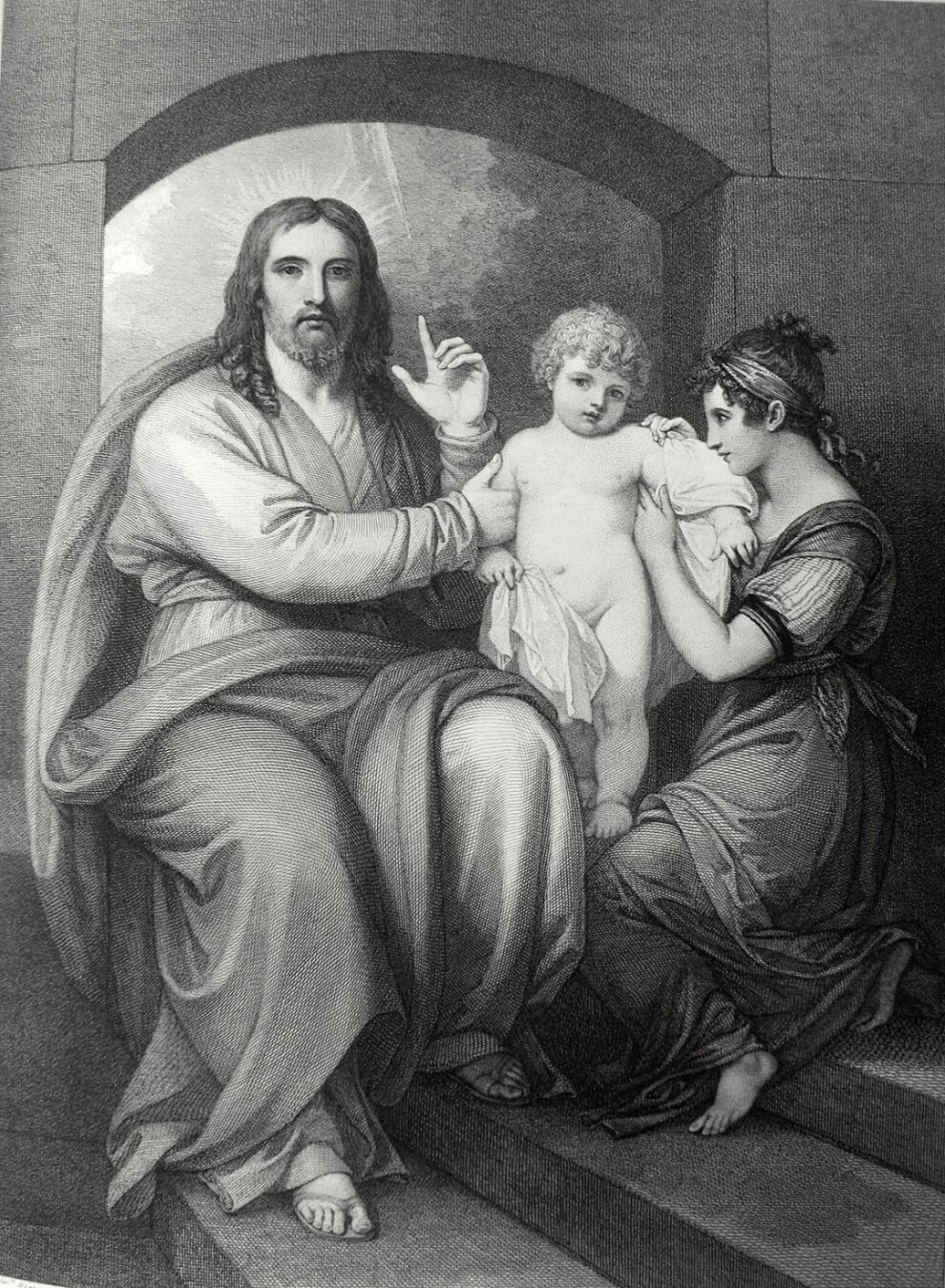
Bowyer Bible print 3349 Virgin and Child after Raphael. Robert Bowyer (d1834) expanded his copy of the Macklin Bible by inserting over 6200 different prints. The Bowyer Bible is now housed in Bolton Museum. For these prints see https://archive.org/details/bowyer-bible
where Philip De Vere has created flip-books from Phillip Medhurst's photo-collection.
#BoltonMuseum #bible #extraillustration #grangerisation #MacklinBible #interleaved #print #engraving #Bibleillustration #Bibleart #Christianart #christianartwork
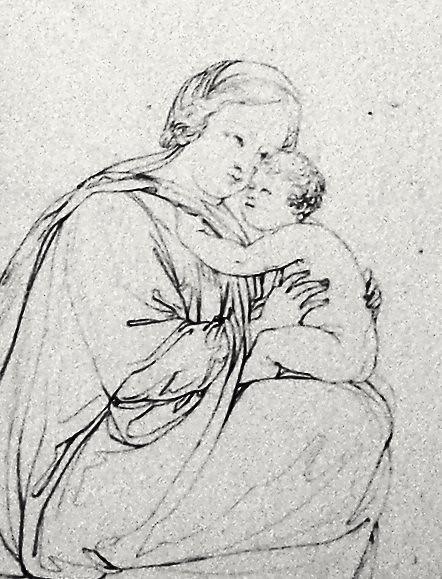
Bowyer Bible print 0439 Abraham driving away Hagar. Genesis cap 21 v 10. Borcht. Robert Bowyer (d.1834) expanded his copy of the Macklin Bible by inserting over 6200 prints. The Bowyer Bible is now housed in Bolton Museum. For these prints see https://archive.org/details/bowyer-bible
where Philip De Vere has created flip-books from Phillip Medhurst's photo-collection.
#BoltonMuseum #bible #extraillustration #grangerisation #MacklinBible #interleaved #print #engraving #Bibleart #Christianart #christianartwork
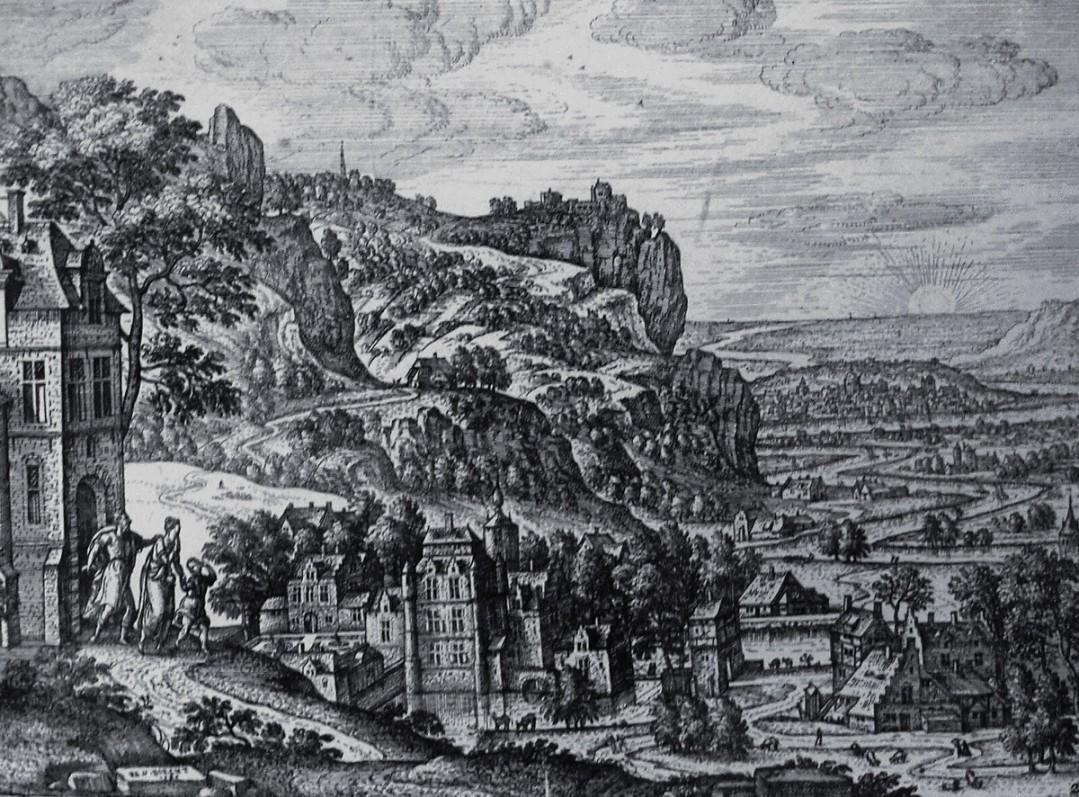
“‘Therefore, my friends, I want you to know that through Jesus the forgiveness of sins is proclaimed to you. Through him everyone who believes is set free from every sin, a justification you were not able to obtain under the law of Moses.”
Acts 13:38-39 NIVUK
~ This was Paul, speaking at a synagogue in Pisidian Antioch, near modern day Yalvaç in central Türkiye.
#bible
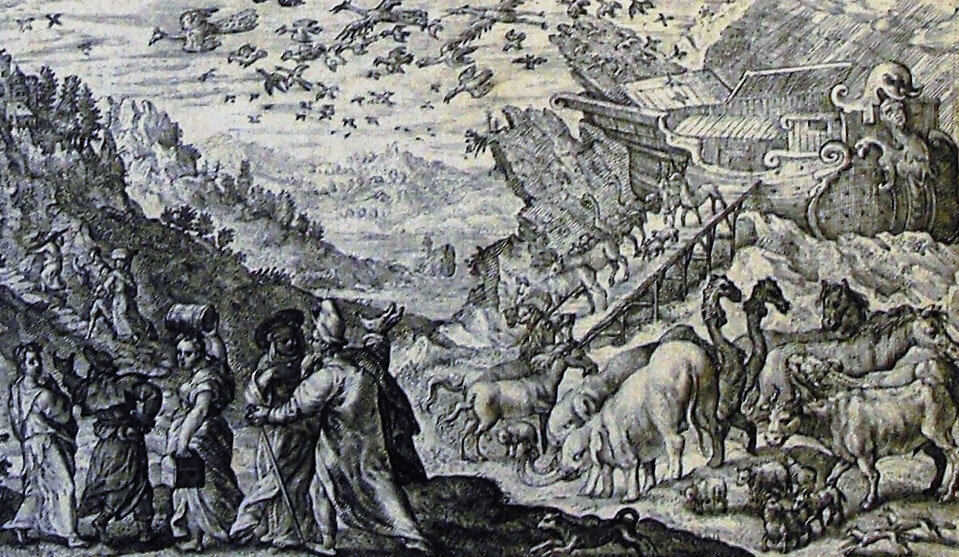
Bowyer Bible print 0077 Birds Genesis 1:20 Füssli engraved by Frederich. Robert Bowyer (d.1834) expanded his copy of the Macklin Bible by inserting over 6200 different prints. The Bowyer Bible is now housed in Bolton Museum. For these prints see https://archive.org/details/bowyer-bible
where Philip De Vere has created flip-books from Phillip Medhurst's photo-collection.
#BoltonMuseum #bible #MacklinBible #interleaved #print #engraving #etching #Bibleillustration #Bibleart #Christianart #christianartwork
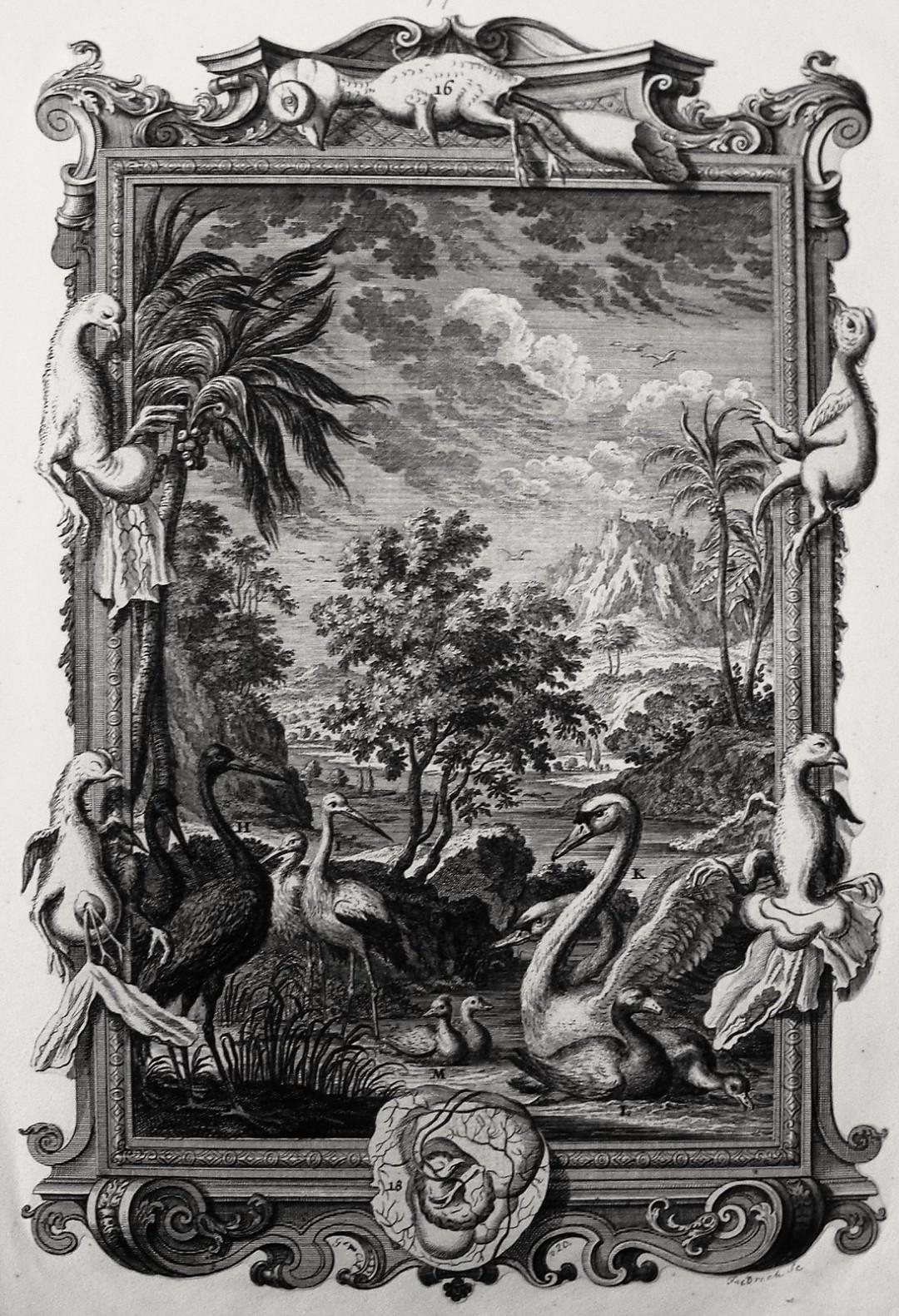
where Philip De Vere has created flip-books from Phillip Medhurst's photo-collection.
#BoltonMuseum #bible #extraillustration #grangerisation #MacklinBible #interleaved #print #engraving #etching #Bibleillustration #Bibleart #Christianart #christianartwork
The Key to Happiness
The pursuit of happiness is nothing new. People have been searching for it since the beginning of time. We try to produce it on our own with the things we do. Yet somehow, the satisfaction rarely lasts.Happiness that depends on circumstances is fragile - Joy that flows from Christ is enduring. Click here to read the full devotional. ✨ [SENSITIVE CONTENT]
Today’s One Year Bible Verses: 1 Kings 22:1–53, Acts 13:16–41, Psalm 138:1–8, Proverbs 17:17–18
Find the Source
The pursuit of happiness is nothing new. People have been searching for it since the beginning of time. We try to produce it on our own with the things we do.
Yet somehow, the satisfaction rarely lasts.
The Holy Spirit whispered this Gem of Knowledge to my heart about happiness:
“The key to happiness is finding the source and partaking of it. I am the Source. Like a fresh spring to the thirsty, I quench and refresh you, always leaving you satisfied. Amen.”
As I reflected on those words, I thought about the difference between a spring and a reservoir.
A reservoir eventually runs low if nothing replenishes it. It depends on outside sources to keep it full. A spring, however, flows from a source deep beneath the surface. It continually produces fresh water because it is connected to something greater than itself.
Many of us spend our lives drinking from reservoirs that eventually run dry. We place our hope in things that cannot continually sustain us. Success fades. Possessions wear out. People disappoint us. Circumstances change. Even good things were never designed to be our source.
Only God can fill that role.
In 1 Kings 22, King Ahab continued seeking answers from sources that told him what he wanted to hear rather than what he needed to hear. Hundreds of prophets gave him favorable messages, but only Micaiah spoke the truth from God. Ahab preferred the voices that pleased him, yet those voices could not provide the wisdom, guidance, or life he truly needed.
How often do we do the same?
We seek happiness from sources that promise satisfaction but leave us empty. We chase things that appeal to us in the moment while neglecting the One who alone can satisfy the deeper thirst of our souls.
In Acts 13 today, Paul stood before the people and proclaimed something entirely different. He pointed them not to themselves, their achievements, or their religious efforts, but to Jesus. Through Christ came forgiveness, salvation, and reconciliation with God. Paul understood that true life is not found in what we accomplish for God but in what God has accomplished for us through Christ.
Jesus Himself made a similar declaration when He said:
“Anyone who drinks this water will soon become thirsty again. But those who drink the water I give will never be thirsty again.” (John 4:13–14, NLT)
The woman at the well understood exactly what Jesus meant. She had spent years searching for fulfillment in all the wrong places. Yet when she encountered the true Source, everything changed.
Psalm 138 reflects the heart of someone who has discovered that Source. David praises God not because every circumstance is perfect, but because he knows where his help comes from. He understands that God’s faithful love, presence, and promises are greater than any temporary situation.
That is an important distinction.
Happiness that depends on circumstances is fragile – Joy that flows from Christ is enduring.
This does not mean believers never experience sorrow, disappointment, or hardship. Scripture is full of godly men and women who walked through painful seasons. What it does mean is that beneath those circumstances runs a deeper stream that never dries up.
When we learn to draw our life, peace, joy, strength, and purpose from Him, we discover that what our hearts have been seeking was never found in the gifts.
It was always found in the Giver…and he is inviting you to come and drink. 💎
Action (5 Minutes with God)
Take 5 minutes to be with the Giver today, Jesus. Ask Him:
- “Lord, what do You want me to know about this personally?”
- Journal what He gives you through His Holy Spirit.
- Then ask, “What do You want me to do?”
- Journal what He reveals – then do it!
Allow Him to help you draw more deeply from His presence as your true Source.
Prayer
Dear Lord, thank You for being the Source of every good thing in my life. Forgive me for the times I have looked to other things for the happiness, peace, and satisfaction that can only be found in You. Help me drink deeply from Your presence and trust You to refresh my soul. Teach me to find my joy in Your unchanging love. Thank You for being the spring that never runs dry. In your beautiful name I pray, Amen.
To read more 5 Minutes with God devotionals click here.
If Gems of Knowledge has blessed your walk with Christ, please subscribe or consider partnering with us today. Your gift helps keep these devotionals free for everyone and carries God’s Word to more hearts. Every seed matters—thank you for sowing into this work! 💛
Test everything by the Word and the Spirit (John 16:13)
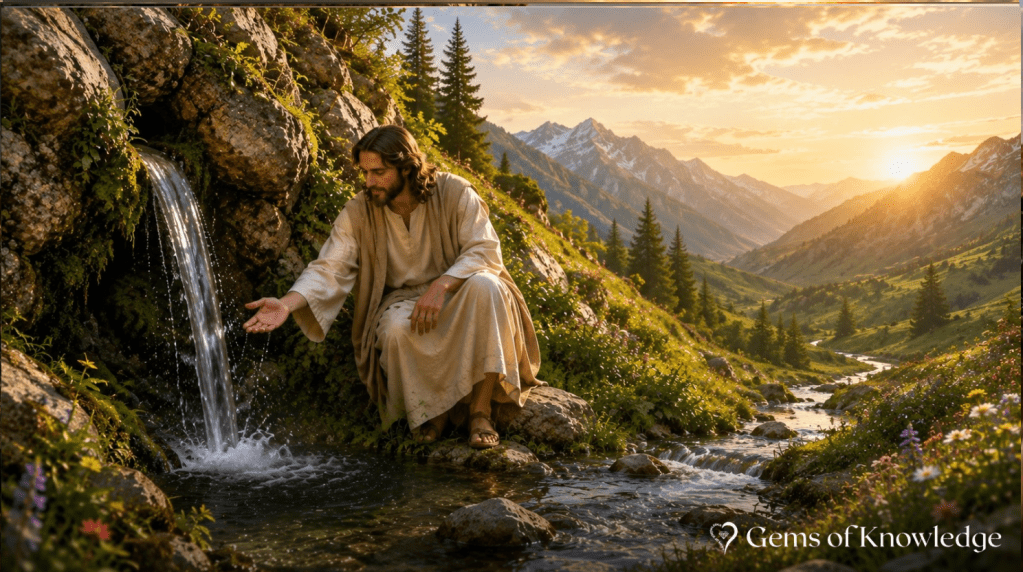
Alt...
Jesus sitting beside a clear mountain spring flowing from a rocky hillside into a beautiful valley at sunrise, symbolizing Christ as the source of living water and spiritual refreshment.
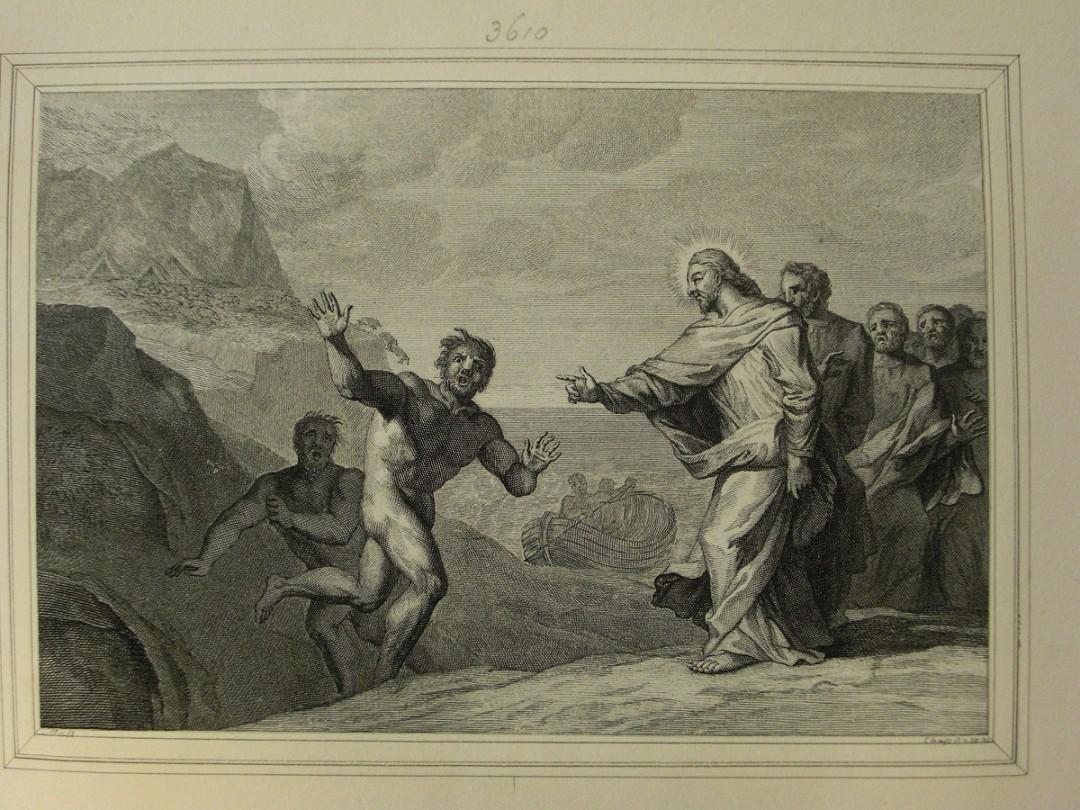
Bowyer Bible print 3610. A print in the Bowyer Bible without any editing of a photo taken with a hand-held camera in normal ambient lighting. Without a wide-angle lens bulging was caused from the centre of the image. A curvature can be seen in the disposition of the imperfectly-flattened sheets from the left-hand spine of the binding of the volumes. For the full set, see https://archive.org/details/bowyer_bible_unprocessed_images
#BoltonMuseum #bible #extraillustration #grangerisation #MacklinBible #interleaved #print #engraving
Bowyer Bible print 5633 Jesus is laid in the sepulchre John 19:38-42 De Vos. Robert Bowyer (d.1834) expanded his copy of the Macklin Bible by inserting over 6200 different prints. The Bowyer Bible is housed in Bolton Museum. For these prints see https://archive.org/details/bowyer-bible
where Philip De Vere has created flip-books from Phillip Medhurst's photo-collection.
#BoltonMuseum #bible #extraillustration #grangerisation #print #engraving #etching #Bibleillustration #Bibleart #Christianart #christianartwork

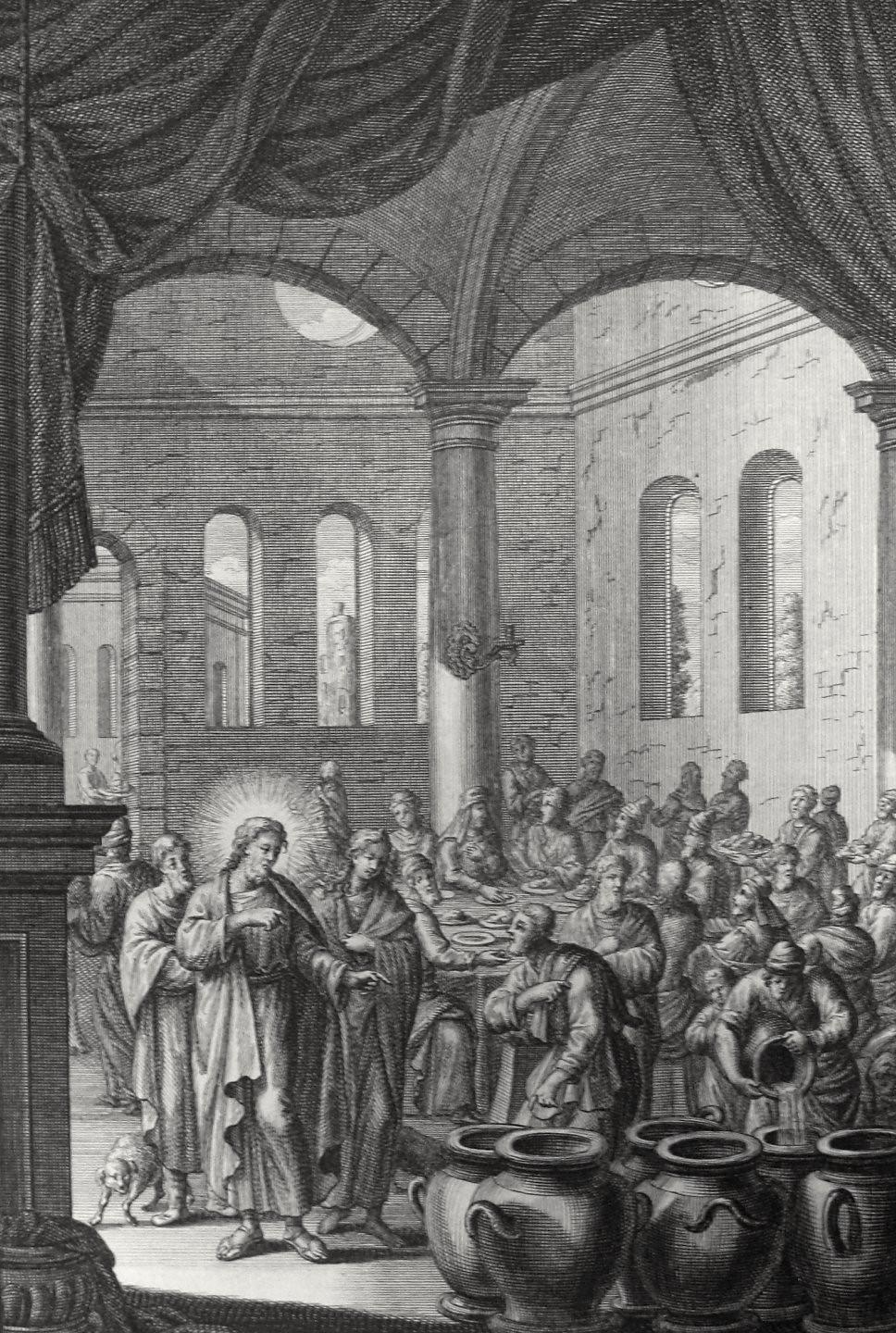
Bowyer Bible print 5294 Christ turns water into wine John 2:8-10 Füssli engraved by Pintz. Robert Bowyer (d.1834) expanded his copy of the Macklin Bible by inserting over 6200 different prints. The Bowyer Bible is now housed in Bolton Museum. For these prints see https://archive.org/details/bowyer-bible
where Philip De Vere has created flip-books from Phillip Medhurst's photo-collection.
#BoltonMuseum #bible #extraillustration #engraving #etching #Bibleillustration #Bibleart #Christianart #christianartwork
where Philip De Vere has created flip-books from Phillip Medhurst's photo-collection.
#BoltonMuseum #bible #extraillustration #grangerisation #MacklinBible #interleaved #print #engraving #etching #Bibleillustration #Bibleart #Christianart #christianartwork
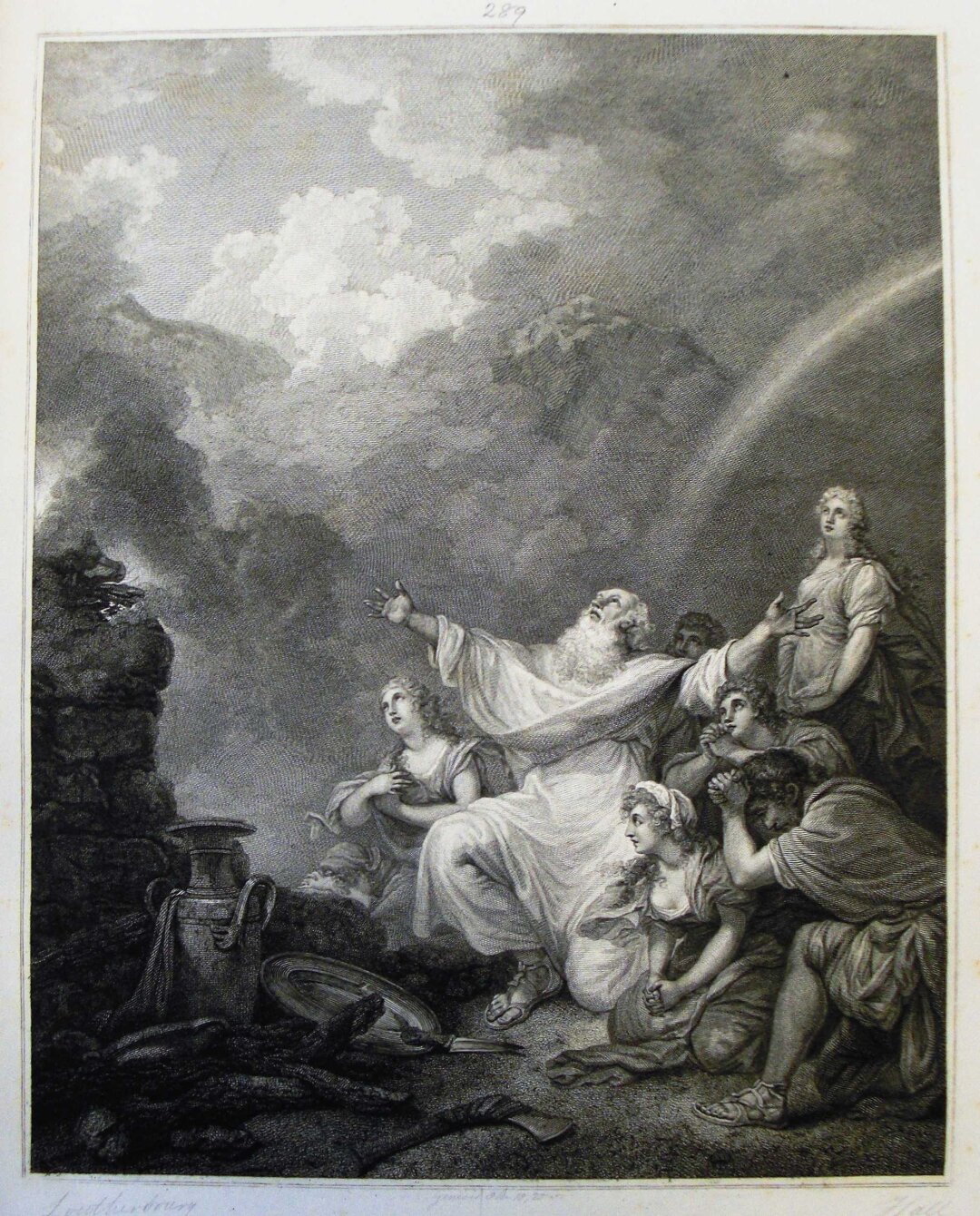
Sennacherib’s seemingly unstoppable siege dissolved instantly when "the angel of the Lord went out, and [struck down] in the camp of the Assyrians" (2 Kings 19:35 NKJV), demonstrating that all power is entirely subject to divine sovereignty.
https://ko-fi.com/veggietalesgang
https://www.patreon.com/cw/veggietalesgang
https://linktr.ee/veggietalesgang
https://discord.gg/Knk4bCXKwG
https://youtube.com/shorts/4-ZLdAKTH6w?feature=share
![[?]](https://s0.wp.com/wp-content/plugins/activitypub/green/assets/img/wp-logo.png?m=1784797036i) amgbengaezekieloladosu » 🌐
amgbengaezekieloladosu » 🌐
@megafeastamerica-dmgts.wordpress.com@megafeastamerica-dmgts.wordpress.com
“The Religion”
People group across the countries are subjected to certain purpose of worship as a way to give reference in the knowledge of deity among them. We created religion for our believe system toward reaching a goal in worship. The choices of who to give our confidential to in worship depends on the believes we have towards the deity. Religion is also part of the serious element of solution to Nation building without any omission of anything. A leader needs the understanding of the place of […] [SENSITIVE CONTENT]
People group across the countries are subjected to certain purpose of worship as a way to give reference in the knowledge of deity among them. We created religion for our believe system toward reaching a goal in worship. The choices of who to give our confidential to in worship depends on the believes we have towards the deity. Religion is also part of the serious element of solution to Nation building without any omission of anything.
A leader needs the understanding of the place of worship and respect within the people voted him or her into the office of leadership to give common aspect in worship beyond hatred to one another regardless of our faith. Every leaders needs to know the place of religion in the heart of the people leading without prejudices.
Nation is build on religion tolerant for border open door towards investment opportunity from foreign partners as a way of respect to their faith and opportunity to worship without losing the value of their own faith.
Any Nation building toward developmental goals ahead of time needs a leadership who can open doors for religion tolerant regardless of the faith the leader carried at heart in worship. Every leaders are the picture of excellence in the face of people group of the Nation given the privileged to lead.
The religion battle can easily divide Nation economy and destroy the value which carried among other Nations.
A Christian must not see the christian faith more important than Muslim, Hindu, Buddhist and Makubaro (traditional worship), Though the religion templates give us the reason of how important our faith is to God. The creator of the universe, plant, animals and human being
Nation leaders should ascertained the common background in the place of worship to God not in creating battles that can set Nation apart and destroy the common interest towards Country growth
Gbenga Ezekiel Oladosu
American National Award Winning Author
Mega Feast Bestselling Author
Honored as(WordPress “World Famous Author” Receive views from 50+ Different Countries)
![[?]](https://files.mastodon.social/accounts/avatars/110/540/252/708/905/804/original/2589fba324f877a2.jpeg)
Do you have pesky ways of thinking that run long and deep, much like roots from a tough old tree?" If so, what can you do? Click or tap below to read more.
#afaithfulsower #christianity #Bible #Jesus #dailydevotion
https://afaithfulsower.org/2026/06/20/turning-pesky-stumps-and-roots-into-something-praiseworthy/
Bowyer Bible print 4396 the-transfiguration-de-vos. Robert Bowyer (d.1834) expanded his copy of the Macklin Bible by inserting over 6200 different prints. The Bowyer Bible is now housed in Bolton Museum. For these prints see https://archive.org/details/bowyer-bible
where Philip De Vere has created flip-books from Phillip Medhurst's photo-collection.
#BoltonMuseum #bible #extraillustration #grangerisation #MacklinBible #interleaved #engraving #etching #Bibleillustration #Bibleart #Christianart #christianartwork
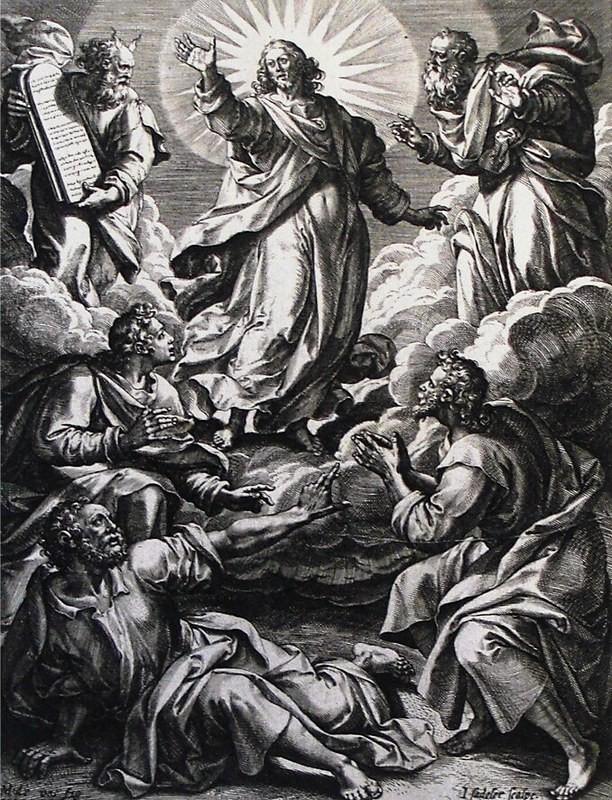
Bowyer Bible print 4126. A print in the Bowyer Bible without any editing of a photo taken with a hand-held camera in normal ambient lighting. Without a wide-angle lens bulging was caused from the centre of the image. A curvature can be seen in the disposition of the imperfectly-flattened sheets from the left-hand spine of the binding of the volumes. For the full set, see https://archive.org/details/bowyer_bible_unprocessed_images
#BoltonMuseum #bible #extraillustration #grangerisation #MacklinBible #Christianart #christianartwork
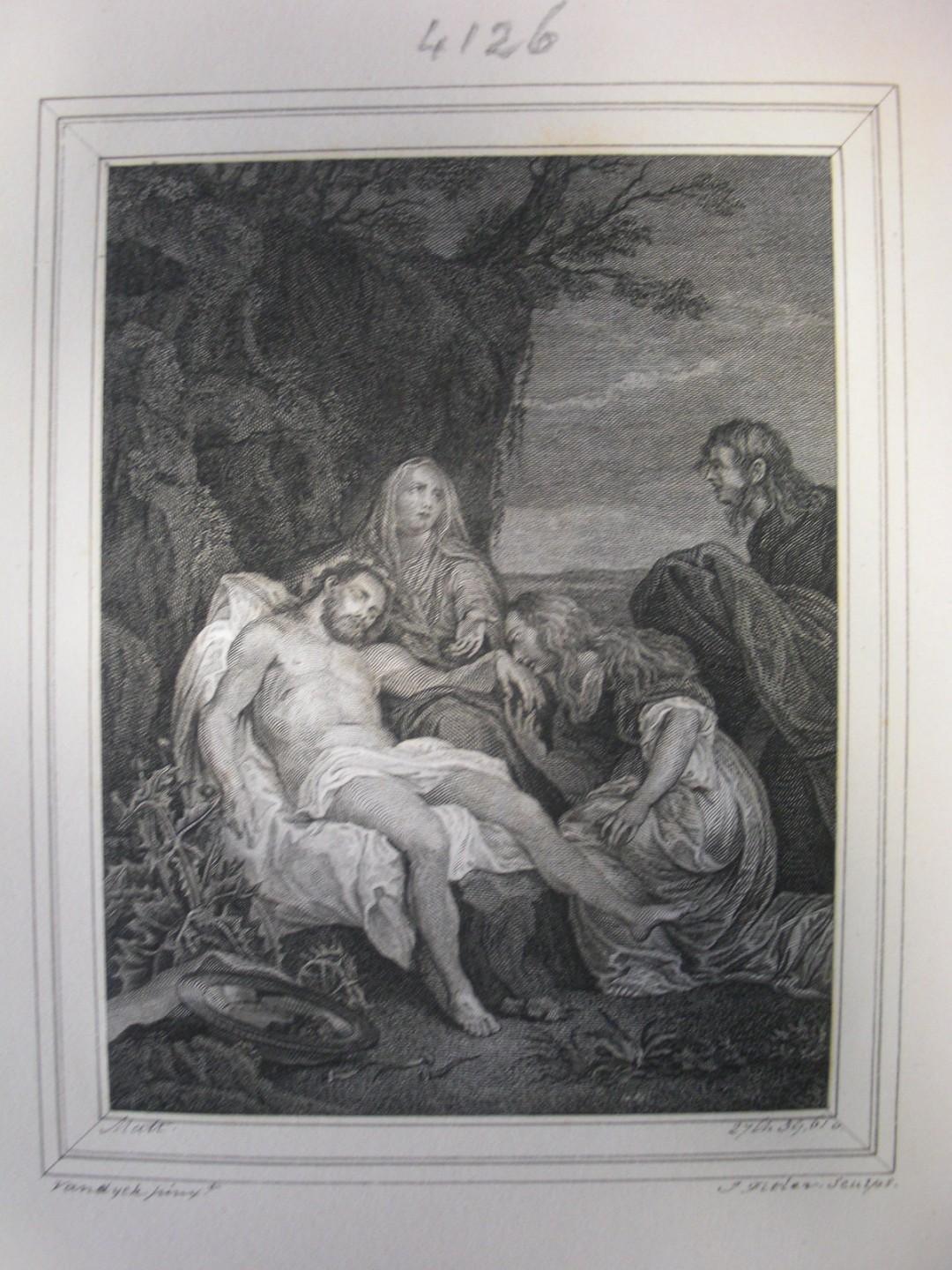
Bowyer Bible print 3755 Finding the money for the Temple tax Matthew 17:27 Mortier. Robert Bowyer (d.1834) expanded his copy of the Macklin Bible by inserting over 6200 different prints. The Bowyer Bible is now housed in Bolton Museum. For these prints see https://archive.org/details/bowyer-bible
where Philip De Vere has created flip-books from Phillip Medhurst's photo-collection.
#BoltonMuseum #bible #extraillustration #grangerisation #MacklinBible #interleaved #print #engraving #etching #christianartwork
![[?]](https://polymaths.social/fileserver/01HCMX6M1CZNEVJ4F5H58TT5XJ/attachment/original/01M4GVVZSEWT13KC280GWBJSF8.png)


 🍵
🍵  [
[CW: bible question regarding a quote concerning rich people [SENSITIVE CONTENT]
#Bible scholars/#theology nerds/#theologians:
Question regarding the popular "eye of the needle" quote in all three Synoptic #Gospels:
Matthew 19:16 Someone came to Jesus with this question: “Teacher, what good deed must I do to have eternal life?”
Matthew 19:17 “Why ask me about what is good?” Jesus replied. “There is only One who is good. But to answer your question—if you want to receive eternal life, keep the commandments.”
Matthew 19:18 “Which ones?” the man asked. And Jesus replied: “‘You must not murder. You must not commit adultery. You must not steal. You must not testify falsely.
Matthew 19:19 Honor your father and mother. Love your neighbor as yourself.’”
Matthew 19:20 “I’ve obeyed all these commandments,” the young man replied. “What else must I do?”
Matthew 19:21 Jesus told him, “If you want to be perfect, go and sell all your possessions and give the money to the poor, and you will have treasure in heaven. Then come, follow me.”
Matthew 19:22 But when the young man heard this, he went away sad, for he had many possessions.
Matthew 19:23 Then Jesus said to his disciples, “I tell you the truth, it is very hard for a rich person to enter the Kingdom of Heaven.
Matthew 19:24 I’ll say it again—it is easier for a camel to go through the eye of a needle than for a rich person to enter the Kingdom of God!”
Matthew 19:25 The disciples were astounded. “Then who in the world can be saved?” they asked.
Matthew 19:26 Jesus looked at them intently and said, “Humanly speaking, it is impossible. But with God everything is possible.”
Mark 10:17 As Jesus was starting out on his way to Jerusalem, a man came running up to him, knelt down, and asked, “Good Teacher, what must I do to inherit eternal life?”
Mark 10:18 “Why do you call me good?” Jesus asked. “Only God is truly good.
Mark 10:19 But to answer your question, you know the commandments: ‘You must not murder. You must not commit adultery. You must not steal. You must not testify falsely. You must not cheat anyone. Honor your father and mother.’”
Mark 10:20 “Teacher,” the man replied, “I’ve obeyed all these commandments since I was young.”
Mark 10:21 Looking at the man, Jesus felt genuine love for him. “There is still one thing you haven’t done,” he told him. “Go and sell all your possessions and give the money to the poor, and you will have treasure in heaven. Then come, follow me.”
Mark 10:22 At this the man’s face fell, and he went away sad, for he had many possessions.
Mark 10:23 Jesus looked around and said to his disciples, “How hard it is for the rich to enter the Kingdom of God!”
Mark 10:24 This amazed them. But Jesus said again, “Dear children, it is very hard to enter the Kingdom of God.
Mark 10:25 In fact, it is easier for a camel to go through the eye of a needle than for a rich person to enter the Kingdom of God!”
Mark 10:26 The disciples were astounded. “Then who in the world can be saved?” they asked.
Mark 10:27 Jesus looked at them intently and said, “Humanly speaking, it is impossible. But not with God. Everything is possible with God.”
Luke 18:18 Once a religious leader asked Jesus this question: “Good Teacher, what should I do to inherit eternal life?”
Luke 18:19 “Why do you call me good?” Jesus asked him. “Only God is truly good.
Luke 18:20 But to answer your question, you know the commandments: ‘You must not commit adultery. You must not murder. You must not steal. You must not testify falsely. Honor your father and mother.’”
Luke 18:21 The man replied, “I’ve obeyed all these commandments since I was young.”
Luke 18:22 When Jesus heard his answer, he said, “There is still one thing you haven’t done. Sell all your possessions and give the money to the poor, and you will have treasure in heaven. Then come, follow me.”
Luke 18:23 But when the man heard this he became very sad, for he was very rich.
Luke 18:24 When Jesus saw this, he said, “How hard it is for the rich to enter the Kingdom of God!
Luke 18:25 In fact, it is easier for a camel to go through the eye of a needle than for a rich person to enter the Kingdom of God!”
Luke 18:26 Those who heard this said, “Then who in the world can be saved?”
Luke 18:27 He replied, “What is impossible for people is possible with God.”
Question: Why is the disciples' reaction always "Oh gee, if rich people can't get into heaven, who the heck can!?" instead of, "Well, duh, of course they can't. Good riddance to those jerks!"
Was the assumption that wealth == favor really that deeply ingrained? Even among peasant farmers & fisherman that were struggling to pay taxes to Rome?
where Philip De Vere has created flip-books from Phillip Medhurst's photo-collection.
#BoltonMuseum #bible #extraillustration #grangerisation #MacklinBible #interleaved #print #engraving #etching #Bibleillustration #Bibleart #Christianart #christianartwork
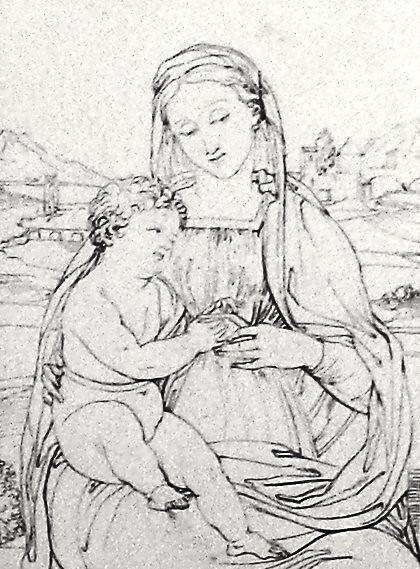
Bowyer Bible print 3348 Virgin and Child after Raphael. Robert Bowyer (d1834) expanded his copy of the Macklin Bible by inserting over 6200 different prints. The Bowyer Bible is now housed in Bolton Museum. For these prints see https://archive.org/details/bowyer-bible
where Philip De Vere has created flip-books from Phillip Medhurst's photo-collection.
#BoltonMuseum #bible #extraillustration #grangerisation #MacklinBible #interleaved #print #engraving #Bibleillustration #Bibleart #Christianart #christianartwork
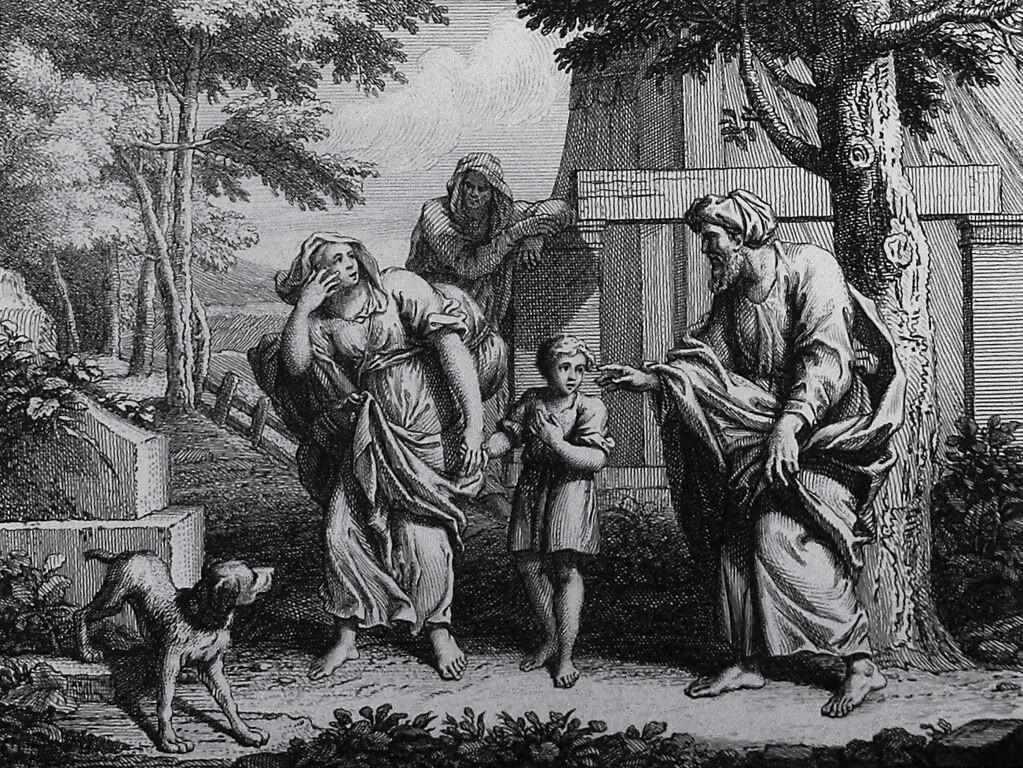
Bowyer Bible print 0438 Abraham driving away Hagar. Genesis cap 21 v 14. Dutch Bible. Robert Bowyer (d.1834) expanded his copy of the Macklin Bible by inserting over 6200 different prints. The Bowyer Bible is now housed in Bolton Museum. For these prints see https://archive.org/details/bowyer-bible
where Philip De Vere has created flip-books from Phillip Medhurst's photo-collection.
#BoltonMuseum #bible #extraillustration #grangerisation #MacklinBible #Bibleillustration #Bibleart #Christianart #christianartwork
where Philip De Vere has created flip-books from Phillip Medhurst's photo-collection.
#BoltonMuseum #bible #extraillustration #grangerisation #MacklinBible #interleaved #print #engraving #etching #Bibleillustration #Bibleart #Christianart #christianartwork
“All praise to God, the Father of our Lord Jesus Christ. God is our merciful Father and the source of all comfort.”
“He comforts us in all our troubles so that we can comfort others. When they are troubled, we will be able to give them the same comfort God has given us.”
2 Corinthians 1:3-4 NLT
#bible #prayer
Watch the Tides Turn
Sometimes the greatest challenge of following God is trusting Him when His promises seem farther away than ever. Sometimes our lives feel like a low tide where everything is retreating from our grasp, But God promises His children that the tide will always return when you walk with HIm. Just as no one can stop the tide from returning, no force can permanently prevent God's plans for your life. Click here for the full devotional. ✨ [SENSITIVE CONTENT]
Today’s One Year Bible Verses: 1 Kings 20:1–21:29, Acts 12:24–13:15, Psalm 137:1–9, Proverbs 17:16
God Makes It Happen
Sometimes the greatest challenge of following God is trusting Him when His promises seem farther away than ever. As I was praying for reassurance of my own path this morning the Holy Spirit reassured me with this amazing Gem of Knowledge:
“Watch the tides turn as I move you forward in your true calling with Me. Everything you think is against you will begin to move towards you. Amen.”
As I reflected on those words, I found myself thinking about the ocean and the remarkable power of the tides. When the tide moves out, it can feel as though the water is retreating farther and farther from shore. If you didn’t understand how tides work, you might assume the ocean was leaving and never coming back.
Of course, we know that isn’t true.
The tide always returns.
But what struck me the most is that no one can stop it. No government can pass a law against it. No army can stand on the shoreline and command it to stay away. No human power can permanently hold it back. The tide answers only to the laws established by its Creator, and when it is time for the water to return, it returns.
Wow! He is showing us that when we walk the path He lays before us nothing can stop the goodness He plans for us.
How amazing!
But it’s not always easy to feel assured in this…especially when our lives may feel like seasons of low tide.
What we must remember is that what appear to be retreat is not always loss – Sometimes it is preparation.
As I read today’s Scriptures, I noticed this pattern unfolding again and again.
In 1 Kings 20, Israel faced circumstances that appeared impossible. King Ahab found himself confronted by an enemy force so large that victory seemed completely out of reach. From a human perspective, the situation looked hopeless. Yet God was not intimidated by the numbers, the threats, or the odds. What seemed destined for defeat became an opportunity for God to reveal His power and remind His people that He alone is Lord.
The tide turned.
We see something similar in Acts 13. For years, Barnabas and Saul had been serving faithfully wherever God placed them. They were learning, growing, ministering, and following the Lord one step at a time. Then, during a time of worship and fasting, the Holy Spirit spoke and set them apart for a greater assignment.
What is easy to overlook is how much preparation had taken place before that moment.
God had been working behind the scenes all along.
Every challenge, every lesson, every delay, every step of obedience had been moving them toward the calling He had prepared for them. What may have looked like ordinary days were actually part of God’s process of positioning them for the future.
The tide was turning.
Even the exiles in Psalm 137 were not abandoned by God and were promised the tide would roll back in towards them eventually.
I think many believers find themselves in a similar place as these exiles did. We look at our circumstances and assume they are permanent. We interpret delays as denials. We view opposition as proof that God is not moving.
But Scripture repeatedly shows us the opposite.
God is often doing His greatest work beneath the surface where we cannot yet see it.
As we walk with Christ, He has a way of bringing the right people, opportunities, resources, and assignments into our lives at exactly the right time. Things that once appeared to be obstacles often become stepping stones. What looked like resistance becomes redirection. What felt like delay becomes preparation.
And just as no one can stop the tide from returning when God has ordained it, no force can permanently prevent the plans He has established for His children. 💎
Action (5 Minutes with God)
Take 5 minutes to be with the Lord today. Ask Him:
- “Lord, what do You want me to know about this personally?”
- Journal what He gives you through His Holy Spirit.
- Then ask, “What do You want me to do?”
- Journal what He reveals – then do it!
Instead of focusing on what you cannot see, thank God for the work He is already doing beneath the surface. Ask Him to help you trust His timing and continue walking faithfully in the direction He has given you.
Prayer
Dear Lord, thank You that You are always working, even when I cannot see it. Forgive me for the times I have mistaken preparation for abandonment or delay for denial. Help me trust Your timing and Your purposes. Strengthen my faith when circumstances seem unchanged and remind me that You are moving beneath the surface in ways I may not yet understand. Lead me forward into the calling You have prepared for me, and help me walk with confidence knowing that what You have ordained cannot be stopped. In Your beloved name I pray, Amen.
To read more 5 Minutes with God devotionals click here.
If Gems of Knowledge has blessed your walk with Christ, please subscribe or consider partnering with us today. Your gift helps keep these devotionals free for everyone and carries God’s Word to more hearts. Every seed matters—thank you for sowing into this work! 💛
Test everything by the Word and the Spirit (John 16:13)

Alt...
A woman stands on a beach at sunrise as a glowing tide rushes toward shore carrying symbols of God's promises, provision, healing, peace, and breakthrough.
The archangel Michael successfully pushed back darkness using divinely delegated strength, illustrating supreme celestial protection when "Michael and his angels fought with the dragon" (Revelation 12:7 NKJV) and triumphed.
https://ko-fi.com/veggietalesgang
https://www.patreon.com/cw/veggietalesgang
https://linktr.ee/veggietalesgang
https://discord.gg/Knk4bCXKwG
https://youtube.com/shorts/c--0n-2-jJs?feature=share
![[?]](https://i0.wp.com/dailyintheword.blog/wp-content/uploads/2026/05/cropped-blogtitleimage.jpg?fit=512%2C512&ssl=1)
Wisdom, Faith, and the Undivided Heart
A Theological Commentary on James 1:5-8 The opening chapter of the Epistle of James presents one of the New Testament's richest teachings on the nature of divine wisdom and the character of authentic faith. James 1:5-8 stands as a theological bridge between the discussion of trials in verses 2-4 and the practical ethical instructions that fill the remainder of the letter. The passage reads not merely as encouragement to pray for wisdom but as a profound exposition of God's generosity, the […] [SENSITIVE CONTENT]

A Theological Commentary on James 1:5-8
The opening chapter of the Epistle of James presents one of the New Testament’s richest teachings on the nature of divine wisdom and the character of authentic faith. James 1:5-8 stands as a theological bridge between the discussion of trials in verses 2-4 and the practical ethical instructions that fill the remainder of the letter. The passage reads not merely as encouragement to pray for wisdom but as a profound exposition of God’s generosity, the necessity of trusting faith, and the spiritual danger of divided allegiance.
The text declares:
“If any of you lacks wisdom, let him ask of God, who gives to all generously and without reproach, and it will be given him. But let him ask in faith, without doubting, for the one who doubts is like a wave of the sea driven and tossed by the wind. That person should not expect to receive anything from the Lord, being double-minded, unstable in all his ways.”
This brief section contains deep theological themes that intersect with biblical wisdom literature, covenant theology, Christology, pneumatology, and practical discipleship. James presents wisdom not as intellectual achievement but as a divine gift that produces faithful endurance and righteous living.
The immediate context of this passage is essential for proper interpretation. James has just exhorted believers to “count it all joy” when facing trials because suffering produces endurance, and endurance matures the believer into spiritual completeness. The transition into verse five is seamless. The wisdom that James references is not abstract philosophy but practical discernment for enduring suffering according to God’s will.
The conditional phrase, “If any of you lacks wisdom,” assumes that believers recognize their inadequacy. Spiritual maturity begins with acknowledging one’s need. Throughout Scripture, wisdom is consistently portrayed as something humans do not naturally possess in its fullest form. Human knowledge may accumulate through education and experience, but heavenly wisdom originates with God alone.
The Old Testament provides the theological background for James’s teaching. Proverbs repeatedly identifies the fear of the Lord as the beginning of wisdom. Wisdom literature portrays wisdom as more than intelligence; it is covenantal faithfulness expressed in righteous living. Solomon famously asked God for wisdom to govern Israel, demonstrating that wisdom is the capacity to apply divine truth rightly within life’s complexities.
James follows this tradition but intensifies it through the lens of Christian discipleship. Wisdom is necessary because believers are pilgrims living amid suffering, temptation, and uncertainty. Trials often raise questions that human reason cannot answer. Why does God allow suffering? How should one respond to persecution? What is God’s purpose in hardship? Wisdom enables believers to navigate these questions with confidence rooted in divine revelation rather than human speculation.
The command to ask God reveals the profoundly relational nature of biblical wisdom. Wisdom is not discovered merely through reflection but received through communion with God. Prayer becomes the ordained means through which divine insight is granted to God’s people.
The theology of prayer in this passage deserves careful attention. James portrays God as the source of every good gift. This anticipates verse seventeen, where every good and perfect gift comes from above, descending from the Father of lights. The wisdom requested here therefore reflects God’s own character and purposes rather than merely human desires for success or comfort.
Particularly striking is James’s description of God as the One who “gives generously and without reproach.” The Greek language emphasizes continual generosity. God is habitually giving. His giving is not reluctant, measured, or begrudging but abundant and free.
This description reveals important aspects of divine character. God’s generosity flows from His own goodness rather than from human merit. The believer approaches God not as a reluctant judge but as a gracious Father. The language echoes Jesus’ teaching in the Gospels that earthly fathers know how to give good gifts to their children, and how much more will the heavenly Father give good things to those who ask Him.
The phrase “without reproach” carries enormous theological significance. God does not shame those who seek His help. Human beings often grow impatient with repeated requests or remind others of previous failures. God does neither. He does not mock ignorance or humiliate weakness. Instead, He welcomes dependence.
This truth reflects the broader biblical doctrine of grace. Divine generosity is rooted in God’s covenant love rather than human worthiness. James’s readers, many of whom endured poverty, persecution, and social marginalization, would have found tremendous encouragement in this portrayal of God’s gracious disposition.
The promise attached to the request is remarkably straightforward: “It will be given him.” James offers confidence because God’s character guarantees His response. The certainty rests not upon human eloquence or spiritual achievement but upon God’s faithfulness.
Yet James immediately introduces an important qualification: “Let him ask in faith, without doubting.”
Faith throughout Scripture signifies trustful reliance upon God. James does not describe faith as intellectual certainty detached from relationship but as wholehearted dependence upon God’s promises and character.
The doubt James condemns requires careful interpretation. Many sincere believers experience questions, fears, and emotional struggles while remaining faithful disciples. The Bible itself contains numerous examples of saints wrestling with uncertainty while clinging to God. Abraham, Moses, Elijah, Jeremiah, and even John the Baptist experienced moments of profound questioning.
The doubt James addresses is not temporary emotional weakness but divided loyalty. This becomes evident through the concluding description of the “double-minded” person. The issue is not intellectual inquiry but spiritual instability.
The Greek word translated “double-minded” literally means “double-souled.” It describes an individual attempting to live with divided allegiance between God and the world. Such a person seeks God’s wisdom while simultaneously refusing complete trust in God’s authority.
This concept anticipates James 4:8, where sinners are called to purify their hearts because they are double-minded. The problem is fundamentally moral and spiritual rather than merely psychological.
Faith, therefore, involves wholehearted surrender. To ask in faith means approaching God with confidence that His wisdom is superior to human wisdom and that His purposes are trustworthy even when difficult to understand.
James illustrates doubt through the image of a wave driven and tossed by the sea. The metaphor vividly captures instability and external influence. Waves possess no independent direction. They are controlled by winds and currents beyond themselves.
Similarly, the spiritually divided individual is constantly influenced by changing circumstances, public opinion, personal emotion, or worldly values. Such instability prevents consistent obedience because convictions shift with each new situation.
The sea frequently symbolizes chaos and instability throughout biblical literature. In the Old Testament, the sea often represents disorder opposed to God’s sovereign rule. James employs this imagery to portray the internal turmoil produced by divided loyalty.
The wave metaphor also contrasts sharply with biblical images of stability. Psalm 1 describes the righteous as trees planted by streams of water. Jesus speaks of houses built upon solid rock. Paul prays that believers would be rooted and grounded in love. Biblical maturity consistently emphasizes steadfastness rather than instability.
James warns that the doubting person “should not expect to receive anything from the Lord.” These words have troubled many readers, but their meaning must be interpreted within the broader context of covenant relationship.
James is not teaching that imperfect faith nullifies God’s grace. Nor is he presenting faith as a psychological force that manipulates divine action. Rather, he emphasizes the incompatibility between divided allegiance and receptive dependence upon God.
The person who simultaneously trusts and distrusts God, submits and rebels, believes and refuses belief, cannot consistently receive divine wisdom because such wisdom demands obedience. God’s wisdom always calls for transformation. Those unwilling to surrender cannot truly receive what God gives.
This principle reflects Jesus’ own teaching that no one can serve two masters. Divided allegiance inevitably produces spiritual paralysis.
The concluding statement identifies the double-minded person as “unstable in all his ways.” The instability extends beyond prayer into every dimension of life. Spiritual division inevitably affects ethics, relationships, decision-making, worship, and perseverance.
This holistic perspective reflects James’s broader theology. Throughout the epistle, genuine faith expresses itself through consistent obedience. Theology and ethics cannot be separated. Belief shapes conduct because faith involves the entire person.
The double-minded individual experiences fragmentation of identity. Competing loyalties create internal conflict that eventually manifests externally. James therefore exposes instability not merely as emotional inconsistency but as evidence of deeper covenant unfaithfulness.
From a theological perspective, James presents wisdom as fundamentally Christological. Although Christ is not explicitly mentioned within these verses, the New Testament identifies Him as the wisdom of God. Paul declares that Christ became wisdom from God for believers and that all treasures of wisdom and knowledge are hidden in Him.
Therefore, the wisdom James encourages believers to seek ultimately finds its fullest expression in union with Christ. Christian wisdom is conformity to Christ’s character, values, and mission.
The role of the Holy Spirit should also be considered. Throughout biblical theology, wisdom is associated with the Spirit’s activity. Isaiah describes the Messiah as possessing the Spirit of wisdom and understanding. Paul prays that believers receive the Spirit of wisdom and revelation in knowing God.
The Spirit illumines Scripture, convicts of sin, guides obedience, and forms Christlike character. The wisdom requested in James is therefore intimately connected to the Spirit’s sanctifying work within the believer.
Ecclesiologically, this passage speaks to the life of the Christian community. Churches facing conflict, suffering, or uncertainty require heavenly wisdom rather than merely organizational skill or cultural strategy. The history of the church demonstrates that divine wisdom often appears foolish according to worldly standards.
James’s emphasis on prayer reminds believers that the church’s effectiveness depends ultimately upon God’s gracious provision rather than human ingenuity.
The pastoral implications of this passage are immense. Believers facing illness, persecution, vocational decisions, family struggles, or theological confusion are invited to seek God confidently. They need not fear rejection or humiliation. God delights to give wisdom generously.
At the same time, James challenges superficial religiosity. Genuine discipleship requires wholehearted devotion. Faith cannot remain compartmentalized. Christ demands complete allegiance because divided loyalty inevitably produces instability.
The passage also offers profound encouragement for spiritual formation. Wisdom grows through continual dependence upon God. Christian maturity is not self-generated but divinely bestowed through prayerful communion and faithful obedience.
Finally, James 1:5-8 reveals the beautiful harmony between divine sovereignty and human responsibility. God freely gives wisdom, yet believers must ask. God promises generosity, yet faith is required. God remains faithful, yet disciples are called to steadfast trust.
This dynamic relationship between grace and response characterizes the entire Christian life. The believer continually approaches God as a dependent child, confident not in personal ability but in the inexhaustible generosity of the heavenly Father.
In a world marked by confusion, competing ideologies, and moral instability, James directs the church toward its only secure foundation. Wisdom comes from God alone. It is received through believing prayer. It transforms the whole person. It produces steadfast endurance amid trials. And it belongs to those whose hearts are wholly devoted to the Lord who gives generously and without reproach.

Alt...
Wisdom, Faith, and the Undivided Heart
where Philip De Vere has created flip-books from Phillip Medhurst's photo-collection.
#BoltonMuseum #bible #extraillustration #grangerisation #MacklinBible #interleaved #print #engraving #etching #Bibleillustration #Bibleart #Christianart #christianartwork
Asking God for Wisdom with an Undivided Heart
A Bible Study Reflecting on James 1:5-8 The opening chapter of the Epistle of James presents one of the most practical and deeply theological invitations found in the New Testament. In the midst of speaking about trials, perseverance, and spiritual maturity, James turns his attention to wisdom. His words are simple enough for a child to understand and profound enough to occupy the minds of theologians for a lifetime. He writes that if anyone lacks wisdom, that person should ask God, who […] [SENSITIVE CONTENT]

A Bible Study Reflecting on James 1:5-8
The opening chapter of the Epistle of James presents one of the most practical and deeply theological invitations found in the New Testament. In the midst of speaking about trials, perseverance, and spiritual maturity, James turns his attention to wisdom. His words are simple enough for a child to understand and profound enough to occupy the minds of theologians for a lifetime. He writes that if anyone lacks wisdom, that person should ask God, who gives generously to all without reproach, and it will be given. Yet he immediately follows this invitation with a warning that the request must be made in faith, without doubting, because the one who doubts is like a wave driven and tossed by the sea. Such a person, James says, should not expect to receive anything from the Lord, being double-minded and unstable in all his ways.
These verses reveal not merely a principle about prayer but a profound truth about the character of God and the condition of the human heart. James is not offering a formula for obtaining information but inviting believers into a trusting relationship with the God who delights to guide His children. Wisdom in Scripture is never merely intellectual knowledge; it is the God-given ability to see life from heaven’s perspective and to live in obedience to divine truth.
The context of James 1 is essential for understanding these verses. James has just encouraged believers to count it all joy when they encounter various trials because such testing produces steadfastness, and steadfastness leads toward spiritual maturity. The discussion of wisdom is therefore not disconnected from suffering but flows naturally from it. Trials often leave people confused. They ask why hardship has come, what God is doing, and how they should respond. The wisdom James speaks of is the divine insight necessary to navigate seasons of suffering with faithfulness and hope.
Human wisdom naturally seeks escape from difficulty. Divine wisdom seeks transformation through difficulty. Human wisdom asks how suffering can be avoided. God’s wisdom teaches how suffering can become a means of sanctification. James understands that believers need more than endurance; they need heavenly understanding to endure well.
The Bible consistently presents wisdom as one of God’s greatest gifts. In the Old Testament, wisdom is closely associated with the fear of the Lord. Proverbs repeatedly teaches that true wisdom begins not with education or experience but with reverence for God. Wisdom is rooted in a right relationship with the Creator. It is the ability to recognize His authority, trust His goodness, and submit to His ways.
James stands firmly within this biblical tradition while expanding it through the revelation of Jesus Christ. The wisdom he describes is not reserved for kings, prophets, or scholars. It is available to every believer who humbly asks God for it. This democratization of wisdom reflects the generosity of the new covenant. Under Christ, every child of God has direct access to the Father through prayer.
The invitation itself is remarkable. James assumes that believers lack wisdom. This admission should produce humility rather than shame. Spiritual maturity begins by recognizing one’s own need. Pride assumes it already knows enough. Humility confesses dependence upon God.
The Christian life is one of continual dependence. Believers never outgrow their need for divine guidance. Every decision, every trial, every opportunity to serve, and every temptation to sin demonstrates humanity’s inability to navigate life independently. James therefore points believers away from self-confidence and toward God-centered reliance.
The description of God’s character is equally significant. James says that God gives generously to all without reproach. This statement reveals the heart of the Father. God is not reluctant to answer sincere prayer. He is not irritated by repeated requests for wisdom. He does not shame those who come confessing ignorance.
Human beings often grow impatient when repeatedly asked for help. Their generosity has limits. They may give reluctantly or criticize the weakness of those seeking assistance. God’s generosity is entirely different. His giving flows from His gracious nature. He delights in providing what His children need for faithful living.
The phrase without reproach carries tremendous comfort. God does not remind believers of past failures before granting present grace. He does not respond by saying that they should have known better. His generosity is free from condemnation. The throne of grace remains open because of Christ’s finished work.
This truth harmonizes beautifully with the gospel itself. Salvation is received by grace through faith, and the ongoing resources needed for sanctification are likewise supplied through grace. The Christian life begins with dependence and continues in dependence. Every act of wisdom ultimately comes as a gift from above.
James assures believers that wisdom will be given. The certainty of God’s promise encourages confidence in prayer. Yet this confidence is immediately qualified by another condition. The request must be made in faith, without doubting.
This raises important theological questions. James is not teaching that sincere believers never experience intellectual questions or emotional struggles. Scripture contains many examples of faithful men and women wrestling honestly with God. Abraham questioned. Moses questioned. David poured out his confusion in the Psalms. Even John the Baptist sent messengers to Jesus seeking reassurance.
The doubt James condemns is not honest inquiry but divided allegiance. It is the hesitation that arises from an unwillingness to entrust oneself completely to God’s wisdom. It is the instability of someone who asks for God’s direction while secretly reserving the right to reject it if it conflicts with personal desires.
Faith is fundamentally trust. To ask in faith means approaching God with confidence in His goodness, His wisdom, and His sovereign care. It means believing that His answer is better than human understanding even when His guidance leads through hardship rather than around it.
James illustrates doubt through the image of a wave driven and tossed by the wind. The sea was often associated with instability and chaos in biblical imagery. A wave has no independent direction. It is controlled entirely by external forces. Likewise, the doubting heart is continually influenced by changing emotions, circumstances, opinions, and fears.
Such instability affects every dimension of life. One day confidence flourishes, the next day despair dominates. One moment God’s promises appear trustworthy, the next moment worldly solutions seem more attractive. James presents this condition not as a temporary weakness but as a dangerous spiritual inconsistency that undermines effective prayer.
The double-minded person literally possesses two competing loyalties. One part desires God while another part clings to self-rule. This divided heart creates instability because it cannot rest fully upon God’s character. The problem is not intellectual uncertainty but spiritual indecision.
Throughout Scripture God calls His people to wholehearted devotion. Israel was commanded to love the Lord with all the heart, soul, and strength. Jesus affirmed this as the greatest commandment. Divided loyalty has always been incompatible with covenant faithfulness.
James therefore exposes a spiritual danger that remains highly relevant today. Modern culture celebrates independence and self-determination. People are encouraged to trust themselves above all else. Even within religious circles there is often a temptation to seek God’s approval for plans already determined rather than genuinely submitting to His will.
True prayer reverses this pattern. It approaches God not to persuade Him to adopt human plans but to transform human hearts into willing participants in His purposes. Wisdom begins where surrender begins.
This passage also teaches that God’s wisdom is relational rather than merely informational. God does not simply provide answers detached from Himself. He invites believers into deeper fellowship through prayer. Wisdom grows as believers learn His character through Scripture, worship, obedience, and dependence upon the Holy Spirit.
The New Testament identifies Jesus Christ as the wisdom of God. In Him all the treasures of wisdom and knowledge are hidden. Therefore seeking wisdom ultimately means seeking Christ Himself. The believer grows wise not merely by acquiring biblical facts but by growing in communion with the living Savior.
The Holy Spirit also plays a vital role in this process. He illuminates Scripture, convicts of sin, guides into truth, and produces spiritual discernment. The wisdom James describes is therefore Trinitarian in its operation, originating from the Father, revealed in the Son, and applied through the Spirit.
Practical application naturally flows from these truths. Believers should approach every significant decision through prayerful dependence upon God. Whether considering family responsibilities, ministry opportunities, ethical dilemmas, financial choices, or responses to suffering, divine wisdom is needed. Prayer should not be reserved for crises alone but become the constant posture of daily life.
Regular immersion in Scripture is equally essential because God ordinarily grants wisdom through His revealed Word. Prayer and Scripture belong together. Asking for wisdom while neglecting God’s revelation creates unnecessary spiritual confusion. The Holy Spirit uses biblical truth to shape wise judgment and holy living.
Patience is another necessary application. God’s wisdom often unfolds gradually rather than instantly. He frequently guides through ordinary providence, mature counsel, faithful obedience, and growing discernment rather than dramatic experiences. Faith waits confidently because it trusts the Giver as much as the gift.
Humility also remains indispensable. James begins with the assumption that everyone lacks wisdom. Pride closes the heart to instruction while humility welcomes correction. Wise believers remain teachable because they recognize that God often speaks through His Word, His people, and His providential circumstances.
Finally, these verses encourage steadfast confidence in God’s generosity. The believer never approaches a reluctant Father. The invitation to ask remains continually open because God’s grace remains continually abundant. Every sincere request for wisdom ascends to the throne of One who delights to give good gifts to His children.
James 1:5–8 therefore presents both invitation and challenge. The invitation is to seek divine wisdom from a generous God whose grace overflows without reproach. The challenge is to approach Him with an undivided heart that trusts His character above human understanding. Such faith produces stability amid uncertainty, confidence amid suffering, and maturity amid life’s many trials.
The Christian who asks God for wisdom with wholehearted trust discovers that wisdom is more than the ability to solve problems. It becomes the ability to see every circumstance through the light of God’s eternal purposes, to walk faithfully even when answers remain incomplete, and to rest securely in the goodness of the One who gives generously to all who ask in faith.

Alt...
Asking God for Wisdom with an Undivided Heart
Bowyer Bible print 3609. A print in the Bowyer Bible without any editing of a photo taken with a hand-held camera in normal ambient lighting. Without a wide-angle lens bulging was caused from the centre of the image. A curvature can be seen in the disposition of the imperfectly-flattened sheets from the left-hand spine of the binding of the volumes. For the full set, see https://archive.org/details/bowyer_bible_unprocessed_images #extraillustration #grangerisation #interleaved #Bibleillustration #Bibleart #Christianart #bible
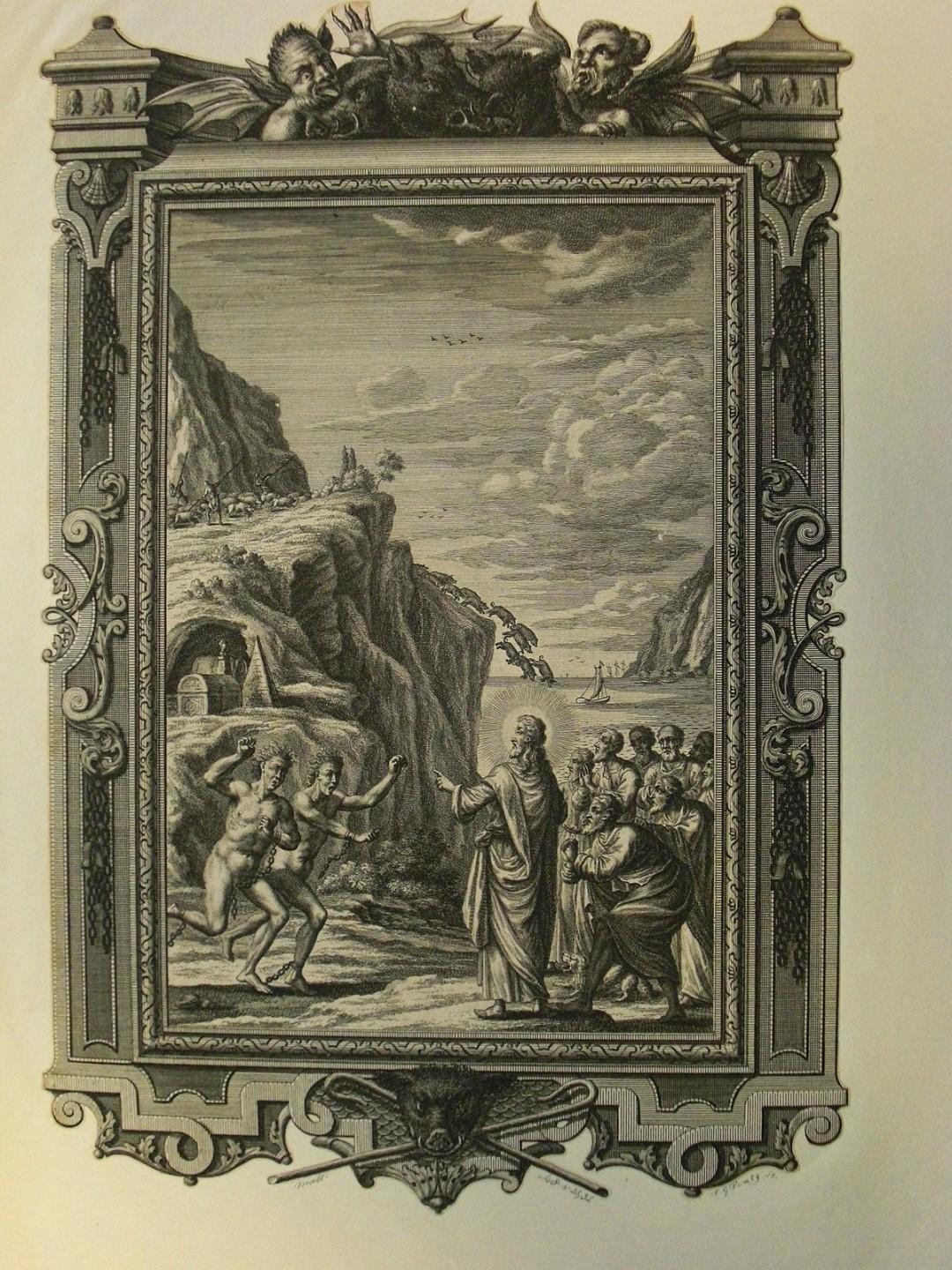
Bowyer Bible print 5632 Jesus is laid in the sepulchre John 19:38-42 Theodor B. Robert Bowyer (d.1834) expanded his copy of the Macklin Bible by inserting over 6200 prints. The Bowyer Bible is now housed in Bolton Museum. For these prints see https://archive.org/details/bowyer-bible
where Philip De Vere has created flip-books from Phillip Medhurst's photo-collection.
#BoltonMuseum #bible #extraillustration #grangerisation #MacklinBible #interleaved #Bibleillustration #Bibleart #Christianart #christianartwork
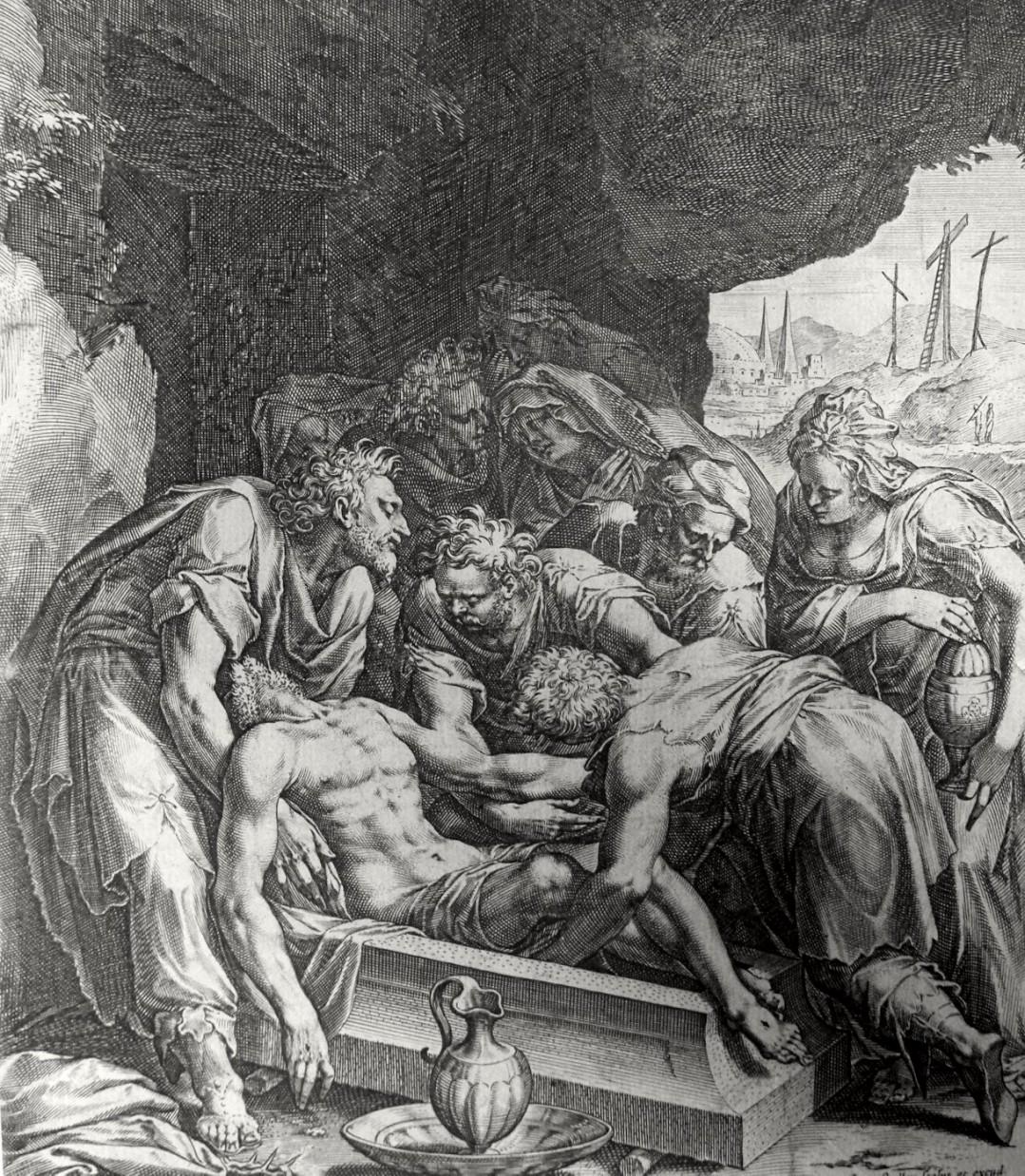
Bowyer Bible print 5486 Christ washes his disciples' feet John 13:5-9 Jan Luyken. Robert Bowyer (d1834) expanded his copy of the Macklin Bible by inserting over 6200 different prints. The Bowyer Bible is now housed in Bolton Museum. For these prints see https://archive.org/details/bowyer-bible
where Philip De Vere has created flip-books from Phillip Medhurst's photo-collection.
#BoltonMuseum #bible #MacklinBible #interleaved #print #engraving #etching #Bibleillustration #Bibleart #Christianart #christianartwork
where Philip De Vere has created flip-books from Phillip Medhurst's photo-collection.
#BoltonMuseum #bible #extraillustration #grangerisation #MacklinBible #interleaved #print #engraving #etching #Bibleillustration #Bibleart #Christianart #christianartwork
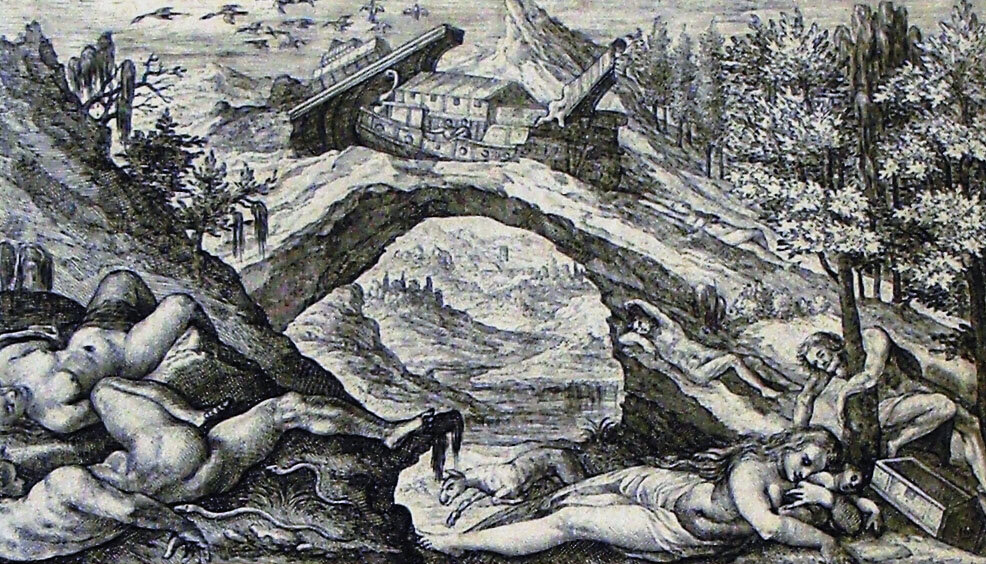
Have you ever sought to get even with someone who hurt you? In life, it seems only fair, but what does God's word teach? Click or tap the link to learn more.
#afaithfulsower #christianity #Bible #Jesus #faith #dailydevotional
https://afaithfulsower.org/2026/06/19/how-to-handle-the-urge-for-vengeance/
amgbengaezekieloladosu » 🌐
@megafeastamerica-dmgts.wordpress.com@megafeastamerica-dmgts.wordpress.com
“The Citizen”
The intelligence of a man is depend on the ability and capacity of his thinking faculty to express quality decision toward building purpose for living. As well to create family and to lead Nation starts from the intelligence of the home leader or Nation leader. individuals has collective roles to take responsibility in the decision making of a home creating a family of your dream and likewise the Nation leader who to lead the citizen of his or her country of influence. We can not see it has […] [SENSITIVE CONTENT]
The intelligence of a man is depend on the ability and capacity of his thinking faculty to express quality decision toward building purpose for living. As well to create family and to lead Nation starts from the intelligence of the home leader or Nation leader.
individuals has collective roles to take responsibility in the decision making of a home creating a family of your dream and likewise the Nation leader who to lead the citizen of his or her country of influence. We can not see it has a must do leading thing.
A woman or man can be the leader of a home or Nation. It about the matter of gifting and talent in the administration of building opportunity that will enhance and support the basic need the people assigned to lead
You got their vote, right and support by the contributions of the right and money they donated for your campaign to see democracy alive and respected. It a necessary thing for you to serve as a servant leader and not as an opportunity to abused and oppressed their right given to you.
Some citizen prepared a communist system of government because that’s how they can find peace to their soul and respected as a citizen to their country because many time they tried democracy and it has failed them. The experience democracy and military government gave them instinct like trauma which makes unforgettable to them.
People desire a leader with good leadership skills at home or in a country. A leader that can create innovations and ideas to growth economy and the pocket of very citizen. Some countries are poor as a result of bad leadership skills and countries are blessed from the “Father of creation” as a result of good management skills but bad leadership skills makes life worst.
I was in a country in Europe before my Nationality as an American from my African background
You see this country, they never got ocean or sea but river and lake generated from the cold water coming from the mountain by ice formed. And they still works on import and export of goods from their country to another countries that’s kind of innovations and ideas which generated incomes for the country. Also giving desire for farmers and how farmer managed their farm products which got me amazed and wondered of how the leadership of the country look likes and managed with excellence spirit of leadership.
Gbenga Ezekiel Oladosu
American National Award Winning Author
Mega Feast Bestselling Author
Honored as (WordPress “World Famous Author” Receive views from 50+ Different Countries)
Bowyer Bible print 5271 The miracle at Cana John 2:1-7 French School. Robert Bowyer (d.1834) expanded his copy of the Macklin Bible by inserting over 6200 different prints. The Bowyer Bible is now housed in Bolton Museum. For these prints see https://archive.org/details/bowyer-bible
where Philip De Vere has created flip-books from Phillip Medhurst's photo-collection.
#BoltonMuseum #bible #extraillustration #grangerisation #MacklinBible #interleaved #print #engraving #etching #Christianart #christianartwork
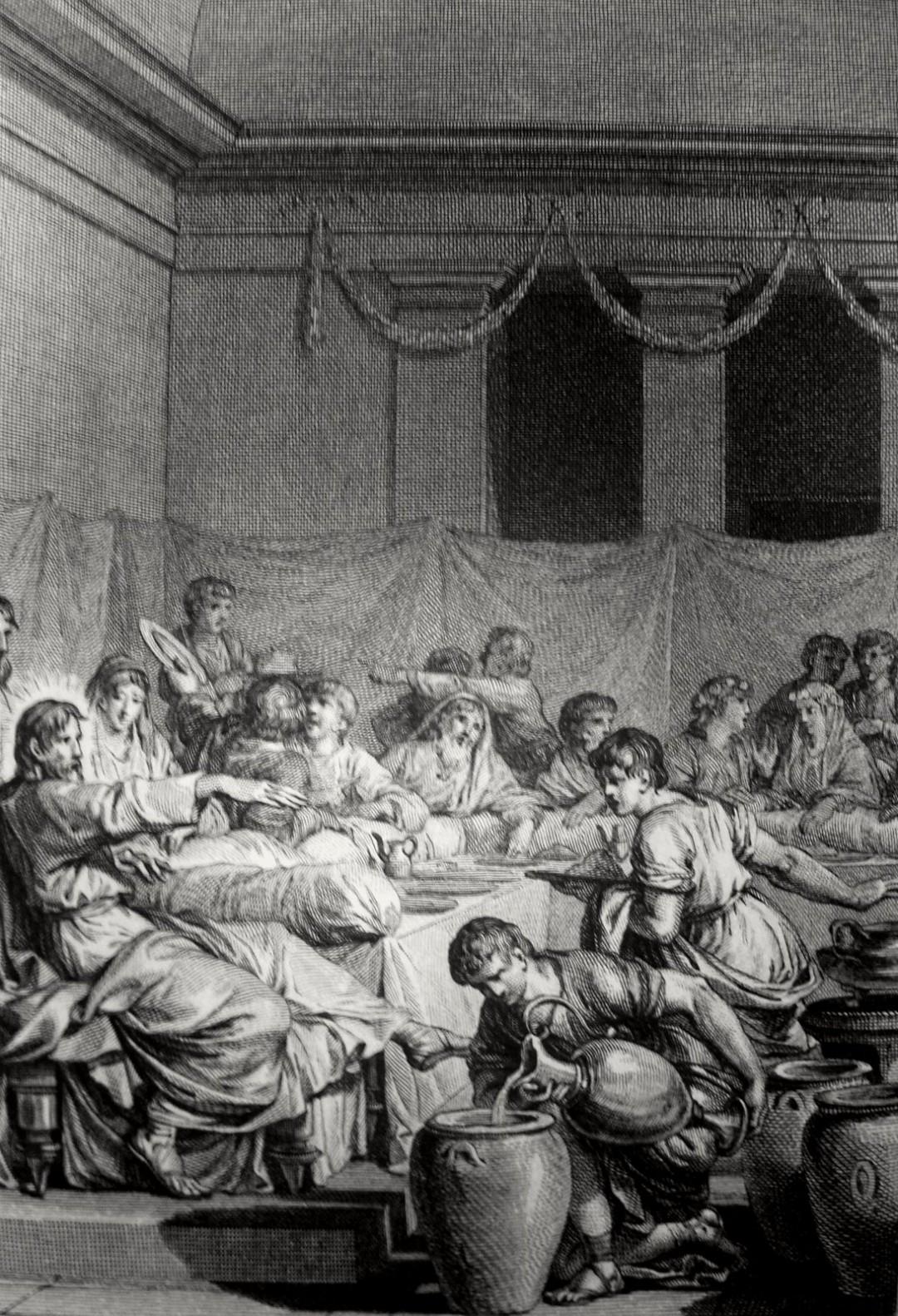
Bowyer Bible print 4395 the-transfiguration-mark-92-8-de-vos. Robert Bowyer (d.1834) expanded his copy of the Macklin Bible by inserting over 6200 different prints. The Bowyer Bible is now housed in Bolton Museum. For these prints see https://archive.org/details/bowyer-bible
where Philip De Vere has created flip-books from Phillip Medhurst's photo-collection.
#BoltonMuseum #bible #extraillustration #grangerisation #MacklinBible #interleaved #print #engraving #etching #Bibleart #Christianart #christianartwork
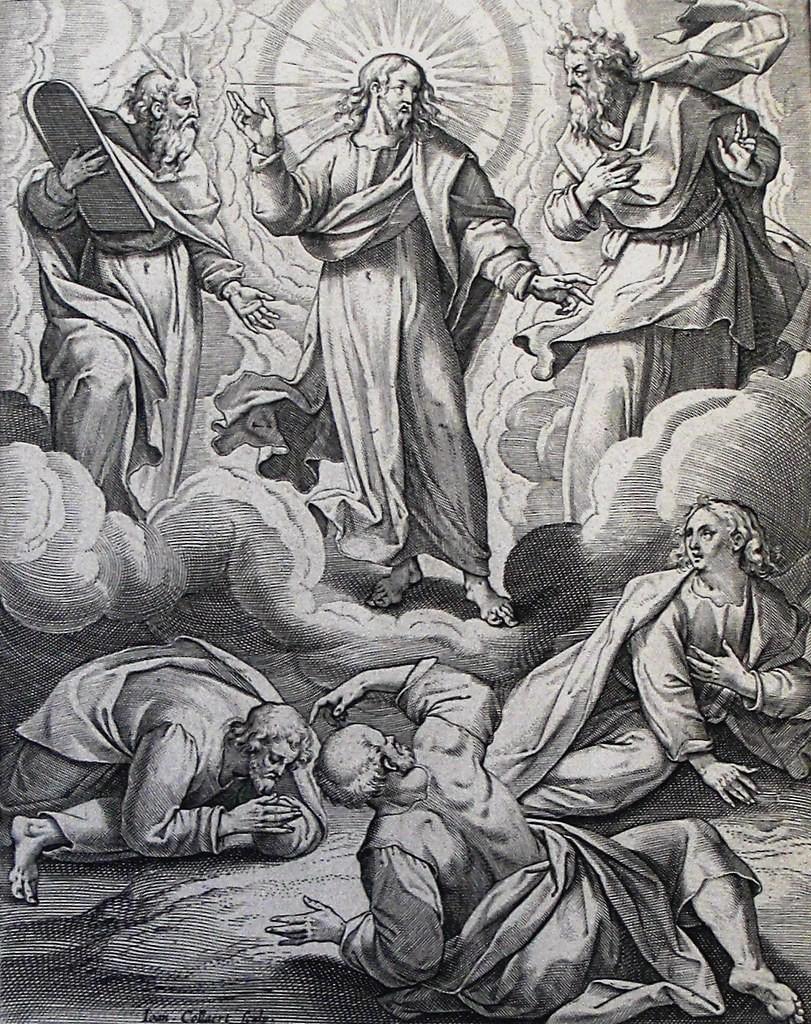
The God Who Gives Wisdom Without Reproach
A Devotional Meditation on James 1:5-8 James 1:5-8 invites believers into one of the most comforting and profound promises found in Scripture. In the midst of trials, confusion, and spiritual uncertainty, God does not leave His children to navigate life by their own understanding. Instead, He extends an open invitation: "If any of you lacks wisdom, let him ask of God." This simple command reveals both humanity's great need and God's immeasurable generosity. The context of these verses is […] [SENSITIVE CONTENT]

A Devotional Meditation on James 1:5-8
James 1:5-8 invites believers into one of the most comforting and profound promises found in Scripture. In the midst of trials, confusion, and spiritual uncertainty, God does not leave His children to navigate life by their own understanding. Instead, He extends an open invitation: “If any of you lacks wisdom, let him ask of God.” This simple command reveals both humanity’s great need and God’s immeasurable generosity.
The context of these verses is significant. James has just spoken about trials and the testing of faith, reminding believers that endurance produces maturity. It is precisely in seasons of suffering that wisdom becomes indispensable. Knowledge may explain facts, intelligence may solve problems, and experience may offer guidance, but divine wisdom sees life from God’s eternal perspective. Wisdom enables believers to recognize God’s purposes when circumstances appear confusing and His providence when His hand seems hidden.
Scripture consistently distinguishes between earthly wisdom and heavenly wisdom. Human wisdom often measures success by comfort, wealth, influence, or immediate satisfaction. God’s wisdom measures life by holiness, faithfulness, humility, and eternal glory. The wisdom that James encourages believers to seek is not merely information about God but illumination from God. It is the gracious work of the Holy Spirit enabling the believer to think, choose, and live according to the mind of Christ.
The invitation itself is astonishing. God does not reserve wisdom for scholars, theologians, pastors, or the spiritually elite. James says, “If any of you lacks wisdom.” The invitation extends to every believer, regardless of age, education, background, or maturity. The youngest Christian and the oldest saint stand equally dependent upon divine guidance.
There is deep humility in admitting that wisdom is lacking. Fallen humanity naturally prefers self-sufficiency. Pride convinces the heart that it can manage life independently. Yet Scripture consistently teaches that dependence upon God is not weakness but strength. The Christian life begins with the confession of spiritual poverty and continues through continual reliance upon divine grace.
James describes God as the One who “gives generously to all without reproach.” Every word in this description reveals the Father’s character. He gives generously because generosity belongs to His nature. He is not reluctant, hesitant, or miserly with His blessings. He delights in supplying the needs of His children.
Unlike earthly relationships that sometimes grow weary of repeated requests, God never becomes impatient with sincere prayer. He never responds with annoyance or frustration. He does not remind believers of yesterday’s failures before granting today’s mercy. He gives “without reproach.” The believer approaches a throne of grace rather than a courtroom of condemnation.
This truth reflects the very heart of the gospel. Through Jesus Christ, believers are welcomed into the presence of the Father with confidence. The cross has removed every barrier between God and those who trust in His Son. The One who spared not His own Son will certainly not withhold wisdom from those who ask in faith.
The promise attached to this invitation is wonderfully straightforward: “It will be given him.” God’s answer may not always arrive in dramatic visions or audible voices, but He faithfully grants wisdom through His Word, through the work of His Spirit, through prayer, through the counsel of mature believers, and through the providential unfolding of circumstances. Divine wisdom often grows quietly within a heart that remains close to God.
Yet James immediately addresses the posture with which believers are to pray. “But let him ask in faith, with no doubting.” Faith here is not confidence in one’s own ability to believe strongly enough. Rather, it is confidence in God’s character and promises. Genuine faith rests upon the reliability of God Himself.
The believer asks because God has invited the request. Faith takes God at His word. It believes that the Father is good, that His wisdom is perfect, and that His timing is flawless. Such faith does not demand that God answer according to human expectations but trusts Him even when His answers unfold slowly or mysteriously.
James uses the vivid image of a wave driven and tossed by the wind to describe the doubting person. The sea possesses no stability when storms arise, constantly changing direction according to external forces. So too the divided heart becomes unstable, pulled by conflicting loyalties and competing desires.
The issue is not occasional questions or moments of weakness. Even faithful believers struggle with fear and uncertainty. Throughout Scripture, saints have cried out in confusion while still trusting God. Rather, James warns against divided allegiance—a heart that seeks God while simultaneously refusing to surrender fully to His authority. Such a person wants divine wisdom but remains committed to human independence.
This divided heart reflects spiritual instability. James later calls such a person “double-minded,” literally possessing two souls moving in opposite directions. One heart cannot simultaneously trust God completely while clinging to self-rule. Wisdom requires surrender as much as understanding.
The warning serves as both caution and invitation. God desires wholehearted trust because wholehearted trust leads to spiritual peace. The believer who rests securely in God’s faithfulness remains anchored even when life’s storms rage fiercely. External circumstances may shift, but confidence in God’s unchanging character provides inward stability.
James teaches that prayer is not merely presenting requests but cultivating communion with God Himself. As believers draw near to the Father in humble dependence, wisdom grows through relationship. The more the heart knows God, the more clearly it recognizes His ways.
This wisdom transforms every dimension of life. It shapes decisions, governs relationships, moderates speech, directs ambitions, and sustains hope through suffering. It teaches patience when immediate answers seem delayed and contentment when circumstances remain difficult. It produces gentleness instead of harshness, humility instead of pride, and trust instead of anxiety.
In a world overflowing with information yet starving for wisdom, James calls believers back to the simple practice of asking God. The greatest resource available to the Christian is not personal insight but divine guidance. Every challenge, every crossroads, every sorrow, and every uncertainty becomes an opportunity to seek the wisdom that comes from above.
The God who created all things possesses perfect knowledge of every path, every consequence, and every future event. Nothing surprises Him, confuses Him, or overwhelms Him. The believer who seeks His wisdom places confidence not in changing circumstances but in the eternal God whose understanding has no limits.
Therefore, let every anxious heart become a praying heart. Let every uncertain mind become a trusting mind. Let every difficult season become another invitation to draw near to the Father who delights in giving generously. His wisdom is sufficient for every trial, His grace is sufficient for every weakness, and His faithfulness remains unshaken through every generation.
Prayer
Gracious Father, You are the source of all true wisdom and understanding. Teach Your people to seek You above all earthly counsel and to trust Your perfect ways even when they cannot fully see them. Give hearts that believe Your promises without wavering and spirits that rest securely in Your goodness. Lead every step according to Your truth, strengthen faith through every trial, and grant the wisdom that produces holiness, peace, and steadfast hope through Jesus Christ our Lord. Amen.

Alt...
The God Who Gives Wisdom Without Reproach
The God Who Gives Wisdom Generously
A Prayer Inspired by James 1:5-8 Gracious and everlasting Father, the fountain of all wisdom and truth, we come before You with humble hearts, acknowledging that apart from You we are unable to see clearly, to walk faithfully, or to understand the path that leads to life. You are the Creator of heaven and earth, the One whose knowledge is infinite and whose judgments are perfect. Before the foundations of the world were laid, You knew all things. Nothing surprises You, nothing confuses You, […] [SENSITIVE CONTENT]

A Prayer Inspired by James 1:5-8
Gracious and everlasting Father, the fountain of all wisdom and truth, we come before You with humble hearts, acknowledging that apart from You we are unable to see clearly, to walk faithfully, or to understand the path that leads to life. You are the Creator of heaven and earth, the One whose knowledge is infinite and whose judgments are perfect. Before the foundations of the world were laid, You knew all things. Nothing surprises You, nothing confuses You, and nothing lies beyond the reach of Your sovereign wisdom. We bow before You in reverence and gratitude, confessing that You alone are worthy of our complete trust.
Lord, Your Word reminds us that if anyone lacks wisdom, they should ask You, because You give generously to all without finding fault. What a marvelous invitation You have extended to Your children. You do not hide Yourself from those who seek You. You do not mock our weakness or reject our questions. Instead, You welcome those who come with open hearts and empty hands, ready to receive what only You can provide. Your generosity is not measured by our worthiness but by Your unchanging goodness and grace.
We confess that we often pursue our own understanding instead of seeking Yours. We rely upon our experience, our emotions, our opinions, and the voices of this world rather than listening carefully for Your voice. We become impatient when answers do not come quickly, and we often mistake activity for wisdom. Forgive us for the pride that assumes we know best. Forgive us for trusting ourselves more than we trust You. Cleanse our hearts from self-reliance and teach us to depend completely upon Your guidance.
Father, grant us the wisdom that comes from above. Give us hearts that are pure before You, motives that are sincere, and minds that are renewed by Your truth. Teach us to see life through the light of eternity rather than through the changing shadows of this present age. Help us to discern truth from error, righteousness from compromise, and faithfulness from convenience. In a world filled with confusion and competing voices, make Your Word the steady lamp for our feet and the light for our path.
We ask for wisdom in our families. Help husbands and wives to love with patience and humility. Teach parents to lead their children with grace and truth. Guide children to honor their parents and to grow in godly character. May our homes become places where Christ is honored, forgiveness is practiced, and love is freely given. Let wisdom govern our conversations, our decisions, and our relationships so that our households may reflect the peace of Your kingdom.
We pray for wisdom in the church. Raise up pastors, elders, teachers, and servants who seek Your heart above human approval. Protect Your people from false teaching and empty philosophies that promise much but cannot save. Fill every congregation with the knowledge of Christ and with the power of the Holy Spirit. Let the church be known not merely for activity but for holiness, compassion, humility, and unwavering devotion to the truth of the gospel.
Grant wisdom to those who govern nations and communities. May leaders pursue justice with integrity and humility. Restrain evil, defend the vulnerable, and establish peace where there is conflict. Remind those who possess earthly authority that all authority ultimately belongs to You and that every ruler will one day stand before Your throne to give an account. May Your righteousness influence every decision that affects the lives of others.
Lord, we pray for those who face difficult choices today. Some stand at crossroads they never expected to reach. Some carry burdens too heavy for their own understanding. Some wrestle with uncertainty, grief, illness, financial hardship, broken relationships, or unanswered prayers. Draw near to them in mercy. Quiet the anxious heart. Strengthen weary hands. Illuminate the next faithful step, even when the entire journey cannot yet be seen. Give courage to trust Your leading even when the destination remains hidden.
Teach us what it means to ask in faith without doubting. We confess that our hearts often become divided. We trust You one moment and fear the next. We believe Your promises yet quickly become discouraged when circumstances seem unchanged. We are easily shaken by trials and distracted by the voices of fear. Forgive our wavering hearts. Anchor our souls firmly in Your character, for You remain faithful when we struggle to believe.
Help us understand that faith is not wishful thinking but confident dependence upon the God who cannot lie. Strengthen our confidence in Your goodness, Your timing, and Your perfect purposes. Even when answers seem delayed, remind us that You are still working. Even when doors remain closed, remind us that Your wisdom exceeds our understanding. Even when the road grows dark, remind us that Christ Himself is the Light who cannot be extinguished.
Lord Jesus, You are the wisdom of God made flesh. In You are hidden all the treasures of wisdom and knowledge. You walked this earth in perfect obedience to the Father’s will, never wavering, never doubting, never turning aside from the path of righteousness. Thank You for becoming our Savior and our example. Thank You for bearing our sin upon the cross and rising again in victory so that we might become children of God and receive the gift of eternal life. Teach us to follow You daily with hearts that are surrendered and minds transformed by Your grace.
Holy Spirit, dwell richly within us. Shape our thoughts according to the mind of Christ. Convict us when we wander and comfort us when we are afraid. Produce within us the fruit of patience, kindness, gentleness, self-control, and steadfast faith. Lead us away from double-mindedness and establish our hearts firmly upon the rock of God’s unchanging promises.
May our faith become steadfast through every trial. When suffering comes, let us not abandon hope. When success comes, let us not become proud. When uncertainty comes, let us not become fearful. Instead, let every circumstance draw us nearer to You. Let every challenge become an opportunity to trust You more deeply and to experience Your sustaining grace.
Keep us from becoming like waves tossed by every wind of opinion and every passing fear. Make us stable because You are stable. Make us faithful because You are faithful. Make us steadfast because Your covenant love endures forever. Let our confidence rest not in ourselves but in Christ alone, whose kingdom cannot be shaken.
Finally, Father, fill us with gratitude for the immeasurable gift of Your wisdom. Thank You that You invite weak and needy people to come boldly before Your throne and ask for what they lack. Thank You that You delight to give generously. Thank You that Your grace is greater than our confusion and Your mercy is greater than our failures. We place our lives, our families, our churches, our futures, and our souls into Your loving hands.
May every thought we think, every word we speak, and every step we take be directed by Your wisdom until the day faith becomes sight and we stand before You in everlasting joy. Until that glorious day, keep us trusting, keep us praying, and keep us walking faithfully with You.
In the holy and precious name of Jesus Christ our Lord we pray.
Amen.

Alt...
The God Who Gives Wisdom Generously
The Doorway to True Wisdom
A Message to Those Who Have Not Yet Believed from Proverbs 15:33 "The fear of the Lord is the instruction of wisdom; and before honour is humility." The world offers countless voices claiming to possess the secret to a successful life. Some say wealth is the answer. Others point to education, power, influence, pleasure, or personal achievement. Every generation produces its own philosophers, celebrities, and experts who promise that fulfillment lies just beyond the next accomplishment or […] [SENSITIVE CONTENT]

A Message to Those Who Have Not Yet Believed from Proverbs 15:33
“The fear of the Lord is the instruction of wisdom; and before honour is humility.”
The world offers countless voices claiming to possess the secret to a successful life. Some say wealth is the answer. Others point to education, power, influence, pleasure, or personal achievement. Every generation produces its own philosophers, celebrities, and experts who promise that fulfillment lies just beyond the next accomplishment or experience.
Yet despite all humanity has built, many hearts remain restless. Anxiety grows, loneliness increases, relationships fracture, and death continues to remind every person that life is fragile and temporary. Humanity has learned to send machines into space, but it still struggles to answer the deepest questions of existence. Why are we here? What is the purpose of life? What happens after death? Is there a God who knows us?
The Bible speaks into these questions with remarkable simplicity. Proverbs 15:33 says, “The fear of the Lord is the instruction of wisdom; and before honour is humility.”
At first glance, these words may seem strange. Fear is usually considered something negative. Wisdom is often associated with intelligence or education. Humility is rarely celebrated in a culture that encourages self-promotion and personal branding.
Yet this single verse quietly overturns many assumptions that modern society embraces. It declares that true wisdom begins with the fear of the Lord and that genuine honor is preceded by humility.
The fear of the Lord does not mean terror like a criminal hiding from a judge. It means reverence, awe, and recognition that God is infinitely greater than ourselves. It means acknowledging that the Creator has authority over His creation and that humanity was made to know Him rather than replace Him.
Many reject God because they assume belief requires abandoning reason. Yet the opposite is true. Wisdom begins not by pretending to know everything but by admitting that there are realities greater than human understanding.
Every scientist knows that knowledge grows through humility. Discovery begins by admitting ignorance. No one learns by insisting they already possess every answer.
The same principle applies spiritually.
The first step toward knowing God is admitting that we do not know Him as we should.
Many people spend their lives building identities upon careers, relationships, possessions, politics, or personal accomplishments. Yet none of these can carry the weight of eternity. Success cannot stop aging. Fame cannot prevent death. Money cannot purchase peace of conscience. Pleasure cannot erase guilt.
The heart longs for something greater because it was created for Someone greater.
The Bible reveals that every human being is made in the image of God. Every desire for justice, beauty, love, purpose, and truth points toward the One who created those desires.
Yet something has gone terribly wrong.
The Bible calls it sin.
Sin is more than breaking religious rules. It is the deep rebellion of the human heart that chooses independence from God. It is the determination to live life on our own terms rather than His. It appears in pride, selfishness, dishonesty, greed, hatred, lust, envy, cruelty, and countless other forms.
Every honest person knows this conflict exists within.
We often know what is right yet fail to do it.
We long for goodness yet repeatedly fall short.
We desire lasting peace yet find ourselves trapped in cycles of regret.
Human history is simply the story of this brokenness multiplied across nations and generations.
The fear of the Lord begins when a person realizes that God is not merely an idea but the holy Creator before whom every life will one day stand.
This realization is not intended to destroy hope but to awaken it.
A patient who refuses a diagnosis cannot receive healing.
A drowning person who refuses rescue cannot be saved.
Likewise, a sinner who refuses to acknowledge God cannot experience His mercy.
Many imagine God as distant and indifferent, but Scripture presents something entirely different.
God is holy beyond imagination, yet His love is equally beyond comprehension.
The greatest demonstration of that love is found in Jesus Christ.
Jesus did not merely teach moral lessons or establish another religion. He came into the world because humanity could not save itself.
The Son of God entered human history, lived without sin, healed the broken, welcomed sinners, confronted hypocrisy, and revealed the heart of the Father.
Then He willingly went to the cross.
There He bore the judgment that sinners deserved.
His death was not an accident of history but the center of God’s plan for redemption.
Three days later He rose from the dead, defeating sin and death forever.
This is the heart of the Christian faith.
Salvation is not earned through religious effort.
It is received through faith in Christ.
This is where humility enters.
Proverbs says that before honor comes humility.
Every person naturally wants to justify themselves. We compare ourselves with others and conclude that we are not so bad. We point to our kindness, generosity, or morality as evidence that we deserve acceptance.
Yet humility abandons self-defense.
Humility admits, “I cannot save myself.”
Humility confesses, “I need mercy.”
Humility recognizes that every breath is a gift from God and that eternal life cannot be earned.
Ironically, this surrender becomes the beginning of freedom.
The world teaches that independence is strength.
God teaches that dependence upon Him is life.
The world says to trust yourself.
God says to trust Him.
The world says to create your own truth.
God reveals eternal truth.
The world says that humility is weakness.
Christ demonstrates that humility is greatness.
Consider the life of Jesus Himself.
Though He possessed all authority, He washed the feet of His disciples.
Though He deserved worship, He accepted suffering.
Though He was innocent, He died for the guilty.
His humility became the pathway to eternal glory.
Those who follow Him are called to walk the same path.
Perhaps you have spent years resisting God.
Perhaps religion disappointed you.
Perhaps Christians failed you.
Perhaps suffering made belief difficult.
Perhaps intellectual questions remain unanswered.
God is not threatened by honest questions.
Throughout Scripture people wrestled with doubt, grief, fear, and confusion.
What God opposes is not sincere questioning but hardened pride that refuses even to consider Him.
The invitation of the gospel remains open.
Jesus welcomed tax collectors, thieves, doubters, prostitutes, fishermen, scholars, and ordinary laborers.
He welcomed the broken because they knew they needed healing.
The only people who consistently rejected Him were those convinced they needed nothing from Him.
Pride blinds.
Humility opens the eyes.
The fear of the Lord is not the end of joy but its beginning.
When people reject God, they often imagine they are embracing freedom.
Yet sin becomes a cruel master.
Addictions enslave.
Bitterness imprisons.
Greed consumes.
Lust degrades.
Anger destroys.
Self-centeredness isolates.
The promises of the world repeatedly leave people empty because finite things cannot satisfy an eternal soul.
Only the God who made you can truly fill the deepest hunger within you.
This does not mean life suddenly becomes easy.
Christ never promised a life without pain.
He promised His presence through pain.
He promised forgiveness that removes guilt.
He promised peace that surpasses understanding.
He promised eternal life to all who believe.
One day every human achievement will disappear.
Cities will crumble.
Empires will fade.
Technology will become obsolete.
Fame will be forgotten.
Money will lose its value.
Only one kingdom will remain forever.
Only one King will reign eternally.
Every human life is moving toward that meeting.
The question is not whether God exists.
The question is whether we will humble ourselves before Him while mercy is still offered.
Proverbs speaks of honor following humility.
God honors those who come to Him with repentant hearts.
He adopts them as His children.
He forgives their sins.
He gives them new life.
He places His Spirit within them.
He prepares an eternal inheritance beyond anything this world can offer.
The greatest tragedy is not dying young or losing wealth or suffering hardship.
The greatest tragedy is to spend an entire lifetime ignoring the God who lovingly calls people to Himself.
Yet the greatest miracle is that no one is beyond His reach.
The criminal can be forgiven.
The skeptic can believe.
The proud can become humble.
The broken can be restored.
The lonely can find family.
The guilty can receive grace.
The fearful can know peace.
This invitation stands today exactly as it has for generations.
Turn toward God.
Seek Christ.
Lay down your pride.
Confess your need.
Receive His mercy.
The fear of the Lord is indeed the instruction of wisdom.
It is not the wisdom of the classroom but the wisdom of eternity.
It is the wisdom that recognizes God as Creator, Christ as Savior, sin as deadly, grace as undeserved, and eternal life as God’s free gift to all who believe.
Before honor comes humility.
May that humility lead many hearts to discover the immeasurable riches of God’s love through Jesus Christ, who still welcomes all who come to Him in faith.

Alt...
The Doorway to True Wisdom
The First Steps on the Road of Wisdom
A Message to New Believers from Proverbs 15:33 The fear of the Lord is instruction in wisdom, and humility comes before honor.Proverbs 15:33 To every new believer who has recently begun to follow Jesus Christ, there is a wonderful journey ahead. You have entered into a relationship with the living God through His Son, and your life has been forever changed. Though many questions may still remain and many struggles may lie before you, the Lord has promised to walk with you every step of the […] [SENSITIVE CONTENT]

A Message to New Believers from Proverbs 15:33
The fear of the Lord is instruction in wisdom, and humility comes before honor.
Proverbs 15:33
To every new believer who has recently begun to follow Jesus Christ, there is a wonderful journey ahead. You have entered into a relationship with the living God through His Son, and your life has been forever changed. Though many questions may still remain and many struggles may lie before you, the Lord has promised to walk with you every step of the way. He who began a good work in you will be faithful to complete it.
As you begin this new life of faith, Scripture provides many treasures to guide your path. Among them is a simple yet profound proverb: “The fear of the Lord is instruction in wisdom, and humility comes before honor.” Though brief, these words contain a lifetime of spiritual truth. They describe the heart that God delights to shape and the path He calls His children to walk.
Many people misunderstand the phrase “the fear of the Lord.” They imagine terror, uncertainty, or the expectation of punishment. But biblical fear is something far richer and more beautiful. It is reverence, awe, worship, love, and joyful submission before the majesty of God. It is recognizing that He is Creator while we are His creatures. It is acknowledging His holiness while confessing our need for His grace. It is delighting in His authority because His ways are always righteous and good.
The Christian life does not begin by trusting in ourselves but by trusting in Christ. It does not begin with human achievement but with divine mercy. Every believer starts at the foot of the cross where pride dies and grace triumphs. There we discover that salvation is not earned through works, morality, or religious effort, but through the finished work of Jesus Christ.
This understanding produces holy reverence. When we see the greatness of God and the depth of His love, our hearts naturally bow before Him. We no longer want to live according to our own wisdom. Instead, we desire to learn His ways, obey His commands, and walk in His truth.
Proverbs tells us that this fear of the Lord is instruction in wisdom. Wisdom in Scripture is far more than knowledge. Many people possess information but lack wisdom. Wisdom is the ability to live according to God’s truth. It is seeing life through the eyes of the Creator instead of through the changing opinions of the world.
As a new believer, you may wonder how to make wise decisions. You may ask how to navigate relationships, careers, family life, temptations, disappointments, and daily choices. The answer does not begin by searching for complicated formulas. It begins with learning to fear the Lord.
Every time you open the Scriptures with a teachable heart, wisdom grows. Every time you pray for God’s guidance instead of relying solely upon your own understanding, wisdom grows. Every time you choose obedience over convenience, wisdom grows. Every act of surrender becomes another lesson in God’s school of grace.
God often teaches His children slowly. Growth rarely happens overnight. Just as a tree develops one ring at a time and a child matures one day at a time, so believers grow through countless small acts of faithfulness. The Holy Spirit patiently shapes the heart through Scripture, prayer, worship, fellowship, repentance, and daily dependence upon Christ.
Do not become discouraged if you feel immature or inexperienced. Every mature Christian was once a new believer. Every faithful servant of God once struggled with questions and weaknesses. Spiritual maturity is not measured by perfection but by perseverance and dependence upon God’s grace.
The second half of Proverbs 15:33 says that humility comes before honor. This truth stands in sharp contrast to the values of the world. Society often teaches people to promote themselves, defend their reputation, seek recognition, and pursue status. Yet God’s kingdom operates differently.
Jesus Himself demonstrated perfect humility. Though He possessed all authority and glory, He humbled Himself by taking on human flesh and becoming obedient even to death on a cross. The King of heaven washed the feet of His disciples. The Lord of creation became the suffering servant.
If Christ chose humility, His followers should expect the same path.
Humility is not weakness. It is strength submitted to God. It is the willingness to admit our need for grace. It is the freedom to confess sin without excuses. It is the ability to receive correction without resentment. It is the joy of serving others without seeking applause.
For new believers, humility creates fertile soil where spiritual growth can flourish. A proud heart resists correction and believes it already knows enough. A humble heart eagerly receives God’s instruction.
There will be times when you discover sins you never noticed before. As God’s light shines into your life, attitudes, habits, words, and motives that once seemed acceptable may suddenly trouble your conscience. Do not fear this process. This is evidence of God’s loving work within you.
The Holy Spirit convicts not to condemn but to transform. He reveals sin so that grace may heal it. Every confession becomes another opportunity to experience God’s forgiveness and cleansing.
Humility also teaches us to rely upon the body of Christ. Christianity was never intended to be a solitary journey. God places believers into a family where encouragement, accountability, teaching, and fellowship strengthen faith.
Seek out mature Christians who love the Scriptures and live with integrity. Learn from their example. Ask questions without embarrassment. Listen carefully to wise counsel. God often uses older believers to encourage younger ones along the path of discipleship.
Do not compare your spiritual journey to others. Some appear to grow quickly while others mature more slowly. God’s work in every life is unique. Instead of measuring yourself against other Christians, keep your eyes fixed upon Christ.
You will also encounter trials. New believers sometimes assume that faith will remove hardship from life. The Bible teaches otherwise. Jesus promised that His followers would experience suffering in this fallen world. Yet He also promised His presence, His peace, and His victory.
Difficulties often become God’s classroom for wisdom. Trials reveal what truly rules our hearts. They expose our idols, deepen our dependence, strengthen our faith, and teach us to trust God’s promises when circumstances seem uncertain.
Do not interpret hardship as God’s absence. Often He is doing His deepest work precisely when His purposes seem hidden. The Lord who saved you is also sanctifying you, shaping you into the image of His Son.
The fear of the Lord teaches us to trust His character even when we cannot understand His plan.
Humility also protects believers from spiritual pride. Knowledge can become dangerous if it produces arrogance rather than worship. It is possible to know many theological truths while lacking love, patience, gentleness, and compassion.
The goal of Christian growth is not merely to know more facts about God but to know God Himself more deeply. As love for Him increases, love for others naturally follows.
Remember that every blessing comes from God’s grace. Your salvation is His gift. Your faith is sustained by His power. Your growth is produced by His Spirit. Your victories over temptation are His work within you. There is no room for boasting except in the cross of Christ.
The proverb also reminds us that humility comes before honor. God’s timing often differs from ours. The world seeks immediate recognition, but God often develops hidden faithfulness before public usefulness.
David spent years tending sheep before becoming king. Moses spent decades in the wilderness before leading Israel. Joseph endured slavery and prison before governing Egypt. Even Jesus spent many quiet years before beginning His public ministry.
God values hidden obedience.
The quiet prayer offered in secret, the unnoticed act of kindness, the patient endurance through suffering, the faithful reading of Scripture, the humble confession of sin, the willingness to forgive, and the daily choice to trust Christ all matter deeply to God.
One day every believer will stand before Christ. On that day, earthly recognition will mean nothing compared to hearing His words of welcome. The honor that truly matters comes not from human applause but from God’s approval.
Therefore, do not seek greatness according to worldly standards. Seek faithfulness. Seek holiness. Seek Christ Himself.
As you begin your Christian walk, cultivate habits that strengthen your relationship with God. Read the Bible daily, not as a duty but as nourishment for your soul. Pray honestly and consistently, knowing your heavenly Father delights to hear His children. Worship with God’s people regularly. Serve others joyfully. Repent quickly when you sin. Forgive as you have been forgiven. Keep your eyes fixed upon Jesus.
There will be days when your faith feels strong and days when it feels weak. There will be victories and failures, joy and sorrow, confidence and uncertainty. Through every season, remember that your security rests not in your performance but in God’s faithfulness.
The God who called you will never abandon you. His grace is greater than your weakness. His mercy is new every morning. His promises cannot fail.
Continue walking in the fear of the Lord. Continue embracing humility. Continue seeking wisdom from His Word.
The road may sometimes be difficult, but it leads to eternal life. Every step taken with Christ is a step toward greater joy, deeper peace, richer wisdom, and everlasting glory.
Walk that path with confidence, for the Savior who called you walks beside you, and the Father who adopted you delights to guide His beloved children until faith becomes sight and every promise finds its perfect fulfillment in His eternal kingdom.

Alt...
The First Steps on the Road of Wisdom
![[?]](https://neon.nightbulb.net/lamp/s/239c933df9c3341ca36cf38fab06e4cd.png)
Lambasting trolls and zealots and zealot trolls.
https://nightbulb.net/news_archive/nightbulb/parsed_subjects/
#Bible #NightBulb #Usenet #NNTP #Christ #Jesus #Christianity #Christian #Theology
The Gentle School of Wisdom
A Letter to the Family of God Based on Proverbs 15:33 Beloved brothers and sisters in Christ, Grace and peace to you in the name of our Lord Jesus Christ, who is Himself the wisdom of God and the perfect revelation of the Father's heart. In a world filled with noise, ambition, competition, and endless opinions, the Word of God quietly speaks a truth that has never changed: "The fear of the Lord is instruction in wisdom, and humility comes before honor." These simple words from Proverbs […] [SENSITIVE CONTENT]

A Letter to the Family of God Based on Proverbs 15:33
Beloved brothers and sisters in Christ,
Grace and peace to you in the name of our Lord Jesus Christ, who is Himself the wisdom of God and the perfect revelation of the Father’s heart. In a world filled with noise, ambition, competition, and endless opinions, the Word of God quietly speaks a truth that has never changed: “The fear of the Lord is instruction in wisdom, and humility comes before honor.”
These simple words from Proverbs carry within them a lifetime of discipleship. They invite every believer, whether young or old, newly converted or mature in faith, into a deeper understanding of God’s kingdom. They remind us that heaven measures greatness differently than the world does, that wisdom begins not with intelligence but with reverence, and that true honor is not seized by human effort but received through humble obedience before God.
Many seek wisdom because they desire success. Others seek knowledge because they desire influence. Still others pursue education, wealth, or reputation believing these things will provide security and meaning. Yet Scripture gently redirects our attention away from ourselves and toward the Lord. The beginning of wisdom is not self-confidence but holy reverence. It is not independence but surrender. It is not pride in our own understanding but trust in the One whose understanding is infinite.
The fear of the Lord has often been misunderstood. Some imagine terror or dread, but the biblical meaning reaches much deeper. It is the reverent awareness that God is holy beyond comprehension and yet merciful beyond imagination. It is standing before His majesty while resting securely in His love. It is recognizing that He is Creator and we are creatures, that He is King and we are His servants, that He is Father and we are His beloved children through Christ.
Such reverence transforms the heart. When believers live in the fear of the Lord, they begin to view every part of life differently. Decisions are no longer made merely for convenience but for faithfulness. Words are chosen carefully because every conversation takes place before God. Relationships become opportunities to demonstrate grace because every person bears His image. Even private moments become sacred because nothing is hidden from the eyes of the One who sees all things.
This holy fear does not imprison the believer but liberates the soul. Those who fear God no longer need to fear the changing opinions of people. They no longer need to chase approval that fades as quickly as the seasons. The fear of the Lord anchors the heart in eternal realities while freeing it from temporary anxieties. There is profound peace in belonging completely to God.
Proverbs tells us that this fear becomes instruction in wisdom. Wisdom in Scripture is not simply information stored in the mind. Wisdom is truth lived out in daily obedience. It is knowing the right path and walking in it. It is the ability to see life through the perspective of eternity rather than the moment. Wisdom shapes speech, relationships, finances, work, family life, worship, and service. It reaches into every corner of human existence.
The Lord teaches His people wisdom through His Word, through prayer, through trials, through correction, and through the quiet work of the Holy Spirit. Sometimes His lessons come through joy, and sometimes through suffering. Sometimes they arrive through open doors, and sometimes through painful disappointments. Yet every circumstance can become a classroom where the Lord patiently forms the character of Christ within His children.
Many believers ask God for wisdom but resist His instruction. They desire answers but avoid surrender. They seek blessings without transformation. Yet God’s wisdom cannot be separated from God’s lordship. He does not merely inform our minds; He changes our hearts. He does not simply explain truth; He shapes us into people who embody that truth.
This process requires humility.
The proverb continues by declaring that humility comes before honor. These words stand in sharp contrast to the values celebrated by much of society. The world encourages self-promotion, personal branding, constant recognition, and the pursuit of influence. Many are taught to build themselves up, defend every criticism, and seek visibility above all else.
The kingdom of God follows another path.
Jesus Himself walked the road of humility. Though He possessed all authority and glory, He took the form of a servant. He washed the feet of His disciples. He welcomed children, touched lepers, forgave sinners, and ultimately humbled Himself even to death on a cross. The One who deserved every crown accepted every humiliation so that sinners might receive eternal life.
The cross forever changes our understanding of greatness.
The Son of God did not conquer through pride but through sacrificial love. He did not demand honor before humility but embraced humility before receiving His exaltation. His resurrection and ascension reveal the eternal principle that God lifts up those who willingly bow before Him.
Every believer is called to follow this same pattern.
Humility is not weakness. It is strength surrendered to God. It is confidence rooted in His grace rather than personal achievement. It is the willingness to listen before speaking, to serve before being served, to forgive before demanding justice, and to love without expecting recognition.
Humility allows believers to receive correction without bitterness. It opens the heart to spiritual growth because it acknowledges that there is always more to learn from God. Proud hearts resist conviction, but humble hearts welcome transformation.
Humility also strengthens the unity of the church. Pride divides. Pride competes. Pride insists on its own way. Pride creates unnecessary conflicts and wounded relationships. Humility, however, seeks reconciliation. It chooses patience over argument and gentleness over harshness. It celebrates the gifts of others without jealousy and serves without demanding applause.
Our churches desperately need this spirit. Congregations flourish when believers prefer one another in love, when leaders serve rather than dominate, when members forgive quickly, and when every ministry exists to glorify Christ instead of personalities. Humility creates fertile ground where grace can grow.
The home also becomes a place of blessing when humility rules. Husbands and wives who practice repentance, kindness, and forgiveness reflect the gospel before their families. Parents who model humility teach their children far more than words alone ever could. Children who see genuine repentance and grace learn that faith is not performance but relationship with God.
Humility transforms workplaces as well. Christians who labor honestly, treat others with dignity, avoid gossip, refuse dishonesty, and quietly serve demonstrate the character of Christ in places that often lack compassion. The fear of the Lord shapes even ordinary tasks into acts of worship.
This wisdom becomes especially important during seasons of suffering.
Trials often expose what lies hidden within the heart. Difficult circumstances reveal whether trust has been placed in personal strength or in the Lord. Yet suffering also becomes one of God’s greatest instruments for producing humility. When human resources fail, divine grace shines brighter. When self-sufficiency crumbles, dependence upon God grows stronger.
Many saints throughout history discovered their deepest communion with God in valleys rather than mountaintops. Their trials became classrooms where wisdom matured and pride quietly disappeared. The Lord never wastes the tears of His children. He uses every hardship to shape eternal character.
The promise of honor that follows humility should also be understood carefully. Scripture does not promise worldly fame or earthly wealth to every humble believer. The honor God gives is deeper and more lasting than temporary success. It is the honor of His presence, His approval, His fellowship, and His eternal reward.
Some of God’s most honored servants remain largely unknown in this world. They quietly pray, faithfully serve, generously give, and steadfastly endure without public recognition. Heaven, however, knows their names. Their labor is not forgotten. Their hidden faithfulness is precious in the sight of God.
The day is coming when Christ Himself will reveal what has been done in secret. Every unseen act of love, every quiet sacrifice, every humble prayer, every faithful service, every cup of cold water given in His name will be remembered by the King. The applause of heaven will far outweigh every earthly award.
Therefore let no believer become discouraged by obscurity. Let no servant imagine that unnoticed faithfulness lacks significance. The Lord sees what others overlook. He honors what the world ignores.
As God’s people journey through a rapidly changing culture, the call of Proverbs remains remarkably relevant. The church does not need more self-promotion. It needs more reverence. It does not need more celebrity but more holiness. It does not need louder voices but deeper humility. It does not need greater confidence in human ability but greater dependence upon divine grace.
The fear of the Lord produces wisdom because it continually directs the eyes upward. Humility precedes honor because it continually bows the heart downward. Together they shape a life that reflects Jesus Christ.
May believers seek this wisdom daily through Scripture, prayer, worship, fellowship, and obedience. May homes become places where the fear of the Lord is treasured. May churches become communities marked by humility and grace. May every conversation, every decision, every act of service, and every hidden sacrifice bear witness to the transforming power of God’s Spirit.
The world is searching for meaning, stability, and hope. It often looks to power, wealth, influence, and achievement. Yet God’s kingdom points to another way. The path upward begins downward. The road to honor passes through humility. The school of wisdom begins with reverent worship before the Lord.
May every believer embrace this holy path with joyful confidence, trusting that the God who calls His children to humility is also the God who exalts them in His perfect time. His wisdom never fails. His promises never change. His grace is always sufficient.
Walk humbly before Him. Fear Him with joyful reverence. Receive His instruction with grateful hearts. Trust His timing above your own. In doing so, the quiet beauty of Christ will increasingly shine through your life until the day you stand before Him, hearing the words every faithful servant longs to hear: “Well done, good and faithful servant.”
May the Lord grant His church hearts that are teachable, spirits that are humble, minds that are wise, and lives that bring glory to His holy name forever.
Amen.

Alt...
The Gentle School of Wisdom
The Fear of the Lord and the Path to True Honor
A Message to Young People from Proverbs 15:33 “The fear of the Lord is the instruction of wisdom; and before honour is humility.” (Proverbs 15:33) Young people today are growing up in a world that constantly tells them to pursue recognition, popularity, influence, and success. Everywhere they turn, they are encouraged to build a name for themselves. Social media platforms reward visibility. Schools celebrate achievement. Culture often teaches that greatness belongs to those who attract […] [SENSITIVE CONTENT]

A Message to Young People from Proverbs 15:33
“The fear of the Lord is the instruction of wisdom; and before honour is humility.” (Proverbs 15:33)
Young people today are growing up in a world that constantly tells them to pursue recognition, popularity, influence, and success. Everywhere they turn, they are encouraged to build a name for themselves. Social media platforms reward visibility. Schools celebrate achievement. Culture often teaches that greatness belongs to those who attract attention, gather followers, and rise above everyone else.
While there is nothing wrong with working hard, developing gifts, or striving for excellence, Scripture presents a very different foundation for a meaningful life. Proverbs 15:33 offers a wisdom that stands in contrast to the wisdom of the world. It teaches that true wisdom begins with the fear of the Lord and that genuine honor is always preceded by humility.
This verse reveals two profound truths that every young person needs to understand. First, wisdom comes through reverence for God. Second, honor comes through humility.
These truths may seem simple, but they have the power to shape an entire life.
The Fear of the Lord Is the Instruction of Wisdom
The phrase “fear of the Lord” appears repeatedly throughout the book of Proverbs. It does not describe a terrified fear that causes someone to run from God. Rather, it describes a deep reverence, awe, respect, and submission toward Him.
To fear the Lord is to recognize who He is.
He is the Creator of heaven and earth.
He is holy beyond all comparison.
He is sovereign over history.
He is righteous in all His ways.
He is worthy of worship, obedience, and trust.
The fear of the Lord begins when a person realizes that God is not merely an idea to be discussed but the living King before whom every human being stands accountable.
Many young people spend tremendous energy trying to understand themselves. They ask important questions.
Who am I?
Why am I here?
What should I do with my life?
What is my purpose?
These are good questions, but wisdom teaches that the first question is not about ourselves. The first question is about God.
Who is God?
Until that question is answered, every other question remains incomplete.
When young people learn to fear the Lord, they begin to see life through the proper lens. They understand that their lives are not accidents. They understand that they were created intentionally. They discover that their identity is found not in popularity, appearance, athletic ability, academic success, or social status, but in their relationship with the God who made them.
The fear of the Lord teaches wisdom because it places everything else in its proper place.
It teaches young people how to make decisions.
It teaches them how to choose friends.
It teaches them how to handle success.
It teaches them how to endure disappointment.
It teaches them how to navigate temptation.
It teaches them how to live for something greater than themselves.
Without the fear of the Lord, intelligence alone is not enough. A person may possess remarkable academic knowledge and still make destructive choices. They may understand complex theories and yet lack wisdom for everyday life.
Wisdom is more than information.
Wisdom is the ability to live according to God’s truth.
Wisdom sees life from God’s perspective.
Wisdom understands consequences before they arrive.
Wisdom chooses what is right even when it is difficult.
Wisdom seeks God’s approval above human applause.
This is why Proverbs declares that the fear of the Lord is the instruction of wisdom. It is the classroom where wisdom is learned.
Learning to Listen to God
One of the greatest challenges facing young people is the overwhelming number of voices competing for their attention.
Friends offer opinions.
Teachers offer advice.
Influencers offer guidance.
Celebrities offer examples.
The internet provides endless information.
Yet amidst all these voices, the most important voice is often the one most easily ignored: the voice of God.
The fear of the Lord teaches a person to listen carefully to God’s Word.
Wisdom grows when Scripture becomes more than a religious book sitting on a shelf. Wisdom develops when God’s truth begins shaping thoughts, attitudes, priorities, and decisions.
Young people often stand at crossroads where they must make significant choices. Decisions about relationships, education, careers, morality, and future direction can have lifelong consequences.
At those moments, wisdom asks not merely, “What do I want?”
Wisdom asks, “What does God desire?”
The fear of the Lord creates a heart that seeks God’s guidance before making important decisions.
It teaches patience instead of impulsiveness.
It teaches obedience instead of rebellion.
It teaches trust instead of self-reliance.
The Person God Uses
The second half of Proverbs 15:33 contains a surprising truth.
“Before honour is humility.”
The world often says the opposite.
The world says, “Promote yourself.”
God says, “Humble yourself.”
The world says, “Demand recognition.”
God says, “Serve faithfully.”
The world says, “Make sure everyone knows your accomplishments.”
God says, “Walk humbly before Me.”
Humility is one of the most misunderstood virtues.
Humility does not mean believing you have no value.
Humility does not mean denying your abilities.
Humility does not mean pretending you have nothing to offer.
Biblical humility means understanding who you are before God.
It means recognizing that every gift, talent, opportunity, and blessing ultimately comes from Him.
A humble person does not think less of themselves; they simply think of themselves less.
Humility shifts attention away from self and toward God.
This quality is precious in God’s sight because humility creates a heart that can be taught.
Pride resists instruction.
Humility welcomes it.
Pride refuses correction.
Humility receives it.
Pride believes it already knows enough.
Humility understands there is always more to learn.
Young people who cultivate humility place themselves in a position where God can shape them into people of wisdom and influence.
The Hidden Preparation
One reason humility is difficult is that it often involves seasons of hidden preparation.
Most young people dream about future achievements. They envision making an impact, serving God in meaningful ways, and accomplishing significant things.
These desires can be good and honorable.
However, Scripture repeatedly shows that before God elevates a person, He often prepares them in obscurity.
Before Joseph governed Egypt, he spent years as a servant and prisoner.
Before David sat on Israel’s throne, he spent years tending sheep and fleeing from enemies.
Before Moses led Israel, he spent decades in the wilderness.
Before the disciples preached to nations, they spent years learning from Jesus.
God often works in private before He works in public.
The world celebrates visible success, but God values hidden faithfulness.
Young people must learn that the seasons no one notices may become the seasons that matter most.
Every act of obedience matters.
Every prayer matters.
Every moment of integrity matters.
Every quiet decision to honor God matters.
Humility accepts God’s timing.
Humility trusts God’s process.
Humility believes that faithfulness is more important than recognition.
When Honor Arrives
Proverbs does not say that honor is wrong.
In fact, it acknowledges that honor may come.
The issue is not whether honor exists.
The issue is how a person reaches it.
The world often seeks honor through self-promotion.
God leads His people toward honor through humility.
There is a tremendous difference.
Honor gained through pride is fragile.
Honor received through humility is stable.
When people build themselves up, they become dependent upon constant approval. Their identity rises and falls with public opinion.
But when honor comes from God, it rests upon a stronger foundation.
Young people should understand that true success is not measured merely by popularity, wealth, achievements, or influence.
True success is measured by faithfulness.
A life that pleases God is a successful life.
A person who walks in obedience is successful.
A young believer who honors Christ in school, at work, at home, and among friends is successful in God’s eyes.
The honor that matters most is not the applause of crowds but the approval of God.
The Example of Jesus
No discussion of humility can be complete without looking at Jesus Christ.
The Son of God possessed all glory, all authority, and all power.
Yet He willingly humbled Himself.
He entered the world as a servant.
He lived among ordinary people.
He endured rejection.
He suffered misunderstanding.
He submitted Himself to the Father’s will.
Ultimately, He went to the cross.
The pathway of Jesus demonstrates the truth of Proverbs 15:33 perfectly.
Humility came before honor.
The cross came before the crown.
Suffering came before exaltation.
Service came before glory.
Because Christ humbled Himself, God highly exalted Him.
Young people who follow Jesus are called to embrace that same spirit.
The Christian life is not about self-exaltation.
It is about faithful service.
It is about loving others.
It is about honoring God.
It is about trusting that God’s way leads to lasting joy and eternal reward.
Living This Wisdom Today
What does Proverbs 15:33 look like in everyday life?
It means choosing integrity when dishonesty would be easier.
It means treating classmates with kindness instead of cruelty.
It means respecting parents and authority figures.
It means admitting mistakes instead of making excuses.
It means accepting correction without resentment.
It means resisting peer pressure when it conflicts with God’s truth.
It means serving others without demanding recognition.
It means seeking God’s approval above social acceptance.
It means remaining faithful even when no one else notices.
These choices may not always bring immediate rewards. In fact, they may sometimes make a young person feel different from those around them.
Yet God’s wisdom has always required courage.
Following Christ has never been about doing what is popular.
It has always been about doing what is right.
Young people who embrace the fear of the Lord and walk in humility are building their lives upon a foundation that will endure long after trends, fashions, and cultural opinions have disappeared.
A Future Built on Wisdom
The years of youth are often filled with dreams, possibilities, and important decisions. They are years of growth, discovery, and preparation.
In these years, Proverbs 15:33 offers a guide that can shape an entire future.
Learn to fear the Lord.
Honor His Word.
Trust His wisdom.
Walk humbly before Him.
Receive correction.
Seek His guidance.
Serve others faithfully.
Let your identity be rooted in Christ rather than in the changing opinions of the world.
A life built upon these principles will not be wasted.
The fear of the Lord will provide wisdom for every season.
Humility will protect the heart from pride.
Faithfulness will bear fruit in God’s perfect time.
And when honor comes, it will not be something grasped through self-promotion but something received as a gift from the gracious hand of God.
The path may not always be easy, but it is the path of wisdom.
It is the path that leads to maturity.
It is the path that leads to usefulness in God’s kingdom.
It is the path that leads to lasting joy.
And according to the wisdom of Proverbs, it is the path that begins with reverence for the Lord and continues through a life marked by genuine humility.
May every young person learn this timeless truth: the fear of the Lord is the instruction of wisdom, and before honor comes humility. Those who walk this path will discover that God’s wisdom is far greater than the world’s applause, and His approval is worth more than every earthly reward.

Alt...
The Fear of the Lord and the Path to True Honor
Bowyer Bible print 0437 Circumcision of Isaac. Genesis cap 21 v 4. Dutch Bible. Robert Bowyer (d.1834) expanded his copy of the Macklin Bible by inserting over 6200 different prints. The Bowyer Bible is now housed in Bolton Museum. For these prints see https://archive.org/details/bowyer-bible
where Philip De Vere has created flip-books from Phillip Medhurst's photo-collection.
#BoltonMuseum #bible #MacklinBible #interleaved #print #engraving #etching #Bibleillustration #Bibleart #Christianart #christianartwork
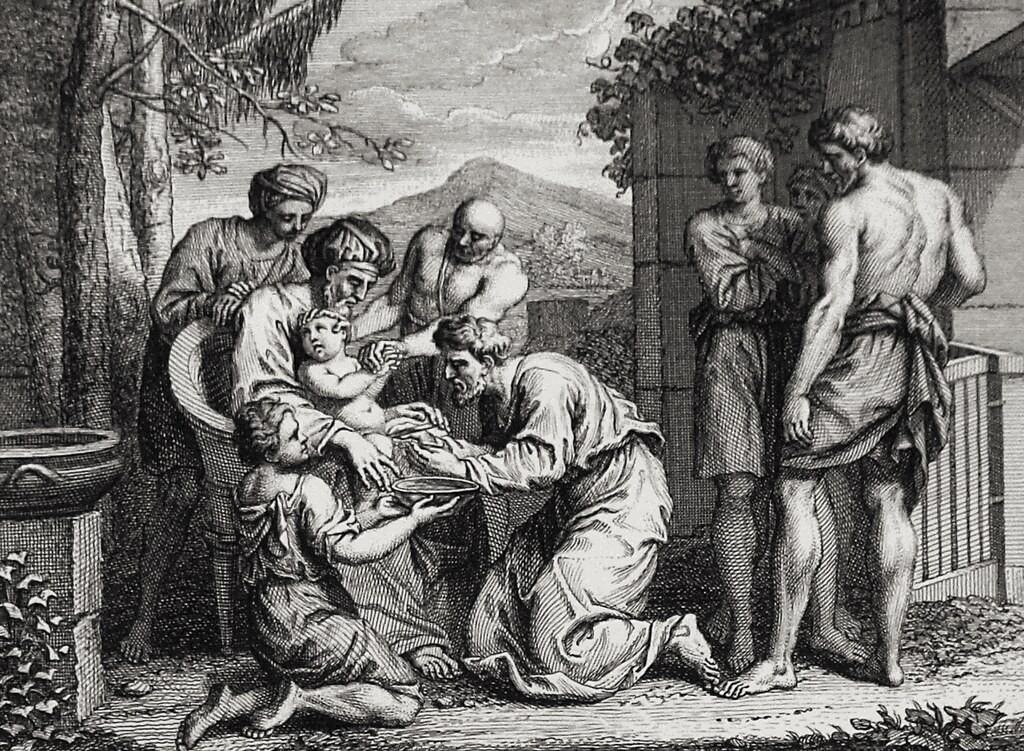
where Philip De Vere has created flip-books from Phillip Medhurst's photo-collection.
#BoltonMuseum #bible #extraillustration #grangerisation #MacklinBible #interleaved #print #engraving #etching #Bibleillustration #Bibleart #Christianart #christianartwork
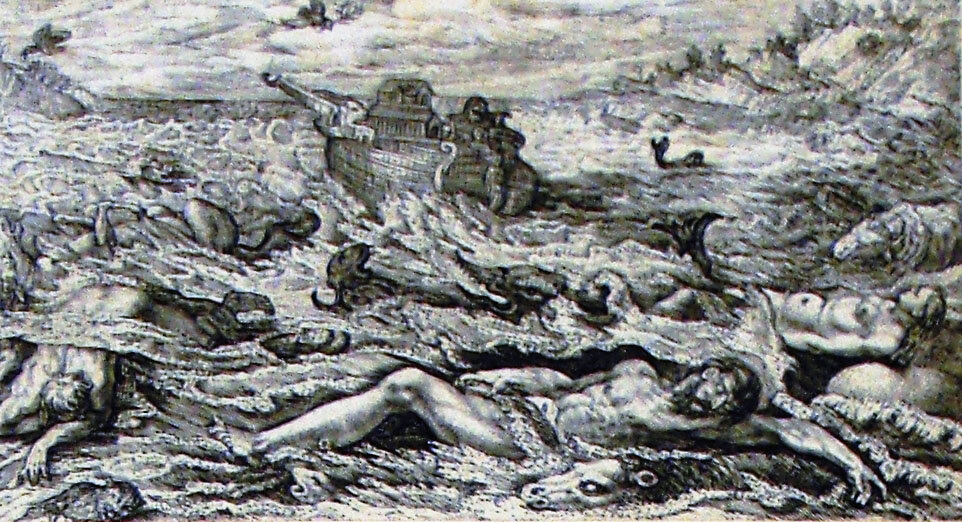
The Quiet Promotion
A Short Story Inspired by Proverbs 15:33 Ethan Mercer had spent fifteen years climbing. He climbed through internships and entry-level positions. He climbed through late nights, early mornings, endless meetings, and ambitious projects. He climbed through company restructures and economic downturns. Every year he set a new goal, and every year he reached it. By the age of thirty-eight, he had become one of the youngest department directors at Greenstone Technologies, a rapidly growing […] [SENSITIVE CONTENT]

A Short Story Inspired by Proverbs 15:33
Ethan Mercer had spent fifteen years climbing.
He climbed through internships and entry-level positions. He climbed through late nights, early mornings, endless meetings, and ambitious projects. He climbed through company restructures and economic downturns. Every year he set a new goal, and every year he reached it.
By the age of thirty-eight, he had become one of the youngest department directors at Greenstone Technologies, a rapidly growing software company in downtown Chicago.
People admired him.
At least, that was what he told himself.
Yet the higher Ethan climbed, the lonelier he became.
He noticed things that bothered him more than they should. When someone else received praise, he felt irritated. When another manager was invited to an executive meeting, he wondered why he had been overlooked. If a project succeeded, he quietly hoped people would remember his contribution. If it failed, he found subtle ways to distance himself from the blame.
The strange thing was that no one around him seemed to notice.
Outwardly he was polite, professional, and capable.
Inwardly he was exhausted.
One rainy Thursday afternoon, Ethan received an email from the CEO announcing a new Vice President position.
His heart immediately accelerated.
This was it.
The next step.
The position everyone knew he wanted.
For weeks he prepared. He polished reports, strengthened relationships, and made sure senior leadership saw his accomplishments. Every conversation became an opportunity. Every meeting became a performance.
Then came the announcement.
The promotion went to someone else.
A woman named Sarah Delgado.
Sarah had been with the company fewer years than Ethan. She wasn’t flashy. She rarely spoke about her achievements. She wasn’t constantly networking with executives.
Yet somehow she got the role.
Ethan sat frozen at his desk after the company-wide announcement.
Applause echoed through the conference room while a bitter silence settled inside him.
That evening, he stayed late.
Most of the building had emptied by the time he finally packed his bag.
As he walked toward the elevator, he noticed a light on in one of the conference rooms.
Inside sat Harold Bennett.
Harold was nearing seventy and served as a senior advisor to the company. Most employees knew him only as a kind older man who seemed to appear everywhere. He had been one of the company’s earliest leaders before stepping away from executive responsibilities years ago.
Harold looked up and smiled.
“Tough day?”
Ethan forced a laugh.
“Is it that obvious?”
“A little.”
Ethan hesitated.
Then something unexpected happened.
All the frustration he had been carrying began pouring out.
He talked about the promotion.
About working harder than everyone else.
About feeling overlooked.
About wondering why people who seemed less qualified kept advancing.
Harold listened without interrupting.
When Ethan finally finished, the older man folded his hands.
“Can I ask you a question?”
“Sure.”
“Why do you want the position?”
Ethan answered immediately.
“Because I can do it.”
Harold nodded.
“I believe you.”
Ethan waited.
“But that’s not what I asked.”
The room grew quiet.
Harold leaned back.
“Why do you want it?”
This time Ethan hesitated.
He searched for an answer.
Money?
Partly.
Influence?
Certainly.
Recognition?
The thought landed harder than he expected.
Recognition.
The truth sat there, uncomfortable and exposed.
Harold seemed to read his expression.
“When I was younger,” he said, “I wanted every title available. Every promotion felt like proof that I mattered.”
“What changed?”
“I learned something.”
Harold stood and walked toward the large conference room window.
Rain streaked the glass.
“The people who taught me the most were rarely the people seeking attention.”
Ethan said nothing.
Harold continued.
“The strongest leaders I’ve known were humble enough to keep learning. Humble enough to admit mistakes. Humble enough to let others shine.”
He turned back toward Ethan.
“Pride makes us believe honor is something we seize.”
“And humility?”
Harold smiled.
“Humility understands that honor is something we receive.”
The words lingered.
Ethan wasn’t sure he liked them.
Because deep down he knew they were true.
Over the next several months, something unusual happened.
For the first time in his career, Ethan stopped focusing on advancement.
Not completely.
He still worked hard.
He still cared about excellence.
But he began asking different questions.
Instead of wondering how meetings made him look, he wondered how he could help others succeed.
Instead of protecting his reputation, he started admitting mistakes openly.
Instead of competing with coworkers, he began mentoring younger employees.
At first it felt unnatural.
Humility seemed less like a virtue and more like a wound.
Every act of service felt like surrendering something.
Every act of listening required setting aside his need to be heard.
Yet slowly, something changed.
The constant pressure inside him began to ease.
The anxiety that had followed him for years started fading.
He found himself enjoying work again.
Not because he was winning.
Because he was growing.
One afternoon a young analyst named Jordan stopped by Ethan’s office.
“I wanted to thank you.”
“For what?”
“You spent hours helping me prepare for that presentation.”
Ethan shrugged.
“You did the hard work.”
“Maybe,” Jordan said. “But most directors wouldn’t have given me their time.”
After Jordan left, Ethan sat quietly.
The compliment felt different than the praise he used to chase.
It wasn’t feeding his ego.
It was encouraging his heart.
Months passed.
Then years.
Greenstone Technologies continued growing.
New leaders emerged.
Departments expanded.
Challenges came and went.
One spring morning, Sarah Delgado unexpectedly announced her retirement. Family health concerns were drawing her away from corporate life.
The board began searching for a replacement.
This time Ethan didn’t campaign.
He didn’t advertise his accomplishments.
He didn’t schedule strategic lunches or prepare subtle speeches about his qualifications.
He simply continued doing his work.
A few weeks later, the board requested a meeting.
Ethan entered the conference room expecting a routine conversation.
Instead, he found several executives waiting.
One of them smiled.
“We’d like you to become our next Vice President.”
For a moment Ethan couldn’t speak.
Not because he was excited.
Because he was surprised.
Years earlier he would have viewed the promotion as a trophy.
Now it felt more like a responsibility.
Finally he asked a question.
“Why me?”
The chairman chuckled.
“We’ve been asking ourselves that question for months.”
The room laughed.
Then the chairman continued.
“You’ve become someone people trust.”
Another executive nodded.
“Employees seek your guidance.”
A third added, “You elevate everyone around you.”
The chairman folded his hands.
“You’ve become the kind of leader who doesn’t seem interested in promoting himself.”
The irony struck Ethan immediately.
The promotion arrived only after he stopped chasing it.
That evening he walked through the nearly empty office building.
The same rain that had fallen years earlier tapped softly against the windows.
As he passed the old conference room, he noticed someone sitting inside.
Harold.
Still serving as an advisor.
Still carrying the same gentle smile.
Ethan stepped inside.
“I got the position.”
Harold grinned.
“I heard.”
They sat together for a moment.
Then Ethan laughed softly.
“You knew this would happen, didn’t you?”
Harold shook his head.
“No.”
“But you weren’t surprised.”
“Not particularly.”
Ethan looked out at the city lights.
For a long moment neither man spoke.
Finally Harold said, “Do you remember our conversation years ago?”
“I do.”
“What do you remember most?”
Ethan thought carefully.
Then he smiled.
“You said humility understands that honor is something we receive.”
Harold nodded.
“That’s still true.”
Outside, the rain continued falling over the city.
Inside, Ethan felt a peace he had never found through achievement.
For years he had pursued honor and discovered only restlessness.
But when he learned humility, honor arrived on its own schedule.
And in that moment he finally understood the wisdom hidden in an ancient proverb:
The fear of the Lord teaches wisdom, and humility comes before honor.
The path upward had never begun with climbing.
It had begun with kneeling.

Alt...
The Quiet Promotion
Walking the Path of Holy Humility
A Message to Church Leaders from Proverbs 15:33 Proverbs 15:33 declares, “The fear of the Lord is instruction in wisdom, and humility comes before honor.” In a generation captivated by visibility, influence, and public recognition, this ancient proverb speaks with remarkable clarity to those entrusted with the care of Christ’s church. It reminds every pastor, elder, missionary, teacher, and servant of God that the kingdom of heaven follows a pattern very different from the kingdoms of […] [SENSITIVE CONTENT]

A Message to Church Leaders from Proverbs 15:33
Proverbs 15:33 declares, “The fear of the Lord is instruction in wisdom, and humility comes before honor.” In a generation captivated by visibility, influence, and public recognition, this ancient proverb speaks with remarkable clarity to those entrusted with the care of Christ’s church. It reminds every pastor, elder, missionary, teacher, and servant of God that the kingdom of heaven follows a pattern very different from the kingdoms of this world. God does not build greatness upon ambition but upon reverence. He does not establish enduring ministry through self-promotion but through surrender. Honor in God’s kingdom is never the product of human striving; it is the fruit that grows from a life rooted in humility before the Lord.
Church leadership is one of the highest privileges entrusted to humanity, but it is also one of the greatest tests of character. Scripture consistently warns that spiritual authority can become dangerous when separated from godly humility. Throughout biblical history, some leaders rose because they feared God, while others fell because they feared losing their own position more than they feared offending the Lord.
The proverb begins by identifying the fear of the Lord as instruction in wisdom. This fear is not terror that drives people away from God but holy reverence that draws them near with awe and submission. It is the recognition that God alone is sovereign, righteous, holy, and worthy of complete obedience. Leaders who possess this fear understand that they are shepherds under the authority of the Chief Shepherd. They are not owners of Christ’s flock but caretakers entrusted with souls that belong to God Himself.
Without the fear of the Lord, ministry can easily become performance rather than worship. Sermons may become opportunities to impress rather than proclaim truth. Programs may become measures of success rather than instruments of discipleship. Churches may begin to value attendance over transformation and popularity over faithfulness. The fear of the Lord continually redirects the heart toward what matters eternally.
Wisdom is inseparable from this holy fear because true wisdom begins with recognizing God’s rightful place above every human opinion and desire. Leaders who fear God seek His approval above public applause. They measure success not by numerical growth alone but by spiritual fruit, holiness, repentance, love, and obedience among God’s people.
This fear creates dependence upon God. It drives leaders to prayer before planning, to Scripture before strategy, and to repentance before correction of others. It reminds every servant of Christ that ministry cannot be sustained through talent alone but only through continual reliance upon the Holy Spirit.
The second half of the proverb contains a truth that contradicts human instinct: humility comes before honor. The world teaches people to climb, advertise, compete, and promote themselves. God’s kingdom teaches servants to kneel, to serve, to decrease, and to trust God with the outcome.
Jesus Himself demonstrated this pattern perfectly. Though He possessed all authority in heaven and on earth, He humbled Himself by taking the form of a servant. He washed the feet of His disciples, welcomed children, touched lepers, embraced sinners, and ultimately laid down His life upon the cross. The highest honor in history came only after the deepest humility. Resurrection followed crucifixion. Exaltation followed obedience.
Every church leader is called to follow that same path.
Humility is not weakness. It is strength under God’s control. It is the willingness to place God’s glory above personal recognition. It is the quiet confidence that rests in God’s calling without seeking constant affirmation from others.
Humble leaders are teachable. They understand that they have not mastered God’s truth but remain lifelong students of His Word. They welcome correction because they know that sanctification continues throughout life. Pride resists accountability, but humility embraces it.
Healthy churches often reflect the humility of their leaders. When pastors confess mistakes, congregations learn honesty. When elders seek forgiveness, members learn reconciliation. When ministry leaders honor others above themselves, the entire body begins to reflect the servant-hearted nature of Christ.
Conversely, pride in leadership spreads quickly throughout a congregation. Competition replaces cooperation. Comparison replaces contentment. Personal kingdoms replace kingdom ministry. Eventually division follows because pride always seeks supremacy.
The enemy has long understood the destructive power of spiritual pride. It was pride that led to rebellion in heaven. It was pride that destroyed kings, divided nations, and corrupted religious leaders throughout Scripture. Pride convinces leaders that they are indispensable, beyond correction, or somehow entitled to special treatment. Yet Scripture consistently reminds God’s servants that He opposes the proud but gives grace to the humble.
Church leaders must therefore cultivate deliberate habits of humility. This begins with remembering that every gift originates with God. The ability to preach, teach, counsel, lead, administrate, encourage, or shepherd is not self-produced. Every spiritual gift is a stewardship entrusted by divine grace.
Humility also grows through private communion with God. Secret prayer has a way of exposing pride that public ministry can conceal. Before the throne of God every title disappears. Pastor, bishop, elder, missionary, professor, and evangelist all become simply children kneeling before their heavenly Father.
Time spent in prayer reminds leaders that they remain utterly dependent upon divine mercy. No amount of theological education can replace the necessity of daily fellowship with Christ. No ministry experience can eliminate the need for fresh grace each morning.
The fear of the Lord also produces integrity when no one is watching. Leaders who live before God’s face understand that hidden compromises are never truly hidden. Character matters more than charisma because God looks upon the heart.
Modern ministry presents unique temptations. Technology provides unprecedented opportunities for influence, yet it also creates unprecedented opportunities for self-promotion. Social media can become a platform for gospel proclamation or a stage for personal branding. The difference often lies within the motives of the heart.
Leaders should continually ask themselves whether they seek to make Christ famous or themselves visible. The answer to that question often reveals whether humility or pride is directing the ministry.
The church desperately needs leaders who are more concerned with faithfulness than popularity. Congregations need shepherds who feed the sheep rather than entertain them. They need pastors who preach difficult truths with love instead of avoiding controversy for the sake of approval. They need elders who guard doctrine with courage while extending grace with compassion.
Humility enables leaders to endure criticism without becoming bitter and to receive praise without becoming arrogant. It stabilizes the soul because identity rests in Christ rather than public opinion. Those who know they are secure in God’s love are free from the exhausting pursuit of human validation.
Leadership also requires the humility to raise up others. Secure leaders do not fear gifted younger servants. Instead, they rejoice as God equips another generation. Moses invested in Joshua. Elijah prepared Elisha. Paul discipled Timothy and Titus. Barnabas encouraged John Mark after failure. Godly leaders understand that their greatest legacy may not be what they accomplish personally but whom they prepare for future ministry.
Humility celebrates the success of others without jealousy. It gladly shares responsibility rather than hoarding authority. It recognizes that the kingdom of God is larger than any single congregation or denomination. Christ alone builds His church.
Church leaders should also remember that suffering often becomes God’s classroom for humility. Trials expose self-sufficiency and deepen dependence upon divine grace. Seasons of disappointment, criticism, illness, loss, or apparent failure may become instruments through which God shapes His servants into the likeness of Christ.
Many of history’s most influential pastors and missionaries emerged from seasons of deep brokenness. Their effectiveness flowed not from natural strength but from lives surrendered through suffering. God often accomplishes His greatest work through leaders who have learned their own weakness.
The promise that humility comes before honor offers profound encouragement. God sees every hidden act of service. Every hospital visit, every counseling session, every prayer offered in secret, every unnoticed kindness, every faithful sermon preached to a small congregation, and every sacrifice made for Christ’s people is fully known by heaven.
Human recognition is fleeting, but God’s honor is eternal. Some faithful pastors labor for decades in obscurity, yet heaven records every act of obedience. Others serve in difficult places where visible fruit seems scarce, but God measures faithfulness differently than the world measures success.
The greatest commendation any leader can receive is not earthly applause but the words of the Master: “Well done, good and faithful servant.”
Church leaders therefore must resist the temptation to compare ministries. Comparison breeds either pride or discouragement. Instead, every servant should seek only to be faithful with the assignment God has given. Some plant, others water, but God gives the increase.
Humility frees leaders from competition because they recognize that every ministry belongs ultimately to Christ. There is no need to build personal empires when the kingdom already belongs to the King.
As the church faces cultural uncertainty and increasing hostility toward biblical truth, the need for humble leaders becomes even greater. Boldness without humility becomes harshness. Humility without boldness becomes compromise. Biblical leadership holds both together through submission to Christ.
The church’s witness before the world depends not merely upon doctrinal accuracy but also upon Christlike character. The watching world should see leaders marked by gentleness, patience, compassion, repentance, integrity, and sacrificial love. Such leadership reflects the heart of the Good Shepherd.
Proverbs 15:33 stands as both warning and promise. It warns against pride that seeks honor before humility. It promises that God Himself will honor those who willingly humble themselves before Him.
May every church leader embrace the instruction of wisdom that begins with the fear of the Lord. May every shepherd walk quietly before God, serving faithfully without seeking personal glory. May every minister remember that greatness in God’s kingdom is measured not by prominence but by obedience, not by applause but by faithfulness, not by earthly success but by Christlike humility.
For the path to lasting honor has never changed. It still begins where wisdom begins—with reverent fear before the Lord and with a heart that willingly bows low before the One who alone deserves all glory forever.

Alt...
Walking the Path of Holy Humility
Bowyer Bible print 4394 The transfiguration of Christ Mark 9.2-8 Küsel. Robert Bowyer (d.1834) expanded his copy of the Macklin Bible by inserting over 6200 different prints. The Bowyer Bible is now housed in Bolton Museum. For these prints see https://archive.org/details/bowyer-bible
where Philip De Vere has created flip-books from Phillip Medhurst's photo-collection.
#BoltonMuseum #bible #extraillustration #grangerisation #MacklinBible #interleaved #print #etching #Bibleillustration #Bibleart #Christianart
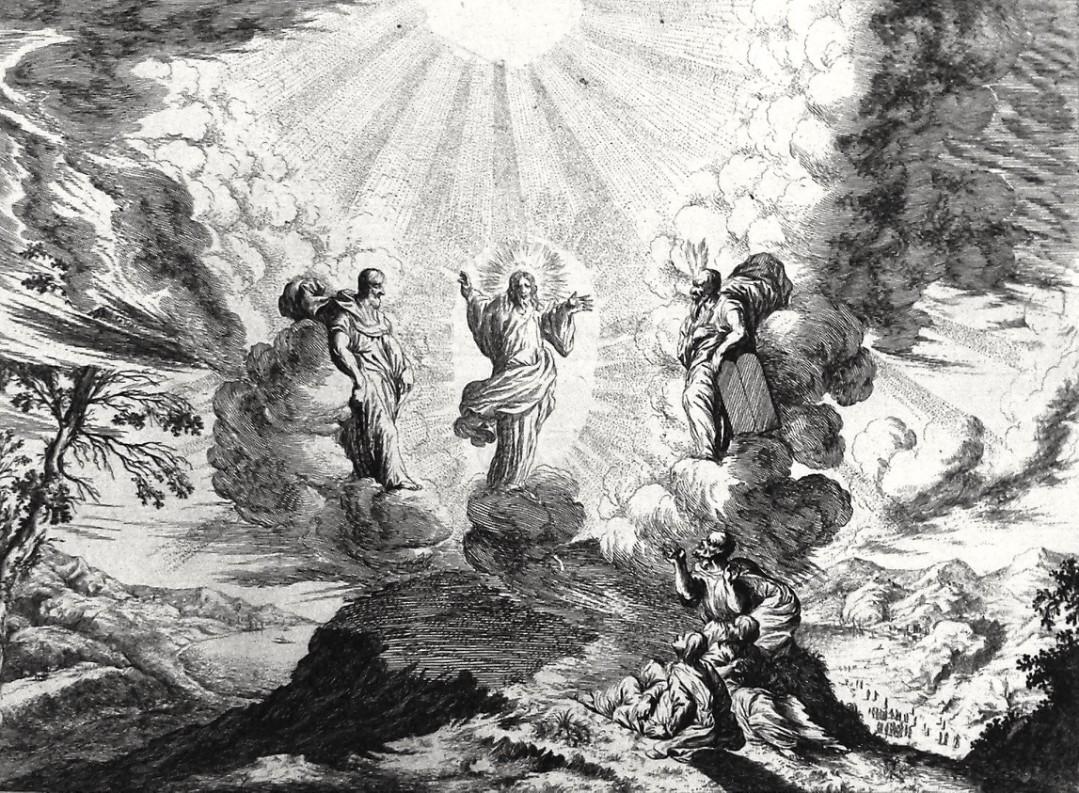
The Path to Honor Begins with the Fear of the Lord
A Sermon Reflecting on Proverbs 15:33 Proverbs 15:33 declares, “The fear of the Lord is instruction in wisdom, and humility comes before honor.” In a single verse, God gathers together some of the most essential truths for the Christian life. He reveals where wisdom begins, how character is formed, and what true greatness looks like in His kingdom. In a world that celebrates self-promotion, independence, and personal achievement, this proverb offers a radically different vision. It tells […] [SENSITIVE CONTENT]

A Sermon Reflecting on Proverbs 15:33
Proverbs 15:33 declares, “The fear of the Lord is instruction in wisdom, and humility comes before honor.” In a single verse, God gathers together some of the most essential truths for the Christian life. He reveals where wisdom begins, how character is formed, and what true greatness looks like in His kingdom. In a world that celebrates self-promotion, independence, and personal achievement, this proverb offers a radically different vision. It tells us that genuine wisdom is learned in reverence before God, and lasting honor is found only through the pathway of humility.
Human beings have always pursued wisdom. We seek knowledge through education, experience, observation, and research. We value intelligence and celebrate innovation. Yet Scripture continually reminds us that there is a wisdom greater than intellectual ability. There is a wisdom that comes from knowing God and living under His authority.
The Bible does not separate wisdom from relationship with the Creator. Wisdom is not merely knowing facts or making clever decisions. Wisdom is seeing life from God’s perspective and ordering one’s life according to His truth. It is practical righteousness applied to daily living.
This proverb begins by declaring that “the fear of the Lord is instruction in wisdom.” The fear of the Lord is not terror that drives people away from God but reverent awe that draws them into faithful obedience. It is the recognition that God is holy, sovereign, righteous, and worthy of complete trust. It is a humble acknowledgment that He alone is Lord and that every human life stands accountable before Him.
Such fear produces obedience because it recognizes God’s goodness and authority. It understands that His commands are not burdensome restrictions but loving guidance from a perfect Father who knows what is best for His children. To fear the Lord is to surrender our own understanding and gladly receive His instruction.
The world often believes wisdom comes through self-discovery and self-expression. Scripture teaches that wisdom begins with self-surrender. The truly wise person is not the one who trusts his own heart above all things but the one who submits his heart to God.
Every page of Scripture reinforces this truth. Adam and Eve sought wisdom apart from God and brought death into the world. Solomon, though blessed with extraordinary wisdom, drifted into foolishness when his heart wandered from the Lord. The prophets repeatedly warned Israel that rejecting God’s instruction would lead to destruction. The apostles proclaimed that true wisdom is found in Christ, who is Himself the wisdom of God.
The fear of the Lord therefore becomes the school in which believers are trained. God teaches His people through His Word, through His Spirit, through discipline, through worship, through prayer, and through the daily experiences of life. The Christian never graduates from this classroom because spiritual growth continues throughout life.
Wisdom requires teachability. Pride refuses correction, but humility welcomes it. Pride assumes it already knows enough, while humility recognizes the need for continual learning. The fear of the Lord keeps the heart soft and receptive.
This is why Scripture repeatedly connects wisdom with listening. God speaks, and His people hear. He instructs, and His children obey. He corrects, and His followers repent. Wisdom grows wherever God’s voice is honored above every competing voice.
Modern culture often encourages people to become their own authority. Many are told to trust only themselves, define their own truth, and follow their own desires. Yet the Bible reveals the tragedy of such thinking. Human understanding is limited and often distorted by sin. Left to ourselves, we wander into darkness.
The fear of the Lord anchors the believer in unchanging truth. It reminds us that God knows what we cannot know, sees what we cannot see, and understands what we cannot understand. His wisdom far exceeds ours. Therefore, trusting Him is not weakness but the highest expression of wisdom.
The second half of the proverb declares that humility comes before honor. This principle appears throughout Scripture and reaches its fullest expression in the life of Jesus Christ.
The Son of God humbled Himself by taking human flesh. He lived in obedience to the Father, served rather than demanded service, washed the feet of His disciples, endured rejection, suffered on the cross, and gave His life for sinners. Because He humbled Himself, the Father highly exalted Him and gave Him the name above every name.
The cross itself reveals the paradox of God’s kingdom. What appeared to be shame became glory. What looked like defeat became victory. What seemed to be weakness displayed infinite power. God delights in exalting the humble.
This pattern extends to every believer. The kingdom of God does not reward self-exaltation but self-denial. Jesus taught that whoever exalts himself will be humbled, but whoever humbles himself will be exalted. God’s economy is entirely different from the world’s economy.
The world says that honor comes through ambition, competition, influence, wealth, and recognition. God says honor comes through humility, obedience, faithfulness, and dependence upon Him.
Humility is often misunderstood. It is not weakness or insecurity. It is not pretending to have no gifts or abilities. Humility is simply seeing oneself rightly before God. It acknowledges that every good gift comes from Him. It understands that apart from His grace we possess nothing of eternal value.
The humble person does not need constant praise because his identity rests in God rather than public approval. He can serve quietly because his reward comes from heaven rather than human applause. He can admit failure because his hope rests in divine mercy rather than personal perfection.
Humility also transforms relationships. Pride creates division because it insists on being first. Pride refuses forgiveness, resists correction, and seeks recognition. Humility produces patience, gentleness, compassion, and peace because it places others before self.
Many conflicts in families, churches, and communities can be traced to wounded pride. People demand their own way, insist on their own opinions, and defend their own reputations. Yet the gospel continually calls believers to imitate Christ, who humbled Himself for the salvation of others.
Humility enables forgiveness because it remembers how much God has forgiven us. It enables generosity because it recognizes that everything belongs to God. It enables service because it sees every opportunity as an act of worship. It enables unity because it values God’s glory above personal preference.
The promise that humility comes before honor also encourages perseverance. Faithful obedience may not always receive immediate recognition. The righteous may be overlooked, misunderstood, or even persecuted. Yet God sees every act of obedience.
The honor promised by Scripture is ultimately God’s honor. It may include blessings in this life, but its fullest expression awaits eternity when Christ welcomes His faithful servants into His kingdom. On that day, worldly status will disappear, earthly trophies will fade, and human applause will be forgotten. Only what has been done for the glory of God will endure forever.
This truth frees believers from the exhausting pursuit of self-promotion. They no longer need to compete for attention or strive for superiority. They are free to love, serve, encourage, forgive, and sacrifice because their future is secure in Christ.
The church desperately needs this wisdom today. Congregations flourish when humility replaces pride and service replaces self-interest. Christian leaders lead well when they remember they are servants rather than masters. Families thrive when parents model humility and children learn reverence for God. Communities are transformed when believers quietly reflect the character of Christ.
The fear of the Lord also guards against spiritual complacency. It reminds believers that holiness matters. Grace never eliminates reverence. Instead, grace deepens reverence because those who have been forgiven much understand more fully the greatness of God’s mercy.
Christians approach God with confidence because of Christ’s finished work, yet they also approach Him with profound awe because He remains the holy Creator of heaven and earth. Reverence and intimacy are not enemies but companions. The child of God comes boldly because of grace and humbly because of God’s majesty.
Every decision in life can be filtered through this proverb. Before speaking, ask whether the words reflect the fear of the Lord. Before making plans, ask whether they honor God’s wisdom above personal ambition. Before pursuing success, ask whether humility is guiding the heart. Before seeking recognition, ask whether God’s glory remains the highest goal.
The fear of the Lord leads to wisdom because it places God at the center of life. Humility leads to honor because it allows God to receive the glory that belongs to Him. When these two truths shape the heart, life finds its proper order.
The gospel itself calls every person to this posture. Salvation begins with humble repentance. No one enters God’s kingdom through self-confidence or personal merit. We come empty-handed, confessing our sin and trusting entirely in the grace of Jesus Christ. The same humility that brings us to the cross continues to shape our lives as disciples.
As believers grow in grace, they become increasingly aware that every spiritual blessing is a gift. Every act of obedience is empowered by God’s Spirit. Every victory over temptation comes through His strength. Every opportunity for ministry is an expression of His kindness. Such awareness leaves no room for boasting except in the Lord.
Proverbs 15:33 therefore invites every believer into a lifelong journey of reverent worship and humble obedience. It teaches that wisdom cannot be separated from the fear of God and that true honor can never be separated from humility.
The pathway may appear slow and unnoticed by the standards of the world, but it is the pathway Christ Himself walked. It is the road marked by trust, obedience, repentance, service, and faithful perseverance. It is the road that leads not merely to earthly recognition but to eternal fellowship with the Lord who exalts the humble and gives grace to all who fear His name.
May every heart seek the wisdom that comes from fearing the Lord, and may every life be clothed with the humility that prepares God’s people for the everlasting honor found in His glorious presence.

Alt...
The Path to Honor Begins with the Fear of the Lord
Bowyer Bible print 3754 The transfiguration Matthew 17:1-9 2 Peter 1:13 Kraus. Robert Bowyer (d.1834) expanded his copy of the Macklin Bible by inserting over 6200 different prints. The Bowyer Bible is housed in Bolton Museum. For these prints see https://archive.org/details/bowyer-bible
where Philip De Vere has created flip-books from Phillip Medhurst's photo-collection.
#BoltonMuseum #bible #extraillustration #interleaved #print #engraving #etching #Bibleillustration #Bibleart #Christianart #christianartwork
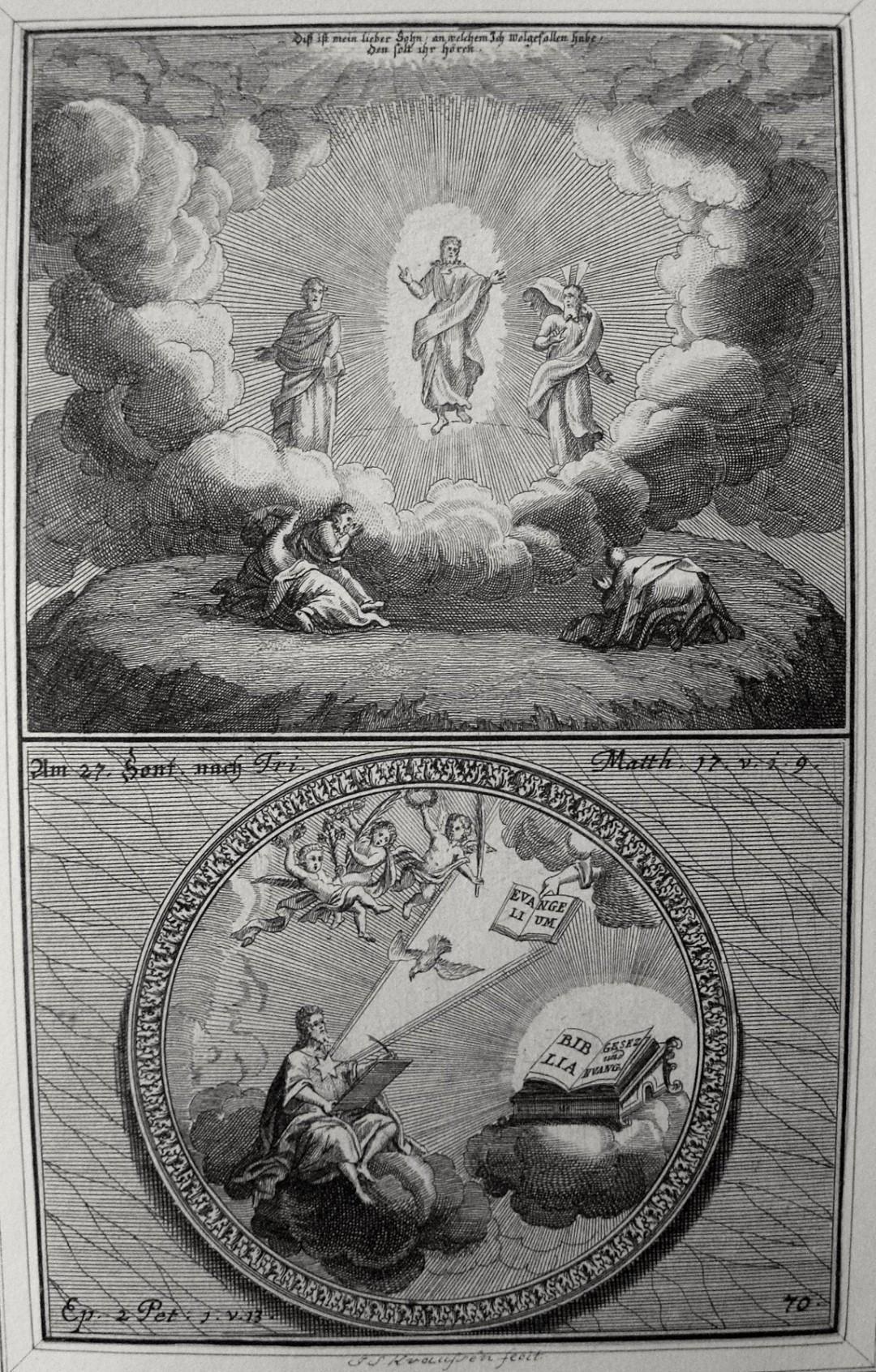
“But if anyone obeys his word, love for God is truly made complete in them. This is how we know we are in him: whoever claims to live in him must live as Jesus did.”
1 John 2:5-6 NIVUK
#bible
It Is Easy to Hear the One You Love
Think about someone you love deeply.You recognize their voice instantly. You notice when something is wrong. You can often tell what they're thinking before they even say it. Why? Because you've spent time with them. You've listened to them. You care about what they think, feel, and want. The goal isn't merely hearing words - The goal is knowing the person. The same is true with God. Do we love Him enough to listen? Click here to read the full devotional. ✨ [SENSITIVE CONTENT]
Today’s One Year Bible Verses: 1 Kings 19:1–21, Acts 12:1–23, Psalm 136:1–26, Proverbs 17:14–15
Listening In Love
After spending time with the Lord this morning, He whispered this Gem of Knowledge to my heart:
“It is easy to hear Me when you love Me and listen – It’s easy to hear someone when you love them, listen, and care about what they think, feel, or want. You listen to know them. Amen.”
As I thought about those words, I realized how true they are in our everyday relationships.
Think about someone you love deeply.
You recognize their voice instantly. You notice when something is wrong. You can often tell what they’re thinking before they even say it. Why? Because you’ve spent time with them. You’ve listened to them. You care about what they think, feel, and want.
The goal isn’t merely hearing words – The goal is knowing the person.
The same is true with God.
Many people desperately want to hear God’s voice, but sometimes we approach it backward. We focus on techniques, methods, formulas, or signs. We search for ways to hear Him when what He really desires is relationship.
We hear Him best when we love Him, spend time with Him, and genuinely care about what He wants to say.
Today’s reading gives us one of the most beautiful examples of this truth in all of Scripture.
Elijah had just experienced an incredible victory on Mount Carmel. Fire fell from heaven. The prophets of Baal were defeated. Yet shortly afterward, Elijah found himself discouraged, exhausted, and afraid.
He fled into the wilderness and eventually found himself standing before the Lord on Mount Sinai.
Then something remarkable happened.
A mighty wind tore through the mountains, but God was not in the wind.
An earthquake shook the ground, but God was not in the earthquake.
A fire blazed, but God was not in the fire.
Then came a gentle whisper…and Elijah heard Him.
The whisper was not louder than the wind. It was not more powerful than the earthquake, nor was it more consuming than the fire.
Elijah recognized it was God’s voice.
Why?
Because he knew the One who was speaking. The relationship had already been built, so the whisper was enough.
How often are we waiting for the wind, the earthquake, or the fire while God is speaking in a whisper?
The noise of life can make us think God must speak loudly to get our attention. Yet often He speaks most clearly in quiet moments when our hearts are turned toward Him.
In Acts 12 Peter sat imprisoned, so the church gathered and prayed. They were seeking God because they loved Him and trusted Him. Their focus wasn’t on formulas. Their focus was on the Lord. Because of this, God moved powerfully on Peter’s behalf.
Throughout Scripture, the people who heard God most clearly were not necessarily the most educated, gifted, or important. They were the ones who knew Him personally and intimately.
Psalm 136 repeats the phrase:
“His faithful love endures forever.” (NLT)
Twenty-six times the psalmist reminds us of God’s enduring love.
This is so important because love is the foundation of relationship and relationship is the foundation of hearing.
The more we know Him, the more familiar His voice becomes.
The more we love Him, the more we care about what He thinks, feels, and wants.
The more we listen, the easier it becomes to recognize when He speaks.
Perhaps hearing God is not as complicated as we sometimes make it.
Perhaps it begins with loving Him enough to listen. 💎
Action (5 Minutes with God)
Do you love God enough to give Him 5 minutes of your time today? If so, ask Him:
- “Lord, what do You want me to know about this personally?”
- Journal what He gives you through His Holy Spirit.
- Then ask, “What do You want me to do?”
- Journal what He reveals – then do it!
Let today be a day of listening and observing Him. Focus on knowing Him rather than just getting answers.
Prayer
Dear Lord, thank You that You desire a relationship with me. Help me love You more deeply and care about what You think, feel, and want. Teach me to quiet the noise around me and spend time listening for Your voice. Help me recognize Your whisper because I know Your heart. Draw me closer to You and deepen our relationship each day. In your mighty name I pray, Amen.
To read more 5 Minutes with God devotionals click here.
If Gems of Knowledge has blessed your walk with Christ, please subscribe or consider partnering with us today. Your gift helps keep these devotionals free for everyone and carries God’s Word to more hearts. Every seed matters—thank you for sowing into this work! 💛
Test everything by the Word and the Spirit (John 16:13)

Alt...
Elijah standing at the mouth of a cave as a gentle whisper of wind brushes past him while he listens for God's voice in a peaceful mountain landscape.
The profound sacrifice of Jesus ensures that salvation is completely accessible to everyone regardless of their status, guaranteeing that "whoever believes in Him should not perish but have everlasting life" (John 3:16 NKJV).
https://ko-fi.com/veggietalesgang
https://www.patreon.com/cw/veggietalesgang
https://linktr.ee/veggietalesgang
https://discord.gg/Knk4bCXKwG
https://youtube.com/shorts/YgWzzB_irf4?feature=share
where Philip De Vere has created flip-books from Phillip Medhurst's photo-collection.
#BoltonMuseum #bible #extraillustration #grangerisation #MacklinBible #interleaved #print #engraving #etching #Bibleillustration #Bibleart #Christianart #christianartwork
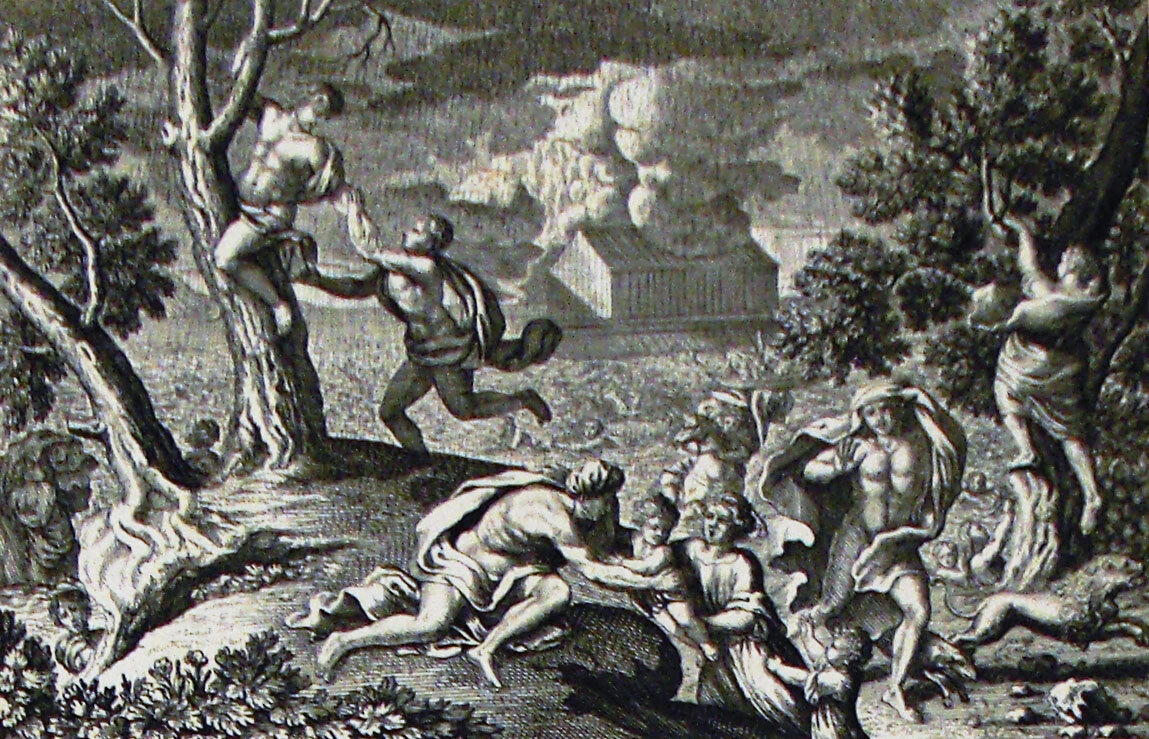
The Fear of the Lord: Wisdom’s Beginning and Humility’s Crown
A Theological Commentary on Proverbs 15:33 Proverbs 15:33 declares, “The fear of the Lord is instruction in wisdom, and humility comes before honor.” Though brief, this proverb stands among the most profound theological summaries in the wisdom literature. It unites two central biblical themes that echo throughout both Testaments: the necessity of reverent submission before God and the paradoxical path by which true exaltation is attained. The verse presents a theology of discipleship in […] [SENSITIVE CONTENT]

A Theological Commentary on Proverbs 15:33
Proverbs 15:33 declares, “The fear of the Lord is instruction in wisdom, and humility comes before honor.” Though brief, this proverb stands among the most profound theological summaries in the wisdom literature. It unites two central biblical themes that echo throughout both Testaments: the necessity of reverent submission before God and the paradoxical path by which true exaltation is attained. The verse presents a theology of discipleship in miniature. It teaches that wisdom is inseparable from worship, that education begins with reverence rather than intellect, and that lasting honor is granted only through humility.
The Book of Proverbs repeatedly portrays wisdom not as the accumulation of information but as the art of living rightly before God. Unlike the speculative philosophies of the ancient world, biblical wisdom is covenantal and relational. It begins with acknowledging God’s sovereign authority over creation and human existence. Proverbs 1:7 establishes the foundation of the entire book by proclaiming that “the fear of the Lord is the beginning of knowledge,” while Proverbs 9:10 similarly teaches that “the fear of the Lord is the beginning of wisdom.” Proverbs 15:33 deepens this theological vision by describing the fear of the Lord as instruction itself, suggesting that reverence toward God is not merely the entrance into wisdom but the ongoing school in which wisdom is continually learned.
The Hebrew expression translated “fear of the Lord” is יִרְאַת יְהוָה (yirat Yahweh). This phrase has often been misunderstood as describing terror or dread. Yet within biblical theology it signifies reverence, awe, covenant loyalty, worshipful submission, and joyful obedience. The fear of the Lord recognizes both God’s infinite holiness and His covenant faithfulness. It acknowledges that God alone possesses absolute authority and therefore deserves complete trust and obedience.
This fear is fundamentally theological because it is rooted in God’s character rather than in human emotion. The believer fears God because God is infinitely glorious, righteous, sovereign, and just. Such fear produces worship rather than paralysis. It creates dependence rather than despair. It leads not away from God but toward Him.
The structure of Proverbs consistently presents wisdom as impossible apart from this reverent relationship. Human intellect alone cannot discover ultimate truth because wisdom originates in God’s own nature. Since God created the world through wisdom, only those who submit themselves to the Creator can truly understand the moral order embedded within creation.
This theological principle distinguishes biblical wisdom from secular philosophy. Human reasoning may achieve remarkable scientific or philosophical accomplishments, yet without acknowledging God it remains fundamentally incomplete. Scripture consistently critiques autonomous human wisdom that seeks understanding apart from divine revelation. The Tower of Babel illustrates collective human intelligence detached from reverence, while Solomon’s own decline later demonstrates that intellectual brilliance cannot preserve a heart that has ceased fearing the Lord.
The expression “instruction in wisdom” introduces another significant theological dimension. The Hebrew word translated “instruction” often carries the sense of discipline, correction, training, or moral formation. It implies that wisdom is acquired through a lifelong process of divine education. God teaches His people through Scripture, providence, correction, suffering, and obedience.
Wisdom therefore cannot be reduced to academic study or intellectual achievement. It is spiritual formation. It shapes character before conduct and heart before action. The fear of the Lord becomes the classroom in which believers learn dependence upon God.
This educational process frequently includes painful experiences. Throughout Scripture, God’s discipline functions not as punishment alone but as loving instruction. Trials expose pride, reveal weakness, and cultivate reliance upon divine grace. Theologically, suffering becomes one of God’s most effective instruments for teaching wisdom because it dismantles human self-sufficiency.
This concept finds fulfillment in New Testament teaching, where endurance produces maturity and spiritual completeness. God’s instruction often arrives through circumstances that human wisdom would avoid but divine wisdom ordains for sanctification.
The second half of the proverb states, “and humility comes before honor.” Here the wisdom tradition presents one of Scripture’s most enduring paradoxes. Human instinct seeks honor through self-promotion, status, achievement, and recognition. God’s kingdom reverses this pattern by establishing humility as the prerequisite for true exaltation.
The Hebrew concept of humility encompasses lowliness, meekness, dependence, and submission before God. It is not self-hatred or false modesty but accurate self-understanding in light of God’s greatness. The humble person recognizes creaturely dependence and therefore rejects prideful autonomy.
Throughout Scripture, pride consistently appears as humanity’s fundamental rebellion against God. The fall in Genesis may be understood as an act of pride in which humanity sought independence from divine authority. Pride refuses creaturely limitation and desires equality with God. Humility, conversely, embraces dependence and gladly submits to divine lordship.
This theological framework explains why humility precedes honor. God opposes pride because it challenges His rightful sovereignty, but He exalts humility because it reflects truth. Humility aligns human beings with reality, acknowledging that every gift, achievement, ability, and blessing originates from God.
The biblical narrative repeatedly demonstrates this principle. Joseph endured years of suffering before being elevated in Egypt. Moses spent decades in obscurity before leading Israel. David experienced exile before kingship. Esther approached the throne in humility before receiving influence. Daniel maintained faithful dependence upon God before receiving honor among pagan rulers.
These narratives reveal that God’s kingdom consistently operates through unexpected reversals. Exaltation follows surrender. Leadership emerges from servanthood. Greatness arises through self-denial.
This theme reaches its theological climax in the person of Jesus Christ. The incarnation itself reveals divine humility, as the eternal Son willingly assumed human nature and entered a fallen world in weakness. His earthly ministry consistently rejected worldly status and power, embracing service, sacrifice, and obedience.
The cross represents the ultimate expression of humility preceding honor. Christ humbled Himself unto death, even death on a cross. Therefore God highly exalted Him and bestowed upon Him the name above every name. The resurrection and ascension demonstrate that divine honor follows perfect humility.
Christ therefore becomes both the model and source of the humility described in Proverbs 15:33. Believers are called not merely to imitate humility externally but to participate in the humility of Christ through union with Him. Christian sanctification increasingly conforms believers to the character of the crucified and risen Lord.
Within systematic theology, this proverb contributes significantly to the doctrine of sanctification. Spiritual growth is not measured primarily by intellectual knowledge or ministerial success but by increasing reverence toward God and increasing humility before others.
Theological education itself must therefore remain rooted in the fear of the Lord. Seminaries, churches, and Christian institutions face continual temptation to substitute academic accomplishment for spiritual transformation. Proverbs 15:33 reminds scholars and ministers alike that wisdom begins not with scholarly credentials but with worship.
History provides numerous examples of brilliant theological minds whose ministries collapsed because intellectual achievement outpaced spiritual humility. Conversely, many faithful servants with limited formal education profoundly influenced the Church through deep reverence for God and humble dependence upon His Spirit.
The proverb also contributes to biblical anthropology by defining humanity’s proper relationship to God. Human beings flourish not through independence but through dependence. Modern culture often celebrates self-expression, self-determination, and self-sufficiency as ultimate virtues. Scripture offers a radically different vision in which true humanity emerges through submission to God.
This theological anthropology challenges contemporary assumptions about identity and fulfillment. Freedom is not found in autonomy but in obedience. Greatness is not achieved through self-exaltation but through humble service. Human dignity arises not from self-definition but from being created and redeemed by God.
Ecclesiologically, the proverb offers profound guidance for church leadership. Spiritual authority in Scripture consistently arises from humility rather than domination. Jesus warned His disciples against adopting worldly models of leadership based on power and status. Instead, greatness in His kingdom belongs to servants.
Church leaders who lose the fear of the Lord inevitably become consumed by reputation, influence, and personal ambition. Ministry then becomes self-centered rather than Christ-centered. Humility protects leaders from this temptation by continually reminding them that all authority belongs ultimately to God.
Likewise, congregations flourish when characterized by reverence and humility. Communities shaped by the fear of the Lord become places where correction is welcomed, forgiveness is practiced, and service is esteemed above recognition. Such churches display the character of Christ before a watching world.
Eschatologically, the promise that humility comes before honor points beyond present experience toward God’s final vindication of His people. Many faithful believers experience obscurity, suffering, rejection, or persecution during their earthly lives. Scripture assures them that divine honor awaits those who remain humble before God.
This future orientation protects believers from seeking immediate recognition. The New Testament repeatedly encourages perseverance by directing attention toward eternal reward rather than temporal acclaim. God’s judgment will reveal the true significance of lives hidden from worldly attention but precious in His sight.
The paradox of humility preceding honor also reflects the already-but-not-yet nature of God’s kingdom. Believers presently embrace humility while anticipating future glorification. They follow a crucified Messiah while awaiting the fullness of His reign. Their present lowliness prepares them for future participation in His glory.
Ultimately, Proverbs 15:33 presents a comprehensive theology of spiritual formation rooted in God’s character and fulfilled in Christ. The fear of the Lord provides the foundation upon which wisdom is built, while humility becomes the pathway leading to divine honor. These realities cannot be separated because genuine reverence inevitably produces humility, and authentic humility naturally reflects reverence toward God.
The verse exposes the futility of self-made wisdom and self-exalting ambition while inviting believers into God’s gracious school of discipleship. It teaches that wisdom is learned through worship, maturity through submission, and greatness through service. The entire Christian life unfolds under this paradoxical principle.
For the Church today, this ancient proverb remains profoundly relevant. In a culture captivated by visibility, influence, and self-promotion, Scripture calls believers back to reverent dependence upon God. In an age of information, it reminds us that wisdom cannot be downloaded but must be formed through lifelong communion with the Lord. In a society that prizes achievement above character, it declares that humility remains the indispensable preparation for lasting honor.
Thus Proverbs 15:33 stands not merely as a practical saying but as a theological summary of the kingdom of God itself. Those who fear the Lord enter the true school of wisdom, and those who walk humbly before Him will one day receive honor from the only Judge whose approval endures forever.

Alt...
The Fear of the Lord: Wisdom’s Beginning and Humility’s Crown
Do believers have the power to heal others, as seen in Acts, where Peter heals a lame man? How does the Bible answer that question? Click or tap the link to read more.
#afaithfulsower #christianity #Bible #Jesus #dailydevotional
https://afaithfulsower.org/2026/06/17/never-hesitate-there-is-power-in-the-name-of-jesus/
Bowyer Bible print 3544 The temptation: angels minister to the victorious Christ Matthew 4:10-11 after Bourgiers. Robert Bowyer (d.1834) expanded his copy of the Macklin Bible by inserting over 6200 different prints. The Bowyer Bible is now housed in Bolton Museum. For these prints see https://archive.org/details/bowyer-bible
where Philip De Vere has created flip-books from Phillip Medhurst's photo-collection.
#BoltonMuseum #bible #extraillustration #Bibleillustration #Bibleart #Christianart #christianartwork
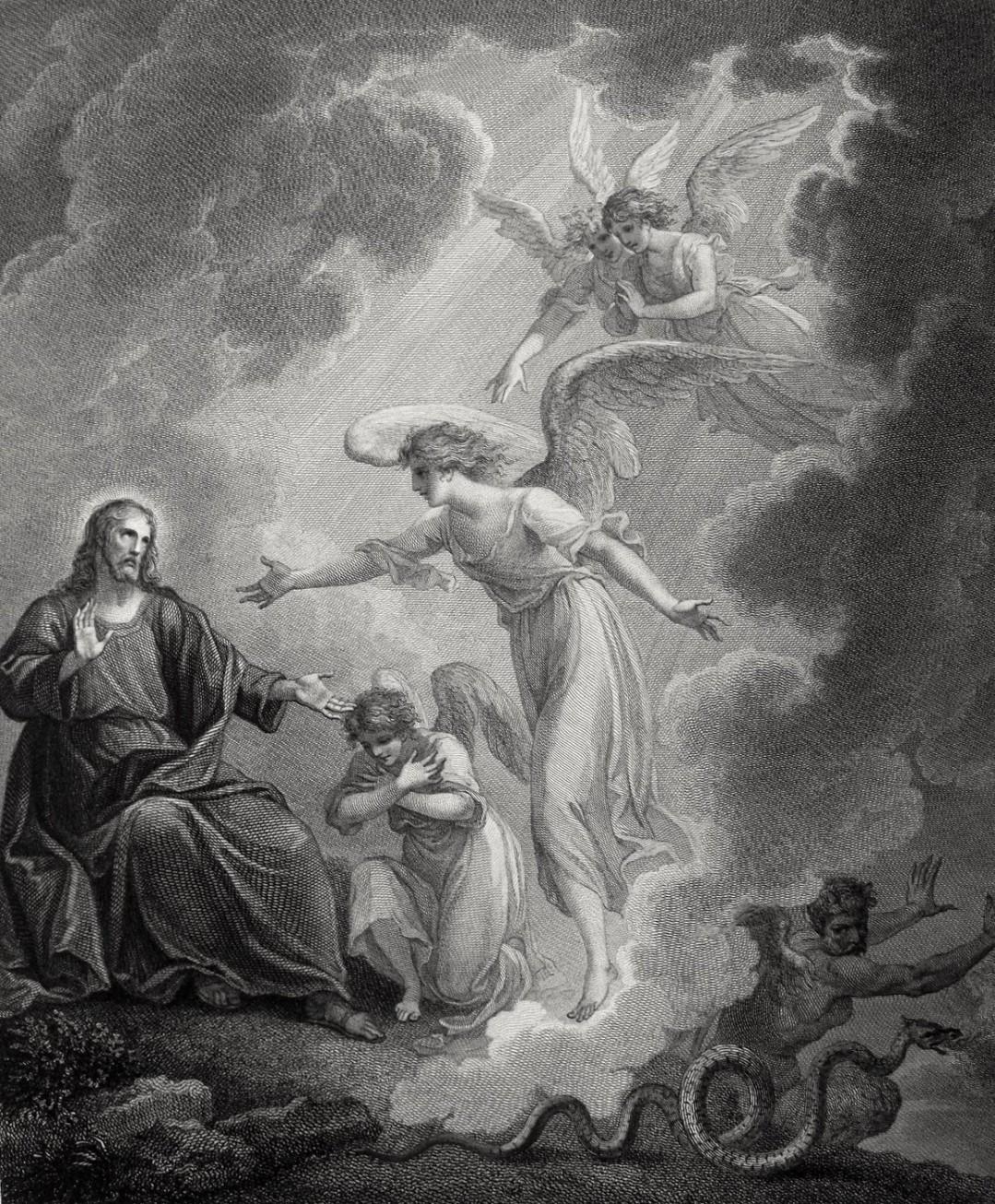
Bowyer Bible print 3347 Virgin and Child after Raphael. Robert Bowyer (d.1834) expanded his copy of the Macklin Bible by inserting over 6200 different prints. The Bowyer Bible is now housed in Bolton Museum. For these prints see https://archive.org/details/bowyer-bible
where Philip De Vere has created flip-books from Phillip Medhurst's photo-collection.
#BoltonMuseum #bible #extraillustration #grangerisation #MacklinBible #interleaved #print #etching #Bibleillustration #Bibleart #Christianart #christianartwork
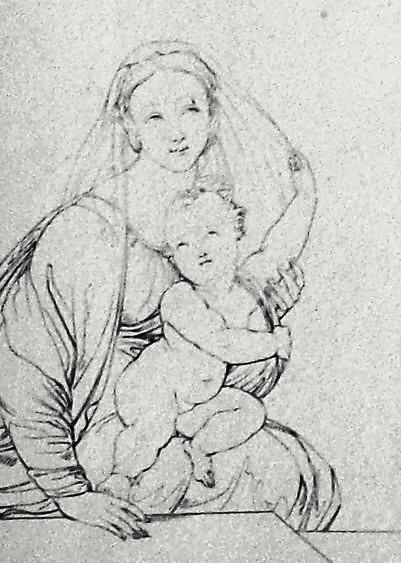
Bowyer Bible print 0428 Abimelech restores Sarah. Genesis cap 20 v 14. Mortier. Robert Bowyer (d.1834) expanded his copy of the Macklin Bible by inserting over 6200 prints. The Bowyer Bible is now housed in Bolton Museum. For these prints see https://archive.org/details/bowyer-bible
where Philip De Vere has created flip-books from Phillip Medhurst's photo-collection.
#BoltonMuseum #bible #extraillustration #grangerisation #MacklinBible #etching #Bibleillustration #Bibleart #Christianart #christianartwork
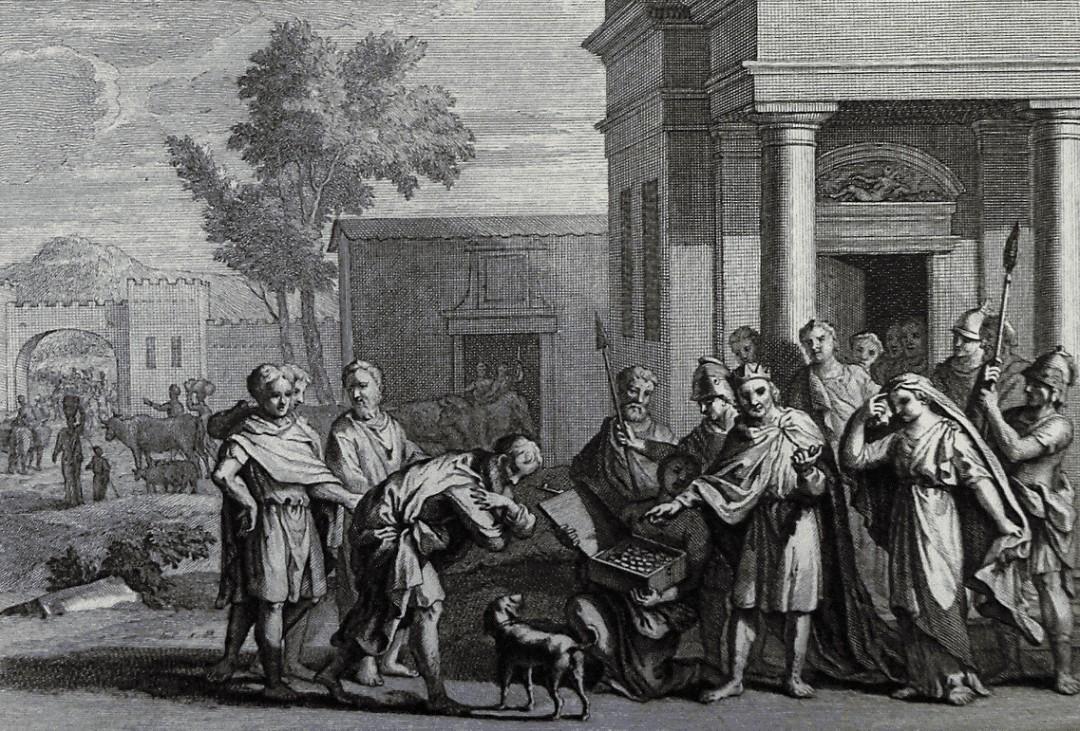
Bowyer Bible print 0075 Insects Genesis 1:20 Füssli engraved by Corvinus. Robert Bowyer (d.1834) expanded his copy of the Macklin Bible by inserting over 6200 different prints. The Bowyer Bible is housed in Bolton Museum. For these prints see https://archive.org/details/bowyer-bible
where Philip De Vere has created flip-books from Phillip Medhurst's photo-collection.
#BoltonMuseum #bible #extraillustration #grangerisation #print #engraving #etching #Bibleillustration #Bibleart #Christianart #christianartwork

where Philip De Vere has created flip-books from Phillip Medhurst's photo-collection.
#BoltonMuseum #bible #extraillustration #grangerisation #MacklinBible #interleaved #print #engraving #etching #Bibleillustration #Bibleart #Christianart #christianartwork
where Philip De Vere has created flip-books from Phillip Medhurst's photo-collection.
#BoltonMuseum #bible #extraillustration #grangerisation #MacklinBible #interleaved #print #engraving #etching #Bibleillustration #Bibleart #Christianart #christianartwork
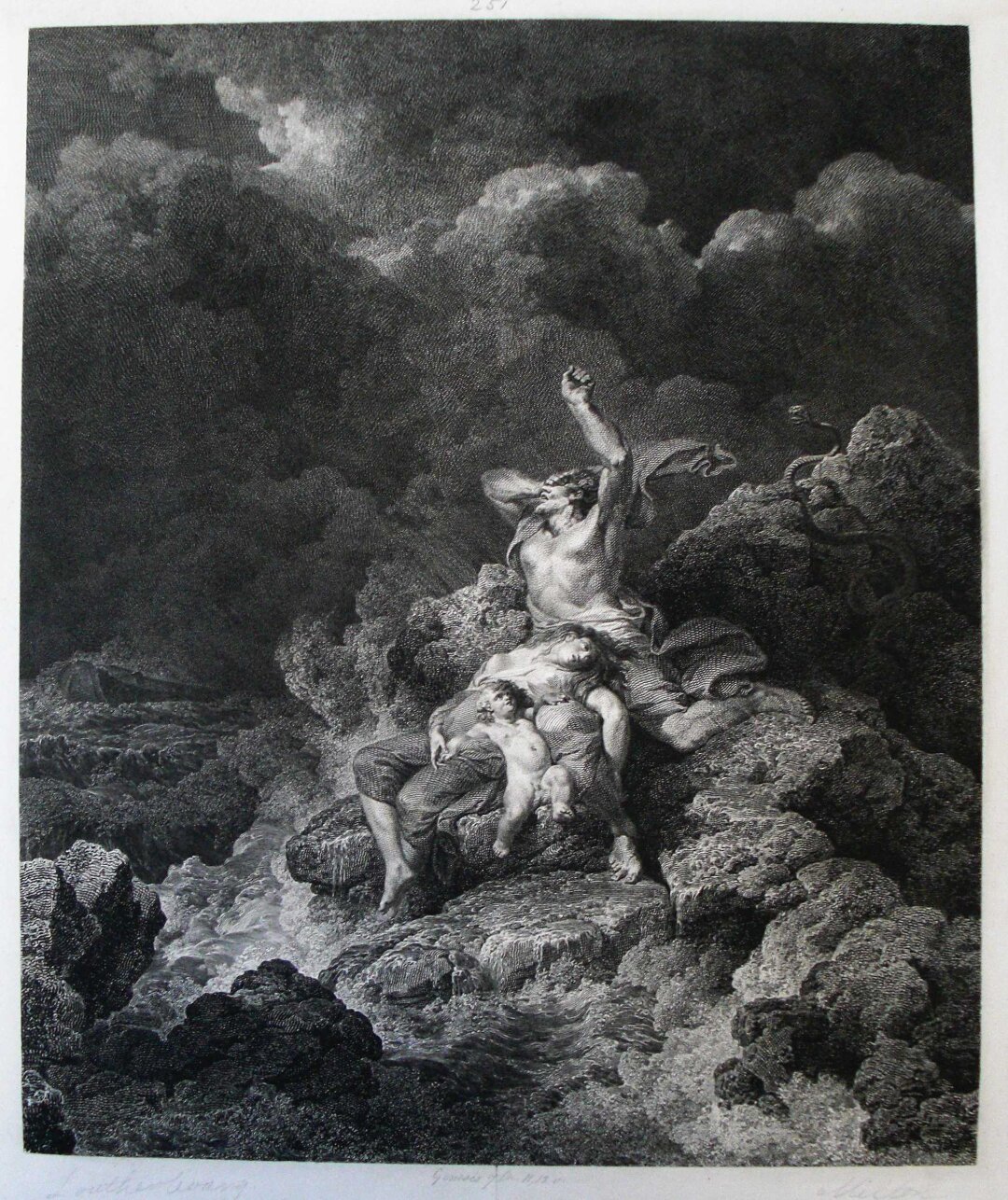
where Philip De Vere has created flip-books from Phillip Medhurst's photo-collection.
#BoltonMuseum #bible #extraillustration #grangerisation #MacklinBible #interleaved #print #engraving #etching #Bibleillustration #Bibleart #Christianart #christianartwork
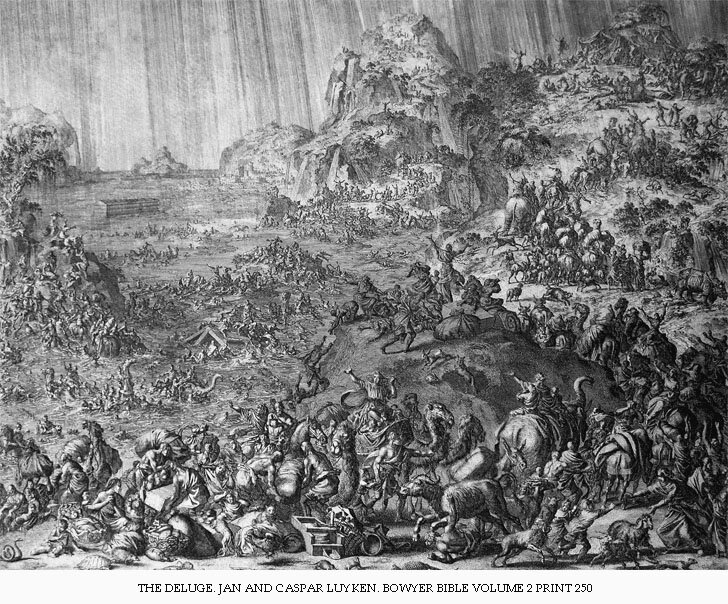
where Philip De Vere has created flip-books from Phillip Medhurst's photo-collection.
#BoltonMuseum #bible #extraillustration #grangerisation #MacklinBible #interleaved #print #engraving #etching #Bibleillustration #Bibleart #Christianart #christianartwork
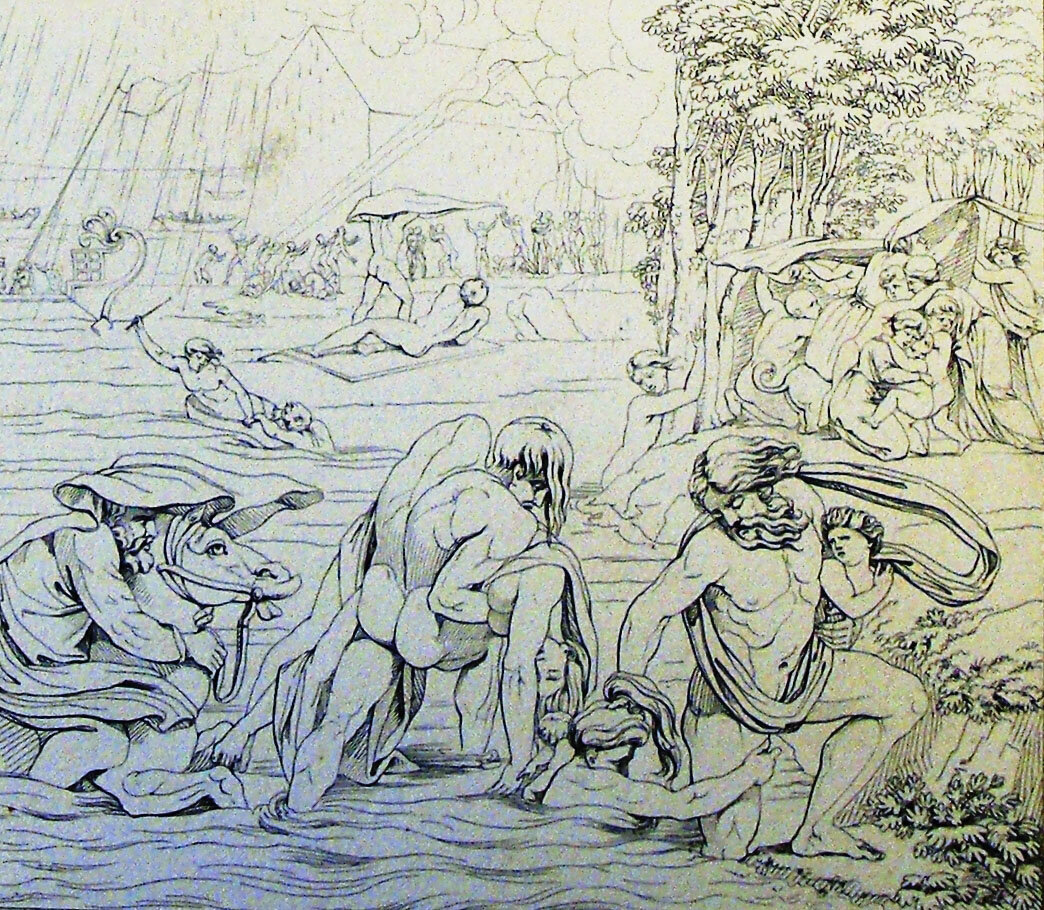
The School of Holy Humility
A Bible Study Reflecting on Proverbs 15:33 The wisdom literature of Scripture repeatedly reminds God's people that true wisdom is never merely intellectual achievement but a transformed way of living before the Lord. Proverbs does not simply teach skill for success or techniques for prosperity; it reveals the path of righteousness that flows from reverence for God. Among its many profound statements stands Proverbs 15:33: "The fear of the Lord is instruction in wisdom, and humility comes […] [SENSITIVE CONTENT]

A Bible Study Reflecting on Proverbs 15:33
The wisdom literature of Scripture repeatedly reminds God’s people that true wisdom is never merely intellectual achievement but a transformed way of living before the Lord. Proverbs does not simply teach skill for success or techniques for prosperity; it reveals the path of righteousness that flows from reverence for God. Among its many profound statements stands Proverbs 15:33:
“The fear of the Lord is instruction in wisdom, and humility comes before honor.”
This single verse captures the very heart of biblical discipleship. It presents a progression that is often contrary to human instinct. The world teaches that honor comes through self-promotion, confidence, achievement, and personal ambition. Scripture teaches that honor is preceded by humility and that wisdom begins not with self-confidence but with the fear of the Lord.
The verse joins together three inseparable realities: reverence for God, the acquisition of wisdom, and the cultivation of humility. These are not isolated virtues but interconnected expressions of a heart transformed by God’s grace.
The opening phrase declares that “the fear of the Lord is instruction in wisdom.” Throughout Proverbs, the fear of the Lord serves as the foundation of all genuine understanding. This fear is not the terror of a criminal before a judge but the reverent awe of a child before a loving Father whose holiness inspires worship, obedience, and trust.
To fear God is to recognize His absolute sovereignty over creation. It is to acknowledge that He alone possesses perfect wisdom, perfect justice, perfect mercy, and perfect authority. Such fear does not drive believers away from God but draws them near in reverent dependence.
Modern society often celebrates independence and self-sufficiency. The biblical worldview begins with dependence upon God. Human beings are creatures, not creators. They are finite, not infinite. They are recipients of grace, not masters of destiny.
The fear of the Lord therefore becomes the classroom in which wisdom is taught. It is the environment where hearts are reshaped by divine truth. Wisdom is not merely accumulated information but rightly ordered living under God’s authority.
This instruction is lifelong. No believer graduates from the school of God’s wisdom. Every season of life presents new lessons in trust, obedience, patience, and submission. The elderly saint and the young believer alike remain students under the instruction of their heavenly Teacher.
The language of instruction suggests discipline and correction as well as education. God often teaches His children through experiences that expose weakness, pride, impatience, or misplaced confidence. Trials become classrooms where faith matures and wisdom deepens.
This understanding prevents believers from interpreting hardship merely as punishment or misfortune. Instead, every circumstance becomes an opportunity for divine instruction. The God who disciplines His children is the God who loves them and desires their maturity.
Wisdom gained apart from reverence for God is incomplete. Human intelligence can achieve remarkable scientific advancement, technological innovation, and philosophical insight, yet still fail to understand the deepest realities of existence. Scripture insists that true wisdom begins by placing God at the center of all thought and life.
The second half of the verse presents an equally important truth: “humility comes before honor.”
This principle appears throughout both Testaments. God consistently exalts the humble while opposing the proud. Pride seeks elevation through self-exaltation. Humility waits upon God’s timing and God’s approval.
Humility is often misunderstood. It is not self-hatred or the denial of one’s gifts and abilities. Biblical humility is the accurate recognition of one’s place before God. It acknowledges that every ability, every opportunity, every blessing, and every accomplishment ultimately comes from His gracious hand.
The humble person does not deny strength but understands its source. He does not refuse responsibility but carries it with gratitude and dependence. He does not seek applause because his identity rests securely in God’s acceptance rather than human recognition.
Humility also produces teachability. Pride assumes it already knows enough. Humility remains eager to learn. Pride resists correction. Humility welcomes instruction. Pride protects reputation at all costs. Humility values truth above appearances.
This explains why humility naturally follows the fear of the Lord. As God’s greatness becomes clearer, human pride loses its foundation. Standing before divine holiness exposes the limitations of human wisdom and power.
The prophets experienced this repeatedly. Isaiah cried that he was undone when he beheld God’s glory. Job repented in dust and ashes after encountering the majesty of the Lord. Peter fell before Jesus confessing his own sinfulness. The closer believers come to God, the less room remains for pride.
The promise that honor follows humility reveals one of God’s remarkable reversals. The kingdom of God operates according to values that frequently overturn worldly expectations.
Jesus taught that those who exalt themselves will be humbled, while those who humble themselves will be exalted. His own life perfectly embodied this principle. Though possessing divine glory, He humbled Himself by taking human flesh, embracing servanthood, and submitting to death on a cross. Because of that humility, the Father highly exalted Him.
The cross itself stands as history’s greatest demonstration that God’s pathway to glory passes through humility. The Savior’s humiliation became the means of humanity’s redemption and His own exaltation.
For believers, this pattern continues. God often shapes servants through hidden seasons before public usefulness. Moses spent decades in the wilderness before leading Israel. David tended sheep and fled from Saul before ascending the throne. Joseph endured slavery and imprisonment before governing Egypt. Each learned humility before receiving honor.
This divine pattern protects God’s servants from destruction. Leadership without humility becomes tyranny. Influence without humility becomes manipulation. Knowledge without humility becomes arrogance. Success without humility often leads to spiritual collapse.
The church especially must recover this understanding. Ministry is not a platform for personal recognition but an opportunity for sacrificial service. Spiritual authority is exercised through love, gentleness, and faithful obedience rather than domination or self-promotion.
Humility also transforms relationships within the body of Christ. Pride creates competition, jealousy, division, and resentment. Humility produces unity, patience, forgiveness, and mutual encouragement. A humble believer can rejoice in another’s success because personal identity is secure in Christ rather than dependent upon comparison.
Families likewise flourish where humility governs daily interactions. Husbands and wives who willingly seek forgiveness preserve unity. Parents who admit mistakes teach integrity. Children who honor authority cultivate wisdom. Pride hardens hearts, but humility opens the way for reconciliation.
In the workplace humility produces honesty, diligence, cooperation, and integrity. Rather than pursuing advancement through manipulation or selfish ambition, believers work faithfully as servants of Christ, trusting God with outcomes and recognition.
The pursuit of humility, however, presents a paradox. Genuine humility cannot be manufactured through outward behavior while secretly seeking admiration for being humble. Such false humility remains another form of pride.
Instead, true humility grows naturally through continual contemplation of God’s greatness and grace. As believers remember their sinfulness, Christ’s sacrifice, and God’s undeserved mercy, pride gradually loses its grip.
Prayer cultivates humility because prayer acknowledges dependence. Worship cultivates humility because worship exalts God rather than self. Scripture cultivates humility because it confronts human assumptions with divine truth. Service cultivates humility because it redirects attention toward the needs of others.
The gospel itself provides the deepest foundation for humility. Salvation is entirely by grace. No one earns forgiveness. No one deserves adoption into God’s family. No one contributes righteousness sufficient for acceptance before God. Every spiritual blessing comes through Christ alone.
Therefore boasting has no place among God’s people except boasting in the Lord. The cross forever silences human pride because it reveals both the seriousness of sin and the immeasurable greatness of divine mercy.
Honor, according to Proverbs, ultimately comes from God rather than humanity. Earthly recognition is temporary and often unreliable. Public opinion changes quickly. Human praise fades. Worldly success disappears with time.
God’s honor is different. He sees hidden faithfulness that others overlook. He remembers acts of quiet obedience unknown to the world. He rewards perseverance that receives little earthly recognition.
Many faithful servants labor for decades without public acclaim, yet heaven records every act of love, every prayer offered in secret, every sacrifice made for Christ’s kingdom. The honor God gives is eternal because it rests upon His perfect knowledge and righteous judgment.
This truth liberates believers from the exhausting pursuit of human approval. They are free to serve quietly, love sacrificially, forgive generously, and obey faithfully because their ultimate audience is God Himself.
Proverbs 15:33 therefore offers a complete vision for spiritual maturity. Wisdom begins with reverent fear of the Lord. That reverence produces humility. Humility prepares the way for honor bestowed by God. The entire process is one of grace transforming the human heart into the likeness of Christ.
In a culture captivated by self-promotion and personal achievement, this verse calls believers back to the forgotten beauty of reverence and humility. It reminds the church that greatness in God’s kingdom is measured not by applause but by faithfulness, not by status but by service, not by power but by obedience.
Those who bow low before God discover that they stand secure in His favor. Those who surrender pride receive wisdom that cannot be obtained through human effort alone. Those who seek God’s glory rather than their own find themselves honored by the One whose judgment alone endures forever.
The path may appear hidden and difficult, but it leads toward eternal blessing. The fear of the Lord remains the beginning of wisdom, and humility still walks before honor. God’s order has never changed, and those who embrace it discover the joy, stability, and peace that belong to all who walk humbly with their God.

Alt...
The School of Holy Humility
A Life Crowned with Humility
A Devotional Meditation on Proverbs 15:33 Proverbs 15:33 declares, “The fear of the Lord is instruction in wisdom, and humility comes before honor.” In a single sentence, the Holy Spirit weaves together four profound realities that shape the life of every believer: the fear of the Lord, wisdom, humility, and honor. These themes are not isolated virtues but are intimately connected, revealing the pathway by which God forms His people into vessels fit for His kingdom. The modern world […] [SENSITIVE CONTENT]

A Devotional Meditation on Proverbs 15:33
Proverbs 15:33 declares, “The fear of the Lord is instruction in wisdom, and humility comes before honor.” In a single sentence, the Holy Spirit weaves together four profound realities that shape the life of every believer: the fear of the Lord, wisdom, humility, and honor. These themes are not isolated virtues but are intimately connected, revealing the pathway by which God forms His people into vessels fit for His kingdom.
The modern world often reverses this order. Society teaches that honor comes through self-promotion, wisdom through education alone, and influence through personal ambition. Success is measured by visibility, applause, and recognition. Yet Scripture consistently overturns human assumptions. The kingdom of God moves in the opposite direction. Heaven’s wisdom begins with reverence, and heaven’s honor follows humility rather than pride.
The fear of the Lord is one of the richest concepts in Scripture. It is not a terror that drives sinners away from God but a reverent awe that draws believers near with holy respect. It is the recognition that God alone is sovereign, holy, righteous, and worthy of complete obedience. This fear acknowledges His majesty, His authority over creation, His perfect justice, and His immeasurable mercy. It is the attitude that bows the heart before the Creator while trusting fully in His goodness.
Throughout Scripture, the fear of the Lord is described as the beginning of wisdom because wisdom cannot exist apart from knowing God rightly. Human knowledge may accumulate facts, skills, and information, but true wisdom understands life from God’s perspective. Wisdom discerns eternal realities beyond temporary circumstances. It recognizes that every decision is ultimately spiritual and that every path leads either toward God or away from Him.
The fear of the Lord therefore becomes “instruction in wisdom.” It is the classroom where God Himself teaches His children. Every trial, every blessing, every disappointment, and every unexpected turn becomes part of His divine curriculum. The believer learns that God’s ways are higher than human reasoning and that surrender produces greater understanding than self-confidence.
This instruction often comes through seasons that expose human weakness. God humbles His people not to destroy them but to refine them. Pride blinds the heart, while humility opens the eyes to divine truth. The Lord patiently removes illusions of self-sufficiency so that dependence upon Him becomes the believer’s greatest strength.
Humility is one of the defining characteristics of genuine spirituality. It is not self-hatred or insecurity, nor is it the denial of God’s gifts and abilities. Biblical humility is the proper understanding of oneself before God. It recognizes that every breath, every talent, every opportunity, and every blessing flows from divine grace. Humility gladly acknowledges that apart from the Lord, humanity possesses nothing worthy of boasting.
This humility stands in sharp contrast to the pride that entered the world through rebellion against God. Pride seeks independence, self-exaltation, and personal glory. It competes for attention and demands recognition. Humility, however, quietly serves, willingly submits, and joyfully gives glory to God alone.
The Scriptures repeatedly demonstrate that God opposes the proud but gives grace to the humble. This is not because humility earns divine favor but because humble hearts are prepared to receive what proud hearts reject. Grace flows into empty hands, not clenched fists. God delights to fill those who know their need of Him.
The second half of Proverbs 15:33 presents a timeless principle: “Humility comes before honor.” This divine sequence appears throughout biblical history. Joseph endured slavery and imprisonment before he ruled Egypt. Moses spent decades in obscurity before leading Israel. David shepherded sheep before wearing a crown. The prophets suffered rejection before their words were vindicated. Even the apostles learned servanthood before leading the early church.
Above all, this pattern finds its perfect fulfillment in Jesus Christ. Though eternally equal with the Father, He humbled Himself by taking the form of a servant, entering human history, bearing the cross, and submitting Himself completely to the Father’s will. His path descended into suffering before ascending into glory. The resurrection and exaltation followed the humility of Calvary.
The cross itself reveals the paradox of God’s kingdom. What appeared to be defeat became victory. What seemed to be weakness displayed infinite strength. What looked like shame became eternal honor. In Christ, believers see that God’s economy is entirely different from the world’s calculations.
This truth provides great encouragement for those who labor faithfully without recognition. Much of God’s work is accomplished in hidden places where only heaven observes. Quiet acts of obedience, unseen prayers, unnoticed sacrifices, faithful service, and humble love are never overlooked by the Lord. While human applause fades quickly, God’s approval endures forever.
The pursuit of earthly honor can become a dangerous temptation even within the church. Ministry itself can become corrupted when leaders seek prominence instead of faithfulness. Scripture consistently calls believers to lower themselves before God rather than elevate themselves before people. Christ taught that the greatest among His followers would be the servant of all. Greatness in God’s kingdom is measured not by influence but by surrender.
Humility also transforms relationships among believers. It enables forgiveness instead of bitterness, patience instead of anger, gentleness instead of harshness, and unity instead of division. Pride builds walls while humility builds bridges. Pride insists on being right, while humility seeks reconciliation. Pride demands its own way, but humility considers others more important than itself.
The promise of honor should not be misunderstood as earthly prosperity or public recognition. God’s honor often consists of something far greater: His presence, His approval, His eternal reward, and conformity to the image of Christ. Some saints receive little recognition during their earthly lives, yet they are honored greatly in heaven. Others may appear insignificant before the world while occupying places of tremendous significance in God’s eternal purposes.
The believer therefore walks by faith rather than by visible reward. The fear of the Lord teaches wisdom because it directs the eyes beyond temporary success toward eternal glory. It reminds the heart that God’s timing is perfect and His purposes are always good. Every act of humble obedience becomes an investment in eternity.
As believers meditate on Proverbs 15:33, they are invited into a lifelong journey of reverent worship and joyful surrender. Wisdom grows where the fear of the Lord is cultivated. Humility flourishes where grace is understood. Honor arrives not as something grasped by ambition but as a gift bestowed by the God who exalts the lowly.
The pathway of Christ remains the pathway of His disciples. It is the road of humble service, quiet faithfulness, steadfast obedience, and unwavering trust. Though the world may overlook such lives, heaven does not. The Lord sees every hidden act of love, every silent prayer, every costly sacrifice, and every surrendered ambition. In His perfect time, He will honor those who have sought not their own glory but His alone.
Prayer
Heavenly Father, teach Your people to walk in the holy fear that leads to true wisdom. Deliver every heart from pride and self-reliance, and clothe Your servants with the humility that reflects the character of Christ. Grant grace to trust Your timing, to seek Your glory above all else, and to serve with joyful obedience whether seen or unseen. May every life become a testimony to Your transforming power until the day You welcome Your faithful children into eternal honor through Jesus Christ our Lord. Amen.

Alt...
A Life Crowned with Humility
The Fear of the Lord That Leads to Glory
A Prayer Inspired by Proverbs 15:33 Gracious and Eternal Father, We come before You with reverence and thanksgiving, confessing that You alone are holy, righteous, and worthy of all honor and praise. Before the foundations of the earth were laid, You existed in perfect majesty, needing nothing from Your creation, yet in boundless mercy You chose to reveal Yourself to humanity through Your Word, Your providence, and ultimately through Your Son, our Lord Jesus Christ. You are the One whose […] [SENSITIVE CONTENT]

A Prayer Inspired by Proverbs 15:33
Gracious and Eternal Father,
We come before You with reverence and thanksgiving, confessing that You alone are holy, righteous, and worthy of all honor and praise. Before the foundations of the earth were laid, You existed in perfect majesty, needing nothing from Your creation, yet in boundless mercy You chose to reveal Yourself to humanity through Your Word, Your providence, and ultimately through Your Son, our Lord Jesus Christ. You are the One whose wisdom established the heavens, whose power sustains every living thing, and whose steadfast love endures forever.
Today we bow before You, mindful of the truth that the fear of the Lord is instruction in wisdom and that humility comes before honor. Teach our hearts to understand these sacred words, not merely as principles for successful living but as eternal realities that shape every aspect of discipleship. Deliver us from shallow religion that seeks blessings without surrender and recognition without repentance. Lead us instead into the deep and joyful reverence that delights in Your holiness and treasures Your presence above every earthly ambition.
Lord, we confess that our generation often celebrates self-promotion while neglecting humility. We are tempted to measure greatness by influence, wealth, popularity, and achievement rather than by faithfulness and obedience. Forgive us for every proud thought, every selfish desire, every hidden arrogance, and every moment when we have sought our own glory instead of Yours. Search our hearts and expose every place where pride has quietly taken root. Remove every idol of self-sufficiency and replace it with dependence upon Your grace.
Teach us the holy fear that Scripture describes—not the fear that drives us from You, but the fear that draws us nearer with awe and wonder. May we never become casual about Your holiness or indifferent toward Your commands. Let us remember that You are the Creator of heaven and earth, the Judge of all humanity, and yet also our loving Father through Christ. May this reverence produce obedience, worship, purity, and joyful submission in every part of our lives.
Grant us wisdom, O God. We acknowledge that true wisdom cannot be purchased through education, discovered by human philosophy, or earned through experience alone. Wisdom begins with knowing You. It grows as we walk with You and submit ourselves to the transforming work of Your Spirit. Illuminate our minds with the truth of Your Word and guard us from the deception of worldly thinking that promises fulfillment while leading only to emptiness.
When we are faced with difficult decisions, guide us by Your wisdom rather than our emotions. When confusion surrounds us, anchor us in Your truth. When temptation entices us with shortcuts and compromise, remind us that Your ways are higher than ours and Your purposes are always good. Let us become people who seek Your counsel before acting, Your approval before speaking, and Your kingdom before our own desires.
Lord Jesus Christ, You demonstrated perfect humility by taking the form of a servant and becoming obedient unto death, even death on a cross. Though You possessed all glory from eternity, You willingly embraced suffering to redeem sinners like us. Shape our lives after Your example. Help us to serve without demanding recognition, to love without seeking repayment, and to sacrifice without expecting applause. Make us content to be hidden if only Your name is exalted.
Teach Your Church to embrace humility once again. Let pastors lead with gentleness instead of pride. Let elders shepherd with compassion rather than authority alone. Let teachers instruct with patience instead of arrogance. Let every believer remember that every spiritual gift is a grace received rather than an achievement earned. Keep us from comparing ourselves with one another, for all that we possess has come from Your generous hand.
We pray for those whose hearts are burdened with shame and failure. Remind them that true humility is not self-hatred but honest dependence upon God. Lift up those who have fallen into sin and restore them through repentance and grace. Let them discover that Your mercy is greater than their guilt and that Your forgiveness restores the brokenhearted. Teach them that those who humble themselves before You will never be cast away.
We pray also for those who walk in success and prosperity. Guard them from the subtle poison of pride. Remind them that every blessing comes from above and that every talent, opportunity, and accomplishment is ultimately a gift entrusted by Your hand. May gratitude replace entitlement, and stewardship replace self-glorification.
Strengthen families with the wisdom that comes from fearing You. Let parents teach their children not only through instruction but through faithful example. May husbands and wives model humility toward one another, seeking forgiveness quickly and extending grace generously. Let homes become places where Your Word is honored, Your name is praised, and Your peace reigns.
We pray for leaders in every sphere of society. Give them humble hearts that recognize their accountability before You. Grant wisdom to govern with justice, integrity, and compassion. Restrain the arrogance that so often corrupts power and replace it with servant-hearted leadership that seeks the good of others above personal ambition.
Lord, preserve us from chasing the empty honors of this passing world. The applause of people fades, earthly success disappears, and human reputation is fragile, but Your approval endures forever. Teach us to seek treasures that cannot be stolen, honors that cannot decay, and crowns that are laid at the feet of Christ. Let our greatest desire be to hear the words, “Well done, good and faithful servant.”
As we walk through seasons of suffering, remind us that humility often grows in hidden valleys rather than on mountaintops. Use trials to refine our character, disappointments to deepen our faith, and weakness to reveal the sufficiency of Your strength. May every hardship become another lesson in trusting You rather than ourselves.
Fill us afresh with the Holy Spirit, that our lives would reflect the beauty of Christlike humility. Let kindness replace harshness, patience replace irritation, generosity replace selfishness, and love replace indifference. May the fruit of the Spirit flourish within us until our lives become a testimony to the transforming power of the gospel.
Above all, fix our eyes upon the coming kingdom where every knee shall bow before Jesus Christ and every tongue confess that He is Lord. On that day all human pride will vanish, and only Your glory will remain. Prepare us for that eternal kingdom by teaching us to walk humbly with You now, finding our identity not in worldly honor but in being children redeemed by grace.
Receive our worship, strengthen our faith, deepen our wisdom, and keep us in holy reverence all the days of our lives. May our hearts delight in You alone, and may our lives bring honor to the One who humbled Himself to save us and now reigns forever in majesty.
In the precious and glorious name of Jesus Christ our Lord we pray.
Amen.

Alt...
The Fear of the Lord That Leads to Glory
The Secret Known to Heaven
A Poem Inspired by Psalm 4:3 Before the dawn awakes the hills,Before the lark ascends the sky,Before the streams renew their songs,Or morning clouds are lifted high,The Lord has marked a chosen bandWhose names upon His heart remain,Whom mercy gathered by His handAnd love shall never lose again. The kingdoms rise with boastful pride,Their banners fade, their towers fall;The cedar bends before the storm,The mighty answer to the small.Yet one decree no age can break,No tyrant's hand can […] [SENSITIVE CONTENT]

A Poem Inspired by Psalm 4:3
Before the dawn awakes the hills,
Before the lark ascends the sky,
Before the streams renew their songs,
Or morning clouds are lifted high,
The Lord has marked a chosen band
Whose names upon His heart remain,
Whom mercy gathered by His hand
And love shall never lose again.
The kingdoms rise with boastful pride,
Their banners fade, their towers fall;
The cedar bends before the storm,
The mighty answer to the small.
Yet one decree no age can break,
No tyrant’s hand can overturn:
The Lord preserves His faithful ones,
And keeps the lamps for which they burn.
The world may count them poor and weak,
Forgotten by the crowds that pass;
It sees but dust upon their feet,
And winter lying on the grass.
It cannot read the hidden seal
That Heaven’s own finger has impressed,
The sacred mark no eye can steal,
The quiet honor of the blessed.
The Shepherd knows each wandering lamb
Though cliffs divide and shadows grow;
No desert wind can hide the voice
That only faithful ears shall know.
He calls them through the darkest vale,
He gathers all the torn and worn,
And every promise shall prevail
Until eternal light is born.
The sailor lost upon the sea,
Who sees no star through driving rain,
May think the heavens have turned away
And left him to the waves again.
Yet far above the rolling night,
Beyond the thunder’s dreadful cry,
The steadfast stars still keep their course
Across the chambers of the sky.
So saints who walk through grief and fire,
Who wrestle doubt from breaking breath,
May scarcely see the Father’s smile
While passing through the gates of death.
Yet hidden from the mortal eye
The covenant remains the same;
The Lord remembers every tear
And calls His children each by name.
The olive tree upon the hill
Still drinks though roots are hid from sight;
Its strength is secret in the earth,
Its branches reach the open light.
So grace descends in silent streams
Where human wisdom cannot see,
And souls made holy by the Lord
Grow upward toward eternity.
The proud pursue the empty wind,
The applause of passing tongues and kings;
They build their nests in brittle reeds
And trust the frailty fortune brings.
But blessed is the humble heart
That waits upon the Lord alone,
For Heaven has made its dwelling there
And claimed that spirit as its own.
The night is long for many souls
Who seek the path with weary feet;
Their prayers ascend through lonely hours
Where silence and surrender meet.
Yet every whispered cry is heard
Before it leaves the trembling breast;
The Father bends to hear His child,
And grants the faithful heart its rest.
No jewel kept in royal halls,
No crown adorned with earthly gold,
Can match the worth of one redeemed
Whom everlasting arms enfold.
The angels know the hidden worth
Of those the Lamb has called His own,
For Heaven counts by grace alone,
Not by the splendor men have shown.
The mountains weather into dust,
The rivers change their ancient bed,
The flowers bow to autumn’s hand,
The living join the silent dead.
Yet still the love that chose the saints
Before the world’s foundations stood
Will hold them fast through endless years,
Secured by everlasting good.
Therefore let anxious spirits cease
Their endless search for mortal praise;
Let every restless heart find peace
Within the Ancient of all Days.
The Judge of earth is also Friend,
The King is Shepherd, strong and mild;
He hears the prayer of those He loves,
And welcomes every trusting child.
When evening folds the fields in blue,
And stars appear in silent grace,
The faithful need not fear the dark
Who walk beneath their Maker’s face.
For every step through shadowed lands
Is measured by His sovereign care,
And every sigh that sorrow breathes
Becomes a holy answered prayer.
At last the eastern skies shall blaze
With light no sunset shall remove;
The gathered saints shall stand complete
Within the everlasting love.
Then every hidden thing shall shine,
And every faithful soul shall see
The God who set His people apart
Has kept them through eternity.
O blessed truth that still remains
When every earthly comfort flies:
The Lord who fashioned sea and star
Still watches with unfailing eyes.
His own are never lost or left,
Though storms may veil the shining sun;
For He who calls the righteous His
Will keep them safely, every one.

Alt...
The Secret Known to Heaven
The One Who Knew Her Name
A Short Story Inspired by Psalm 4:3 The waiting room at Mercy General Hospital was almost empty. It was nearly midnight, and the vending machines hummed louder than the conversations. Rain tapped softly against the windows while fluorescent lights painted everything in shades of pale gray. Emily sat alone in a plastic chair with a paper cup of cold coffee in her hands. She had worked at the hospital for nearly twelve years, cleaning hallways, emptying trash bins, and polishing floors […] [SENSITIVE CONTENT]

A Short Story Inspired by Psalm 4:3
The waiting room at Mercy General Hospital was almost empty.
It was nearly midnight, and the vending machines hummed louder than the conversations. Rain tapped softly against the windows while fluorescent lights painted everything in shades of pale gray.
Emily sat alone in a plastic chair with a paper cup of cold coffee in her hands.
She had worked at the hospital for nearly twelve years, cleaning hallways, emptying trash bins, and polishing floors until they reflected the ceiling lights. Most people walked past her without looking up. Doctors hurried by discussing test results. Nurses rushed from room to room. Families stared at their phones or prayed silently.
No one remembered the woman pushing the mop bucket.
She did not mind, at least not most days.
But tonight was different.
Earlier that afternoon she had learned that the hospital was reducing staff. Budget cuts. Automation. Outsourcing.
Her supervisor had smiled sadly as he handed her the envelope.
“We appreciate everything you’ve done.”
She had nodded politely.
The words sounded kind enough, but they could not pay rent.
Now she sat waiting while her elderly father underwent emergency surgery upstairs.
Everything she had carefully held together for years seemed to be unraveling at once.
She stared at the floor she had polished only hours before.
No one noticed the work that made the hospital shine.
Maybe no one noticed her either.
The automatic doors slid open.
An elderly janitor walked inside carrying another mop bucket. He worked the overnight shift in another building and often crossed over to help when needed.
His name was Samuel.
His back was bent with age, but his eyes always carried unusual peace.
He saw Emily sitting alone and quietly took the chair beside her.
“I heard about your father.”
She nodded.
“And your job.”
Another nod.
For several minutes they simply listened to the rain.
Finally Samuel reached into his pocket and pulled out a small worn Bible held together with tape.
Its pages looked as though they had survived decades of tears and prayers.
He opened it without searching.
“I read this every time I think nobody sees me.”
He smiled and handed it to her.
The verse was underlined many times.
The Lord has set apart the godly for Himself; the Lord hears when I call to Him.
Emily read it again.
And again.
She whispered the words slowly until they seemed to fill the empty waiting room.
Samuel closed the Bible.
“When I started here thirty years ago,” he said, “I thought I had failed God. I wanted to be a missionary. I wanted to preach. Instead I pushed a mop.”
He chuckled softly.
“I spent years believing my life was too small to matter.”
Emily looked at him.
“What changed?”
“I realized I was measuring my importance by who noticed me instead of by who claimed me.”
The words settled into the silence.
Samuel continued.
“The Lord never asked me to be famous. He only asked me to be faithful.”
A nurse walked through the waiting room carrying paperwork.
She smiled warmly at Samuel.
“Mr. Harris?”
He stood.
She handed him a folded card.
“My daughter wanted you to have this.”
Samuel looked surprised.
Inside was a handwritten note.
Thank you for talking with me last winter when my mother died. I was ready to quit nursing that night. You prayed with me and reminded me that God had not abandoned me. I never forgot.
Emily watched as tears quietly filled the old man’s eyes.
“I hardly remember that conversation,” he whispered.
The nurse smiled.
“I do.”
She disappeared down the hallway.
Samuel folded the note carefully and placed it inside his Bible.
“You never know,” he said, “what God is doing while you’re cleaning the floor.”
The surgery lasted another three hours.
Emily prayed more during those hours than she had prayed in months.
Not elegant prayers.
Simple ones.
Lord, help.
Lord, stay with us.
Lord, don’t let me forget that You know my name.
Just before dawn the surgeon appeared.
The operation had gone well.
Her father would recover.
Emily closed her eyes and quietly thanked God.
When she looked around to find Samuel, he was already gone.
Only his mop bucket remained leaning against the wall.
On top of it sat the little Bible.
Inside was a note.
Keep this until you no longer need the reminder.
She smiled through fresh tears.
The weeks that followed were difficult.
The final paycheck came.
Applications went unanswered.
Savings disappeared faster than she imagined possible.
Yet every morning before searching for work she opened the taped Bible and read the same verse.
The Lord has set apart the godly for Himself.
The Lord hears when I call to Him.
She began volunteering at a neighborhood food pantry simply to stay busy.
She organized shelves, swept floors, carried boxes, and listened to lonely people who mostly needed someone to hear them.
Months later the director asked if she would consider becoming the pantry coordinator.
The position paid less than her old hospital job but included housing assistance and health insurance.
She accepted with gratitude.
One afternoon she noticed an elderly man sitting outside the pantry.
His clothes were worn, and his eyes carried quiet exhaustion.
She handed him a meal and sat beside him.
He began speaking about losing his wife, his work, and nearly all hope.
Emily listened for over an hour.
Before he left she reached into her bag and removed the small Bible.
She opened to the familiar page.
The verse was still underlined.
The edges were still stained with years of use.
She read it aloud.
The old man wiped away tears.
“I needed to hear that today.”
Emily smiled.
“So did I.”
As she watched him walk away, she realized something beautiful.
For years she had believed her greatest fear was being forgotten by the world.
Instead, she discovered the greatest comfort was belonging to a God who never forgets His own.
The applause of people fades.
Job titles disappear.
Buildings crumble.
Names are eventually erased from plaques and office doors.
But those whom the Lord has set apart remain forever known by Him.
And there is no greater place to belong than in the memory, the love, and the faithful care of God Himself.

Alt...
The One Who Knew Her Name
CW: religion & uspol, dream [SENSITIVE CONTENT]
Had a really odd dream just before I woke up this morning.
I dreamt that I was at the restaurant where the Anglican Men's Bible Study I used to go to would meet for breakfast (and Bible Study, natch), and the leader of the group saw me, and said, "Hey, are you coming to group?"
I said, "Oh, actually, I'm here to meet someone else..."
Ok, I have to explain that I initially found this group because I was literally looking for a different bible study that had changed venues without me realizing it (a couple years ago). I was looking around, and this Anglican group of men invited me to join them, and I really enjoyed fellowshipping with them, and continued to do so for a couple years.
The thing is, there is a pretty strong streak of conservatism among this group (the whole reason there's an "Anglican" denomination in the USA is that the conservative churches broke away from the Episcopalian denomination, IIRC). It wasn't so bad until someone mentioned Charlie Kirk after his unfortunate* assassination. And then, I really struggled to keep going. Also, one of the guys there wears an IDF t-shirt, and wants to get a job with the DHS. Egad, no.
* Please don't be so utilitarian that you don't see a murder as bad. That's a dark road to go down, friends.
I have to explain that all of these guys are super warm and super real with their faith. They're kind and decent people. But man, that streak of conservatism. It's... I'm allergic to it.
So, in the dream, I'm meeting someone who's possibly a trans kid or something, who's working on some kind of gloriously bodgy electronics project, and I'm having a hard time talking to them, because my bible study friends are kinda crowding me.
One of the guys (not someone I know in real life, but vaguely resembling the IDF guy (who actually served with the IDF, Kyrie Eleison)) came up, and someone else said, "Hey my nazi brother!"
(He didn't look like the IDF guy except for the fact that he was bald)
And I was like, "Wait, is he actually a nazi?!?"
And someone said, "Nooo, he's not really a nazi, are you," and the not-really-nazi guy shook his head.
Umm... WEIRD dream.
Oh, and I woke up right around the time that I normally would've gotten ready to go to their Wednesday morning breakfast.
It's really hard to know what to do with things like that. I mean, I totally get that my beloved progressives will be all like, "What do you mean WHAT TO DO?!? Those are horrible people!"
But the sad truth is... it's complicated. And I feel sad for shutting anyone out of my life. And yet, the whole experience really taxed me the last few months I was there.
I dunno, main. 🤷♂️
#dream #dreams #maga #fash #nazi #conservative #bible #HolyMoly #Texas
The Shepherd Who Belongs to God
A Message to Church Leaders from Psalm 4:3 "But know that the Lord has set apart the godly for himself; the Lord hears when I call to him." The work of shepherding God's people has never been easy. Every generation of spiritual leaders has faced opposition, misunderstanding, discouragement, and moments of deep loneliness. The demands of ministry often seem endless, while the visible results may appear painfully small. The heart of a pastor or church leader can become weary from carrying […] [SENSITIVE CONTENT]

A Message to Church Leaders from Psalm 4:3
“But know that the Lord has set apart the godly for himself; the Lord hears when I call to him.”
The work of shepherding God’s people has never been easy. Every generation of spiritual leaders has faced opposition, misunderstanding, discouragement, and moments of deep loneliness. The demands of ministry often seem endless, while the visible results may appear painfully small. The heart of a pastor or church leader can become weary from carrying burdens that few people ever see. Yet in the midst of such pressures, Scripture offers a remarkable word of encouragement through the voice of David: “But know that the Lord has set apart the godly for himself; the Lord hears when I call to him.”
This verse does not merely provide comfort for private devotion; it speaks directly to every servant entrusted with the care of God’s people. It reminds those who labor in Christ’s church that their identity is not determined by the approval of congregations, the size of ministries, the praise of peers, or the criticism of opponents. Their identity is grounded in the sovereign choice of God Himself.
The opening words, “But know,” call for certainty. David does not offer a possibility or a hopeful wish. He declares a truth that must anchor the soul. Ministry requires conviction because the storms of leadership constantly tempt servants to doubt their calling. When criticism grows loud, when attendance declines, when conflict erupts, or when personal exhaustion settles over the heart, uncertainty becomes a dangerous companion.
God answers uncertainty with certainty.
“Know that the Lord has set apart the godly for himself.”
Every faithful shepherd should meditate on those words until they become part of the foundation of ministry. God Himself sets apart His servants. Ministry is not merely a profession, a career path, or a collection of responsibilities. It is a sacred calling established by divine grace.
Throughout Scripture, God continually separates people for His purposes. Abraham was called out from among the nations. Moses was called from the wilderness. Samuel was called while still a child. Jeremiah was consecrated before his birth. The apostles were chosen by Christ Himself. Paul described himself as one who had been set apart for the gospel.
The pattern is unmistakable. God calls, God appoints, and God sanctifies His servants for His work.
Church leaders therefore belong first to God before they belong to any congregation, denomination, or ministry organization. This truth guards the heart against two opposite dangers.
The first danger is pride.
When ministry flourishes, the temptation is to believe success belongs to human ability. Leadership skills, education, strategic planning, communication gifts, and organizational excellence all have value, but none of these explain the calling of God. The shepherd who remembers that he has been set apart by grace alone will walk humbly before the Lord. Every opportunity to preach, teach, counsel, or lead is a gift entrusted by divine mercy rather than earned by personal achievement.
The second danger is despair.
Many faithful leaders serve in obscurity. They labor in small churches, struggling congregations, difficult communities, or isolated mission fields. They may compare themselves to larger ministries and conclude that their work has little significance. Yet God’s measure of faithfulness has never depended upon public recognition.
The God who called Elijah also called the widow who shared her last meal.
The God who called Paul also called Ananias.
The God who called Peter also called ordinary believers whose names remain unknown to history.
Greatness in God’s kingdom is measured by obedience rather than visibility.
The Lord who sets apart His servants also claims them for Himself. The verse does not simply say that God sets apart the godly for ministry. It says He sets them apart for Himself.
This changes everything.
The first calling of every pastor is not to preach.
The first calling of every elder is not to govern.
The first calling of every missionary is not to travel.
The first calling of every ministry leader is to belong to God.
Leadership can become dangerously occupied with activity while neglecting communion. Programs multiply while prayer diminishes. Meetings fill calendars while quiet fellowship with Christ disappears. Sermons are prepared while hearts become spiritually dry.
Yet ministry without intimacy eventually becomes mechanical.
The greatest need of the church is not merely capable leaders but holy leaders who live consciously before the face of God.
The Lord desires shepherds whose hearts belong entirely to Him.
This relationship sustains ministry through every changing season. Congregations change. Staff members come and go. Buildings age. Budgets fluctuate. Public opinion shifts. Physical strength declines.
But the Lord remains unchanged.
The leader who belongs to God possesses an unshakable foundation beneath every circumstance.
Psalm 4 was written during a time of opposition and distress. David faced enemies who questioned his honor and challenged his leadership. Their accusations threatened both his reputation and his authority.
Church leaders understand similar experiences.
Misunderstandings spread quickly.
Criticism often travels farther than encouragement.
Faithful decisions may be unpopular.
Biblical conviction may invite hostility.
Even sincere efforts may be misinterpreted.
The temptation is to spend enormous energy defending oneself.
David chooses another path.
He rests in God’s knowledge of him.
The Lord knows those who belong to Him.
Human judgment is often incomplete, but divine knowledge is perfect.
The church leader does not ultimately answer to public opinion but to the Chief Shepherd who sees every hidden sacrifice, every quiet prayer, every unseen tear, every lonely hospital visit, every late-night counseling session, every sermon prepared in weakness, every faithful act of service that receives little earthly applause.
Nothing escapes God’s attention.
No labor done for Christ is forgotten.
No act of faithful obedience is wasted.
This confidence frees leaders from the exhausting pursuit of constant approval. While accountability and humility remain essential, the servant of God must ultimately find security in God’s acceptance rather than man’s applause.
The verse concludes with another precious promise: “The Lord hears when I call to him.”
Leadership often carries burdens that cannot be shared publicly.
Some concerns involve confidential counseling.
Some involve family struggles.
Some involve financial pressures.
Some involve discouragement over spiritual stagnation.
Some involve fears about the future.
Many leaders quietly carry these burdens while continuing to minister faithfully to others.
Yet there is One who always listens.
The Lord hears.
This simple statement carries profound significance.
God does not merely tolerate the prayers of His servants. He hears them.
He hears prayers offered in crowded sanctuaries and empty offices.
He hears prayers whispered while driving home after difficult meetings.
He hears prayers spoken beside hospital beds.
He hears prayers offered through tears after conflict.
He hears prayers uttered in joy after witnessing repentance and salvation.
The Shepherd of Israel never slumbers nor sleeps.
His attention never wanders.
His compassion never weakens.
His faithfulness never fails.
Prayer therefore remains the greatest resource of spiritual leadership.
Many books are written about church growth, organizational development, communication strategies, and leadership principles. While such resources have their place, Scripture repeatedly points leaders toward dependence upon God through prayer.
Prayer acknowledges that ministry belongs to God.
Prayer confesses that wisdom comes from God.
Prayer admits that strength comes from God.
Prayer recognizes that fruit belongs to God.
The greatest leaders throughout biblical history were not merely gifted speakers or skilled administrators. They were men and women who knew how to seek the face of God.
The modern church desperately needs leaders who recover the priority of prayer.
Not prayer as routine.
Not prayer as ceremony.
Not prayer as obligation.
But prayer as dependence.
The church has always advanced most powerfully when God’s servants have first knelt before His throne.
Psalm 4:3 also invites leaders to cultivate quiet confidence instead of anxious striving.
Much of contemporary ministry culture rewards visible productivity and measurable success. Leaders may feel pressure to constantly produce more programs, greater attendance, larger budgets, broader influence, or expanding platforms.
Yet God’s kingdom often grows quietly.
Seeds germinate beneath unseen soil.
Roots develop before branches appear.
Fruit matures slowly.
The kingdom advances through patient faithfulness empowered by God’s Spirit.
Church leaders should therefore resist the temptation to measure ministry solely by numerical success. Faithfulness remains heaven’s primary measure.
The Lord who sets apart His servants is also the Lord who determines the harvest.
Some plant.
Some water.
God gives the increase.
This truth produces peace.
It frees leaders from unhealthy comparison.
It liberates them from impossible expectations.
It allows them to labor diligently while trusting God’s sovereign purposes.
The Lord who calls also sustains.
The Lord who appoints also equips.
The Lord who hears also answers according to His perfect wisdom.
Therefore church leaders should not lose heart.
Continue preaching Christ even when the culture rejects truth.
Continue teaching Scripture when entertainment seems more attractive.
Continue praying when results appear delayed.
Continue loving difficult people.
Continue serving unnoticed.
Continue visiting the sick.
Continue comforting the grieving.
Continue discipling the young.
Continue encouraging the weary.
Continue standing upon God’s Word.
Continue trusting the Lord who called you.
The church does not ultimately belong to pastors, elders, boards, denominations, or movements.
The church belongs to Christ.
Its leaders belong to Christ.
Its future belongs to Christ.
Psalm 4:3 reminds every shepherd that before standing before people, he stands before God. Before hearing human opinions, he has been heard by heaven itself. Before receiving earthly assignments, he has been set apart by divine grace.
May every church leader find renewed courage in this eternal truth: the Lord knows His own, the Lord claims His own, and the Lord hears the cries of His own servants. Such confidence is sufficient for every trial, every responsibility, every disappointment, and every opportunity that lies ahead until the Chief Shepherd appears in glory and says to every faithful servant, “Well done.”

Alt...
The Shepherd Who Belongs to God
where Philip De Vere has created flip-books from Phillip Medhurst's photo-collection.
#BoltonMuseum #bible #extraillustration #grangerisation #MacklinBible #interleaved #print #engraving #etching #Bibleillustration #Bibleart #Christianart #christianartwork
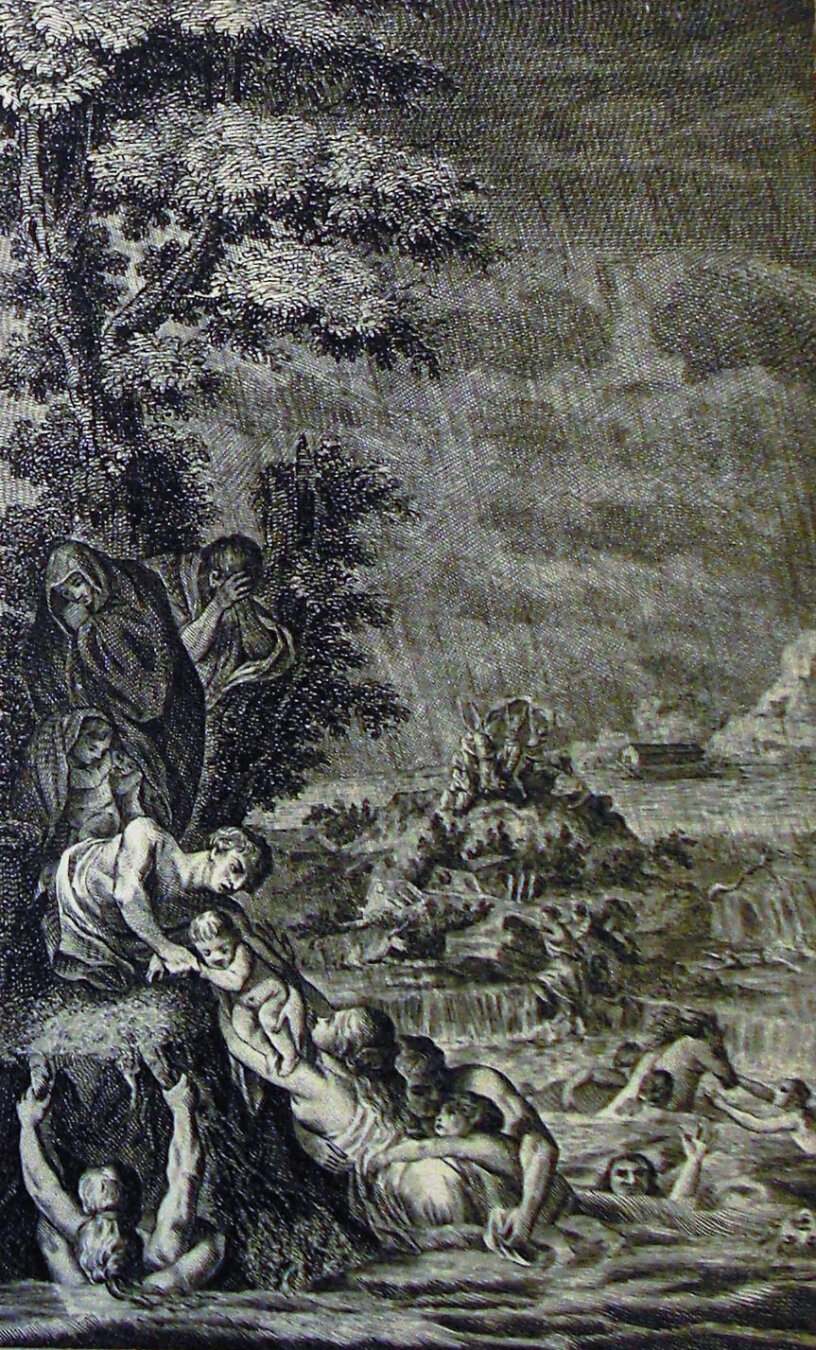
where Philip De Vere has created flip-books from Phillip Medhurst's photo-collection.
#BoltonMuseum #bible #extraillustration #grangerisation #MacklinBible #interleaved #print #engraving #etching #Bibleillustration #Bibleart #Christianart #christianartwork
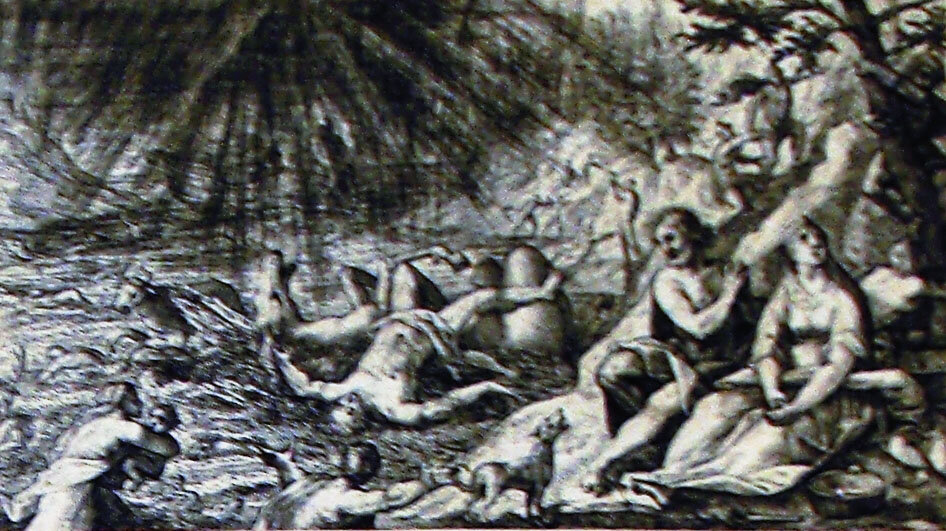
where Philip De Vere has created flip-books from Phillip Medhurst's photo-collection.
Robert Bowyer (d.1834) expanded his copy of the Macklin Bible by inserting over 6200 different prints. The Bowyer Bible is now housed in Bolton Museum. For these prints see https://archive.org/details/bowyer-bible
where Philip De Vere has created flip-books from Phillip Medhurst's photo-collection.
#BoltonMuseum #bible #extraillustration #grangerisation #MacklinBible #interleaved #print #engraving #etching #Bibleillustration #Bibleart #Christianart #christianartwork
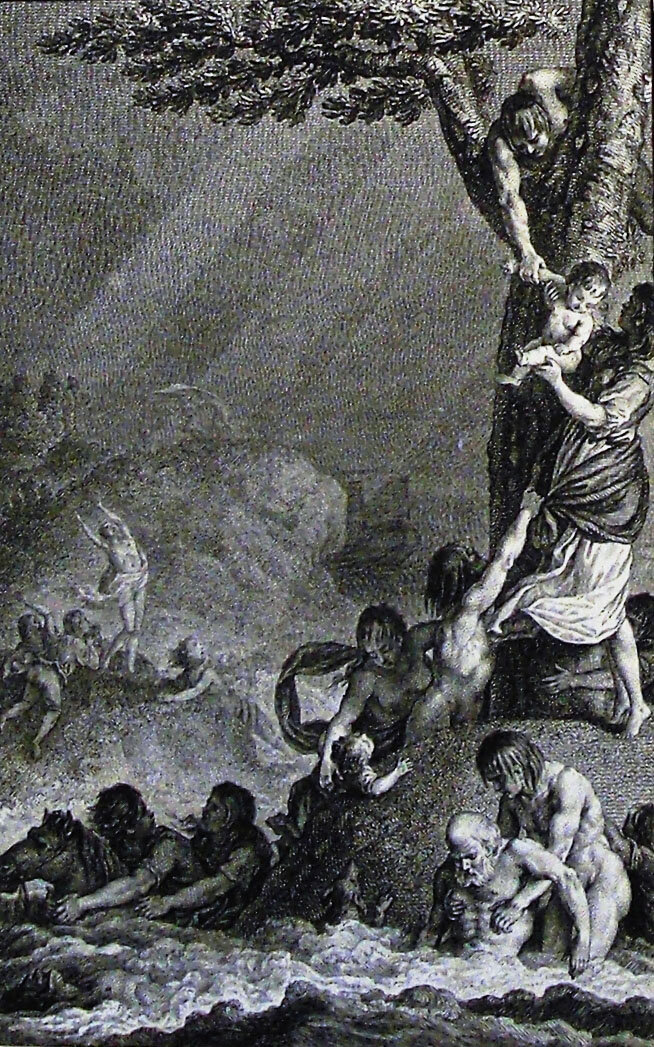
Bowyer Bible print 5631 Jesus is laid in the sepulchre John 19:42 after Carracci. Robert Bowyer (d.1834) expanded his copy of the Macklin Bible by inserting over 6200 prints. The Bowyer Bible is now housed in Bolton Museum. For these prints see https://archive.org/details/bowyer-bible
where Philip De Vere has created flip-books from Phillip Medhurst's photo-collection.
#BoltonMuseum #bible #extraillustration #grangerisation #MacklinBible #interleaved #print #engraving #Bibleart #Christianart #christianartwork
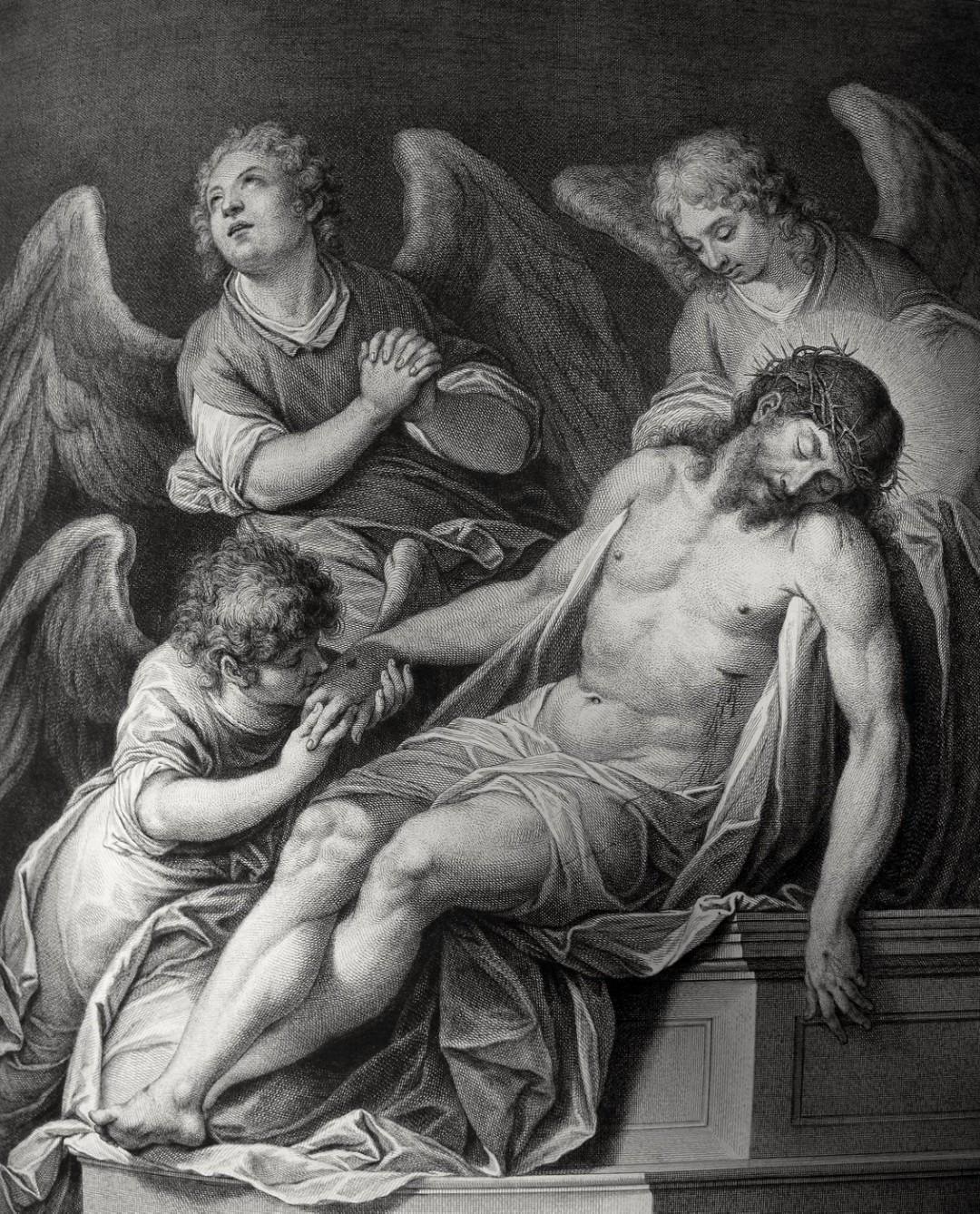
The Lord Knows Those Who Belong to Him
A Sermon Reflecting on Psalm 4:3 The words of Psalm 4:3 shine like a bright light in the middle of uncertainty and opposition: “But know that the Lord has set apart the godly for himself; the Lord hears when I call to him.” In a world where identities are constantly questioned and where the approval of others often seems to determine a person's worth, this verse anchors the believer in the unchanging reality of God's covenant love. It is a declaration of divine election, intimate […] [SENSITIVE CONTENT]

A Sermon Reflecting on Psalm 4:3
The words of Psalm 4:3 shine like a bright light in the middle of uncertainty and opposition: “But know that the Lord has set apart the godly for himself; the Lord hears when I call to him.” In a world where identities are constantly questioned and where the approval of others often seems to determine a person’s worth, this verse anchors the believer in the unchanging reality of God’s covenant love. It is a declaration of divine election, intimate relationship, faithful protection, and confident prayer. It reminds God’s people that they are neither forgotten nor abandoned, but are known, treasured, and heard by the Lord Himself.
David wrote this psalm during a time of distress. Enemies surrounded him, false accusations were spoken against him, and his honor was under attack. Yet instead of allowing fear to dominate his heart, he turned his attention toward the character of God. Rather than measuring his security by his circumstances, he measured it by the faithfulness of the One who had called him.
This is a lesson every believer needs. The world measures success by popularity, wealth, influence, and recognition. God measures differently. His eyes look upon those who trust Him, who seek Him, and who walk with Him in humble obedience. The believer’s confidence rests not in human applause but in divine acceptance.
The psalm begins this declaration with the words, “But know.” David speaks with certainty. This is not wishful thinking or emotional optimism. It is settled truth. The believer is invited to possess an assurance that is rooted in God’s revealed character rather than shifting human emotions. Faith rests upon what God has said, and God has spoken clearly.
There are many voices in the world competing for attention. Some tell believers that they are insignificant. Others suggest that God is distant or indifferent. Still others insist that faith is irrelevant in a modern society. Against every competing voice stands the unchanging testimony of Scripture: the Lord knows His own.
The phrase “the Lord has set apart the godly for himself” carries profound theological significance. To be set apart is to be distinguished, chosen, and consecrated for God’s own purposes. Throughout Scripture, holiness is fundamentally about belonging to God. The holy things in the tabernacle were separated unto Him. The priests were consecrated unto Him. Israel was called to be a holy nation because they belonged to Him. Likewise, every believer in Christ has been set apart by divine grace.
This separation is not based upon human merit. David himself understood his own weakness and failures. The godly are not sinless people who have earned God’s favor through flawless obedience. They are those who trust in God’s mercy, walk in covenant fellowship with Him, and seek His righteousness. In the fullness of biblical revelation, believers understand that this standing comes through Jesus Christ, whose perfect righteousness is credited to all who believe.
The gospel transforms this ancient psalm into an even greater promise. Through Christ, believers become God’s treasured possession. They are adopted into His family, justified by His grace, sanctified by His Spirit, and destined for eternal glory. They are no longer strangers but sons and daughters.
This truth should reshape the way Christians understand themselves. Many struggle with insecurity because they seek their identity in unstable places. Careers change. Friendships disappoint. Health fades. Financial security disappears. Even earthly achievements eventually pass away. But the identity that God gives remains forever.
The believer belongs to the Lord.
Nothing could be more comforting than this reality. Before the foundation of the world, God knew His people. Through the work of Christ, He redeemed them. By the Holy Spirit He seals them. Through His providence He preserves them. One day He will glorify them. Every stage of salvation is held securely in His sovereign hands.
To belong to God is not merely to possess a religious affiliation. It is to live under His loving authority and gracious care. Just as a shepherd watches over his sheep, so the Lord watches over His people. Just as a father cares for his children, so God cares for those who trust Him. His knowledge is not detached observation but covenant love expressed through faithful action.
The second half of the verse declares, “The Lord hears when I call to him.”
The God who sets His people apart also listens to their prayers.
This truth is astonishing. The Creator of galaxies hears the whispered cries of His children. The King of heaven inclines His ear toward ordinary believers. The sovereign ruler over history receives the prayers offered in humble faith.
Prayer is possible because relationship exists.
Throughout Scripture, prayer is not presented as a mechanical formula but as the conversation of covenant fellowship. God’s people pray because they know the One to whom they speak. They approach Him not as distant strangers but as beloved children.
This confidence should transform the believer’s prayer life. Too often prayer becomes weak because people imagine God as reluctant, distracted, or unconcerned. Yet Scripture repeatedly presents God as attentive to His children. He hears before words are fully spoken. He knows every burden before it is expressed. He understands every sorrow before tears begin to fall.
This does not mean that God always answers exactly as expected. Divine wisdom often chooses a better path than human understanding. Sometimes He answers immediately. Sometimes He delays. Sometimes He redirects. Sometimes He says no because He intends something greater. Yet His hearing is never absent, and His love never fails.
The believer can therefore pray with confidence even in silence, darkness, or uncertainty.
David’s life demonstrates this repeatedly. He faced betrayal, warfare, exile, grief, and personal failure. Yet through every season he continued to seek the Lord because he trusted God’s faithfulness more than his own circumstances.
The church today desperately needs this confidence. Many believers face opposition from an increasingly secular culture. Some experience ridicule for biblical convictions. Others endure loneliness because of their faith. Many struggle with anxiety about the future, broken relationships, financial pressures, illness, or disappointment.
Psalm 4:3 speaks directly into every one of these situations.
The Lord has not abandoned His people.
He has set them apart for Himself.
He hears when they call.
These truths produce remarkable courage. When identity is secure in God, the fear of human opinion loses its power. When acceptance comes from heaven, rejection on earth becomes bearable. When divine love is certain, earthly disappointments no longer define life.
This assurance also produces holiness. Those who belong to God should live as those who belong to God. Separation from the world is not isolation from people but dedication to God’s purposes. Christians are called to reflect God’s character in their speech, conduct, compassion, integrity, and worship.
The church is meant to be visibly different because it belongs to a different kingdom.
The world often celebrates pride, but believers pursue humility. The world rewards selfish ambition, but believers practice sacrificial love. The world seeks revenge, but believers extend forgiveness. The world builds identity around self-expression, but believers find identity in Christ.
Such distinctiveness is not always easy. It may invite criticism or misunderstanding. Yet the Christian remembers that being set apart is a privilege rather than a burden. The believer’s greatest honor is not worldly success but belonging to the living God.
This verse also teaches perseverance. Prayer often becomes difficult when answers seem delayed. Doubts arise. Questions multiply. Weariness settles into the heart.
Psalm 4:3 reminds the weary believer to keep calling upon the Lord.
The God who hears has not changed.
His timing remains perfect.
His wisdom remains flawless.
His love remains steadfast.
Even when heaven appears silent, God is still at work accomplishing His good purposes. Every unanswered prayer is held within the mystery of divine providence, where infinite wisdom governs every detail for eternal good.
The greatest demonstration of this truth is found at the cross of Jesus Christ. On that dark day it appeared that evil had triumphed. Yet God was accomplishing redemption for the world. The apparent silence of heaven concealed the greatest act of grace in history. Through Christ’s suffering came humanity’s salvation.
The same God continues to work through circumstances that believers cannot yet understand.
Therefore the church should pray boldly.
Families should pray together with confidence.
Pastors should preach with confidence.
Missionaries should serve with confidence.
Saints should endure suffering with confidence.
Not because circumstances are easy, but because God remains faithful.
Psalm 4:3 ultimately directs the heart toward eternal security. God’s people are His forever. Nothing can separate them from His love. Death cannot sever the relationship He has established. Trials cannot cancel His promises. The powers of darkness cannot overcome His grace.
The believer’s confidence rests not in personal strength but in divine faithfulness.
The God who called His people will keep them.
The God who hears their prayers will never ignore their cries.
The God who set them apart will complete His saving work.
Therefore Christians may walk through life with peaceful confidence. They may face uncertainty without despair, opposition without fear, suffering without hopelessness, and even death without terror, because they know to whom they belong.
Psalm 4:3 calls every believer to rest in the certainty that God’s covenant love is stronger than every earthly trial. It invites the church to abandon anxious striving and to embrace joyful trust. The Lord has claimed His people as His own possession, and He remains attentive to every prayer that rises from hearts that seek Him.
In every generation this truth remains unchanged: those who belong to the Lord are never forgotten, never abandoned, and never unheard. The God who sets apart His faithful ones continues to hold them securely in His everlasting love, and His ears remain open to every cry that ascends to His throne of grace.

Alt...
The Lord Knows Those Who Belong to Him
Bowyer Bible print 5272 John the Baptist testifies John 1:19-20 Passeri. Robert Bowyer (d.1834) expanded his copy of the Macklin Bible by inserting over 6200 different prints. The Bowyer Bible is now housed in Bolton Museum. For these prints see https://archive.org/details/bowyer-bible
where Philip De Vere has created flip-books from Phillip Medhurst's photo-collection.
#BoltonMuseum #bible #MacklinBible #interleaved #print #engraving #etching #Bibleillustration #Bibleart #Christianart #christianartwork
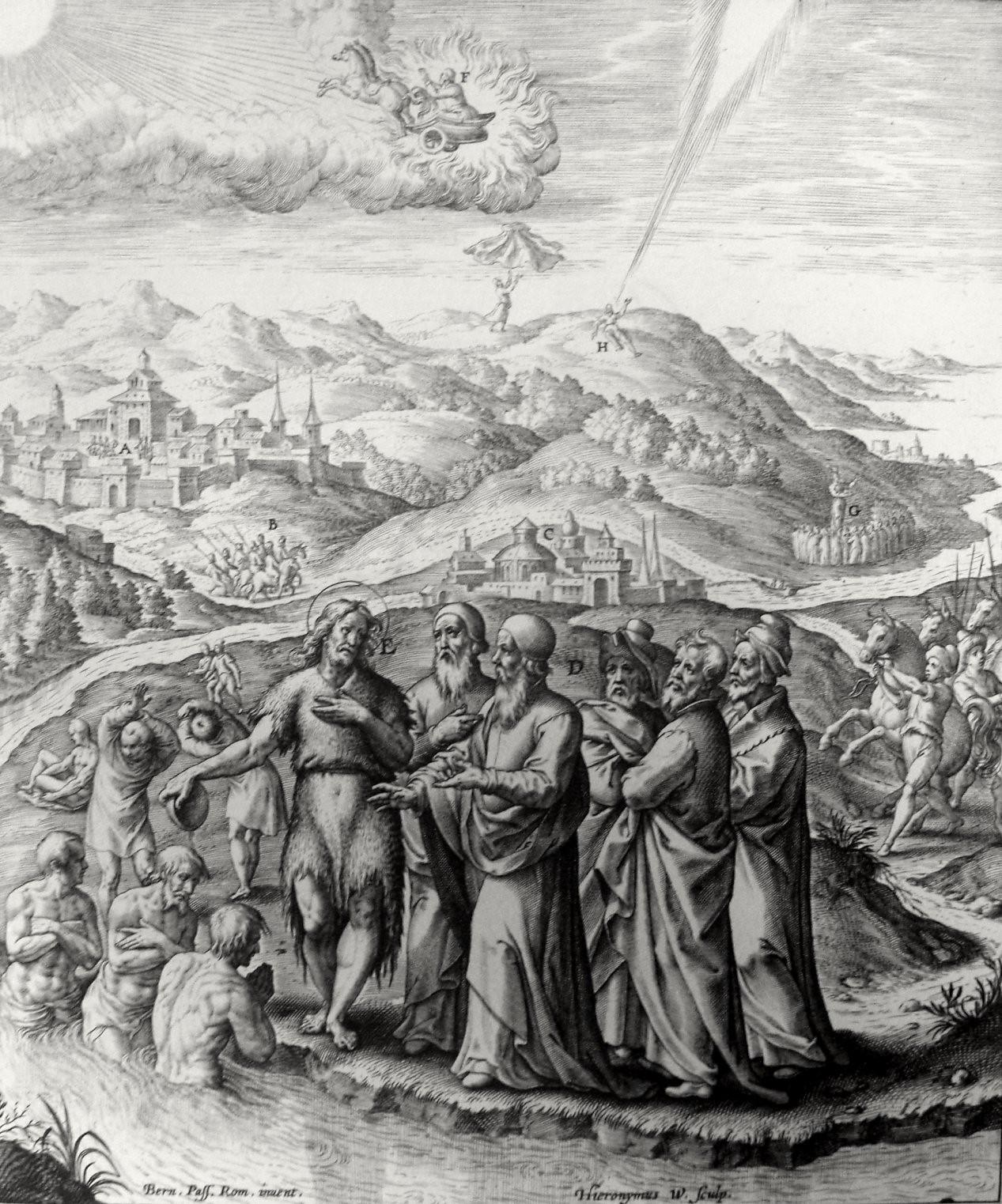
Bowyer Bible print 4393 The transfiguration of Jesus Mark 9:2-7 Dutch Bible. Robert Bowyer (d.1834) expanded his copy of the Macklin Bible by inserting over 6200 different prints. The Bowyer Bible is now housed in Bolton Museum. For these prints see https://archive.org/details/bowyer-bible
where Philip De Vere has created flip-books from Phillip Medhurst's photo-collection.
#BoltonMuseum #bible #extraillustration #grangerisation #MacklinBible #interleaved #print #engraving #Bibleillustration #christianartwork
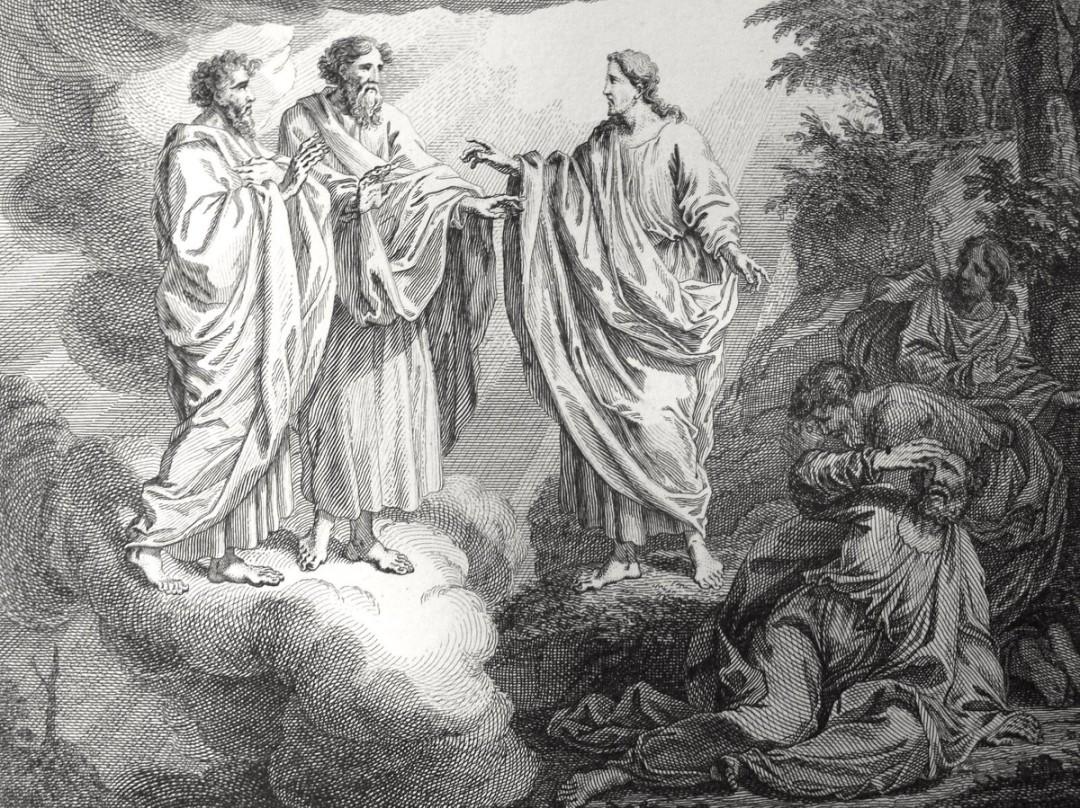
Bowyer Bible print 4121 The entombment of Jesus Matthew 27:59-60 Artist unknown. Robert Bowyer (d.1834) expanded his copy of the Macklin Bible by inserting over 6200 different prints. The Bowyer Bible is now housed in Bolton Museum. For the prints see https://archive.org/details/bowyer-bible
where Philip De Vere has created flip-books from Phillip Medhurst's photo-collection.
#BoltonMuseum #bible #extraillustration #grangerisation #engraving #etching #Bibleillustration #Bibleart #Christianart #christianartwork
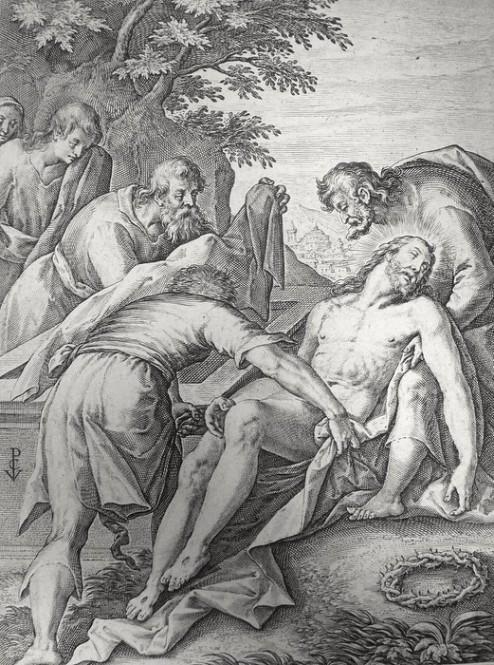
The God Who Knows His Own
A Theological Commentary on Psalm 4:3 Psalm 4:3 declares, “But know that the LORD has set apart the godly for himself; the LORD hears when I call to him.” In this single verse, David condenses several of the most profound themes of biblical theology: divine election, covenant relationship, holiness, providence, prayer, and assurance. The verse functions as both a declaration to David’s opponents and a confession of faith before God. It stands at the center of Psalm 4, providing the […] [SENSITIVE CONTENT]

A Theological Commentary on Psalm 4:3
Psalm 4:3 declares, “But know that the LORD has set apart the godly for himself; the LORD hears when I call to him.” In this single verse, David condenses several of the most profound themes of biblical theology: divine election, covenant relationship, holiness, providence, prayer, and assurance. The verse functions as both a declaration to David’s opponents and a confession of faith before God. It stands at the center of Psalm 4, providing the theological foundation upon which the psalmist’s confidence rests amid hostility and uncertainty.
The opening command, “But know,” carries significant rhetorical force. David contrasts the ignorance of the wicked with the certainty possessed by the faithful. The preceding verses address those who love vanity and pursue falsehood, while verse three introduces the decisive corrective: there is a reality established by God that cannot be overturned by human opposition. The Hebrew imperative conveys not merely intellectual awareness but settled recognition. David calls his hearers to acknowledge a divine truth that governs history regardless of appearances.
This emphasis on knowledge reflects a recurring biblical pattern. Throughout Scripture, the knowledge of God is never merely speculative or philosophical but covenantal and relational. To know God is to recognize His sovereign authority and covenant faithfulness. Likewise, to know that God has set apart His faithful ones is to understand the nature of redemption itself.
The phrase “the LORD has set apart” employs the covenant name Yahweh, emphasizing God’s personal relationship with His people. This is not the distant deity of philosophical abstraction but the God who revealed Himself to Moses, entered into covenant with Israel, and remains faithful to His promises throughout generations. The use of the covenant name grounds David’s confidence in the unchanging character of God rather than in his own circumstances.
The Hebrew verb translated “set apart” carries the idea of separation for a sacred purpose. It appears throughout the Old Testament in contexts involving holiness and divine ownership. Something set apart belongs uniquely to God and is reserved for His service. The temple vessels were set apart. The priests were set apart. Israel as a nation was set apart among the peoples of the earth. Here David applies this covenantal language to the individual believer, declaring that God has personally distinguished His faithful servant for Himself.
This concept reaches back to the earliest pages of Scripture. God separated light from darkness, land from sea, Israel from the nations, and eventually His church from the world. Divine separation is always purposeful rather than arbitrary. God distinguishes His people because He intends to display His glory through them and to draw them into fellowship with Himself.
The phrase “for himself” deepens this theology significantly. God does not merely rescue believers from judgment; He claims them as His own possession. The ultimate purpose of redemption is communion with God. Salvation is not merely deliverance from danger but entrance into covenant fellowship with the Creator.
This language echoes numerous passages throughout Scripture. God tells Israel that they are His treasured possession among all peoples. The prophets describe Israel as God’s inheritance and beloved vineyard. The New Testament develops the same idea by describing believers as purchased by Christ’s blood, adopted into God’s family, and called a people for His own possession. Redemption always moves toward relationship.
This covenant ownership also establishes identity. Human identity is often sought through achievement, social status, ethnicity, nationality, or personal accomplishment. Biblical theology grounds identity elsewhere. The believer belongs to God because God has chosen, redeemed, and sanctified him. The faithful are defined not primarily by what they do but by whose they are.
The expression “the godly” deserves careful theological attention. The Hebrew term has often been translated “saints,” “faithful ones,” or “godly.” It derives from the covenant concept of hesed, often translated steadfast love or covenant loyalty. The godly person is not sinless but one who lives within covenant relationship with God and responds to divine grace with faithfulness.
This distinction guards against legalism. David is not teaching that God sets apart those who have achieved moral perfection. The Psalms repeatedly acknowledge human weakness, sin, and dependence upon divine mercy. Rather, the godly are those whose lives are marked by covenant trust, repentance, and devotion to God.
Theologically, this points toward the doctrine of justification by faith. The righteous throughout Scripture stand before God not because of intrinsic merit but because of God’s gracious covenant acceptance. Abraham believed God, and it was counted to him as righteousness. David himself celebrates the blessedness of the one whose sins are forgiven. The godly are recipients of grace before they become practitioners of holiness.
At the same time, the verse affirms the necessity of sanctification. Those whom God sets apart become increasingly separated from the patterns of worldly rebellion. Holiness is both positional and progressive. God declares His people holy because they belong to Him, and then He progressively transforms them into the likeness of His character.
The second half of the verse shifts from divine election to divine communion: “The LORD hears when I call to him.” The connection between these clauses is vital. Because God has set apart His people, He hears their prayers. Divine hearing is presented as a covenant privilege arising from belonging to God.
Throughout the Old Testament, hearing signifies more than auditory perception. When Scripture says that God hears, it implies attentive action, covenant concern, and saving intervention. God heard Israel’s cries in Egypt and delivered them. He heard Hannah’s prayer and gave her a son. He heard Elijah’s prayer and answered with fire from heaven. Divine hearing consistently leads toward divine action according to God’s wisdom.
Prayer therefore rests upon relationship rather than ritual. David’s confidence does not arise from eloquence, sacrifice, or religious performance but from covenant belonging. God hears because David belongs to Him.
This principle becomes foundational for biblical spirituality. Prayer is not an attempt to persuade an unwilling deity but communion between a Father and His children. The believer approaches God with confidence because reconciliation has already been established by divine grace.
The New Testament expands this truth through the work of Christ. Jesus teaches His disciples to pray, “Our Father.” Paul describes believers as crying, “Abba, Father,” through the Spirit of adoption. The Epistle to the Hebrews invites Christians to approach the throne of grace with confidence because of the ministry of the great High Priest. The privilege anticipated in Psalm 4:3 finds its fullest realization in the mediatorial work of Jesus Christ.
Christological interpretation enriches the verse further. Jesus Himself is the perfectly set apart One. He is the Holy One of God, consecrated by the Father before the foundation of the world. His entire earthly ministry demonstrates complete devotion to the Father’s will. In His high priestly prayer, Christ declares that He sanctifies Himself for His people so that they also may be sanctified in truth.
Believers participate in this sanctification through union with Christ. They are set apart because they belong to the One who is perfectly holy. The church’s identity derives not from institutional existence but from participation in Christ’s own holiness through the Holy Spirit.
Ecclesiologically, this verse contributes significantly to the doctrine of the church. The church is not merely a voluntary association of religious individuals but the community set apart by divine calling. Peter echoes this theology when he calls believers “a chosen race, a royal priesthood, a holy nation, a people for his own possession.” The church exists because God has separated a people unto Himself through the gospel.
This separation, however, never implies withdrawal from the world. Israel was chosen to bless the nations. The church is called to be salt and light within society. Being set apart means distinctiveness of character while remaining engaged in God’s mission. Holiness is missional rather than isolationist.
The verse also contributes to the doctrine of perseverance. David speaks confidently despite opposition because his security rests in God’s sovereign action. God has set apart His faithful servant; therefore enemies cannot ultimately prevail. This confidence anticipates the New Testament assurance that those whom God foreknew, He predestined, called, justified, and glorified.
The believer’s assurance does not arise from personal consistency but from divine faithfulness. God’s covenant commitment secures His people through every trial. This does not eliminate suffering but transforms its meaning. The faithful may endure hardship while remaining secure within God’s sovereign love.
From a pastoral perspective, Psalm 4:3 offers profound comfort for believers experiencing rejection, persecution, or uncertainty. Human opinion often fluctuates. Reputation may be damaged unjustly. Friends may disappoint. Institutions may fail. Yet the believer’s identity rests upon God’s irreversible declaration that He has set apart His people for Himself.
This truth also corrects pride. Since separation originates in divine grace rather than human achievement, boasting is excluded. Election leads not to arrogance but to humility and gratitude. The believer recognizes that every spiritual blessing originates in God’s sovereign mercy.
Furthermore, the certainty that God hears prayer encourages perseverance in communion with Him. Prayer becomes an act of covenant confidence rather than desperate uncertainty. The believer prays not to earn God’s attention but because God has already granted His attention through covenant grace.
The psalm as a whole moves from distress to peace. David begins amid conflict and misunderstanding yet concludes by lying down in peace because God alone makes him dwell in safety. Verse three functions as the theological pivot enabling this transition. Divine election leads to divine hearing, which produces divine peace.
This sequence reflects the broader movement of biblical redemption. God chooses a people for Himself, enters into covenant relationship with them, hears their cries, redeems them through His mighty acts, sanctifies them by His Spirit, and ultimately brings them into eternal communion with Himself. Psalm 4:3 encapsulates this redemptive trajectory in remarkably concise language.
For systematic theology, the verse intersects with multiple doctrines simultaneously. It touches election through God’s sovereign setting apart, ecclesiology through the identity of God’s covenant people, sanctification through holiness, pneumatology through the transforming work implied in covenant faithfulness, Christology through ultimate fulfillment in Christ’s consecration, soteriology through divine grace, and practical theology through the assurance of answered prayer.
In conclusion, Psalm 4:3 stands as one of the Psalter’s richest affirmations of covenant identity and divine faithfulness. It reminds believers that their security lies not in worldly success but in belonging to God. It teaches that holiness begins with divine calling before it becomes human conduct. It assures the faithful that the God who has claimed them as His own also listens attentively to their prayers. Above all, it reveals a God whose purpose is not merely to rescue sinners but to possess them as His treasured people, drawing them into eternal fellowship with Himself through His steadfast covenant love. In this brief verse, the heart of biblical redemption is proclaimed with remarkable clarity: God sets apart His people for Himself, and because they belong to Him, He never ceases to hear their cries.

Alt...
The God Who Knows His Own
where Philip De Vere has created flip-books from Phillip Medhurst's photo-collection.
#BoltonMuseum #bible #extraillustration #grangerisation #MacklinBible #interleaved #print #engraving #etching #Bibleillustration #Bibleart #Christianart #christianartwork
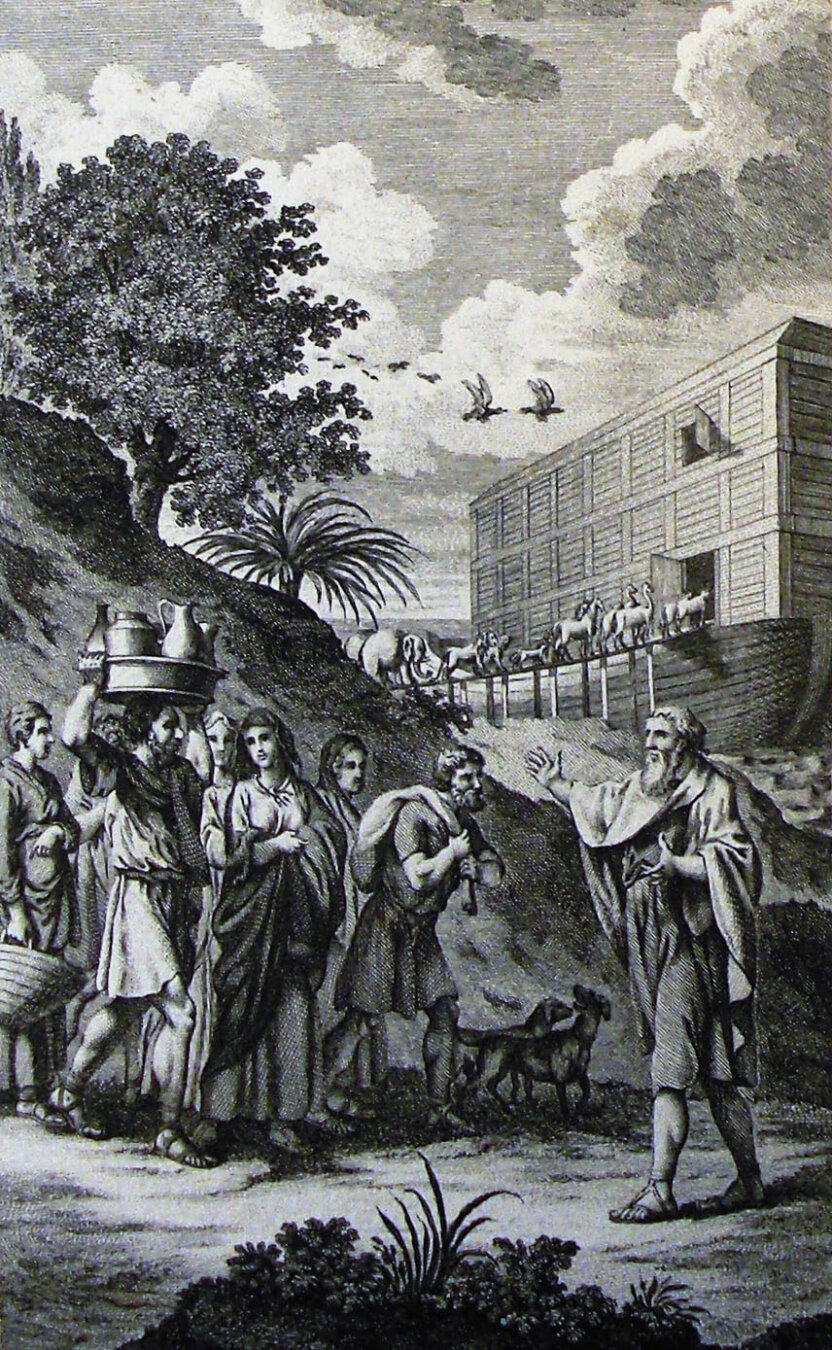
where Philip De Vere has created flip-books from Phillip Medhurst's photo-collection.
#BoltonMuseum #bible #extraillustration #grangerisation #MacklinBible #interleaved #print #engraving #etching #Bibleillustration #Bibleart #Christianart #christianartwork
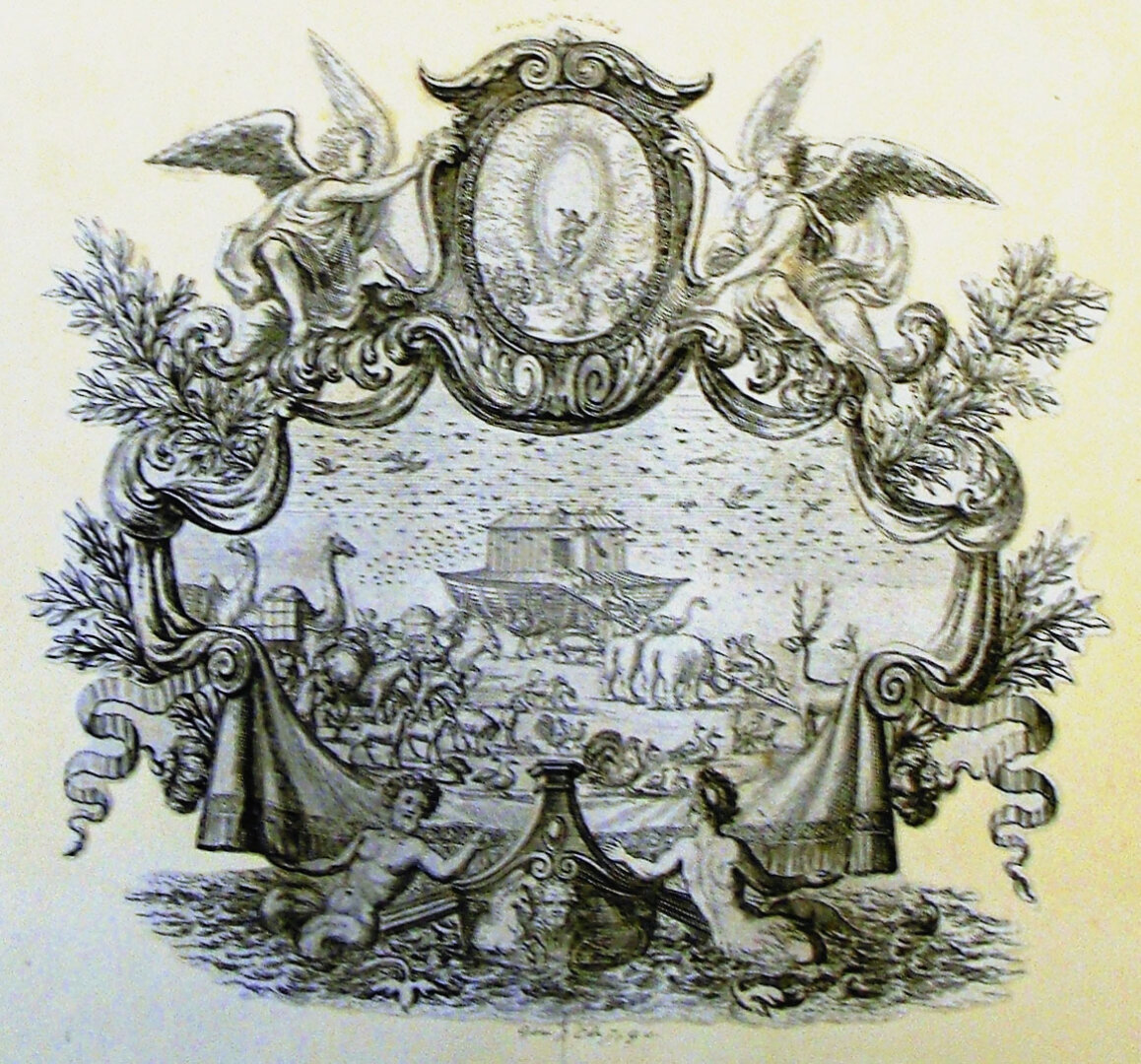
where Philip De Vere has created flip-books from Phillip Medhurst's photo-collection.
#BoltonMuseum #bible #extraillustration #grangerisation #MacklinBible #interleaved #print #engraving #etching #Bibleillustration #Bibleart #Christianart #christianartwork
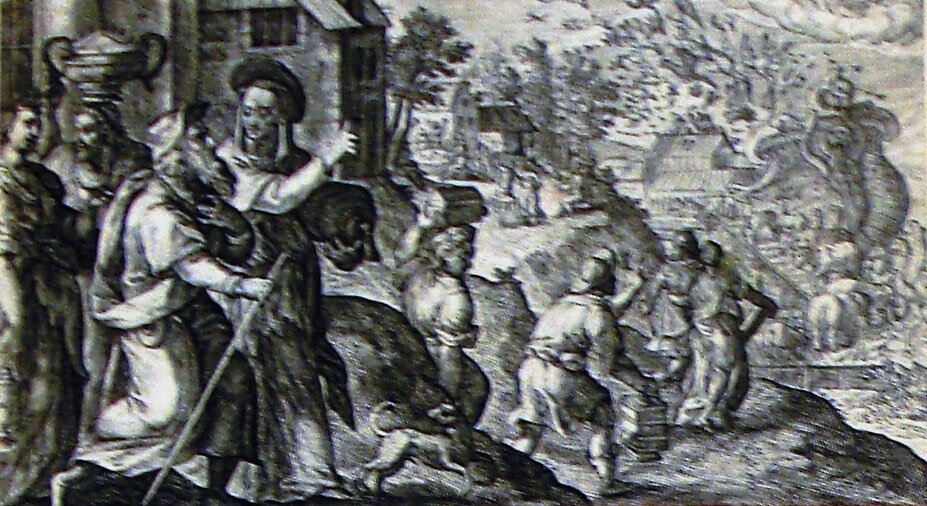
where Philip De Vere has created flip-books from Phillip Medhurst's photo-collection.
#BoltonMuseum #bible #extraillustration #grangerisation #MacklinBible #interleaved #print #engraving #etching #Bibleillustration #Bibleart #Christianart #christianartwork